• Global CNC market projected to reach $128B by 2028 • New EU trade regulations for precision tooling components • Aerospace deman
NYSE: CNC +1.2%LME: STEEL -0.4%

EU CE新规生效: CNC Automation Lines Require EN ISO 13849-1:2023 from Q3 2026

As of 26 April 2026, the European Union has formally activated a new CE conformity requirement: starting 1 July 2026, all newly exported automated production lines—including CNC-integrated systems—must comply with EN ISO 13849-1:2023 at Performance Level d (PLd) or higher and submit third-party-verified PFHd (average frequency of dangerous failures per hour) data. This regulation directly affects CNC system integrators, machinery exporters, and safety certification service providers operating in or supplying to the EU market.
Event Overview
On 26 April 2026, the European Commission published the enforcement timeline for updated CE marking requirements applicable to automated production lines. Effective 1 July 2026, any new automated production line placed on the EU market—including those integrating CNC machine tools—must meet the functional safety requirements specified in EN ISO 13849-1:2023, specifically achieving at least Performance Level d (PLd). Compliance must be substantiated by third-party verification of the calculated PFHd value. Chinese system integrators have begun engaging notified bodies—including TÜV Rheinland and SGS—for full-line safety assessments; reported assessment lead times have increased by 2–4 weeks.
Industries Affected by Segment
Direct Exporters of Automated Production Lines
Manufacturers and system integrators exporting turnkey CNC automation lines to the EU are directly subject to the new requirement. Non-compliant lines cannot be legally placed on the EU market after 1 July 2026. Impact includes mandatory redesign of safety-related control systems (SRP/CS), revised risk assessments, and integration of certified safety components meeting PLd targets.
CNC Machine Tool Suppliers (OEMs)
OEMs supplying individual CNC machines or modules to integrators face upstream compliance pressure. Their products’ safety functions—including emergency stop circuits, safe motion control, and interlocked guarding—must contribute to the overall PLd rating of the final integrated line. This may require updated safety manuals, certified safety component declarations, and traceable validation records.
Safety Certification & Testing Service Providers
Notified bodies and accredited test laboratories—including TÜV Rheinland and SGS—are experiencing increased demand for full-line functional safety assessments. Workload expansion is evident in extended lead times (2–4 weeks) for issuing PFHd-validated reports. Capacity planning and early engagement timelines are now critical for clients.
EU-Based End Users & Importers
EU-based purchasers and importers of automated lines must verify that suppliers provide valid EN ISO 13849-1:2023 PLd-compliant documentation prior to placing orders. Failure to do so risks non-conformance during market surveillance, potential product withdrawal, and liability under the EU Machinery Regulation (2023/1230).
What Relevant Enterprises or Practitioners Should Focus On — And How to Respond Now
Monitor official updates from EU national authorities and the European Commission
The 1 July 2026 effective date is confirmed, but interpretation guidance—e.g., transitional arrangements for lines partially assembled before the deadline, or acceptance criteria for legacy subsystem certifications—remains pending. Stakeholders should subscribe to updates from national market surveillance authorities (e.g., Germany’s BAuA, France’s DGCCRF) and the EU’s NANDO database.
Review current product architecture against EN ISO 13849-1:2023 PLd requirements
Integrators and OEMs should audit existing safety-related parts of control systems (SRP/CS) for architecture category (e.g., Category 3 or 4), diagnostic coverage (DC), and mean time to dangerous failure (MTTFd). Where gaps exist, prioritize upgrades to safety PLCs, certified safety drives, and redundancy strategies aligned with PLd calculation methodology.
Initiate third-party assessment engagement no later than Q2 2026
Given the observed 2–4 week extension in assessment lead times, integrators planning EU shipments from July 2026 onward should secure slots with notified bodies by June 2026 at the latest. Early submission of preliminary safety files—including validated block diagrams, failure mode assumptions, and component MTTFd/DC data—can help streamline review.
Distinguish between regulatory signal and operational readiness
This requirement is not a proposal or consultation—it is an enforceable provision under the Machinery Regulation. However, enforcement rigor during initial months may vary across member states. Businesses should treat compliance as mandatory from day one, while maintaining documented evidence of due diligence for any post-deadline audits.
Editorial Perspective / Industry Observation
Observably, this update formalizes long-anticipated alignment of automation line-level safety assessment with harmonized standards—shifting focus from component-level CE marking to integrated system-level functional safety validation. Analysis shows it reflects broader EU emphasis on lifecycle accountability under the Machinery Regulation, particularly for complex, software-influenced systems. It is less a sudden policy shift and more the operationalization of existing technical expectations—making it a concrete compliance milestone rather than a speculative risk. The accelerated engagement with notified bodies signals industry recognition that PLd-level validation is now a non-negotiable gate for EU market access.
Conclusion
This regulation marks a definitive step toward standardized, verifiable functional safety for industrial automation systems entering the EU. Its significance lies not in novelty, but in enforceability: from Q3 2026, PLd compliance backed by third-party PFHd verification becomes a hard requirement—not a best practice. Current understanding should treat it as an implemented regulatory threshold, requiring structured technical preparation rather than strategic reassessment.
Information Sources
Main source: Official EU Commission announcement dated 26 April 2026, referencing implementation of Annex I, Section 3.1.1 of Regulation (EU) 2023/1230 (Machinery Regulation), as applied to automated production lines. Further details on scope and application are expected via EU Guidance Document revision—this remains under observation.
PREVIOUS ARTICLE
NEXT ARTICLE
Recommended for You
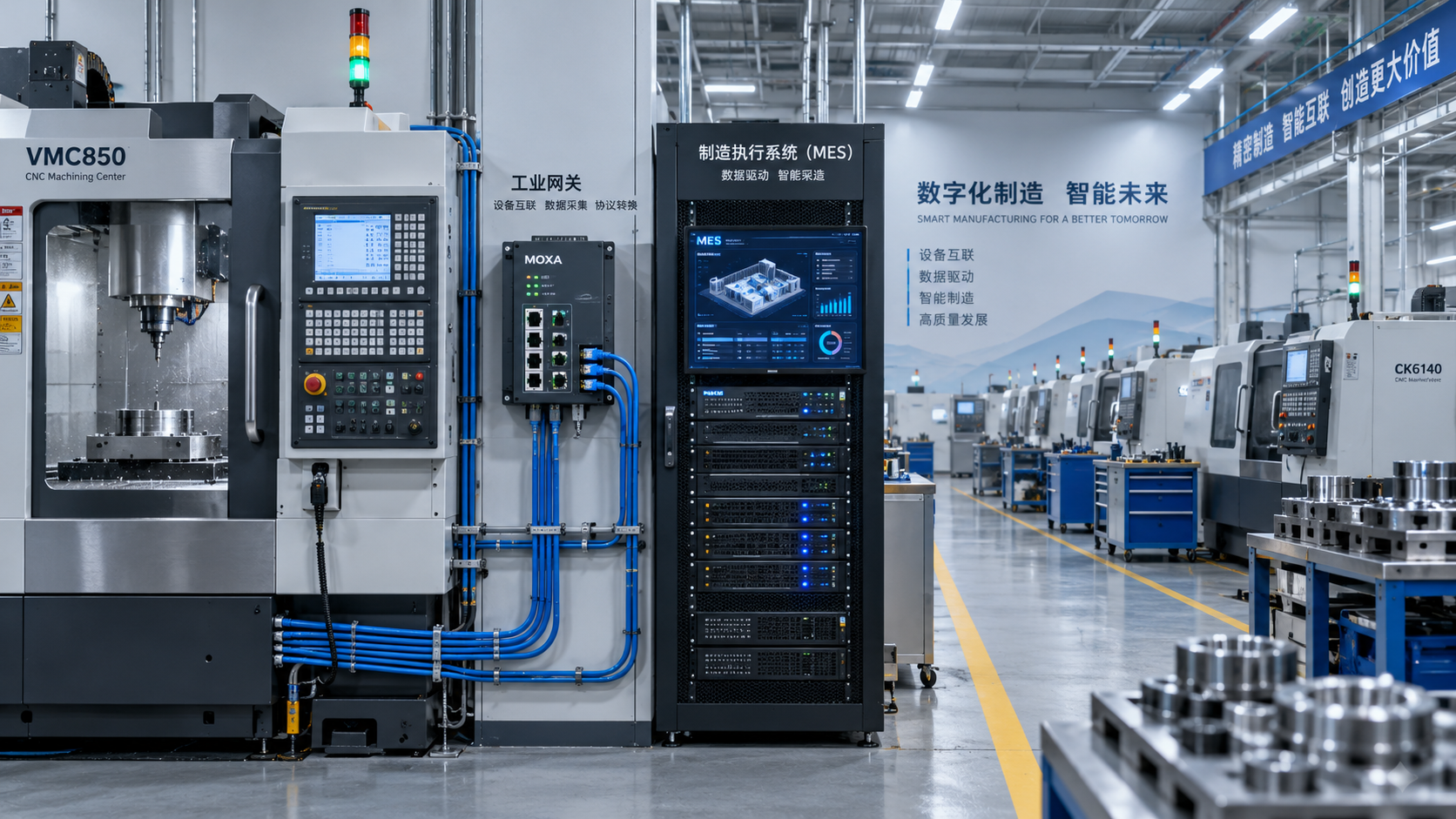
 Digital Manufacturing for Smart Factories: Connecting Legacy Machines to MESMachine Tool Industry Editorial Team
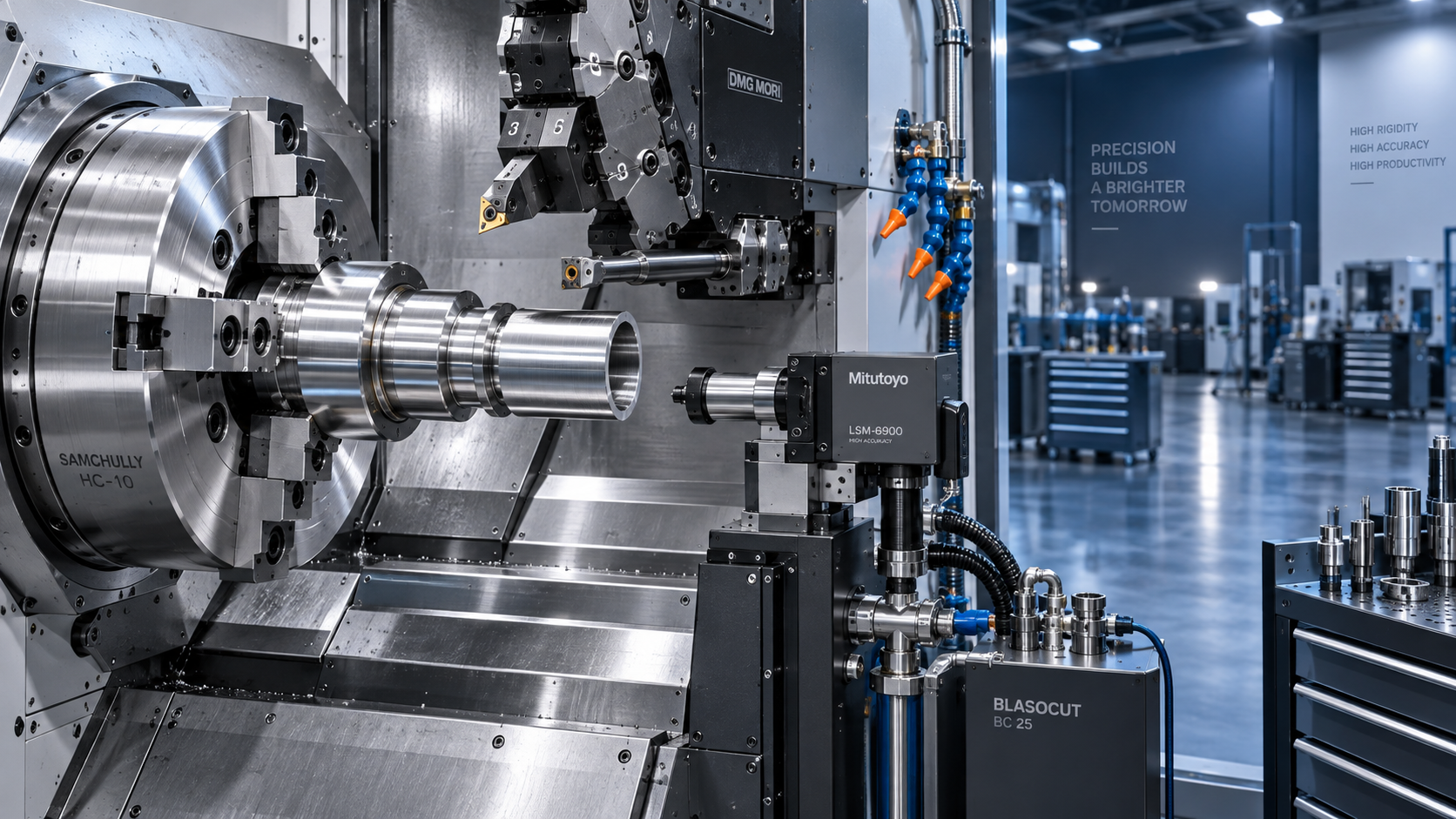
 How to Select a CNC Metal Lathe for Tight-Tolerance Shaft and Sleeve PartsCNC Machining Technology Center
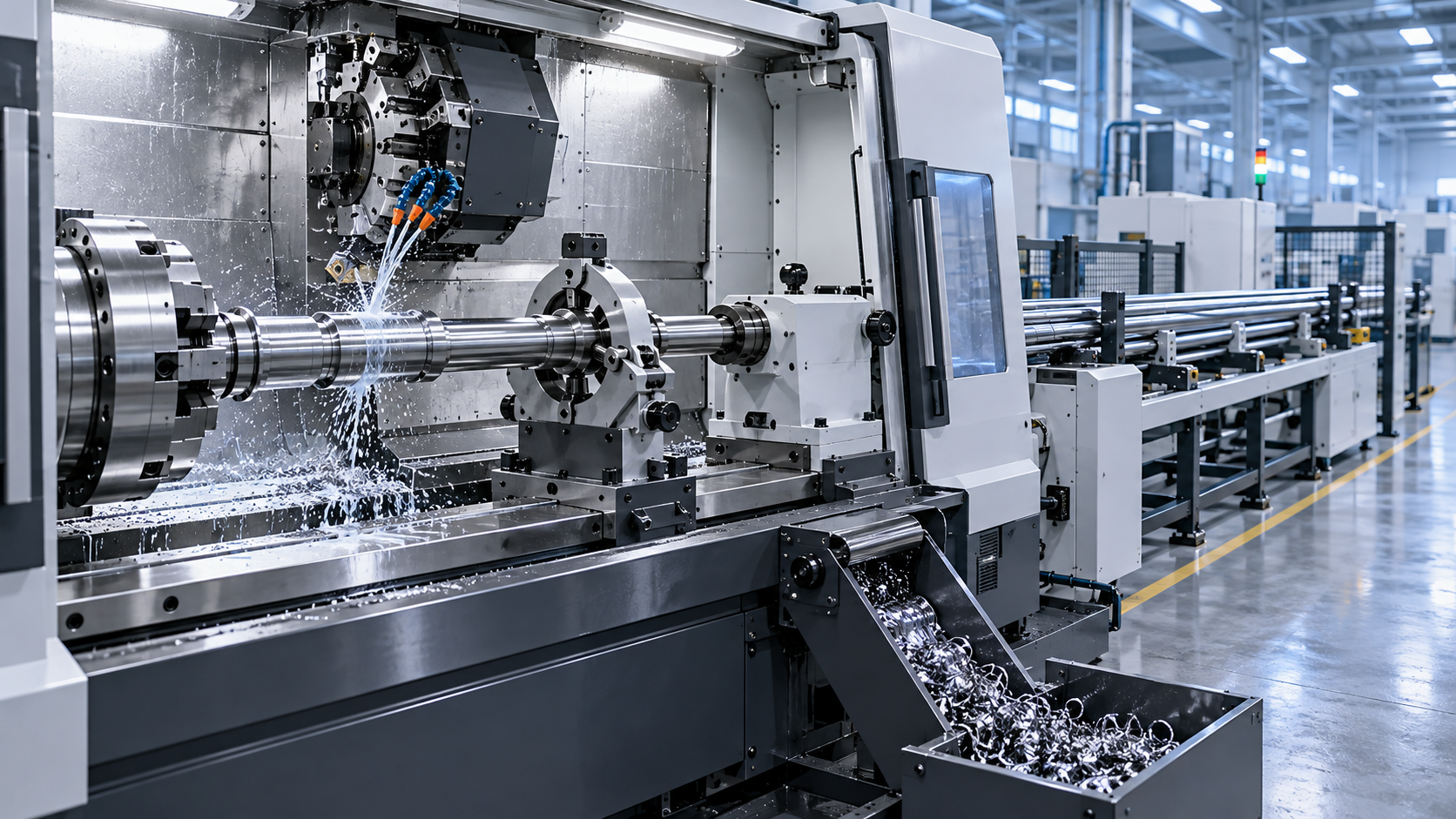
 How to Select an Industrial Lathe for High-Volume Shaft ProductionMachine Tool Industry Editorial Team
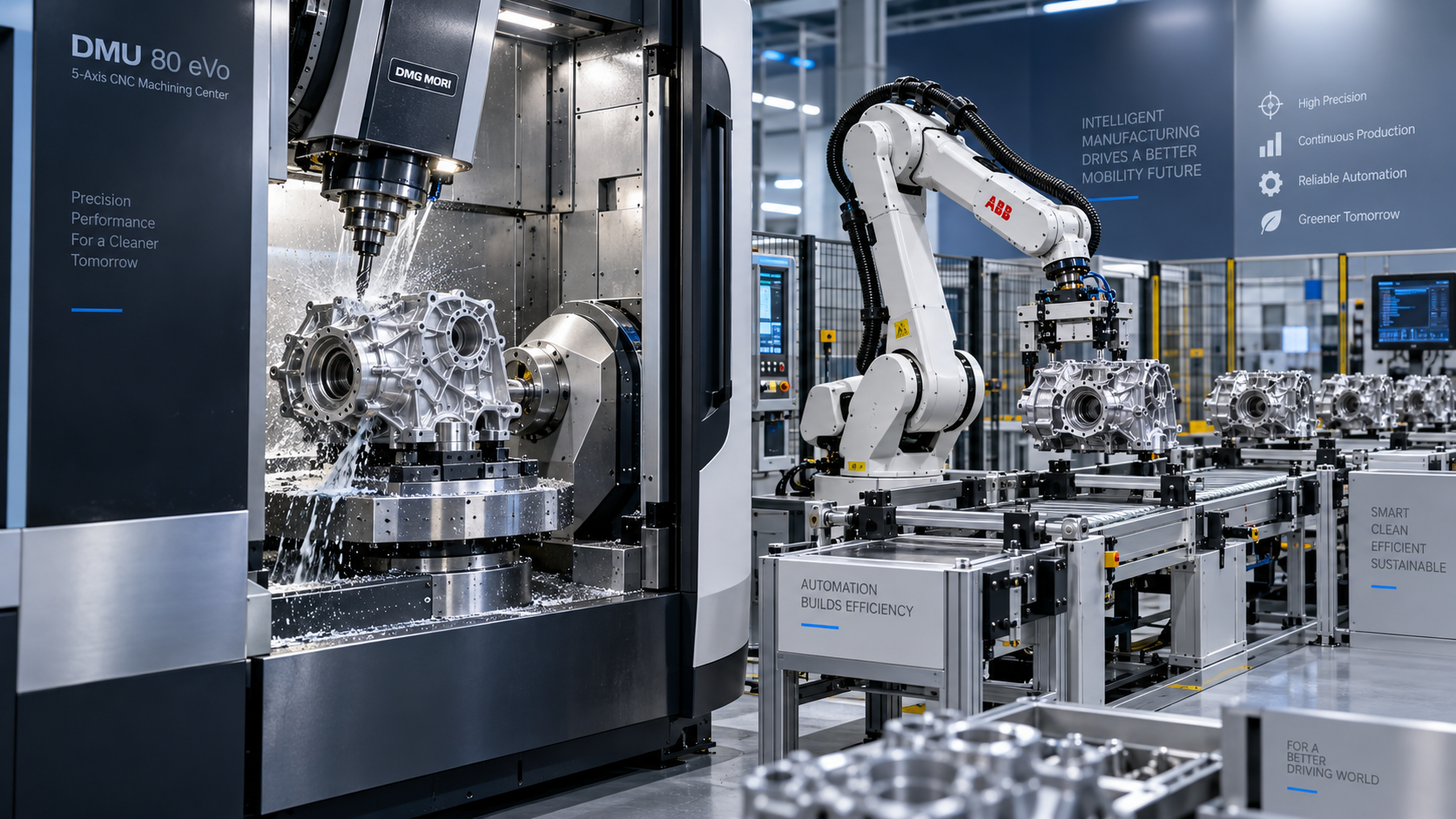
 Selecting Machine Tools for Automotive Parts: Accuracy, Throughput, and AutomationMachine Tool Industry Editorial Team
 Industrial Machining: Selecting Processes for Tight-Tolerance Metal PartsCNC Machining Technology Center
 Manufacturing Technology Trends That Improve Throughput and Quality ControlManufacturing Market Research Center

Aris Katos
Future of Carbide Coatings
15+ years in precision manufacturing systems. Specialized in high-speed milling and aerospace grade alloy processing.
▶
Digital Manufacturing for Smart Factories: Connecting Legacy Machines to MESMachine Tool Industry Editorial Team▶
Selecting Machine Tools for Automotive Parts: Accuracy, Throughput, and AutomationMachine Tool Industry Editorial Team▶
Smart Manufacturing for Small Businesses: Where Automation Delivers the Fastest ROIMachine Tool Industry Editorial Team▶
How Smart Manufacturing Technology Improves OEE Across Industry 4.0 Production LinesMachine Tool Industry Editorial Team▶
How to Evaluate an Automation Line for Electronics Production Before InvestmentMachine Tool Industry Editorial Team
Mastering 5-Axis Workholding Strategies
Join our technical panel on Nov 15th to learn about reducing vibrations in thin-wall components.

Providing you with integrated sanding solutions
Before-sales and after-sales services
Comprehensive technical support