• Global CNC market projected to reach $128B by 2028 • New EU trade regulations for precision tooling components • Aerospace deman
NYSE: CNC +1.2%LME: STEEL -0.4%

China CNC Localization Tops 50%, Pressuring FANUC

The timing of this development is not specified in the source input, but the signal is clear: the rise of domestic CNC systems in China is no longer only a technology story, it is increasingly relevant to procurement rules, supplier qualification standards, delivery planning, and technical specification decisions across the machine tool value chain. Against that backdrop, FANUC’s 2025 revenue in China fell 8.3% year on year and the company lowered its full-year outlook, while domestic systems gained further traction in mid-range equipment and selected emerging applications.
What has been confirmed so far
The confirmed facts are limited to the information provided. China’s CNC system localization rate is stated to have exceeded 50% in 2025. The summary attributes pressure on FANUC’s China performance to the rapid maturation of domestic CNC systems, including the HNC-8 series from Huazhong CNC and the GSK series from Guangzhou CNC, especially in five-axis linkage and AI-adaptive machining scenarios. FANUC’s 2025 revenue in China declined 8.3% year on year, and the company was compelled to lower its full-year expectation. The same input states that domestic systems now cover 85% of mid-range machine tool demand and have built customized advantages in emerging applications such as new energy vehicle die-casting islands and humanoid robot joint machining.
Where the rule signal matters in practice
Technical procurement is becoming more specification-driven
From an industry perspective, the shift matters first for buyers and equipment integrators. When domestic CNC systems can satisfy a large share of mid-range demand and enter advanced use cases such as five-axis linkage and AI-adaptive machining, procurement teams may need to revisit technical bid alignment, approved supplier lists, and equivalence review criteria. The practical impact is likely to appear in tender specifications, component substitution reviews, and acceptance documentation rather than in pricing alone.
Machine builders face new delivery and qualification choices
For processing and manufacturing companies, especially machine builders and system integrators, the change may affect how they validate controller compatibility, maintain technical files, and prepare delivery commitments. What deserves closer attention is whether customers begin to require clearer evidence on system performance, software stability, traceability of key components, and after-sales support readiness when domestic alternatives are proposed in place of established imported systems.
Service, testing, and support roles may need to adjust documentation
After-sales providers, testing-related firms, and supply-chain service participants may also feel the effect. If substitution accelerates, service records, commissioning documents, maintenance procedures, and quality traceability files may need to reflect different controller architectures and customized application settings. Analysis shows that this is less about a single policy announcement and more about a change in the compliance and delivery baseline that downstream users may gradually adopt.
What companies should monitor now
Watch changes in bid documents and technical acceptance language
Observably, one of the most immediate checkpoints is whether procurement documents start to treat domestic CNC options as fully acceptable in more categories. Companies involved in bidding, equipment supply, or integration should monitor changes in technical specifications, equivalence clauses, and final acceptance criteria, because these often determine whether substitution is commercially usable in practice.
Review certification and compliance files for substitute configurations
Where a machine or production cell is configured with a different CNC platform, companies should check whether existing technical documentation, validation records, test reports, and customer-facing compliance files remain sufficient. The input does not provide execution details, so it would be premature to describe a settled rule outcome, but it is reasonable to flag documentation readiness as a near-term operational issue.
Reassess delivery planning and supplier qualification
For procurement and supply-chain teams, the relevant question is not only whether domestic systems are technically available, but whether approved vendors, spare-parts support, and implementation capacity can match project schedules. This is especially relevant in application-specific areas already mentioned in the input, including die-casting islands for new energy vehicles and humanoid robot joint machining, where customized solutions may change supplier screening and delivery coordination requirements.
Prepare for export and after-sales consistency risks
If products built on different CNC platforms enter cross-border delivery or multi-site service environments, companies may need to pay closer attention to document consistency, after-sales response capability, and quality traceability. Analysis shows that platform substitution can create practical friction where service standards, user training, or support records are not updated at the same pace as sourcing decisions.
Why this looks more like an execution signal than a one-off headline
Analysis shows that this development is better understood as a market-based execution signal tied to changing industry rules of acceptance, rather than as a standalone policy release. The input does not identify a new regulation, official circular, or formal standard revision. Even so, once domestic systems are recognized by buyers and manufacturers as capable across a wider range of scenarios, the effective rules of market access can shift through tenders, qualification processes, technical reviews, and delivery practices. That is why continued attention to specification language, certification interpretation, and customer acceptance behavior matters more than headline competition alone.
How to read the development at this stage
A cautious reading is more appropriate than a definitive one. The confirmed facts point to stronger domestic substitution in China’s CNC system market and visible pressure on an established foreign supplier’s local performance. From an industry perspective, the larger significance is that sourcing logic, technical approval processes, and documentation requirements may be evolving alongside product capability. At this stage, it is more appropriate to understand the event as a concrete market signal with compliance and procurement implications, while the exact pace of rule adoption in tenders, qualification systems, and delivery standards still requires observation.
Basis of this article and items still requiring verification
This article is generated from the user-provided news title, event timing, and event summary. No specific official source link was provided in the input, so any formal policy basis, regulator statement, or primary-source confirmation still needs continued verification. For this type of development, source categories that usually matter include official announcements, regulator publications, customs or trade authority information, industry association updates, standards organization documents, and reporting from authoritative media. What still requires close follow-up includes any detailed policy wording, certification interpretation, tender document changes, market feedback, and actual implementation by enterprises across procurement, delivery, and after-sales workflows.
PREVIOUS ARTICLE
Recommended for You
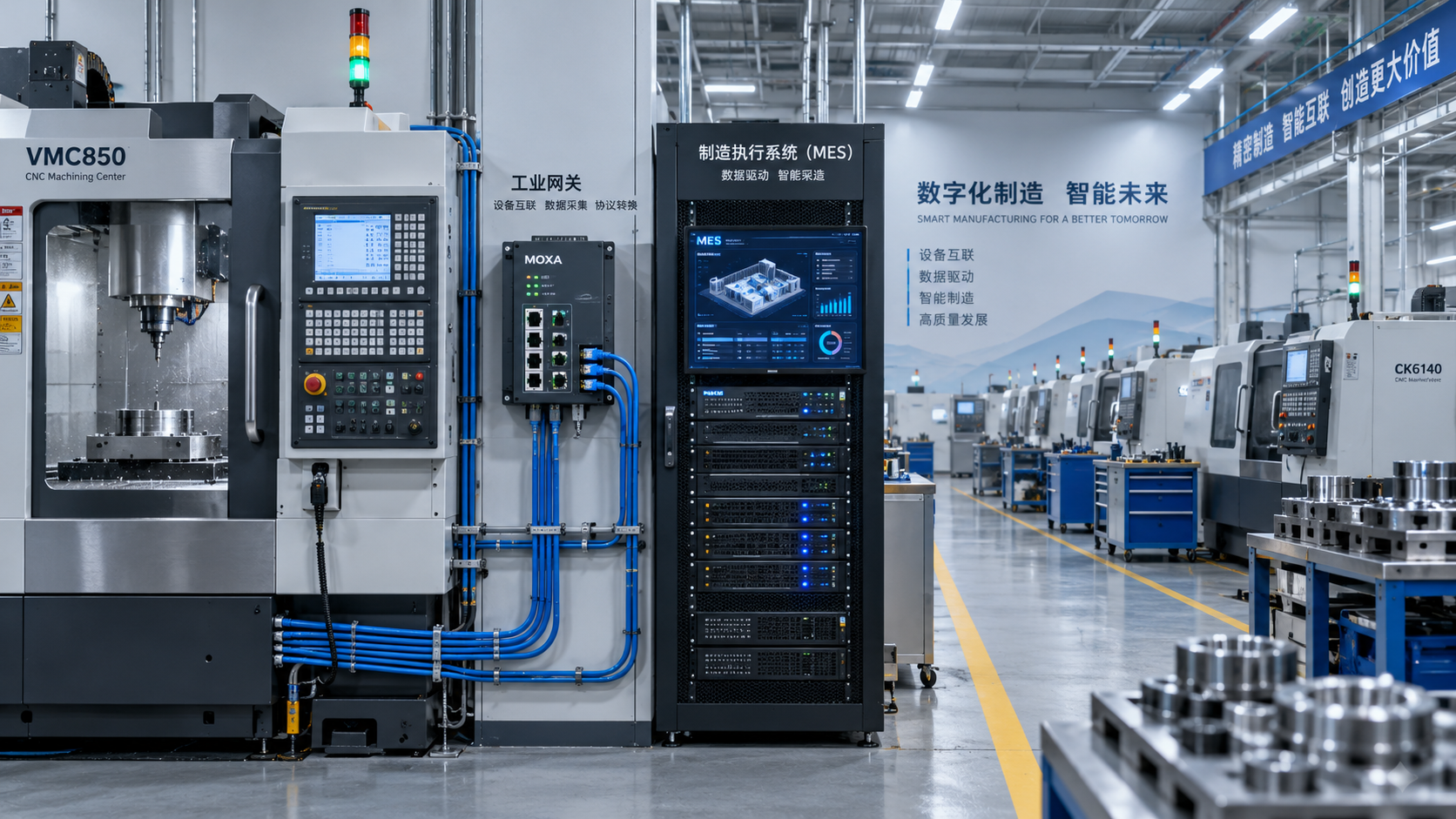
 Digital Manufacturing for Smart Factories: Connecting Legacy Machines to MESMachine Tool Industry Editorial Team
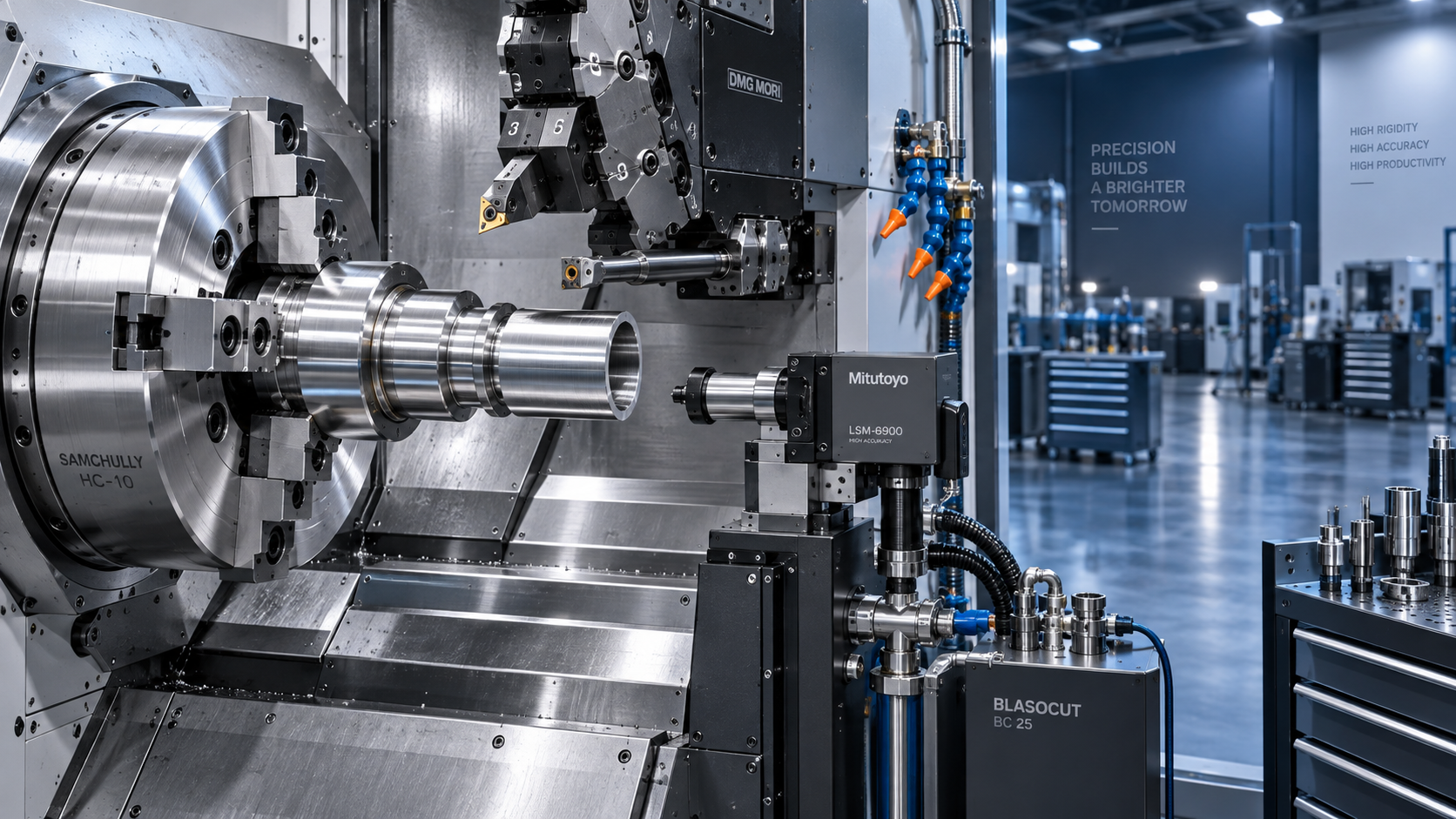
 How to Select a CNC Metal Lathe for Tight-Tolerance Shaft and Sleeve PartsCNC Machining Technology Center
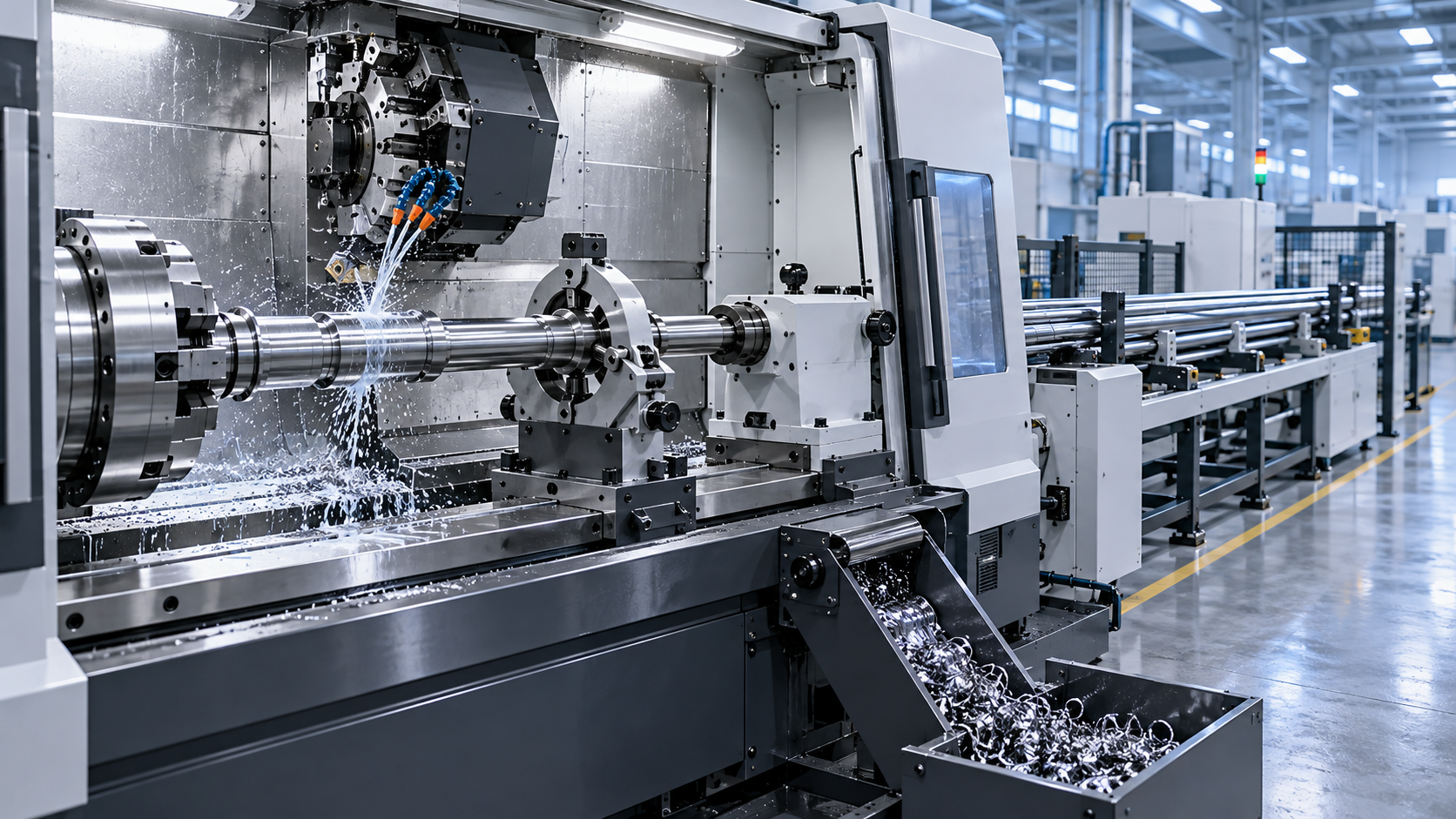
 How to Select an Industrial Lathe for High-Volume Shaft ProductionMachine Tool Industry Editorial Team
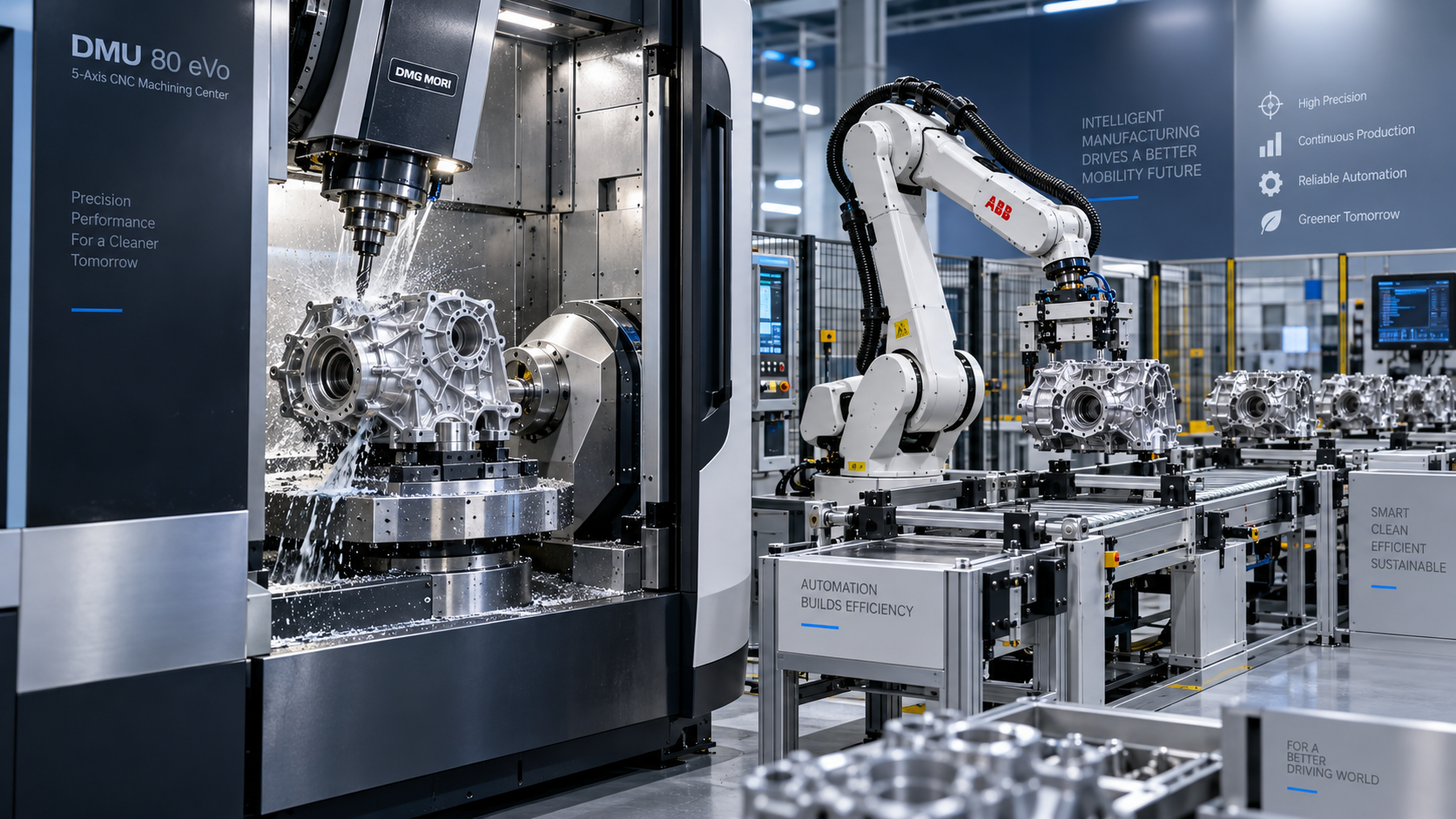
 Selecting Machine Tools for Automotive Parts: Accuracy, Throughput, and AutomationMachine Tool Industry Editorial Team
 Industrial Machining: Selecting Processes for Tight-Tolerance Metal PartsCNC Machining Technology Center
 Manufacturing Technology Trends That Improve Throughput and Quality ControlManufacturing Market Research Center


Aris Katos
Future of Carbide Coatings
15+ years in precision manufacturing systems. Specialized in high-speed milling and aerospace grade alloy processing.
▶
Machine Tool Market Outlook: Demand Drivers, Capacity Shifts, and Investment RisksManufacturing Market Research Center▶
Global Machine Tool Backlog Falls 12% as Automation Shifts DemandManufacturing Market Research Center▶
What Drives Machine Tool Price: 7 Cost Factors Buyers Should Compare Before OrderingManufacturing Market Research Center▶
Manufacturing Industry Cost Drivers in 2025: Labor, Energy, Freight, and Sourcing RisksManufacturing Market Research Center▶
CCMT2026 Ends With 40.2% Rise in Five-Axis Export PricesManufacturing Market Research Center
Mastering 5-Axis Workholding Strategies
Join our technical panel on Nov 15th to learn about reducing vibrations in thin-wall components.

Providing you with integrated sanding solutions
Before-sales and after-sales services
Comprehensive technical support