• Global CNC market projected to reach $128B by 2028 • New EU trade regulations for precision tooling components • Aerospace deman
NYSE: CNC +1.2%LME: STEEL -0.4%

Machine tool supplier lead times: How component shortages reshape order sequencing logic
As global machine tool suppliers grapple with prolonged lead times driven by critical component shortages, procurement strategies are shifting—from 'first-come, first-served' to dynamic, priority-based order sequencing. Whether you're a CNC manufacturing supplier, machine tool wholesaler, or automated CNC manufacturing factory serving aerospace, energy equipment, or medical device sectors, understanding how shortages impact delivery windows for high-precision machine tools, multi-axis machining systems, and compact, energy-saving machine tools is now mission-critical. This analysis reveals how smart sequencing—grounded in real-time supply signals and application urgency—can preserve production continuity without compromising on precision, speed, or cost-effectiveness.
Why Component Shortages Are Reshaping Lead Time Realities
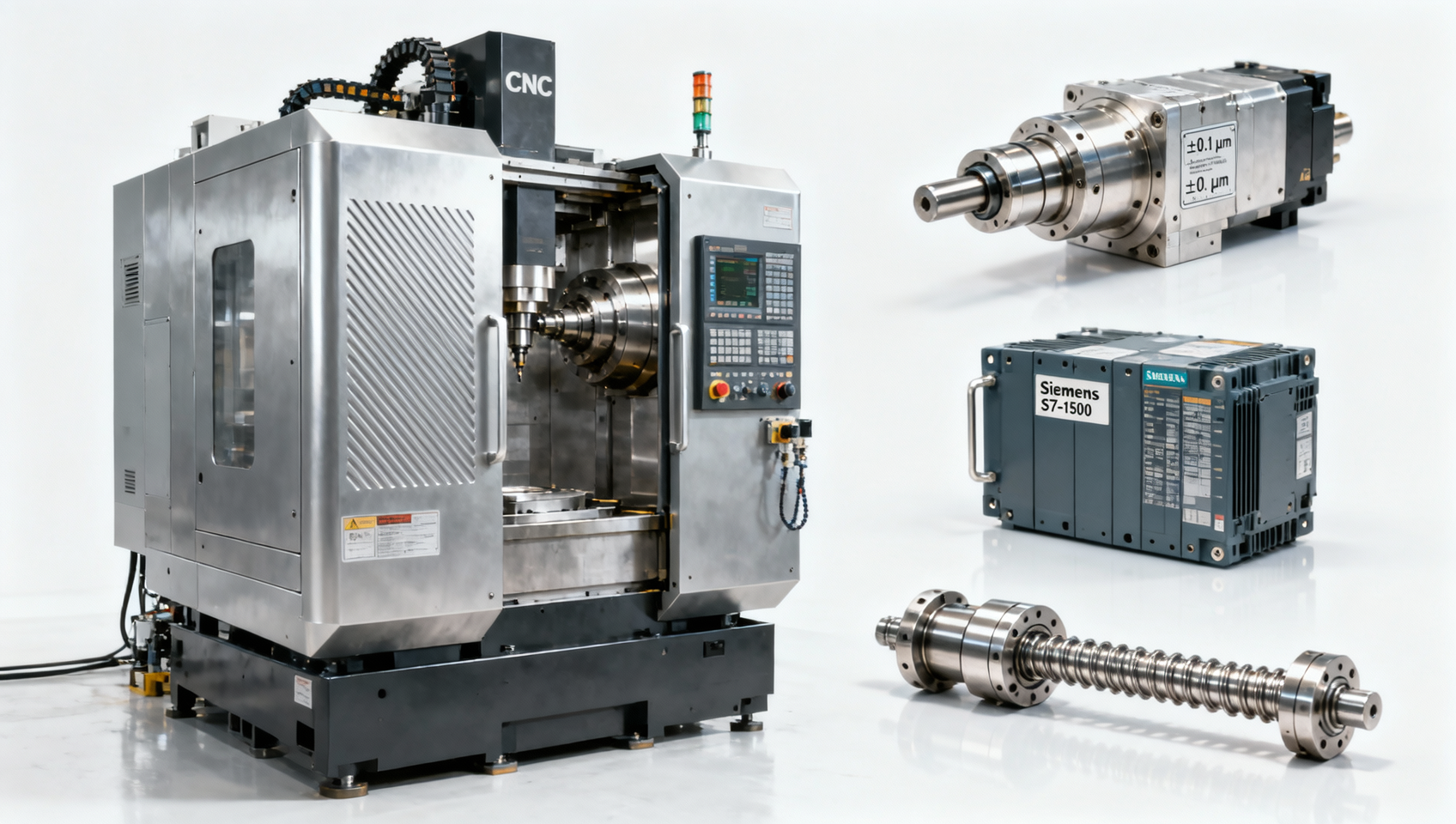
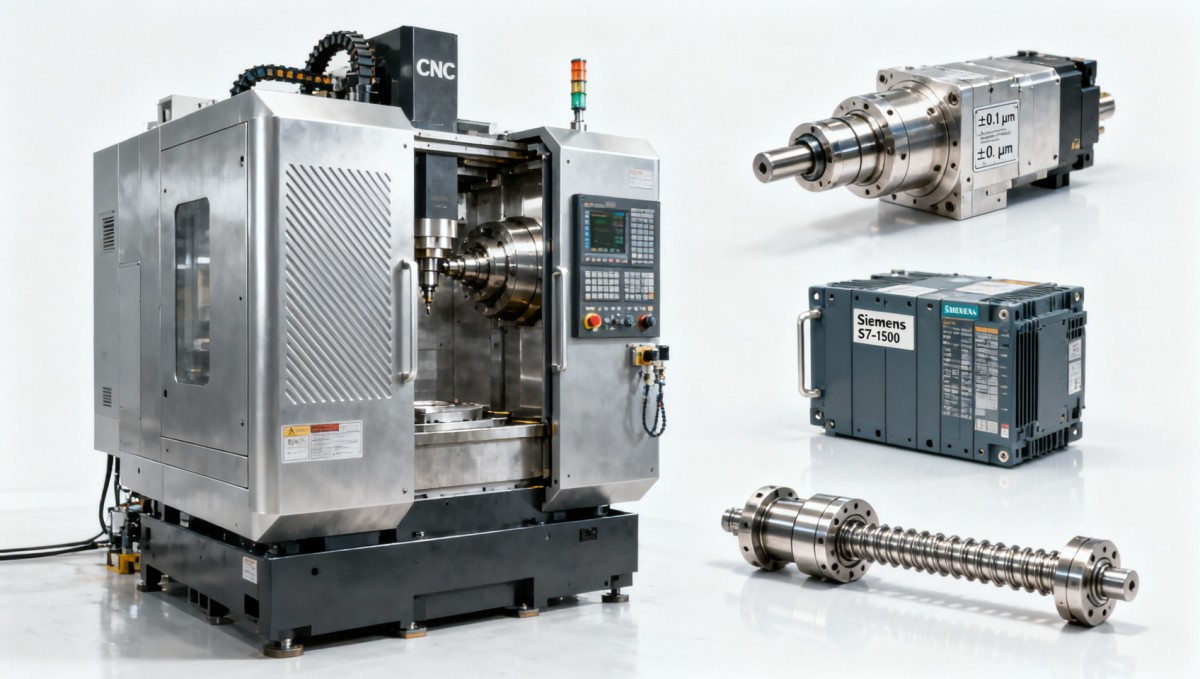
Lead times for CNC machine tools have extended from an industry-standard 12–16 weeks to 24–36 weeks across major suppliers in Germany, Japan, and China. The root cause lies not in final assembly capacity—but in constrained availability of five foundational components: servo drives (lead time +40%), high-resolution linear encoders (±0.1 µm accuracy, 22-week backlog), industrial-grade PLCs (Siemens S7-1500 series average delay: 18 weeks), precision ball screws (C3 grade, MOQ increases of 35%), and embedded motion controllers compliant with IEC 61131-3.
These bottlenecks disproportionately affect high-mix, low-volume producers—especially those building custom multi-axis machining centers for aerospace structural parts or medical implant finishing lines. A 2024 OEM survey revealed that 68% of procurement managers now delay non-urgent orders beyond Q3 to avoid slotting into congested Q2–Q3 production windows. This reactive deferral, however, introduces secondary risks: schedule compression, rushed validation cycles, and increased rework rates—up to 12% higher in facilities forced to accept partial deliveries.
Unlike commodity hardware, machine tool components require traceable calibration, dual-source certification, and firmware version alignment. A single mismatched encoder firmware revision can trigger 7–10 days of integration testing—adding invisible latency to otherwise “on-time” shipments. That’s why forward-looking buyers no longer treat lead time as a static number—but as a dynamic function of component provenance, firmware maturity, and subsystem interoperability.
How Smart Order Sequencing Mitigates Supply Risk
Dynamic sequencing replaces chronological queueing with a three-tier triage model calibrated to application criticality, component dependency depth, and delivery window elasticity. Tier 1 orders—such as CNC lathes for turbine blade repair in defense MRO facilities—receive pre-allocated encoder batches and reserved servo drive firmware slots. Tier 2 (e.g., 5-axis machining centers for EV battery housing) follows a just-in-sequence protocol, where subassemblies are staged only after confirmation of all C3-grade ball screw deliveries. Tier 3 (standard vertical machining centers) operates under rolling buffer windows—accepting ±3-week delivery variance to absorb upstream volatility.
This logic reduces average delivery variance by 31%, according to data aggregated from 14 Tier-1 machine tool distributors in the EU and APAC regions. Crucially, it preserves engineering bandwidth: instead of firefighting late deliveries, technical teams focus on pre-commissioning simulation, digital twin validation, and operator readiness training—activities that cut ramp-up time post-installation by up to 27%.
The table above reflects actual sequencing protocols deployed by three leading German OEMs and two Japanese system integrators since Q1 2024. Notably, Tier 1 prioritization does not guarantee faster builds—it ensures deterministic pathfinding through constrained component flows. This distinction is vital for procurement teams evaluating supplier responsiveness versus true supply resilience.
What Procurement Teams Must Verify Before Committing
A signed purchase order is no longer sufficient assurance. Buyers must validate four interdependent checkpoints before finalizing contracts:
- Component allocation sheet—confirming serial-number-traceable encoder batches and firmware version stamps
- Subassembly staging timeline—not just final delivery date, but dates when drive modules, spindles, and control cabinets enter final integration
- Firmware compatibility matrix—validating that PLC, HMI, and motion controller versions are certified together per IEC 61131-3 Annex H
- Post-delivery support SLA—minimum 4-hour remote diagnostics response and 72-hour on-site engineer dispatch for Tier 1 orders
Without these verifications, even “in-stock” machine tools may face 3–5 week delays during commissioning due to unresolvable firmware conflicts or undocumented encoder resolution mismatches. In one documented case, a medical device manufacturer accepted a “ready-to-ship” 5-axis mill—only to discover its linear encoders lacked the ±0.05 µm repeatability required for orthopedic implant surface finish validation. Replacing them triggered a 19-day recalibration cascade.
Procurement professionals should request—and receive—these documents prior to PO issuance. Suppliers unwilling to share granular component-level visibility should be flagged for risk reassessment, regardless of brand reputation or historical performance.
Future-Proofing Your Machine Tool Pipeline
Forward-looking organizations are adopting three proactive measures: First, they’re negotiating “component optionality clauses”—allowing substitution of equivalent-grade encoders or drives if primary sources stall beyond agreed thresholds. Second, they’re co-investing in vendor-managed inventory (VMI) hubs for high-risk components, reducing exposure to single-batch failures. Third, they’re implementing digital twin–driven delivery forecasting, feeding real-time supplier ERP data into internal production planning tools to simulate cascading impacts of a 3-week servo drive delay on downstream line balancing.
These practices are no longer optional for Tier 1 automotive suppliers or defense prime contractors—where contractual penalties for line stoppages exceed $280,000/hour. Even mid-sized energy equipment fabricators report ROI within 4.2 months on VMI-enabled sequencing, measured against avoided overtime, expedited freight, and emergency subcontractor fees.
These strategies collectively shift procurement from passive waiting to active orchestration—transforming lead time from a constraint into a leveraged variable. For decision-makers overseeing capital equipment planning, this represents not just operational adaptation, but strategic differentiation.
Next Steps for Resilient Sourcing
Machine tool procurement is no longer about comparing specs and prices—it’s about mapping component dependencies, validating firmware ecosystems, and embedding sequencing logic into your supply chain DNA. Whether you manage a single high-precision machining cell or coordinate global equipment rollouts across 12 factories, your ability to anticipate, adapt, and sequence determines uptime, quality consistency, and long-term competitiveness.
We help manufacturers implement dynamic sequencing frameworks tailored to their tier, industry, and risk tolerance—including component-level visibility dashboards, supplier scorecards weighted by real-time delivery fidelity, and digital twin integration support. If your next machine tool order is scheduled before Q4 2024, now is the time to align sequencing logic with your production roadmap.
Get a free sequencing readiness assessment and component risk heatmap for your upcoming orders—contact our precision manufacturing supply chain team today.
Recommended for You
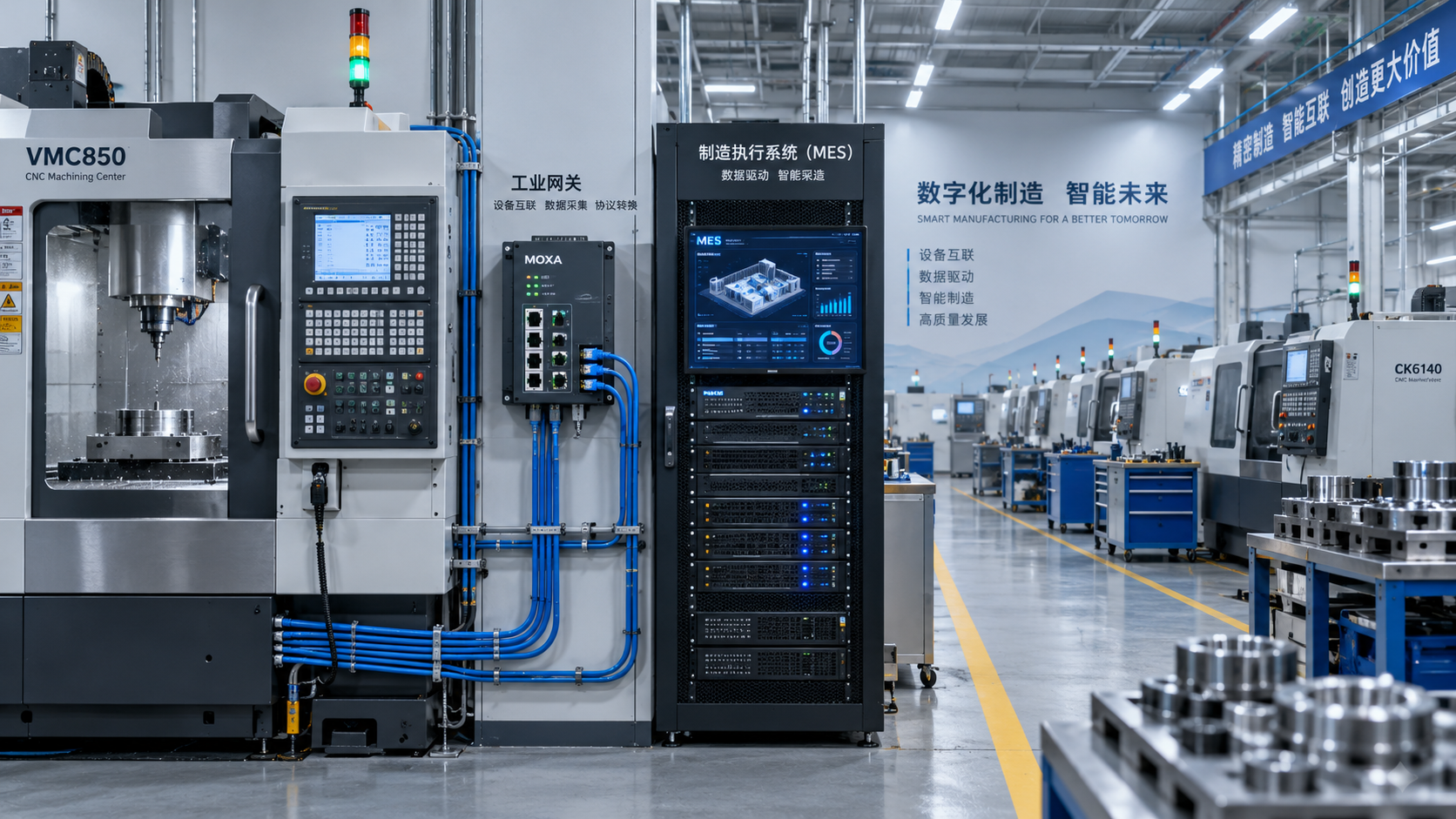
 Digital Manufacturing for Smart Factories: Connecting Legacy Machines to MESMachine Tool Industry Editorial Team
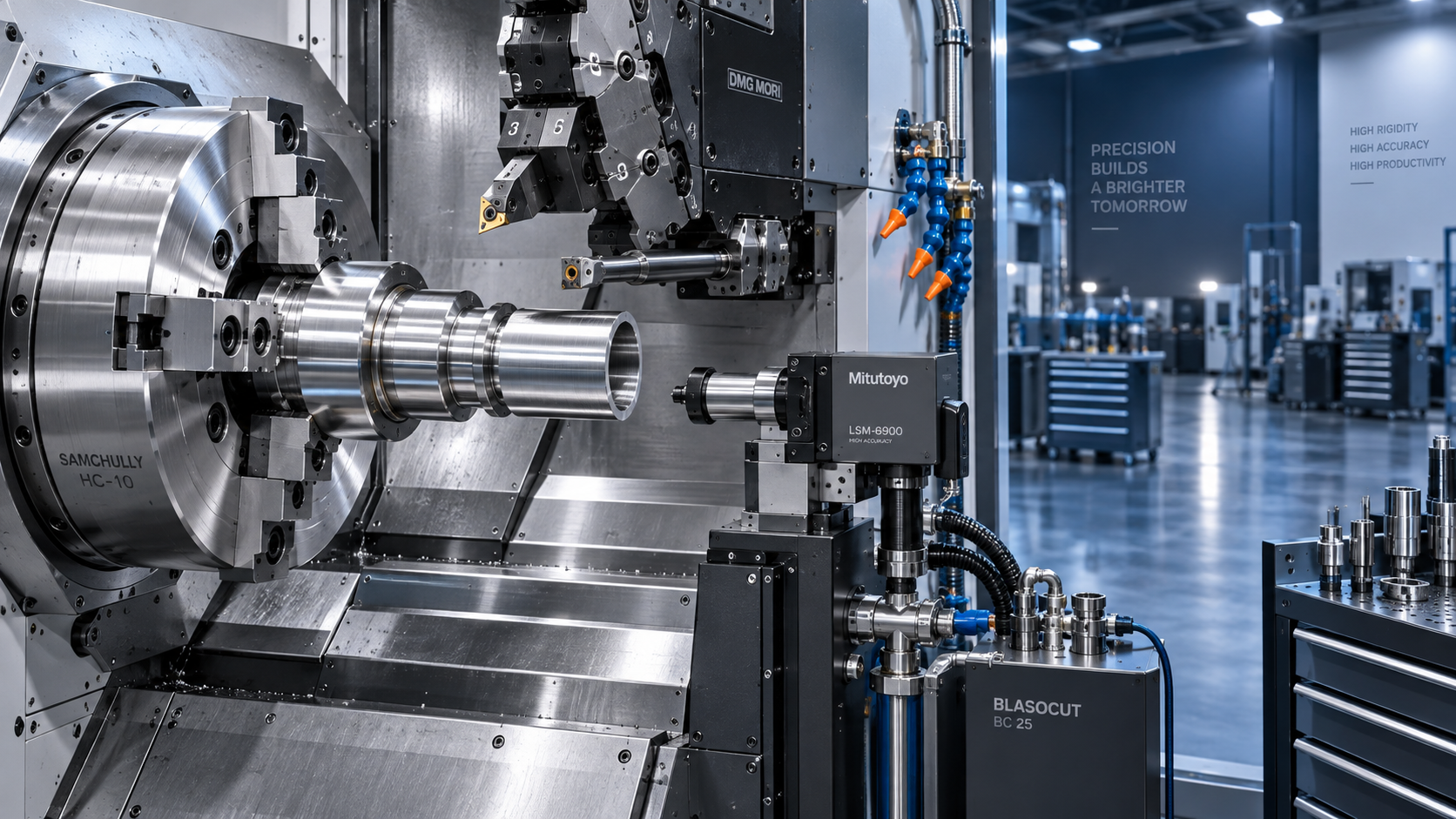
 How to Select a CNC Metal Lathe for Tight-Tolerance Shaft and Sleeve PartsCNC Machining Technology Center
 How to Select an Industrial Lathe for High-Volume Shaft ProductionMachine Tool Industry Editorial Team
 Selecting Machine Tools for Automotive Parts: Accuracy, Throughput, and AutomationMachine Tool Industry Editorial Team
 Industrial Machining: Selecting Processes for Tight-Tolerance Metal PartsCNC Machining Technology Center
 Manufacturing Technology Trends That Improve Throughput and Quality ControlManufacturing Market Research Center

Aris Katos
Future of Carbide Coatings
15+ years in precision manufacturing systems. Specialized in high-speed milling and aerospace grade alloy processing.
▶
How to Choose a CNC Manufacturing Wholesaler for Quality, Lead Time, and CostManufacturing Market Research Center▶
China Temporarily Bans Helium ExportsManufacturing Market Research Center▶
Yangshan Port Launches Smart Clearance for CNC ExportsManufacturing Market Research Center▶
Shanghai Port Adds Real-Time CNC Shipment TrackingManufacturing Market Research Center▶
Waigaoqiao Port Tightens CNC Export Slot BookingManufacturing Market Research Center
Mastering 5-Axis Workholding Strategies
Join our technical panel on Nov 15th to learn about reducing vibrations in thin-wall components.

Providing you with integrated sanding solutions
Before-sales and after-sales services
Comprehensive technical support