• Global CNC market projected to reach $128B by 2028 • New EU trade regulations for precision tooling components • Aerospace deman
NYSE: CNC +1.2%LME: STEEL -0.4%

CNC manufacturing for aerospace: Why material traceability starts before the first cut
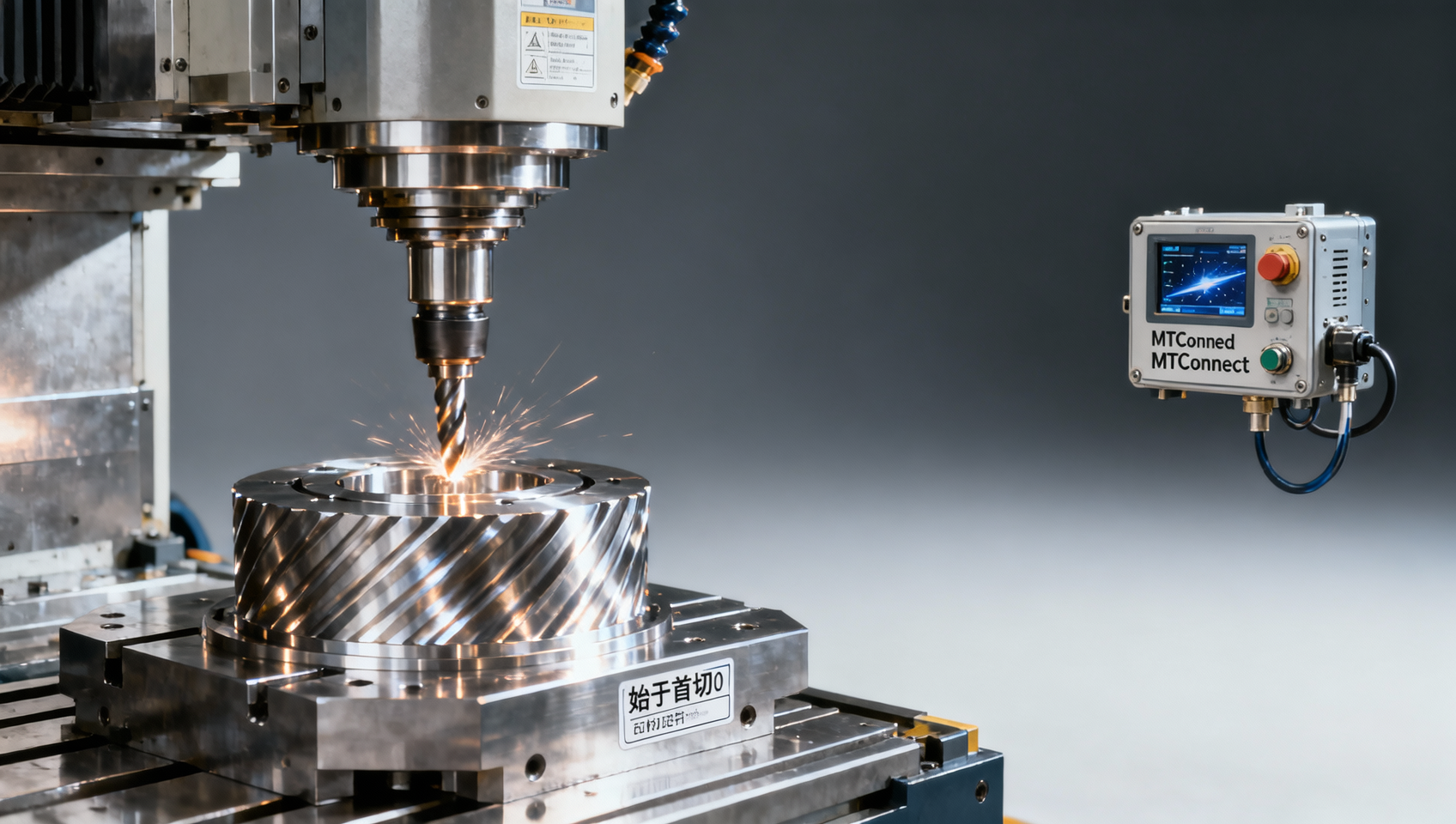
In aerospace CNC manufacturing, material traceability isn’t just compliance—it’s mission-critical. From high-precision CNC manufacturing for aerospace components to multi-axis CNC manufacturing of high-tolerance disc parts, every process demands full pedigree visibility—starting before the first cut. Whether you’re a CNC manufacturing supplier, exporter, or factory seeking cost-effective, high-precision CNC manufacturing solutions, integrating traceability into your digital manufacturing technology and automated CNC manufacturing workflow ensures safety, certification, and supply chain integrity—especially for regulated sectors like aerospace, medical devices, and energy equipment.
Why material traceability starts before the first cut — not after
In aerospace, a single undocumented alloy batch can delay FAA/EASA certification by 8–12 weeks—or trigger full component requalification. Traceability begins at raw material receipt: heat number, mill test report (MTR), chemical composition logs, and non-destructive testing (NDT) records must be digitally linked to each part number before any CNC program runs.
This is not procedural overhead—it’s risk mitigation. Over 63% of aerospace NCMRs (Non-Conformance Reports) in Tier-1 suppliers stem from undocumented material transitions between storage, prep, and machining zones. A robust system captures timestamped entries at 4 critical checkpoints: incoming inspection, quarantine release, work-in-process staging, and post-machining verification.
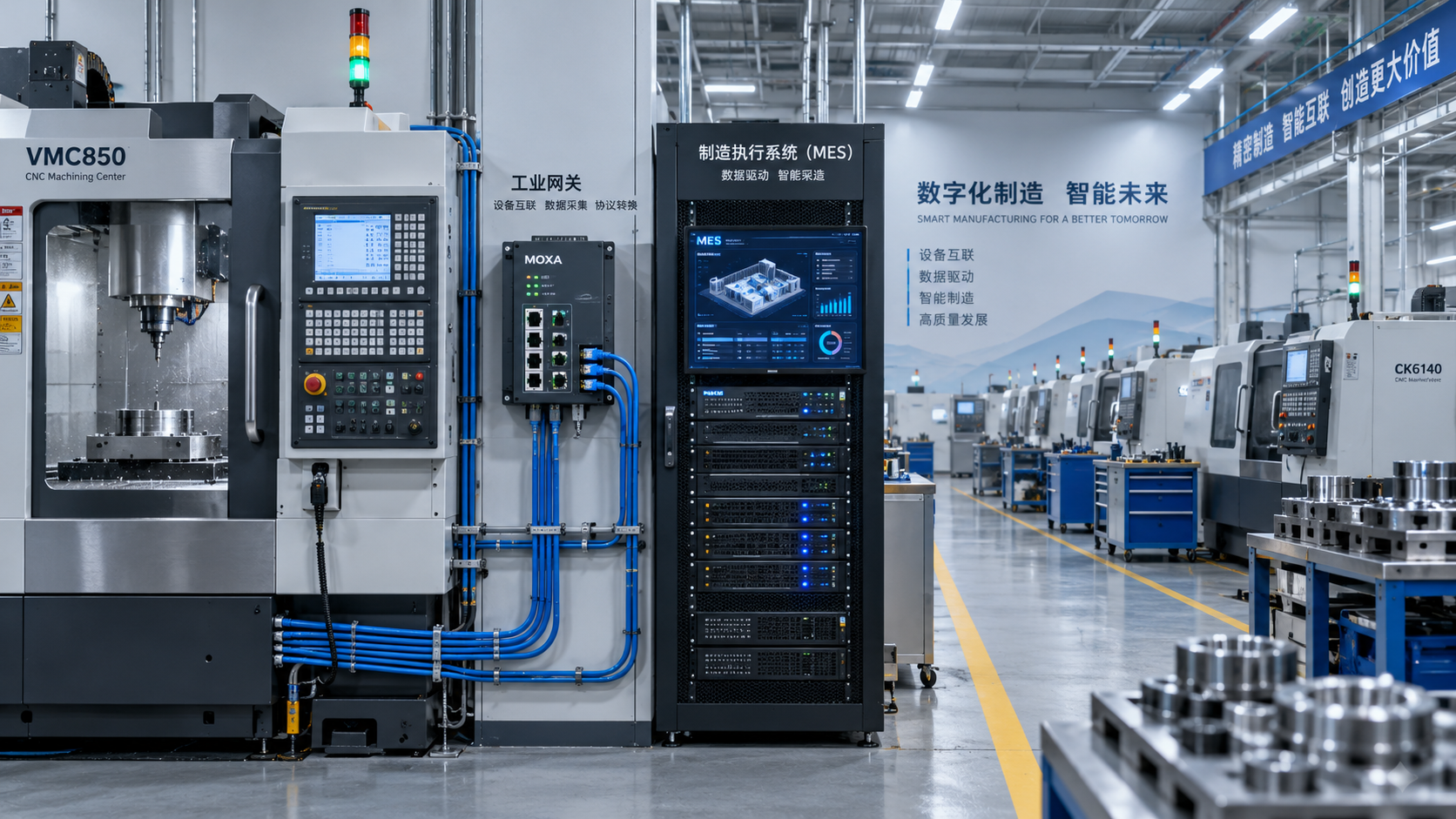
Modern CNC machine tool industry workflows now embed traceability directly into MES (Manufacturing Execution Systems) via API-connected ERP modules. This eliminates manual MTR transcriptions and reduces human error by up to 92% across multi-shift operations—critical when machining titanium alloys like Ti-6Al-4V or nickel superalloys such as Inconel 718.
How aerospace-grade CNC machining differs in traceability requirements
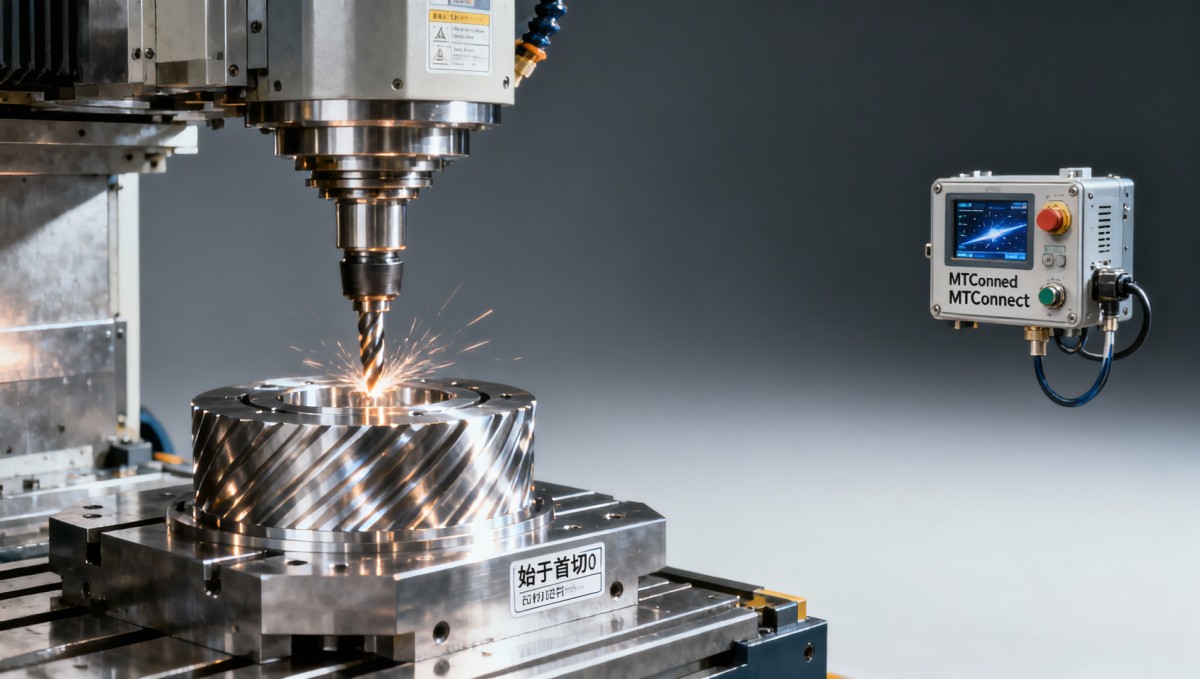
Unlike automotive or electronics CNC manufacturing, aerospace mandates full bi-directional traceability: from finished part back to melt furnace batch, and forward to installation on airframe or engine. AS9100 Rev D explicitly requires documented evidence of material origin, processing history, and dimensional validation at each stage—even for secondary operations like deburring or anodizing.
Three core differentiators define aerospace CNC traceability:
- Real-time linkage between CNC machine controller logs (e.g., Fanuc MTConnect or Siemens SINUMERIK Edge) and material lot ID
- Immutable audit trail with ISO/IEC 17025-compliant calibration records for all metrology tools used pre- and post-cut
- Electronic signature capture for operator approvals at ≥3 quality gates: pre-program load, first-article inspection, and final release
Failure to meet these triggers automatic hold tags—and rejection during OEM supplier audits. Boeing’s D1-9000 standard, for example, mandates retention of traceability data for minimum 30 years post-delivery.
Traceability-ready CNC systems: Key hardware & software specs
Not all CNC machines support aerospace-grade traceability out of the box. Integration readiness depends on controller architecture, communication protocols, and embedded security features. Below are minimum technical thresholds validated across global aerospace suppliers (Boeing, Airbus, Lockheed Martin).
These specifications ensure compatibility with digital twin platforms and enable seamless integration into smart factory ecosystems—where CNC lathes, machining centers, and multi-axis systems operate as traceable nodes within end-to-end production networks.
Procurement checklist: 5 must-verify items before signing off on aerospace CNC contracts
For procurement personnel and enterprise decision-makers evaluating CNC manufacturing partners, traceability capability must be assessed—not assumed. Use this field-tested checklist during vendor qualification:
- Confirm documented AS9100-certified internal audit reports covering material handling procedures (not just machining processes)
- Verify real-time data flow from CNC controller to ERP/MES using live demo—not screenshots—with sample heat number search
- Request evidence of ≥3 successful FAA/EASA Part 21G or EASA Part 21 Subpart G audits in last 24 months
- Validate that fixture/tooling calibration logs are auto-synced with material lot ID—not maintained separately
- Check if post-machining NDT results (e.g., UT, RT, PT) are digitally stamped and time-locked to the same traceability record
Suppliers meeting all five typically reduce audit preparation time by 40–60% and accelerate PPAP (Production Part Approval Process) sign-off by 2–4 weeks per new aerospace component family.
Why partner with a globally integrated CNC manufacturing platform
We specialize in high-precision CNC manufacturing for aerospace—delivering certified, traceable, and scalable production across China, Germany, Japan, and South Korea. Our platform connects you directly to vetted Tier-2 and Tier-3 suppliers with verified AS9100, NADCAP, and ITAR-compliant facilities—each pre-audited for material pedigree management, multi-axis CNC manufacturing capability, and digital traceability maturity.
Whether you need rapid prototyping of structural brackets, high-volume production of turbine discs, or custom fixture design for complex shaft components—we provide:
- Pre-cut material verification reports with full MTR cross-referencing and chemical assay validation
- Dedicated traceability dashboards accessible via secure portal—updated in real time during machining cycles
- End-to-end documentation packages aligned to FAA AC 20-173, EASA AMC 20-22, and SAE AS9102 standards
- Flexible MOQs: from 1-piece first-article builds to 500+ unit monthly releases
Get started with a free traceability readiness assessment—including gap analysis of your current CNC workflow against aerospace OEM requirements. Contact us today to request heat number mapping templates, sample audit checklists, or a live demonstration of our integrated traceability dashboard.
Recommended for You
 Digital Manufacturing for Smart Factories: Connecting Legacy Machines to MESMachine Tool Industry Editorial Team
 How to Select a CNC Metal Lathe for Tight-Tolerance Shaft and Sleeve PartsCNC Machining Technology Center
 How to Select an Industrial Lathe for High-Volume Shaft ProductionMachine Tool Industry Editorial Team
 Selecting Machine Tools for Automotive Parts: Accuracy, Throughput, and AutomationMachine Tool Industry Editorial Team
 Industrial Machining: Selecting Processes for Tight-Tolerance Metal PartsCNC Machining Technology Center
 Manufacturing Technology Trends That Improve Throughput and Quality ControlManufacturing Market Research Center

Aris Katos
Future of Carbide Coatings
15+ years in precision manufacturing systems. Specialized in high-speed milling and aerospace grade alloy processing.
▶
Is Learning CNC Programming Worth It for Shop Owners Seeking Higher Margins?CNC Machining Technology Center▶
How to Select CNC Equipment for High-Mix, Low-Volume ProductionCNC Machining Technology Center▶
Can CNC Machining Inconel Control Tool Wear in High-Temperature Aerospace Parts?CNC Machining Technology Center▶
How Automated Precision Machining Maintains Tolerance in High-Mix ProductionCNC Machining Technology Center▶
CNC Programming Explained: From CAD Models to Reliable Shop-Floor ToolpathsCNC Machining Technology Center
Mastering 5-Axis Workholding Strategies
Join our technical panel on Nov 15th to learn about reducing vibrations in thin-wall components.

Providing you with integrated sanding solutions
Before-sales and after-sales services
Comprehensive technical support