• Global CNC market projected to reach $128B by 2028 • New EU trade regulations for precision tooling components • Aerospace deman
NYSE: CNC +1.2%LME: STEEL -0.4%

CNC manufacturing for automotive industry: Why batch size flexibility now outweighs top speed
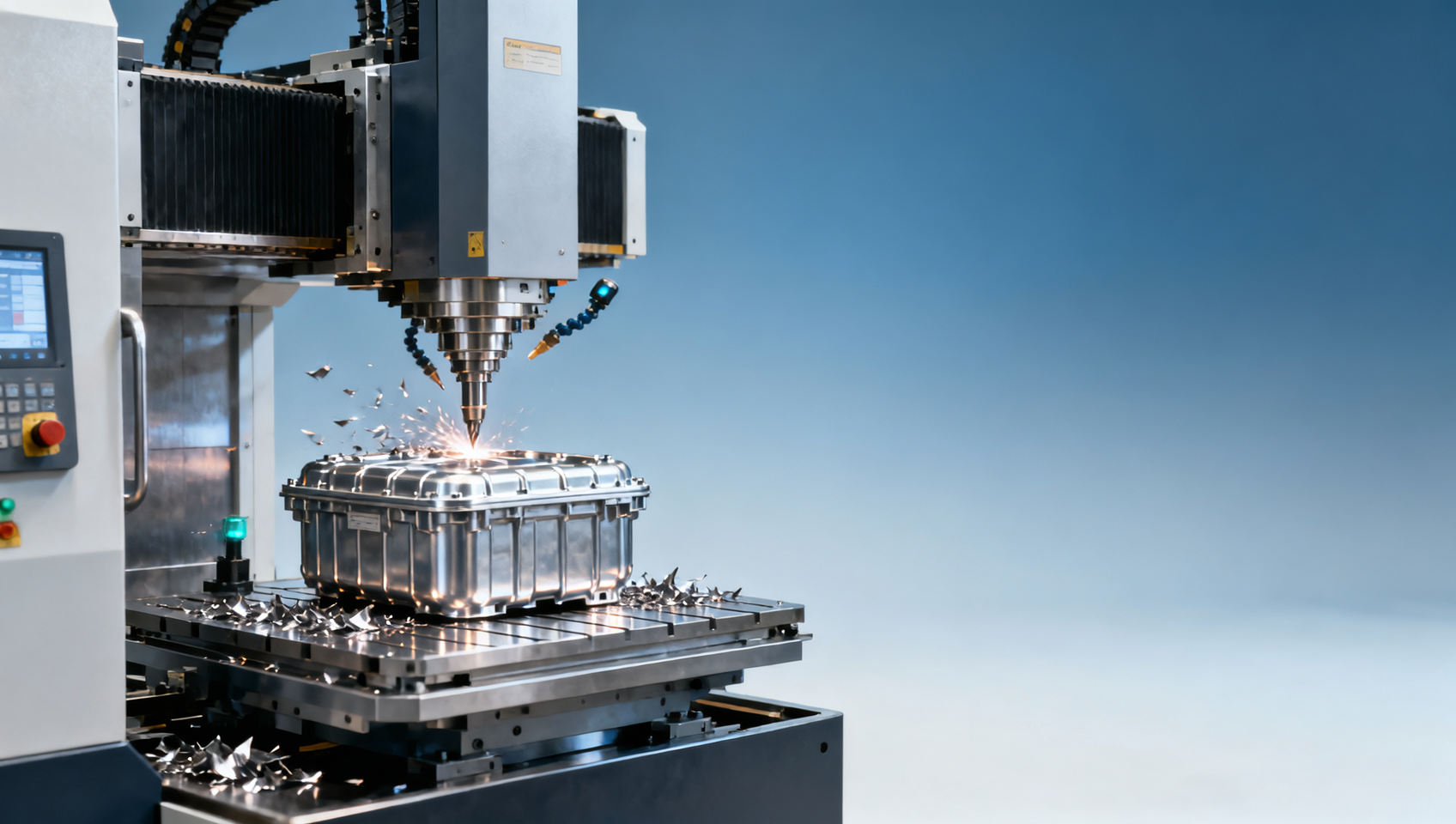
In today’s volatile automotive supply chain, precision CNC manufacturing for automotive industry is shifting focus—from chasing top speed to embracing batch size flexibility. With rising demand for customized parts, shorter product lifecycles, and just-in-time logistics, compact machine tool solutions and quick setup CNC manufacturing are proving more valuable than raw velocity. Space-saving CNC manufacturing, low maintenance CNC manufacturing, and automated CNC manufacturing enable agile, cost-effective production—even at small lot sizes. Whether you’re a procurement professional evaluating a CNC manufacturing wholesaler or a decision-maker scaling a smart factory, this shift redefines what makes a CNC manufacturing factory truly future-ready.
Why Batch Size Flexibility Is Now a Strategic Priority in Automotive CNC Manufacturing
Automotive OEMs and Tier-1 suppliers face unprecedented pressure: model changeovers every 18–24 months, regional variants requiring unique calibrations, and growing electrification demands—each calling for new structural components, battery housings, and thermal management parts. Traditional high-volume CNC lines optimized for 100,000+ units/year now struggle with mixed-model production runs of 500–5,000 units per variant. This mismatch has elevated batch size flexibility from an operational convenience to a core competitiveness metric.
Modern CNC manufacturing systems—especially modular machining centers, gantry-style mills, and hybrid turning-milling platforms—now support rapid reconfiguration in under 30 minutes. That includes tooling swaps, fixture changes, and NC program validation—all enabled by digital twin simulation and standardized interface protocols (e.g., MTConnect, OPC UA). Unlike legacy “speed-at-all-costs” machines, these systems prioritize repeatability across 5–500-piece batches without sacrificing ±0.01mm positional accuracy.
The shift also aligns with global supply chain resilience strategies. Leading manufacturers now maintain dual-sourced CNC capacity across Asia and Europe, each configured for regional volume tiers—not monolithic throughput. This reduces single-point failure risk and cuts average lead time for prototype-to-pilot validation from 12 weeks to 4–6 weeks.
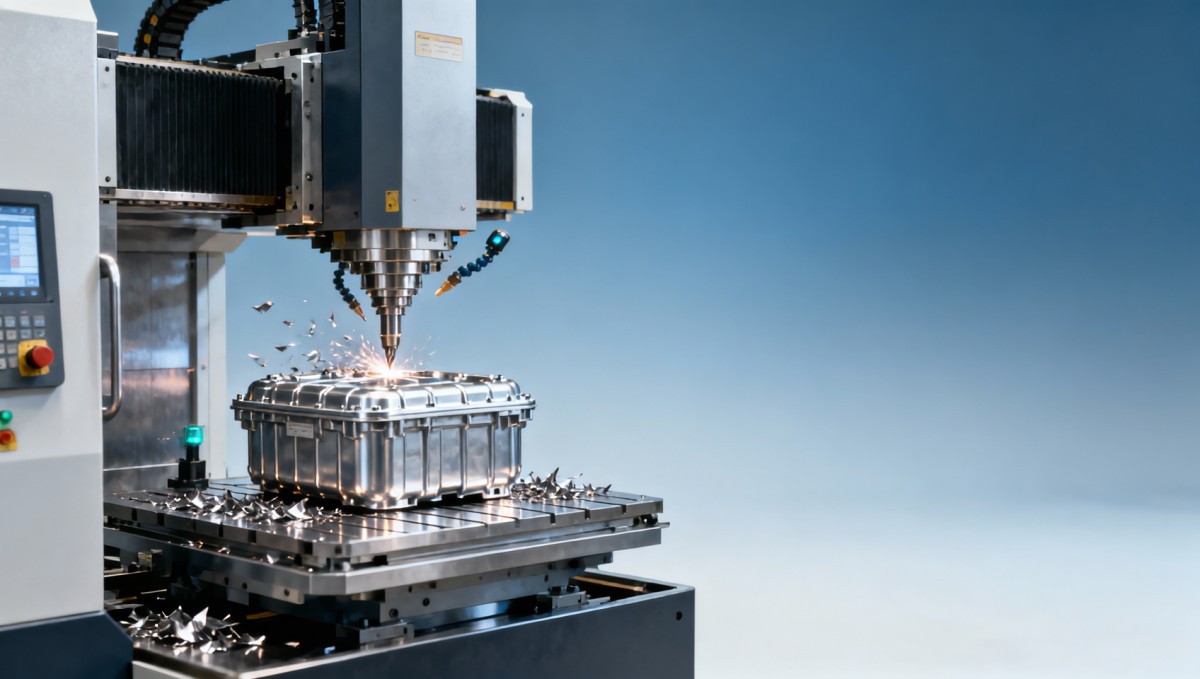
How to Evaluate CNC Manufacturing Suppliers for Flexible Batch Production
Key Procurement Dimensions Beyond Spindle Speed
When sourcing CNC manufacturing partners for automotive applications, procurement teams must move beyond headline specs like max RPM or feed rate. Instead, assess against five measurable capabilities:
- Changeover time for full part family switch (target: ≤ 45 min, verified via video audit)
- Minimum viable batch size supported without setup cost penalty (typical range: 10–200 pcs)
- On-machine probing cycle integration (e.g., Renishaw MP700 or Blum NT), enabling 100% in-process GD&T verification
- Digital thread compatibility: ability to ingest CAD/CAM data directly from Siemens NX or CATIA V6 without manual translation
- Maintenance interval consistency: mean time between unscheduled stops ≥ 400 hours (per ISO 20685)
Supplier Readiness Assessment Table
Below is a comparative framework used by Tier-1 procurement teams to score potential CNC manufacturing partners across flexibility-critical criteria:
Suppliers scoring ≥ 4 out of 5 on all three leading-edge standards typically deliver 22–35% lower total cost of ownership over 3 years—primarily through reduced scrap, faster ramp-up, and fewer engineering change orders during pilot phases.
Real-World Application Scenarios Where Flexibility Outperforms Speed
Speed remains critical for high-volume powertrain components like crankshafts or cylinder heads—but only when demand exceeds 30,000 units/month. In contrast, flexibility dominates in four rapidly expanding automotive segments:
- EV Battery Enclosures: Regional crash-test requirements drive 7–12 variant configurations annually; typical batch: 200–1,500 units per configuration.
- ADAS Mounting Brackets: Sensor alignment tolerances tighten yearly (±0.005mm in 2025 vs. ±0.02mm in 2020); redesign cycles occur every 6–9 months.
- Lightweight Chassis Components: Aluminum die-cast + CNC hybrid parts require iterative surface finish tuning; pilot batches rarely exceed 800 pieces.
- Aftermarket Performance Parts: Low-volume, high-margin items (e.g., turbocharger housings) demand sub-100-unit batch viability with full traceability.
For these use cases, a 20% slower but fully reconfigurable 5-axis machining center delivers higher ROI than a 15% faster dedicated line locked into one geometry. The breakeven point occurs at ~1,200 units/year—well below the 5,000–10,000 threshold where top speed becomes decisive.
What to Ask Your CNC Manufacturing Partner Today
Five Actionable Questions for Immediate Due Diligence
Before finalizing any CNC manufacturing agreement, ask these questions—and request documented evidence, not verbal assurances:
- Can you share a recent log of actual changeover times for a part family with ≥ 3 variants? (Request timestamps and operator ID)
- Do your CNC machines support ISO 13399-compliant tool data exchange? If not, how do you prevent CAM-to-machine translation errors?
- What percentage of your 2023 automotive production ran in batches ≤ 500 units? (Ask for anonymized volume breakdown)
- Is your preventive maintenance schedule aligned with ISO 13849-1 for functional safety-critical motion control systems?
- Can you provide a sample first-article report showing GD&T compliance for a complex bracket with ≥ 12 datums?
These queries reveal operational maturity far more reliably than brochure claims about “smart factory readiness” or “Industry 4.0 integration.” They also expose gaps in digital traceability, calibration discipline, and process standardization—key risk factors for long-term supplier viability.
Why Partner With a Globally Integrated CNC Manufacturing Platform
We serve automotive professionals across China, Germany, Japan, and South Korea with unified technical standards, shared digital infrastructure, and localized service response. Our platform enables:
- Single-source quoting for multi-region production (e.g., 300 units for EU homologation + 800 units for China NIO certification)
- CNC program version control synced across facilities via encrypted cloud vault (ISO/IEC 27001 certified)
- Pre-validated fixture libraries for common EV chassis interfaces (Molex, TE Connectivity, Bosch standards)
- Lead time guarantee: ≤ 7 business days for batches ≤ 200 units, backed by contractual SLA
Whether you need urgent prototype validation, regional compliance batches, or scalable production ramp-up—we align CNC manufacturing capability precisely with your product roadmap—not just your current volume forecast. Contact us to request a free batch-flexibility assessment, including digital twin feasibility review and 3-part comparison against your incumbent supplier.
Recommended for You
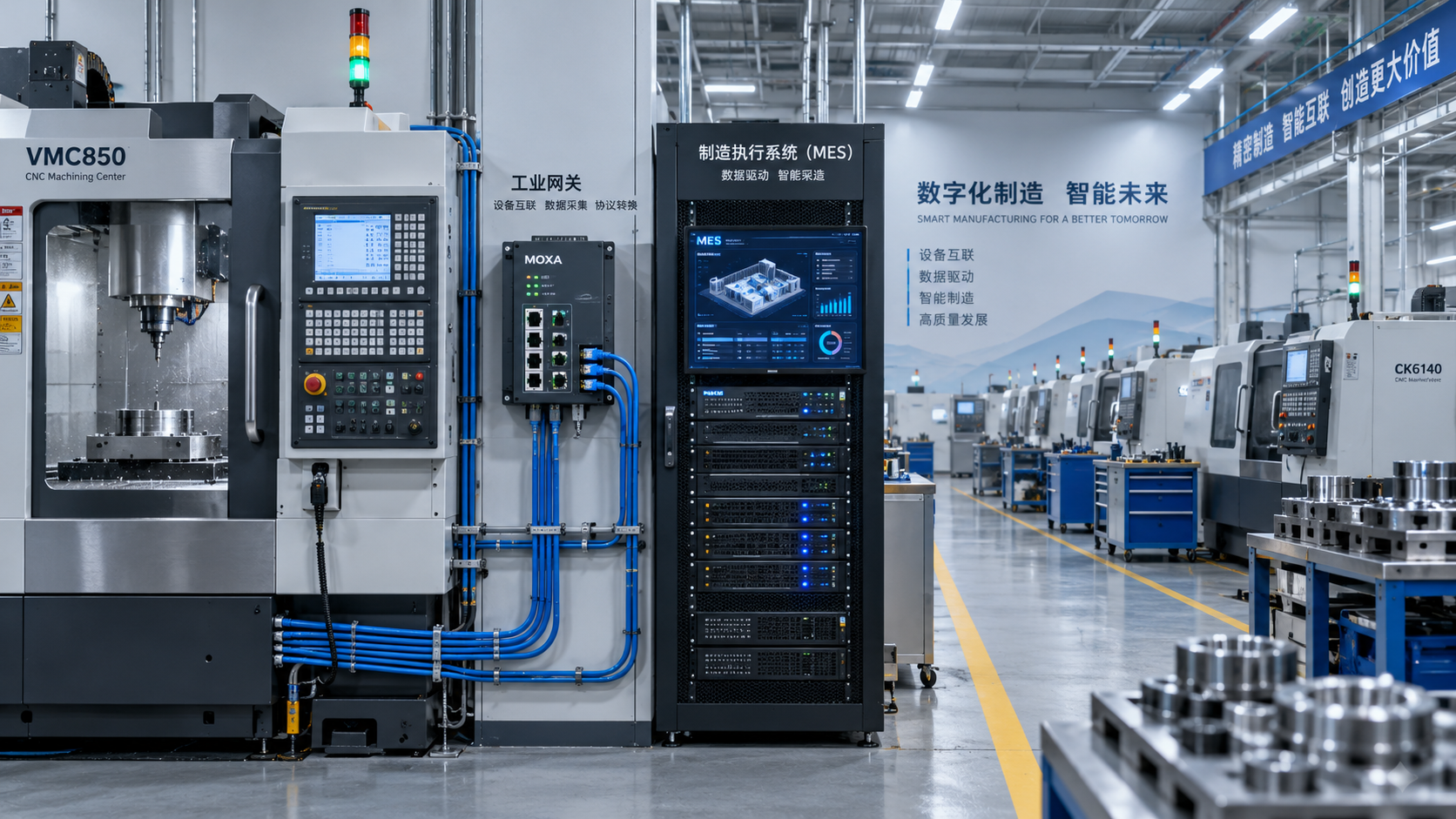
 Digital Manufacturing for Smart Factories: Connecting Legacy Machines to MESMachine Tool Industry Editorial Team
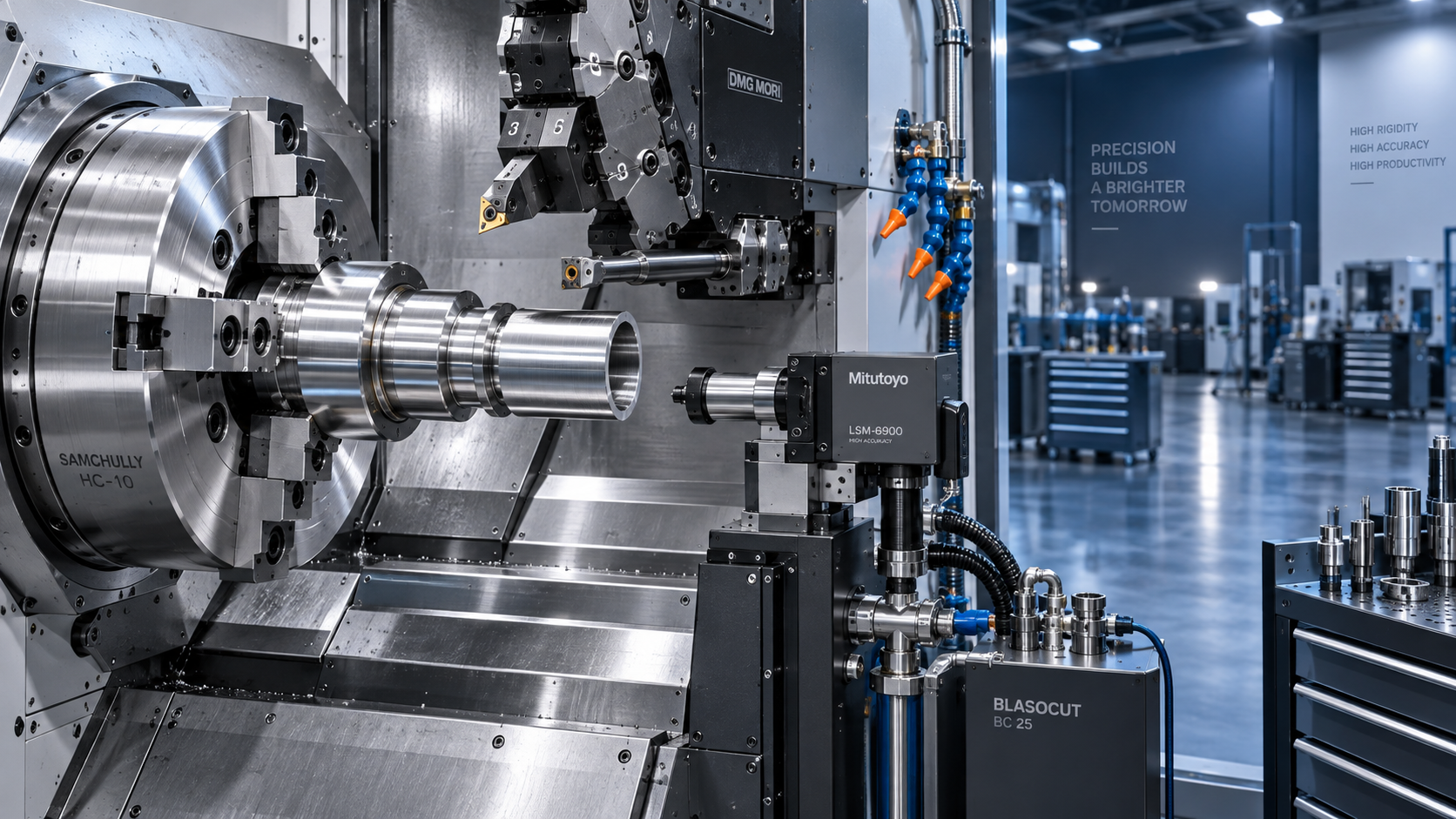
 How to Select a CNC Metal Lathe for Tight-Tolerance Shaft and Sleeve PartsCNC Machining Technology Center
 How to Select an Industrial Lathe for High-Volume Shaft ProductionMachine Tool Industry Editorial Team
 Selecting Machine Tools for Automotive Parts: Accuracy, Throughput, and AutomationMachine Tool Industry Editorial Team
 Industrial Machining: Selecting Processes for Tight-Tolerance Metal PartsCNC Machining Technology Center
 Manufacturing Technology Trends That Improve Throughput and Quality ControlManufacturing Market Research Center

Aris Katos
Future of Carbide Coatings
15+ years in precision manufacturing systems. Specialized in high-speed milling and aerospace grade alloy processing.
▶
Is Learning CNC Programming Worth It for Shop Owners Seeking Higher Margins?CNC Machining Technology Center▶
How to Select CNC Equipment for High-Mix, Low-Volume ProductionCNC Machining Technology Center▶
Can CNC Machining Inconel Control Tool Wear in High-Temperature Aerospace Parts?CNC Machining Technology Center▶
How Automated Precision Machining Maintains Tolerance in High-Mix ProductionCNC Machining Technology Center▶
CNC Programming Explained: From CAD Models to Reliable Shop-Floor ToolpathsCNC Machining Technology Center
Mastering 5-Axis Workholding Strategies
Join our technical panel on Nov 15th to learn about reducing vibrations in thin-wall components.

Providing you with integrated sanding solutions
Before-sales and after-sales services
Comprehensive technical support