• Global CNC market projected to reach $128B by 2028 • New EU trade regulations for precision tooling components • Aerospace deman
NYSE: CNC +1.2%LME: STEEL -0.4%

Machine Tool for Automotive Industry: How to Match Equipment to High-Volume Parts
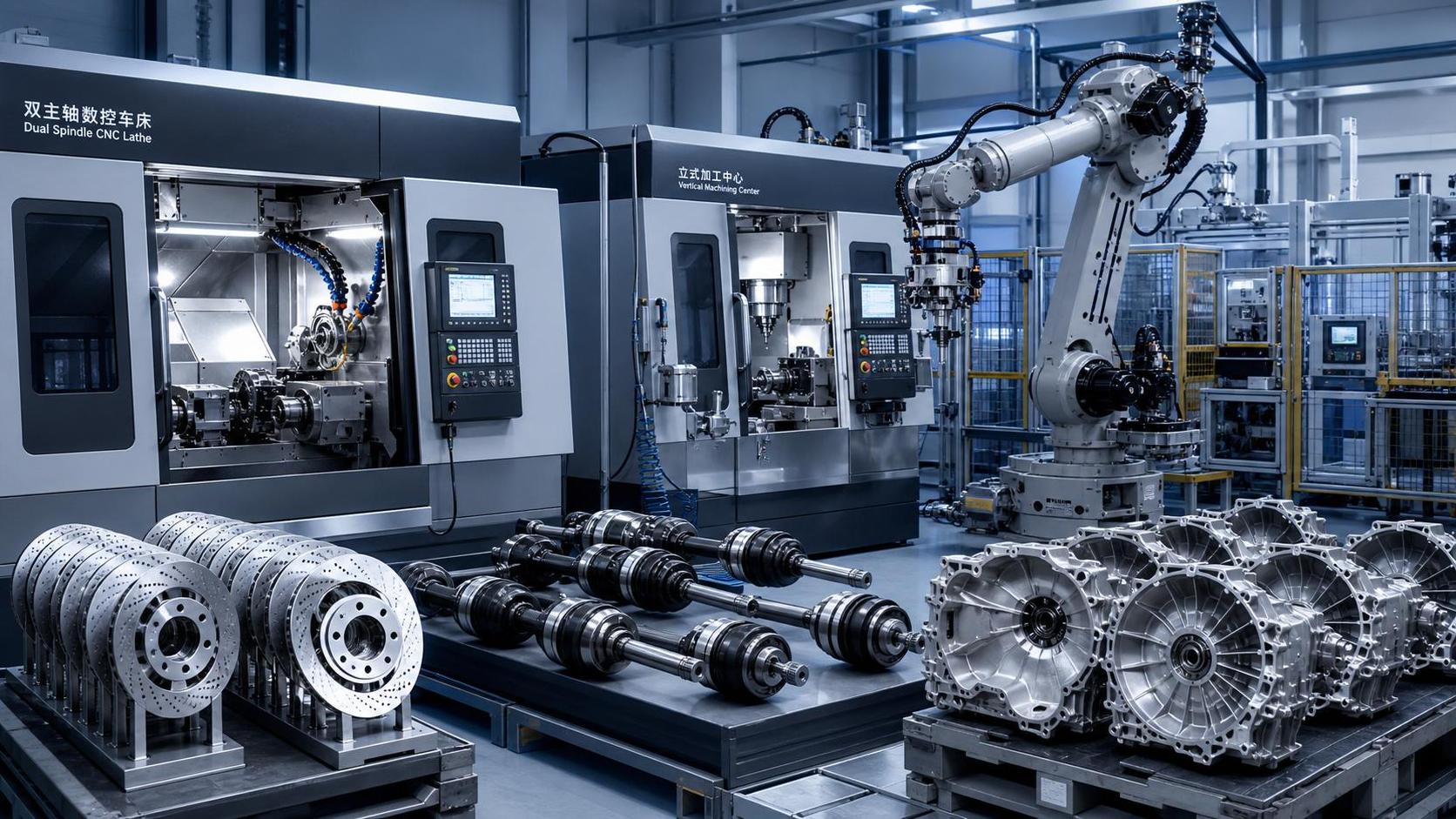
Why the Right Machine Tool for Automotive Industry Parts Depends on the Part Family
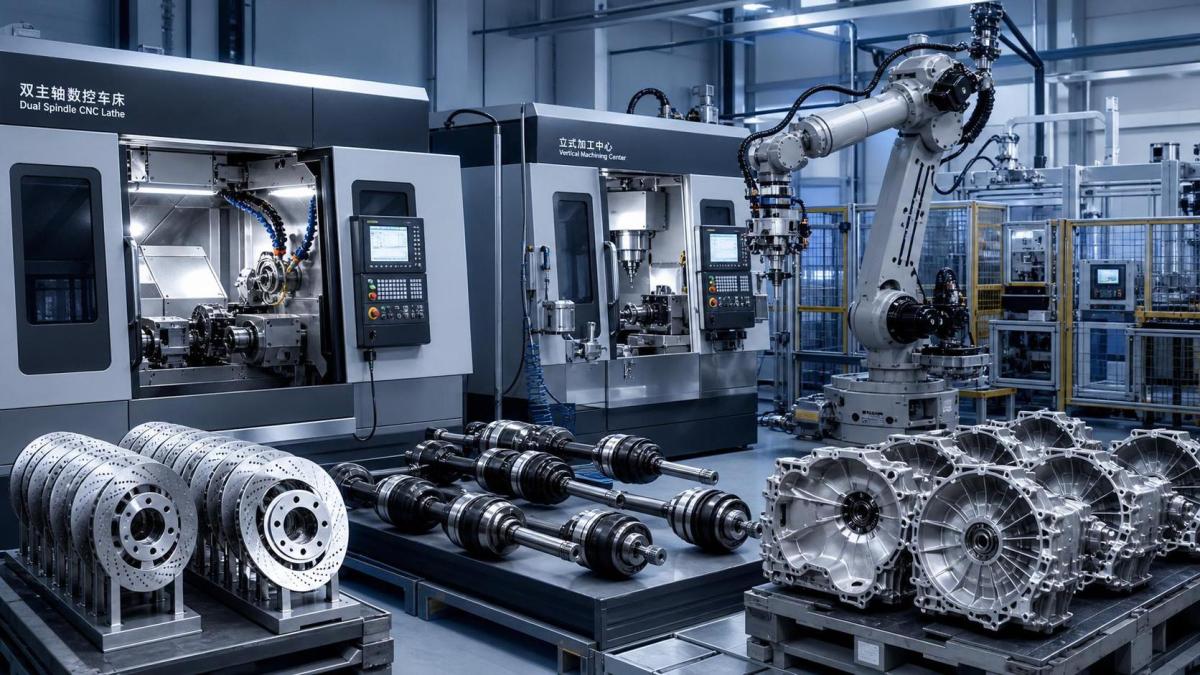
Choosing a machine tool for automotive industry production is rarely about one machine in isolation.
The real question is how equipment fits part geometry, takt time, tolerance stability, and future output changes.
In high-volume programs, small mismatches become expensive very quickly.
A spindle that is fast enough on paper may still fail when chip control, fixture access, or tool life becomes inconsistent.
That is why machine tool for automotive industry planning now sits inside a broader manufacturing discussion.
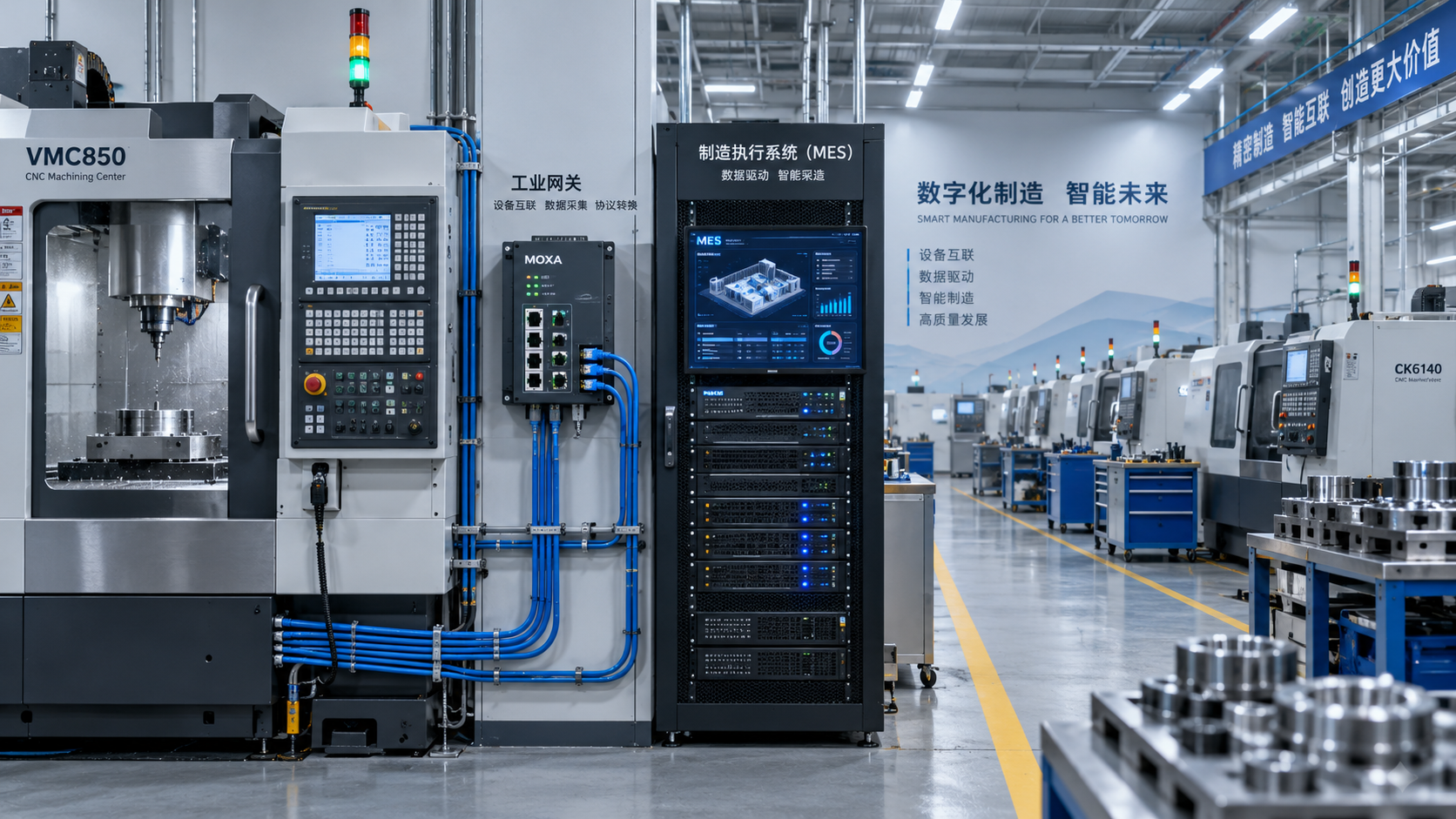
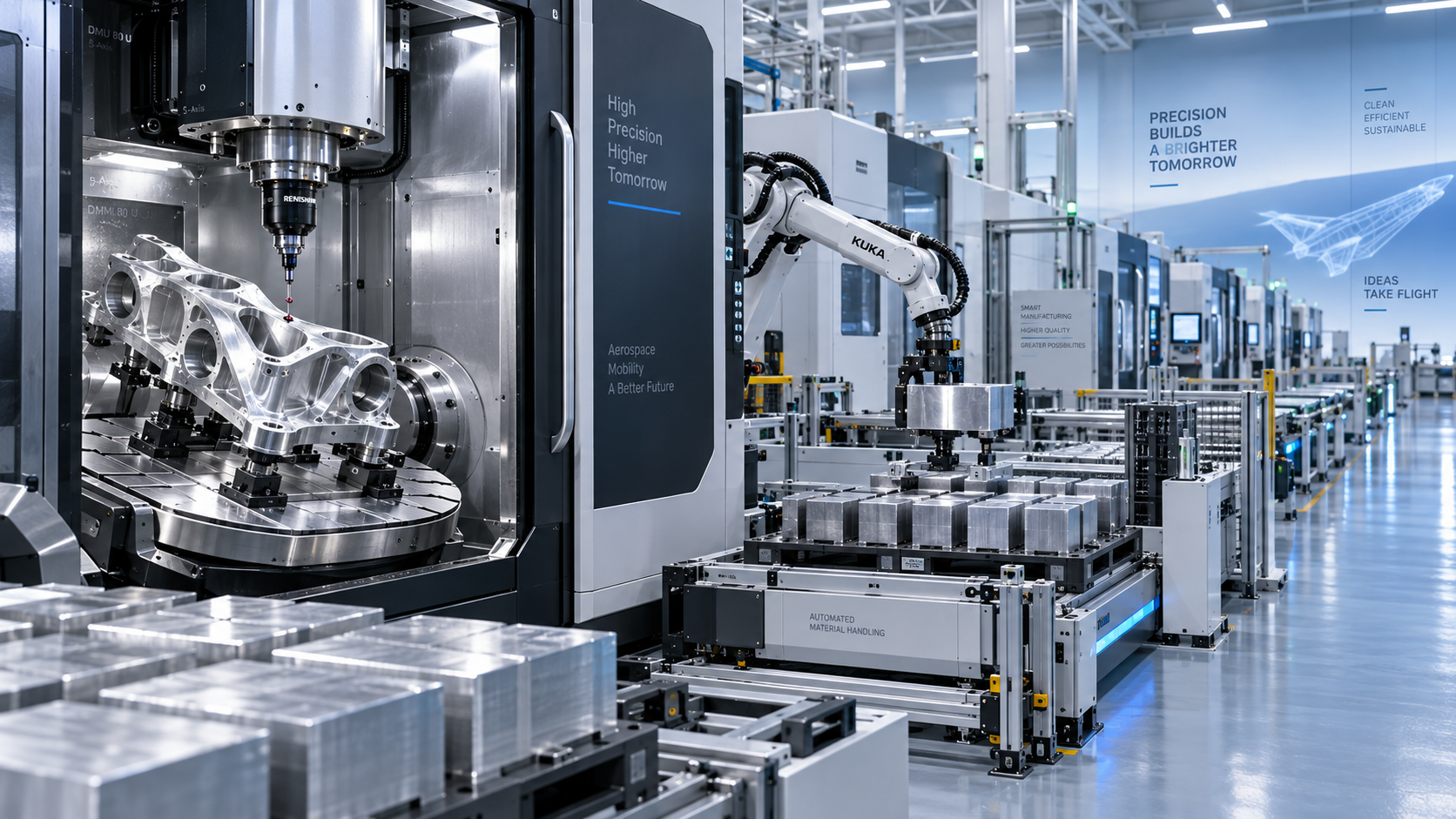
CNC lathes, machining centers, multi-axis systems, robotics, and digital monitoring increasingly work as one production ecosystem.
Automotive plants share this logic with aerospace, energy equipment, and electronics, but automotive volume changes the selection criteria.
When output is high, repeatability matters as much as peak cutting performance.
In Practice, Similar Parts Do Not Create the Same Equipment Demand
Two parts may both be called rotational components, yet require very different machine tool decisions.
A brake disc emphasizes cycle time, thermal stability, and reliable loading.
A transmission shaft often pushes harder on concentricity, surface finish, and multi-operation integration.
An EV motor housing changes the picture again.
Now the machine tool for automotive industry application must handle lightweight materials, thin walls, and demanding positional accuracy.
The more common mistake is treating high-volume parts as a single category.
A better approach is to group parts by process behavior.
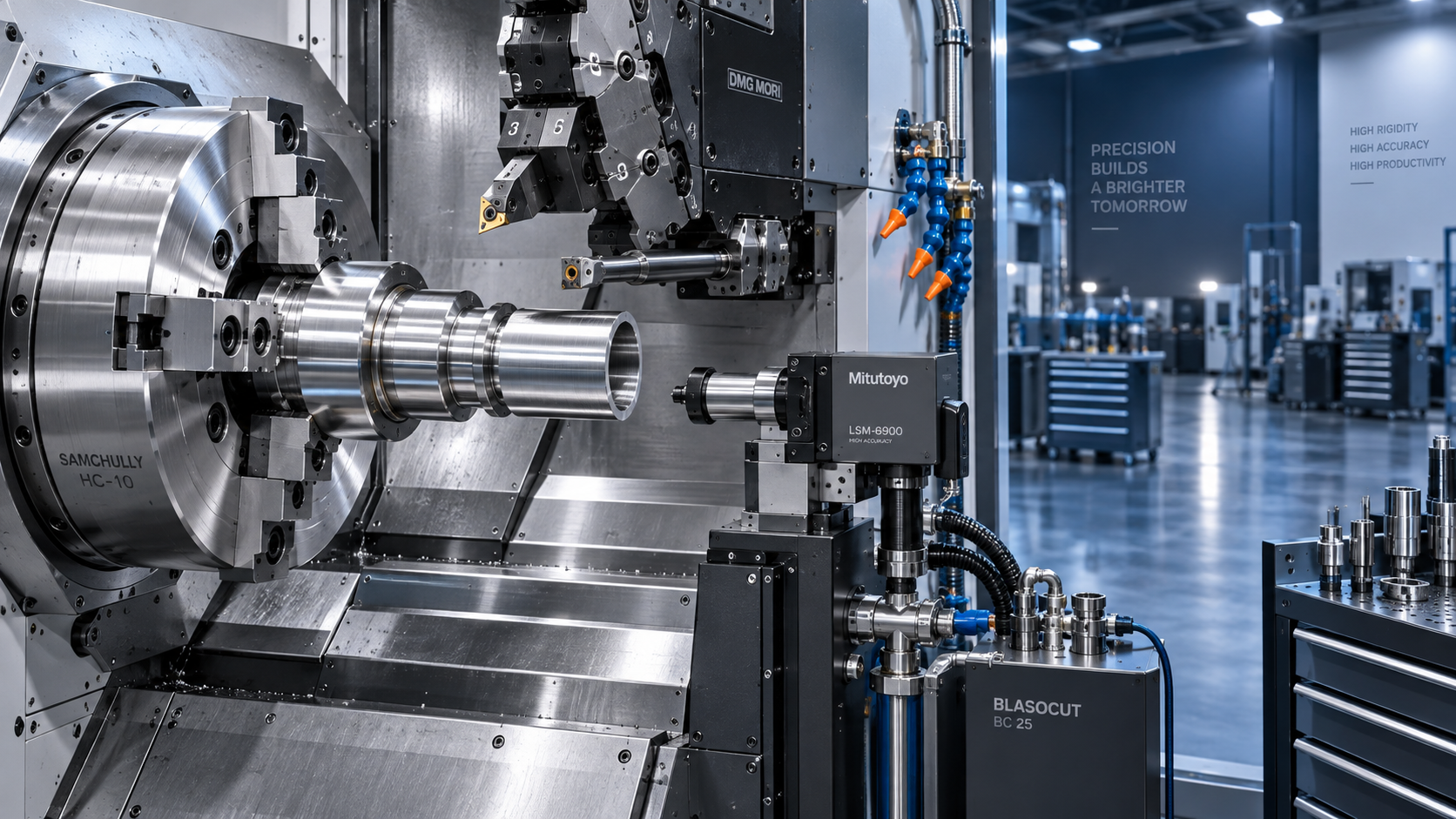
- Rotational parts usually prioritize chucking stability, chip evacuation, and in-cycle gauging.
- Prismatic housings often need multi-face access, thermal control, and fixture repeatability.
- Thin-wall aluminum parts require vibration control and careful toolpath management.
- Hardened steel components may justify grinding, hard turning, or a hybrid process route.
This is where machine tool selection becomes more strategic than catalog comparison.
When Engine and Transmission Parts Drive the Decision
Conventional powertrain parts still shape many machine tool for automotive industry investments worldwide.
Crankshafts, camshafts, gears, and transmission shafts usually combine high output with strict geometric control.
In these lines, process capability matters more than headline speed.
A machine that cuts quickly but drifts thermally after several hours can damage the economics of the whole line.
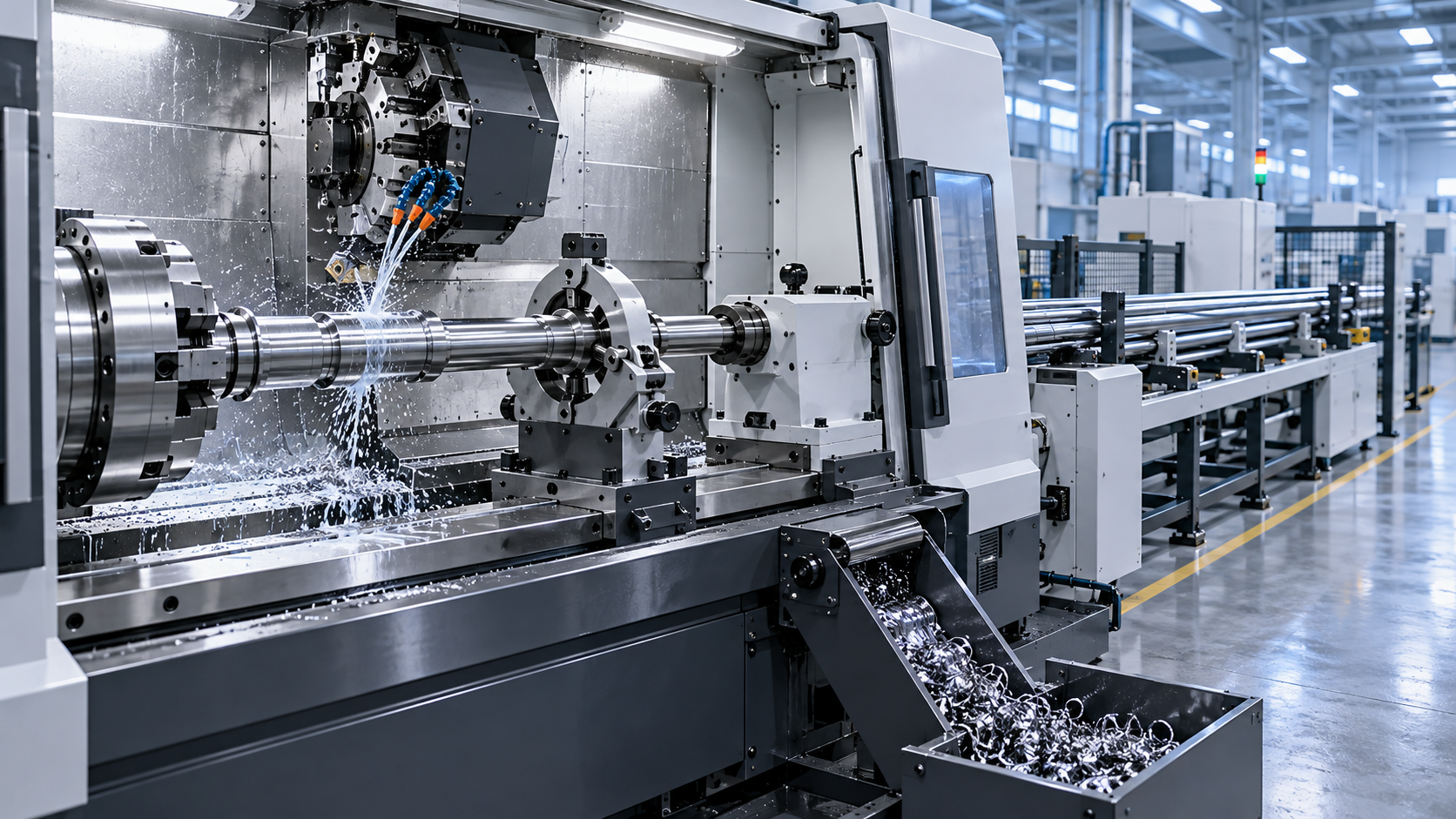
For shaft-heavy production, twin-spindle CNC lathes, turn-mill platforms, or transfer-style cells often make sense.
The goal is to reduce handling steps without sacrificing datum control.
For gear blanks or clutch components, stable automation and predictable tool wear may be more valuable than maximum spindle power.
Where parts need multiple hard and soft operations, separate machines can still outperform one highly flexible platform.
That sounds less elegant, but often gives better uptime in mass production.
EV Components Shift the Focus from Heavy Cutting to Stable Precision
Electric vehicle components are changing the typical machine tool for automotive industry requirement.
Battery tray structures, motor housings, inverter cases, and lightweight brackets create a different machining environment.
Aluminum dominates many of these parts, but that does not automatically make them easy.
Higher feed rates can help, yet burr control, deformation risk, and sealing-surface quality become central issues.
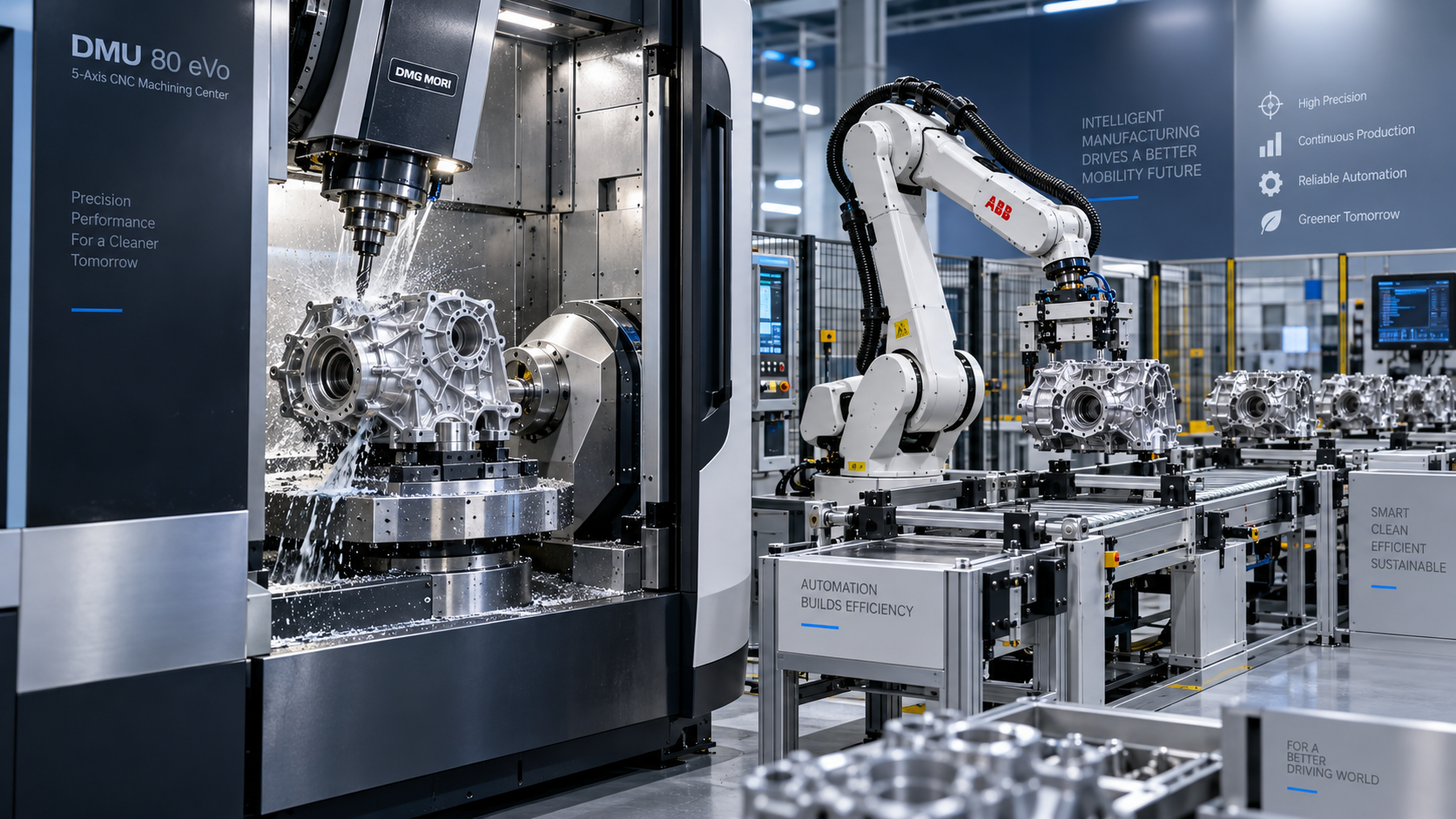
In this scenario, horizontal or vertical machining centers with effective chip management can be a stronger fit than general-purpose equipment.
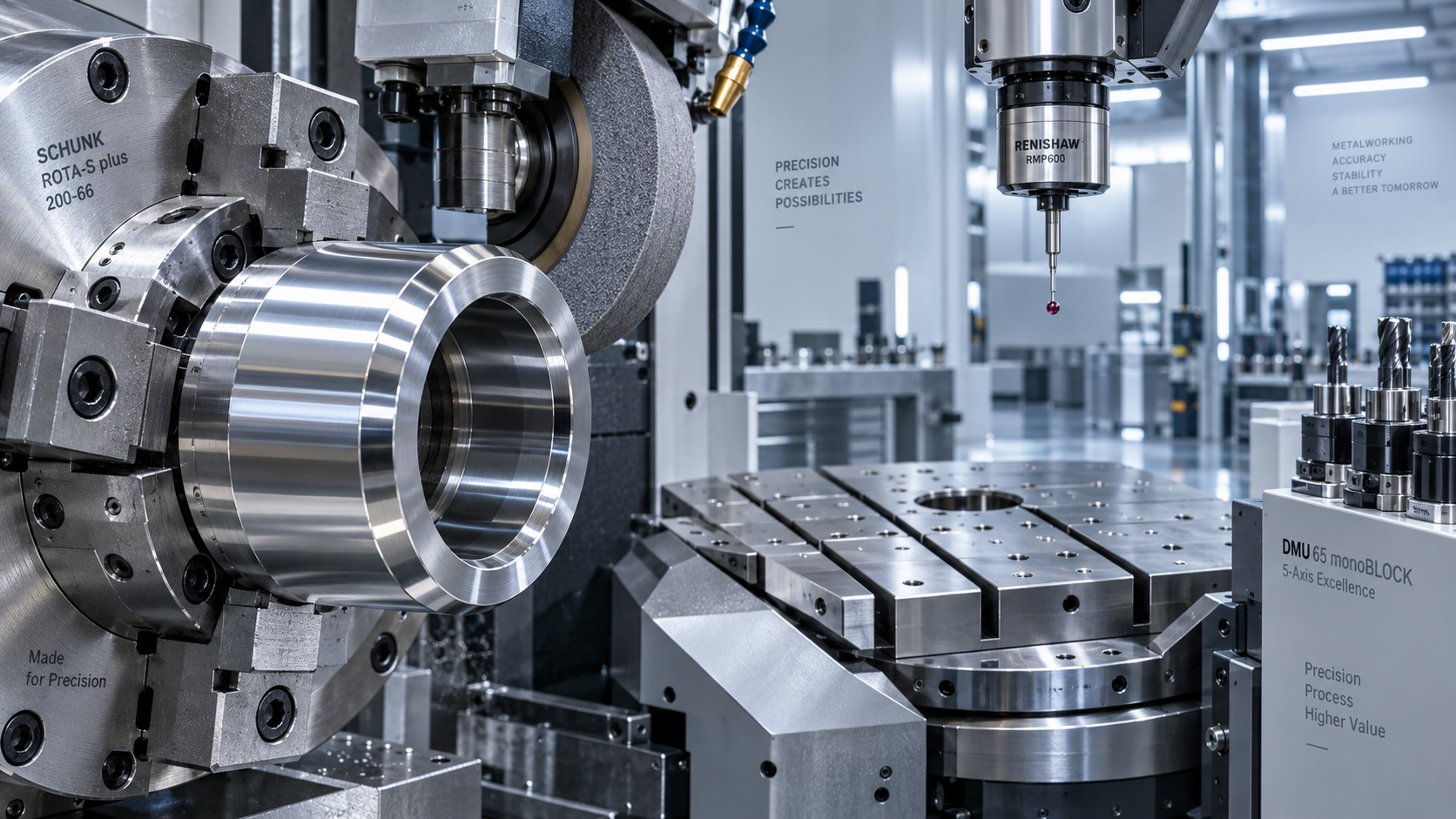
If the part includes multiple sealing faces or threaded features, probing and automatic compensation become more valuable.
The same is true for integrated automation.
A robot is useful only if loading orientation, datum consistency, and downstream inspection are already stable.
Without that foundation, automation only accelerates scrap.
Different Part Scenarios Change the Selection Priorities
A practical comparison helps clarify where one machine tool for automotive industry setup differs from another.
Where High Volume Exposes Weak Process Matching
High-volume manufacturing reveals problems that prototype or low-volume runs often hide.
This is especially true when evaluating a machine tool for automotive industry output targets.
At low volume, an operator can compensate for tool wear, loading inconsistency, or thermal movement.
At scale, those adjustments become recurring losses.
More common weak points include coolant management, fixture repeatability, probing speed, and maintenance access.
Digital integration also matters more now.
Global machine tool development is moving toward connected equipment, flexible cells, and smarter diagnostics.
For automotive lines, connectivity should support decisions, not just create more dashboards.
- Use live spindle and load data to predict tool change timing.
- Track scrap by feature, not only by finished part.
- Link machine alarms to maintenance response, not just reporting software.
- Confirm that automation can recover from common stoppages without long manual resets.
These details often separate a productive line from a technically impressive but fragile one.
Before Final Selection, Check the Conditions That Are Often Missed
Several mistakes repeat across machine tool for automotive industry projects.
One is focusing on machine specifications while ignoring the surrounding process.
Another is assuming that a successful line for one plant will transfer directly to another.
Differences in material batches, operator routines, utility stability, and maintenance discipline can change results.
There is also a cost blind spot.
Lower purchase price can be offset by slower changeovers, harder spare-part access, or frequent alignment work.
Before freezing the equipment route, it helps to verify the following:
- Actual cycle time with loading, probing, and chip evacuation included.
- Tool life spread across full shifts, not only short trials.
- Fixture behavior under thermal growth and repeated clamping.
- Ease of preventive maintenance on sensors, conveyors, and spindles.
- Compatibility with robots, gauging stations, and plant data systems.
A strong machine tool for automotive industry program is built around those operating realities.
A Better Next Step Is to Build a Part-Based Matching Standard
The best equipment decision usually starts with part behavior, not machine branding.
For each high-volume part family, define the features that truly control quality, output, and downtime risk.
Then compare machine tool for automotive industry options against that practical checklist.
Include cycle assumptions, process stability, automation recovery, maintenance burden, and expansion room.
This approach fits the broader direction of the global CNC and precision manufacturing sector.
Higher precision, stronger automation, and digital integration only create value when matched to real production conditions.
A useful next move is to map current parts by geometry, tolerance risk, annual volume, and process bottlenecks.
That makes it easier to compare dedicated lines, flexible cells, and hybrid machining strategies with fewer assumptions.
In automotive manufacturing, the right machine tool is not simply the most advanced option.
It is the one that keeps quality stable when production pressure is highest.
Recommended for You
 Digital Manufacturing for Smart Factories: Connecting Legacy Machines to MESMachine Tool Industry Editorial Team
 How to Select a CNC Metal Lathe for Tight-Tolerance Shaft and Sleeve PartsCNC Machining Technology Center
 How to Select an Industrial Lathe for High-Volume Shaft ProductionMachine Tool Industry Editorial Team
 Selecting Machine Tools for Automotive Parts: Accuracy, Throughput, and AutomationMachine Tool Industry Editorial Team
 Industrial Machining: Selecting Processes for Tight-Tolerance Metal PartsCNC Machining Technology Center
 Manufacturing Technology Trends That Improve Throughput and Quality ControlManufacturing Market Research Center

Aris Katos
Future of Carbide Coatings
15+ years in precision manufacturing systems. Specialized in high-speed milling and aerospace grade alloy processing.
▶
Is Learning CNC Programming Worth It for Shop Owners Seeking Higher Margins?CNC Machining Technology Center▶
How to Select CNC Equipment for High-Mix, Low-Volume ProductionCNC Machining Technology Center▶
Can CNC Machining Inconel Control Tool Wear in High-Temperature Aerospace Parts?CNC Machining Technology Center▶
How Automated Precision Machining Maintains Tolerance in High-Mix ProductionCNC Machining Technology Center▶
CNC Programming Explained: From CAD Models to Reliable Shop-Floor ToolpathsCNC Machining Technology Center
Mastering 5-Axis Workholding Strategies
Join our technical panel on Nov 15th to learn about reducing vibrations in thin-wall components.

Providing you with integrated sanding solutions
Before-sales and after-sales services
Comprehensive technical support