• Global CNC market projected to reach $128B by 2028 • New EU trade regulations for precision tooling components • Aerospace deman
NYSE: CNC +1.2%LME: STEEL -0.4%

What’s changing in global manufacturing policies that affects CNC metalworking energy subsidies?
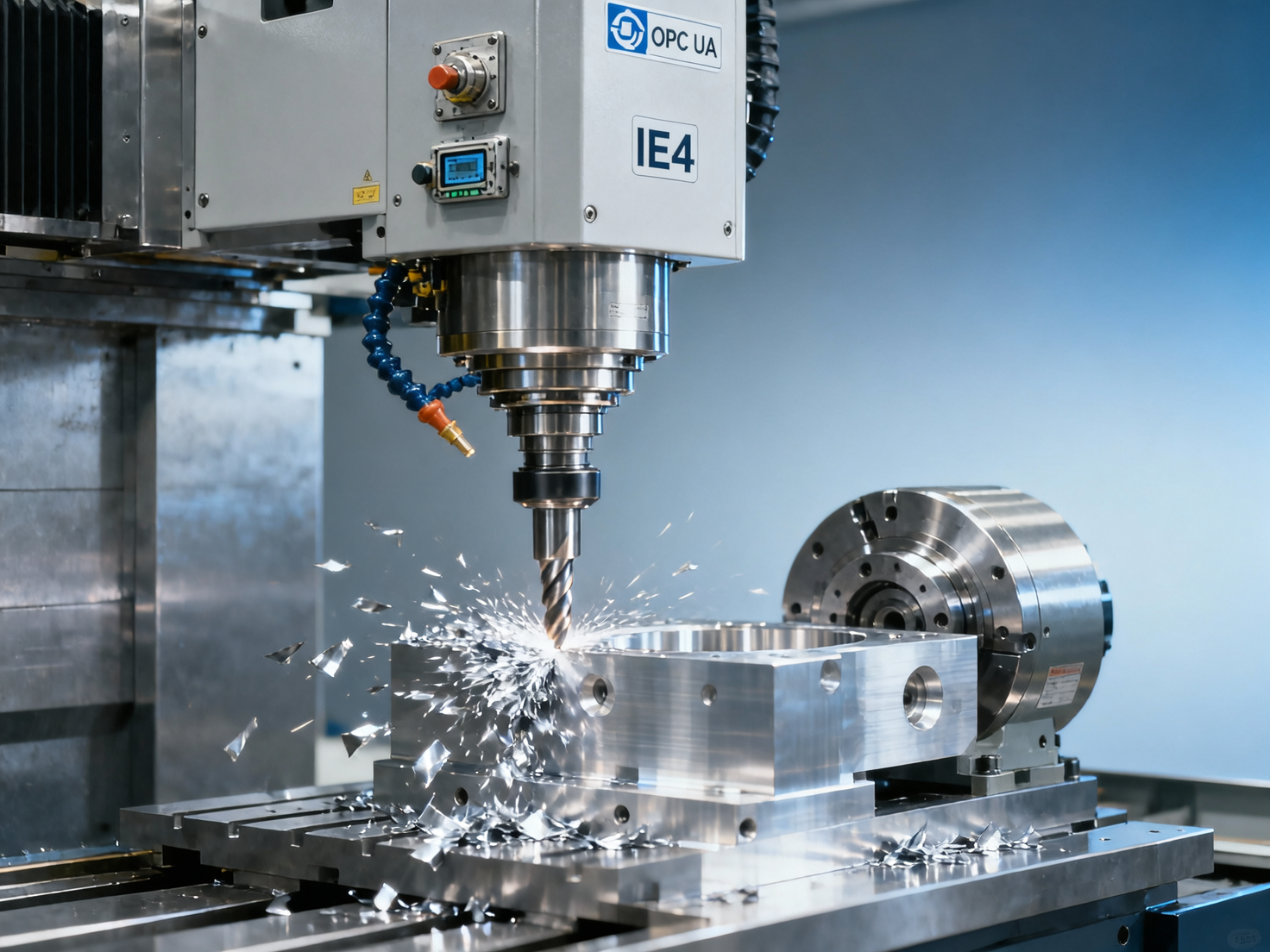
Global manufacturing policies are rapidly evolving — especially regarding energy subsidies for CNC metalworking — with direct implications for metal machining, industrial CNC operations, and automated production lines. As countries like China, Germany, Japan, and South Korea revise industrial automation incentives, manufacturers face shifting cost structures in CNC milling, CNC cutting, and vertical lathe deployments. This update examines how new regulations impact CNC production economics, energy efficiency standards for automated lathes, and strategic decisions across the Machine Tool Market. Whether you're a procurement professional, plant operator, or enterprise decision-maker, understanding these changes is critical to optimizing shaft parts fabrication, CNC programming workflows, and smart factory integration.
Policy Shifts Reshaping Energy Cost Structures for CNC Metalworking
Since 2023, over 12 major economies have revised energy subsidy frameworks targeting high-power industrial equipment — including CNC lathes (rated 15–45 kW), 5-axis machining centers (typically 30–80 kW), and automated grinding systems. These reforms no longer treat “CNC machines” as a monolithic category. Instead, they apply tiered eligibility based on real-time energy consumption monitoring, minimum efficiency thresholds (IE3+ motor compliance), and integration with factory-level energy management systems (EMS).
For example, Germany’s updated Industrielle Energieeffizienzprogramm (IEP) now requires CNC systems deployed after Q2 2024 to log power draw at ≤1-second intervals and report aggregated data to the Federal Office for Economic Affairs (BAFA) quarterly. Non-compliant installations forfeit up to 37% of prior-year energy cost rebates — a material impact for facilities running >20 CNC units continuously.
Similarly, China’s 2024 Green Manufacturing Subsidy Guidelines tie subsidy disbursement to verified reductions in kWh per part produced — not just machine purchase price. A typical 4-axis vertical machining center must demonstrate ≥12% energy savings versus its 2022 baseline (measured across ≥3 consecutive months of serial production) to qualify for full-tier support.
This table highlights how subsidy access is now contingent on verifiable infrastructure—not just equipment acquisition. Procurement teams must verify OEM compliance documentation *before* PO issuance, as retroactive certification is not accepted in Germany or Japan. Facilities deploying mixed-vintage CNC fleets face added complexity: only units commissioned post-policy date qualify, requiring granular asset-level tracking.
Operational Impact on CNC Programming & Production Workflow
New energy policies directly affect G-code optimization strategies. In Japan, for instance, machining centers operating under the Energy-Saving Equipment Certification program must maintain average spindle load ≤68% during non-idle cycles to retain subsidy status. This forces re-evaluation of feed/speed parameters, toolpath segmentation, and coolant delivery timing — all influencing cycle time and surface finish consistency.
Operators report measurable adjustments: average roughing pass depth reduced by 18–22% to sustain lower torque demand; high-efficiency trochoidal toolpaths adopted in 63% of aluminum aerospace component programs; and adaptive feed control enabled on 89% of newly installed Fanuc 31i-B5 and Siemens SINUMERIK ONE systems sold in EU markets since January 2024.
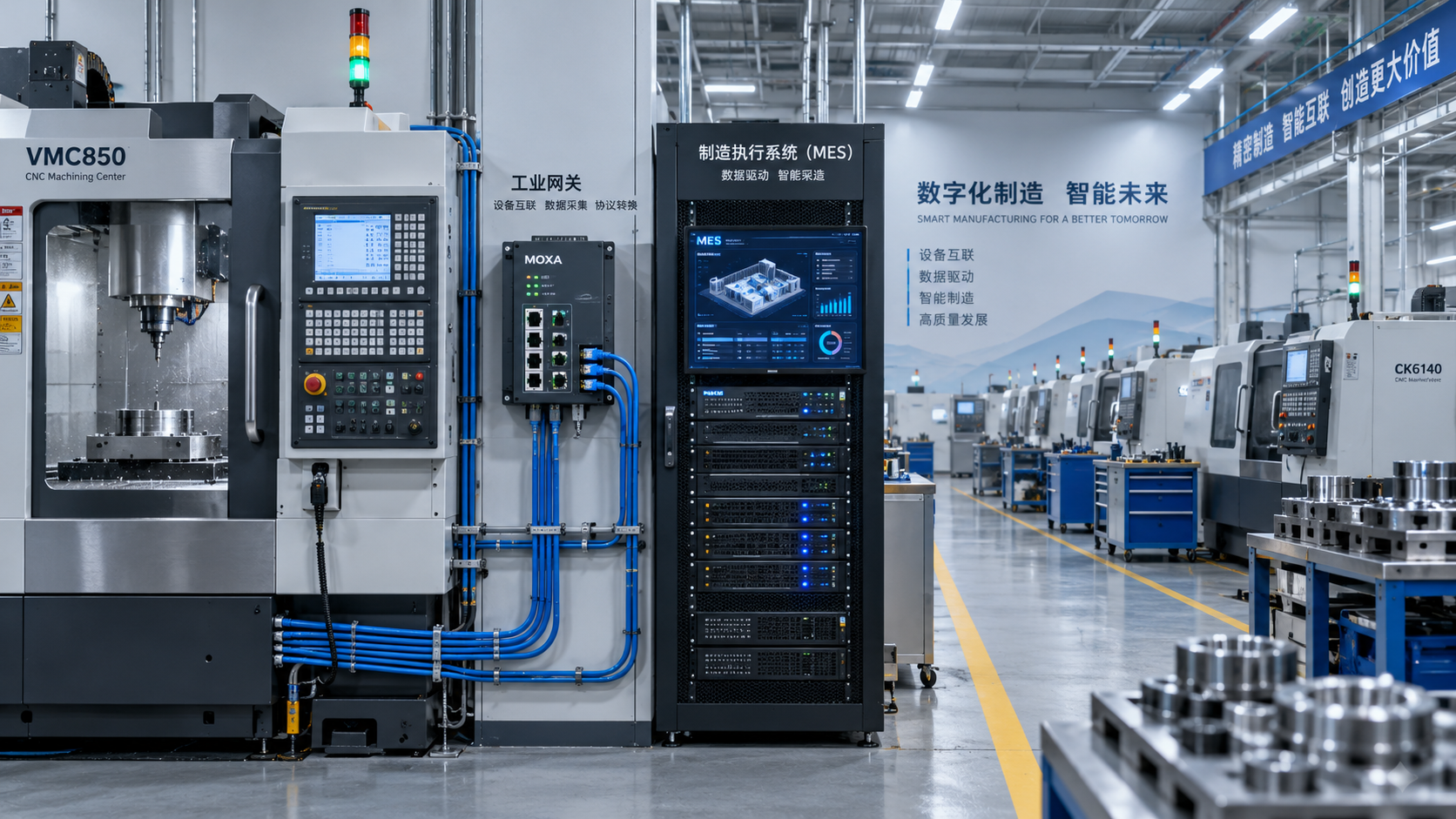
From a workflow perspective, energy-aware scheduling has become standard. Smart factory MES platforms now integrate real-time electricity pricing feeds (e.g., EPEX SPOT hourly curves) and dynamically reschedule non-urgent CNC jobs to off-peak windows — reducing energy cost per part by 9–14% without sacrificing OEE.
Critical Implementation Steps for Plant Operators
- Validate that all CNC controllers support Modbus TCP or OPC UA energy data export (required for BAFA/IEP reporting)
- Install calibrated sub-meters per machine group (not per line) — minimum sampling rate: 1 Hz
- Update CAM post-processors to enforce max spindle load limits (configurable threshold: 55–75%)
- Conduct quarterly energy benchmarking using ISO 14955-2:2022 methodology
Procurement Strategy Adjustments for Machine Tool Buyers
Procurement professionals can no longer evaluate CNC machines solely on price, accuracy, or throughput. Four new criteria now dominate RFP scoring:
- Energy Data Architecture: Native support for ISO 14649-11 (AP242) energy modeling and real-time MQTT/JSON telemetry
- Certification Readiness: Pre-validated compliance with regional EMS protocols (e.g., Germany’s eEnergie, Korea’s K-EMS)
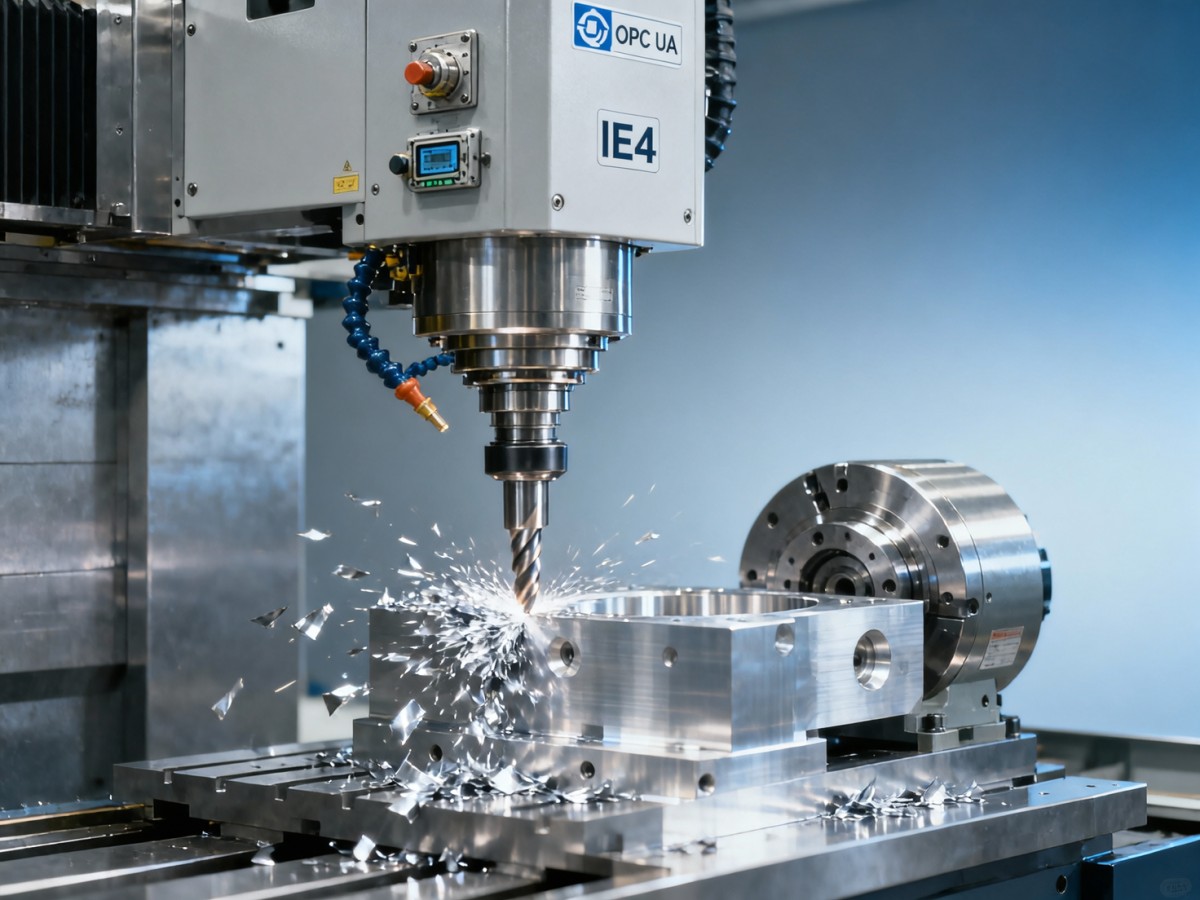
- Modular Efficiency Upgrades: Field-installable IE4 motor kits, regenerative braking options, and low-loss coolant pumps
- Service Lifecycle Reporting: Vendor-provided annual energy performance dashboards aligned with subsidy audit requirements
Suppliers failing any of these four criteria see bid rejection rates rise by 41% in public tenders across EU and APAC regions (2024 Q1 procurement survey, n=217). Leading OEMs now embed energy compliance packages — including pre-configured PLC logic, certified metering hardware, and audit-ready documentation — as standard on machines priced above $185,000.
This procurement matrix reflects a hard pivot from “machine-first” to “compliance-first” evaluation. Decision-makers should mandate energy architecture validation during technical evaluation — not just financial or delivery terms.
Strategic Recommendations for Enterprise Decision-Makers
Enterprise leaders must treat energy policy alignment as a core operational KPI — not an IT or sustainability add-on. Start with a 90-day assessment: inventory all CNC assets by model, age, controller version, and current energy metering capability. Cross-reference against national subsidy timelines (see Table 1) to identify high-impact upgrade windows.
Prioritize investments where ROI spans both subsidy capture *and* production gains: regenerative braking on large vertical lathes cuts energy use by 11–15% while extending brake pad life by 2.3×; adaptive coolant control reduces fluid consumption by 34% and enables 8.7% faster cycle times on titanium aerospace housings.
Finally, designate an internal Energy Compliance Officer — ideally embedded within manufacturing engineering — with authority to approve CAM parameter changes, validate metering data, and liaise with subsidy agencies. Facilities assigning this role report 92% faster subsidy claim processing and zero audit-related penalties in 2024.
Three Immediate Actions to Take
- Request OEM energy compliance dossiers for all active RFQs — require proof of regional certification, not just marketing claims
- Run a 7-day energy baseline study on your highest-consumption CNC line using portable Class 0.2S meters
- Enroll one pilot machine in your country’s official subsidy verification program before year-end to secure priority audit slots
Understanding global energy subsidy shifts isn’t about regulatory compliance alone — it’s about unlocking measurable gains in part cost, machine uptime, and long-term competitiveness. The manufacturers who act decisively now will gain advantage in capital efficiency, talent retention, and customer trust.
Get a customized energy compliance roadmap for your CNC fleet — including subsidy eligibility scoring, OEM compatibility analysis, and implementation timeline. Contact our global manufacturing policy advisory team today.
PREVIOUS ARTICLE
Recommended for You
 Digital Manufacturing for Smart Factories: Connecting Legacy Machines to MESMachine Tool Industry Editorial Team
 How to Select a CNC Metal Lathe for Tight-Tolerance Shaft and Sleeve PartsCNC Machining Technology Center
 How to Select an Industrial Lathe for High-Volume Shaft ProductionMachine Tool Industry Editorial Team
 Selecting Machine Tools for Automotive Parts: Accuracy, Throughput, and AutomationMachine Tool Industry Editorial Team
 Industrial Machining: Selecting Processes for Tight-Tolerance Metal PartsCNC Machining Technology Center
 Manufacturing Technology Trends That Improve Throughput and Quality ControlManufacturing Market Research Center

Aris Katos
Future of Carbide Coatings
15+ years in precision manufacturing systems. Specialized in high-speed milling and aerospace grade alloy processing.
▶
Brazil ANVISA Rule Targets Medical Mold CNC ImportsManufacturing Policy Research Center▶
BAFA Adds CNC Grinding Controls to Dual-Use ListManufacturing Policy Research Center▶
TUV Rheinland Rule Adds PL e Data Interface for CNCsManufacturing Policy Research Center▶
Germany Tightens CNC Safety Rules With AI Stop ModuleManufacturing Policy Research Center▶
China Seeks Feedback on E-Motorcycle Battery RulesManufacturing Policy Research Center
Mastering 5-Axis Workholding Strategies
Join our technical panel on Nov 15th to learn about reducing vibrations in thin-wall components.

Providing you with integrated sanding solutions
Before-sales and after-sales services
Comprehensive technical support