• Global CNC market projected to reach $128B by 2028 • New EU trade regulations for precision tooling components • Aerospace deman
NYSE: CNC +1.2%LME: STEEL -0.4%

Mexico IMMEX Upgrade Ties CNC Duty Relief to Local Assembly

On August 1, 2026, Mexico introduced an IMMEX-related policy change that lowers import tariffs on CNC machine tools, multi-axis machining centers, and related automation line equipment from 5% to 0% for certified foreign manufacturers. The measure is notable not only because it changes equipment import costs, but because it links duty relief to local assembly or integration commitments and ongoing production reporting to SENER, making it relevant for manufacturers operating in Mexico, overseas equipment suppliers, buyers with Mexican production bases, and service providers involved in delivery and compliance.
What the new IMMEX-linked measure confirms
According to a joint announcement by Mexico's Ministry of Economy and tax authority, starting August 1, 2026, foreign manufacturing companies certified under IMMEX can import CNC machine tools, multi-axis machining centers, and supporting automated production line equipment at a 0% tariff instead of 5%.
The same measure requires these companies to submit a commitment covering local assembly or integration. It also requires quarterly reporting to SENER on actual output generated through the use of the imported equipment.
The stated policy objective is to accelerate manufacturing reshoring. Based on the information provided, the change is expected to benefit overseas buyers with manufacturing operations in Mexico and Chinese equipment exporters.
Where the immediate business impact may appear
Imported equipment purchasing for Mexican production sites
From an industry perspective, buyers and manufacturers with plants in Mexico may be affected first at the capital equipment procurement stage. The tariff reduction changes the landed-cost structure for eligible CNC and automation equipment, but the benefit is tied to IMMEX certification and compliance with local assembly or integration requirements. What deserves closer attention is whether procurement teams are positioned to align equipment purchasing with the required commitment and reporting process.
Equipment exporters serving Mexico-bound projects
Chinese equipment exporters and other overseas suppliers may see the most direct relevance in project qualification, documentation, and customer coordination. Analysis shows that tariff treatment is no longer only a pricing issue; it is also connected to how imported equipment fits into a customer's local assembly or integration plan. Suppliers may therefore need to pay closer attention to product scope, supporting documents, and delivery communication for Mexico-based installations.
Compliance and operating support around installed equipment
Supply chain service providers, integration partners, and operational support teams may be affected through the quarterly reporting requirement to SENER. Observably, the policy does not stop at customs entry. It extends into post-import equipment usage and output tracking, which means the operational phase may become more important for businesses that support equipment deployment, commissioning, and output documentation.
What companies should watch before acting
The difference between tariff eligibility and actual implementation
Analysis shows that the 0% tariff should not be treated as a standalone cost benefit. The confirmed facts also include a local assembly or integration commitment and quarterly output reporting. For companies planning imports, the practical issue is whether internal teams can connect customs, production, and compliance workflows in a workable way.
Product scope and transaction structuring
What deserves closer attention is the exact business treatment of CNC machine tools, multi-axis machining centers, and supporting automation line equipment in live transactions. Companies involved in quotations, contracts, and shipping preparation should focus on whether the equipment package clearly matches the policy-covered categories described in the announcement.
Customer communication and supporting records
For exporters and service providers, a near-term priority is likely to be documentation discipline. Because the policy requires a local assembly or integration commitment and ongoing output reporting, customer communication may need to cover not only pricing and delivery, but also what records, declarations, and usage information will be needed after import.
Further official clarification still matters
It is more appropriate to understand this as an actionable policy change that may still require continued verification in practice. Companies should keep watching for any further official wording, implementation guidance, or clarifications that affect how the commitment and reporting requirements are handled in actual operations.
Why this reads as more than a simple tariff cut
Observably, this development carries two signals at once. First, it reduces the import duty burden on specific production equipment for IMMEX-certified foreign manufacturers. Second, it ties that benefit to local production participation and measured equipment use. Analysis shows that the policy is not only about making imported machinery cheaper; it also points to a stronger policy preference for equipment imports that are linked to production activity inside Mexico.
For that reason, this is better understood as both a current operating change and a longer-term policy signal. At the same time, it should not yet be read as a complete market outcome, because the actual business effect will depend on how companies qualify, document compliance, and manage reporting after the equipment enters service.
How to read the policy at this stage
At this stage, the IMMEX upgrade is best understood as a targeted industrial policy adjustment with direct implications for equipment imports into Mexico-based manufacturing operations. The confirmed benefit is clear: eligible tariffs on covered CNC and automation equipment fall to zero. The equally important condition is that the import benefit is now linked to local assembly or integration commitments and continuing production disclosure.
In practical terms, the development matters most for companies deciding how to structure Mexico-focused equipment sales, procurement, and installation projects. A neutral reading is that the measure creates a real operational incentive, but its value will depend on execution, documentation, and follow-through rather than on tariff treatment alone.
Basis of this article and points for continued verification
This article is based on the user-provided news title, event date, and event summary. The analysis is limited to those confirmed inputs and does not add unverified policy numbers, company cases, market data, or source links.
For this type of industry update, commonly relevant source categories may include official government announcements, company statements, industry association information, authoritative media reporting, and standards-related documents. A specific official source link was not provided in the input, so continued verification is still needed. The main follow-up areas to watch are any additional official clarification on implementation wording, treatment of covered equipment categories, and the practical handling of commitment and reporting requirements.
PREVIOUS ARTICLE
NEXT ARTICLE
Recommended for You
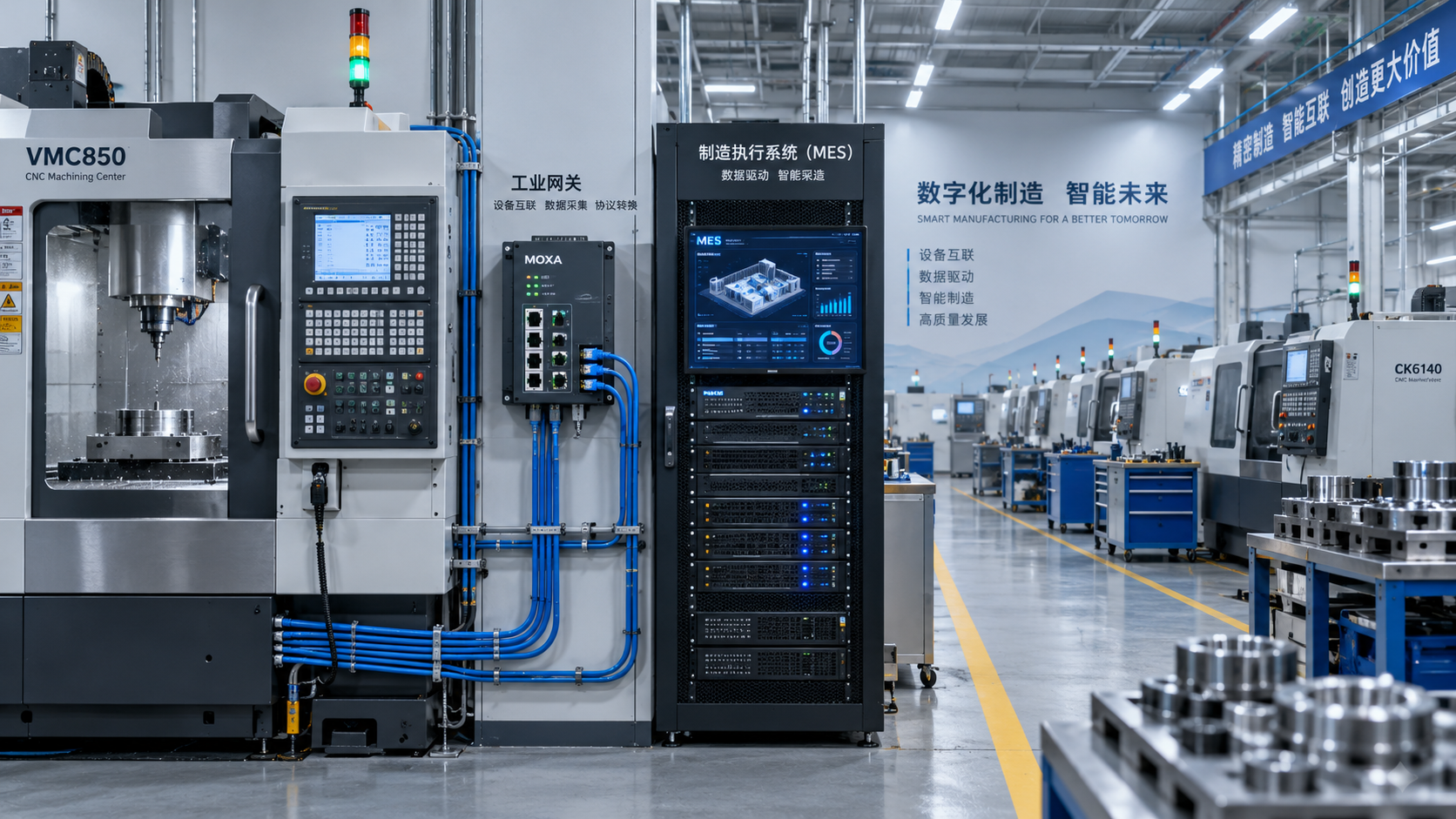
 Digital Manufacturing for Smart Factories: Connecting Legacy Machines to MESMachine Tool Industry Editorial Team
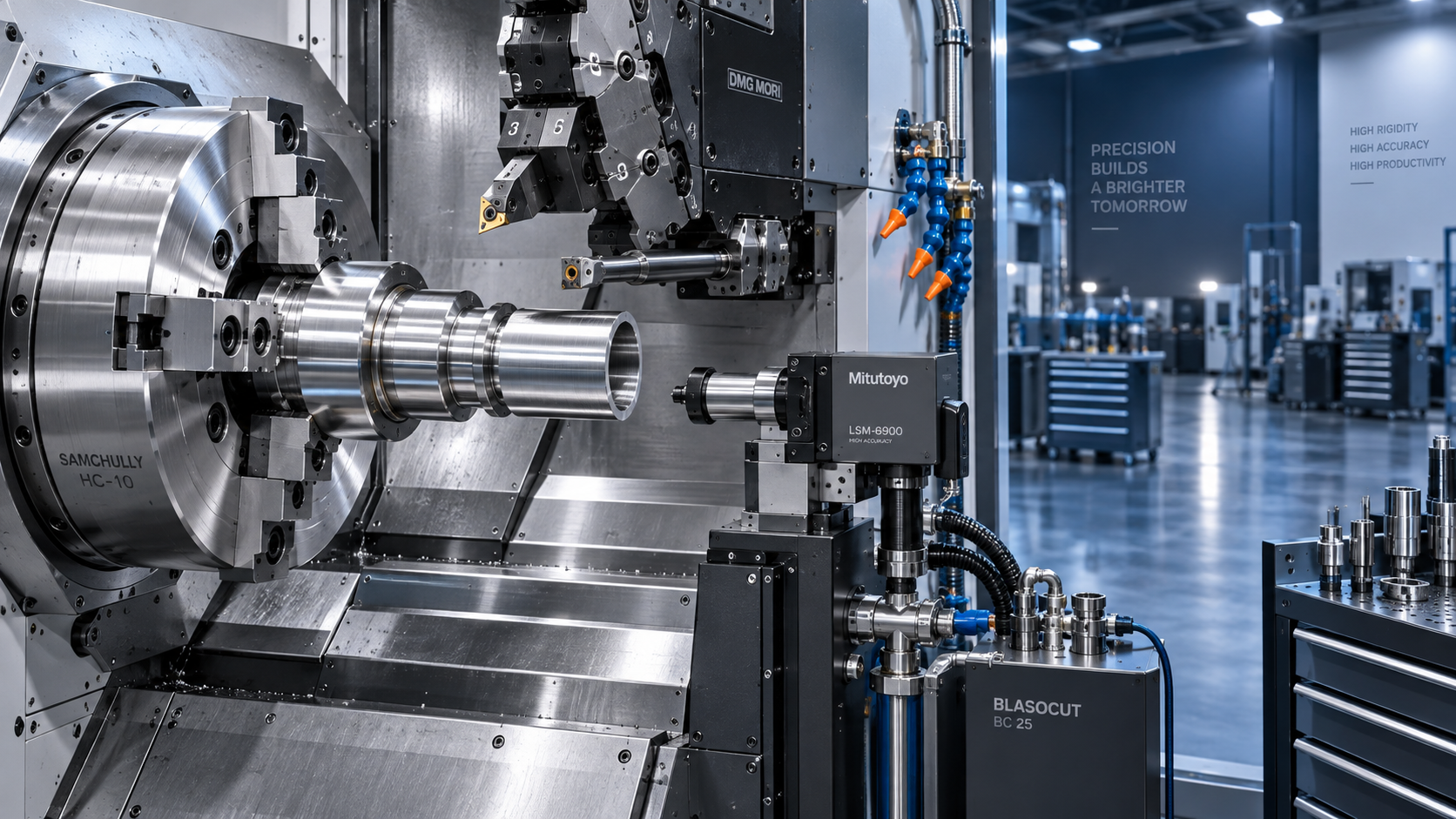
 How to Select a CNC Metal Lathe for Tight-Tolerance Shaft and Sleeve PartsCNC Machining Technology Center
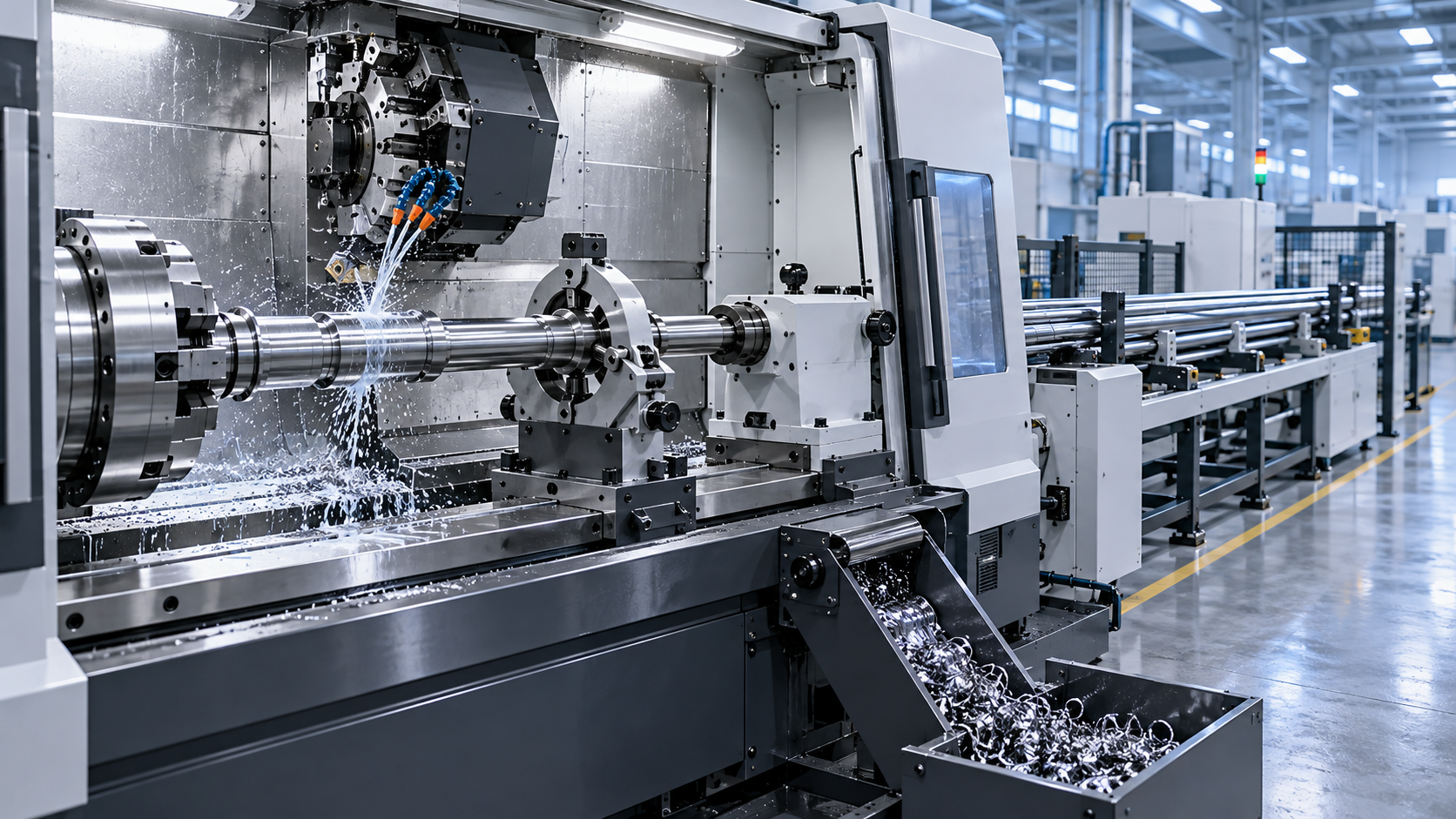
 How to Select an Industrial Lathe for High-Volume Shaft ProductionMachine Tool Industry Editorial Team
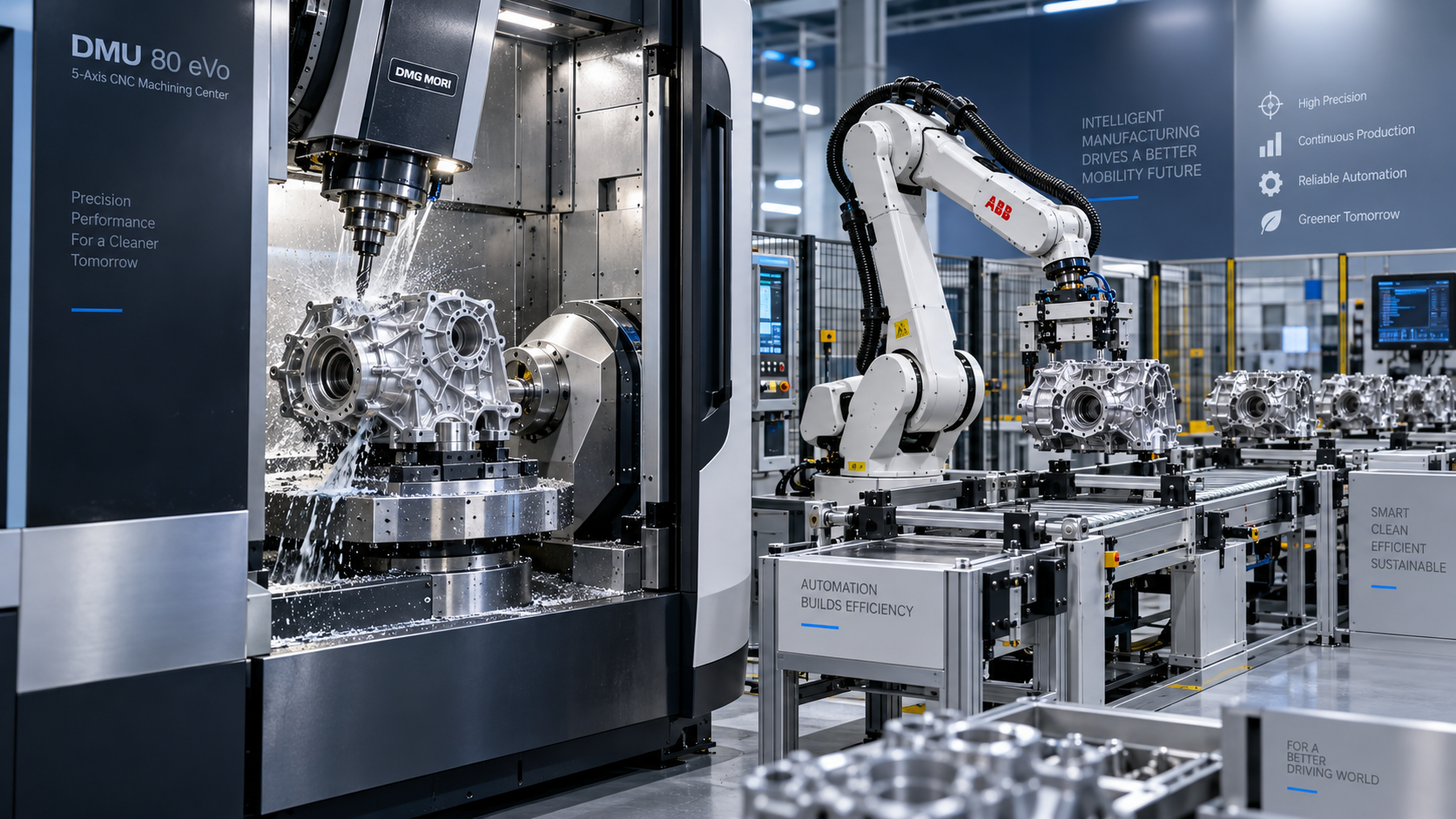
 Selecting Machine Tools for Automotive Parts: Accuracy, Throughput, and AutomationMachine Tool Industry Editorial Team
 Industrial Machining: Selecting Processes for Tight-Tolerance Metal PartsCNC Machining Technology Center
 Manufacturing Technology Trends That Improve Throughput and Quality ControlManufacturing Market Research Center

Aris Katos
Future of Carbide Coatings
15+ years in precision manufacturing systems. Specialized in high-speed milling and aerospace grade alloy processing.
▶
日本高端机床出口管制生效,五轴CNC审批趋严Global Machine Tool Trade Research Center▶
Japan Tightens Controls on High-End Machine Tool ExportsGlobal Machine Tool Trade Research Center▶
US Proposes 25% Tariff on China CNC Servo DrivesGlobal Machine Tool Trade Research Center▶
US Adds 37 Chinese Machine Tool Firms to Export ListGlobal Machine Tool Trade Research Center▶
US Tightens CNC Export Curbs, Adds 52 China EntitiesGlobal Machine Tool Trade Research Center
Mastering 5-Axis Workholding Strategies
Join our technical panel on Nov 15th to learn about reducing vibrations in thin-wall components.

Providing you with integrated sanding solutions
Before-sales and after-sales services
Comprehensive technical support