• Global CNC market projected to reach $128B by 2028 • New EU trade regulations for precision tooling components • Aerospace deman
NYSE: CNC +1.2%LME: STEEL -0.4%

Brazil Announces 10-Year Multiple-Entry Visa Waiver for Chinese Citizens

Brazil officially introduced a 10-year multiple-entry visa waiver for Chinese citizens on May 15, 2026, covering business activities including trade exhibitions and on-site equipment commissioning and training. This development is particularly relevant for CNC machine tool manufacturers, industrial automation suppliers, and technical service providers engaged in the South American market—especially those preparing for the 2026 São Paulo International Industrial Fair (Feira de Máquinas) in September.
Event Overview
On May 15, 2026, the Brazilian government formally announced a visa exemption policy granting Chinese nationals 10-year multiple-entry authorization for purposes including business, exhibition participation, and on-site installation, commissioning, and process training of industrial equipment. The policy is now in effect and publicly confirmed by official Brazilian immigration channels.
Industries Affected by Segment
Direct Exporters of CNC Machine Tools and Industrial Equipment
These enterprises frequently dispatch technical staff to Brazil for equipment handover, final acceptance testing, and operator training. Under the previous visa regime, each trip required separate application processing, typically taking 7–15 working days and involving documentation such as invitation letters, company registration verification, and itinerary justification. The new policy eliminates this administrative layer, reducing lead time and logistical overhead for post-sale support engagements.
After-Sales Service Providers and Technical Support Teams
Companies offering localized commissioning, maintenance, or process optimization services—often operating under OEM partnerships or third-party contracts—rely on rapid, repeat access to client sites. The visa waiver enables more responsive scheduling of field engineers and trainers, especially for urgent troubleshooting or multi-phase implementation projects across multiple Brazilian states.
Exhibition-Driven B2B Suppliers and System Integrators
Firms planning to exhibit at Feira de Máquinas 2026 (scheduled for September 2026 in São Paulo) will benefit from simplified travel logistics for booth staff, demonstration teams, and sales engineers. The policy supports extended onsite presence before and after the event—e.g., for pre-show customer meetings or post-show follow-up visits—without reapplying for entry authorization.
Key Considerations and Recommended Actions for Relevant Enterprises
Monitor official implementation guidance from Brazilian consular authorities
While the policy has been announced, operational details—including eligibility criteria for ‘business’ vs. ‘tourism’ use, required supporting documents upon entry, and any potential restrictions on duration per stay—remain subject to formal publication. Enterprises should track updates issued by the Brazilian Ministry of Justice and Public Security and cross-check with local Brazilian consulates in China.
Align internal travel protocols with the new entry framework
Companies should revise internal procedures for employee international travel to Brazil: update HR travel policies, adjust approval workflows for short-notice technical trips, and ensure passports meet the minimum validity requirement (typically six months beyond intended stay). Pre-trip briefings should emphasize permissible activities under the visa waiver to avoid misclassification at border control.
Distinguish between policy announcement and actual operational readiness
The announcement signals intent and regulatory direction, but real-world efficiency gains depend on consistent enforcement at ports of entry and interoperability with airline check-in systems. Early adopters are advised to conduct one or two pilot trips ahead of major events (e.g., pre-Feira de Máquinas site visits) to verify end-to-end processing speed and documentation acceptance.
Reassess timing and scope of technical deployment plans in Brazil
With reduced administrative friction, enterprises may now consider expanding the frequency or depth of on-ground technical engagement—e.g., adding hands-on process training modules during commissioning, or scheduling quarterly calibration visits instead of annual ones. Such adjustments should be evaluated alongside local labor regulations and client contractual terms.
Editorial Perspective / Industry Observation
Observably, this policy shift reflects Brazil’s broader effort to strengthen bilateral trade infrastructure and reduce non-tariff barriers for high-value manufacturing partners. From an industry perspective, it functions less as an immediate revenue catalyst and more as a structural enabler—lowering the marginal cost of trust-building, technical credibility, and service continuity in a historically logistically complex market. Analysis shows that while tariff schedules and local content rules remain unchanged, improved mobility directly affects perceived reliability and responsiveness—key differentiators in competitive B2B equipment procurement decisions. Current relevance lies not in isolated transactional impact, but in how consistently and transparently the policy is applied over the next 6–12 months.
This development does not alter product certification requirements (e.g., INMETRO), import duties, or local representation obligations under Brazilian law. Its primary value is procedural—not regulatory or fiscal.
It is therefore more appropriately understood as a facilitation measure than a market-access expansion. Industry stakeholders should treat it as a sustained operational lever—not a one-time opportunity—and prioritize clarity on execution over speculation about secondary effects.
For the CNC machinery and industrial automation sectors, the policy lowers a known friction point in South American market engagement. Yet its long-term significance hinges on consistency of application, not just the headline announcement. Enterprises are advised to integrate it into routine planning—not as a strategic pivot, but as a calibrated adjustment to existing field-service and exhibition logistics frameworks.
Source: Official announcement by the Brazilian Ministry of Justice and Public Security, published May 15, 2026. Implementation details—including entry conditions and documentation expectations—are still being finalized and require ongoing monitoring.
PREVIOUS ARTICLE
Recommended for You
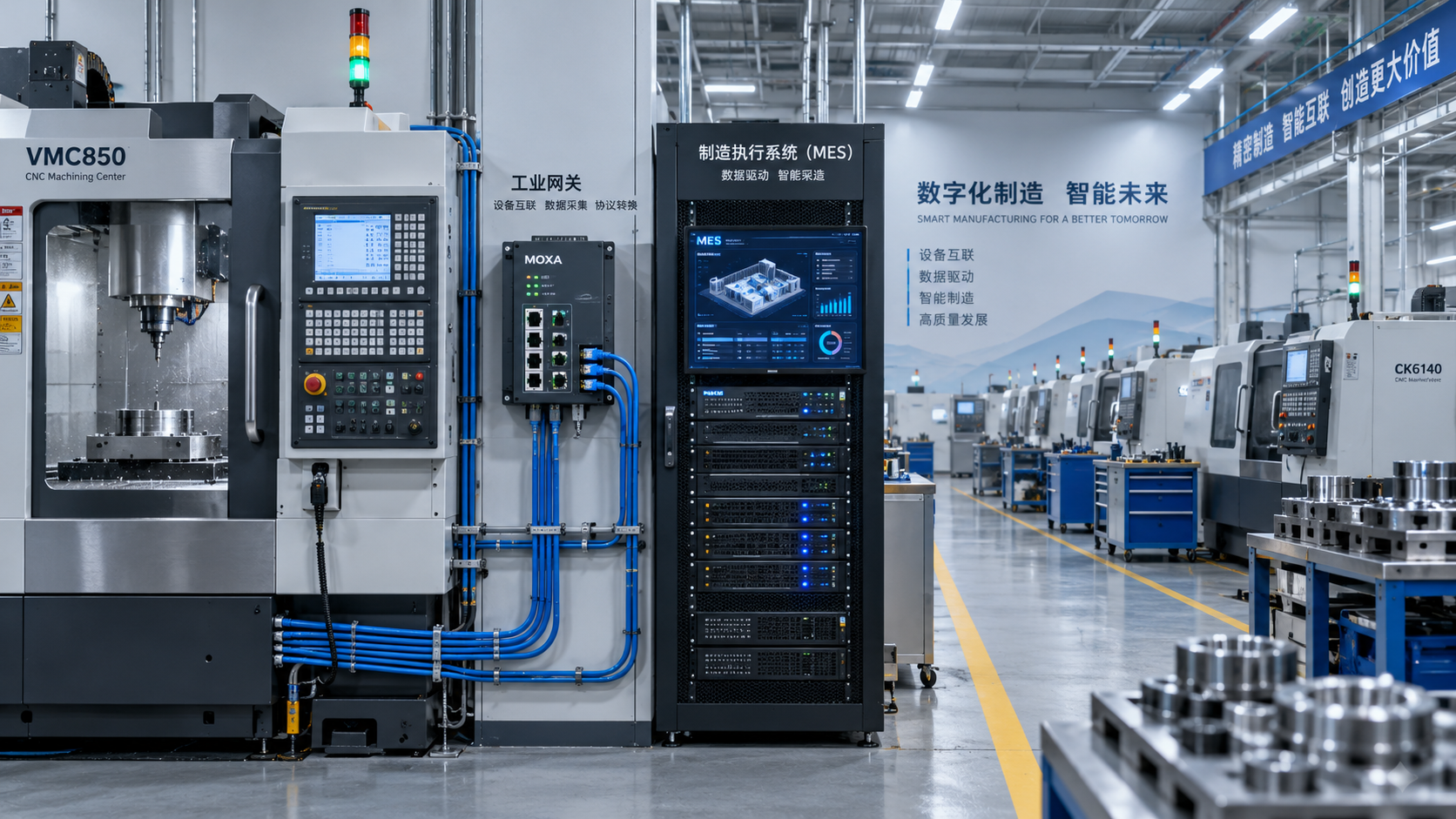
 Digital Manufacturing for Smart Factories: Connecting Legacy Machines to MESMachine Tool Industry Editorial Team
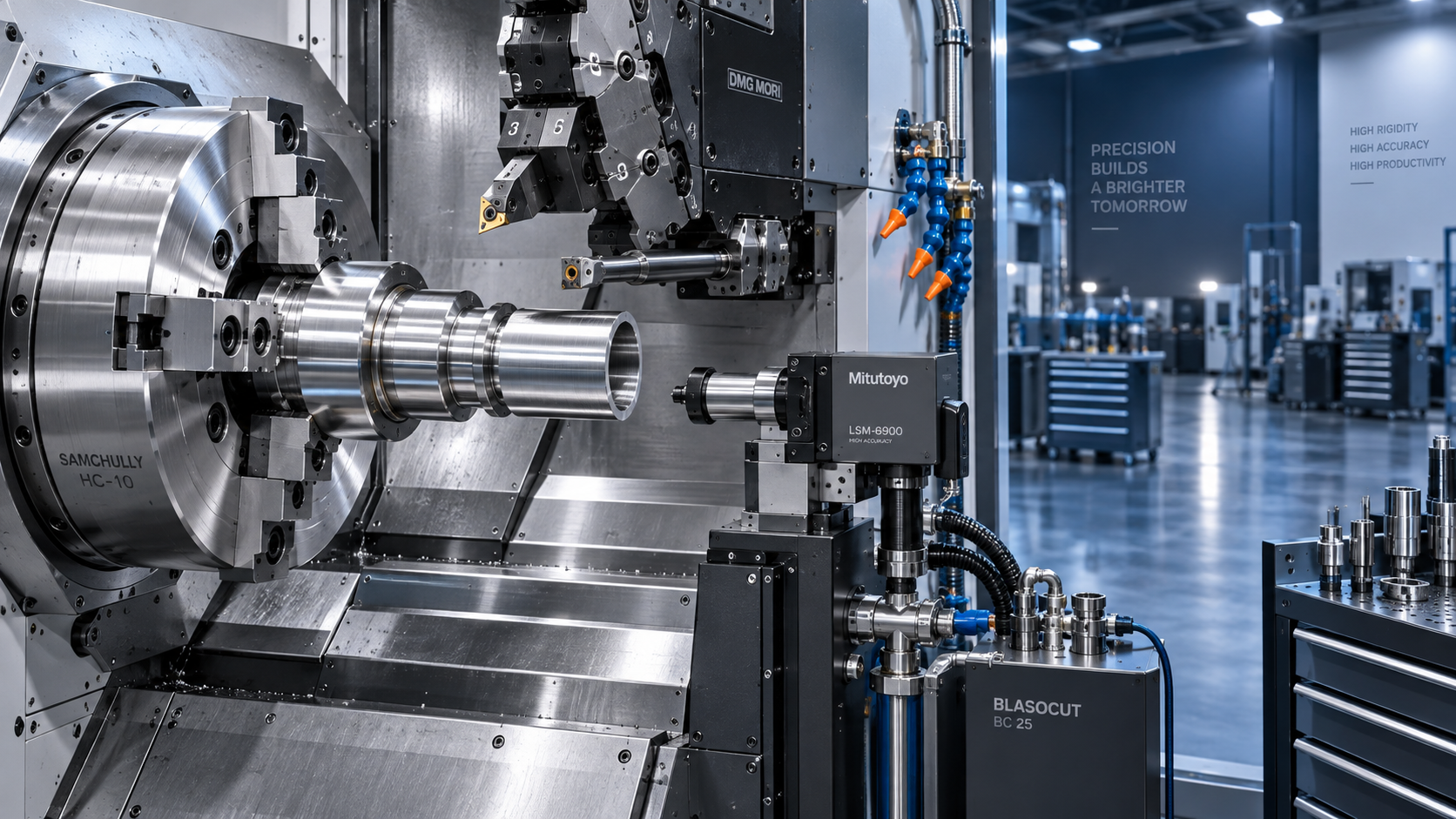
 How to Select a CNC Metal Lathe for Tight-Tolerance Shaft and Sleeve PartsCNC Machining Technology Center
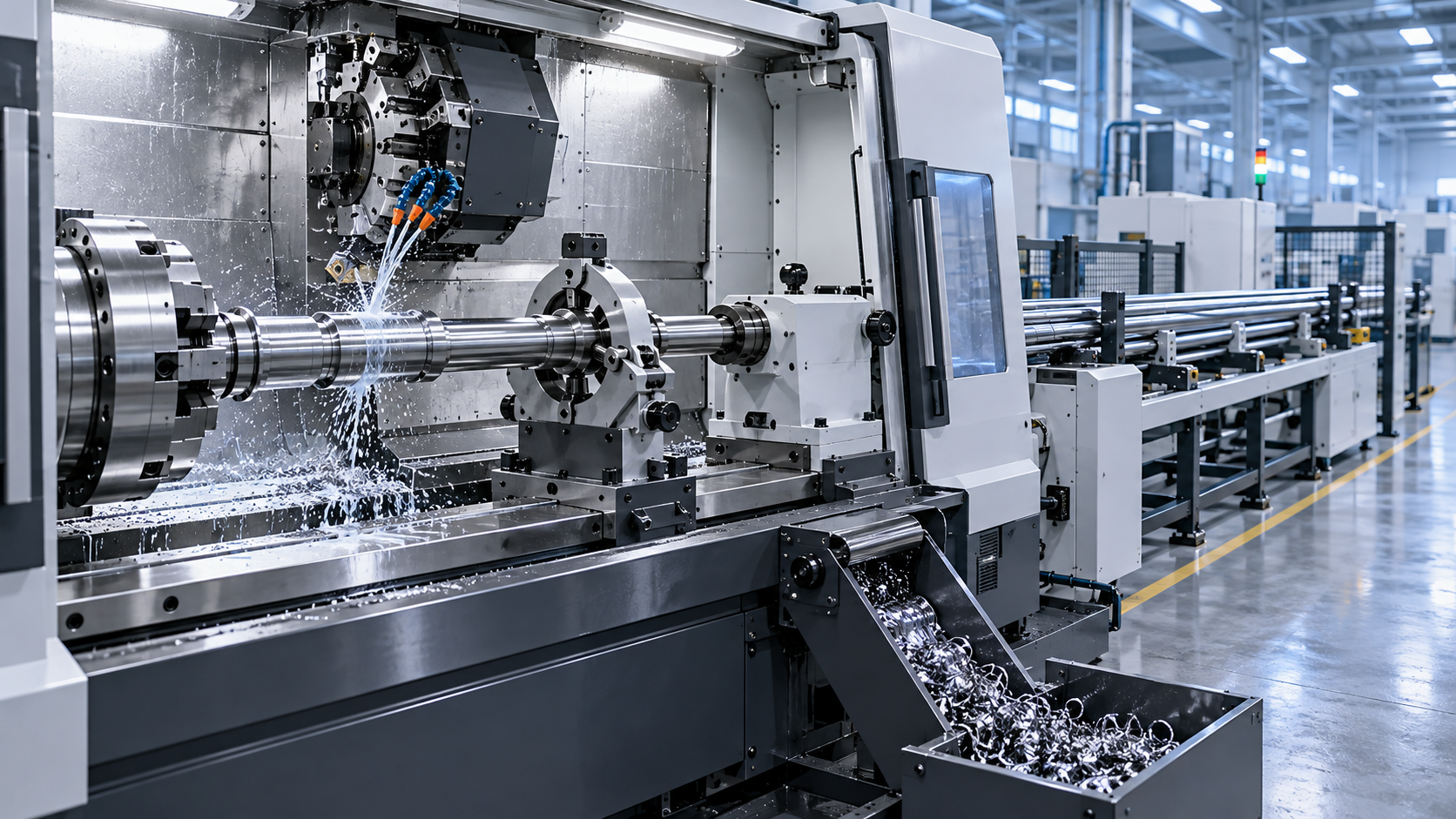
 How to Select an Industrial Lathe for High-Volume Shaft ProductionMachine Tool Industry Editorial Team
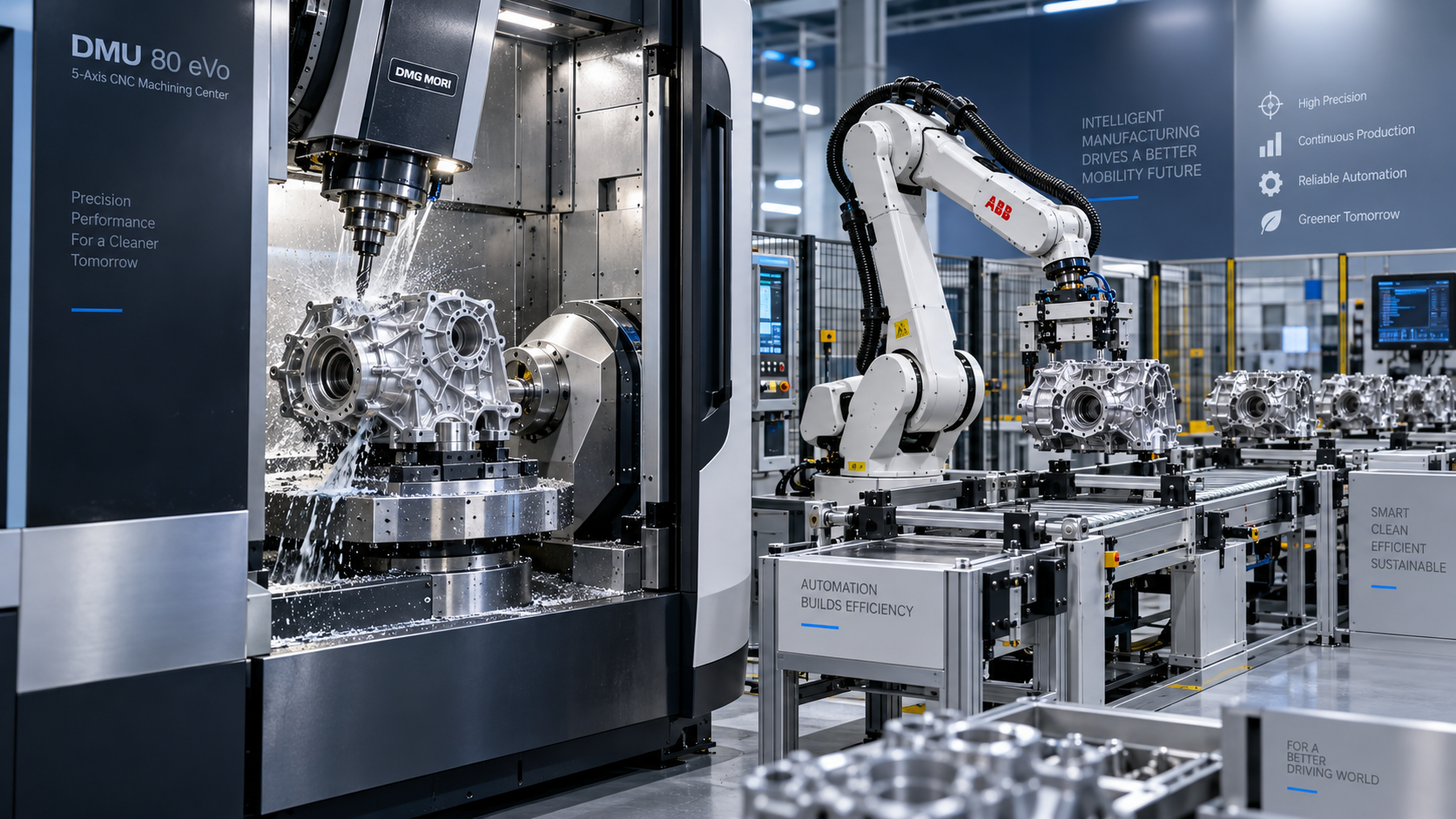
 Selecting Machine Tools for Automotive Parts: Accuracy, Throughput, and AutomationMachine Tool Industry Editorial Team
 Industrial Machining: Selecting Processes for Tight-Tolerance Metal PartsCNC Machining Technology Center
 Manufacturing Technology Trends That Improve Throughput and Quality ControlManufacturing Market Research Center

Aris Katos
Future of Carbide Coatings
15+ years in precision manufacturing systems. Specialized in high-speed milling and aerospace grade alloy processing.
▶
How to Evaluate a Machine Tool Factory Before Sourcing CNC EquipmentGlobal Machine Tool Trade Research Center▶
How to Evaluate a CNC Machine Tool Manufacturer for Precision and Service SupportGlobal Machine Tool Trade Research Center▶
What Affects Cost-Effective CNC Manufacturing? Key Drivers Behind Part Price and Lead TimeGlobal Machine Tool Trade Research Center▶
How to Evaluate a CNC Tooling System Supplier in Germany for Quality, Lead Time, and CostGlobal Machine Tool Trade Research Center▶
How to Evaluate a CNC Tooling System Supplier in Germany for Quality, Lead Time, and SupportGlobal Machine Tool Trade Research Center
Mastering 5-Axis Workholding Strategies
Join our technical panel on Nov 15th to learn about reducing vibrations in thin-wall components.

Providing you with integrated sanding solutions
Before-sales and after-sales services
Comprehensive technical support