• Global CNC market projected to reach $128B by 2028 • New EU trade regulations for precision tooling components • Aerospace deman
NYSE: CNC +1.2%LME: STEEL -0.4%

How to Find a Machine Tool Distributor You Can Trust
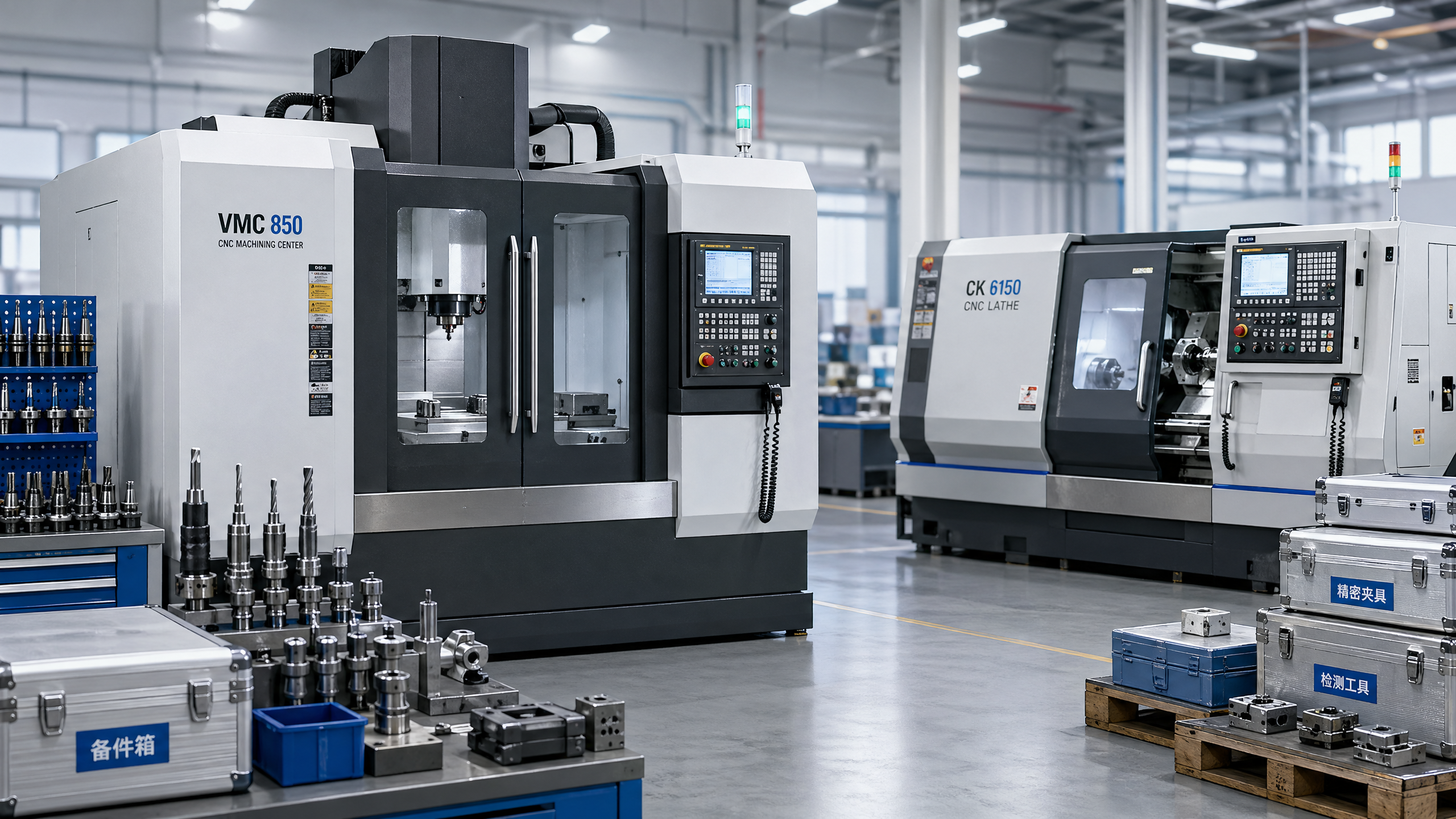
Choosing a machine tool distributor is not just about finding a company that can quote a CNC lathe or machining center quickly. For most buyers, operators, and sourcing teams, the real question is simpler: can this distributor deliver the right machine, support it after installation, and help you avoid expensive downtime or a bad purchasing decision? A trustworthy distributor should combine technical knowledge, transparent communication, dependable service, and proven industry experience.
If you are comparing suppliers for precision manufacturing, automated production, or heavy-duty machining applications, the safest approach is to evaluate them on more than price. Their product portfolio, engineering support, spare parts availability, training capability, and response speed often matter more over the life of the machine than the initial quote. The sections below explain how to assess a machine tool distributor with confidence.
What makes a machine tool distributor trustworthy?
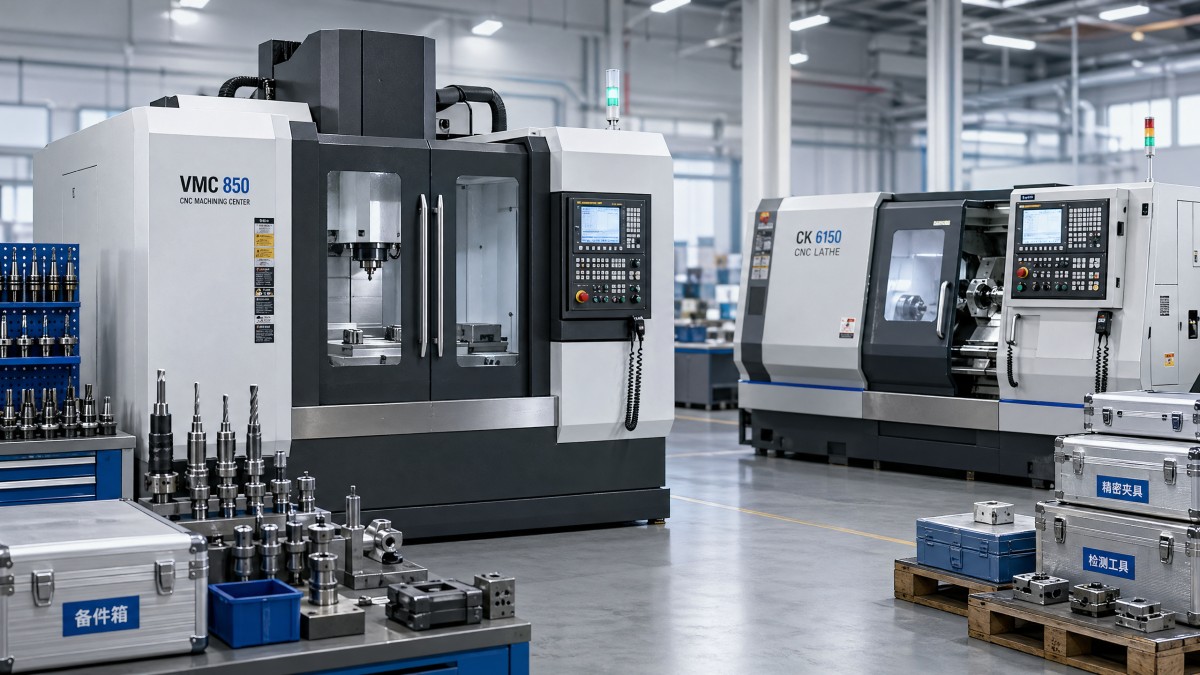
A reliable machine tool distributor does more than resell equipment. They act as a long-term partner between the machine tool manufacturer and the end user. That means they should understand your production goals, recommend appropriate equipment, coordinate installation, and support performance after delivery.
In practical terms, a trustworthy distributor usually shows several clear signs:
- Strong product knowledge: They can explain machine specifications, accuracy levels, spindle options, automation compatibility, and application limits in plain language.
- Application awareness: They understand whether your work involves aerospace parts, automotive components, electronics housings, mold making, or general metalworking.
- Responsive service: They have a clear process for maintenance, troubleshooting, and emergency support.
- Transparent communication: They provide realistic lead times, honest pricing, and clear warranty terms.
- Proven track record: They can point to installed machines, customer references, and successful projects in similar industries.
If a distributor cannot clearly explain how they support customers after the sale, that is often an early warning sign.
What should buyers check before requesting a quote?
Many buyers start with price, but the better starting point is fit. Before you compare quotations, confirm whether the distributor is capable of supporting your actual production needs.
Ask these questions early:
- Do they specialize in CNC machine tools, or are machine tools only a small part of their business?
- Do they represent reputable machine tool manufacturers with stable quality control?
- Can they recommend machines based on your materials, tolerances, batch sizes, and part geometry?
- Do they support only standard machines, or can they help with automation, tooling, fixtures, and integration?
- Do they have local or regional technical support?
For procurement and business evaluation teams, this stage is important because it quickly separates distributors that can support production from those that mainly compete on sales language. A low-cost machine from a weak distributor can become very expensive if installation delays, poor training, or service gaps affect output.
How do you evaluate technical capability, not just sales ability?
A distributor you can trust should be able to discuss machining processes in detail. This is especially important if you are buying a machining center, CNC lathe, multi-axis system, or equipment for precision parts.
Look for evidence of technical capability such as:
- Application engineering support: Can they review drawings, materials, cycle time targets, and tolerance requirements?
- Knowledge of production workflows: Do they understand setup reduction, repeatability, chip control, and automation options?
- Tooling and fixture guidance: Can they help match the machine with the right tooling strategy?
- Process improvement input: Can they suggest ways to improve efficiency, reduce scrap, or support unattended operation?
Operators and production users should pay close attention here. A distributor with real technical depth can reduce startup problems and help your team reach stable production faster. If every answer stays at brochure level, that is a sign the distributor may lack practical experience.
Why after-sales support matters as much as the machine itself
For most manufacturers, long-term performance depends heavily on service. Even the best CNC machine tool can become a liability if spare parts are hard to obtain or if field service takes too long.
When assessing after-sales support, focus on these areas:
- Installation and commissioning: Who handles setup, calibration, and handover?
- Operator training: Is training included, and is it basic or process-specific?
- Maintenance support: Do they offer preventive maintenance programs?
- Spare parts access: Are common replacement parts stocked locally or shipped from overseas?
- Service response time: What is the expected timeline for urgent issues?
- Remote diagnostics: Can they troubleshoot quickly through digital support tools?
This is where many distributor relationships succeed or fail. A machine may look competitive on paper, but if downtime costs your factory more than the purchase savings, the decision no longer makes business sense.
How can you verify a distributor’s reputation?
Trust should be confirmed with evidence. Instead of relying only on marketing claims, ask for proof that the distributor has delivered value to similar customers.
Useful ways to verify credibility include:
- Customer references: Speak with companies in related industries or with similar production demands.
- Installed base: Ask how many machines they have installed and supported in your region.
- Case studies: Review examples that show measurable results such as cycle time reduction, improved accuracy, or labor savings.
- Factory or showroom visits: If possible, visit their technical center, demo facility, or customer site.
- Manufacturer relationship: Confirm whether they are an authorized distributor with direct factory support.
For business evaluators, this step helps reduce supplier risk. It shows whether the distributor has a stable operating model and whether the brands they represent are backed by real service infrastructure.
What warning signs should not be ignored?
Some red flags appear early if you know what to watch for. A distributor may still offer an attractive quote, but warning signs often predict future problems.
- They avoid detailed discussions about service, training, or spare parts.
- They recommend the same machine for every application.
- They cannot explain total cost of ownership.
- They provide vague warranty terms or unclear delivery schedules.
- They have limited local technical staff.
- They pressure you to buy quickly without understanding your process.
- They lack references in your sector.
A trusted machine tool distributor should be willing to answer difficult questions. If transparency is missing during the sales process, support quality after purchase is unlikely to improve.
How should procurement teams compare distributors fairly?
If multiple suppliers are under review, a structured evaluation method helps. Instead of comparing quotes line by line only on price, score each distributor across operational and commercial factors.
A practical comparison framework may include:
- Machine fit: Accuracy, rigidity, speed, automation readiness, and part compatibility
- Technical support: Application engineering, process optimization, and training
- Service capability: Local technicians, maintenance plans, and spare parts stock
- Commercial terms: Pricing, financing, warranty, and lead time
- Business reliability: References, installed base, and manufacturer backing
- Long-term value: Expected uptime, operating cost, and resale relevance
This approach is especially useful when sourcing CNC machine tools for high-value sectors such as aerospace, automotive, energy equipment, and electronics manufacturing, where machine performance directly affects quality and delivery commitments.
What does the best distributor relationship look like over time?
The best distributor is not simply the one that delivers a machine. It is the one that helps you maintain output, improve processes, and scale with confidence. Over time, a strong distributor relationship should create business value through better uptime, smoother maintenance, operator confidence, and more informed future investments.
For users and operators, this means practical support when issues arise. For purchasing teams, it means lower risk and more predictable ownership costs. For decision-makers, it means the machine investment supports productivity rather than creating ongoing uncertainty.
In a market where CNC machining, precision manufacturing, and smart production are becoming more complex, the distributor’s role is increasingly strategic. The right partner helps connect machine capability with real production success.
Conclusion
To find a machine tool distributor you can trust, look beyond the initial sales quote. The most reliable partners combine technical expertise, industry understanding, transparent communication, dependable after-sales service, and a verifiable track record. Price matters, but long-term support, machine fit, and service responsiveness usually matter more.
If you evaluate distributors based on application knowledge, support capability, reputation, and total value, you will make a stronger decision and reduce the risk of costly surprises. In machine tool purchasing, trust is built on evidence, service, and consistent performance, not promises alone.
PREVIOUS ARTICLE
NEXT ARTICLE
Recommended for You
 Digital Manufacturing for Smart Factories: Connecting Legacy Machines to MESMachine Tool Industry Editorial Team
 How to Select a CNC Metal Lathe for Tight-Tolerance Shaft and Sleeve PartsCNC Machining Technology Center
 How to Select an Industrial Lathe for High-Volume Shaft ProductionMachine Tool Industry Editorial Team
 Selecting Machine Tools for Automotive Parts: Accuracy, Throughput, and AutomationMachine Tool Industry Editorial Team
 Industrial Machining: Selecting Processes for Tight-Tolerance Metal PartsCNC Machining Technology Center
 Manufacturing Technology Trends That Improve Throughput and Quality ControlManufacturing Market Research Center

Aris Katos
Future of Carbide Coatings
15+ years in precision manufacturing systems. Specialized in high-speed milling and aerospace grade alloy processing.
▶
How to Evaluate a Machine Tool Factory Before Sourcing CNC EquipmentGlobal Machine Tool Trade Research Center▶
How to Evaluate a CNC Machine Tool Manufacturer for Precision and Service SupportGlobal Machine Tool Trade Research Center▶
What Affects Cost-Effective CNC Manufacturing? Key Drivers Behind Part Price and Lead TimeGlobal Machine Tool Trade Research Center▶
How to Evaluate a CNC Tooling System Supplier in Germany for Quality, Lead Time, and CostGlobal Machine Tool Trade Research Center▶
How to Evaluate a CNC Tooling System Supplier in Germany for Quality, Lead Time, and SupportGlobal Machine Tool Trade Research Center
Mastering 5-Axis Workholding Strategies
Join our technical panel on Nov 15th to learn about reducing vibrations in thin-wall components.

Providing you with integrated sanding solutions
Before-sales and after-sales services
Comprehensive technical support