• Global CNC market projected to reach $128B by 2028 • New EU trade regulations for precision tooling components • Aerospace deman
NYSE: CNC +1.2%LME: STEEL -0.4%

Is CNC Manufacturing for Energy Equipment Worth the Cost
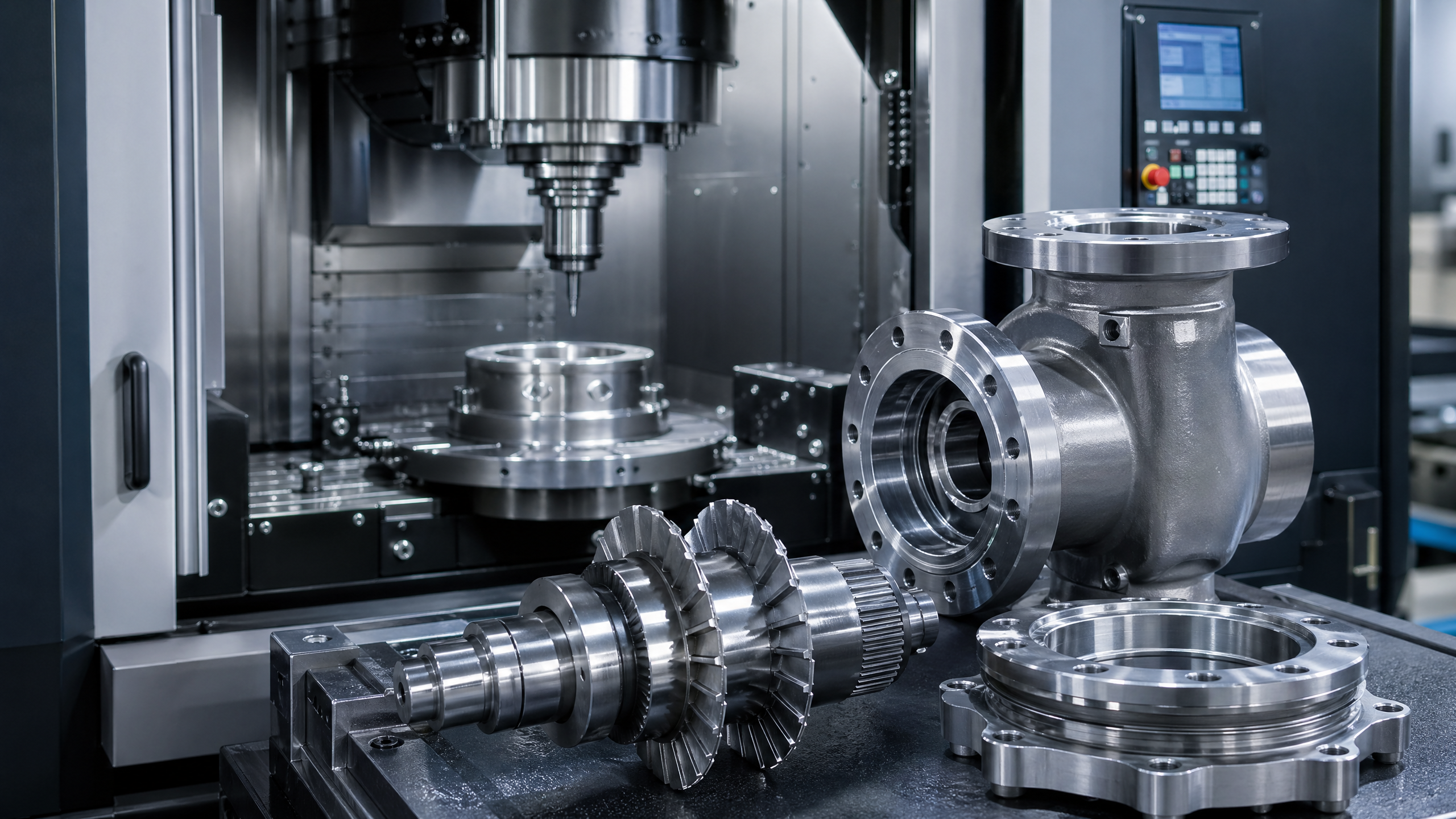
Is CNC manufacturing for energy equipment worth the cost? In most cases, yes—if the parts are safety-critical, geometrically complex, produced under strict tolerance requirements, or expected to perform reliably in harsh operating conditions. For procurement teams, operators, and business evaluators, the real question is not whether CNC manufacturing costs more upfront than conventional methods. It is whether that added precision, repeatability, and automation reduce failures, shorten lead times, improve part consistency, and deliver a stronger long-term return.
In energy applications, the cost of a poorly machined component can be far greater than the machining price itself. Unplanned downtime, seal failure, vibration, leakage, misalignment, or shortened equipment life can quickly turn a low-cost part into an expensive operational problem. That is why precision CNC manufacturing, multi-axis CNC manufacturing, and automated CNC manufacturing are increasingly seen not as premium options, but as practical investments in performance and risk control.
This article helps buyers, operators, and commercial decision-makers assess when CNC manufacturing for energy equipment is worth the cost, where the value comes from, and how to evaluate a cost-effective CNC manufacturing strategy against traditional machine tool investment.
When does CNC manufacturing justify its higher cost in energy equipment?
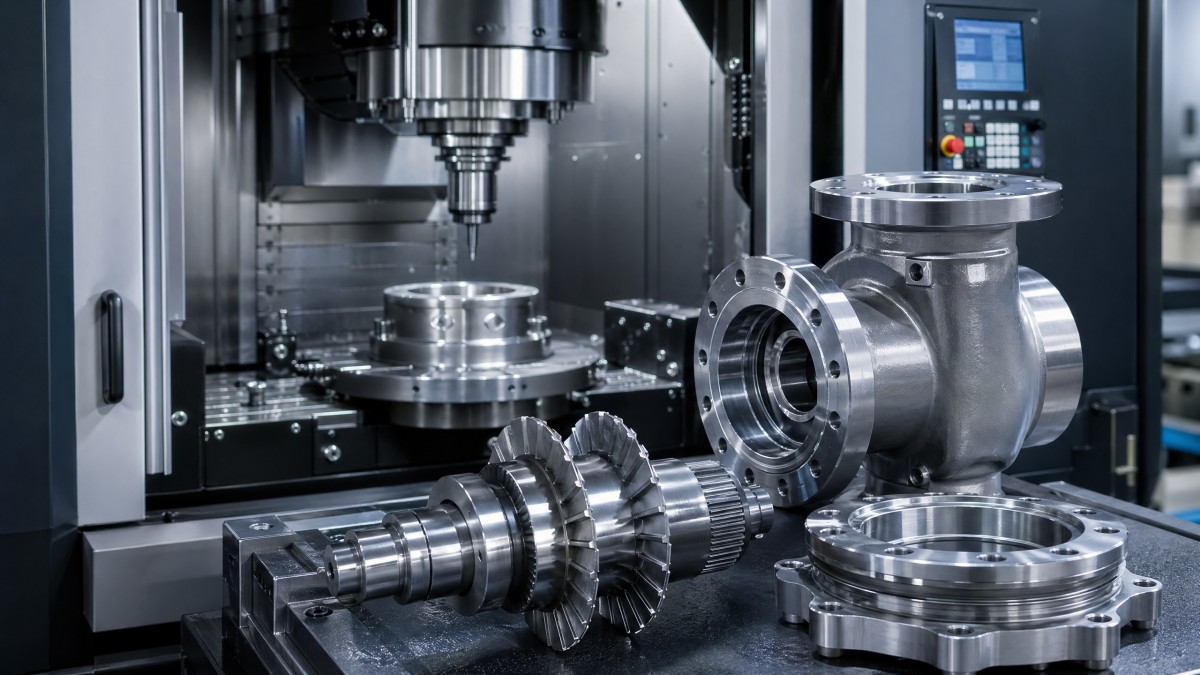
CNC manufacturing is usually worth the cost when energy equipment demands tight tolerances, repeatable quality, difficult materials, and reliable performance over long service cycles. This is especially true in sectors such as oil and gas, wind power, thermal power, hydropower, nuclear systems, and emerging energy technologies where components often operate under pressure, temperature fluctuation, corrosion, or continuous mechanical stress.
Typical examples include:
- Valve bodies and sealing surfaces that require precise dimensional control
- Turbine shafts, discs, and housings with complex geometries
- Pump components exposed to abrasion, cavitation, or corrosive media
- Flanges, connectors, and structural parts that must fit reliably during assembly
- Custom parts for retrofit, repair, or low-volume specialized equipment
In these situations, conventional machining may appear cheaper per hour or per setup, but it often introduces greater variation, more manual intervention, and higher rework risk. CNC machining improves consistency from part to part, which matters greatly when equipment uptime, safety compliance, and field reliability are priorities.
For search users asking whether CNC manufacturing for energy equipment is “worth it,” the short answer is this: it is most valuable where failure costs are high, tolerances are unforgiving, and downtime is expensive.
What costs should buyers compare beyond the machining quote?
Many purchasing decisions fail because teams compare only the quoted production price rather than the total cost of ownership. A CNC-machined component may cost more at the sourcing stage, but still be the lower-cost option over the full lifecycle.
Key cost factors to compare include:
- Scrap and rework: Better process control reduces dimensional errors and secondary corrections
- Assembly efficiency: Accurate parts fit faster and require less adjustment on site
- Maintenance frequency: More precise components often reduce wear, leakage, and vibration-related issues
- Downtime risk: A single failure in energy equipment can cost far more than the initial machining premium
- Supplier consistency: Stable CNC processes support repeat orders, spare parts programs, and quality traceability
- Material utilization: Advanced CNC planning can improve yield, especially in expensive alloys
- Inspection and compliance: Precision manufacturing helps meet documentation and tolerance requirements more reliably
For business evaluators, the smarter comparison is not “CNC vs cheaper machining.” It is “higher upfront precision cost vs downstream operational and quality cost.” In energy equipment, lifecycle economics often favor CNC manufacturing more clearly than in less demanding industrial applications.
How does precision CNC manufacturing create real operational value?
Precision CNC manufacturing creates value by controlling variables that directly affect equipment performance. In energy systems, small dimensional errors can produce large practical consequences. A slight deviation in concentricity, flatness, bore accuracy, or surface finish may lead to sealing problems, misalignment, imbalance, heat generation, or accelerated component wear.
The operational value typically shows up in four ways:
- Higher reliability: Precision-machined interfaces improve fit and reduce failure points
- Longer service life: Better geometry and surface quality can lower friction and uneven load distribution
- Predictable maintenance: Consistent part quality makes replacement cycles and servicing more manageable
- Improved performance stability: Equipment operates closer to design conditions when key parts are machined accurately
For operators and maintenance teams, this matters more than abstract machining quality metrics. What they care about is whether the equipment runs smoothly, whether parts install without trouble, and whether failures happen less often. Precision CNC manufacturing directly supports those outcomes.
Is multi-axis CNC manufacturing worth paying for?
Multi-axis CNC manufacturing is worth the additional cost when the part geometry is complex enough that multiple setups would otherwise increase time, error risk, and inconsistency. Energy equipment often includes impeller-style forms, contoured surfaces, angled features, deep cavities, and intersecting holes that are difficult to machine efficiently with basic 2-axis or 3-axis methods.
Why multi-axis can be more cost-effective despite higher machine rates:
- It reduces the number of setups, which lowers positioning error
- It enables machining of complex features in one clamping cycle
- It shortens total production time for complicated parts
- It improves surface continuity and accuracy on difficult forms
- It reduces reliance on manual repositioning and custom workarounds
For simple parts, multi-axis capability may be unnecessary. But for turbine components, flow-control parts, precision housings, and custom energy assemblies, it can improve both quality and throughput. The best question is not whether multi-axis CNC manufacturing is more expensive per machine hour, but whether it lowers the full cost of producing the required geometry correctly.
How does automated CNC manufacturing affect ROI?
Automated CNC manufacturing often delivers the strongest return in repeat production, medium-volume runs, and quality-sensitive applications. Automation can include robotic loading, pallet systems, tool monitoring, in-process measurement, digital scheduling, and integrated inspection workflows.
For procurement and commercial evaluation teams, automation matters because it improves process stability. For operators, it reduces repetitive manual handling and supports more consistent cycle execution. For plant managers, it increases usable machine time and makes delivery planning more reliable.
Main ROI benefits include:
- Higher machine utilization: Less idle time between cycles and setups
- Lower labor dependency: Reduced manual intervention for repetitive work
- Better repeatability: Stable process conditions improve consistency across batches
- Faster lead times: Streamlined production planning supports quicker turnaround
- Scalability: Easier transition from prototype to production without losing process control
That said, automated CNC manufacturing is not always the best answer for every energy equipment project. If volumes are very low, designs change constantly, or part complexity requires frequent engineering intervention, full automation may not provide a fast payback. In such cases, selective automation combined with strong CNC capability may be the more cost-effective approach.
What are the biggest concerns before investing in CNC manufacturing for energy equipment?
The most common concerns are valid: high upfront cost, long machine payback periods, supplier dependence, programming complexity, and uncertainty around production volume. These concerns should not be ignored, but they should be evaluated in context.
Here is how decision-makers can assess the risk more practically:
- If the part is critical: Prioritize quality stability over the lowest purchase price
- If the material is difficult: CNC capability often reduces failure and waste in machining
- If downtime is expensive: Reliability benefits usually outweigh machining cost differences
- If batch repeatability matters: CNC delivers stronger consistency than manual-heavy methods
- If demand is uncertain: Outsourcing to a qualified CNC supplier may be better than buying equipment internally
This last point is especially important. Not every company needs to make a direct machine tool investment. In many cases, the smarter strategy is to partner with an experienced CNC manufacturing supplier that already has multi-axis capability, inspection systems, and process know-how for energy equipment applications.
Should companies outsource CNC production or invest in their own machine tools?
This depends on volume, technical complexity, internal engineering resources, and strategic control requirements. There is no single correct model, but there are clear decision criteria.
Outsourcing CNC manufacturing often makes sense when:
- Production volumes are variable or project-based
- Part designs require specialized machining expertise
- The company wants to avoid capital expenditure and maintenance burden
- Quality requirements are high but internal machining capability is limited
- Faster market response is needed without building in-house capacity
Investing in in-house CNC capacity may make sense when:
- Demand is stable and high enough to justify utilization
- Core components are strategically important or proprietary
- Lead time control is critical to operations
- The organization has skilled programmers, operators, and quality systems
- Long-term ROI modeling supports capital investment
For many firms in the energy equipment supply chain, the most cost-effective CNC manufacturing strategy is hybrid: outsource specialized or low-volume work, while internalizing repeatable high-value production where capacity utilization can be maintained.
How can buyers tell if a CNC supplier is truly cost-effective?
A low quote does not automatically mean a supplier is cost-effective. Buyers should evaluate whether the supplier can consistently meet technical requirements, delivery targets, and quality expectations without hidden downstream cost.
Important evaluation criteria include:
- Experience with energy equipment components and relevant materials
- Availability of multi-axis CNC manufacturing for complex parts
- Inspection capability, documentation, and traceability systems
- Process control, tooling strategy, and consistency across batches
- Lead time reliability and responsiveness to engineering changes
- Ability to support both prototypes and repeat production
- Understanding of tolerance-critical and sealing-critical features
Procurement teams should also ask where the supplier creates value: fewer setups, lower defect rates, better fixturing, stronger process planning, or improved delivery stability. These are the factors that make CNC manufacturing truly cost-effective, not just nominally cheaper.
Final verdict: is CNC manufacturing for energy equipment worth the cost?
Yes, in many energy equipment applications CNC manufacturing is worth the cost because it supports the outcomes that matter most: precision, repeatability, uptime, and long-term operating reliability. The value is strongest when parts are complex, performance-critical, difficult to machine, or expensive to fail in service.
For buyers, the best decision comes from comparing lifecycle value rather than unit price alone. For operators, the key benefit is more stable performance and fewer fit or failure issues. For commercial evaluators, the strongest case for CNC lies in reduced risk, better quality consistency, and stronger ROI over time.
If your application demands accuracy, dependable assembly, and durable field performance, precision CNC manufacturing is often not an added luxury—it is a practical and commercially sound manufacturing choice. The real opportunity is to choose the right level of CNC capability, whether through multi-axis machining, automated CNC manufacturing, or a well-structured outsourcing strategy that aligns cost with operational value.
PREVIOUS ARTICLE
Recommended for You
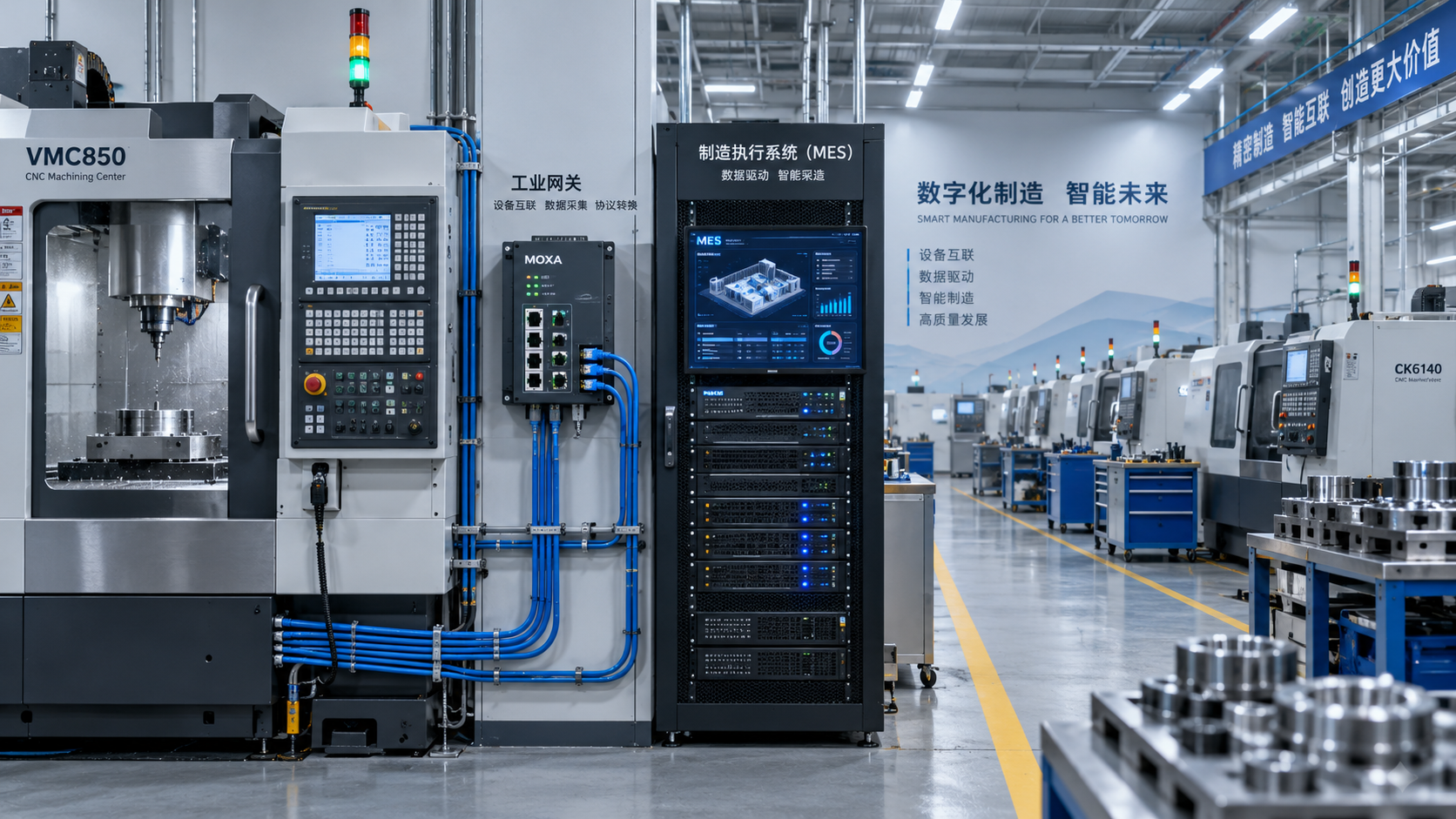
 Digital Manufacturing for Smart Factories: Connecting Legacy Machines to MESMachine Tool Industry Editorial Team
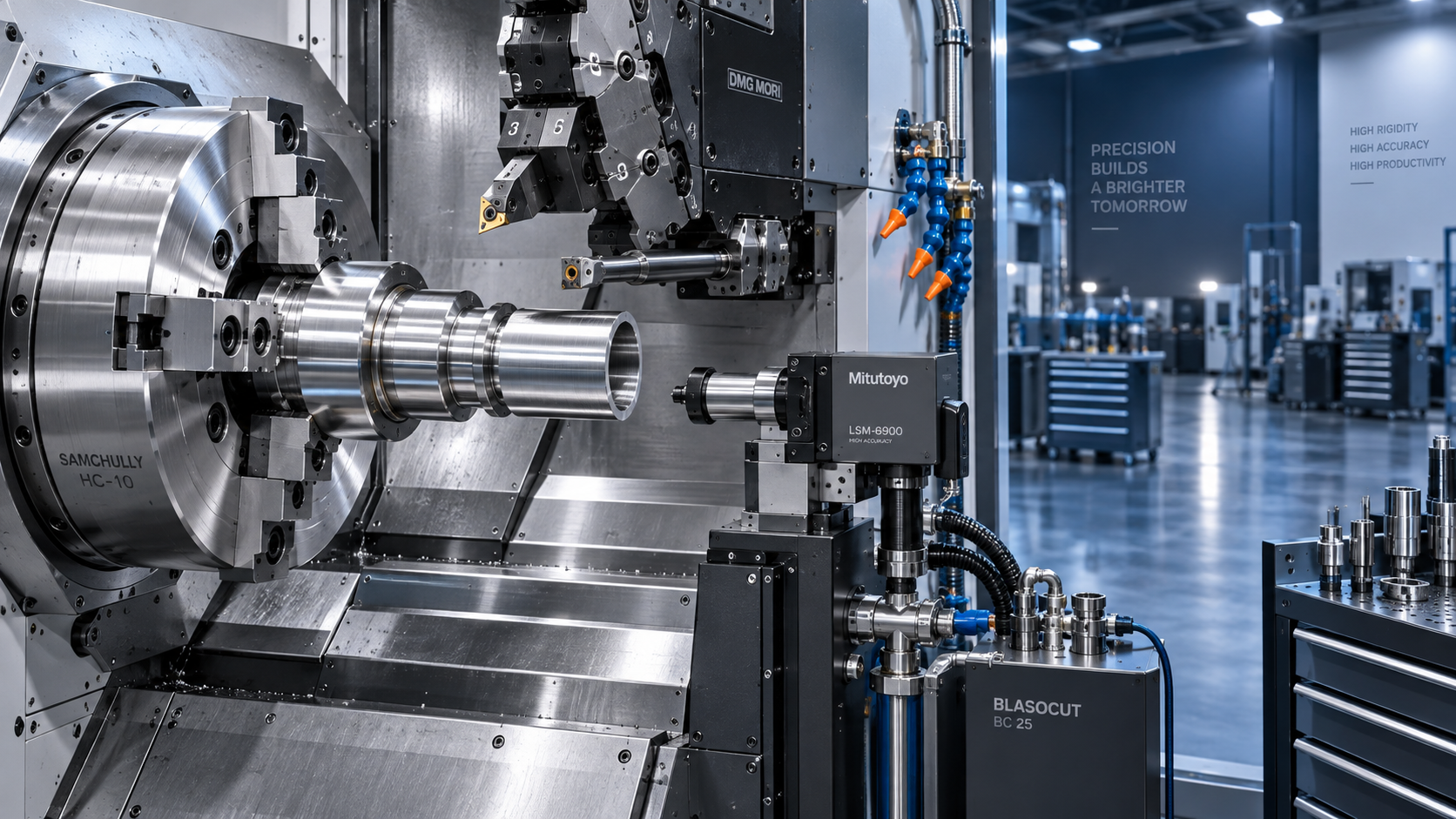
 How to Select a CNC Metal Lathe for Tight-Tolerance Shaft and Sleeve PartsCNC Machining Technology Center
 How to Select an Industrial Lathe for High-Volume Shaft ProductionMachine Tool Industry Editorial Team
 Selecting Machine Tools for Automotive Parts: Accuracy, Throughput, and AutomationMachine Tool Industry Editorial Team
 Industrial Machining: Selecting Processes for Tight-Tolerance Metal PartsCNC Machining Technology Center
 Manufacturing Technology Trends That Improve Throughput and Quality ControlManufacturing Market Research Center

Aris Katos
Future of Carbide Coatings
15+ years in precision manufacturing systems. Specialized in high-speed milling and aerospace grade alloy processing.
▶
Japan Subsidy Plan Narrows CNC Export OpeningsManufacturing Market Research Center▶
Industrial Robotics ROI: Cost Drivers, Integration Risks, and Payback Benchmarks for BuyersManufacturing Market Research Center▶
India’s 20% Rice Export Tax Lifts Demand for Processing EquipmentManufacturing Market Research Center▶
Anhui Growth Lifts Demand for High-End Machine ToolsManufacturing Market Research Center▶
China CNC Rate to Hit 75% by 2027Manufacturing Market Research Center
Mastering 5-Axis Workholding Strategies
Join our technical panel on Nov 15th to learn about reducing vibrations in thin-wall components.

Providing you with integrated sanding solutions
Before-sales and after-sales services
Comprehensive technical support