• Global CNC market projected to reach $128B by 2028 • New EU trade regulations for precision tooling components • Aerospace deman
NYSE: CNC +1.2%LME: STEEL -0.4%

What Machine Tools Work Best for Energy Equipment Parts
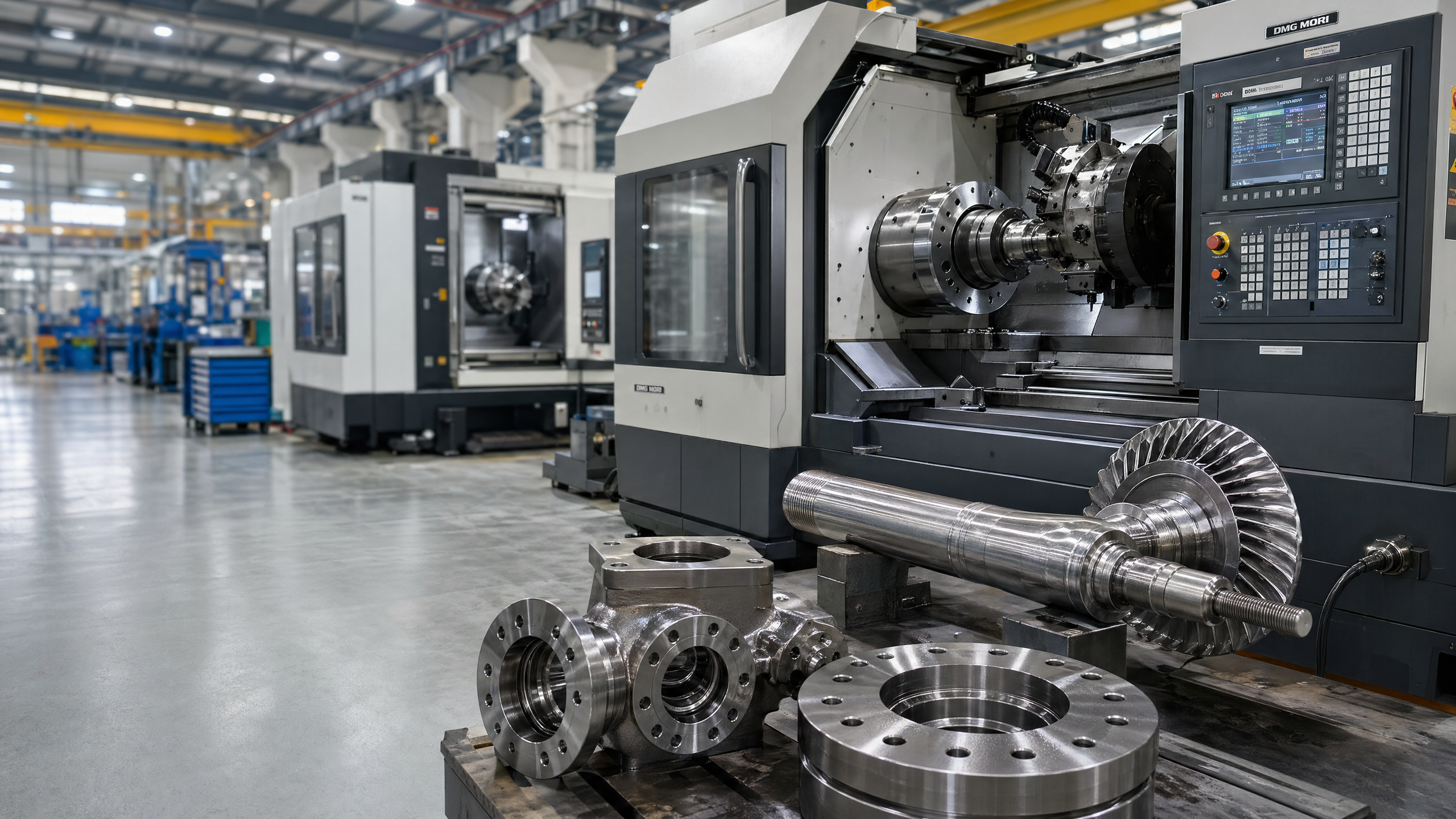
Choosing the best machine tools for energy equipment parts is not about finding one “universal” machine. In most cases, the right choice depends on three factors: part size and geometry, material difficulty, and required production consistency. For turbine shafts, valve bodies, pump housings, flanges, and other critical energy components, manufacturers usually need a mix of CNC lathes, machining centers, multi-axis systems, and heavy-duty machine tools rather than a single platform.
For buyers, operators, and technical evaluators, the practical question is this: which machine configuration delivers the required accuracy, surface finish, and throughput without creating unnecessary cost or downtime? The answer often comes from matching the machine tool to the part family, process complexity, and long-term maintenance expectations. In energy equipment manufacturing, machine rigidity, thermal stability, automation compatibility, and reliable cutting performance matter as much as spindle speed or axis count.
This article explains what machine tools work best for energy equipment parts, where each type fits, and how to evaluate CNC manufacturing for energy equipment from both production and business perspectives.
Which machine tools are best for energy equipment parts?
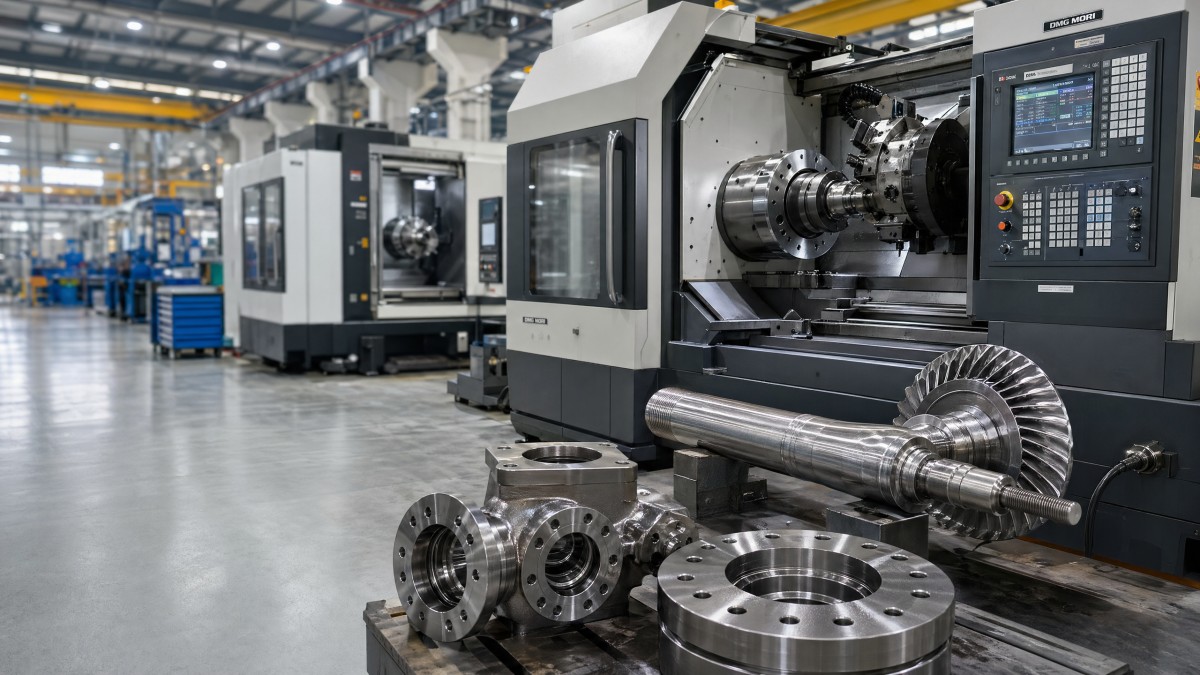
The best machine tools for energy equipment parts are usually those that combine rigidity, precision, and process flexibility. In real production environments, the strongest options typically include:
- CNC lathes for shafts, sleeves, rings, and rotational parts
- Horizontal and vertical machining centers for housings, flanges, covers, and structural components
- Multi-axis CNC machines for complex geometries, angled features, and reduced setup changes
- Heavy duty machine tool systems for large forgings, castings, and oversized energy equipment parts
- Boring mills and gantry machines for very large workpieces requiring stable, accurate metal removal
For most energy applications, the decision should start with the part, not the machine catalog. A compact precision valve part and a large turbine casing require very different machine tool strategies. The most effective manufacturers classify parts by geometry, material, tolerances, and annual volume before selecting equipment.
What types of energy equipment parts need different machine tool solutions?
Energy equipment covers a broad range of components used in oil and gas, power generation, wind energy, nuclear systems, and general industrial energy infrastructure. Common parts include:
- Turbine shafts and rotor components
- Pump bodies and impellers
- Valve bodies, valve seats, and actuator housings
- Flanges and pressure-retaining connection parts
- Gearbox housings and transmission elements
- Large structural frames and mounting bases
- Heat exchanger parts and sealing surfaces
These components often involve hard-to-machine materials such as stainless steel, duplex steel, alloy steel, titanium alloys, heat-resistant superalloys, and high-strength cast materials. Because of this, high precision machine tool performance alone is not enough. The machine must also support stable cutting forces, reliable chip evacuation, strong fixturing, and thermal control.
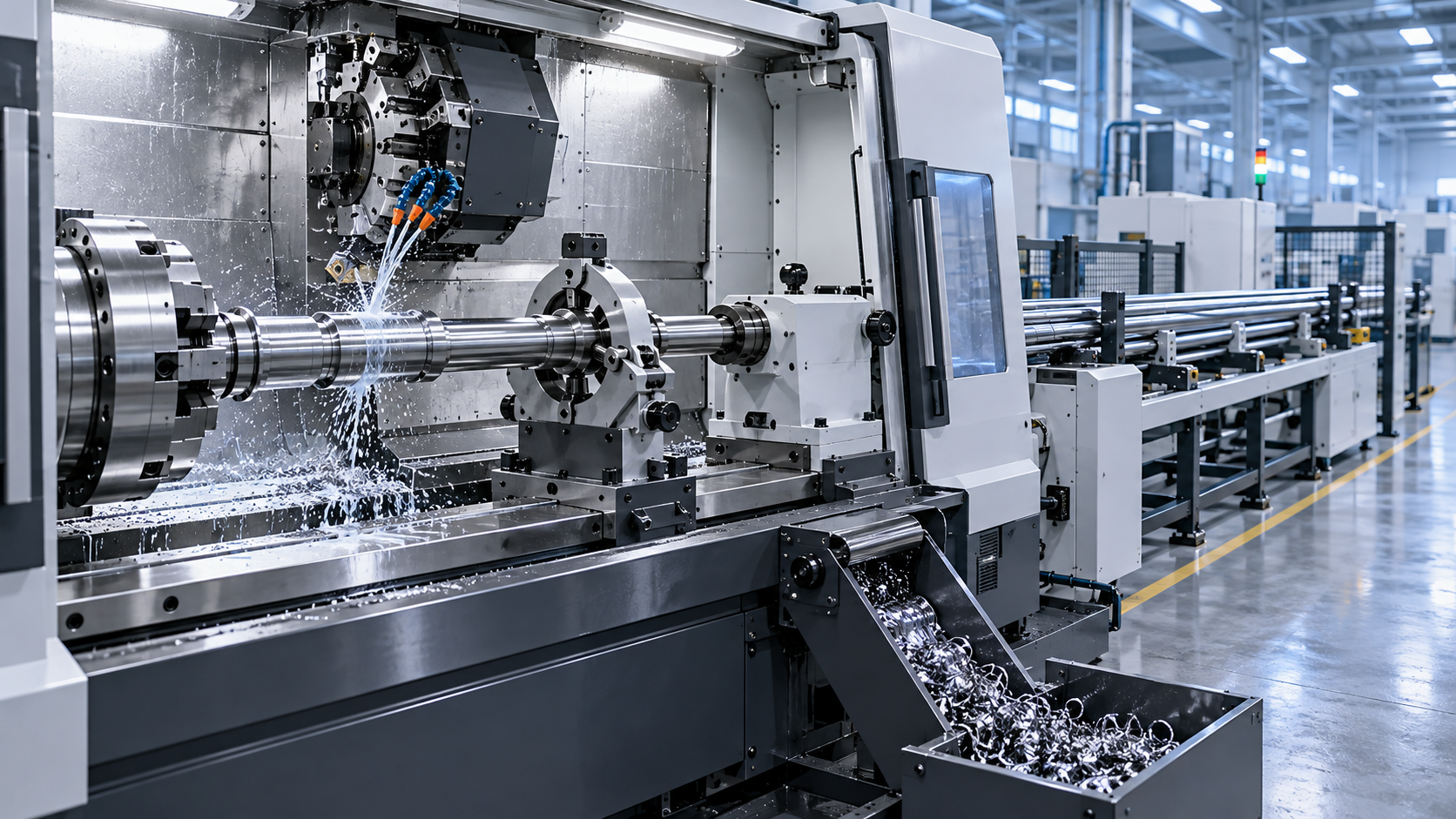
For example, long shaft parts usually perform best on rigid CNC lathes with steady rests, tailstock support, and live tooling if secondary milling or drilling is needed. Complex valve bodies often benefit from horizontal machining centers because they allow better access to multiple faces and internal passages. Large turbine casings may require a heavy duty machine tool or floor-type boring mill capable of handling high workpiece weight and maintaining alignment over long machining cycles.
When should manufacturers choose CNC lathes for energy equipment production?
CNC lathes are one of the most important machine tools in energy equipment manufacturing, especially for parts with rotational symmetry. They are commonly used for:
- Shafts
- Spindles
- Bushings
- Sleeves
- Threaded connectors
- Seal rings and precision cylindrical parts
A CNC lathe works best when the main dimensional requirements are diameter accuracy, concentricity, roundness, and surface finish. In energy applications, many rotating parts also require stable machining over long lengths, which makes machine bed rigidity and vibration control especially important.
For buyers and production planners, useful evaluation points include:
- Maximum turning diameter and turning length
- Spindle torque for large or hard materials
- Tailstock, steady rest, and support options
- Live tooling and Y-axis capability for process integration
- Tool magazine capacity and change speed
- Control system reliability and ease of programming
If the part requires both turning and light milling operations, a turn-mill machine can reduce setups and improve positional accuracy. This is often valuable for energy equipment parts where alignment between turned diameters and milled features is critical.
Why are machining centers so important for valve bodies, housings, and structural parts?
Machining centers are often the best solution for non-rotational energy equipment components. These include pump housings, valve blocks, gearbox cases, covers, manifolds, and structural mounting parts. Such workpieces often require multi-face machining, pocketing, hole patterns, and accurate relationships between sealing surfaces and internal channels.
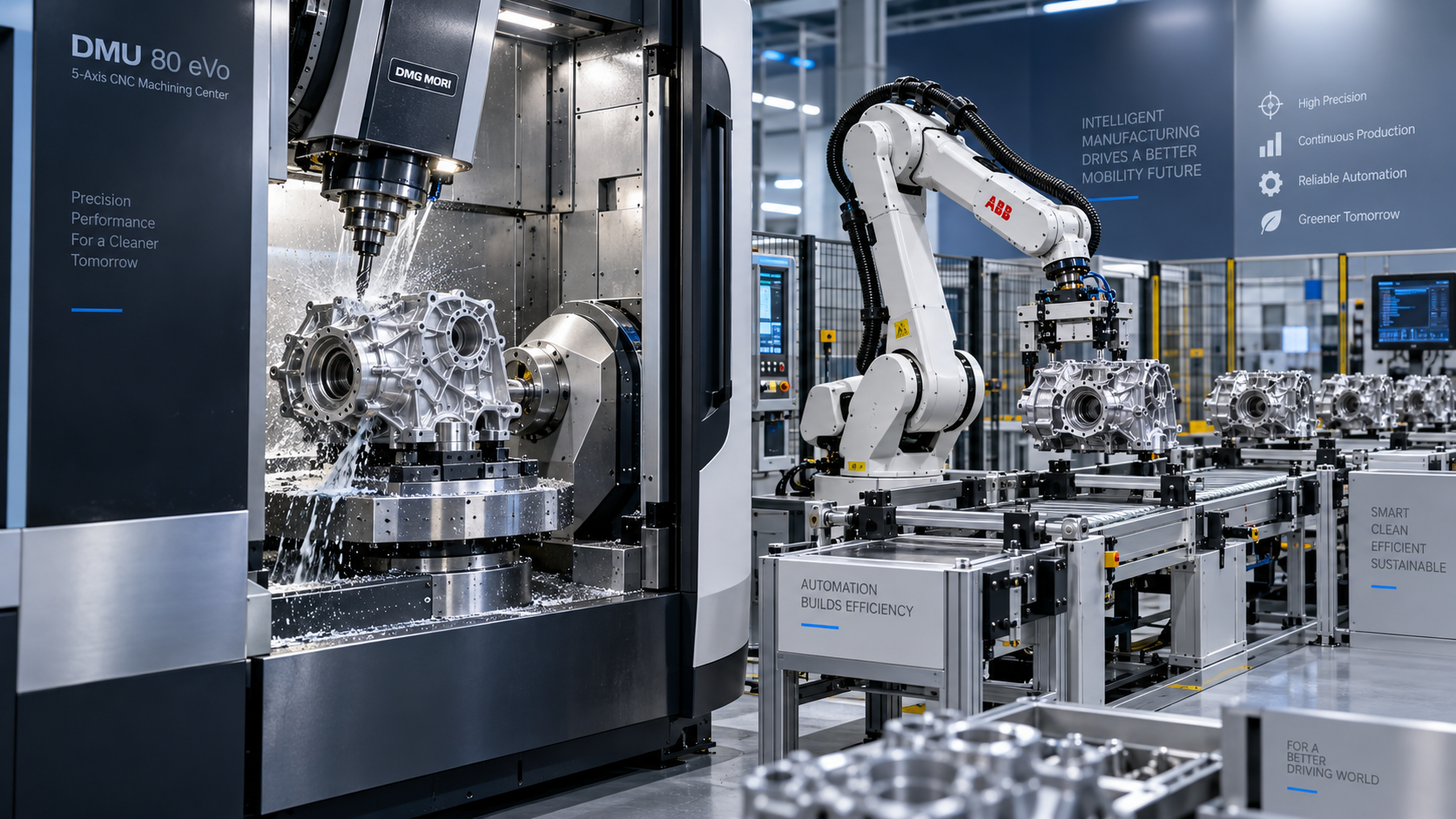
Vertical machining centers are often suitable for medium-size parts with accessible upper surfaces and simpler fixture arrangements. Horizontal machining centers are generally preferred for more complex box-type components because they allow better chip evacuation, multi-sided machining, and improved automation integration through pallet changers.
In energy equipment production, machining centers offer several practical benefits:
- Reduced repositioning and manual handling
- Better consistency across batches
- Improved accuracy between multiple machined faces
- Higher productivity through automatic tool change systems
- Compatibility with automated production cells
If a company produces valve bodies or pump components in recurring volumes, a horizontal machining center with pallet automation may create stronger long-term value than a lower-cost basic machine. The initial investment may be higher, but the gain in uptime, repeatability, and labor efficiency can be significant.
When is multi-axis CNC manufacturing the better investment?
Multi-axis CNC manufacturing is especially useful when energy equipment parts have complex contours, compound angles, deep cavities, or features that would otherwise require multiple setups. Five-axis machining, in particular, can improve both precision and cycle efficiency for parts that demand close positional relationships across many surfaces.
Typical use cases include:
- Impellers and flow components
- Complex sealing interfaces
- Angled drilling and contour machining
- Prototype or low-volume high-complexity parts
- High-value components where setup reduction lowers risk
The key advantage of multi-axis systems is not simply geometric capability. It is process consolidation. Fewer setups can mean fewer clamping errors, lower inspection burden, shorter lead time, and less work-in-process handling. For critical energy equipment parts, this can directly support quality assurance.
However, multi-axis machines are not automatically the best option for every factory. They make the most sense when the part complexity is high enough to justify the cost of the machine, software, fixturing, and operator skill requirements. For simpler parts, a robust three-axis or four-axis platform may be more cost-effective.
What defines a good heavy duty machine tool for large energy components?
Large energy equipment parts place different demands on machine tools than smaller precision components. In these cases, the best heavy duty machine tool is one that can maintain accuracy under high loads and long machining times. Size alone is not the only challenge. Large castings and forgings often create substantial cutting forces, thermal distortion, and fixturing complexity.
Important machine characteristics include:
- High structural rigidity and damping performance
- Stable guideway and spindle design
- Large load capacity and wide working envelope
- Reliable thermal compensation
- High spindle torque rather than only high spindle speed
- Strong support for custom fixtures and heavy workholding
Examples of heavy-duty solutions include horizontal boring mills, floor-type boring machines, large vertical turning lathes, and gantry machining centers. These are common choices for turbine housings, large flanges, generator frames, and other oversized power equipment parts.
For procurement teams, the biggest mistake is often comparing these machines only by price or nominal travel size. In practice, long-term performance depends heavily on stiffness, service support, control reliability, spare parts availability, and installation quality.
How should buyers compare machine tools for energy equipment manufacturing?
For purchasing and commercial evaluation, the best comparison method is application-based rather than specification-based. A machine that looks stronger on paper may not be the best fit if it is poorly matched to the actual part mix.
Buyers should evaluate machine tools using the following questions:
- What part family will this machine process?
Define size range, material type, tolerances, and feature complexity. - What is the expected production volume?
Low-volume custom energy components need flexibility; recurring parts may justify automation. - What operations can be combined in one setup?
Process integration often improves quality and reduces labor cost. - How difficult are the materials?
Harder materials require stronger spindle torque, rigidity, and tool management. - What are the downtime risks?
Service response, spare parts access, and maintenance design are critical. - What is the total cost of ownership?
Include tooling, fixturing, software, training, maintenance, floor space, and energy consumption.
This approach helps business evaluators move beyond simple machine price comparisons and toward a more accurate view of productivity, reliability, and return on investment.
What do operators and production teams care about most?
Operators and shop-floor users typically focus on issues that directly affect consistency and ease of production. Even an advanced machine can underperform if it is difficult to set up, unstable during cutting, or poorly supported by tooling and fixtures.
In day-to-day operation, the most important concerns are usually:
- Simple and repeatable setup procedures
- Stable chip removal, especially in deep cavities or tough alloys
- Reliable tool life and predictable wear behavior
- Easy programming and edit access at the control
- Good visibility and access for maintenance
- Consistent accuracy over long production cycles
For energy equipment manufacturing, process reliability is especially important because many parts are expensive, difficult to replace, and subject to strict quality requirements. A machine that reduces scrap risk and unplanned stoppages may create more value than a faster machine with unstable performance.
How do automation and digital integration improve energy equipment machining?
Automation is increasingly relevant in CNC manufacturing for energy equipment, especially where manufacturers face labor shortages, demand variability, or strict delivery targets. While not every energy component requires a fully automated line, many operations benefit from selective automation.
Examples include:
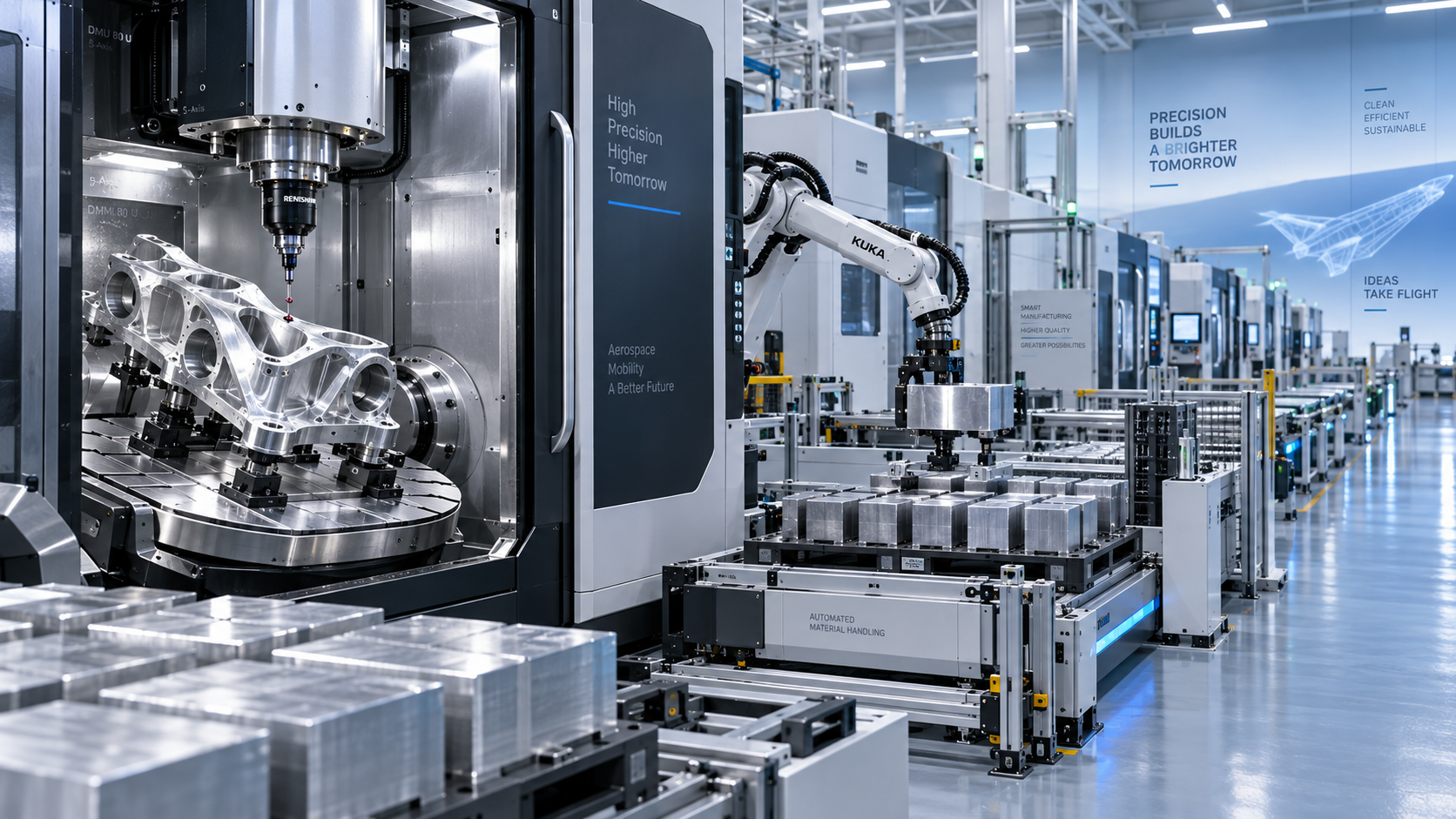
- Automatic pallet systems for machining centers
- Robotic loading for repeatable medium-size parts
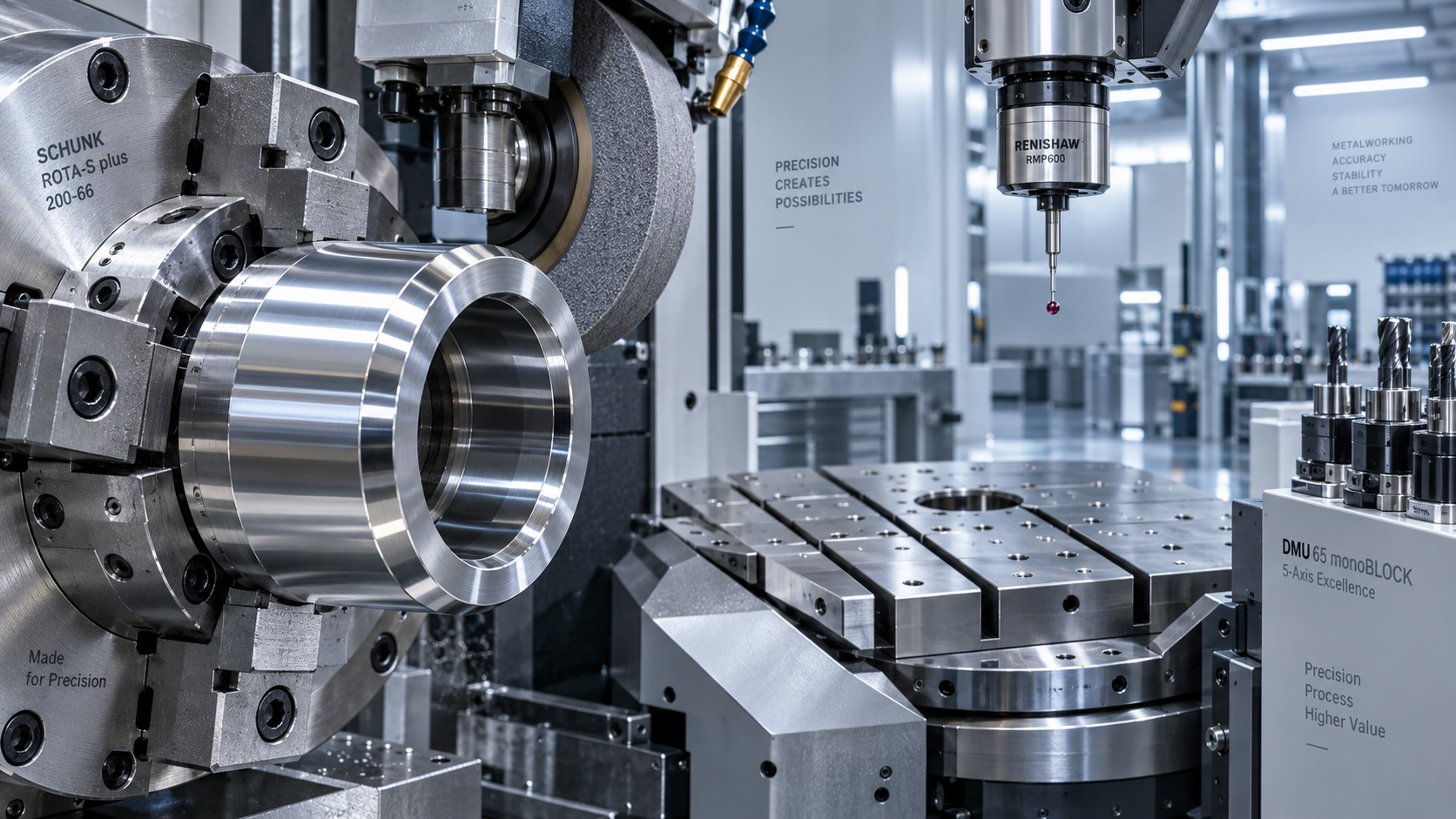
- In-process probing for setup verification and dimensional control
- Tool monitoring systems for wear detection
- Machine data collection for maintenance and utilization analysis
Digital integration also supports better production planning and traceability. For energy-sector suppliers, this can be important when customers require documented process consistency or when production teams need to manage multiple high-value jobs across different machine platforms.
The most effective strategy is usually practical, not excessive: automate the repetitive and measurable steps first, then expand based on actual production bottlenecks.
Common mistakes when selecting machine tools for energy equipment parts
Many machine tool selection problems come from focusing too much on isolated specifications and too little on the full manufacturing process. Common mistakes include:
- Buying based only on maximum speed instead of rigidity and torque
- Choosing excessive complexity for relatively simple parts
- Ignoring fixturing and tooling requirements during purchase decisions
- Underestimating maintenance support and spare parts access
- Failing to consider future part variation or production growth
- Evaluating price without considering scrap risk and downtime cost
The better approach is to align machine capability with actual production needs, quality requirements, and business goals. In energy equipment machining, dependable output often matters more than headline machine specifications.
Conclusion: the best machine tool is the one that matches the part, process, and business goal
What machine tools work best for energy equipment parts? In most cases, the answer is a carefully chosen combination of CNC lathes, machining centers, multi-axis systems, and heavy duty machine tool platforms. Rotational parts often need rigid turning capability, box-type and structural parts benefit from machining centers, and complex or high-value components may justify multi-axis CNC manufacturing. Large castings and forgings require machines built for load, stability, and long-cycle accuracy.
For technical users, the key is process fit and machining stability. For procurement and business evaluators, the key is total production value over time, not just purchase price. The most successful investment decisions come from matching machine tools to part families, material challenges, quality standards, and realistic production targets.
In energy equipment manufacturing, the right machine tool does more than cut metal. It improves consistency, reduces downtime, supports automation, and strengthens long-term competitiveness.
PREVIOUS ARTICLE
Recommended for You
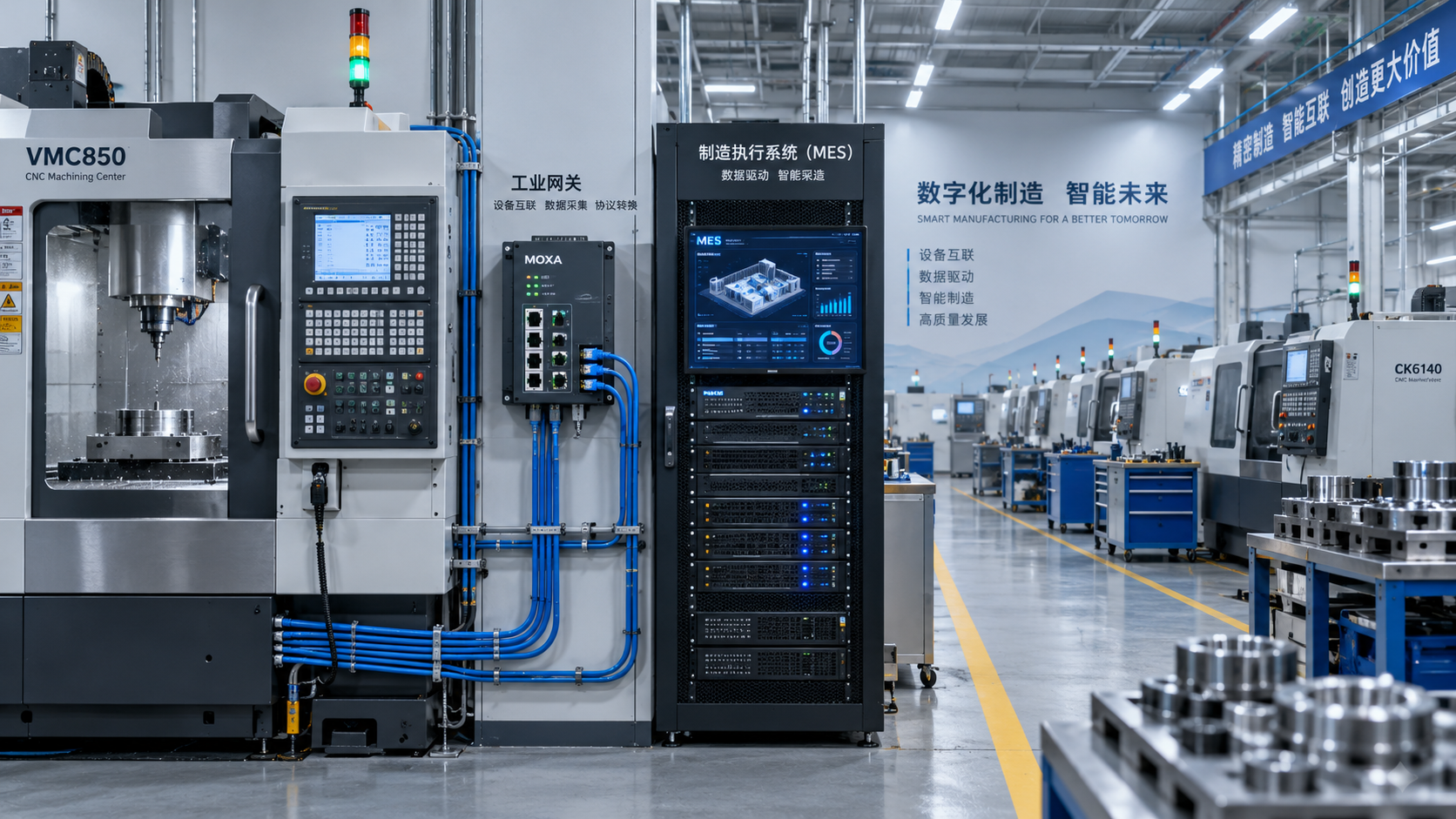
 Digital Manufacturing for Smart Factories: Connecting Legacy Machines to MESMachine Tool Industry Editorial Team
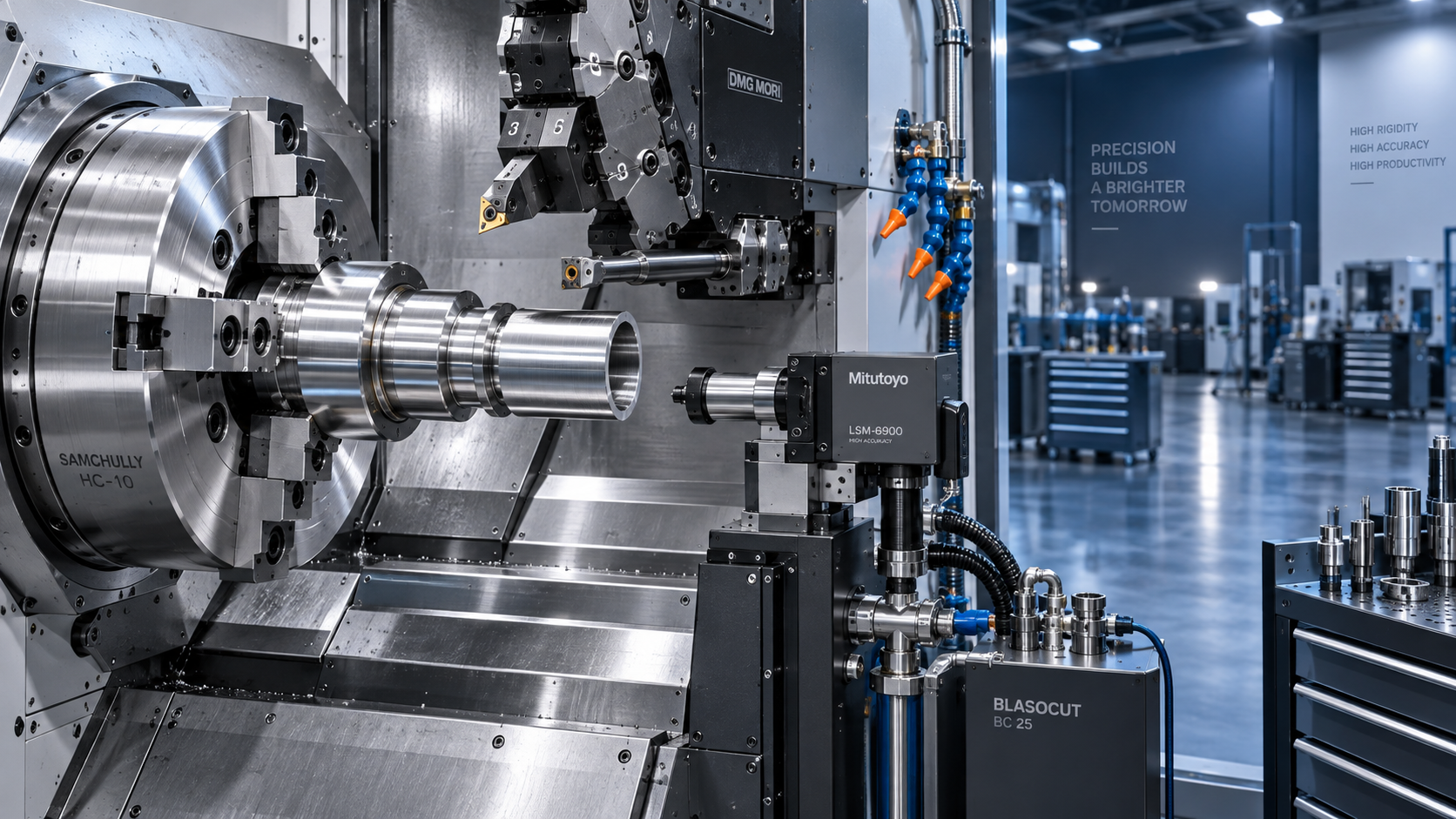
 How to Select a CNC Metal Lathe for Tight-Tolerance Shaft and Sleeve PartsCNC Machining Technology Center
 How to Select an Industrial Lathe for High-Volume Shaft ProductionMachine Tool Industry Editorial Team
 Selecting Machine Tools for Automotive Parts: Accuracy, Throughput, and AutomationMachine Tool Industry Editorial Team
 Industrial Machining: Selecting Processes for Tight-Tolerance Metal PartsCNC Machining Technology Center
 Manufacturing Technology Trends That Improve Throughput and Quality ControlManufacturing Market Research Center

Aris Katos
Future of Carbide Coatings
15+ years in precision manufacturing systems. Specialized in high-speed milling and aerospace grade alloy processing.
▶
Japan Subsidy Plan Narrows CNC Export OpeningsManufacturing Market Research Center▶
Industrial Robotics ROI: Cost Drivers, Integration Risks, and Payback Benchmarks for BuyersManufacturing Market Research Center▶
India’s 20% Rice Export Tax Lifts Demand for Processing EquipmentManufacturing Market Research Center▶
Anhui Growth Lifts Demand for High-End Machine ToolsManufacturing Market Research Center▶
China CNC Rate to Hit 75% by 2027Manufacturing Market Research Center
Mastering 5-Axis Workholding Strategies
Join our technical panel on Nov 15th to learn about reducing vibrations in thin-wall components.

Providing you with integrated sanding solutions
Before-sales and after-sales services
Comprehensive technical support