• Global CNC market projected to reach $128B by 2028 • New EU trade regulations for precision tooling components • Aerospace deman
NYSE: CNC +1.2%LME: STEEL -0.4%

Which Machine Tools Fit Automotive Production Best
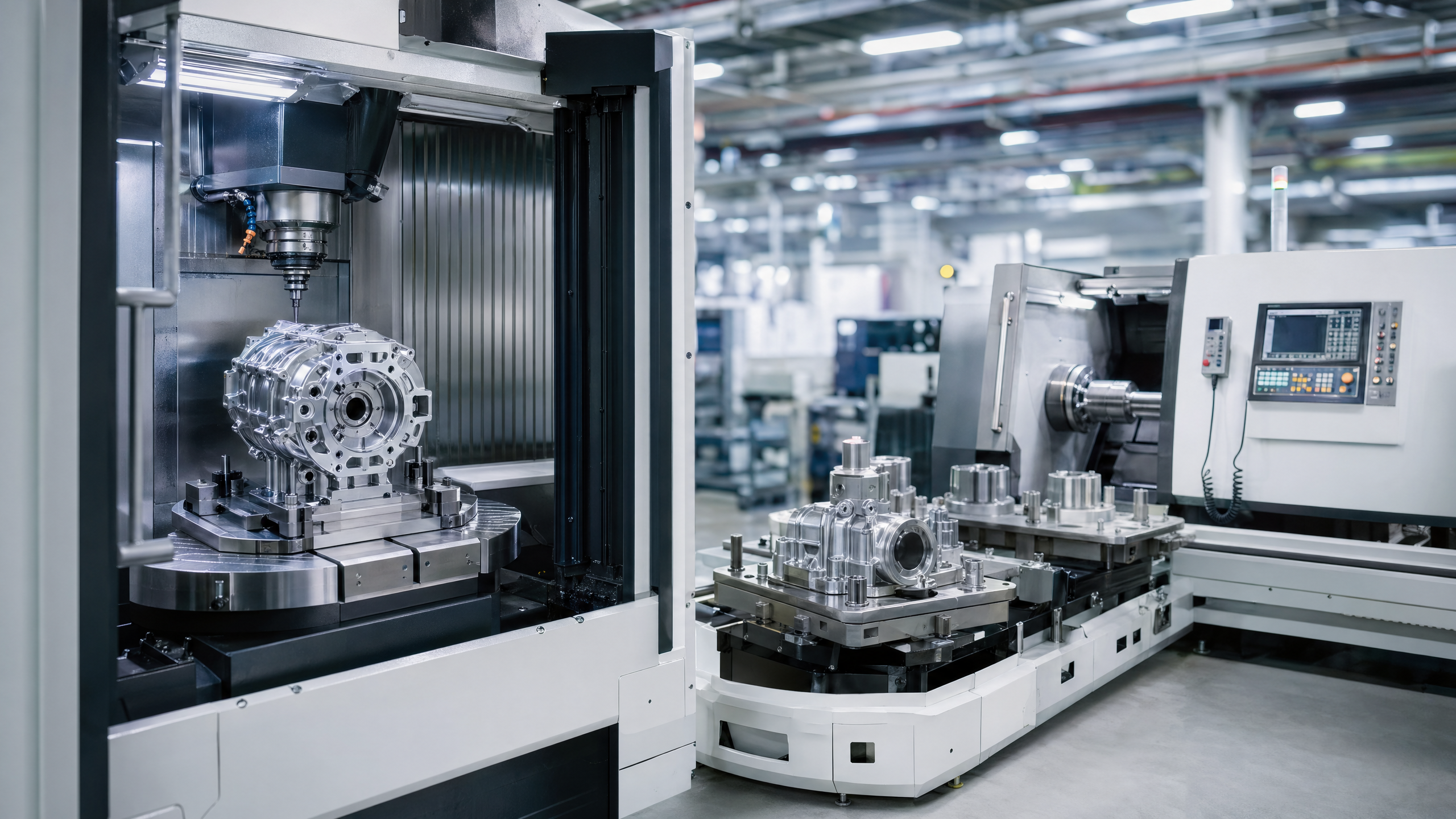
Choosing the right machine tool for automotive industry applications means balancing speed, precision, and scalability. From high precision machine tool solutions to automated CNC manufacturing and multi-axis machine tool systems, today’s automotive production depends on cost-effective CNC manufacturing that supports quality, efficiency, and fast changeovers. This guide explores which technologies fit modern vehicle manufacturing best.
For automotive manufacturers, operators, sourcing teams, and business evaluators, the question is not simply whether to buy a CNC machine, but which machine tool configuration best matches part geometry, production volume, tolerance targets, and future automation plans. A powertrain supplier producing 50,000 shafts per year will not prioritize the same machine platform as an EV component plant machining complex aluminum housings in smaller mixed batches.
The best-fit machine tool in automotive production usually combines three layers of value: consistent accuracy, stable cycle time, and a path to digital integration. Decisions often involve trade-offs between 3-axis machining centers, 5-axis platforms, CNC lathes, turning-milling centers, grinding systems, and flexible automated cells. Understanding these trade-offs helps reduce scrap, improve OEE, and shorten changeover times from hours to minutes.
Core Machine Tool Types Used Across Automotive Production
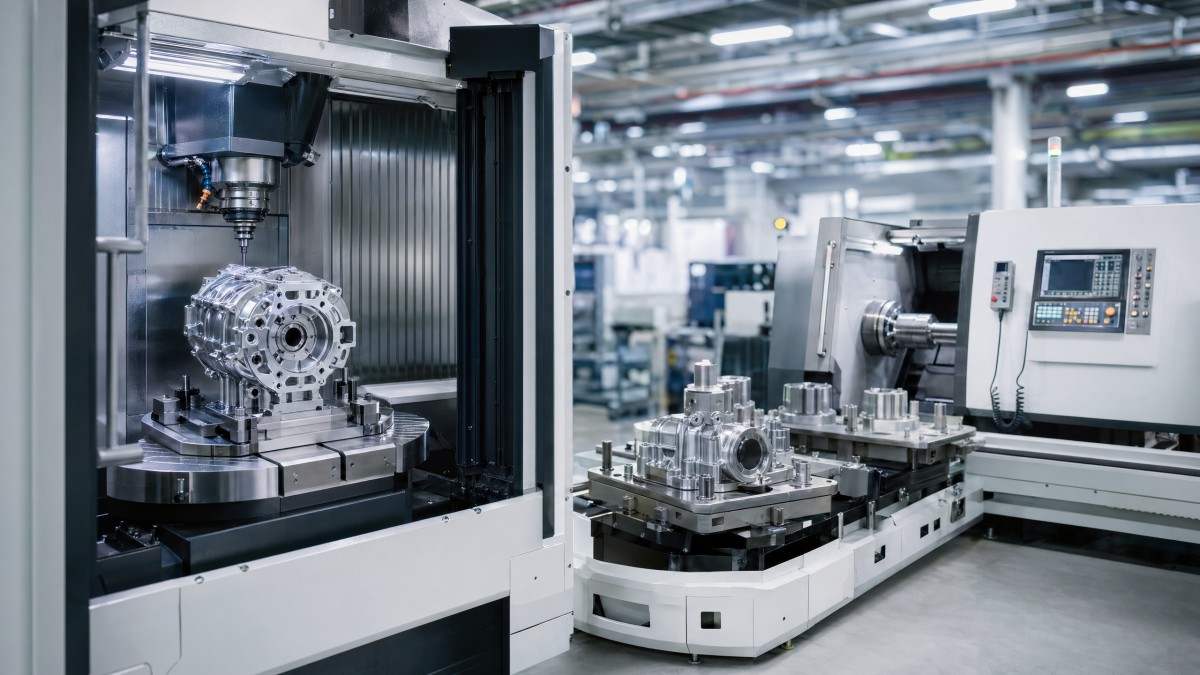
Automotive manufacturing relies on a broad mix of machine tools because vehicle components vary greatly in size, geometry, and tolerance. Engine shafts, brake discs, gearbox housings, steering knuckles, battery trays, and motor housings each demand different cutting dynamics. In most plants, machine selection starts with the part family: rotational parts, prismatic parts, hard-finished parts, or multi-process assemblies.
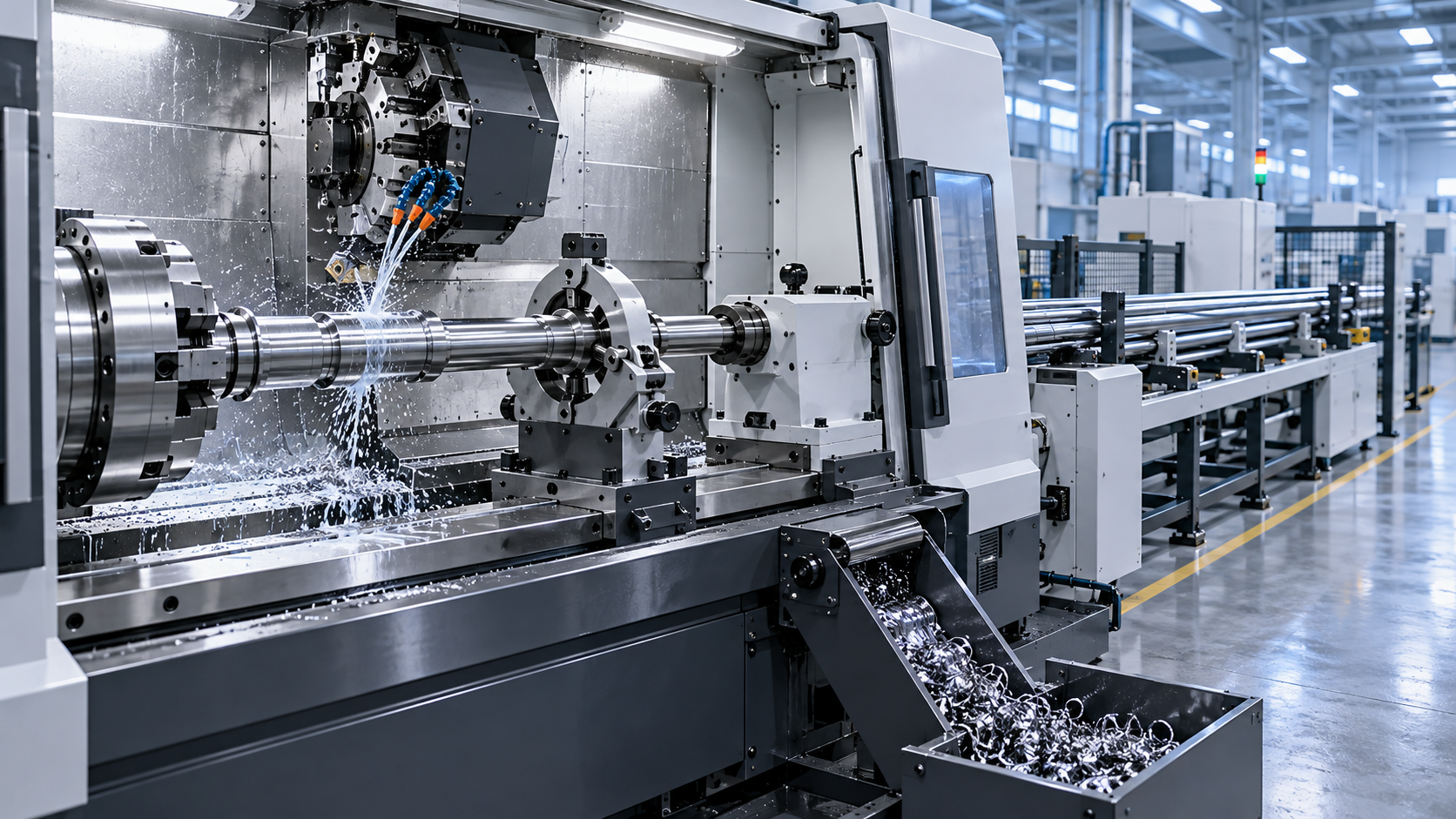
CNC lathes remain essential for shafts, hubs, sleeves, and other round components. A typical 2-axis or live-tool lathe can support medium to high-volume turning with repeatability often in the ±0.005 mm to ±0.02 mm range, depending on tooling, thermal stability, and process control. For higher throughput, twin-spindle and twin-turret platforms can reduce part transfer time and support near-continuous production.
Machining centers, especially vertical and horizontal configurations, dominate structural and housing parts. Horizontal machining centers are often preferred for transmission cases, cylinder heads, and EV housings because chip evacuation is more stable and pallet systems improve spindle utilization. In many automotive lines, a 4-pallet or 6-pallet setup can raise effective output by 15% to 30% compared with a single-table layout.
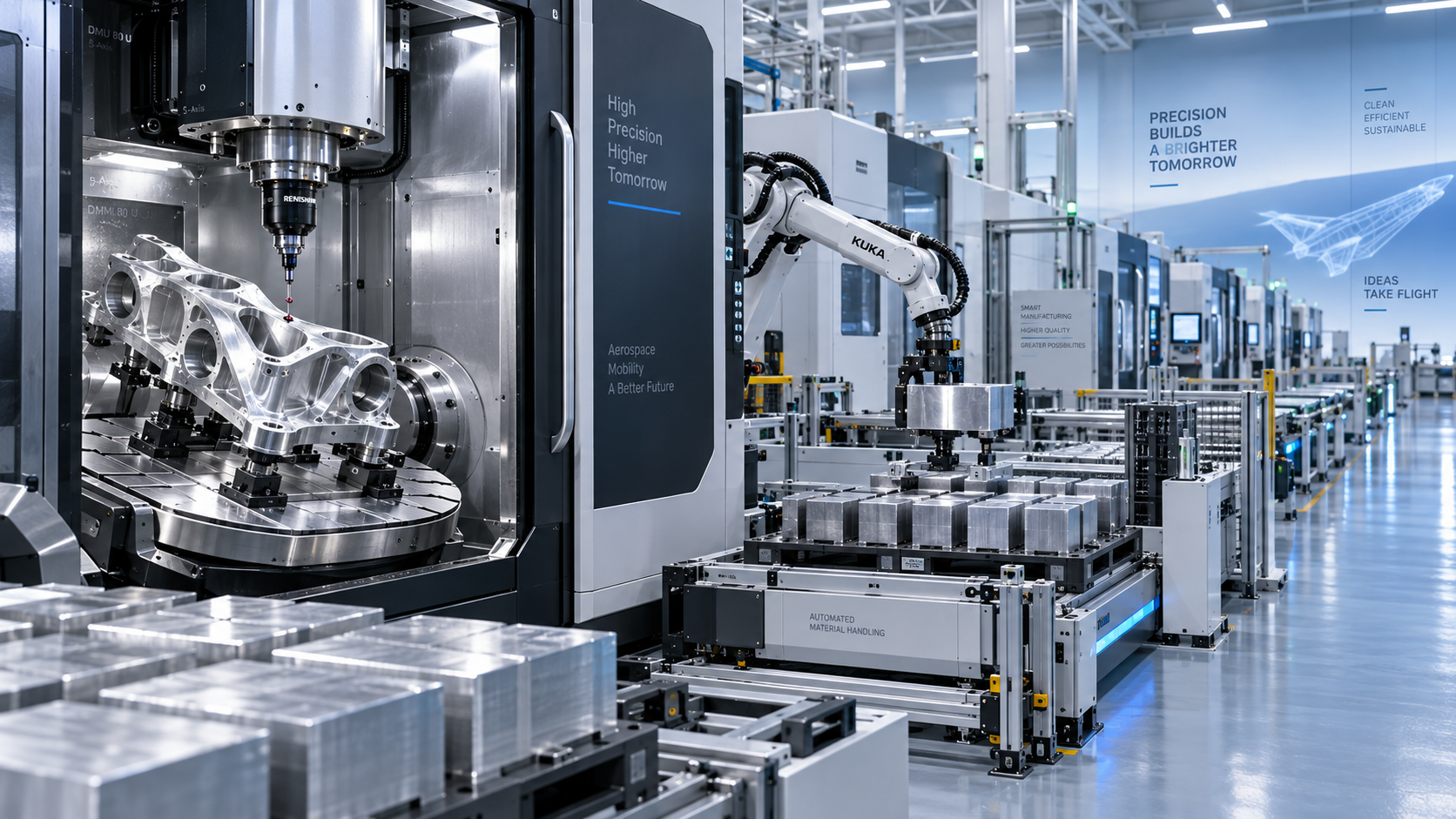
Multi-axis machine tools are increasingly valuable when one setup must complete multiple faces or compound angles. A 5-axis machine is not automatically necessary for every automotive plant, but it becomes highly practical for lightweight components, complex brackets, e-mobility parts, and prototype work. Fewer setups usually mean lower cumulative error, reduced fixture cost, and changeovers that can fall from 60 minutes to less than 20 minutes in well-prepared cells.
Where Each Machine Tool Fits Best
The table below maps common automotive part categories to machine tool types and production priorities. It is useful for procurement teams comparing capex options and for plant engineers trying to balance utilization with flexibility.
A key conclusion is that there is no universal “best” machine tool for the automotive industry. The strongest manufacturing strategy often uses a layered approach: dedicated high-output machines for stable part families, flexible multi-axis platforms for variable parts, and automated loading systems for labor efficiency and repeatability.
How Production Volume and Part Complexity Change the Best Choice
A machine tool that performs well in prototype work may be inefficient in a line producing 300 parts per shift. Automotive buyers should evaluate at least four variables before comparing quotations: annual volume, material type, setup frequency, and tolerance stack-up. These factors directly affect spindle selection, tool magazine size, fixture strategy, and whether automation is optional or essential.
High-volume lines usually favor dedicated or semi-dedicated machine tools with strong process repeatability. If a plant produces more than 100,000 identical parts per year, the economic value of cycle-time reduction becomes significant. Saving 8 seconds per part can translate into hundreds of machine hours annually, which may justify twin-spindle systems, in-line gauging, or robotic loading.
By contrast, mixed-model production needs flexibility. Tier suppliers serving multiple OEM programs often machine 10 to 30 part variants on the same platform. In that environment, quick-change fixturing, tool life monitoring, and programmable probing may matter more than absolute peak output. A flexible machine cell can reduce requalification effort and make engineering changes easier during a 2- to 5-year product lifecycle.
Part complexity also changes the economics. A simple axle component may only require turning, drilling, and threading, while an EV gearbox housing can need 20 or more tool positions, deep pocketing, precision bores, and multi-side access. The more setups required, the higher the risk of positional error, handling damage, and labor variability. This is why multi-process machine tools often gain value as geometry becomes more complex.
Selection Logic by Manufacturing Scenario
The following comparison helps translate production conditions into practical equipment choices instead of generic preferences.
In short, automotive production best practice is scenario-based. A buyer comparing only spindle speed or machine size may miss the bigger issue: whether the machine supports the required process route, volume profile, and future model changes over the next 24 to 60 months.
A Practical Shortlist for Buyers
- Use CNC lathes for rotational parts when throughput and concentricity are the top priorities.
- Choose horizontal machining centers when multi-face automotive housings need stable chip evacuation and pallet automation.
- Adopt 5-axis systems when fixture count, cumulative tolerance error, or engineering revision frequency is high.
- Add grinding or hard finishing when surface roughness and dimensional stability must stay within tight post-heat-treatment limits.
Precision, Automation, and Digital Integration Requirements
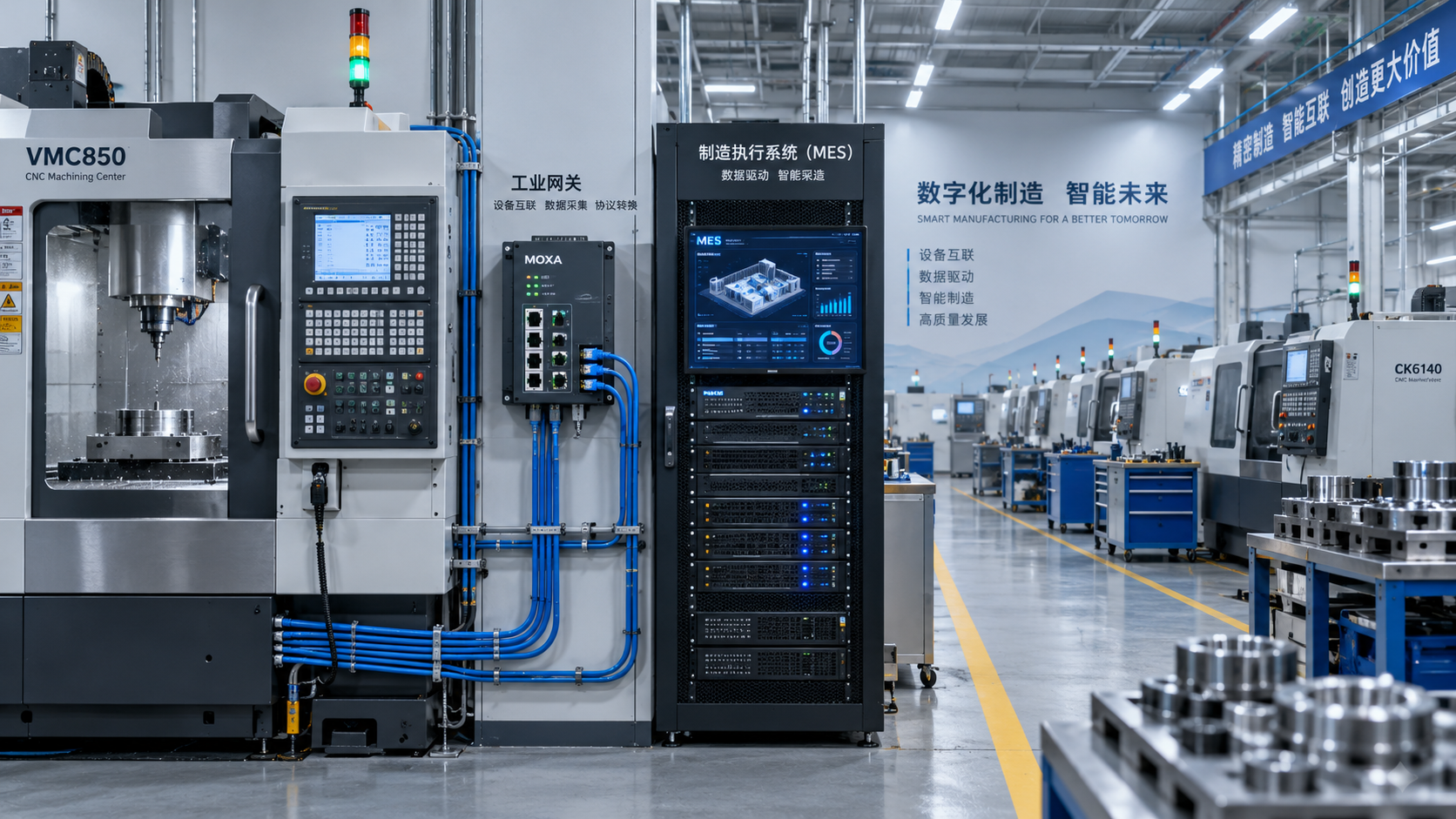
Automotive plants rarely evaluate machine tools as standalone assets anymore. The machine must fit into a broader production system that includes robots, conveyors, vision inspection, tool management, in-process gauging, and MES or ERP connectivity. A machine that cuts accurately but cannot exchange production data or support unattended operation may become a bottleneck within 12 to 18 months.
Precision requirements vary by component, but many automotive applications need repeatability well below ±0.02 mm, and some bore, seat, or mating surface operations work much tighter. Achieving that level consistently depends on more than the base machine. Spindle thermal behavior, axis compensation, coolant stability, fixture repeatability, and tool wear detection all influence real-world quality far more than brochure numbers alone.
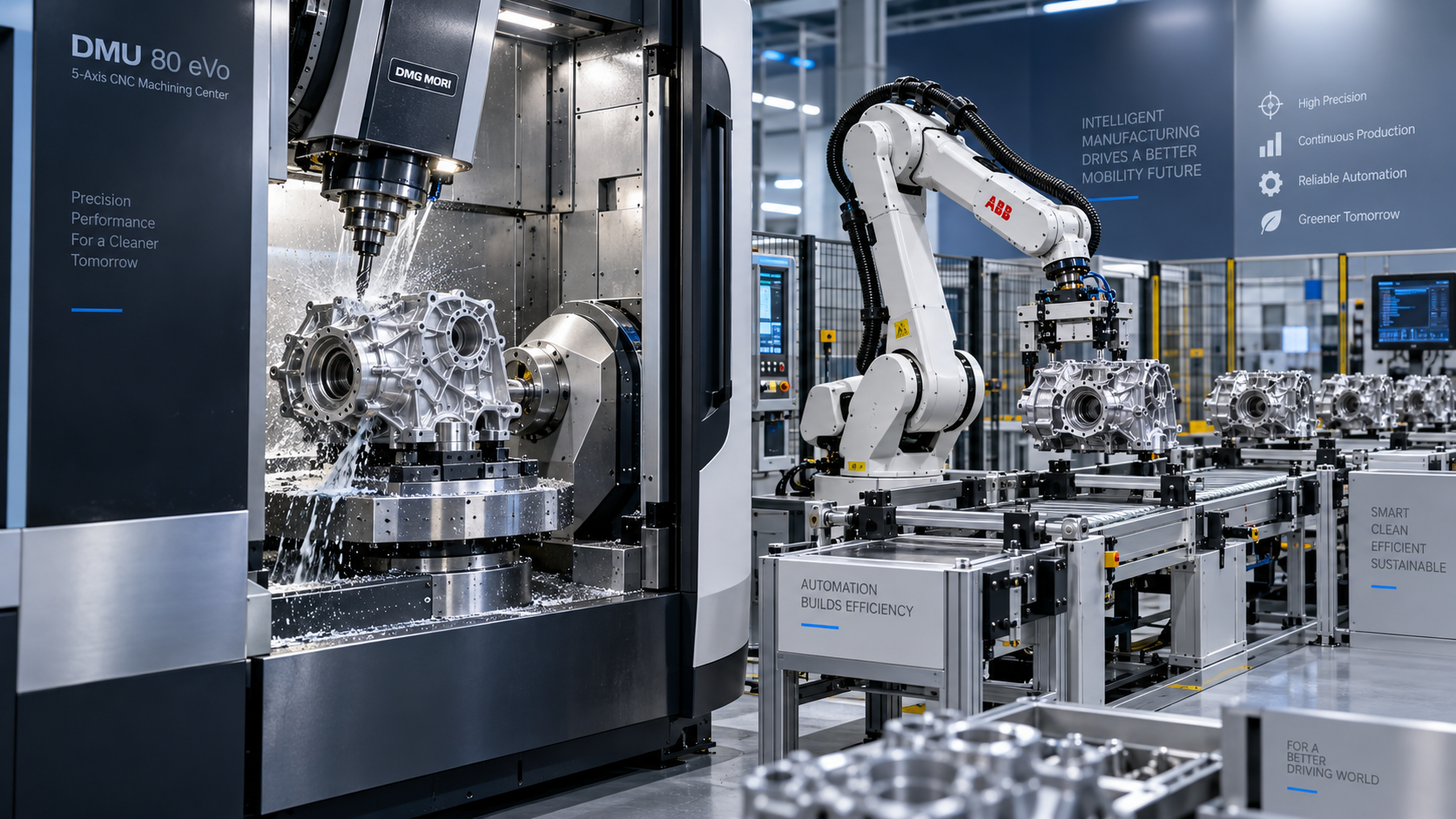
Automation improves more than labor cost. In automotive environments running 2 shifts or 3 shifts, robotic loading can stabilize cycle time, improve traceability, and reduce minor damage caused by manual handling. Even a compact cell with one robot and one buffer station can help maintain output during labor fluctuations, especially where takt time stays between 45 and 120 seconds per part.
Digital integration matters because modern vehicle programs change fast. Production teams need alarm visibility, tool life tracking, and data on spindle load, idle time, and downtime causes. Basic monitoring can support preventive maintenance intervals such as every 500 to 1,000 spindle hours, while more advanced analytics can identify drift before scrap rates climb above acceptable thresholds.
Features Worth Prioritizing in Automotive CNC Investments
- Automatic tool measurement and breakage detection to protect high-volume runs from hidden quality loss.
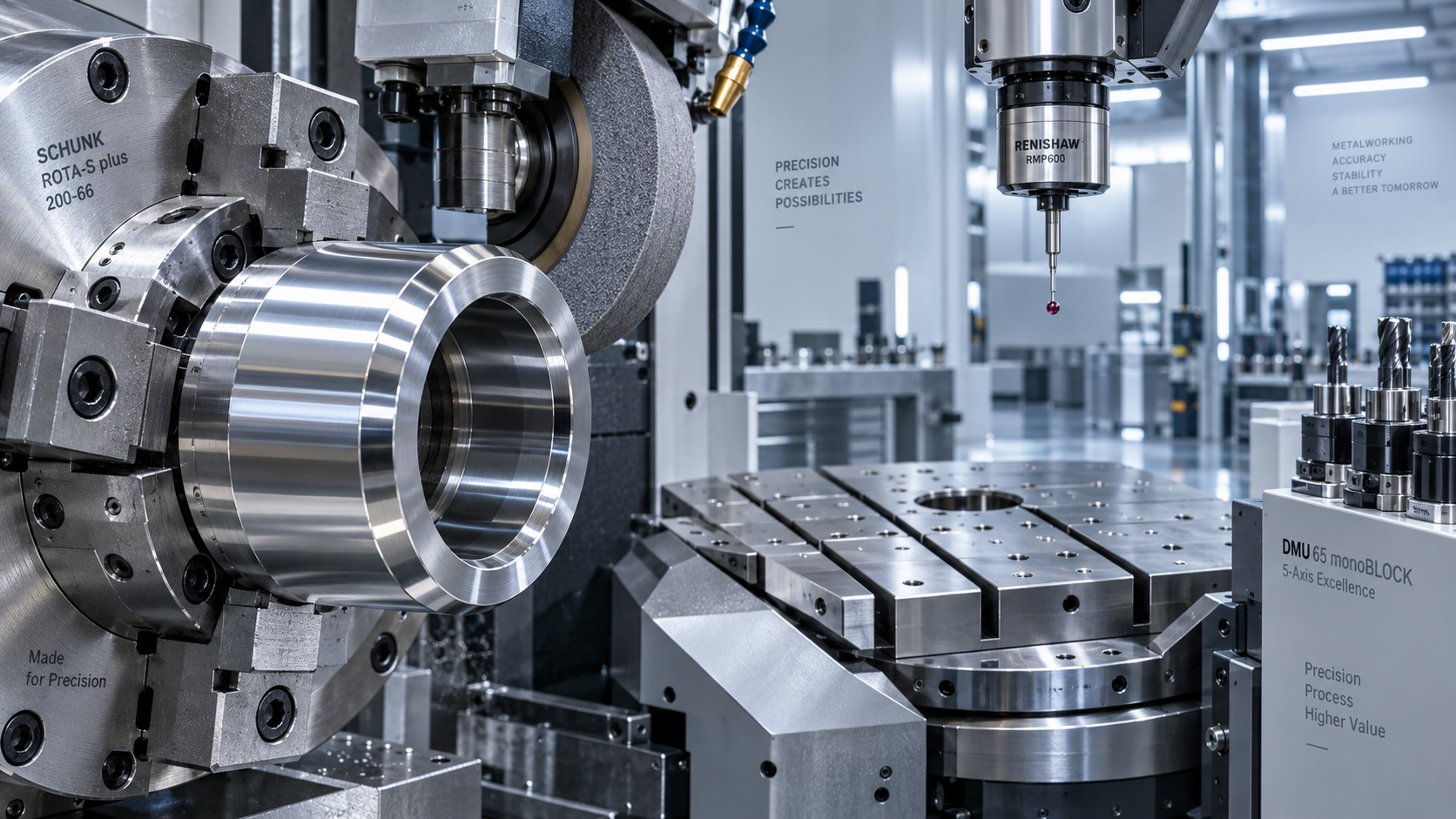
- Probing systems for in-machine offset correction, especially where casting variation or forging variation is common.
- Pallet changers or automated part handling for spindle utilization above 75% in multi-shift operations.
- Open communication capability for connection with MES, traceability software, and maintenance platforms.
- Thermal compensation and stable coolant control for parts requiring tight bore alignment or positional consistency.
Why automation should match process maturity
Not every line should jump immediately to full automation. If the base machining process is still unstable, adding robots may only automate inconsistency. A better sequence is often process validation first, fixture refinement second, and automated loading third. Plants that follow this order usually see smoother ramp-up during the first 8 to 12 weeks after installation.
For purchasing teams, this means asking suppliers not only about machine capacity but also about interface readiness, probing options, and support for future expansion. A machine tool prepared for automation can protect investment value even if robotic integration is added in phase 2 rather than day 1.
Key Procurement Criteria, Cost Drivers, and Implementation Risks
Automotive procurement should assess machine tools on total manufacturing impact, not purchase price alone. A lower-cost machine may appear attractive at quotation stage, but if it increases setup time by 25 minutes, requires more manual intervention, or lacks local service support, its long-term cost can exceed a higher-priced alternative. This is especially true in plants where downtime costs accumulate across multiple downstream processes.
Lead time is another practical factor. Depending on machine type, standard delivery may range from 8 to 16 weeks for more common configurations and 16 to 32 weeks for highly customized, automated, or multi-axis systems. Buyers should align this schedule with tooling preparation, part approval, operator training, and sample validation to avoid losing 4 to 6 weeks after the machine arrives.
Implementation risk often comes from underestimating peripheral requirements. Automotive lines need stable air supply, coolant management, chip removal, fixture verification, and inspection alignment. If those items are addressed late, ramp-up may suffer from frequent stoppages or inconsistent first-pass yield. A disciplined pre-installation checklist can shorten commissioning and reduce early scrap.
The most common selection mistake is overbuying complexity. Some plants choose 5-axis equipment for parts that can be processed efficiently on a robust 3-axis or 4-axis machine with proper fixturing. Others make the opposite mistake and buy a basic machine for a part family that really needs integrated turning-milling or probing. The right balance comes from part-route analysis, not assumptions.
Procurement Evaluation Matrix
Before final approval, decision-makers should compare suppliers using operational criteria that affect output, quality, and post-sale support. The matrix below is a practical B2B reference point.
This comparison shows that the best automotive machine tool purchase is rarely the cheapest quote. The stronger investment is the one that can hold tolerance, meet takt requirements, and remain serviceable over the expected production life of the program.
Implementation Checklist
- Confirm part drawings, materials, and target tolerances before final machine configuration.
- Verify fixture concept, tool list, and estimated cycle time before release to production.
- Plan installation, operator training, and trial runs within a 2- to 4-week commissioning window.
- Define acceptance criteria for accuracy, repeatability, uptime, and first-pass yield.
FAQ: Common Automotive Machine Tool Selection Questions
Many search and buying decisions in this industry come down to a few recurring questions. The answers below are especially relevant to process engineers, operators, and sourcing teams evaluating new equipment or replacing aging assets.
How do I know if a 5-axis machine is necessary for automotive parts?
A 5-axis machine becomes practical when the part needs access to multiple angled faces, when 3 or more setups create tolerance stack-up, or when fixture complexity is driving cost. For simple prismatic parts, a 3-axis or 4-axis platform may still be more cost-effective. The right test is whether setup reduction, quality improvement, and throughput gains offset the higher investment over the expected production volume.
What cycle time range is considered suitable for automated loading?
In many automotive applications, robotic loading is easiest to justify when cycle time falls between 45 and 180 seconds and production runs are frequent enough to keep the cell busy. Very short cycles may need highly optimized handling, while very long cycles may benefit more from pallet systems or lights-out scheduling rather than one robot per machine.
Should automotive suppliers choose dedicated or flexible machine tools?
Dedicated equipment usually makes sense for stable, high-volume components with predictable demand over several years. Flexible machine tools are better when OEM programs change often, part variants exceed 10 units of product mix, or engineering updates are expected. A hybrid strategy is often strongest: dedicated lines for core volume and flexible cells for engineering changes, low-volume variants, and ramp-up stages.
What should buyers ask about service support before ordering?
Ask about spare part availability, remote diagnostics, expected response time, training coverage, and preventive maintenance intervals. In a 3-shift automotive environment, even a 24-hour delay for a critical spindle, drive, or control component can become expensive. Buyers should also confirm whether application engineers can support process optimization after installation, not only mechanical repairs.
The machine tools that fit automotive production best are those aligned with real manufacturing conditions: part family, annual volume, tolerance demands, automation level, and expansion plans. CNC lathes, horizontal machining centers, multi-axis systems, grinding machines, and automated cells all have a valid place when selected against measurable process requirements rather than general assumptions.
For information researchers, machine operators, procurement teams, and business evaluators, the safest path is a structured comparison of process capability, cycle time, service readiness, and long-term scalability. If you are planning an upgrade, a new automotive line, or a more flexible CNC manufacturing strategy, now is the right time to review your requirements in detail.
Contact us to discuss your automotive machining goals, get a tailored equipment recommendation, or learn more about CNC machine tool solutions for precision manufacturing, automation integration, and cost-effective production planning.
Recommended for You
 Digital Manufacturing for Smart Factories: Connecting Legacy Machines to MESMachine Tool Industry Editorial Team
 How to Select a CNC Metal Lathe for Tight-Tolerance Shaft and Sleeve PartsCNC Machining Technology Center
 How to Select an Industrial Lathe for High-Volume Shaft ProductionMachine Tool Industry Editorial Team
 Selecting Machine Tools for Automotive Parts: Accuracy, Throughput, and AutomationMachine Tool Industry Editorial Team
 Industrial Machining: Selecting Processes for Tight-Tolerance Metal PartsCNC Machining Technology Center
 Manufacturing Technology Trends That Improve Throughput and Quality ControlManufacturing Market Research Center

Aris Katos
Future of Carbide Coatings
15+ years in precision manufacturing systems. Specialized in high-speed milling and aerospace grade alloy processing.
▶
Japan Subsidy Plan Narrows CNC Export OpeningsManufacturing Market Research Center▶
Industrial Robotics ROI: Cost Drivers, Integration Risks, and Payback Benchmarks for BuyersManufacturing Market Research Center▶
India’s 20% Rice Export Tax Lifts Demand for Processing EquipmentManufacturing Market Research Center▶
Anhui Growth Lifts Demand for High-End Machine ToolsManufacturing Market Research Center▶
China CNC Rate to Hit 75% by 2027Manufacturing Market Research Center
Mastering 5-Axis Workholding Strategies
Join our technical panel on Nov 15th to learn about reducing vibrations in thin-wall components.

Providing you with integrated sanding solutions
Before-sales and after-sales services
Comprehensive technical support