• Global CNC market projected to reach $128B by 2028 • New EU trade regulations for precision tooling components • Aerospace deman
NYSE: CNC +1.2%LME: STEEL -0.4%

What to check before buying CNC production equipment
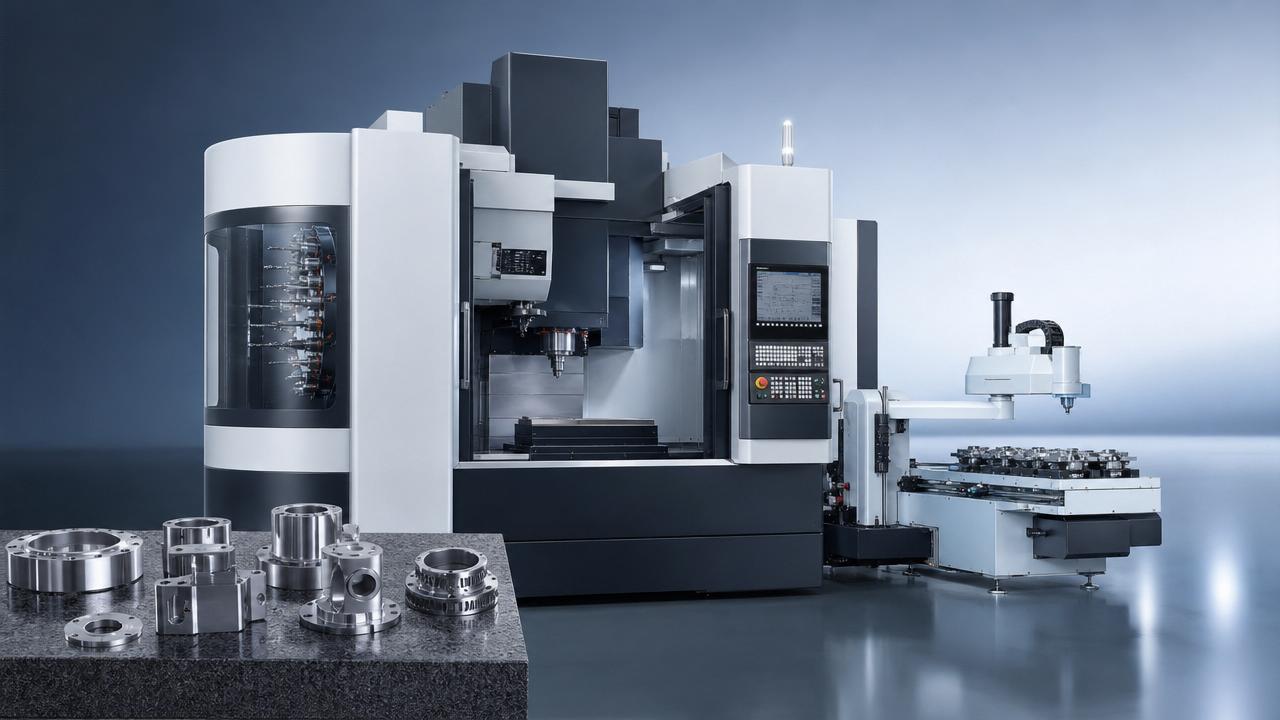
Before investing in CNC production equipment, buyers need to look beyond price and focus on precision, capacity, automation compatibility, maintenance support, and long-term operating costs. The right decision can improve production efficiency, reduce downtime, and support future business growth. This guide outlines the key factors procurement teams should evaluate before making a purchase.
Why CNC production equipment buying decisions are changing faster than before
The buying logic for CNC production equipment has shifted in recent years. Procurement teams are no longer comparing machines only by spindle power, work envelope, or initial quotation. They are responding to a broader manufacturing environment shaped by labor shortages, tighter tolerance requirements, shorter delivery cycles, digital factory planning, and higher pressure to control total operating cost. In many sectors, equipment that looks affordable at the start can become expensive if it creates bottlenecks, requires frequent manual intervention, or cannot connect to upstream and downstream automation.
This change matters because CNC production equipment is now expected to support not only machining output, but also flexibility, traceability, and future scaling. A machine selected for today’s part program may need to handle new materials, smaller batches, faster changeovers, or data-driven maintenance tomorrow. For procurement personnel, the question is no longer simply “Which machine can make this part?” but “Which equipment can protect productivity over the next several years?”
As a result, high-quality purchasing decisions increasingly depend on reading trend signals early. Buyers who understand where the CNC industry is moving can better identify which specifications are essential, which features are optional, and which supplier claims need closer verification.
The strongest trend signals shaping CNC production equipment procurement
Several clear market signals are influencing how companies evaluate CNC production equipment. First, precision requirements are rising across automotive, aerospace, electronics, and energy components. This means machine rigidity, thermal stability, repeatability, and control system quality are receiving more attention than headline speed alone. Second, production planning is becoming more dynamic. Manufacturers want equipment that can switch between part families without excessive downtime or fixture changes.
Third, automation compatibility has become a strategic issue. Even companies that are not fully automated today often want CNC production equipment that can later integrate with robots, bar feeders, pallet changers, tool monitoring systems, or MES platforms. Fourth, spare parts availability and service response time now influence buying decisions more directly. Global supply chain disruptions have shown that a machine without dependable support can damage production more than a machine with slightly lower technical specifications.
Finally, sustainability and energy management are beginning to affect evaluation criteria. Energy-efficient drives, coolant management, chip handling, and reduced scrap rates are increasingly linked to cost and compliance goals. For buyers, these signals suggest that CNC production equipment must be judged as part of a production system, not as an isolated asset.
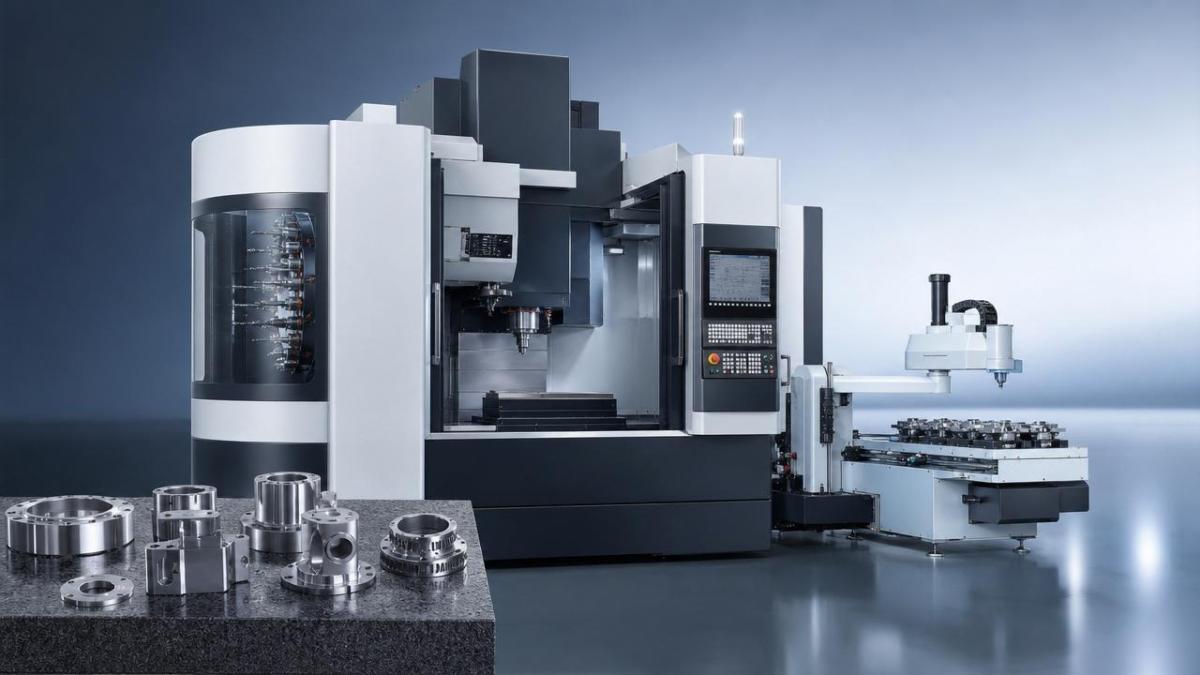
What to check before buying CNC production equipment in this new environment
When procurement teams evaluate CNC production equipment today, they should begin with production reality rather than brochure claims. A machine may look impressive in specification sheets but still be a weak fit if it does not match the company’s part mix, takt expectations, staffing model, or expansion plan. The first check is process fit. Buyers should confirm the actual materials, part sizes, tolerances, surface finish expectations, annual volume, and likely future product variation. These inputs determine whether a standard CNC lathe, machining center, mill-turn system, or multi-axis platform is the right direction.
The second check is capability stability. It is not enough for CNC production equipment to achieve target accuracy in a short demo. Buyers should ask how performance holds under continuous production, temperature variation, tool wear, and operator differences. Requesting sample run data, test cuts, machine acceptance criteria, and references from similar applications can help reduce uncertainty.
The third check is throughput realism. Suppliers often present ideal cycle times, but procurement should verify loading time, unloading time, setup changes, in-process inspection needs, and planned maintenance intervals. The fourth check is automation readiness. Even if automation will be added later, CNC production equipment should have suitable interfaces, physical access, guarding logic, and software compatibility for future integration.
The fifth check is support infrastructure. Buyers should understand where technical support is located, how quickly parts can be shipped, what preventive maintenance packages are offered, and whether operator and programmer training are included. The sixth check is lifecycle economics. This includes not only the machine price, but tooling consumption, fixture cost, installation, energy use, downtime exposure, software licensing, and expected resale value.
A practical evaluation framework for procurement teams
- Match machine architecture to actual part families, not to general production ambition.
- Verify precision under sustained operating conditions, not only during demonstration cuts.
- Assess real throughput including setup, inspection, and operator intervention.
- Review control system usability and programming compatibility with existing workflows.
- Check automation interfaces for future robot or pallet system integration.
- Evaluate service access, spare parts assurance, and training depth.
- Calculate total cost of ownership over several years, not only purchase price.
Why total cost of ownership is now a stronger signal than quoted price
One of the biggest changes in CNC production equipment procurement is the growing importance of total cost of ownership. In a competitive manufacturing environment, the cheapest machine may increase cost per part if it creates scrap, consumes more labor, or stops frequently. Procurement professionals therefore need a broader financial view. A higher-priced machine with better reliability, stronger process control, and faster support may generate a better return than an entry-level option with recurring hidden costs.
This is especially true when machine utilization targets are high. If CNC production equipment is intended for two-shift or three-shift operation, maintenance intervals, lubrication systems, chip evacuation design, spindle life, and diagnostic functions become highly relevant. These factors influence uptime and therefore real production value. The same logic applies when labor is limited. Equipment that simplifies setup, tooling management, and alarm handling can reduce dependence on scarce skilled operators.
Buyers should build comparison models that include direct and indirect costs: capital cost, commissioning, tooling, consumables, electricity, service, operator training, software, floor space impact, and expected productivity loss during breakdowns. This approach leads to better long-term equipment decisions and aligns purchasing with business performance rather than short-term budget optics.
How supplier selection is evolving alongside equipment selection
A notable trend is that companies are evaluating equipment suppliers more like long-term operating partners than one-time vendors. This reflects the reality that CNC production equipment performs best when backed by dependable application support, commissioning expertise, process optimization guidance, and software updates. For procurement teams, this means supplier capability should be reviewed with the same discipline as machine specifications.
Key areas to examine include local technical presence, response time commitments, training resources, references in similar industries, and openness about performance limitations. Procurement should also ask how the supplier handles machine acceptance, warranty claims, remote diagnostics, and post-installation process tuning. In an era where digital integration matters more, it is useful to understand whether the supplier can support data connectivity, production monitoring, and future smart factory requirements.
This shift matters because the value of CNC production equipment often depends on implementation quality. A strong machine installed poorly or supported weakly may never reach expected output. A supplier with mature service systems can help shorten the learning curve and stabilize production faster.
Which risks are becoming easier to overlook
As features and options expand, procurement teams face new blind spots. One common risk is overbuying technology. Multi-axis capability, advanced automation modules, or digital dashboards can be valuable, but not every operation needs the highest configuration. If the part mix is stable and relatively simple, excessive complexity may increase cost and training burden without improving payback. Another risk is underestimating floor-level constraints such as foundation requirements, coolant systems, chip disposal, power quality, and compressed air stability.
A third overlooked issue is software and control compatibility. CNC production equipment should fit the company’s programming ecosystem, post-processor setup, simulation tools, and operator skill base. A technically strong machine can still slow production if programming workflows become difficult. A fourth risk is assuming future automation can be added later without planning. In practice, retrofit options may be limited if guarding, access points, interface protocols, or layout decisions were not considered early.
Finally, buyers sometimes underestimate the strategic cost of downtime. Machines serving critical components, export contracts, or tightly scheduled production lines need stronger redundancy and faster service backup. Risk exposure should therefore influence the final purchasing decision, especially when comparing similar CNC production equipment offers.
What different stakeholders should focus on before approval
How to make a stronger final judgment on CNC production equipment
A sound final decision usually comes from combining technical verification with business scenario testing. Procurement teams should compare CNC production equipment options against three time horizons: current production requirements, likely changes over the next two to three years, and possible strategic upgrades such as automation or digital monitoring. This helps prevent both underinvestment and unnecessary overspecification.
It is also wise to request evidence rather than rely on general claims. Useful evidence includes application cases in similar industries, cycle time breakdowns, sample part reports, maintenance schedules, spare parts lists, operator training plans, and acceptance testing methods. Site visits or remote reference checks can reveal whether a supplier’s CNC production equipment performs consistently in real manufacturing conditions.
In today’s market, the best purchase is often the one that balances precision, flexibility, support, and cost control most effectively. If companies want to judge how current trends will affect their own equipment plans, they should confirm a few critical questions: Will this machine still fit our product mix if demand changes? Can it support future automation? How exposed are we to downtime or spare parts delays? And will the full ownership cost still make sense after installation, training, and multi-year operation? Those answers usually determine whether CNC production equipment becomes a growth asset or a long-term constraint.
Recommended for You
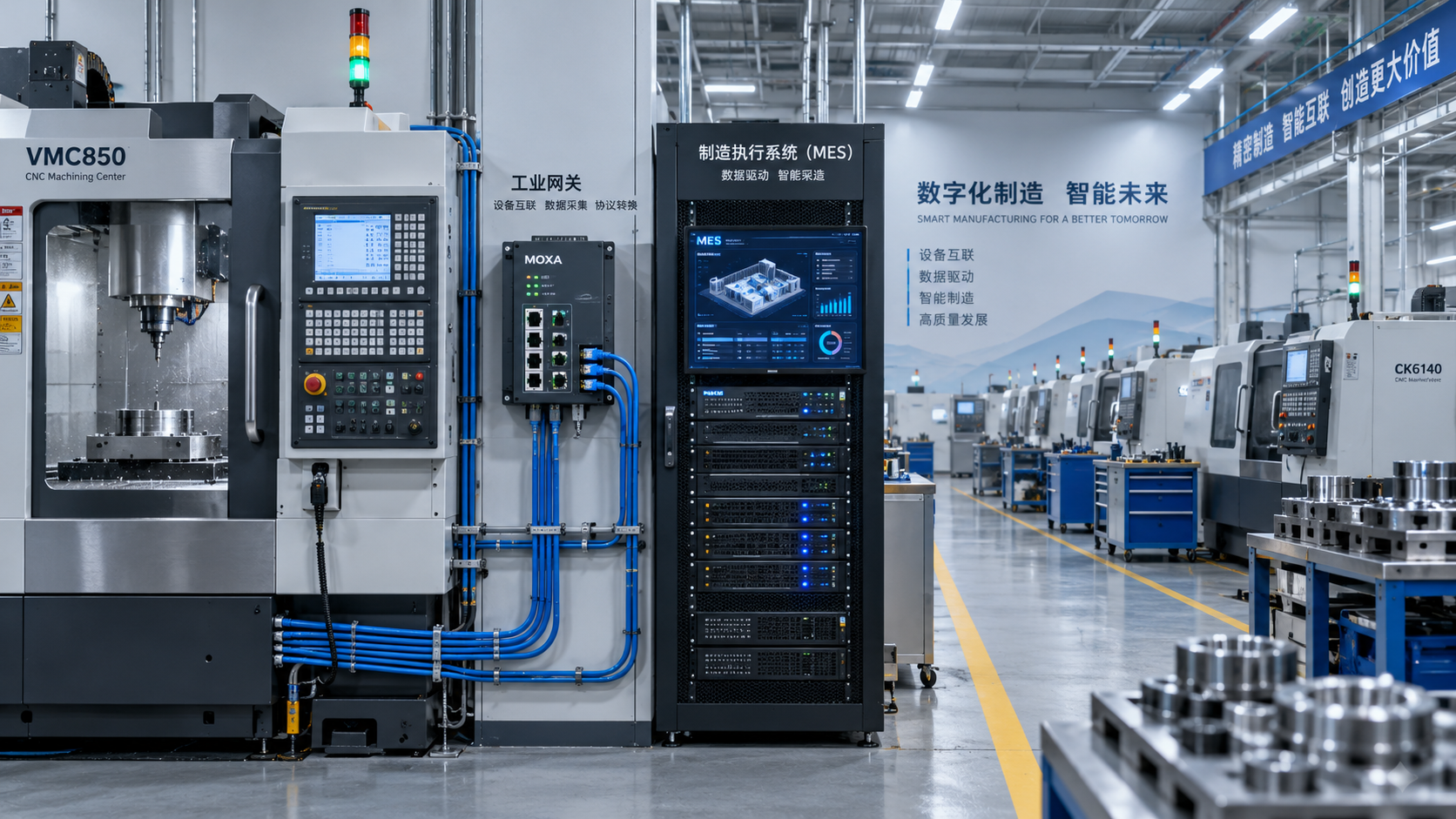
 Digital Manufacturing for Smart Factories: Connecting Legacy Machines to MESMachine Tool Industry Editorial Team
 How to Select a CNC Metal Lathe for Tight-Tolerance Shaft and Sleeve PartsCNC Machining Technology Center
 How to Select an Industrial Lathe for High-Volume Shaft ProductionMachine Tool Industry Editorial Team
 Selecting Machine Tools for Automotive Parts: Accuracy, Throughput, and AutomationMachine Tool Industry Editorial Team
 Industrial Machining: Selecting Processes for Tight-Tolerance Metal PartsCNC Machining Technology Center
 Manufacturing Technology Trends That Improve Throughput and Quality ControlManufacturing Market Research Center

Aris Katos
Future of Carbide Coatings
15+ years in precision manufacturing systems. Specialized in high-speed milling and aerospace grade alloy processing.
▶
How to Evaluate a Machine Tool Factory Before Sourcing CNC EquipmentGlobal Machine Tool Trade Research Center▶
How to Evaluate a CNC Machine Tool Manufacturer for Precision and Service SupportGlobal Machine Tool Trade Research Center▶
What Affects Cost-Effective CNC Manufacturing? Key Drivers Behind Part Price and Lead TimeGlobal Machine Tool Trade Research Center▶
How to Evaluate a CNC Tooling System Supplier in Germany for Quality, Lead Time, and CostGlobal Machine Tool Trade Research Center▶
How to Evaluate a CNC Tooling System Supplier in Germany for Quality, Lead Time, and SupportGlobal Machine Tool Trade Research Center
Mastering 5-Axis Workholding Strategies
Join our technical panel on Nov 15th to learn about reducing vibrations in thin-wall components.

Providing you with integrated sanding solutions
Before-sales and after-sales services
Comprehensive technical support