• Global CNC market projected to reach $128B by 2028 • New EU trade regulations for precision tooling components • Aerospace deman
NYSE: CNC +1.2%LME: STEEL -0.4%

High precision lathe costs more, but where is the payoff

A high precision lathe costs more upfront, but for financial decision-makers, the real question is where the return appears. From tighter tolerances and lower scrap rates to faster cycle times and fewer rework costs, the payoff often extends far beyond the machine price. Understanding these value drivers is essential when evaluating long-term manufacturing efficiency and capital investment.
What a high precision lathe really means in modern manufacturing
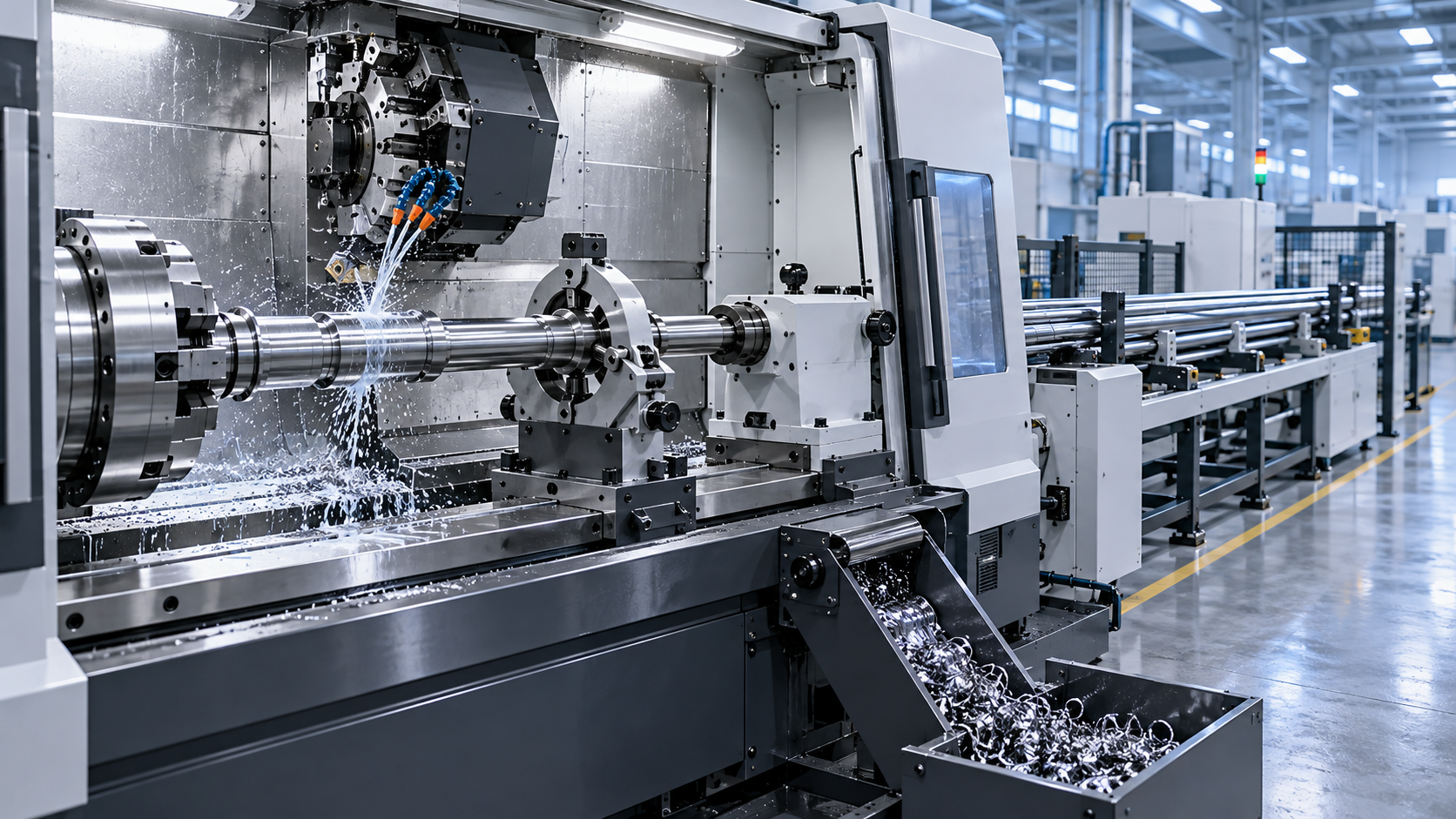
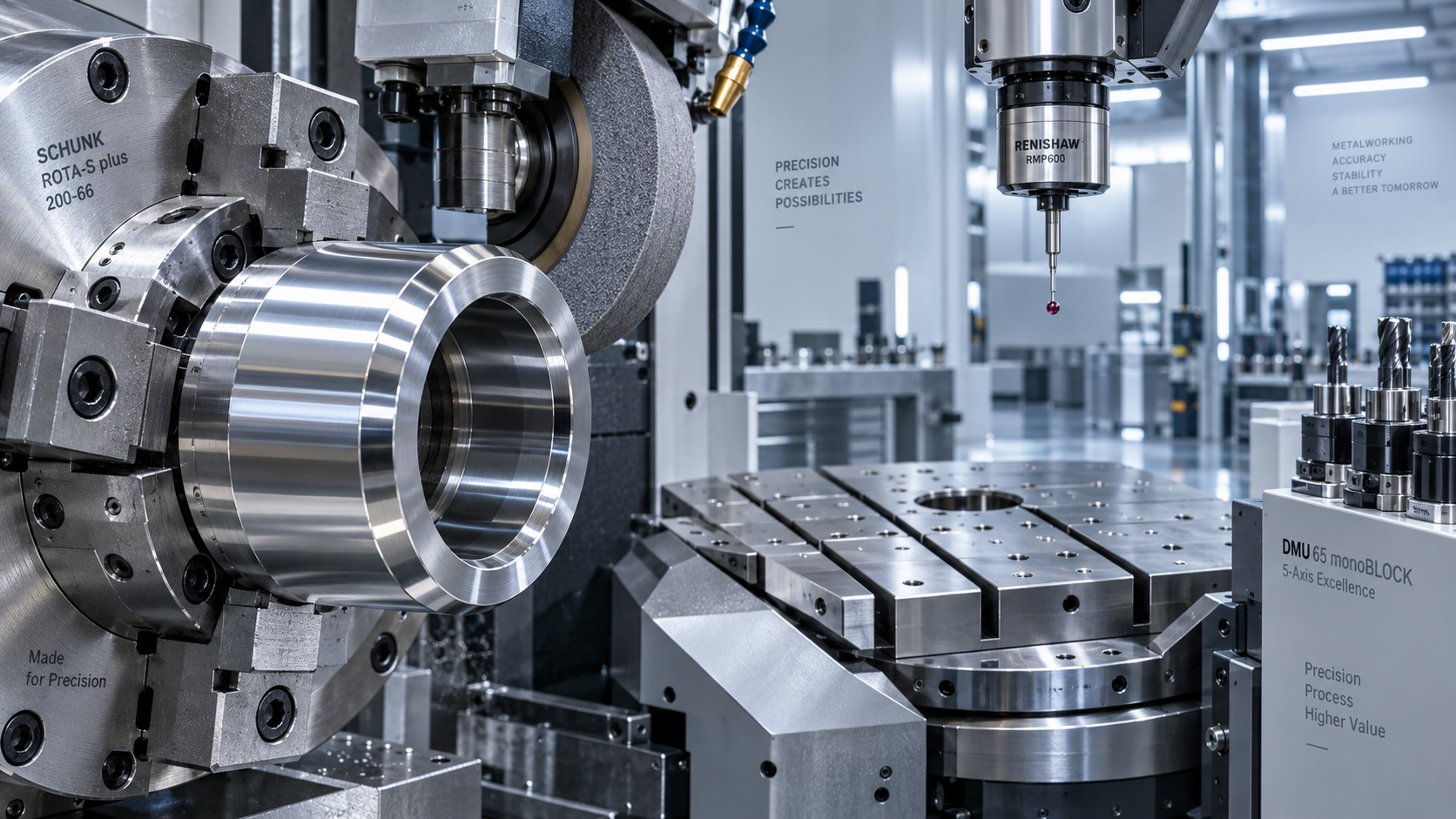
A high precision lathe is not simply a more expensive version of a standard turning machine. In practical terms, it is a machine tool built to maintain tighter tolerances, more stable repeatability, better thermal control, lower vibration, and more consistent surface finish over long production runs. In sectors linked to CNC machining, aerospace parts, automotive components, electronics, energy equipment, and precision industrial assemblies, these capabilities directly affect profitability.
For finance teams, the key distinction is that the value of a high precision lathe is usually operational rather than cosmetic. The machine may look similar to a conventional CNC lathe, yet its structural rigidity, spindle accuracy, servo response, control system, tooling stability, and automation compatibility can change the economics of production. That is why a higher acquisition price should be evaluated against total manufacturing performance, not against purchase cost alone.
Why the market pays attention to precision now
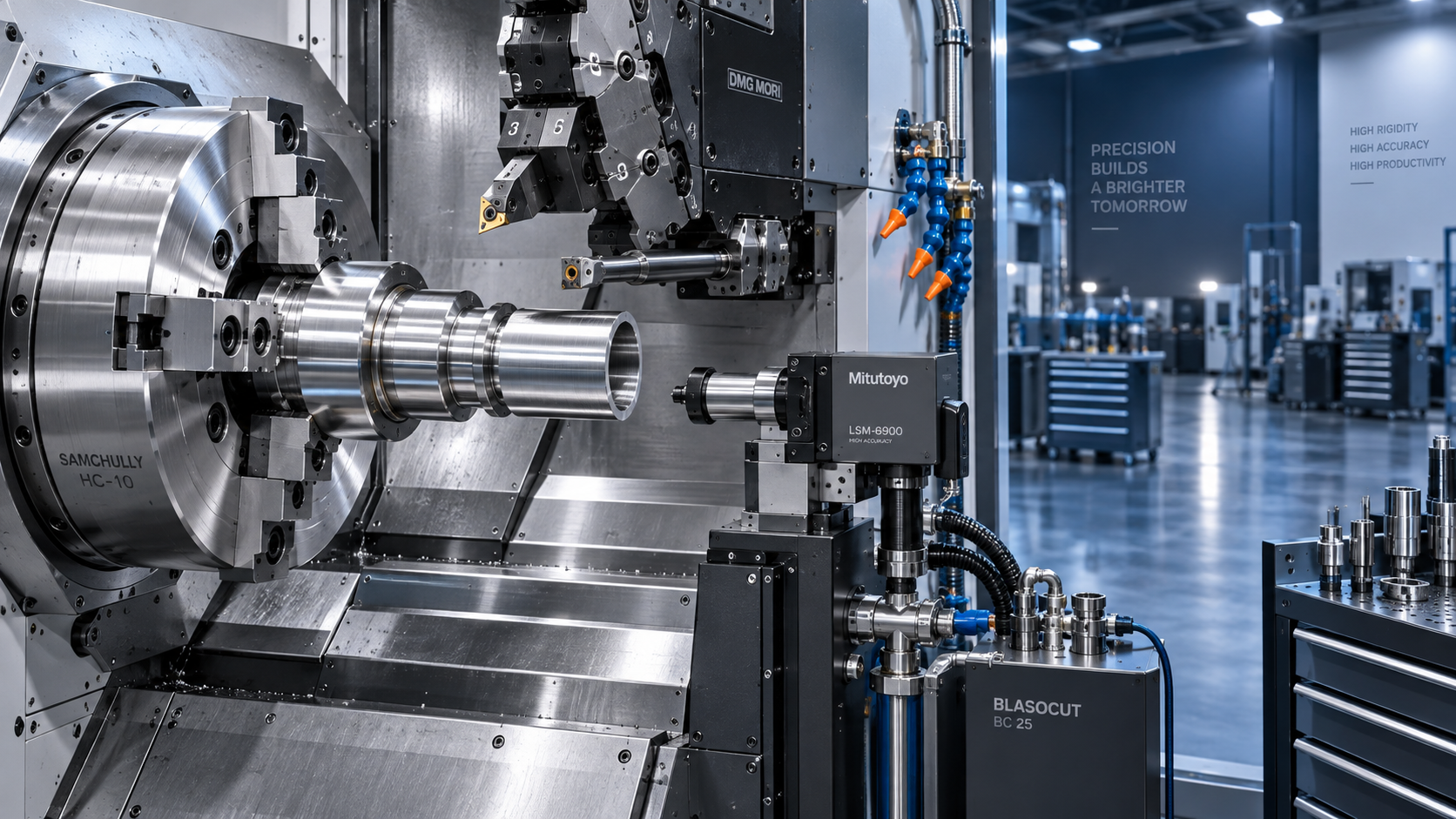
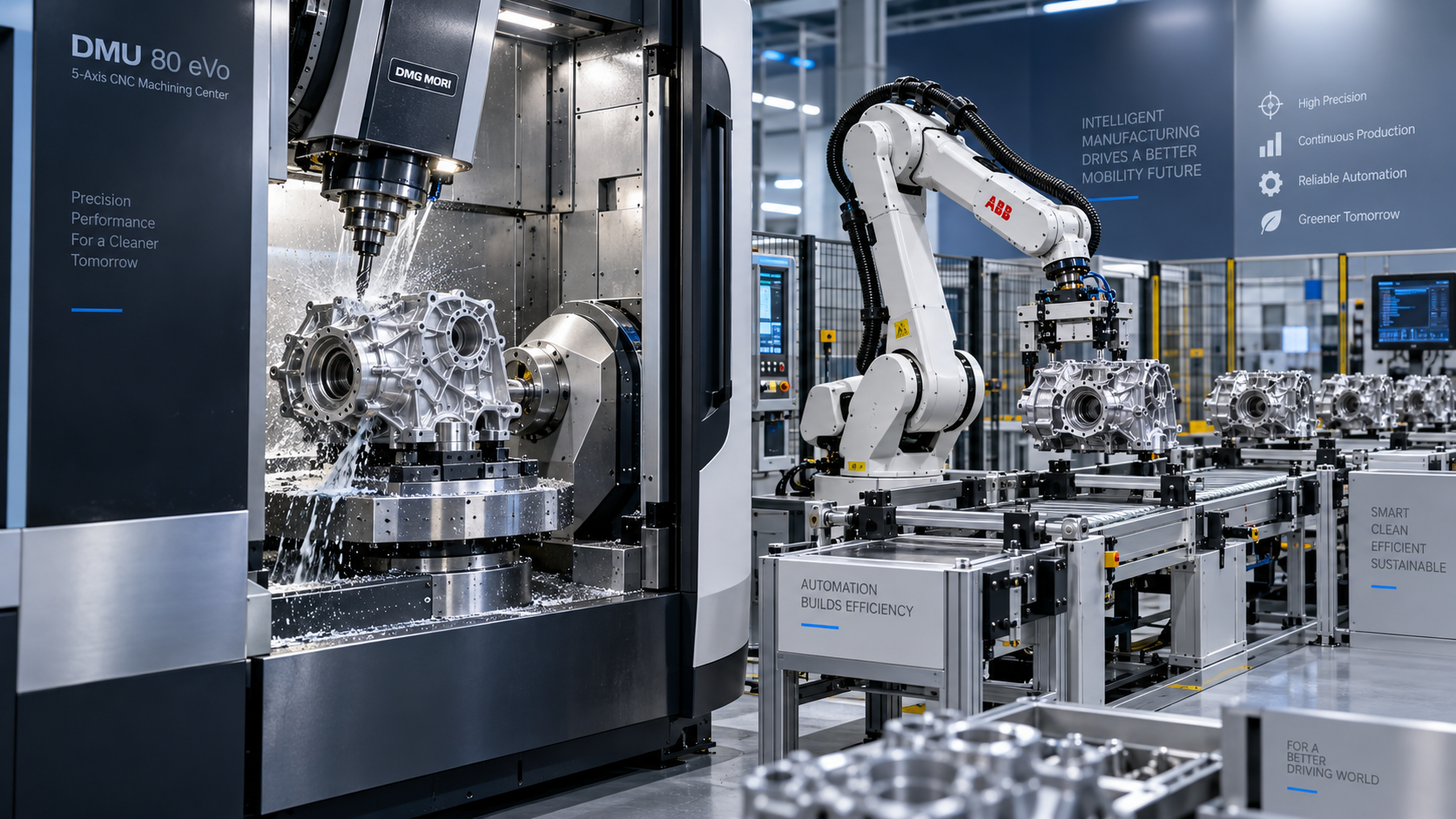
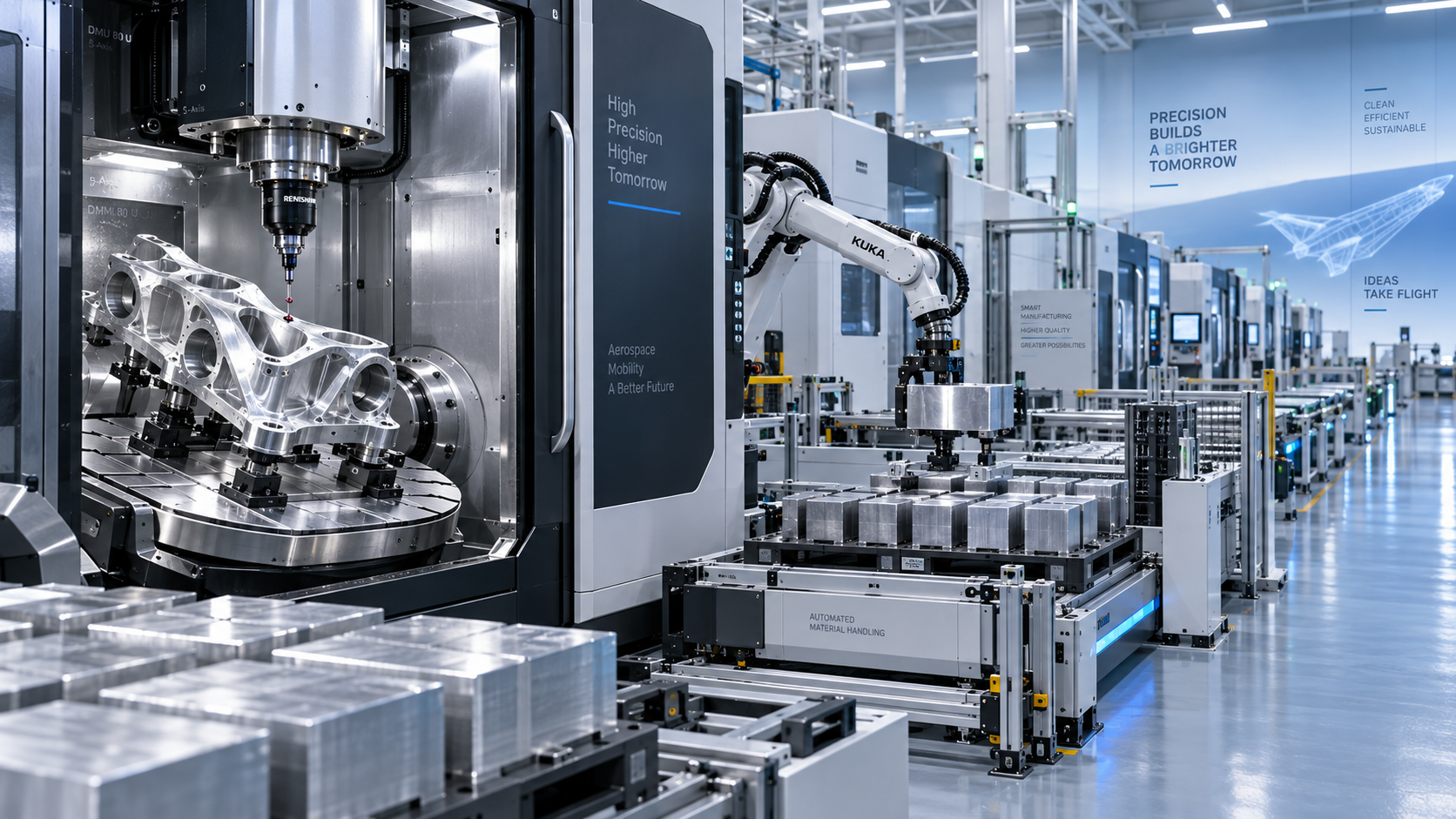
The global machine tool industry is moving toward higher precision, smarter automation, and tighter digital integration. Manufacturers are under pressure to shorten delivery cycles, reduce labor dependence, improve traceability, and meet stricter quality standards. In this environment, a high precision lathe supports more than dimensional accuracy. It supports stable throughput, predictable quality, and better use of downstream automation such as robotic loading, in-process measurement, and flexible production cells.
This matters especially in industries where one rejected part can trigger expensive consequences. A minor tolerance drift in a shaft, disc, or threaded component can create assembly failure, warranty claims, delayed shipments, or additional inspection costs. As production becomes more automated and customer specifications become tighter, the cost of variation increases. That is one reason the high precision lathe has become a strategic asset rather than a niche machine.
Where the financial payoff usually appears
For approval-oriented stakeholders, the return on a high precision lathe often appears across multiple cost lines rather than in one dramatic savings category. The most visible benefits are lower scrap and less rework, but the full business case is broader. Greater process capability can reduce inspection burden, stabilize scheduling, improve first-pass yield, and support higher-value contracts that require strict tolerance control.
In many factories, standard machines can technically produce precision parts, but only with slower feeds, more manual adjustments, extra quality checks, or higher rejection rates. A high precision lathe reduces this hidden operational friction. Over months or years, those gains can outweigh the initial price gap, especially when capacity utilization is high and customer quality expectations are rising.
The table above highlights a central point: the payoff from a high precision lathe is cumulative. A finance review that focuses only on depreciation and purchase price will likely miss a substantial portion of the return.
A closer look at the hidden cost reductions
One of the strongest arguments for a high precision lathe is the reduction of hidden manufacturing costs. Scrap is the obvious example, but rework, inspection delays, tooling instability, machine intervention, and bottleneck formation often produce a larger cumulative burden. When a production line depends on manually compensating for machine drift, the business absorbs cost through operator time, delayed output, inconsistent quality records, and planning inefficiency.
A high precision lathe can also improve tooling economics. Better rigidity and spindle behavior may extend tool life or at least make tool wear more predictable. Predictable wear means more reliable maintenance planning and fewer surprise quality issues during long jobs. For financial managers, predictability is valuable because it improves cost modeling, quotation accuracy, and production scheduling confidence.
Which types of companies benefit most
Not every business will realize the same level of return from a high precision lathe. The strongest payoff usually appears where quality requirements are strict, volumes are meaningful, and the cost of deviation is high. This includes manufacturers supplying critical components, exporters serving demanding international buyers, and factories moving toward automated cells or smart production environments.
For mixed-production factories, the machine may still make sense if it helps unlock premium orders or reduces the need for subcontracting difficult parts. In that case, the return includes revenue protection and market access, not only shop-floor savings.
How to evaluate the investment beyond sticker price
A sound evaluation framework for a high precision lathe should include total cost of ownership and total value contribution. Capital cost remains important, but it should be weighed alongside productivity, part quality, labor impact, maintenance profile, and order capability. Finance teams should ask how many defects can be prevented, how much setup time can be reduced, whether inspection frequency can be optimized, and whether the machine enables higher-margin work.
It is also useful to compare a standard machine scenario and a precision machine scenario using real production data. A practical model can include cycle time per part, scrap percentage, rework hours, operator interventions per shift, planned versus unplanned downtime, and customer rejection history. When these inputs are quantified, the case for a high precision lathe becomes clearer and less dependent on broad assumptions.
Key metrics financial approvers should request
The most helpful approval discussions are based on measurable indicators. These usually include first-pass yield, Cp or Cpk trends where available, scrap cost per month, tooling cost per batch, setup hours, maintenance intervals, and annual production volume for precision parts. If the supplier or internal engineering team cannot show how a high precision lathe changes these metrics, the investment case is incomplete.
Common implementation considerations
Even the best machine will not deliver full value without the right production environment. Buyers should consider foundation stability, temperature control, tooling quality, programming capability, preventive maintenance discipline, and operator training. A high precision lathe performs best when the surrounding process supports its capability. Otherwise, some of the expected return may be lost to avoidable variation elsewhere in the system.
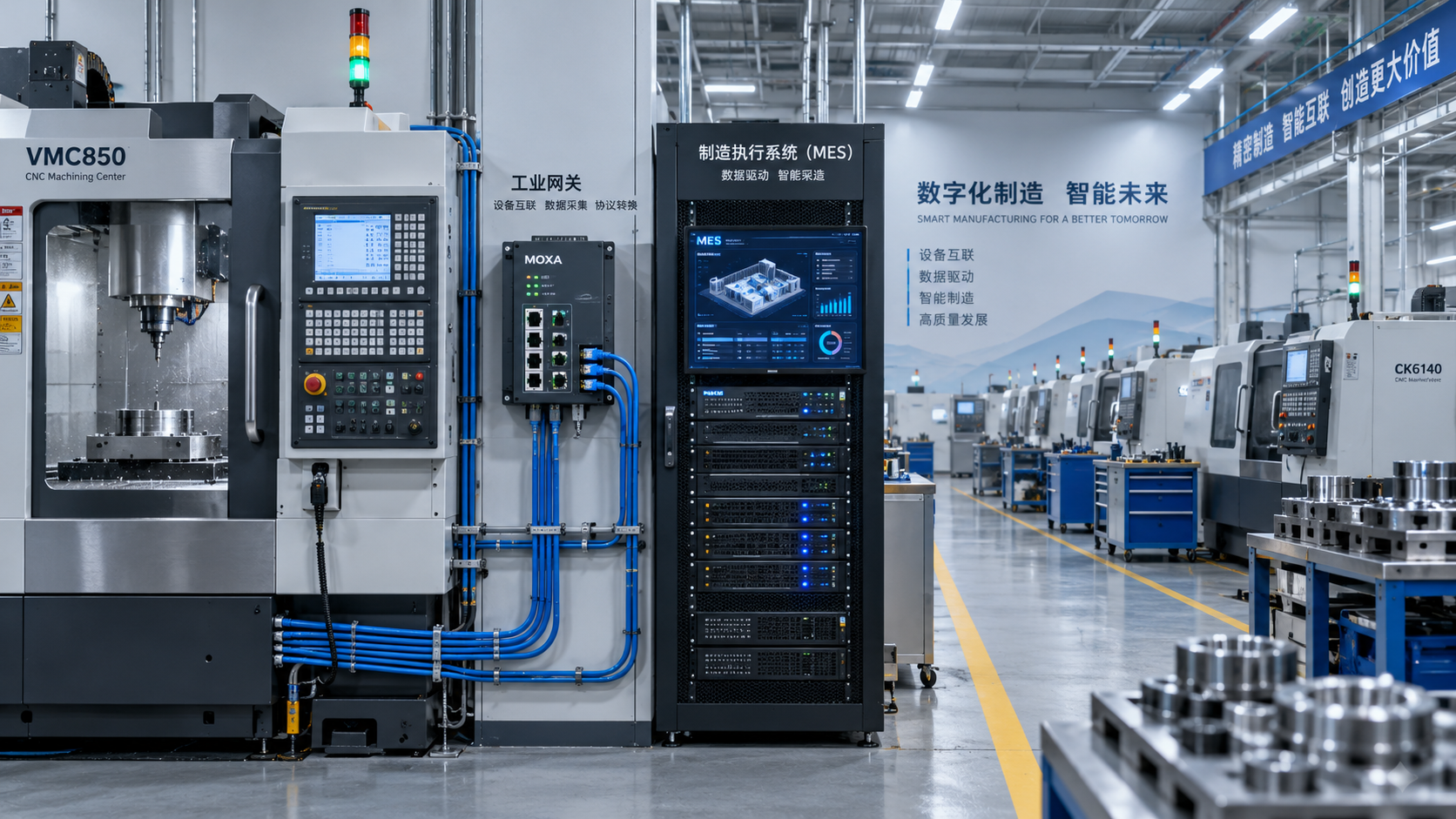
Another important factor is integration. Many manufacturers now operate CNC lathes as part of a broader automated or digitally monitored process. If the machine can connect smoothly with robotic handling, tool monitoring, probing systems, MES platforms, or quality data systems, its strategic value increases. This is especially relevant for companies building smart factory capacity or planning multi-machine flexible production lines.
When the higher cost may not pay back quickly
A balanced assessment should also recognize that a high precision lathe is not automatically the best choice for every operation. If product tolerances are moderate, volumes are low, and customer specifications rarely challenge current capability, the payback period may be longer. The same is true if the organization lacks the process control needed to use the machine effectively.
However, even in these cases, future positioning may matter. If a manufacturer expects to move into higher-value sectors, improve export competitiveness, or reduce dependence on manual correction, a high precision lathe can be part of a broader transformation strategy. In such cases, the return includes capability building and strategic readiness, which may not be fully visible in a short-term ROI model.
Practical guidance for approval and planning
For financial decision-makers, the most effective approach is to treat a high precision lathe as a production system investment rather than a standalone equipment purchase. Ask for part-family analysis, expected tolerance improvements, target scrap reduction, labor impact, and integration potential with current automation plans. Review not only the machine specification but also the operating conditions required to achieve the promised results.
It is wise to prioritize applications where the machine’s capabilities directly solve a current cost problem or unlock a near-term revenue opportunity. A focused implementation often produces a faster and more defensible return than a general upgrade justified only by prestige or brand positioning.
Final perspective
The reason a high precision lathe costs more is that it is designed to reduce variation, support stable output, and protect quality under demanding production conditions. For financial approvers, the payoff usually appears in lower waste, stronger consistency, improved throughput, reduced process friction, and access to higher-spec manufacturing opportunities. The real value is not concentrated in one line item. It is distributed across the economics of the entire production process.
If your organization is evaluating advanced CNC equipment, the most reliable next step is to build a data-based business case around actual parts, actual quality losses, and actual throughput constraints. That approach shows whether a high precision lathe is merely a premium purchase or a meaningful driver of long-term manufacturing return.
PREVIOUS ARTICLE
Recommended for You
 Digital Manufacturing for Smart Factories: Connecting Legacy Machines to MESMachine Tool Industry Editorial Team
 How to Select a CNC Metal Lathe for Tight-Tolerance Shaft and Sleeve PartsCNC Machining Technology Center
 How to Select an Industrial Lathe for High-Volume Shaft ProductionMachine Tool Industry Editorial Team
 Selecting Machine Tools for Automotive Parts: Accuracy, Throughput, and AutomationMachine Tool Industry Editorial Team
 Industrial Machining: Selecting Processes for Tight-Tolerance Metal PartsCNC Machining Technology Center
 Manufacturing Technology Trends That Improve Throughput and Quality ControlManufacturing Market Research Center

Aris Katos
Future of Carbide Coatings
15+ years in precision manufacturing systems. Specialized in high-speed milling and aerospace grade alloy processing.
▶
How to Select a Machine Tool for Aerospace Parts with Tight Tolerances?Machine Tool Industry Editorial Team▶
How to Compare Machine Tools for Small-Batch vs Mass Production JobsMachine Tool Industry Editorial Team▶
Multi-Axis Machine Tool Selection Guide: Travel, Spindle, Accuracy, and Control SystemMachine Tool Industry Editorial Team▶
How to Evaluate Precision Equipment for Tight-Tolerance Parts and Stable OutputMachine Tool Industry Editorial Team▶
KATS Tightens CNC Grinder Import Test RulesMachine Tool Industry Editorial Team
Mastering 5-Axis Workholding Strategies
Join our technical panel on Nov 15th to learn about reducing vibrations in thin-wall components.

Providing you with integrated sanding solutions
Before-sales and after-sales services
Comprehensive technical support