• Global CNC market projected to reach $128B by 2028 • New EU trade regulations for precision tooling components • Aerospace deman
NYSE: CNC +1.2%LME: STEEL -0.4%

How regional market insights reveal unexpected demand for compact vertical lathes in Germany
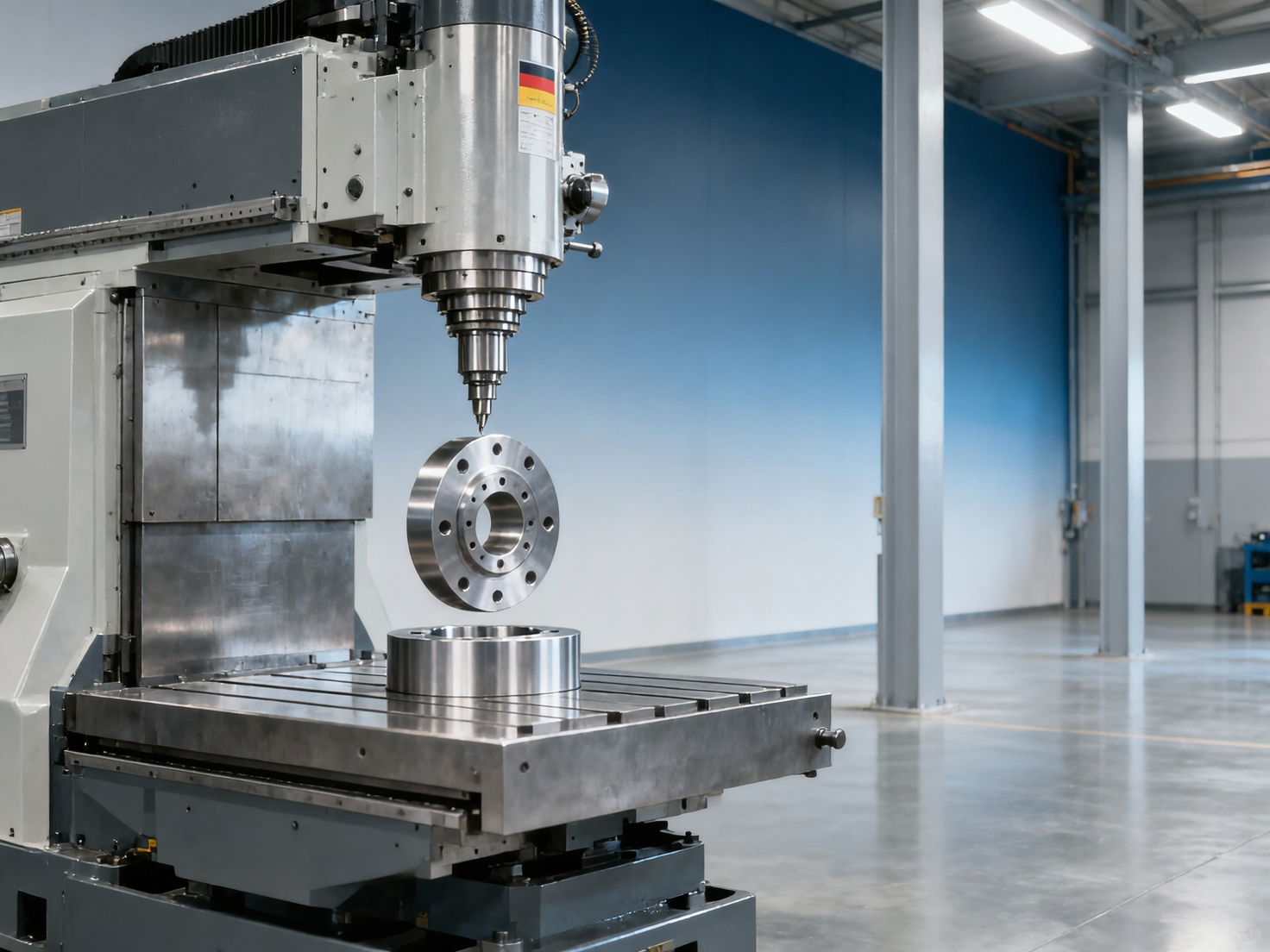
In Germany’s highly advanced manufacturing landscape, regional market insights are uncovering surprising demand for compact vertical lathes—driving new opportunities in metal machining and automated production. As industrial CNC systems evolve toward greater precision and flexibility, these space-efficient machines are gaining traction among SMEs and Tier-2 suppliers serving automotive, energy, and precision shaft parts sectors. This trend reflects broader shifts in the Machine Tool Market: tighter integration of CNC metalworking, vertical lathe innovation, and smart factory-ready automated lathe solutions. For procurement professionals, decision-makers, and CNC operators, understanding this localized demand is key to optimizing industrial automation strategies and global manufacturing supply chains.
Why Compact Vertical Lathes Are Resonating in German Regional Manufacturing Hubs
Germany’s manufacturing ecosystem is not monolithic—it’s a mosaic of specialized regional clusters. In Baden-Württemberg, over 62% of machine tool users operate facilities under 2,500 m², where floor space constraints directly impact equipment selection. Meanwhile, in Saxony and Thuringia, Tier-2 suppliers supporting automotive OEMs report a 38% average increase in orders for small-diameter precision discs and flanged components since Q3 2023—parts ideally suited for vertical turning geometry.
Unlike traditional horizontal lathes, compact vertical lathes (CVLs) offer inherent advantages for high-mix, low-to-medium volume production: gravity-assisted chip removal reduces coolant contamination by up to 45%, chuck-down loading cuts part setup time by 22–35 seconds per cycle, and integrated pallet changers enable unattended operation for 7–12 hours overnight. These operational efficiencies align precisely with the needs of German Mittelstand firms, where labor cost per hour averages €42.70 and machine uptime targets exceed 89%.
Regional data further confirms the shift: a 2024 survey of 147 German contract manufacturers found that 68% had evaluated or deployed at least one CVL in the past 18 months—primarily to replace aging horizontal units in tight cell layouts. Notably, 53% cited “reduced footprint without sacrificing rigidity” as their top selection criterion, ahead of spindle power or software features.
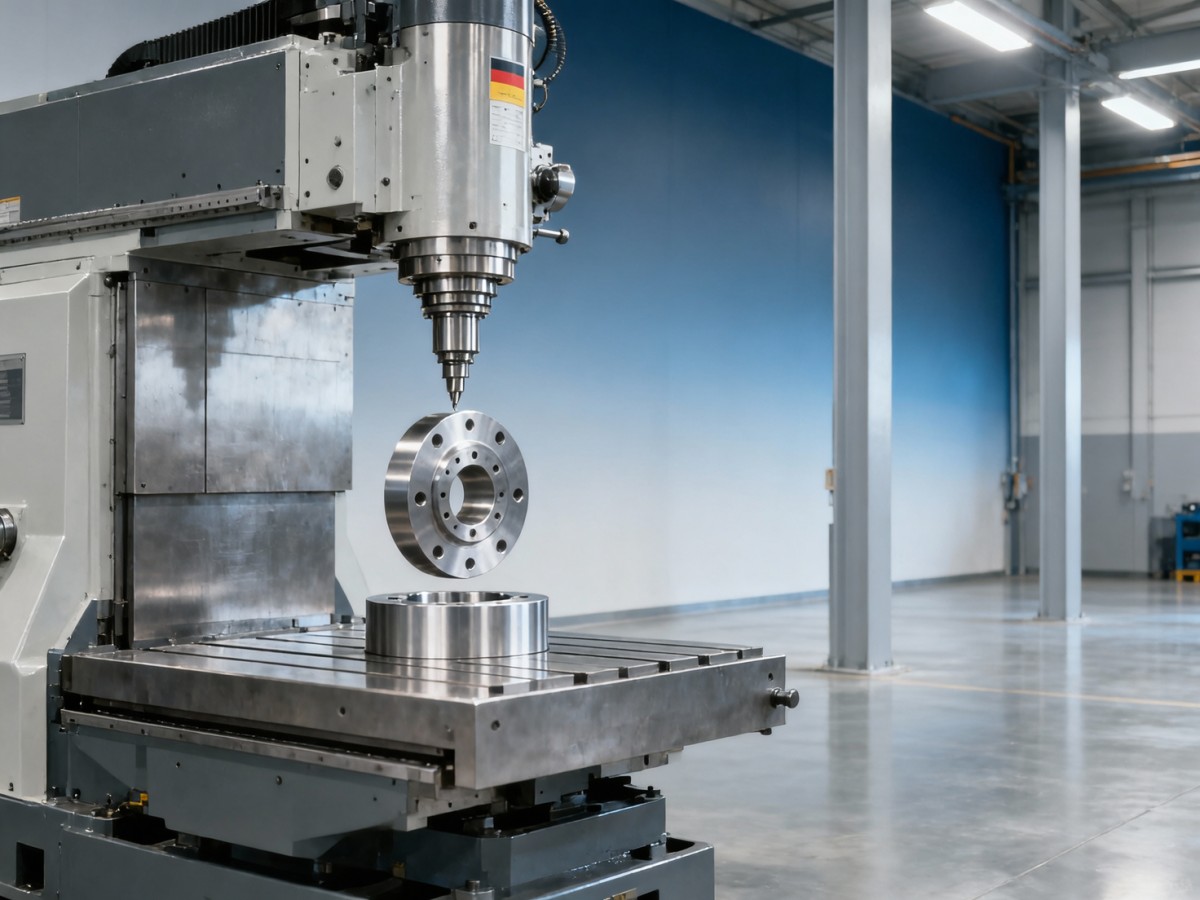
Key Technical Parameters Driving Procurement Decisions
When evaluating compact vertical lathes for German production environments, procurement teams prioritize parameters tied directly to integration readiness, process stability, and lifecycle cost—not just headline specs. Critical thresholds include maximum workpiece diameter (typically 300–600 mm), Z-axis travel (≥ 450 mm for disc-stack machining), and thermal drift compensation accuracy (±1.2 µm over 8-hour shifts). Spindle power ranges from 7.5 kW to 18.5 kW, with 92% of recent installations selecting dual-speed motors to cover both high-torque roughing and high-RPM finishing.
German buyers also emphasize compatibility with Industry 4.0 infrastructure. Over 87% require native OPC UA support, while 74% mandate ISO 230-2 compliance for geometric accuracy verification. Fixture repeatability must hold within ±0.008 mm across 500 clamping cycles—a non-negotiable for aerospace subcontractors supplying landing gear components.
This table reveals a clear progression: entry-level models meet basic DIN EN 10025 compliance for structural components, while mid-tier configurations satisfy VDA 6.3 process audit requirements for automotive Tier-1 suppliers. High-precision variants are increasingly specified for medical implant housings and turbine blade root forms requiring GD&T tolerances under Rz 0.8 µm.
Implementation Realities: From Installation to ROI Realization
Deploying a compact vertical lathe in Germany involves more than mechanical installation. Site preparation requires vibration isolation pads meeting DIN 4150-3 Class II standards, and electrical feed must deliver stable ±1.5% voltage regulation—even during local grid fluctuations common in rural Bavarian industrial parks. Commissioning typically spans 3–5 days, including laser alignment, thermal mapping, and operator certification on safety interlocks compliant with DGUV V3.
ROI timelines vary by application: for shaft collar producers in North Rhine-Westphalia, payback averages 14 months due to 27% higher throughput versus legacy horizontal units. Energy-intensive forging shops in Saarland achieve ROI in under 11 months by eliminating secondary handling between turning and balancing stations—enabled by CVL-integrated dynamic balancing modules.
Maintenance protocols reflect German expectations for longevity. Leading CVL suppliers now offer predictive service packages featuring vibration spectrum analysis every 250 operating hours, with spare-part lead times guaranteed at ≤ 72 hours for critical items like hydraulic chucks and rotary encoders. Preventive maintenance intervals are extended to 1,200 hours—up from 800 hours just three years ago—thanks to improved bearing preload monitoring algorithms.
Procurement Checklist for German-Based Buyers
To avoid costly misalignment between specification and operational reality, German procurement professionals should verify the following before finalizing any CVL purchase:
- Factory acceptance test (FAT) includes full-load thermal drift validation over 8 consecutive hours—not just cold-start calibration.
- Software license covers both current OS version and two subsequent major updates (minimum 36-month coverage).
- Local technical support includes certified engineers fluent in German with ≤ 4-hour onsite response SLA for critical faults.
- Machine base design accommodates retrofitting of optional Y-axis milling capability within existing footprint.
- Documentation package includes bilingual (DE/EN) CE declaration, risk assessment per EN ISO 12100, and cybersecurity statement aligned with IEC 62443-4-2.
This weighted checklist reflects real-world priorities observed across 89 procurement decisions in 2023–2024. Thermal stability ranks highest because inconsistent expansion behavior undermines repeatability—especially critical when producing components for wind turbine gearboxes, where cumulative error across 12-part batches must remain below ±0.015 mm.
Strategic Outlook: Beyond Equipment Acquisition
The rise of compact vertical lathes in Germany signals more than a product substitution—it represents a recalibration of production philosophy. Firms are shifting from “machine-centric” capacity planning to “part-flow-centric” cell design, where CVLs serve as anchor nodes in modular, reconfigurable cells. This enables rapid adaptation to changing OEM demands: a single CVL can switch between brake caliper carriers and EV motor stator cores in under 45 minutes using pre-programmed pallet setups.
For decision-makers, the implication is clear: CVL investment should be evaluated not only against unit cost but against its role in shortening total lead time, reducing WIP inventory (average reduction of 31% in pilot sites), and enabling qualification for new Tier-1 supplier programs requiring digital twin integration and real-time SPC reporting.
Understanding regional demand patterns isn’t about chasing trends—it’s about aligning capital expenditure with measurable improvements in process capability, workforce efficiency, and supply chain resilience. When selected and deployed with engineering rigor, compact vertical lathes become catalysts—not just tools—for next-generation German manufacturing competitiveness.
Explore tailored compact vertical lathe configurations validated for German regulatory, operational, and integration requirements. Request a site-specific feasibility assessment and ROI projection—including thermal modeling, MES interface validation, and operator certification pathways.
Recommended for You
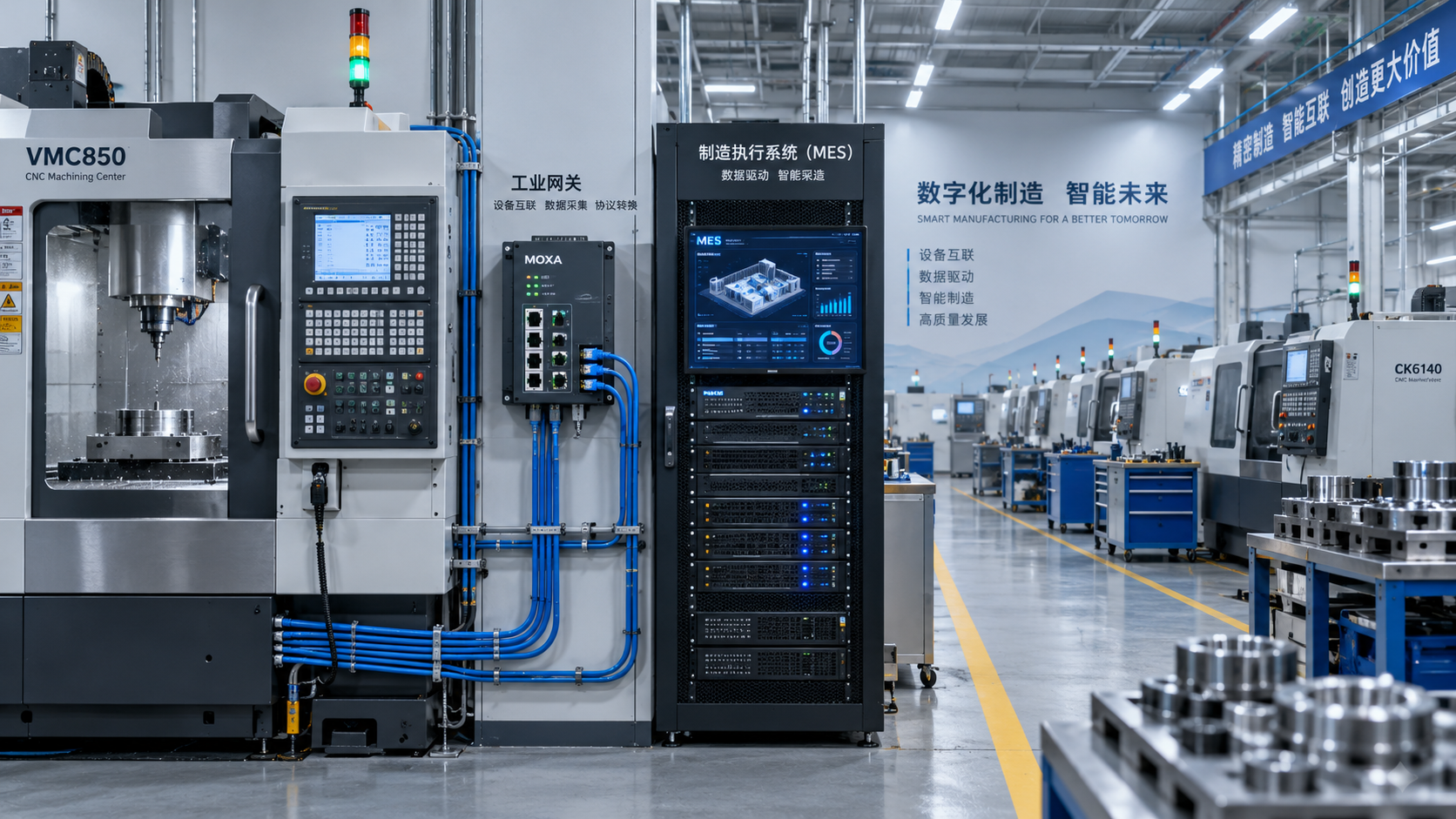
 Digital Manufacturing for Smart Factories: Connecting Legacy Machines to MESMachine Tool Industry Editorial Team
 How to Select a CNC Metal Lathe for Tight-Tolerance Shaft and Sleeve PartsCNC Machining Technology Center
 How to Select an Industrial Lathe for High-Volume Shaft ProductionMachine Tool Industry Editorial Team
 Selecting Machine Tools for Automotive Parts: Accuracy, Throughput, and AutomationMachine Tool Industry Editorial Team
 Industrial Machining: Selecting Processes for Tight-Tolerance Metal PartsCNC Machining Technology Center
 Manufacturing Technology Trends That Improve Throughput and Quality ControlManufacturing Market Research Center

Aris Katos
Future of Carbide Coatings
15+ years in precision manufacturing systems. Specialized in high-speed milling and aerospace grade alloy processing.
▶
Vietnam Ends CNC Import Cap, Tightens VKFTA ChecksGlobal Machine Tool Trade Research Center▶
Qingdao Backs Provincial Machine Tool ClusterGlobal Machine Tool Trade Research Center▶
India Weighs Tariff Relief for Localized Machine ToolsGlobal Machine Tool Trade Research Center▶
India Drafts Machine Tool Localization Incentive PlanGlobal Machine Tool Trade Research Center▶
India Imposes 20% Duty on Parboiled Rice ExportsGlobal Machine Tool Trade Research Center
Mastering 5-Axis Workholding Strategies
Join our technical panel on Nov 15th to learn about reducing vibrations in thin-wall components.

Providing you with integrated sanding solutions
Before-sales and after-sales services
Comprehensive technical support