• Global CNC market projected to reach $128B by 2028 • New EU trade regulations for precision tooling components • Aerospace deman
NYSE: CNC +1.2%LME: STEEL -0.4%

German Hydraulic Parts Plant Sale Signals Local Supply Shift

The timing of this transaction is not specified in the source material, but the sale of a precision machining business in Baden-Wurttemberg, Germany, is notable because it touches on issues that matter well beyond a single asset transfer: localized delivery capacity, authorized channel continuity, supplier qualification, and the practical compliance expectations attached to industrial sourcing in Europe. For companies involved in mobile hydraulics, component procurement, aftermarket distribution, and cross-border delivery, the key question is not only who may acquire the business, but how ownership change could affect technical approvals, sales authorization, documentation continuity, and customer acceptance in regulated or specification-driven supply chains.
What Has Been Confirmed About the Asset
According to the information provided, the business being offered for sale is a precision parts processor serving the mobile hydraulic systems field and located in Baden-Wurttemberg, Germany. Its machining scope focuses on metal components with diameters from 20 mm to 250 mm, including large-diameter CNC processing capability. The company has reportedly supplied global factory needs for major German industrial customers such as Bosch Rexroth and SMC over a long period. The offering includes a complete production line, a technical team, and authorized sales qualifications. The asset is presented as suitable for an international buyer seeking European local delivery capability and technical coordination through acquisition or strategic cooperation.
Why Procurement and Supply Rules Matter More in a Deal Like This
Supplier approval may become a practical issue for OEM buyers
From an industry perspective, buyers that rely on qualified hydraulic component suppliers may pay close attention to whether an ownership change affects approved vendor status, technical file continuity, or accepted sourcing channels. Even when production assets remain in place, procurement teams often need clarity on whether prior approvals, quality records, and contractual supply terms remain usable after a transaction. What deserves closer attention is the handover of qualification-related documents and whether customers require renewed review of the supplier profile.
Authorized distribution status can affect channel and aftersales execution
For distributors, service providers, and aftermarket participants, the reference to authorized sales qualifications is commercially relevant. Analysis shows that in many industrial supply settings, authorized channel status influences not only sales access but also warranty handling, replacement parts ordering, technical support expectations, and customer confidence in traceability. If a buyer is evaluating the asset for strategic expansion, one practical focus will be whether such authorization remains transferable, reviewable, or subject to renewed confirmation after the transaction.
Localized European delivery can reshape sourcing and trade planning
For export-oriented manufacturers and international sourcing teams, the offered combination of machining capacity, technical staff, and local European operations suggests a possible response to stricter delivery expectations, shorter lead-time demands, and procurement preference for regionally coordinated supply. Observably, this does not by itself confirm a new formal rule, but it does align with a wider execution signal in industrial markets: buyers increasingly value suppliers that can combine production, documentation, and customer interface within the same delivery region. That can influence order allocation, dual-sourcing plans, and supplier onboarding requirements.
Documentation and traceability remain central for cross-border supply
Supply chain service firms, inspection-related businesses, and procurement managers may also see this sale through the lens of documentation continuity. In machining-based industrial supply, changes in legal entity control or operating structure can affect how technical drawings, inspection records, process documentation, and product traceability are reviewed by customers. Analysis shows that companies engaging with the asset will likely need to examine how documentation is preserved and how any post-transaction handover is communicated to customers and channel partners.
What Companies Should Watch Before Treating This as a Ready-to-Use Platform
Review whether approvals and authorizations remain usable
Companies considering acquisition, partnership, or procurement engagement should verify how existing authorizations, customer approvals, and channel credentials are defined and maintained. The provided information confirms that authorized sales qualifications are part of the asset package, but it does not specify the exact scope, transfer conditions, or review requirements. For that reason, businesses should treat continuity as a point for confirmation rather than assumption.
Check technical files, quality records, and bid documents early
Where the business is used for OEM supply, replacement parts support, or project-based procurement, technical documentation may become as important as machine capacity. Buyers and commercial partners should pay attention to inspection records, process files, dimensional control evidence, and any specification alignment materials that support customer acceptance. If future tenders or framework purchases are involved, this documentation can influence whether the asset functions as an immediately deployable supply base or requires additional qualification work.
Assess delivery commitments alongside team retention
The asset reportedly includes a technical team, which may be material for continuity in machining know-how, customer communication, and issue resolution. What deserves closer attention is whether post-transaction delivery commitments, engineering support, and aftersales responsiveness remain stable during the transition. This is especially relevant where customers depend on recurring parts supply rather than one-off orders.
Monitor how customers interpret the transaction
Observably, customer response may matter as much as transaction structure. Even if production capability remains intact, some buyers may seek updated declarations, revised supplier records, or renewed commercial confirmation before treating the business as unchanged. Companies engaging with the asset should therefore watch for any shifts in customer qualification practice, document requests, or order release procedures.
How This Should Be Read at This Stage
Analysis shows that this development is better understood as an execution-level market signal than as proof of a newly published regulation. The more meaningful implication is that ownership, authorization, and local delivery capability are increasingly intertwined in industrial supply decisions. For market participants, the transaction highlights how procurement rules are often enforced through customer qualification, channel control, documentation review, and delivery expectations rather than through a single public policy announcement. That is why ongoing attention to implementation details remains important.
A Practical Reading for the Market
At present, it is more appropriate to understand this case as a sign that localized manufacturing capacity, technical continuity, and authorized sales access can carry compliance and trade value in European industrial supply chains. The confirmed facts are limited, and no final regulatory outcome can be inferred from the transaction alone. Still, for buyers, suppliers, and service partners in hydraulics-related manufacturing, the case is a useful reminder that asset transfers can affect qualification, delivery confidence, and commercial acceptance well before any formal market response becomes visible.
Basis of This Article and What Still Needs Verification
This article is based on the user-provided news title, the statement that the event time was not specified, and the supplied event summary. No specific official source link was provided in the input, so any official confirmation path still requires follow-up verification. For this type of transaction, relevant source categories may typically include company sale notices, regulatory disclosures, customs or trade authority information, industry association updates, standard or certification documentation, and reporting by established business or industrial media. What still needs ongoing observation includes any later official wording, the treatment of authorization status, customer qualification responses, tender document changes, certification interpretation, and actual execution feedback from the market.
Recommended for You
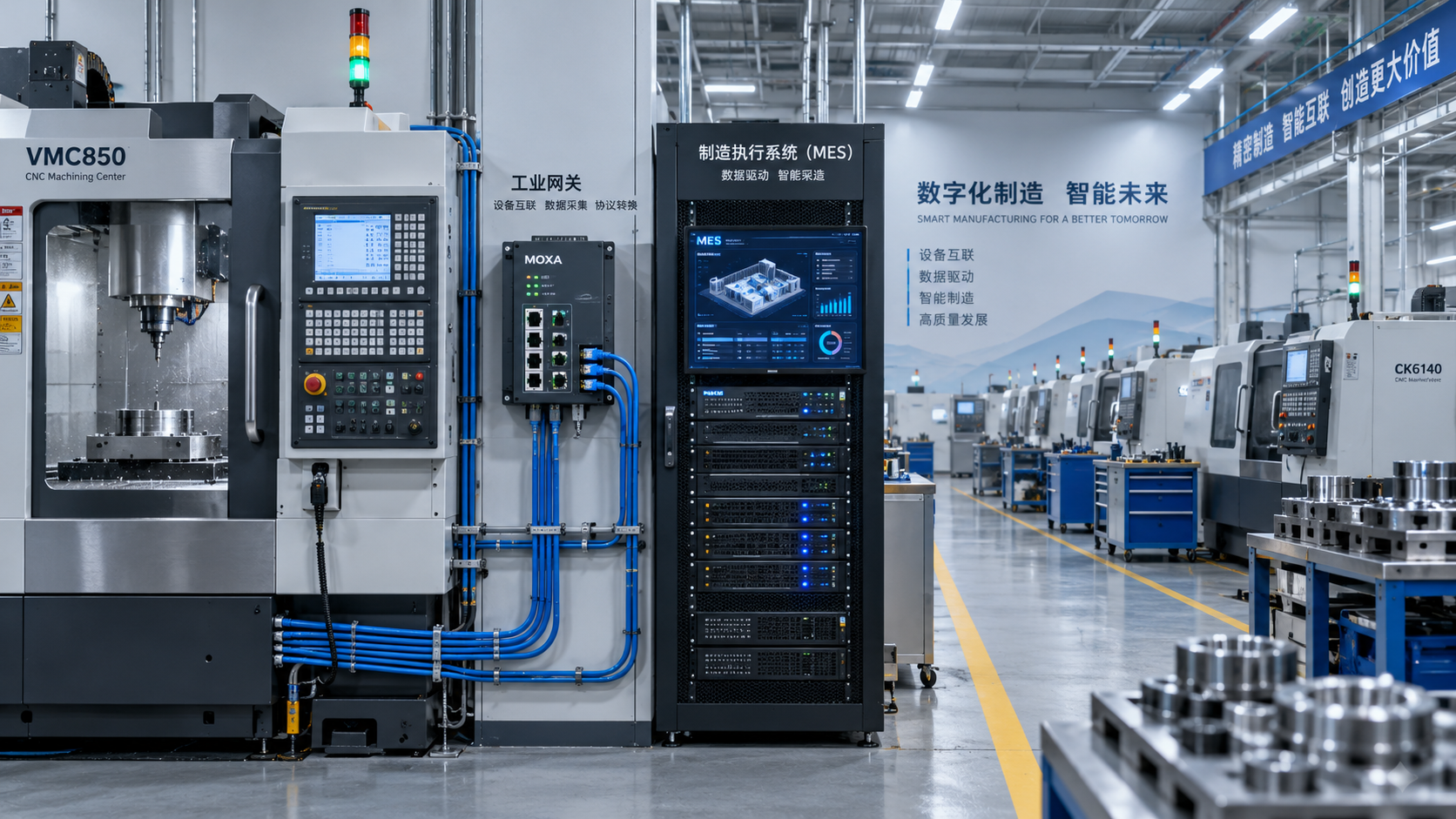
 Digital Manufacturing for Smart Factories: Connecting Legacy Machines to MESMachine Tool Industry Editorial Team
 How to Select a CNC Metal Lathe for Tight-Tolerance Shaft and Sleeve PartsCNC Machining Technology Center
 How to Select an Industrial Lathe for High-Volume Shaft ProductionMachine Tool Industry Editorial Team
 Selecting Machine Tools for Automotive Parts: Accuracy, Throughput, and AutomationMachine Tool Industry Editorial Team
 Industrial Machining: Selecting Processes for Tight-Tolerance Metal PartsCNC Machining Technology Center
 Manufacturing Technology Trends That Improve Throughput and Quality ControlManufacturing Market Research Center



Aris Katos
Future of Carbide Coatings
15+ years in precision manufacturing systems. Specialized in high-speed milling and aerospace grade alloy processing.
▶
Is CNC Machining Hub Better Than Local Shops for Prototyping?Machine Tool Industry Editorial Team▶
German Hydraulic Parts Plant Sale Signals Local Supply ShiftMachine Tool Industry Editorial Team▶
How to Evaluate a Machine Tool Factory: 7 Checks Before Requesting a QuoteMachine Tool Industry Editorial Team▶
Shenwei CNC Dual-Spindle Transfer Machine Passes TÜV Rheinland Production-Line Integration CertificationMachine Tool Industry Editorial Team▶
Delta NC5 Series Gains TÜV SIL3 Certification, Enters BMW Production ValidationMachine Tool Industry Editorial Team
Mastering 5-Axis Workholding Strategies
Join our technical panel on Nov 15th to learn about reducing vibrations in thin-wall components.

Providing you with integrated sanding solutions
Before-sales and after-sales services
Comprehensive technical support