• Global CNC market projected to reach $128B by 2028 • New EU trade regulations for precision tooling components • Aerospace deman
NYSE: CNC +1.2%LME: STEEL -0.4%

Manufacturing Technology Trends in Global Supply Chains: What Buyers Should Track
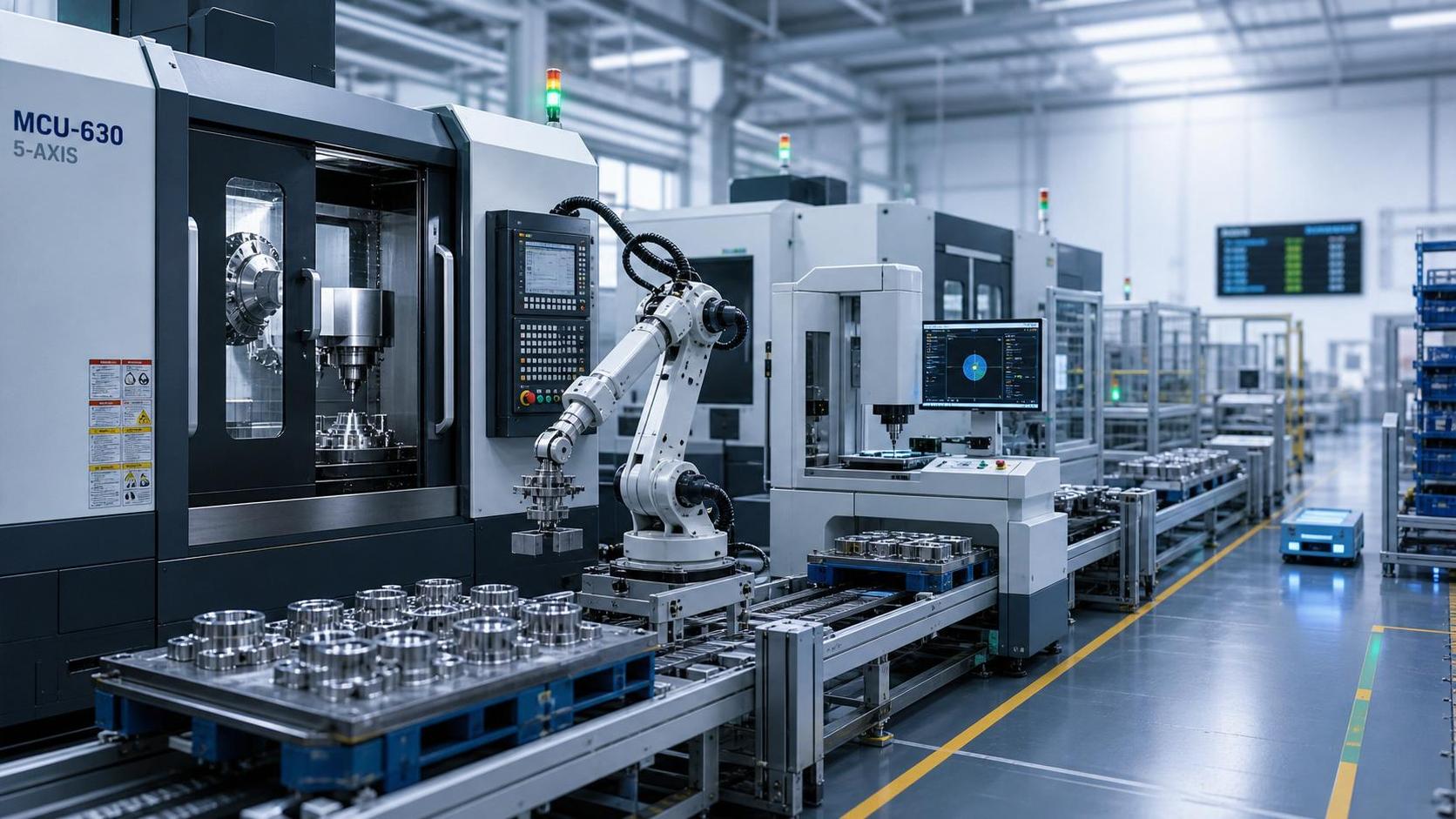
Why Manufacturing Technology Is Becoming a Supply Chain Signal
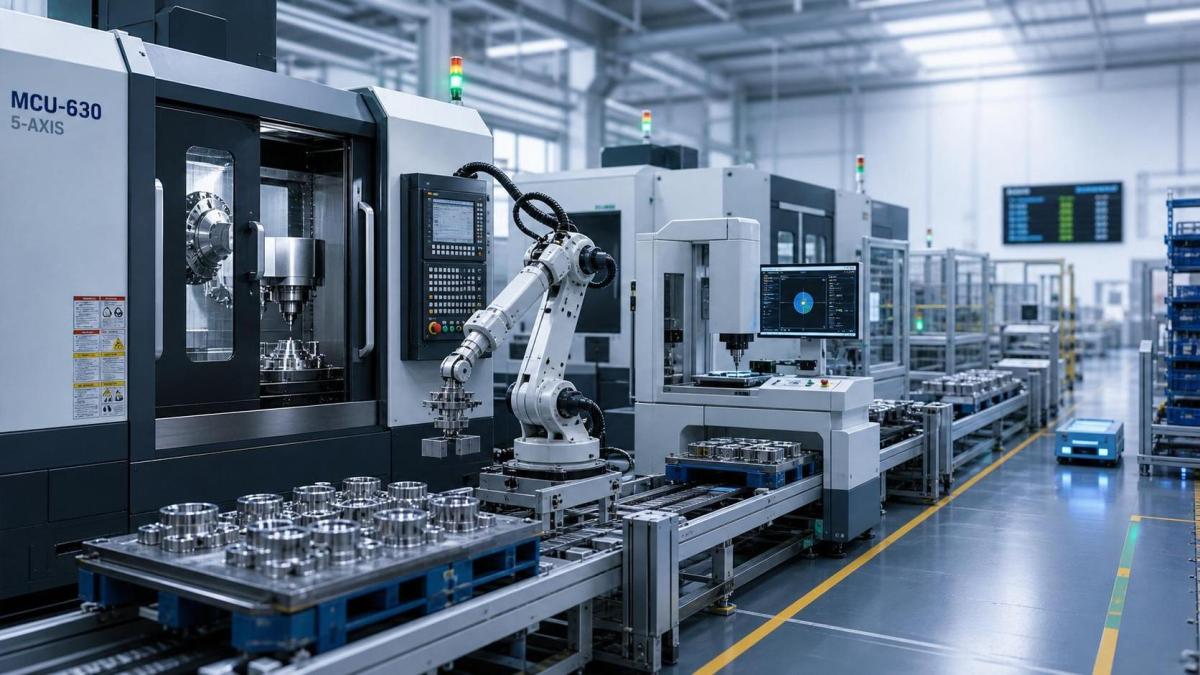
Manufacturing Technology is no longer a background topic in industrial sourcing. It now shapes how global supply chains perform under pressure, volatility, and rising quality expectations.
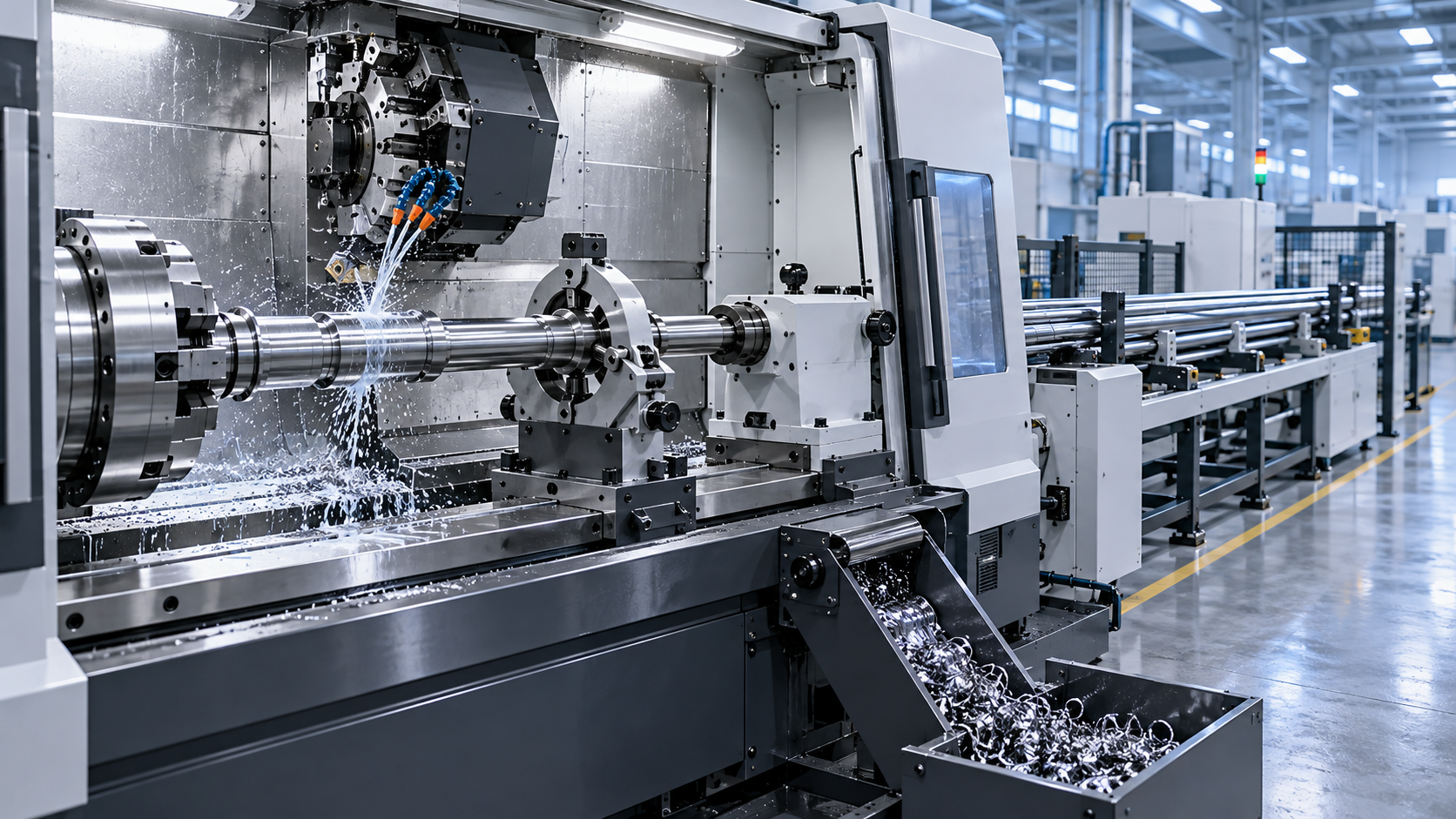
The shift is especially visible in CNC machining, precision machine tools, and automated production lines. These systems increasingly determine speed, repeatability, traceability, and delivery confidence.
What changed is not only the equipment itself. The real change is that technology maturity now influences supplier resilience as much as factory scale once did.
In sectors such as automotive, aerospace, electronics, and energy equipment, production complexity is rising. Parts are tighter in tolerance, batches are less predictable, and compliance expectations are higher.
That is why Manufacturing Technology has become a practical indicator of future supply chain strength. It reveals whether a supplier can adapt, not just whether it can produce today.
Several changes are now moving from niche to mainstream
From recent market behavior, one pattern is clear. Investment is shifting toward capabilities that reduce disruption rather than simply adding capacity.
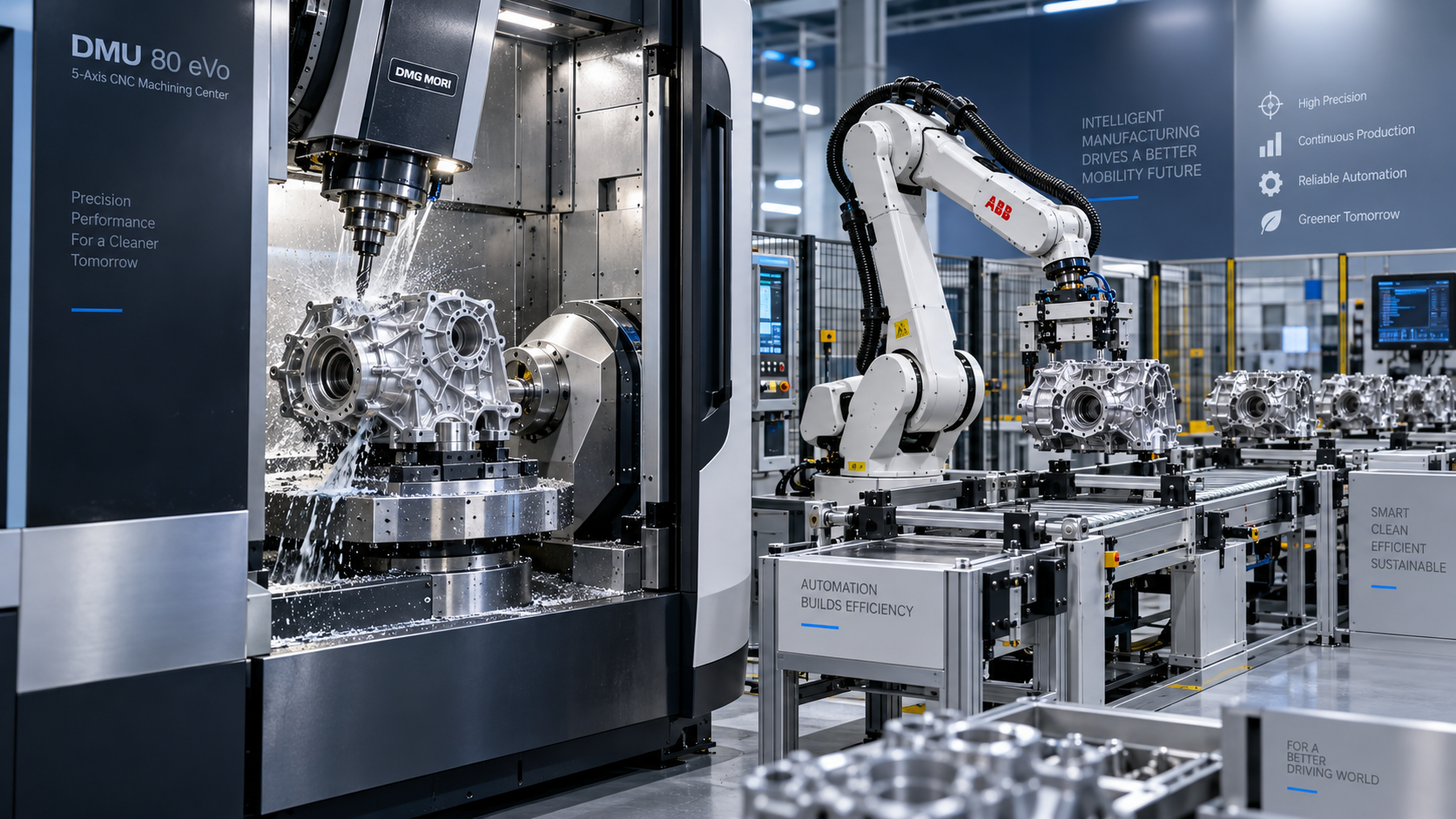
Multi-axis machining is a strong example. It shortens setups, improves geometric consistency, and supports complex parts that older process chains handle less efficiently.
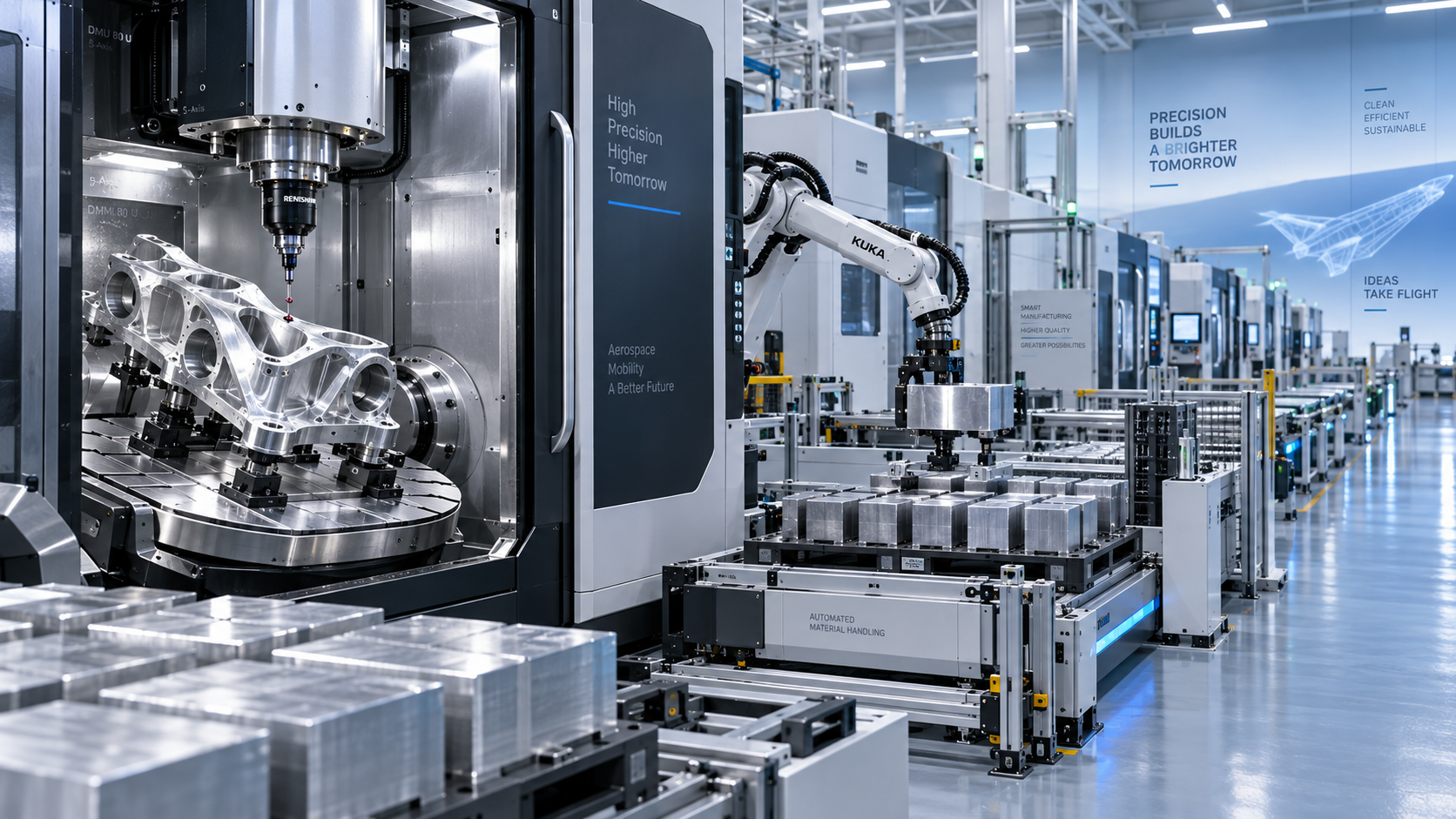
At the same time, CNC automation is expanding beyond high-volume programs. More facilities now apply robots, pallet systems, and unattended machining to mixed production environments.
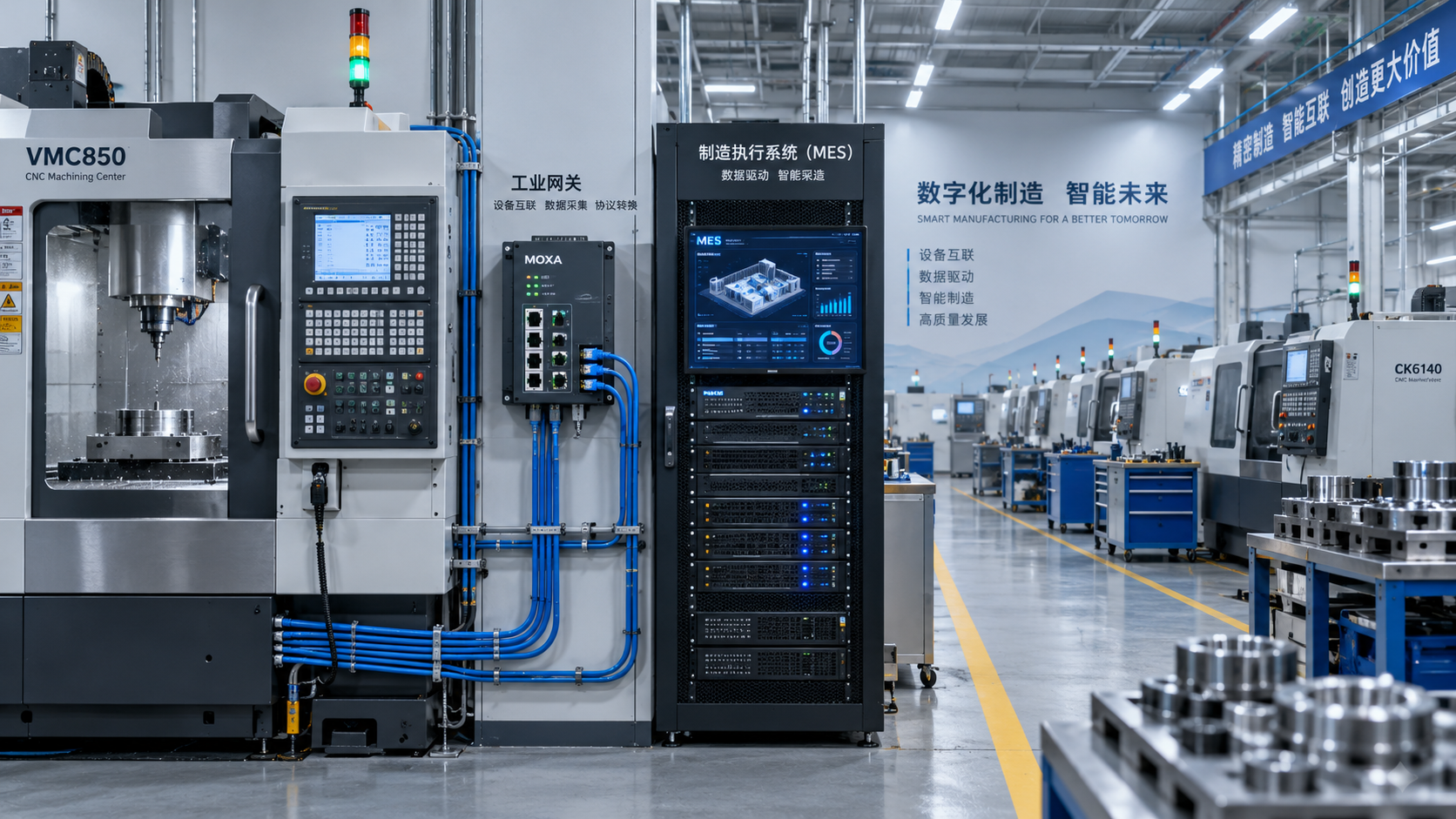
Smart factory tools are also becoming more practical. Sensors, machine monitoring, and connected planning systems are helping factories respond faster to material delays and schedule shifts.
A few years ago, these upgrades were often presented as innovation showcases. Today, they are increasingly tied to operating discipline and delivery credibility.
- More digital process control across machining, tooling, inspection, and assembly.
- Broader use of flexible cells instead of single-purpose production layouts.
- Higher demand for traceable quality data at part, batch, and machine level.
- Greater interest in suppliers with stable upgrade roadmaps, not one-time equipment purchases.
Why this trend is accelerating now
The drivers behind Manufacturing Technology are practical, not abstract. Global supply chains have become harder to predict, while customer expectations continue to tighten.
Labor availability is one factor. In many manufacturing regions, experienced operators and programmers are harder to secure, making automation a structural response rather than a temporary fix.
Another driver is part complexity. More products now require precision discs, shafts, housings, and structural components with tighter tolerances and more demanding surfaces.
There is also a regional dynamic. China, Germany, Japan, and South Korea continue to anchor strong machine tool ecosystems, but competition is no longer based only on manufacturing cost.
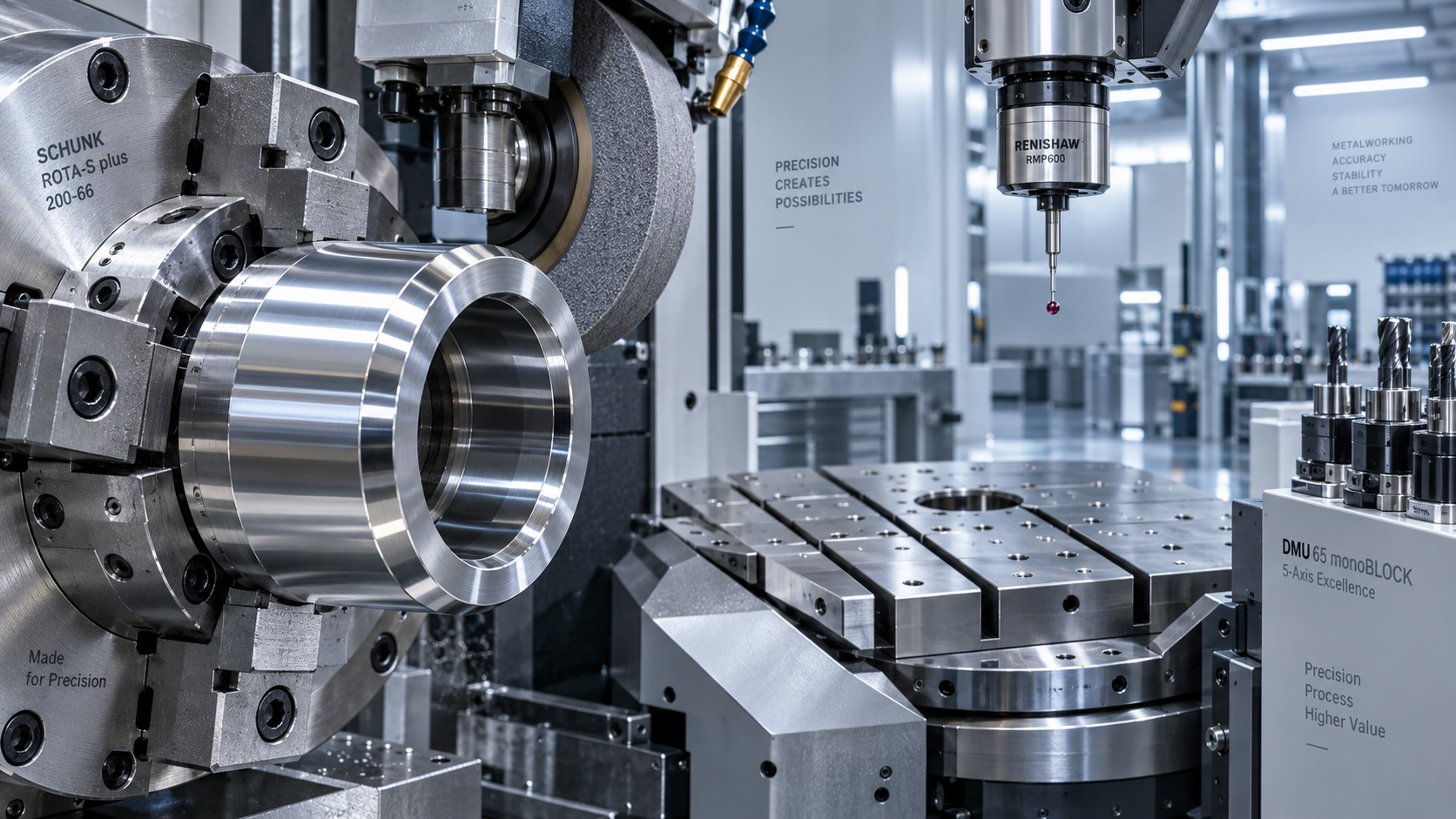
The stronger signal is technology integration. Suppliers that connect machine tools, cutting tools, fixtures, inspection systems, and planning software usually manage variation more effectively.
The impact reaches beyond the shop floor
It is tempting to view Manufacturing Technology as an engineering issue. In practice, its effects show up across commercial evaluation, risk assessment, and long-term supplier strategy.
Cost is one example. Advanced equipment can raise capital intensity, but it often lowers hidden costs linked to scrap, rework, slow changeovers, and unstable throughput.
Lead time is another. A factory with flexible production lines and connected planning tools usually absorbs schedule changes better than a site dependent on manual coordination.
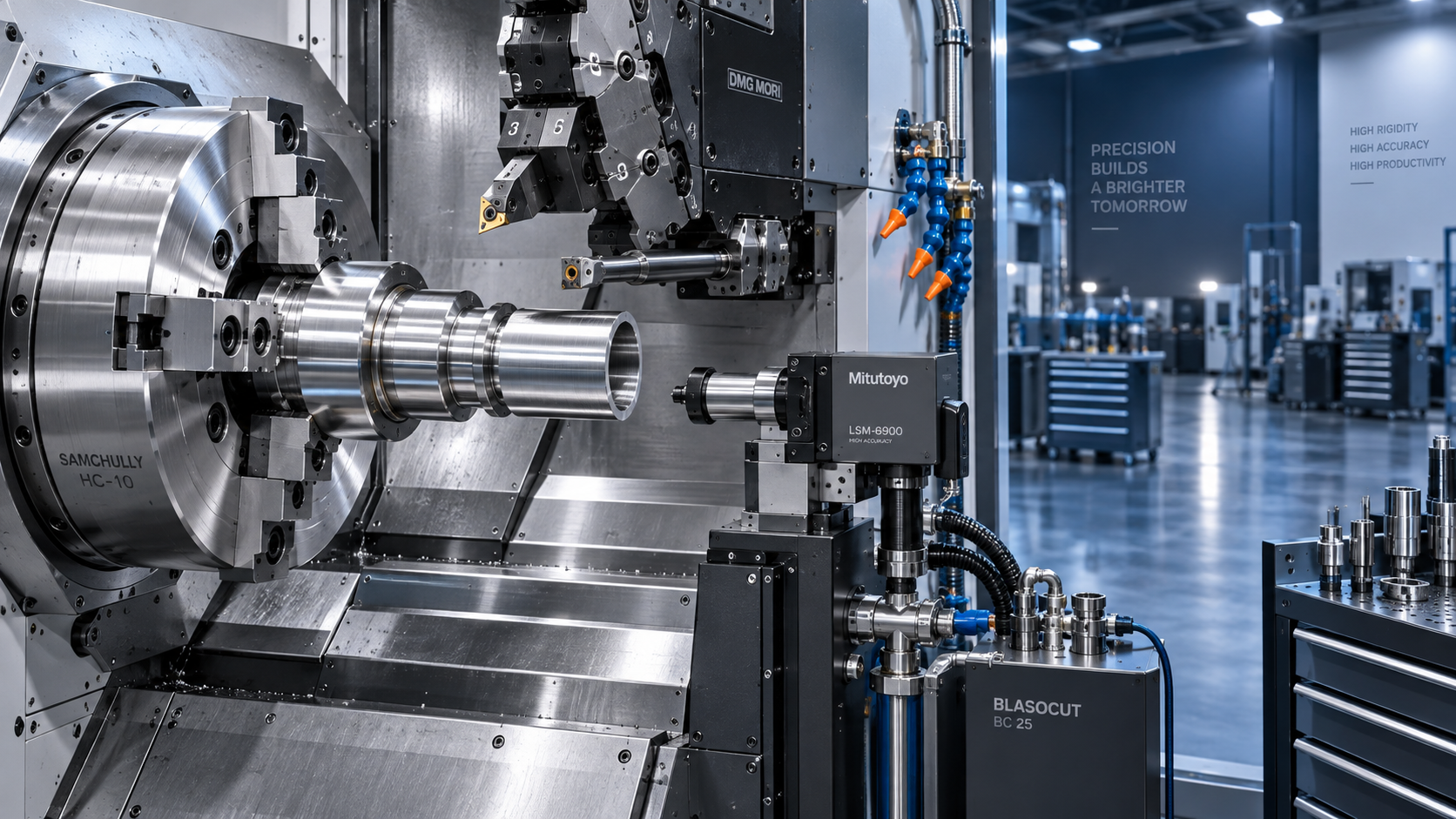
Quality also changes in a more structural way. The combination of machine precision, tool management, fixture design, and in-process data collection supports repeatability over longer production cycles.
More worth noting is the resilience effect. Suppliers with stronger Manufacturing Technology foundations often recover faster when materials shift, specifications change, or demand patterns move unexpectedly.
Where the differences become visible
- Complex prototypes move faster from drawing to verified process route.
- Medium-volume orders maintain quality without excessive manual intervention.
- Engineering changes create less disruption across tooling and programming.
- Cross-border production transfers become easier when processes are digitally documented.
What deserves closer attention when comparing suppliers
The market now rewards a more detailed reading of manufacturing capability. Stated capacity matters less than how that capacity is organized, measured, and upgraded.
A modern CNC workshop may look impressive on paper, yet the real question is whether its systems work together. Fragmented equipment often creates avoidable gaps in consistency.
For that reason, Manufacturing Technology should be evaluated through operating evidence. This includes process stability, programming depth, maintenance discipline, and inspection integration.
In actual business reviews, the strongest signals are usually specific rather than broad. They show up in cycle time predictability, tooling control, and the ability to handle part variation cleanly.
- Check whether multi-axis machining is used for real process simplification, not marketing display.
- Look for links between CNC machines, measurement systems, and production planning software.
- Review how fixtures, cutting tools, and automation cells support repeat jobs.
- Ask how the factory handles low-volume, high-mix demand without losing control.
- Compare upgrade direction, not only current equipment inventory.
The next phase will favor connected precision over isolated capacity
The next stage of Manufacturing Technology will not be defined only by faster machines. It will be defined by how precision, automation, software, and workflow intelligence operate as one system.
This matters because global supply chains are unlikely to return to a simpler pattern. Regional diversification, compliance pressure, and shorter product cycles will keep testing manufacturing adaptability.
That creates a clearer dividing line. Suppliers with connected precision capabilities are more likely to protect margins, maintain quality, and support program changes with less disruption.
Those relying on isolated capacity may still compete on unit price, but they often struggle when tolerance demands rise or schedules become unstable.
A practical next step is to build a structured view of Manufacturing Technology across key suppliers. Focus on digital integration, machining flexibility, traceability depth, and upgrade momentum.
From there, it becomes easier to compare not just who can supply now, but who is likely to remain competitive as supply chain conditions keep changing.
Recommended for You
 Digital Manufacturing for Smart Factories: Connecting Legacy Machines to MESMachine Tool Industry Editorial Team
 How to Select a CNC Metal Lathe for Tight-Tolerance Shaft and Sleeve PartsCNC Machining Technology Center
 How to Select an Industrial Lathe for High-Volume Shaft ProductionMachine Tool Industry Editorial Team
 Selecting Machine Tools for Automotive Parts: Accuracy, Throughput, and AutomationMachine Tool Industry Editorial Team
 Industrial Machining: Selecting Processes for Tight-Tolerance Metal PartsCNC Machining Technology Center
 Manufacturing Technology Trends That Improve Throughput and Quality ControlManufacturing Market Research Center

Aris Katos
Future of Carbide Coatings
15+ years in precision manufacturing systems. Specialized in high-speed milling and aerospace grade alloy processing.
▶
Manufacturing Technology Trends That Improve Throughput and Quality ControlManufacturing Market Research Center▶
Global Manufacturing Trends: How Supply Chains and Regional Shifts Affect SourcingManufacturing Market Research Center▶
Small-Batch Production and Smart Manufacturing for Small Businesses: Where to Start FirstManufacturing Market Research Center▶
What Smart Manufacturing Technology for Industry 4.0 Means for Mid-Sized FactoriesManufacturing Market Research Center▶
How Smart Manufacturing Benefits Reduce Downtime and Scrap in Metal Parts ProductionManufacturing Market Research Center
Mastering 5-Axis Workholding Strategies
Join our technical panel on Nov 15th to learn about reducing vibrations in thin-wall components.

Providing you with integrated sanding solutions
Before-sales and after-sales services
Comprehensive technical support