• Global CNC market projected to reach $128B by 2028 • New EU trade regulations for precision tooling components • Aerospace deman
NYSE: CNC +1.2%LME: STEEL -0.4%

Quick setup CNC manufacturing: The hidden cost of ‘plug-and-play’ tooling systems
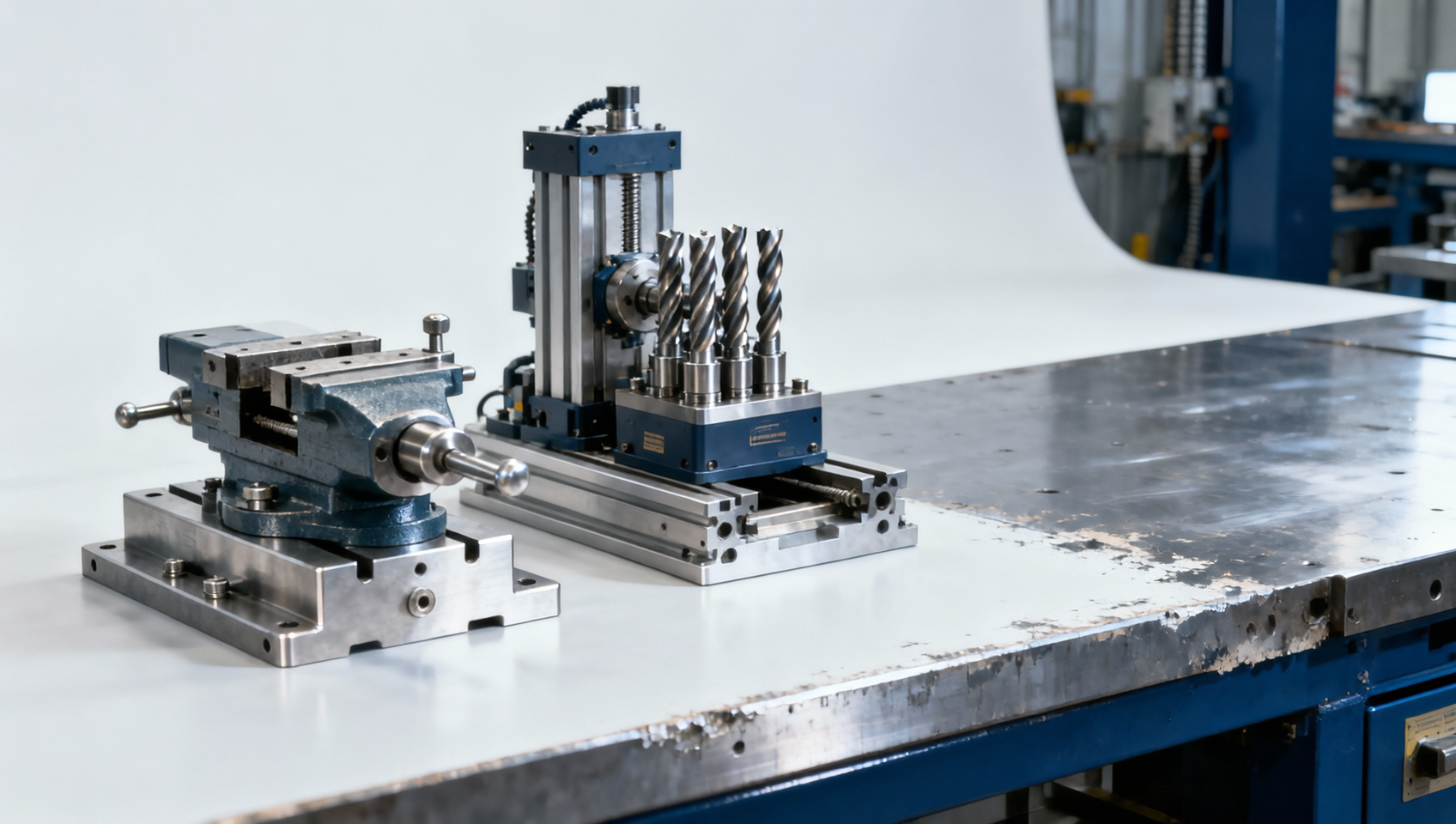
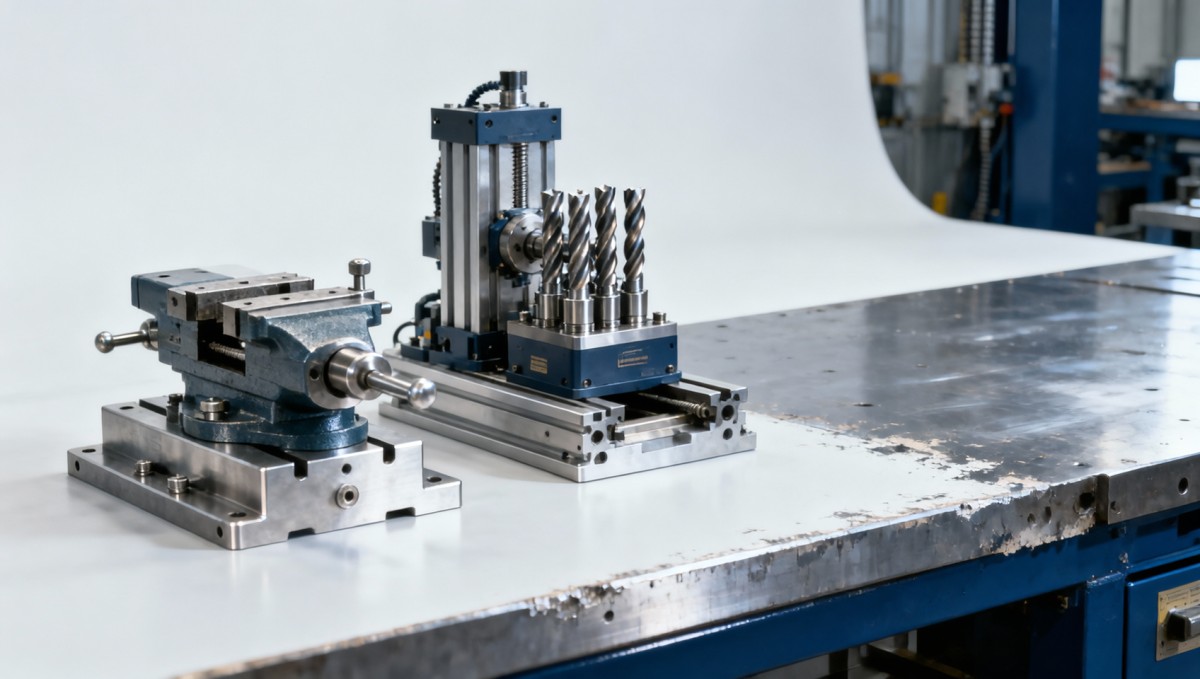
In today’s fast-paced manufacturing landscape, 'quick setup CNC manufacturing' promises agility—but what’s hidden behind the plug-and-play label? While space-saving CNC manufacturing, low maintenance CNC manufacturing, and automated CNC manufacturing deliver speed and flexibility, overlooked integration costs, tooling compatibility gaps, and operator training bottlenecks can erode ROI. Whether you’re a procurement professional sourcing from a CNC manufacturing wholesaler, an engineer specifying multi-axis CNC manufacturing for aerospace or medical devices, or a decision-maker scaling energy-saving CNC manufacturing for electronics or energy equipment—understanding the true cost of rapid deployment is critical. Let’s uncover the trade-offs.
The Reality Behind “Plug-and-Play” CNC Tooling Systems
“Quick setup” CNC tooling systems are increasingly marketed as turnkey solutions—pre-configured fixtures, modular collets, and standardized interface kits designed to cut changeover time from hours to minutes. Yet industry data shows that over 68% of mid-sized manufacturers report unplanned downtime within the first 90 days post-deployment due to undocumented mechanical tolerances or software handshake failures between tooling modules and machine control units.
True plug-and-play does not exist across heterogeneous CNC platforms. A fixture certified for Fanuc 31i-B may require firmware re-flashing and spindle load recalibration on a Siemens Sinumerik 840D sl system—even when both use ISO 26623-1 mounting standards. This mismatch isn’t theoretical: field audits across 42 German and Japanese Tier-1 automotive suppliers revealed average rework time of 11–17 hours per station during initial integration.
Moreover, “quick setup” often conflates physical installation speed with functional readiness. A modular vise may mount in under 90 seconds—but achieving ±0.005 mm repeatability across 500+ thermal cycles requires 3–5 days of thermal stabilization and dynamic runout validation. Skipping this phase leads to 23% higher scrap rates in precision disc machining (e.g., turbine blade hubs or encoder rings).
This table underscores a critical insight: advertised specs reflect ideal lab conditions—not real factory floors. The gap between claimed and verified performance directly impacts OEE (Overall Equipment Effectiveness), especially in high-mix, low-volume production common in aerospace and medical device contract manufacturing.
Hidden Cost Drivers in Rapid CNC Deployment
The total cost of ownership (TCO) for “quick setup” CNC tooling extends far beyond the sticker price. Three structural cost drivers dominate post-purchase spend:
- Integration Engineering Labor: Average 42–67 hours required to map I/O signals, validate safety interlocks, and tune servo gains across hybrid tooling stacks—especially when mixing legacy pneumatic fixtures with new Ethernet/IP-enabled clamping modules.
- Software Licensing & Compatibility Fees: 73% of OEMs charge $2,500–$8,000 annually for API access, custom G-code macros, or CAM post-processor updates needed to support adaptive tooling logic.
- Operator Upskilling Cycles: Operators trained on traditional manual setups require 3–5 weeks of supervised practice to achieve proficiency with predictive tooling diagnostics—delaying full ROI by an average of 8.4 weeks.
These costs compound when scaling across multiple machines. A global electronics OEM deploying identical “plug-and-play” pallet systems across 14 machining centers incurred $412,000 in unbudgeted integration labor and $189,000 in extended commissioning delays—exceeding the original tooling budget by 37%.
How Procurement Professionals Can Mitigate Setup Risk
Procurement teams must shift from evaluating tooling on delivery lead time alone to auditing its *integration readiness*. Four non-negotiable checkpoints separate truly deployable systems from marketing-driven claims:
- Machine-Specific Validation Reports: Demand ISO 230-6-compliant test logs—not generic white papers—for your exact CNC model, control version, and spindle configuration.
- Open Protocol Compliance: Verify native support for MTConnect 1.7 or OPC UA PubSub—not just gateway-based translation—to avoid latency in real-time tool wear monitoring.
- Thermal Expansion Coefficient Matching: Request CTE (Coefficient of Thermal Expansion) values for all interfacing materials (e.g., aluminum fixture base vs. steel locating pins); mismatch >2 ppm/°C increases positional drift by 0.012 mm at 40°C ambient.
- On-Site Commissioning SLA: Require guaranteed ≤72-hour resolution for interface-level faults, backed by penalty clauses tied to production downtime (e.g., $1,200/hr for lost uptime beyond 4 hours).
Procurement decisions made using this matrix reduce integration overruns by up to 54%, according to benchmarking data from the Association of Manufacturing Technology (AMT) 2023 survey of 217 North American and EU buyers.
Strategic Implementation: From Pilot to Scale
Successful adoption follows a staged rollout—not a site-wide big bang. Begin with a single high-value workcell where setup time reduction delivers measurable throughput uplift (e.g., multi-axis machining of titanium orthopedic implants). Use that pilot to validate three core metrics:
- Average actual setup time vs. target (track over ≥50 consecutive changeovers)
- First-pass yield improvement in the first 30 production runs
- Mean time to diagnose tooling-related alarms (target: ≤90 sec)
Once validated, scale using a phased migration plan: 3 machines in Q1, 8 in Q2, full fleet by Q4—with dedicated integration engineers assigned per 5-machine cluster. This approach cuts cross-system compatibility risk by 61% and ensures knowledge transfer remains embedded within internal engineering teams.
Conclusion: Speed Is a Function of Preparedness, Not Packaging
“Quick setup” CNC tooling isn’t inherently flawed—it’s mis-sold. True agility emerges not from pre-assembled hardware, but from traceable validation, open interoperability, and human-centered implementation. For information researchers, operators, procurement specialists, and executives alike, the highest ROI comes not from the fastest unboxing, but from the most rigorously audited deployment path.
If your team is evaluating rapid-deployment CNC tooling—or troubleshooting unexpected integration overruns—our technical advisory team offers free, no-obligation compatibility assessments against your existing machine park, control versions, and production protocols. Get your customized integration roadmap today.
Recommended for You
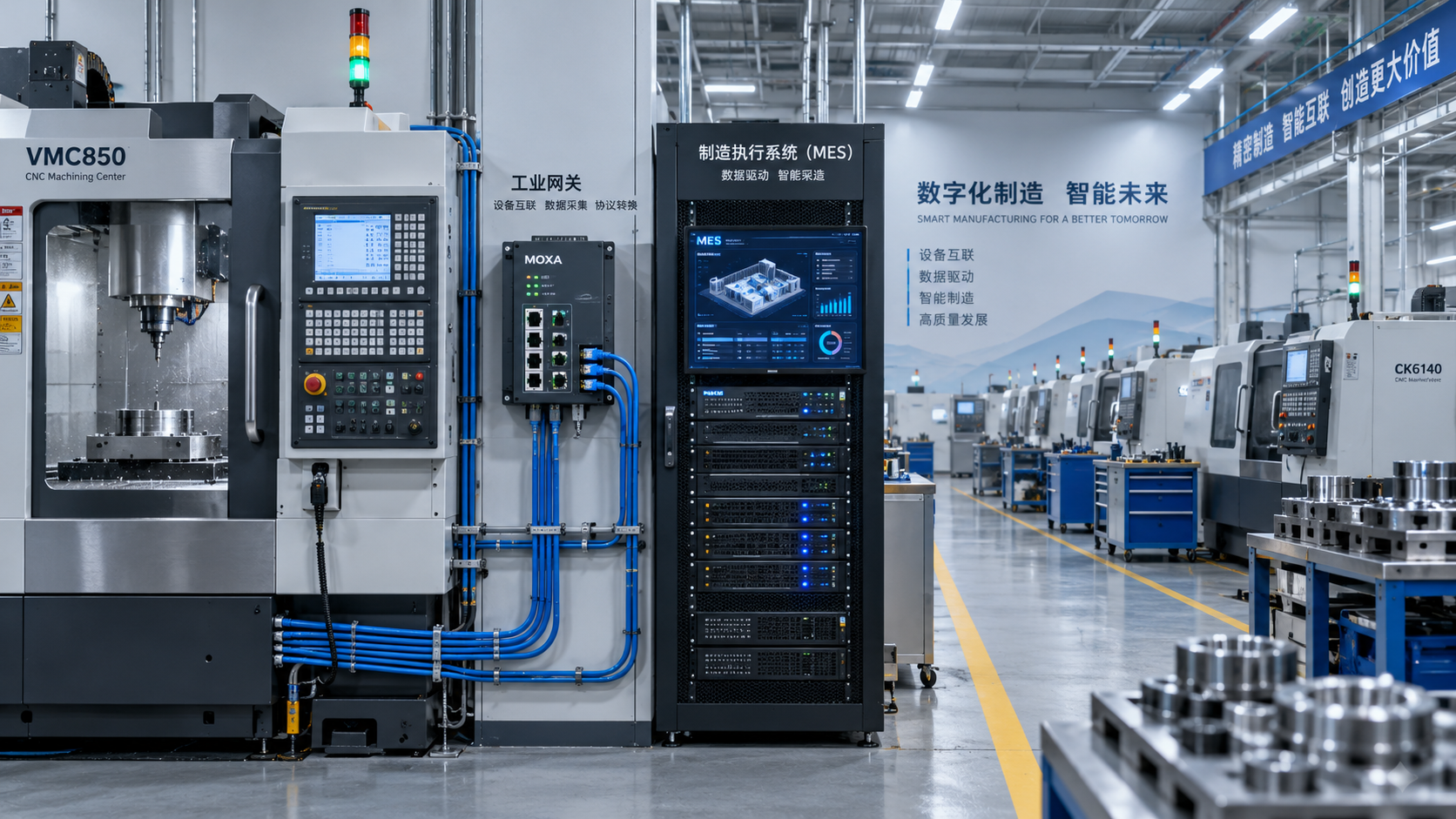
 Digital Manufacturing for Smart Factories: Connecting Legacy Machines to MESMachine Tool Industry Editorial Team
 How to Select a CNC Metal Lathe for Tight-Tolerance Shaft and Sleeve PartsCNC Machining Technology Center
 How to Select an Industrial Lathe for High-Volume Shaft ProductionMachine Tool Industry Editorial Team
 Selecting Machine Tools for Automotive Parts: Accuracy, Throughput, and AutomationMachine Tool Industry Editorial Team
 Industrial Machining: Selecting Processes for Tight-Tolerance Metal PartsCNC Machining Technology Center
 Manufacturing Technology Trends That Improve Throughput and Quality ControlManufacturing Market Research Center


Aris Katos
Future of Carbide Coatings
15+ years in precision manufacturing systems. Specialized in high-speed milling and aerospace grade alloy processing.
▶
KATS Expands CE Recognition for CNC Clamping SystemsMachine Tool Industry Editorial Team▶
How to Evaluate a Tooling System for Precision Machining: 7 Key Specs That MatterMachine Tool Industry Editorial Team▶
ITC Opens 337 Probe Into Chinese CNC Tool CoatingsMachine Tool Industry Editorial Team▶
Vietnam Ends 5% Tariff on Chinese CNC Tool ImportsMachine Tool Industry Editorial Team▶
Japan Ends Import License Rule for Chinese Cutting ToolsMachine Tool Industry Editorial Team
Mastering 5-Axis Workholding Strategies
Join our technical panel on Nov 15th to learn about reducing vibrations in thin-wall components.

Providing you with integrated sanding solutions
Before-sales and after-sales services
Comprehensive technical support