• Global CNC market projected to reach $128B by 2028 • New EU trade regulations for precision tooling components • Aerospace deman
NYSE: CNC +1.2%LME: STEEL -0.4%

Southeast Asia CNC Tool Imports Rise 12.3% in Q1

On March 31, 2026, the latest figures cited from the International Mold & Machine Tool Association (IMMA) showed that CNC tool import volume increased 12.3% year on year in the first quarter of 2026, with Vietnam and Indonesia posting the fastest growth. For companies involved in tooling trade, component manufacturing, procurement, and industrial supply services, this matters because the increase is tied to new production capacity in electronics assembly and new energy vehicle parts, which is pushing up demand for mid- to high-end consumables such as carbide end mills and CBN turning tools.
What the Q1 import data confirms
According to the information provided, global CNC tool import volume rose 12.3% year on year in the first quarter of 2026. Within that movement, Vietnam recorded 28.6% growth and Indonesia 21.1%, making them the leading growth markets in the reported period. The stated driver was the concentrated launch of local electronics assembly plants and new energy vehicle component factories, which increased demand for higher-value tooling categories including carbide end mills and CBN turning tools.
Why the shift matters across the supply chain
Tool traders and import-oriented distributors face a changing demand mix
From an industry perspective, these figures suggest that demand growth is not only about higher tool volumes, but also about a stronger pull for more advanced consumables. For trading companies and distributors, the immediate impact is likely to show up in product mix, stocking priorities, and customer inquiry patterns, especially where buyers are moving beyond general-purpose tools toward more application-specific options.
Manufacturers and contract processors may see pressure on tooling readiness
Analysis shows that factories serving electronics assembly and new energy vehicle parts production are likely to be the most directly exposed to this change. The practical impact may appear in machining preparation, tooling replacement planning, and consistency of supply for critical consumables. What deserves closer attention is whether purchasing teams are equipped to match tool selection with fast-ramping production schedules.
Supply chain service providers need to watch delivery rhythm and documentation flow
For logistics coordinators, sourcing service firms, and related supply chain operators, a faster import cycle in Vietnam and Indonesia can affect delivery planning, order visibility, and communication with downstream buyers. Observably, when demand rises in mid- to high-end tool categories, the sensitivity around lead time, specification accuracy, and supporting documents can also increase, even when the headline data only reports import growth.
What companies should monitor now
Keep a close eye on the fastest-growing product categories
Based on the reported facts, carbide end mills and CBN turning tools are the categories most directly linked to the current demand increase. Companies should therefore focus less on broad market assumptions and more on whether these specific products are seeing sustained inquiry, shorter replenishment windows, or tighter supply coordination.
Separate headline growth from actual order execution
Analysis shows that a rise in import volume does not automatically mean all market participants will benefit equally. Businesses should pay attention to how demand converts into actual orders, delivery schedules, and repeat purchasing behavior in Vietnam and Indonesia, rather than treating the quarterly growth figure as a complete indicator of market depth.
Review supplier readiness and transaction support details
What deserves closer attention is operational readiness around supplier qualifications, product specifications, shipment documents, and fulfillment timing. Where customers are expanding production quickly, even minor gaps in technical confirmation or delivery coordination can become more visible.
Maintain clear communication with downstream customers
For sellers and service providers, the current signal makes customer communication more important in areas such as tool grade selection, expected delivery cycles, and replacement planning. Observably, markets that are adding manufacturing capacity quickly often require faster alignment between procurement and application needs.
How this signal should be read at this stage
Analysis shows that this development is more appropriately understood as an important market signal rather than a fully settled long-term conclusion. The available information clearly points to stronger Q1 import demand and identifies electronics assembly and new energy vehicle parts production as the immediate drivers. At the same time, whether this becomes a lasting structural shift still depends on how consistently these demand patterns continue beyond the reported quarter.
A measured takeaway for the industry
The current update indicates that Southeast Asia, particularly Vietnam and Indonesia, is becoming more important in the near-term demand map for CNC tools, especially in mid- to high-end consumables. It is more appropriate to understand this as a meaningful directional signal with practical implications for sourcing, inventory, and customer support, while still leaving room for continued observation before drawing broader conclusions about long-term market structure.
Source basis and follow-up points
This article is generated based on the user-provided news title, event date, and event summary. Source types commonly relevant to this kind of industry update may include association releases, official announcements, company disclosures, authoritative media reporting, and standards-related documents. A specific official source link was not provided in the input, so the underlying release and any follow-up updates still require continued verification. Areas worth tracking next include whether subsequent official statements add detail on market composition, whether demand in Vietnam and Indonesia remains concentrated in the same tooling categories, and whether the current Q1 pattern continues in later periods.
PREVIOUS ARTICLE
NEXT ARTICLE
Recommended for You
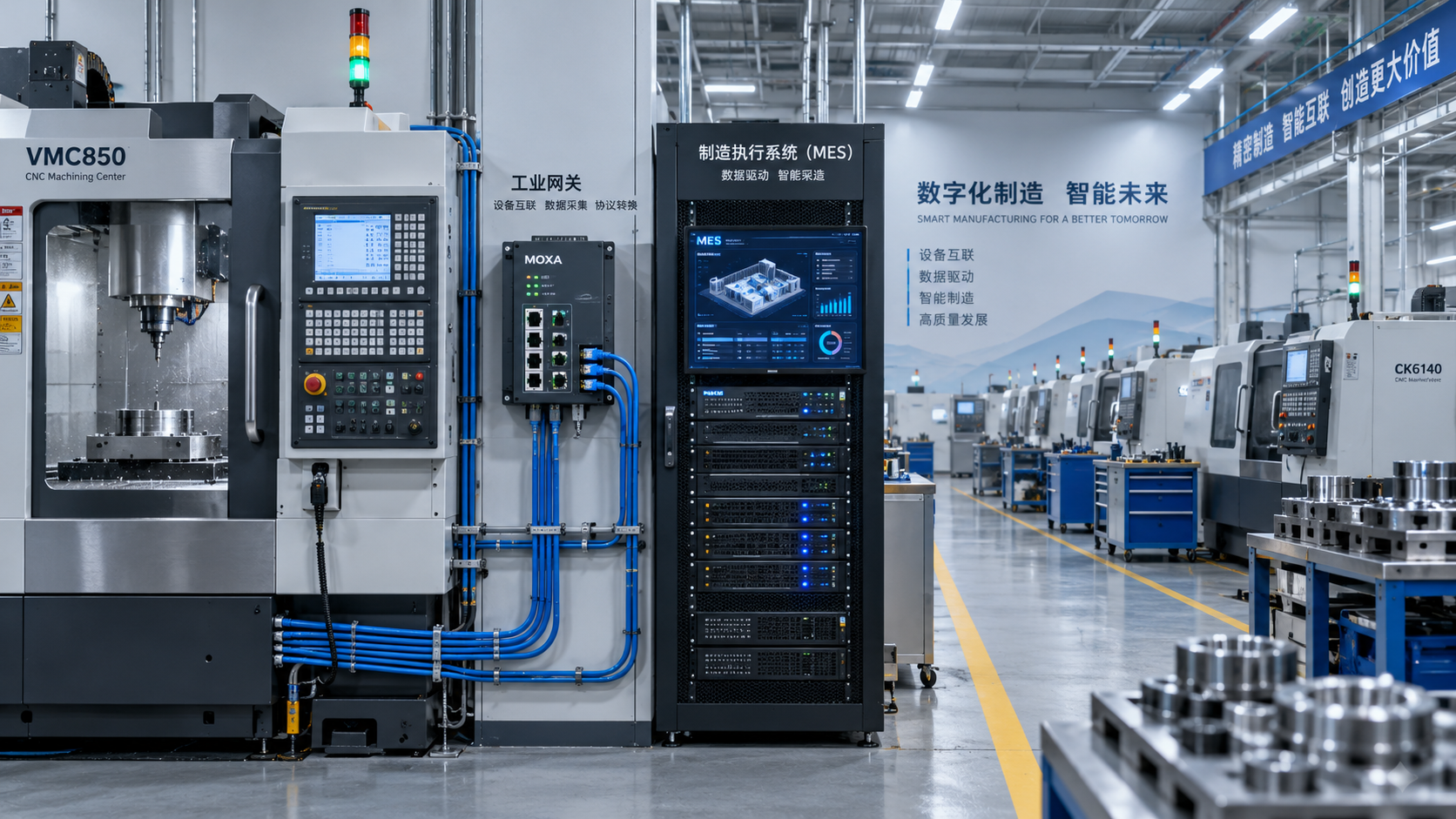
 Digital Manufacturing for Smart Factories: Connecting Legacy Machines to MESMachine Tool Industry Editorial Team
 How to Select a CNC Metal Lathe for Tight-Tolerance Shaft and Sleeve PartsCNC Machining Technology Center
 How to Select an Industrial Lathe for High-Volume Shaft ProductionMachine Tool Industry Editorial Team
 Selecting Machine Tools for Automotive Parts: Accuracy, Throughput, and AutomationMachine Tool Industry Editorial Team
 Industrial Machining: Selecting Processes for Tight-Tolerance Metal PartsCNC Machining Technology Center
 Manufacturing Technology Trends That Improve Throughput and Quality ControlManufacturing Market Research Center






Aris Katos
Future of Carbide Coatings
15+ years in precision manufacturing systems. Specialized in high-speed milling and aerospace grade alloy processing.
▶
KATS Expands CE Recognition for CNC Clamping SystemsMachine Tool Industry Editorial Team▶
How to Evaluate a Tooling System for Precision Machining: 7 Key Specs That MatterMachine Tool Industry Editorial Team▶
ITC Opens 337 Probe Into Chinese CNC Tool CoatingsMachine Tool Industry Editorial Team▶
Vietnam Ends 5% Tariff on Chinese CNC Tool ImportsMachine Tool Industry Editorial Team▶
Japan Ends Import License Rule for Chinese Cutting ToolsMachine Tool Industry Editorial Team
Mastering 5-Axis Workholding Strategies
Join our technical panel on Nov 15th to learn about reducing vibrations in thin-wall components.

Providing you with integrated sanding solutions
Before-sales and after-sales services
Comprehensive technical support