• Global CNC market projected to reach $128B by 2028 • New EU trade regulations for precision tooling components • Aerospace deman
NYSE: CNC +1.2%LME: STEEL -0.4%

Global CNC Tool Imports Rise 12.3% in Q1 2026

On March 31, 2026, the latest UN Comtrade figures pointed to a clear shift in the CNC tool trade: global imports reached US$3.86 billion in the first quarter, up 12.3% year on year, with Southeast Asia standing out as the main source of incremental demand. Vietnam, Thailand, and Malaysia led the increase, drawing attention from tool exporters, distributors, procurement teams, and manufacturing suppliers because the change is tied to localized expansion in new energy vehicle component production and the relocation of precision mold manufacturing.
Southeast Asia accounted for the strongest import gains
According to the information provided, global CNC tool imports totaled US$3.86 billion in Q1 2026, representing a 12.3% year-on-year increase. Among the reported markets, Vietnam posted import growth of 31.5%, Thailand 27.8%, and Malaysia 24.1%, making them the top three incremental markets in this period. The stated drivers were localized capacity expansion for new energy vehicle components and the transfer of precision mold manufacturing. The same information indicates that this pattern gives tool exporters and distributors a clearer signal on regional market expansion and channel priorities.
Why different parts of the supply chain are paying attention
Exporters are seeing a clearer regional demand signal
From an industry perspective, exporters may be affected because the reported growth is concentrated in a specific geography rather than being evenly spread across all markets. The main business impact is likely to be on market prioritization, sales coverage, and product allocation. What deserves closer attention is whether orders linked to new energy vehicle components and precision mold applications begin to shape demand by country more distinctly.
Distributors may need to reassess channel depth
Analysis shows that distributors are likely to focus on where import growth is accelerating fastest, since this can influence inventory planning, local partner selection, and service coverage. The practical issue is not only where demand is rising, but also whether channel presence in Vietnam, Thailand, and Malaysia is sufficient to support faster response and delivery.
Manufacturers and buyers may face a different sourcing rhythm
Observably, machining companies, component producers, and procurement teams may feel the effect through sourcing lead times, supplier coordination, and tool availability in growth markets. The information provided does not confirm supply tightness, but it does suggest that purchasing attention may shift toward the Southeast Asian markets where import activity is rising more quickly.
Supply chain service providers should watch execution details
For logistics, trade support, and related service providers, the relevance lies in execution rather than headline demand alone. If more business is directed toward the three fast-growing markets, the business impact may appear in documentation handling, delivery scheduling, and coordination with local distribution networks. What deserves closer attention is whether customers begin to adjust shipment patterns and service expectations around these markets.
What companies should monitor now
Keep market priorities tied to verified import data
Analysis shows that companies should treat Vietnam, Thailand, and Malaysia as markets requiring closer tracking, because they were identified as the top incremental import destinations in the reported quarter. The key point is to align market development efforts with verified demand signals rather than broad regional assumptions.
Focus on applications linked to the reported growth drivers
The reported drivers were localized expansion of new energy vehicle component production and the transfer of precision mold manufacturing. For exporters, distributors, and suppliers, this means the more relevant question is not general industrial demand, but which tool categories and customer conversations are tied to those two application areas.
Prepare for channel and delivery coordination
From an operational perspective, companies should pay closer attention to channel readiness, fulfillment timing, and customer communication in the three highlighted markets. The information provided does not indicate rule changes, but it does point to a need for more disciplined planning around delivery cycles, distributor support, and commercial follow-up.
Separate current trade data from longer-term certainty
What deserves closer attention is the distinction between a strong quarterly signal and a fully established market outcome. Companies may use the Q1 data to adjust priorities, but they still need to verify whether the demand pattern continues in subsequent periods before making broader structural decisions.
How this signal is best understood at this stage
Analysis shows that this development is better understood as a strong directional signal rather than a complete long-term conclusion. The import increase is meaningful because it combines overall global growth with concentrated gains in three Southeast Asian markets, and because the stated drivers are linked to manufacturing localization and industrial transfer. At the same time, the information provided covers a single quarter, so the industry still needs to observe whether this momentum persists, broadens, or becomes more segmented by country and application.
A quarterly jump with strategic relevance
At this stage, it is more appropriate to understand the Q1 2026 import increase as an actionable market indicator for CNC tool exporters, distributors, and related supply chain participants. The main significance lies not only in the 12.3% global rise, but in the concentration of incremental growth in Vietnam, Thailand, and Malaysia. That makes the development relevant for regional channel planning and customer targeting, while still requiring continued observation before it is treated as a settled long-term market structure.
Basis of this article and points for follow-up
This article is based on the user-provided news title, event date, and event summary. For this type of industry update, commonly relevant source categories may include official trade statistics, company disclosures, industry association releases, authoritative media reporting, and standards-related documents. A specific official source link was not provided in the input, so the underlying figures and subsequent market developments still require ongoing verification. The main follow-up points are whether Southeast Asia remains the leading incremental region in later periods and whether the reported demand drivers continue to support CNC tool import growth.
Recommended for You
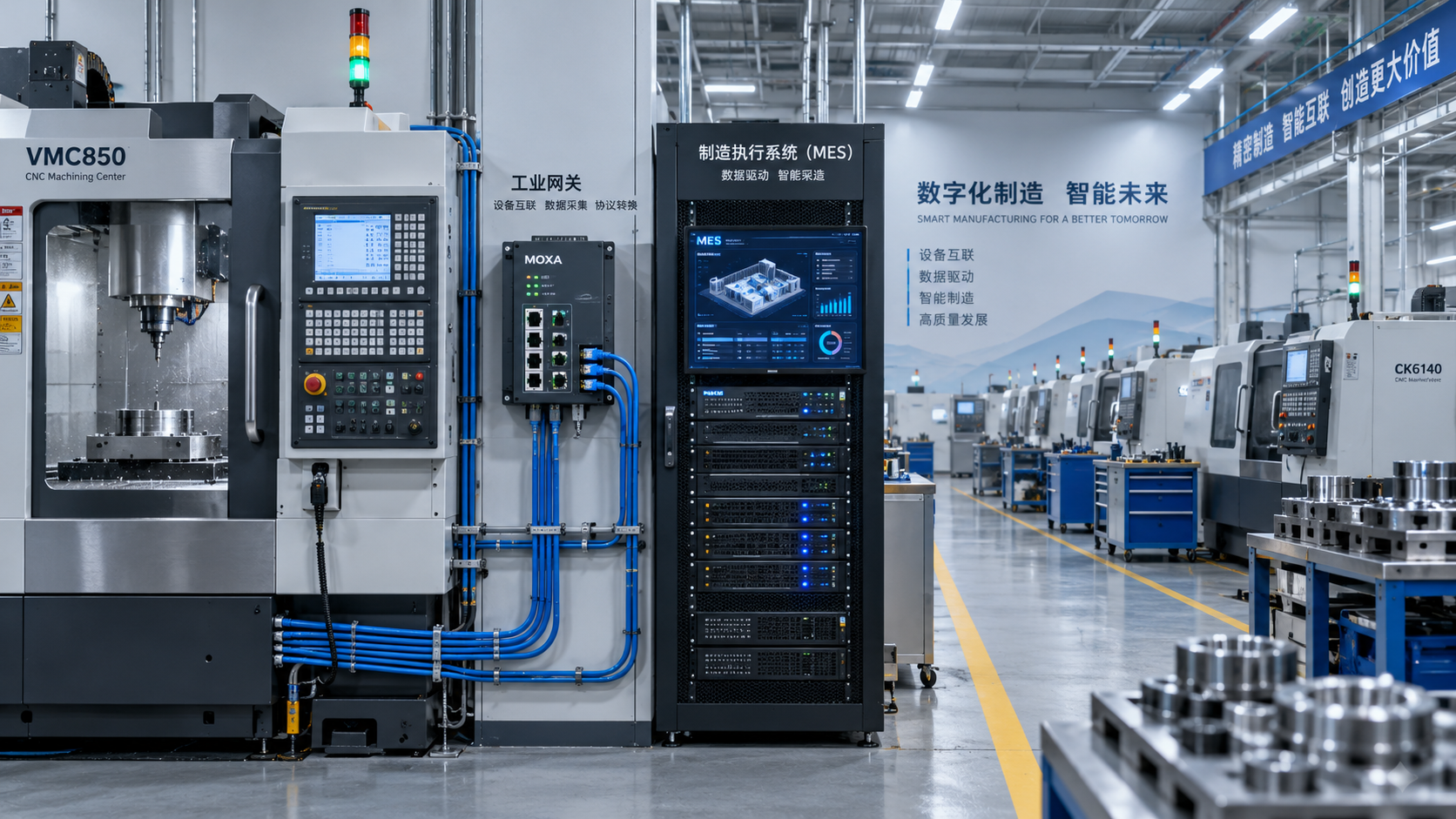
 Digital Manufacturing for Smart Factories: Connecting Legacy Machines to MESMachine Tool Industry Editorial Team
 How to Select a CNC Metal Lathe for Tight-Tolerance Shaft and Sleeve PartsCNC Machining Technology Center
 How to Select an Industrial Lathe for High-Volume Shaft ProductionMachine Tool Industry Editorial Team
 Selecting Machine Tools for Automotive Parts: Accuracy, Throughput, and AutomationMachine Tool Industry Editorial Team
 Industrial Machining: Selecting Processes for Tight-Tolerance Metal PartsCNC Machining Technology Center
 Manufacturing Technology Trends That Improve Throughput and Quality ControlManufacturing Market Research Center






Aris Katos
Future of Carbide Coatings
15+ years in precision manufacturing systems. Specialized in high-speed milling and aerospace grade alloy processing.
▶
KATS Expands CE Recognition for CNC Clamping SystemsMachine Tool Industry Editorial Team▶
How to Evaluate a Tooling System for Precision Machining: 7 Key Specs That MatterMachine Tool Industry Editorial Team▶
ITC Opens 337 Probe Into Chinese CNC Tool CoatingsMachine Tool Industry Editorial Team▶
Vietnam Ends 5% Tariff on Chinese CNC Tool ImportsMachine Tool Industry Editorial Team▶
Japan Ends Import License Rule for Chinese Cutting ToolsMachine Tool Industry Editorial Team
Mastering 5-Axis Workholding Strategies
Join our technical panel on Nov 15th to learn about reducing vibrations in thin-wall components.

Providing you with integrated sanding solutions
Before-sales and after-sales services
Comprehensive technical support