• Global CNC market projected to reach $128B by 2028 • New EU trade regulations for precision tooling components • Aerospace deman
NYSE: CNC +1.2%LME: STEEL -0.4%

Qingdao Cluster Approval Opens Faster Korea-Japan Export Route

On June 23, 2026, Shandong officially approved a provincial advanced manufacturing cluster for industrial machine tools covering Jinan, Qingdao, Zaozhuang, and Weifang. For the market, the key point is not only the cluster designation itself, but also Qingdao’s role as the core carrying area working with Yantai and Weihai to build an export hub for high-reliability functional components and complete machines aimed at South Korea and Japan. With a dedicated CNC equipment express route from Qingdao Port to Busan and Yokohama, 48-hour customs clearance, bonded maintenance, and localized technical support now in place, manufacturers, distributors, logistics providers, and after-sales service teams all have reason to watch how delivery speed and response capability may shift.
What Has Been Confirmed So Far
The confirmed development is that the Shandong provincial government approved the establishment of the Jinan-Qingdao-Zaozhuang-Weifang provincial advanced manufacturing cluster for industrial machine tools on June 23, 2026. Within this arrangement, Qingdao is positioned as the core carrying area and will coordinate with Yantai and Weihai to build an export hub serving the South Korean and Japanese markets for high-reliability functional components and complete machines. The region has already opened a CNC equipment express shipping route linking Qingdao Port with Busan and Yokohama. According to the provided information, customs clearance time has been reduced to 48 hours, and the route is supported by bonded maintenance and localized technical support centers. For distributors serving South Korea and Japan, the stated practical effects are shorter lead times, lower logistics costs, and faster response capability.
Where the Supply Chain May Feel the Change First
Export-oriented equipment makers and component suppliers
From an industry perspective, these companies are among the most directly affected because the update centers on export organization, delivery efficiency, and service support for the South Korean and Japanese markets. The main business impact may appear in order fulfillment, shipment scheduling, and coordination between component and complete-machine deliveries. What deserves closer attention is whether customers begin to place greater weight on shorter delivery promises and post-sale support responsiveness.
Distributors serving South Korea and Japan
Analysis shows that distributors may gain from a more practical route structure rather than from the policy label alone. The combination of a dedicated port line, faster customs processing, bonded maintenance, and localized technical support can affect inventory planning, replenishment cycles, and customer response times. The immediate point to monitor is how these operational advantages translate into day-to-day channel decisions, especially for products that depend on predictable lead times and technical follow-up.
Logistics and trade service providers
Observably, the news also matters for companies handling port operations, customs procedures, bonded services, and export documentation. Their role becomes more important when the value proposition is built around a 48-hour customs window and a faster route to Busan and Yokohama. The practical focus here is not broad market expansion claims, but whether service coordination, documentation accuracy, and turnaround execution can match the shorter timetable described in the update.
After-sales and technical support teams
The inclusion of bonded maintenance and localized technical support centers indicates that service capability is part of the export proposition, not only freight speed. For service providers and manufacturers with overseas channel partners, this may affect spare-parts planning, maintenance workflows, and communication with distributors. The point to watch is whether customers begin to treat service readiness as a deciding factor alongside product delivery.
What Companies Should Track Next
Watch for more detailed official wording
Analysis shows that the current information confirms the cluster approval and the logistics-service framework, but companies still need to distinguish between a policy signal and the detailed operating rules that may follow. Exporters and channel partners should pay attention to any later official clarification on scope, implementation arrangements, and service access conditions.
Review product lines most tied to delivery certainty
What deserves closer attention is which product categories benefit most from shorter customs and faster routes. Companies involved in functional components, complete machines, and related support services should review which orders are most sensitive to lead time, freight cost, and after-sales responsiveness when planning market activity for South Korea and Japan.
Check execution readiness across documents and service links
For businesses already serving these markets, the practical issue is whether internal processes can support the promised speed advantage. This includes export documents, handoff timing, service coordination, and communication with distributors or end customers. A shorter route only becomes a business advantage if the company’s own fulfillment cycle can keep pace.
Align customer communication with verified capabilities
Observably, this is also a customer-management issue. Companies should be careful to communicate only what is already operational and verifiable, especially around lead time, maintenance support, and local response arrangements. That matters for supplier credibility and for avoiding a gap between policy-level messaging and actual delivery performance.
How This Should Be Read at This Stage
Analysis shows that this development is best understood as both a near-term logistics improvement signal and a longer-term industrial positioning signal. The confirmed facts already point to a more organized export route toward South Korea and Japan, particularly through Qingdao’s port and service functions. At the same time, it is more appropriate to understand this as an evolving industry dynamic rather than a fully proven market outcome, because the lasting impact will depend on how consistently logistics, maintenance, technical support, and export execution work together in practice.
A Practical Reading of the Development
For the industrial machine tool supply chain, the significance of this update lies less in headline value and more in the combination of cluster policy, port routing, customs efficiency, and service support. That combination may matter to manufacturers, distributors, and service partners dealing with the South Korean and Japanese markets. At present, it is more appropriate to understand the news as a credible operational and strategic signal that deserves continued monitoring, rather than as a final indicator of confirmed market results.
Basis of This Article
This article is based on the user-provided news title, event date, and event summary. For this type of industry update, commonly relevant source categories may include official government announcements, company statements, industry association releases, authoritative media reports, and standards-related documents. No specific official source link was provided in the input, so the exact official publication path still requires follow-up verification. The most relevant next points for continued observation are any subsequent official clarification, implementation details tied to the cluster, and how the export route, bonded maintenance, and localized technical support are reflected in actual business operations.
Recommended for You
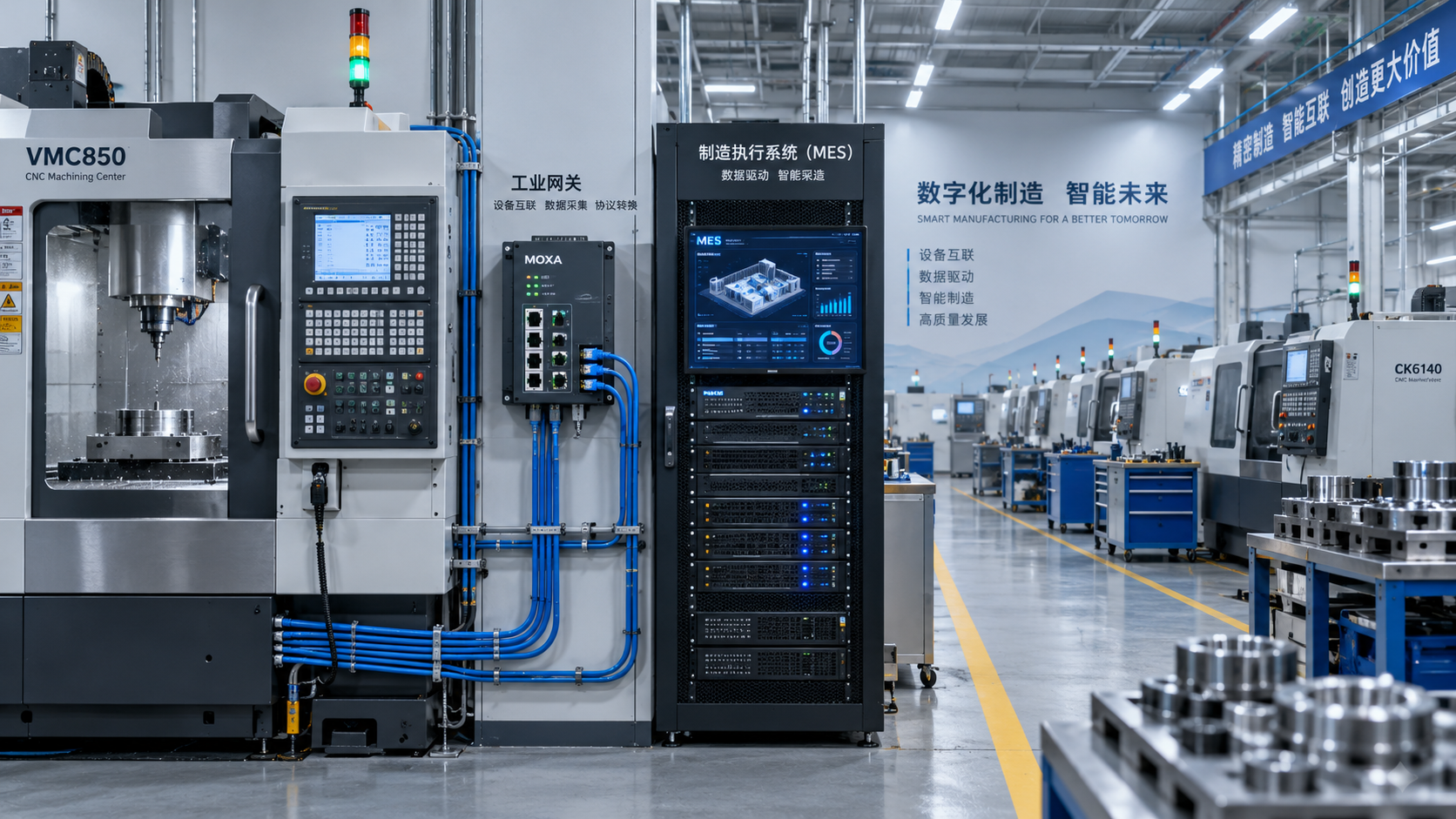
 Digital Manufacturing for Smart Factories: Connecting Legacy Machines to MESMachine Tool Industry Editorial Team
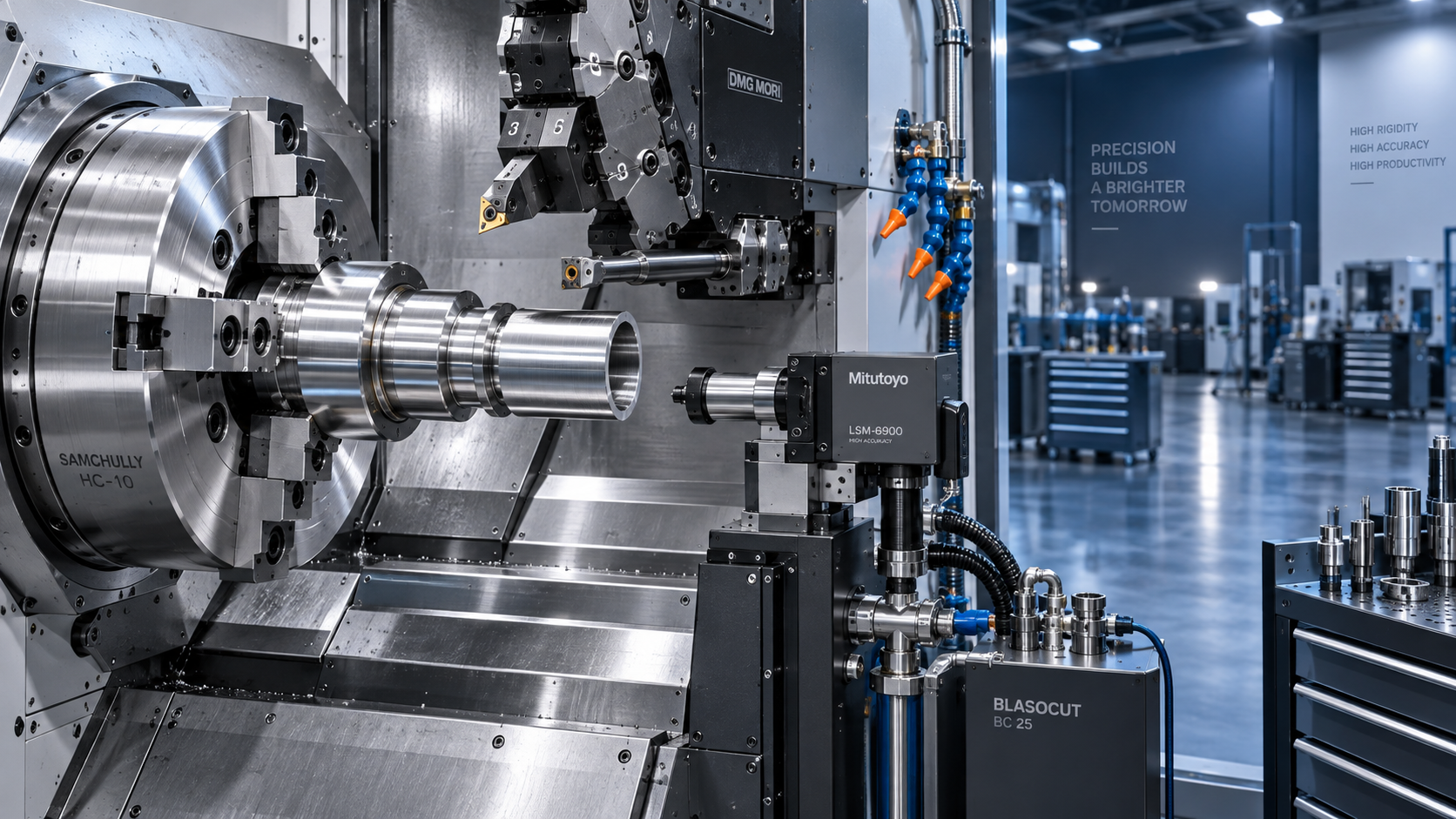
 How to Select a CNC Metal Lathe for Tight-Tolerance Shaft and Sleeve PartsCNC Machining Technology Center
 How to Select an Industrial Lathe for High-Volume Shaft ProductionMachine Tool Industry Editorial Team
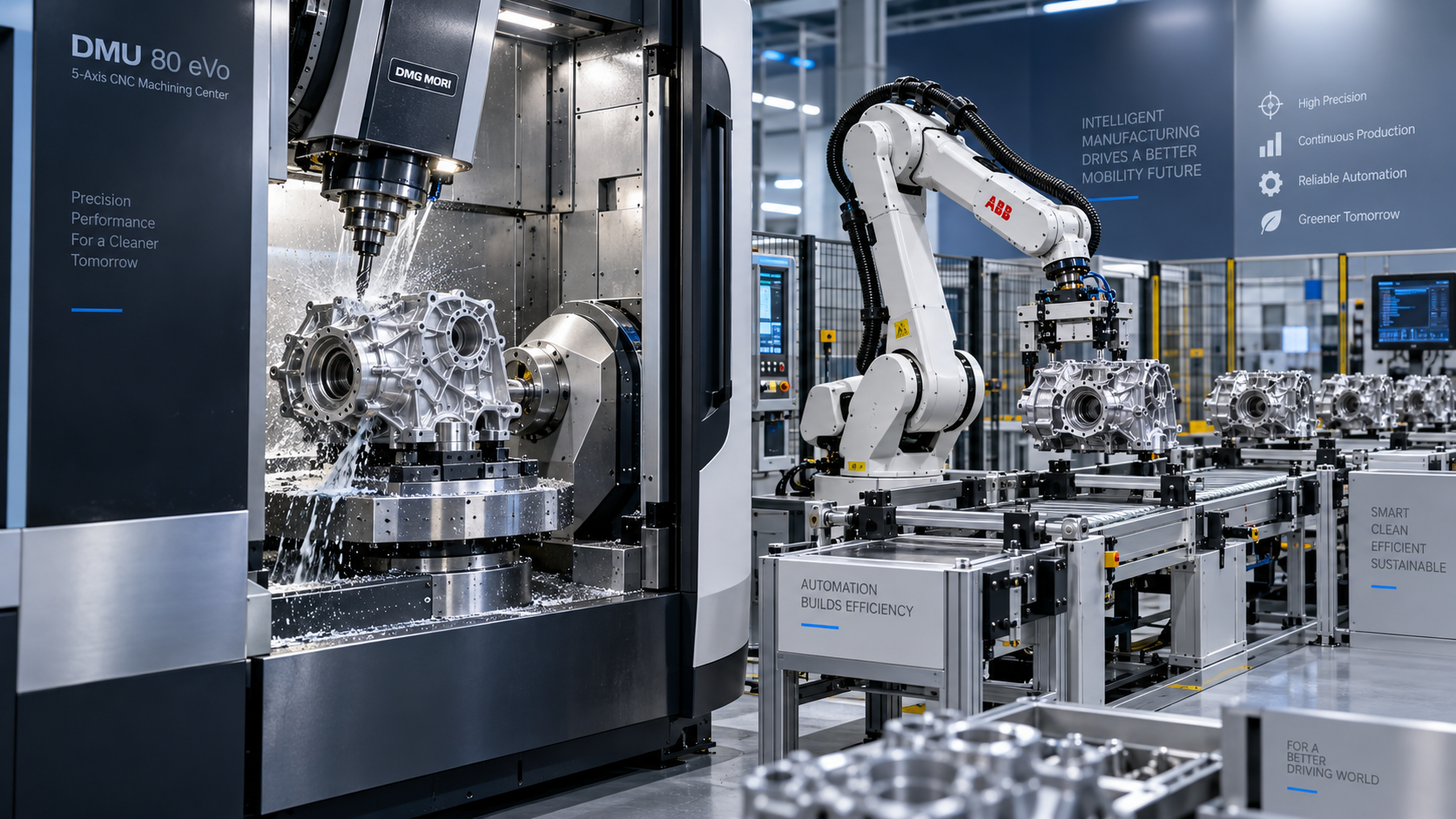
 Selecting Machine Tools for Automotive Parts: Accuracy, Throughput, and AutomationMachine Tool Industry Editorial Team
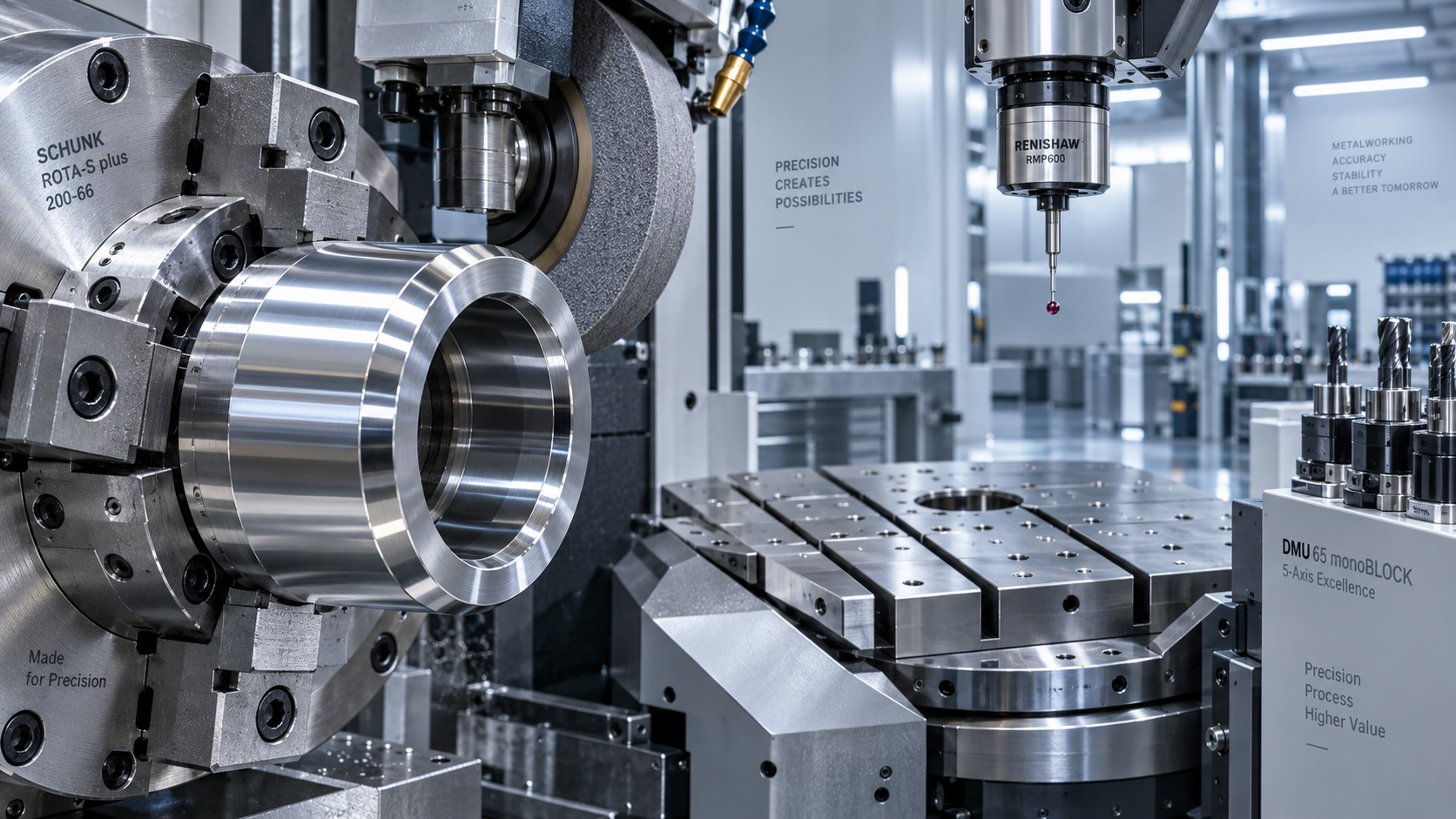
 Industrial Machining: Selecting Processes for Tight-Tolerance Metal PartsCNC Machining Technology Center
 Manufacturing Technology Trends That Improve Throughput and Quality ControlManufacturing Market Research Center



Aris Katos
Future of Carbide Coatings
15+ years in precision manufacturing systems. Specialized in high-speed milling and aerospace grade alloy processing.
▶
How to Choose a CNC Manufacturing Wholesaler for Quality, Lead Time, and CostManufacturing Market Research Center▶
China Temporarily Bans Helium ExportsManufacturing Market Research Center▶
Yangshan Port Launches Smart Clearance for CNC ExportsManufacturing Market Research Center▶
Shanghai Port Adds Real-Time CNC Shipment TrackingManufacturing Market Research Center▶
Waigaoqiao Port Tightens CNC Export Slot BookingManufacturing Market Research Center
Mastering 5-Axis Workholding Strategies
Join our technical panel on Nov 15th to learn about reducing vibrations in thin-wall components.

Providing you with integrated sanding solutions
Before-sales and after-sales services
Comprehensive technical support