• Global CNC market projected to reach $128B by 2028 • New EU trade regulations for precision tooling components • Aerospace deman
NYSE: CNC +1.2%LME: STEEL -0.4%

How to Evaluate a CNC Manufacturing Supplier for Quality, Capacity, and Delivery Risk
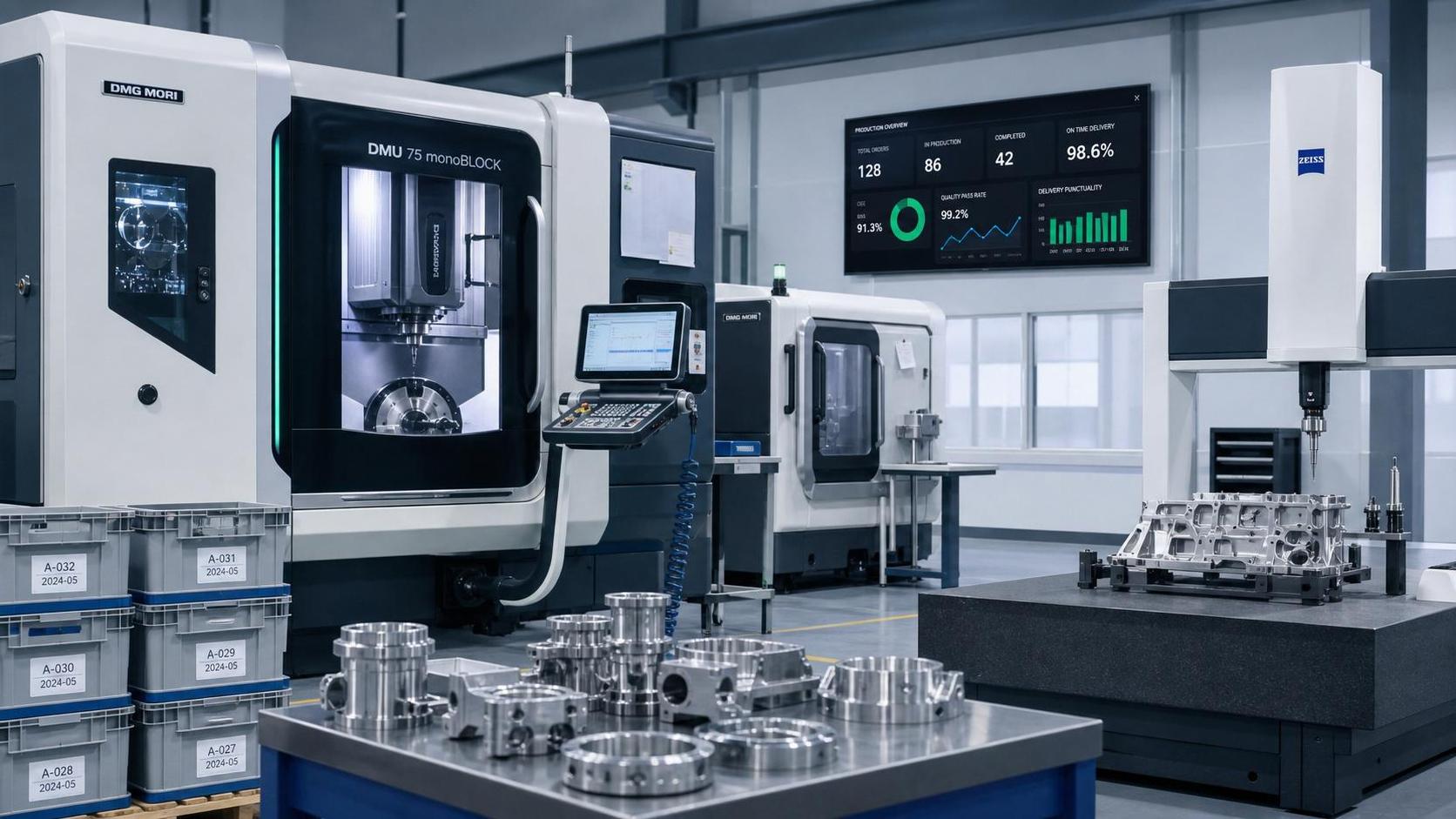
Why does choosing a CNC manufacturing supplier require more than a price comparison?
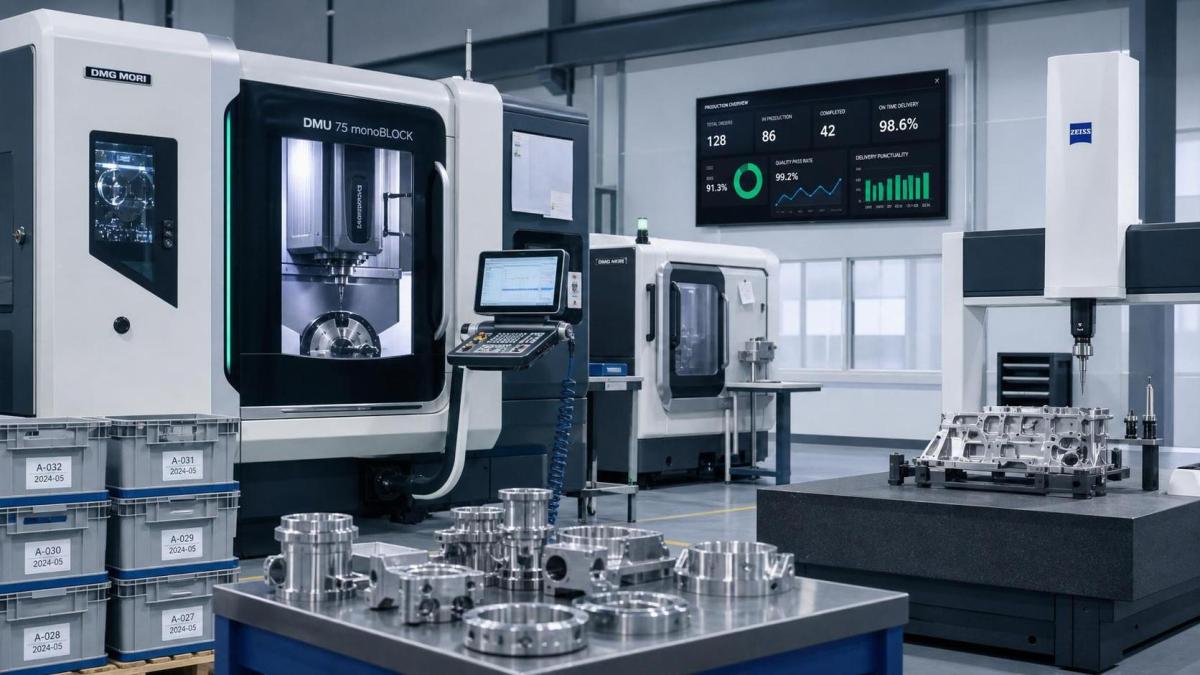
A low quote can hide expensive problems.
When parts demand tight tolerances, stable output matters more than a short-term price advantage.
That is especially true in automotive, aerospace, electronics, and energy equipment, where failure costs travel far beyond the machining invoice.
A CNC manufacturing supplier affects dimensional accuracy, process repeatability, packaging quality, and shipment reliability at the same time.
In practical terms, supplier evaluation is a risk exercise.
The question is not only whether a supplier can make a sample.
The real question is whether the supplier can keep quality steady across batches, maintain capacity during demand swings, and protect delivery dates when disruptions appear.
Because global CNC machining is moving toward higher precision, automation, and digital integration, the evaluation standard has changed as well.
A capable partner should understand modern machining centers, multi-axis systems, tooling control, process traceability, and production planning.
That broader view helps reduce hidden quality escapes and delivery risk before critical orders are released.
What should be checked first when screening a CNC manufacturing supplier?
Start with fit, not promises.
A CNC manufacturing supplier may be technically strong, yet still be the wrong fit for the part family, order volume, or control expectations.
An early screen should focus on five areas.
- Part match: similar materials, tolerances, geometries, and surface finish history.
- Process match: turning, milling, grinding, EDM, assembly, or secondary operations.
- Volume match: prototype, low-volume, bridge production, or steady mass output.
- System match: inspection records, change control, ERP or MES visibility, and traceability.
- Logistics match: export experience, packaging discipline, lead-time realism, and supplier backup plans.
This first screen prevents a common mistake.
Many buyers compare suppliers on general capability statements, even though CNC factories are often optimized for specific part types and batch structures.
A shop built for precision shafts may struggle with complex housings.
A supplier focused on prototypes may quote fast, but fail when weekly release schedules begin.
A short capability review saves time later, but it should lead naturally to a deeper quality check.
How can quality capability be judged beyond certificates and sample parts?
Certificates matter, but they do not guarantee process discipline.
A stronger way to assess a CNC manufacturing supplier is to look at how quality is controlled during production, not just after it.
Ask how tolerances are held across machines, shifts, and tool changes.
Check whether first article inspection, in-process checks, final inspection, and measurement system calibration are clearly linked.
The most useful evidence usually includes actual control documents.
If possible, compare a sample report with the actual drawing.
That simple step reveals whether the supplier truly understands critical characteristics or is only documenting routine dimensions.
For precision manufacturing, process consistency is usually more valuable than one perfect sample.
When does capacity look strong on paper but weak in reality?
This happens more often than many teams expect.
A CNC manufacturing supplier may list dozens of machines, but actual output depends on scheduling logic, operator depth, fixture readiness, maintenance discipline, and bottleneck management.
The best way to test capacity claims is to ask operational questions.
- What is the current machine loading for the same process family?
- Which step is the bottleneck: machining, heat treatment, grinding, inspection, or coating?
- How many qualified operators can run the same program or setup?
- What happens if one key machine goes down for three days?
- How are urgent orders inserted without damaging existing schedules?
In real production, delivery delays often come from secondary processes rather than cutting time.
Surface treatment, outsourced heat treatment, custom fixtures, and final inspection can become hidden choke points.
This matters even more in smart manufacturing environments, where higher automation raises the need for stable upstream planning.
A reliable CNC manufacturing supplier should explain capacity with numbers, not only with confidence.
How do you evaluate delivery risk before the first major order?
Delivery risk is rarely a single issue.
It usually comes from a chain of smaller weaknesses.
Material supply, tooling lead time, subcontractor dependence, customs handling, and engineering change response all affect schedule reliability.
A useful pre-award review should cover both internal and external risk points.
- Confirm approved material sources and backup options.
- Review the lead time for special tools, gauges, and fixtures.
- Map any outsourced processes and ask who controls them.
- Check export packing standards and shipping handoff routines.
- Ask for examples of recent recovery actions after disruption.
Global machine tool clusters in China, Germany, Japan, and South Korea offer strong supplier ecosystems.
Still, cluster strength does not remove individual supplier risk.
A shop may sit in a mature manufacturing region, yet rely on one overstretched subcontractor for a critical finishing step.
That is why delivery assessment should trace the full route from raw material to outbound shipment.
Which red flags usually appear during comparison, and how should they be interpreted?
Some warning signs look small at first.
Taken together, they often predict future quality claims or missed deliveries.
Watch for these patterns when comparing any CNC manufacturing supplier.
- Quotes arrive fast, but technical questions are vague or avoided.
- Tolerance commitments are broad, without process-specific explanation.
- Inspection reports look polished, but traceability is inconsistent.
- Lead times are shorter than industry norms, with no capacity logic behind them.
- Corrective action responses focus on sorting parts, not eliminating causes.
- Communication depends on one person, with no visible technical backup.
Not every red flag means automatic rejection.
Sometimes the issue reflects growth stage, not poor intent.
The key is whether the supplier responds with transparent data, clear ownership, and realistic corrective steps.
That response quality often tells more than the issue itself.
What is a practical way to make the final decision with less risk?
A strong final decision usually combines technical review with controlled validation.
Rather than awarding all volume immediately, many teams reduce uncertainty in stages.
One practical path is to begin with a pilot order, review first article quality, test communication speed, and compare actual lead time against the quote.
If the part is business-critical, a supplier scorecard can keep the decision grounded.
In the end, the best CNC manufacturing supplier is rarely the one with the lowest initial cost.
It is the one that can hold tolerance, absorb demand changes, explain process risk honestly, and recover quickly when conditions shift.
For the next step, define critical part requirements, rank quality and delivery risks, and compare suppliers against the same evidence-based checklist.
That approach creates a better decision than price review alone, especially in precision manufacturing programs where failure becomes visible too late.
PREVIOUS ARTICLE
Recommended for You
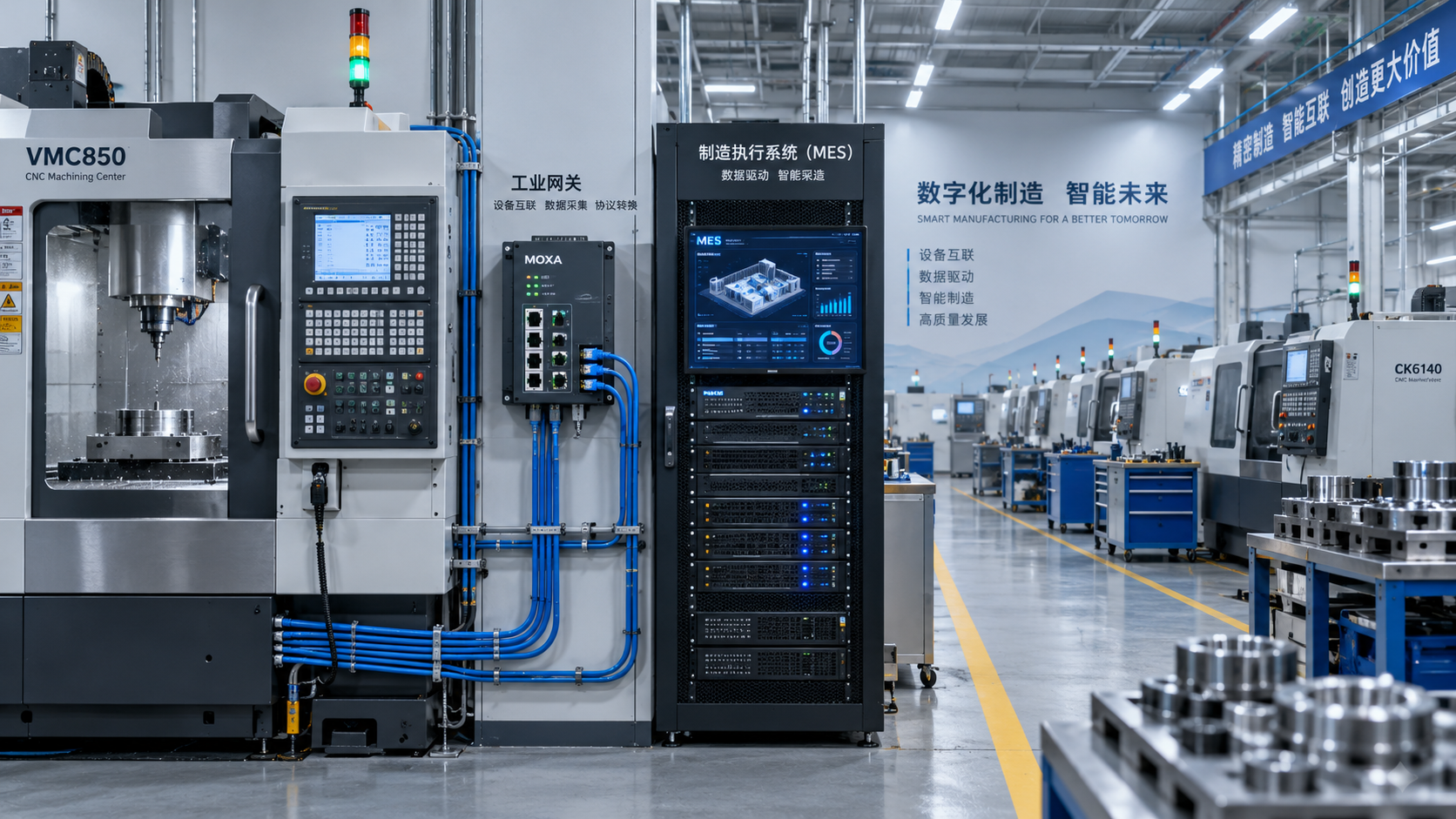
 Digital Manufacturing for Smart Factories: Connecting Legacy Machines to MESMachine Tool Industry Editorial Team
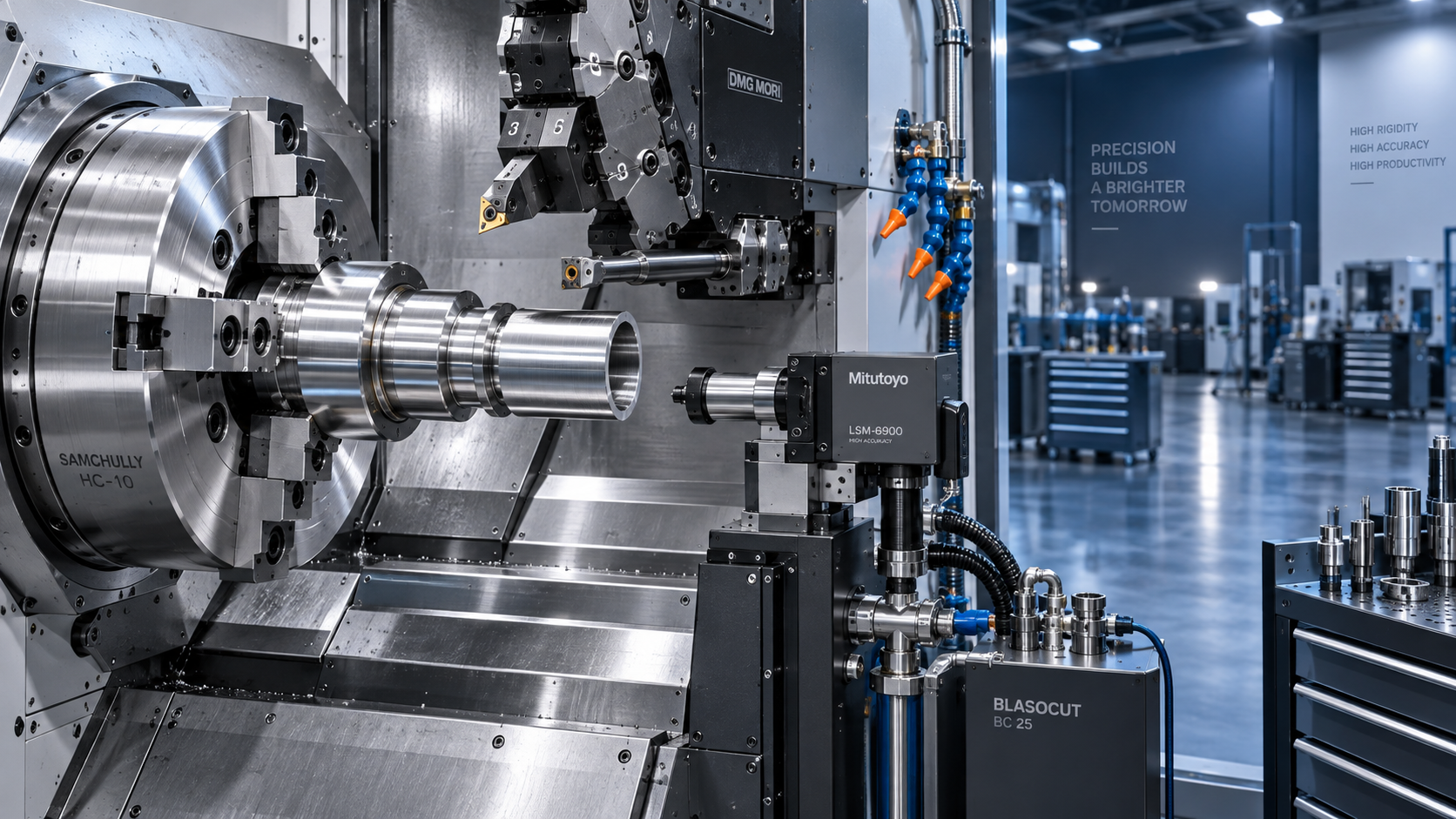
 How to Select a CNC Metal Lathe for Tight-Tolerance Shaft and Sleeve PartsCNC Machining Technology Center
 How to Select an Industrial Lathe for High-Volume Shaft ProductionMachine Tool Industry Editorial Team
 Selecting Machine Tools for Automotive Parts: Accuracy, Throughput, and AutomationMachine Tool Industry Editorial Team
 Industrial Machining: Selecting Processes for Tight-Tolerance Metal PartsCNC Machining Technology Center
 Manufacturing Technology Trends That Improve Throughput and Quality ControlManufacturing Market Research Center

Aris Katos
Future of Carbide Coatings
15+ years in precision manufacturing systems. Specialized in high-speed milling and aerospace grade alloy processing.
▶
How to Choose a CNC Manufacturing Wholesaler for Quality, Lead Time, and CostManufacturing Market Research Center▶
China Temporarily Bans Helium ExportsManufacturing Market Research Center▶
Yangshan Port Launches Smart Clearance for CNC ExportsManufacturing Market Research Center▶
Shanghai Port Adds Real-Time CNC Shipment TrackingManufacturing Market Research Center▶
Waigaoqiao Port Tightens CNC Export Slot BookingManufacturing Market Research Center
Mastering 5-Axis Workholding Strategies
Join our technical panel on Nov 15th to learn about reducing vibrations in thin-wall components.

Providing you with integrated sanding solutions
Before-sales and after-sales services
Comprehensive technical support