• Global CNC market projected to reach $128B by 2028 • New EU trade regulations for precision tooling components • Aerospace deman
NYSE: CNC +1.2%LME: STEEL -0.4%

Optimized Machining Process for Stainless Steel: How to Reduce Burrs, Heat, and Tool Wear
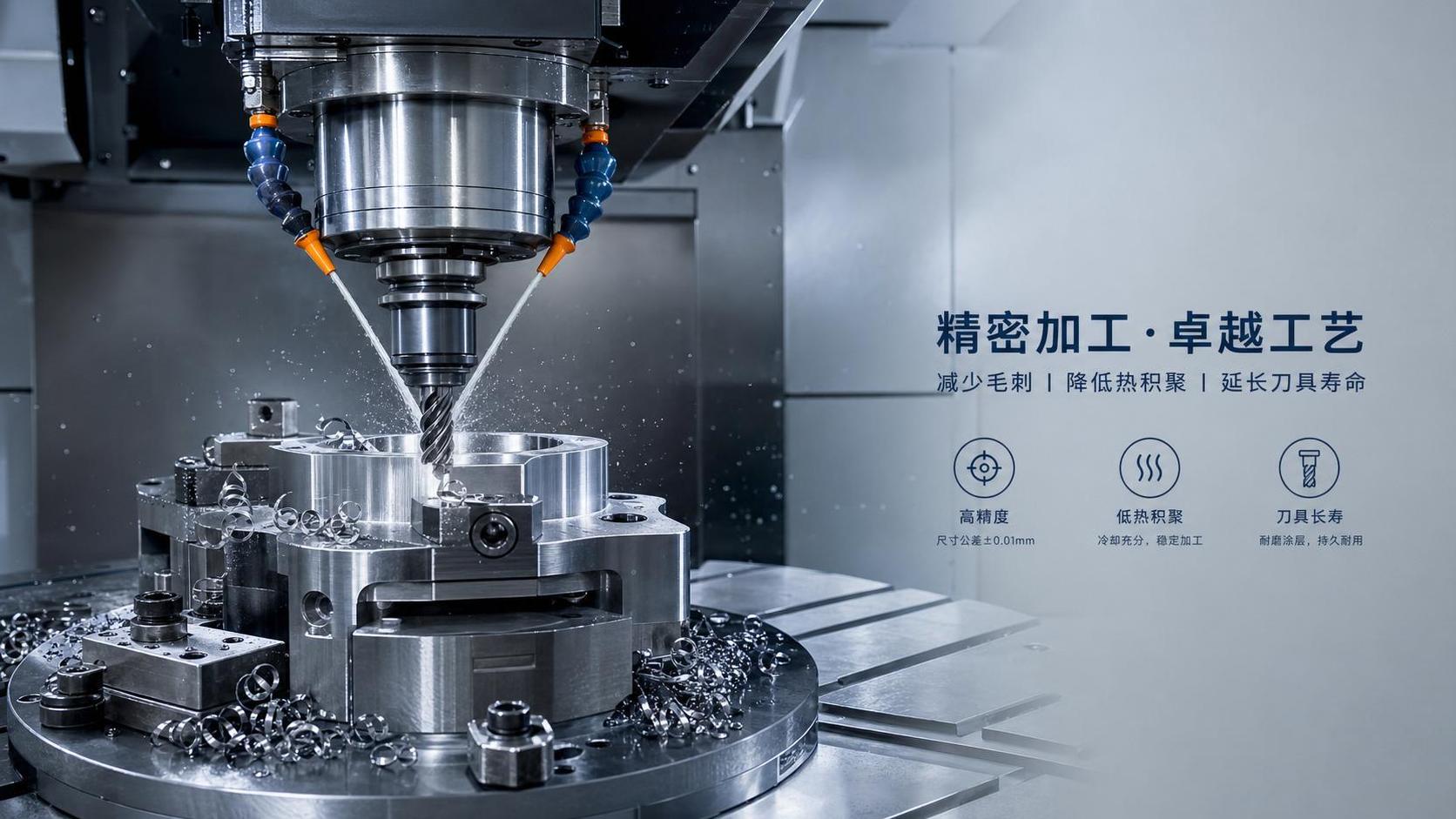
Why does stainless steel machining create so many burrs, hot edges, and short tool life?
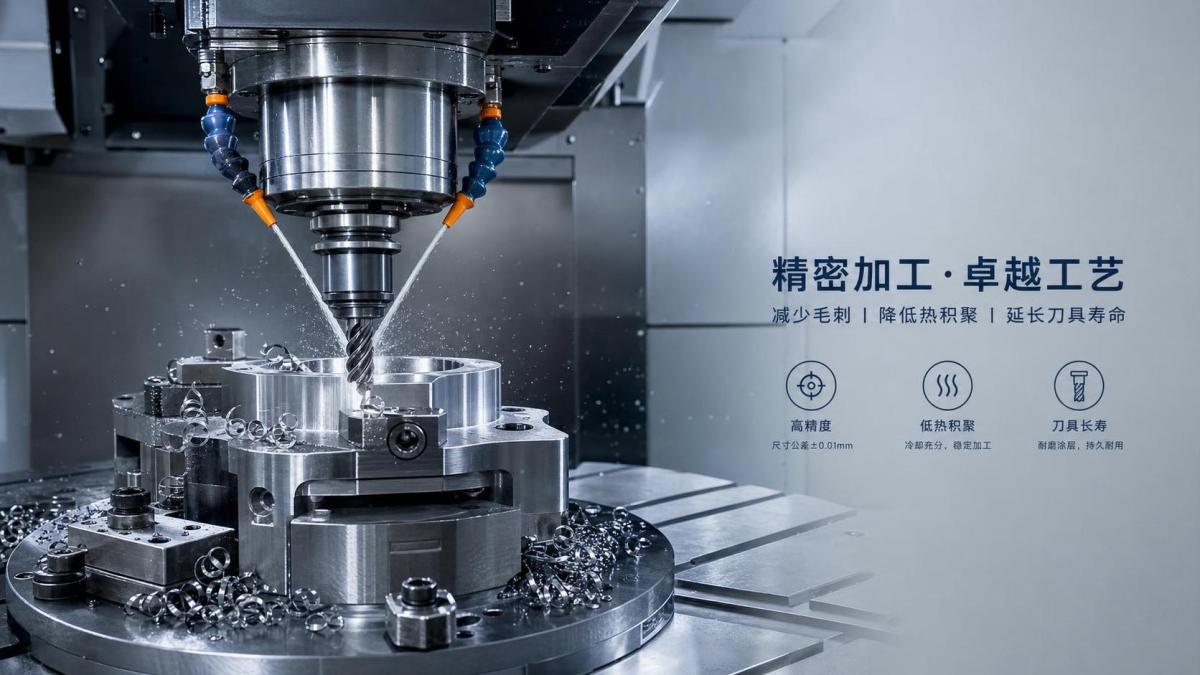
Stainless steel is valued for strength, corrosion resistance, and clean appearance. The same traits also make it difficult to cut consistently on CNC equipment.
In daily production, the main trouble is not only hardness. Heat retention, work hardening, and gummy chip behavior usually create the bigger process risk.
That is why an Optimized Machining Process for stainless steel matters. It helps reduce burr formation, stabilize dimensions, and keep cutting edges alive longer.
This issue appears across automotive parts, aerospace fittings, energy components, and electronics hardware. Modern machine tools can hold precision, but the process window must be managed carefully.
A common mistake is blaming only the insert grade. In practice, burrs, heat, and wear usually come from a combined mismatch of speed, feed, engagement, coolant, and toolpath.
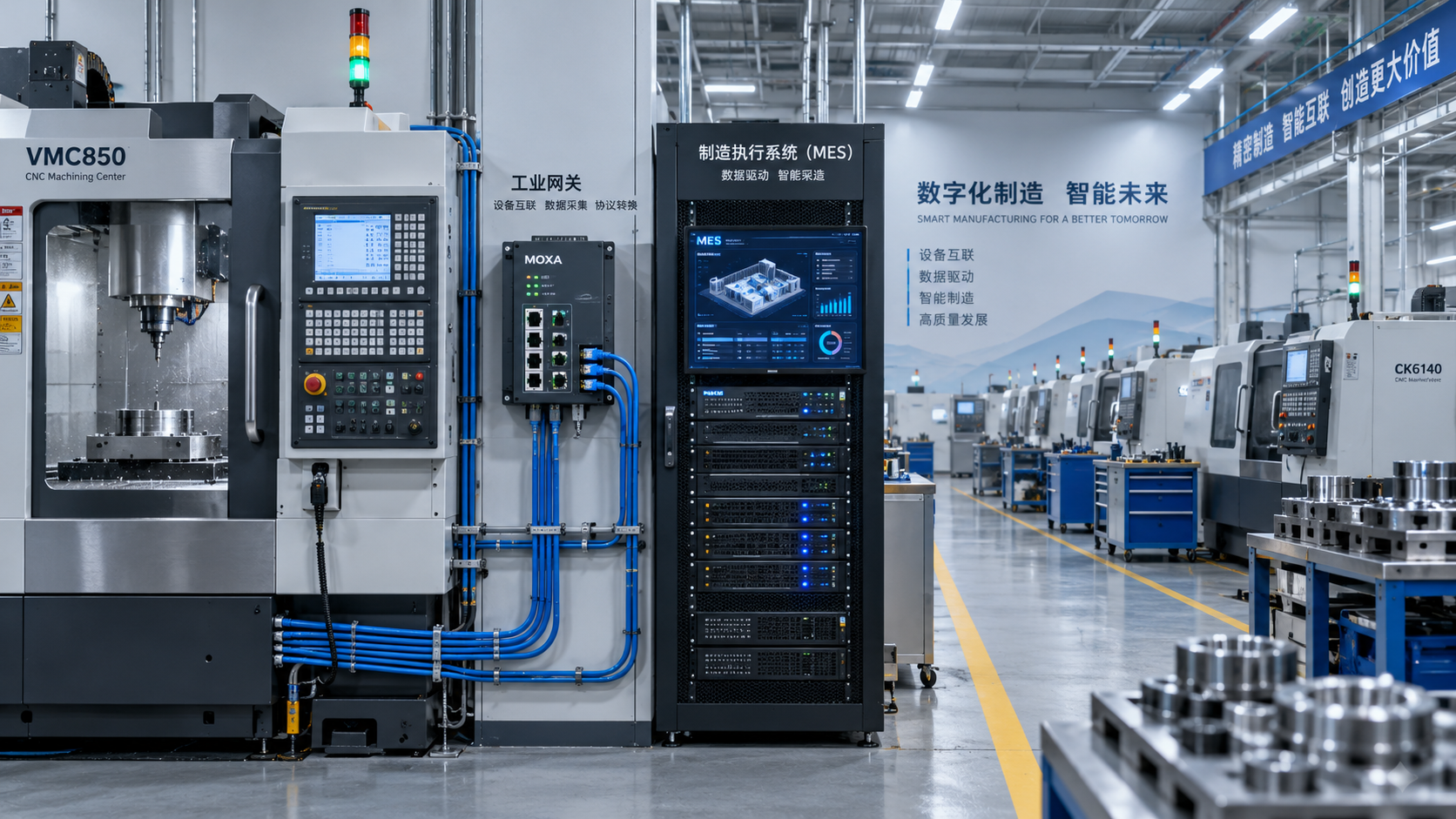
Another factor is the push toward automation. As smart manufacturing expands, stable stainless steel cutting becomes more important because unattended cycles leave less room for manual correction.
So the real question is not whether stainless steel is difficult. The better question is how to build an Optimized Machining Process for stainless steel that stays reliable from setup to batch production.
What usually causes burrs first: tool geometry, feed rate, or machine condition?
The honest answer is that burrs rarely come from one cause alone. Still, tool geometry and chip evacuation are often the first places worth checking.
If the edge is too honed or too worn, stainless steel tends to smear before it shears. That pushes material outward and leaves a stubborn burr.
Feed rate also matters more than many expect. Too little feed can create rubbing instead of cutting, especially on entry and exit points.
Machine condition enters the picture when there is spindle runout, weak clamping, or vibration. Even a good insert cannot cut cleanly if the part moves microscopically.
In practical terms, start with these checks before changing everything at once.
- Confirm edge sharpness and insert grade for austenitic or martensitic stainless steel.
- Raise feed slightly if the cut sounds smooth but leaves smeared edges.
- Reduce tool overhang and improve fixture support near thin walls.
- Check coolant direction so chips leave the cut instead of recutting.
A good Optimized Machining Process for stainless steel usually favors a positive cutting action. Clean shearing produces less burr than a cautious but rubbing cut.
How can heat be reduced without sacrificing cycle time?
Many shops slow the spindle too much when heat appears. That seems safe, but it often increases contact time and makes heat concentration worse.
A better approach is balancing surface speed, feed per tooth, and radial engagement. Heat should leave with the chip, not remain in the tool or part.
In milling, lighter radial engagement with steady feed often works better than heavy slotting. In turning, chip control becomes the key to stable thermal behavior.
Coolant strategy is also important. Flood coolant helps many operations, but poorly aimed coolant can shock the edge or fail to reach the cutting zone.
When available, high-pressure coolant improves chip breaking and reduces heat buildup in deep holes, grooves, and internal turning operations.
The table below helps identify what heat symptoms usually point to in stainless steel machining.
The most effective Optimized Machining Process for stainless steel does not chase one aggressive number. It builds a stable heat pattern the machine can repeat all shift.
Which tooling choices make the biggest difference in an Optimized Machining Process for stainless steel?
Tooling decisions should match the stainless grade, operation type, and machine rigidity. General-purpose tooling can work, but stainless often rewards more specific choices.
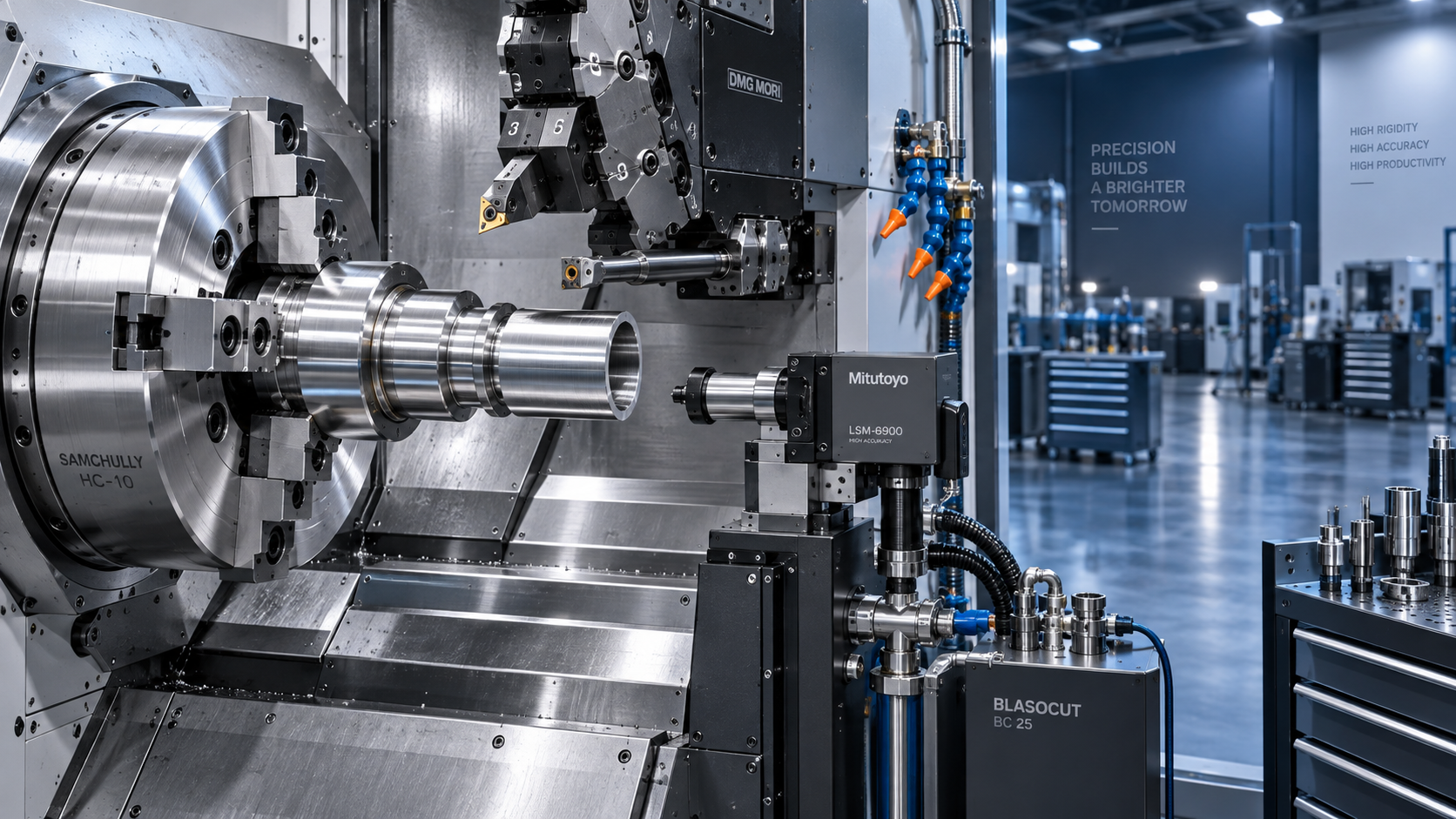
For milling, sharp positive geometries usually cut cleaner than heavy edges. For turning, chipbreaker shape is critical because long chips quickly damage both finish and tool life.
Coating selection matters too. Heat-resistant coatings help, but a coating cannot compensate for poor geometry or unstable cutting parameters.
In actual use, these tooling choices often deliver the fastest improvement:
- Use sharp, positive inserts for gummy stainless grades that smear easily.
- Choose variable helix end mills to suppress chatter on thin or tall features.
- Select chipbreakers designed for medium feed, not only finishing feed.
- Prefer rigid holders and short gauge length whenever access allows.
- Replace tools based on wear pattern, not only on part count.
This is especially relevant in high-precision sectors. Aerospace brackets, pump shafts, food-grade fittings, and electronic housings all punish inconsistent edge quality.
As digital manufacturing expands, tooling data also becomes useful. Recording wear mode, spindle load, and finish results helps refine the Optimized Machining Process for stainless steel over time.
Is there a better way to set toolpaths and cutting order for cleaner edges?
Yes, and this is often overlooked. Toolpath logic can reduce burrs even before speeds and feeds are adjusted.
When the exit side of the cut is unsupported, burrs usually grow there first. Changing cut direction or leaving a small finishing allowance can improve edge condition immediately.
Climb milling often produces a better finish in stainless steel, provided the machine and fixturing are stable. It reduces rubbing and helps maintain a cleaner shear zone.
For holes, step drilling, peck strategy, and deburring allowance should be considered together. Burrs at breakthrough are often process-planned, not accidental.
On thin parts, roughing both sides unevenly may release stress and distort the final cut. A balanced sequence protects flatness and reduces edge tearing.
A useful shop-floor rule is simple: rough for heat control, then finish for edge control. Mixing both goals in one pass often causes compromise.
What mistakes keep repeating when people try to optimize stainless steel machining?
The first mistake is making too many parameter changes at once. When burrs improve but wear worsens, the real cause becomes impossible to track.
The second is treating every stainless grade the same. Austenitic, ferritic, duplex, and precipitation-hardening grades respond differently to cutting pressure and heat.
Another common issue is ignoring the upstream setup. Poor raw material consistency, residual scale, or weak clamping can ruin even a strong Optimized Machining Process for stainless steel.
It also helps to avoid judging success only by cycle time. A slightly longer cycle with lower deburring time and longer tool life usually wins overall.
Where automated production is involved, consistency matters more than occasional peak speed. Stable machining supports robot loading, predictable inspections, and smoother batch scheduling.
- Do not chase mirror finish with extremely low feed.
- Do not ignore chip shape during long-cycle operations.
- Do not let worn tools continue after burr growth becomes visible.
- Do not evaluate coolant only by flow rate.
A more reliable method is to document one baseline recipe, compare wear after fixed intervals, and adjust only one variable per trial.
How should the next process review be planned?
If burrs, heat, and wear keep returning, the next review should stay practical. Start with one representative part and one repeatable operation.
Check tool geometry, holder rigidity, coolant direction, spindle load trend, chip shape, and exit-edge condition. Those points reveal most hidden process losses.
Then compare whether the current settings truly support an Optimized Machining Process for stainless steel, or only keep the line moving temporarily.
In industries pushing toward higher precision and digital integration, this review is not just a troubleshooting step. It becomes part of process control and long-term manufacturing efficiency.
The most useful next action is to build a small decision standard. Define acceptable burr height, wear limit, temperature-related signs, and chip criteria before the next production run.
That approach makes improvement measurable. It also turns stainless steel machining from repeated correction into a controlled, scalable process.
Recommended for You
 Digital Manufacturing for Smart Factories: Connecting Legacy Machines to MESMachine Tool Industry Editorial Team
 How to Select a CNC Metal Lathe for Tight-Tolerance Shaft and Sleeve PartsCNC Machining Technology Center
 How to Select an Industrial Lathe for High-Volume Shaft ProductionMachine Tool Industry Editorial Team
 Selecting Machine Tools for Automotive Parts: Accuracy, Throughput, and AutomationMachine Tool Industry Editorial Team
 Industrial Machining: Selecting Processes for Tight-Tolerance Metal PartsCNC Machining Technology Center
 Manufacturing Technology Trends That Improve Throughput and Quality ControlManufacturing Market Research Center

Aris Katos
Future of Carbide Coatings
15+ years in precision manufacturing systems. Specialized in high-speed milling and aerospace grade alloy processing.
▶
Industrial Machining: Selecting Processes for Tight-Tolerance Metal PartsCNC Machining Technology Center▶
How Does Precision Machining Differ From Standard Machining?CNC Machining Technology Center▶
CNC Precision: Which Tolerances, Materials, and Processes Fit Your Part?CNC Machining Technology Center▶
How to Choose Metal Machining Processes for Tight Tolerances and Production VolumeCNC Machining Technology Center▶
Production Process Explained: Key Stages, Controls, and Quality CheckpointsCNC Machining Technology Center
Mastering 5-Axis Workholding Strategies
Join our technical panel on Nov 15th to learn about reducing vibrations in thin-wall components.

Providing you with integrated sanding solutions
Before-sales and after-sales services
Comprehensive technical support