• Global CNC market projected to reach $128B by 2028 • New EU trade regulations for precision tooling components • Aerospace deman
NYSE: CNC +1.2%LME: STEEL -0.4%

India Weighs Tariff Relief for Localized Machine Tools

The timing of the event is not clearly specified in the provided information, but the policy signal is already notable for machine tool makers, component suppliers, importers, distributors, and industrial buyers tracking India’s manufacturing direction. According to the supplied summary, India’s Ministry of Commerce and Industry submitted a draft National Machine Tool Manufacturing Promotion Act to the cabinet on June 21, proposing a 15% most-favored-nation tariff exemption for imported machine tools whose overall localization rate exceeds 60%, with a five-year validity period. The proposal matters because it links market access conditions more closely to localization content and points directly at substitution in key subsystems rather than only finished-machine assembly.
What the draft proposal currently states
Based on the provided information, the draft was submitted by India’s Ministry of Commerce and Industry to the cabinet on June 21. It proposes tariff relief in the form of a 15% exemption from most-favored-nation import duties for imported machine tool equipment that achieves more than 60% localization at the complete-machine level.
The indicated validity period is five years. The stated policy objective is to accelerate replacement of key locally made components, including CNC systems, motorized spindles, and high-precision guideways.
The summary also indicates that implementation is expected to begin in phases from 2027. The first applicable product categories are described as vertical and horizontal machining centers, as well as CNC lathes.
Where the impact may be felt first
Imported machine tool programs face a new localization threshold
From an industry perspective, import-oriented machine tool businesses may be affected first because the proposal ties tariff treatment to whether a complete machine exceeds the 60% localization benchmark. The practical effect, if adopted, would likely center on sourcing structure, product configuration, and documentation readiness for qualifying equipment.
What deserves closer attention is not only the headline tariff relief, but also how companies define and demonstrate localization in a way that aligns with future official rules.
Component suppliers gain relevance in the value chain
Analysis shows that suppliers of CNC systems, motorized spindles, and high-precision guideways are directly referenced by the policy objective, which makes them central to any localization pathway. For these businesses, the potential impact is less about short-term volume certainty and more about whether they become part of approved or commercially preferred supply structures.
The key business link to watch is whether demand shifts from simple assembly support toward deeper subsystem substitution and qualification work.
Distributors and channel partners may need to adjust product positioning
For distributors and channel operators, the proposal could affect how imported equipment is positioned in the Indian market. If tariff treatment becomes tied to localization content, channel strategy may need to distinguish between standard imported models and equipment configured to meet localization requirements.
Observably, this would influence quotation logic, customer communication, and the way product eligibility is presented during sales discussions.
Industrial buyers may place more emphasis on origin structure
End users and procurement teams in sectors buying machining centers and CNC lathes may also need to monitor the proposal because equipment selection could become more closely connected to localization composition, not only technical performance and delivery. This matters particularly in categories named in the summary, where procurement comparisons may eventually include compliance and documentation considerations alongside price.
What companies should monitor now
Watch the official wording after cabinet review
Analysis shows that the current information reflects a draft submitted to the cabinet, not a completed implementation framework. Companies should therefore focus on whether later official language changes the tariff mechanism, the localization threshold, the eligible product scope, or the timing of phased rollout from 2027.
Separate policy intent from operational eligibility
What deserves closer attention is the difference between a policy objective and the actual rules needed for business execution. The stated goal is to speed substitution of key components, but companies will still need clarity on how localization is calculated, what evidence may be required, and how product-level qualification could be verified in practice.
Review affected product lines early
Businesses involved with vertical machining centers, horizontal machining centers, and CNC lathes should begin mapping which models could fall within the first wave of application if the proposal moves forward. This is especially relevant for firms balancing imported assemblies with localized subsystems.
Prepare supplier and customer communication materials
From a practical standpoint, companies may need stronger internal records on component sourcing, supplier status, and machine configuration. They may also need clearer customer-facing explanations on what qualifies as localized content, particularly if buyers begin asking whether a machine could meet future tariff-related conditions.
Why this reads more as a policy signal than a completed outcome
Observably, the current development is best read as a directional policy signal rather than a final market result. The draft identifies both a localization threshold and a targeted set of components, which suggests a more structured push toward local value addition in machine tools. At the same time, the information provided does not confirm final approval, detailed compliance rules, or exact implementation procedures.
Analysis shows that this matters because the industry response should not be built on assumptions of immediate application. Instead, the more useful interpretation for now is that India may be moving toward a framework in which finished-machine imports are increasingly evaluated through the lens of local content.
How to interpret the development at this stage
At this stage, the proposal is more appropriate to understand as an emerging medium- to long-term industry signal with potential operational consequences, rather than a short-term finalized rule change. Its significance lies in the combination of tariff treatment, a quantified localization threshold, named component priorities, and an initial list of applicable machine categories.
A neutral reading is that the proposal could reshape decisions across sourcing, qualification, and sales preparation if it proceeds, but the industry still needs to track how the draft evolves before treating it as a settled commercial framework.
Basis of this article and what still needs verification
This article is generated from the user-provided news title, event timing note, and event summary. The specific official source link was not provided in the input, so the underlying policy text, final cabinet disposition, and later implementation documents still require ongoing verification.
For this type of development, source categories that usually warrant follow-up include official government notices, ministry announcements, company disclosures, industry association updates, authoritative media reporting, and related policy or standards documents. The main items to continue monitoring are whether the draft is formally adopted, whether the 60% localization threshold remains unchanged, how the tariff exemption is defined in final wording, and whether the first listed machine categories stay the same during phased implementation.
PREVIOUS ARTICLE
NEXT ARTICLE
Recommended for You
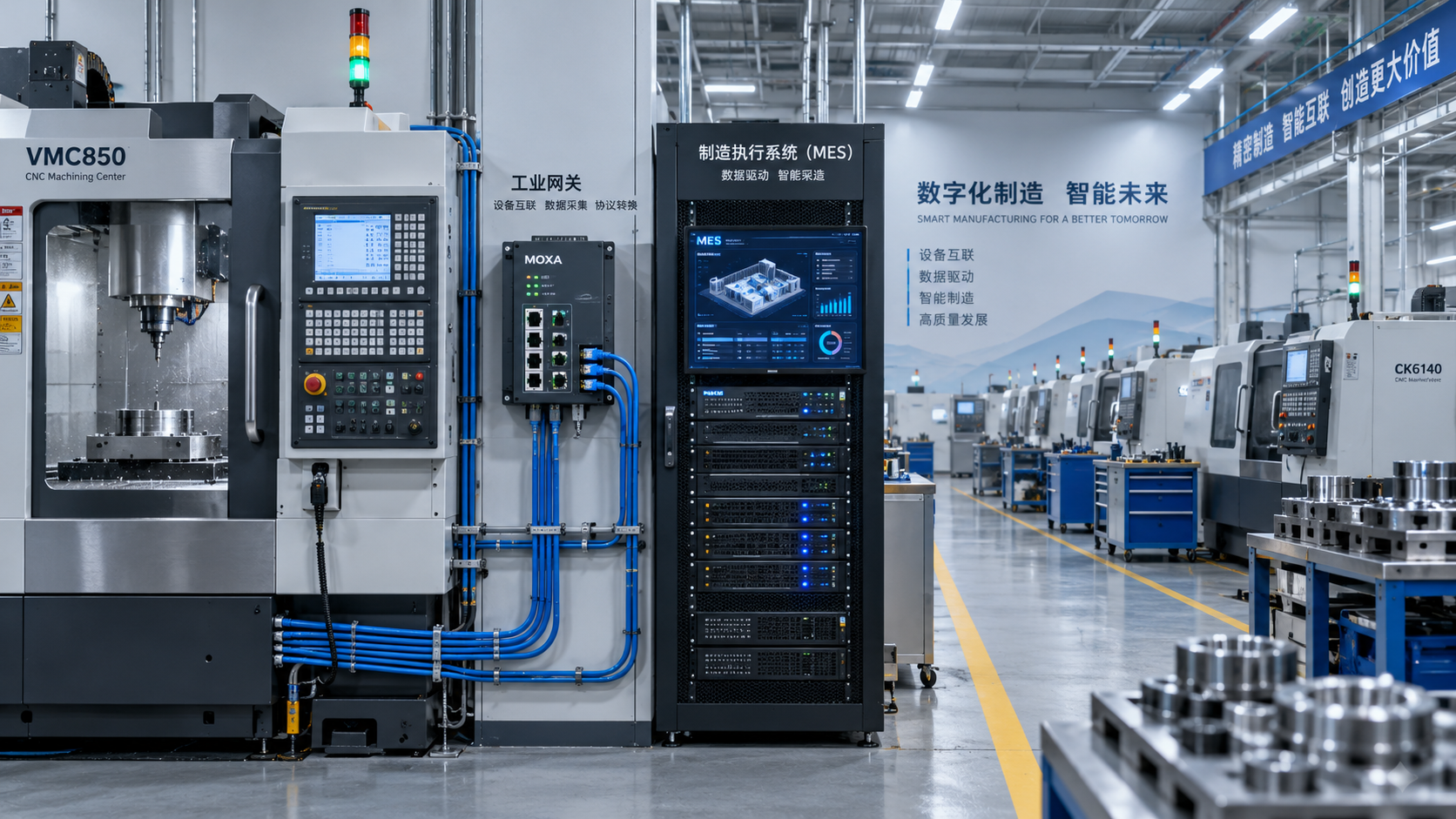
 Digital Manufacturing for Smart Factories: Connecting Legacy Machines to MESMachine Tool Industry Editorial Team
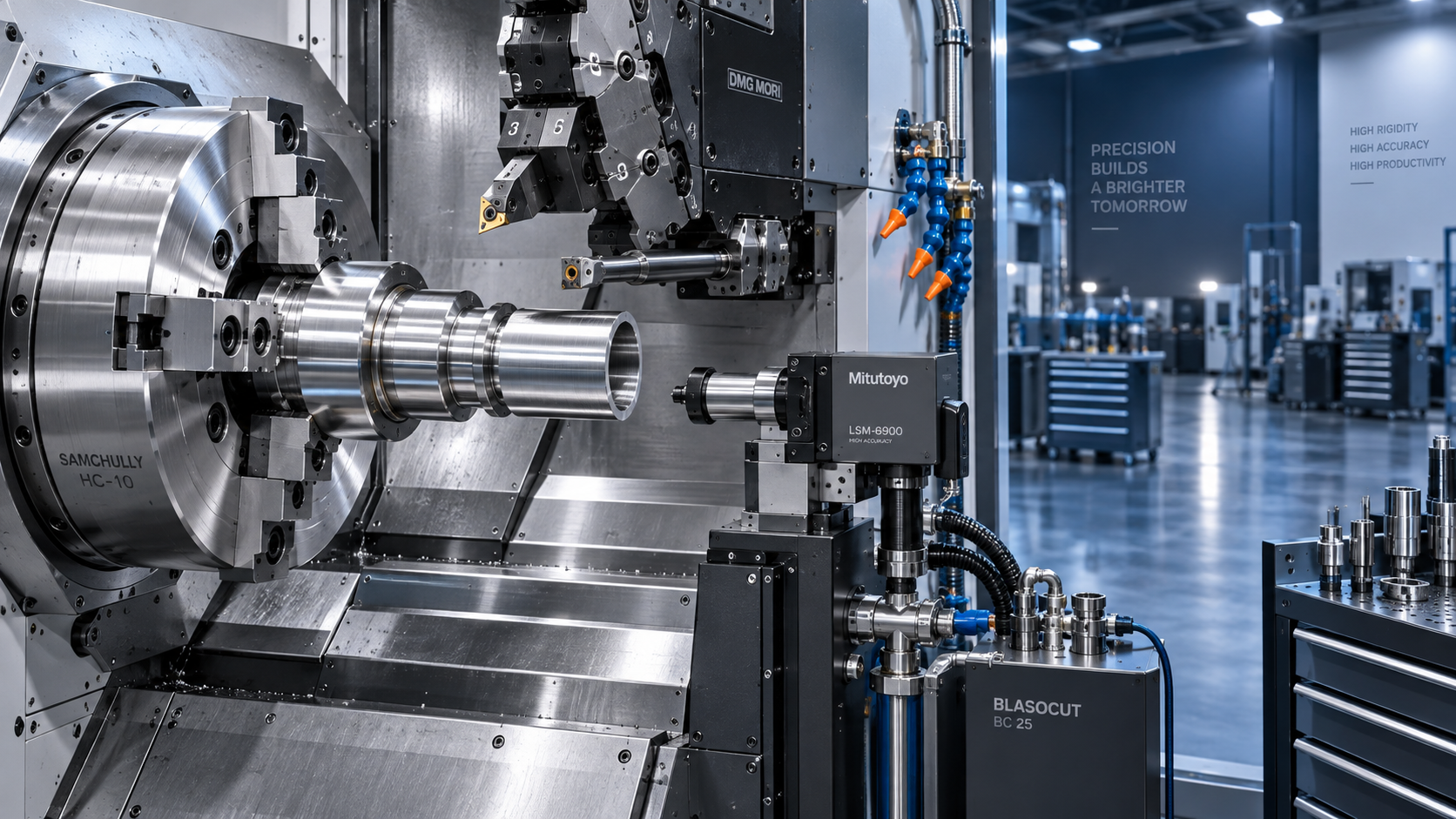
 How to Select a CNC Metal Lathe for Tight-Tolerance Shaft and Sleeve PartsCNC Machining Technology Center
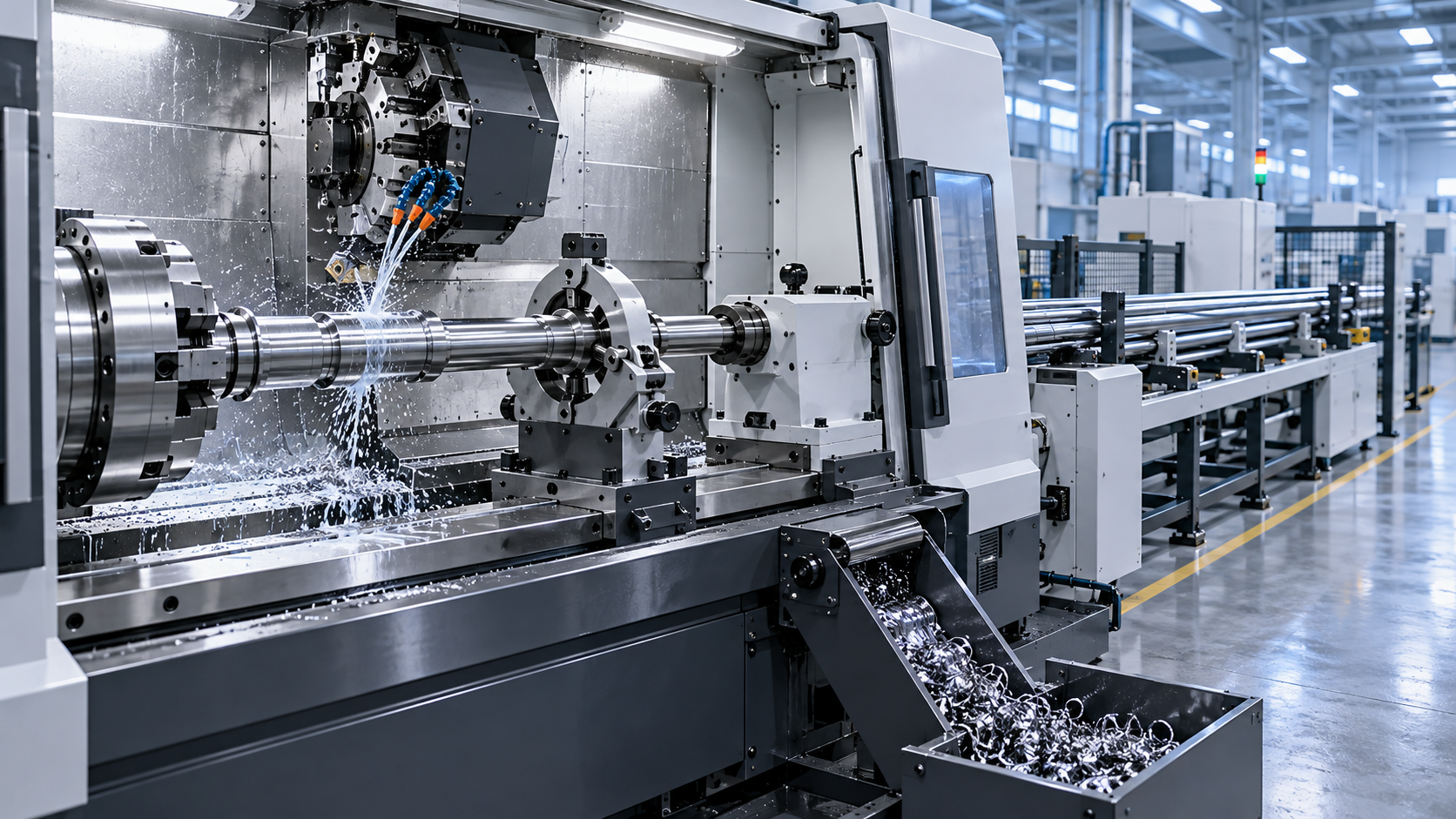
 How to Select an Industrial Lathe for High-Volume Shaft ProductionMachine Tool Industry Editorial Team
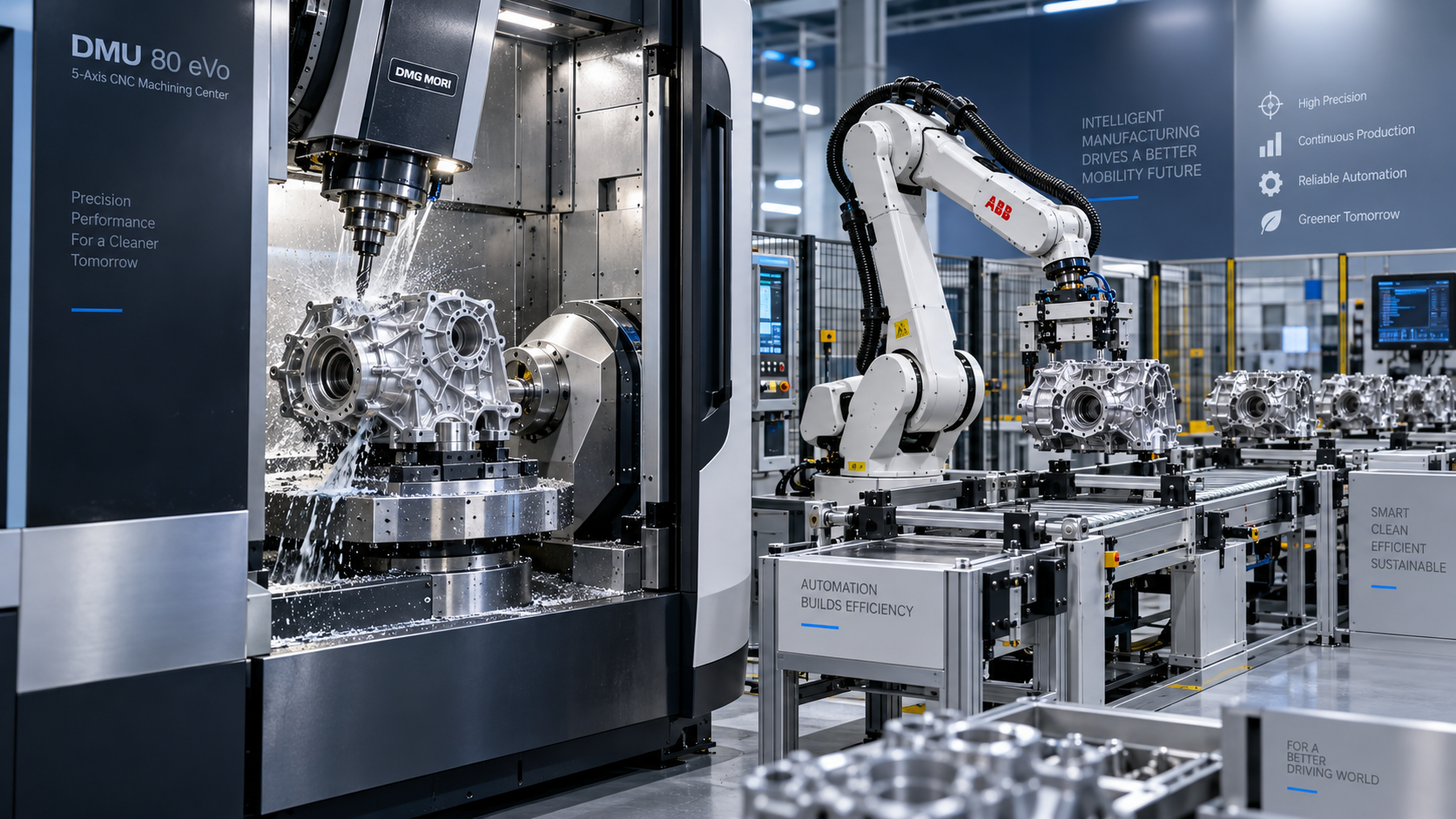
 Selecting Machine Tools for Automotive Parts: Accuracy, Throughput, and AutomationMachine Tool Industry Editorial Team
 Industrial Machining: Selecting Processes for Tight-Tolerance Metal PartsCNC Machining Technology Center
 Manufacturing Technology Trends That Improve Throughput and Quality ControlManufacturing Market Research Center

Aris Katos
Future of Carbide Coatings
15+ years in precision manufacturing systems. Specialized in high-speed milling and aerospace grade alloy processing.
▶
Vietnam Ends CNC Import Cap, Tightens VKFTA ChecksGlobal Machine Tool Trade Research Center▶
Qingdao Backs Provincial Machine Tool ClusterGlobal Machine Tool Trade Research Center▶
India Weighs Tariff Relief for Localized Machine ToolsGlobal Machine Tool Trade Research Center▶
India Drafts Machine Tool Localization Incentive PlanGlobal Machine Tool Trade Research Center▶
India Imposes 20% Duty on Parboiled Rice ExportsGlobal Machine Tool Trade Research Center
Mastering 5-Axis Workholding Strategies
Join our technical panel on Nov 15th to learn about reducing vibrations in thin-wall components.

Providing you with integrated sanding solutions
Before-sales and after-sales services
Comprehensive technical support