• Global CNC market projected to reach $128B by 2028 • New EU trade regulations for precision tooling components • Aerospace deman
NYSE: CNC +1.2%LME: STEEL -0.4%

Precision Machining vs Conventional Machining: Which Process Fits Tight-Tolerance Parts?
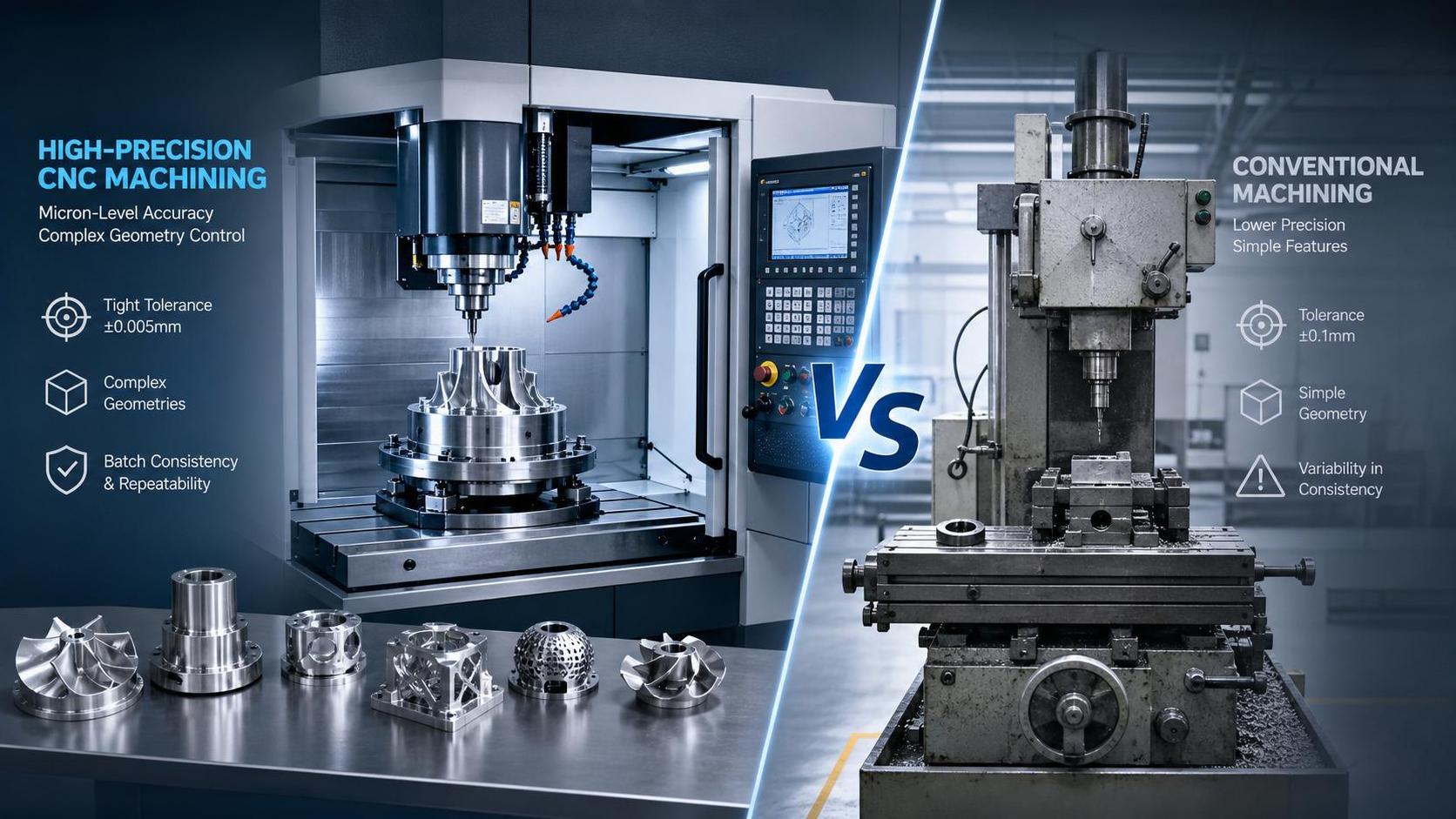
Choosing between Precision Machining and conventional machining is rarely a narrow technical call. It affects yield, product reliability, lead time, and long-term manufacturing cost. When a part must hold tight tolerances, repeat across batches, and fit into automated production, the process decision becomes a business decision as much as an engineering one.
That is why the topic matters across automotive, aerospace, electronics, energy equipment, and other industrial sectors. As global machine tool systems become more digital, automated, and interconnected, the gap between a workable part and a consistently high-performing part often comes down to how precisely it is machined.
What separates Precision Machining from conventional machining
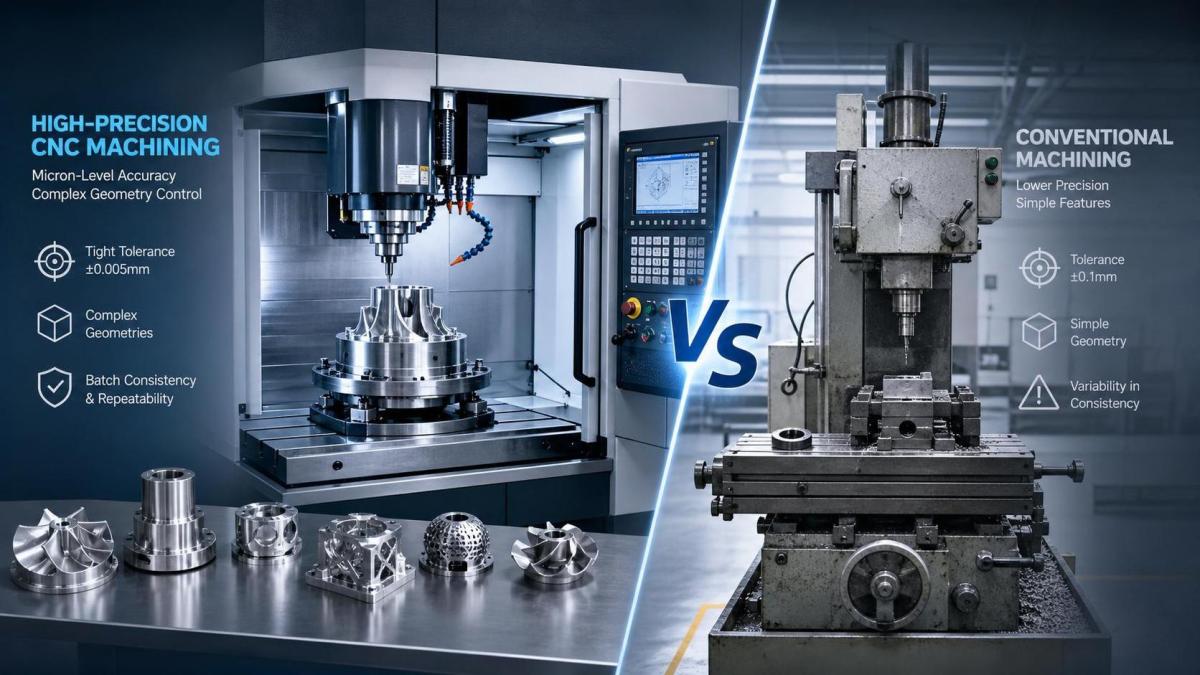
At a basic level, both methods remove material to create a final geometry. The real difference lies in control, repeatability, and the ability to hit demanding specifications under stable production conditions.
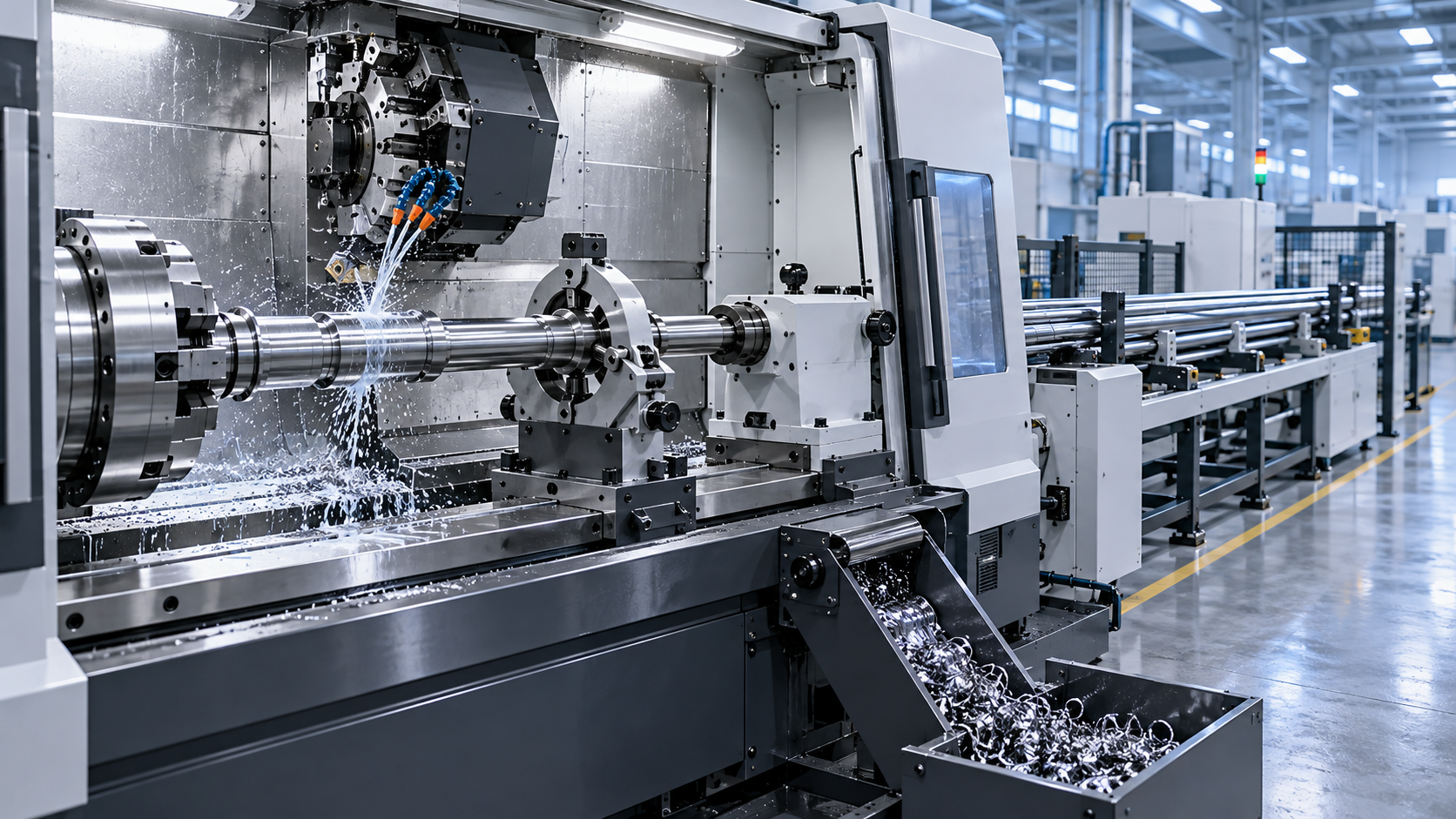
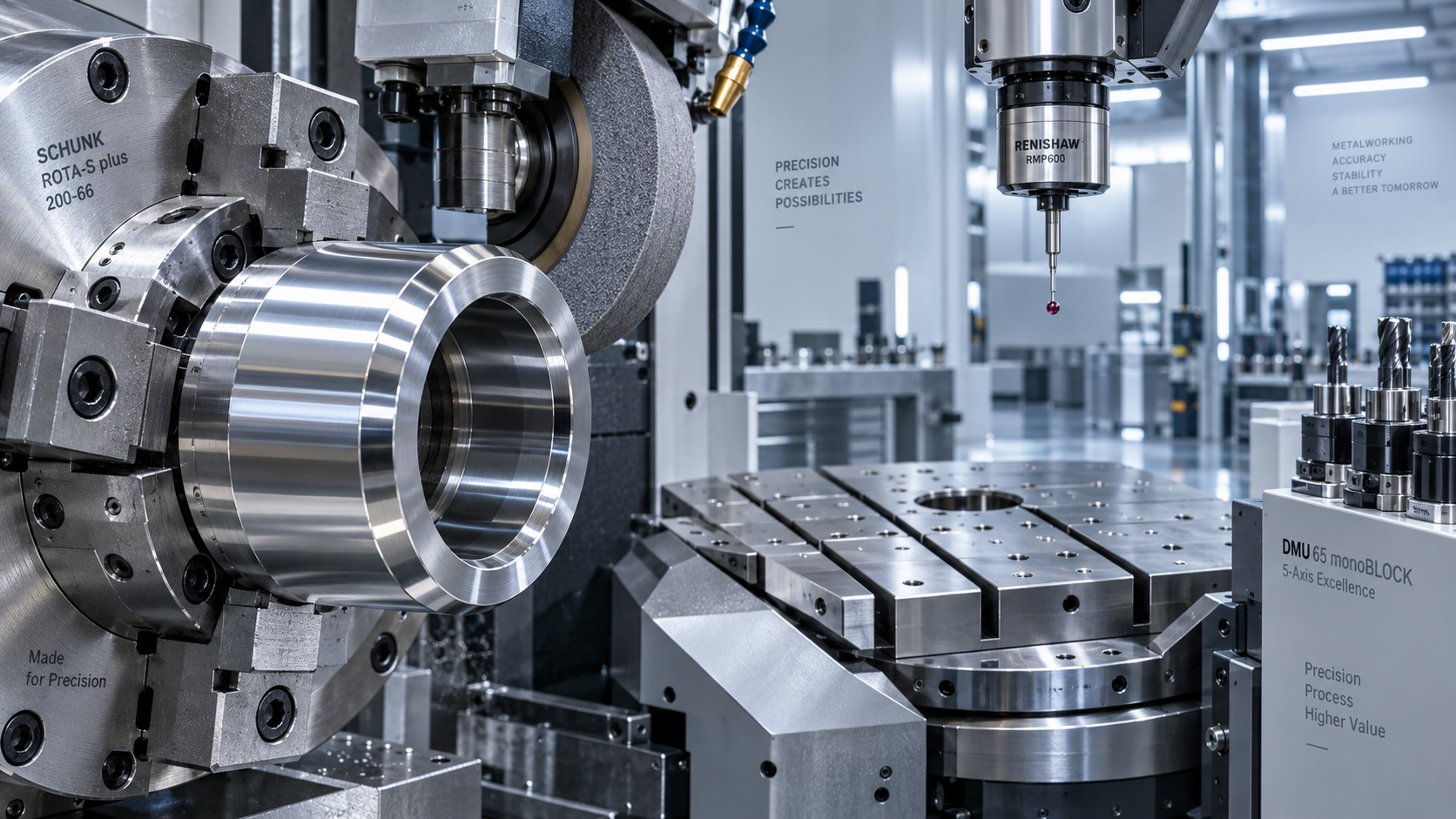
Precision Machining usually relies on advanced CNC systems, rigid machine structures, better thermal stability, finer tooling control, and tighter process monitoring. Conventional machining can still be highly useful, but it is generally better suited to broader tolerances and less complex quality demands.
In practical terms, Precision Machining is designed for parts where a small dimensional deviation can compromise assembly, sealing, vibration behavior, electrical performance, or service life. Conventional machining is often sufficient when the design allows more flexibility.
The difference is not only about accuracy
A common mistake is to treat Precision Machining as simply “more accurate cutting.” In reality, it also includes better consistency from part one to part ten thousand, stronger capability for complex geometries, and more predictable integration with automated inspection and assembly.
That broader capability is increasingly valuable in smart manufacturing environments, where machine tools, fixtures, cutting tools, robots, and digital quality systems work together instead of operating as isolated assets.
Why tight-tolerance parts are under more scrutiny now
Industrial expectations have changed. Components are becoming smaller, lighter, more complex, and more integrated. At the same time, end products are expected to run longer, consume less energy, and maintain stable performance in harsher operating conditions.
This pressure is visible across global machine tool markets. Multi-axis machining centers, CNC lathes, automated production cells, and digital inspection systems are expanding because manufacturers need tighter dimensional control without sacrificing throughput.
Another factor is supply chain globalization. Parts may be designed in one country, machined in another, and assembled elsewhere. Precision Machining helps reduce variation between sites, which matters when industrial clusters in China, Germany, Japan, and South Korea support international production networks.
Where conventional machining still makes sense
Conventional machining is not obsolete. It remains practical for many industrial jobs, especially when tolerance windows are moderate, geometry is straightforward, and cost sensitivity outweighs ultra-fine dimensional control.
It can be the right fit for support brackets, basic housings, non-critical shafts, maintenance parts, prototypes with flexible design changes, or components that will undergo later finishing operations with generous stock allowance.
In those cases, the added investment in Precision Machining may not generate enough return. The process should match the actual functional requirement, not an assumed need for the highest possible specification.
Typical situations that favor conventional methods
- Low-volume parts with limited precision risk
- Large components where ultra-tight tolerances apply only to a few surfaces
- Jobs with frequent design revisions during early development
- Applications where downstream grinding, coating, or fitting absorbs variation
When Precision Machining delivers stronger business value
Precision Machining becomes more compelling when dimensional accuracy directly affects product function. This is common in turbine parts, injector components, medical housings, precision discs, valve bodies, bearing seats, electronic enclosures, and complex structural parts.
The value is not limited to meeting a drawing. Better process control can lower scrap, reduce rework, improve interchangeability, and shorten final assembly time. It can also simplify qualification when customers demand traceability, repeatable measurement, and documented process capability.
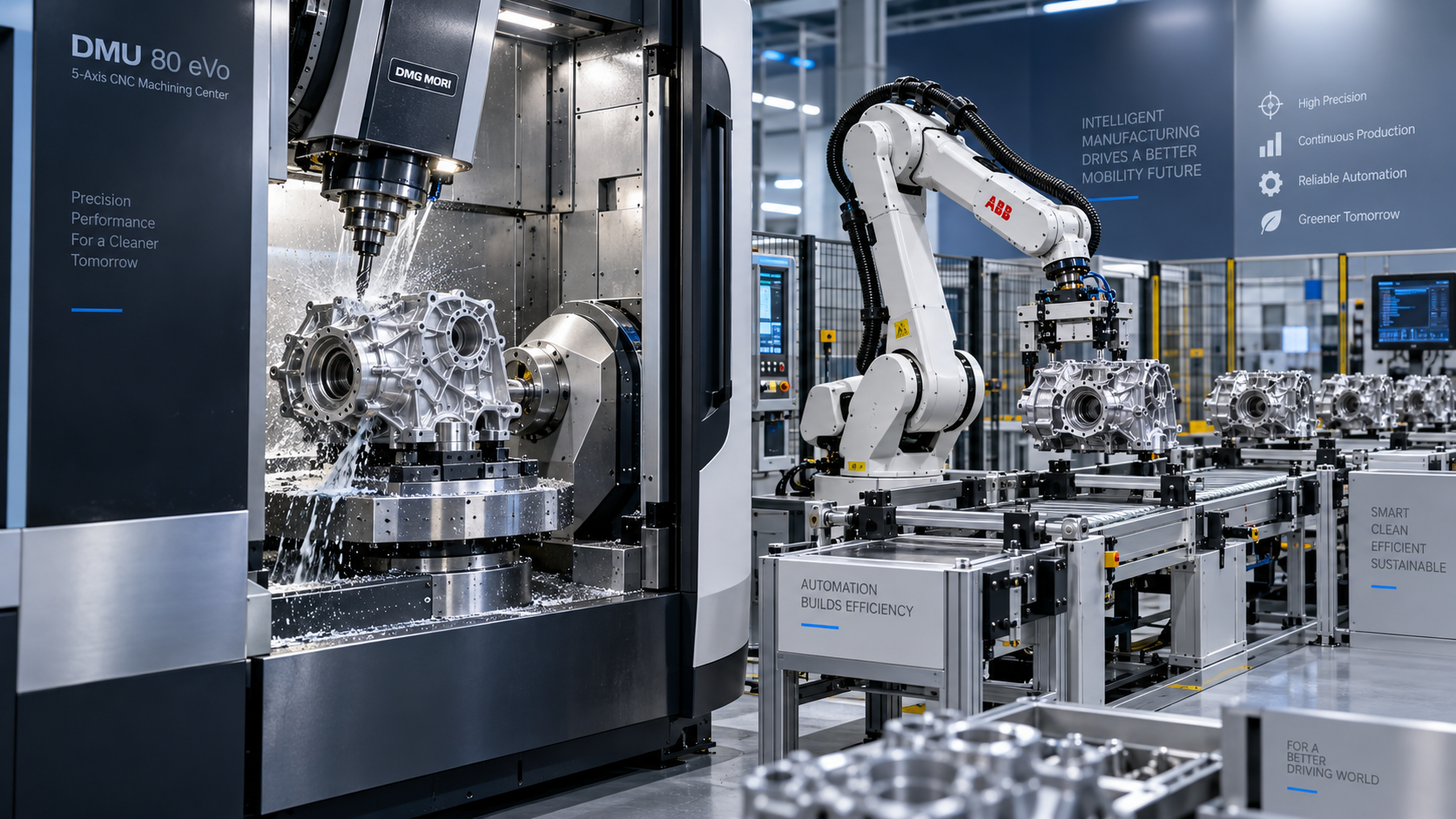
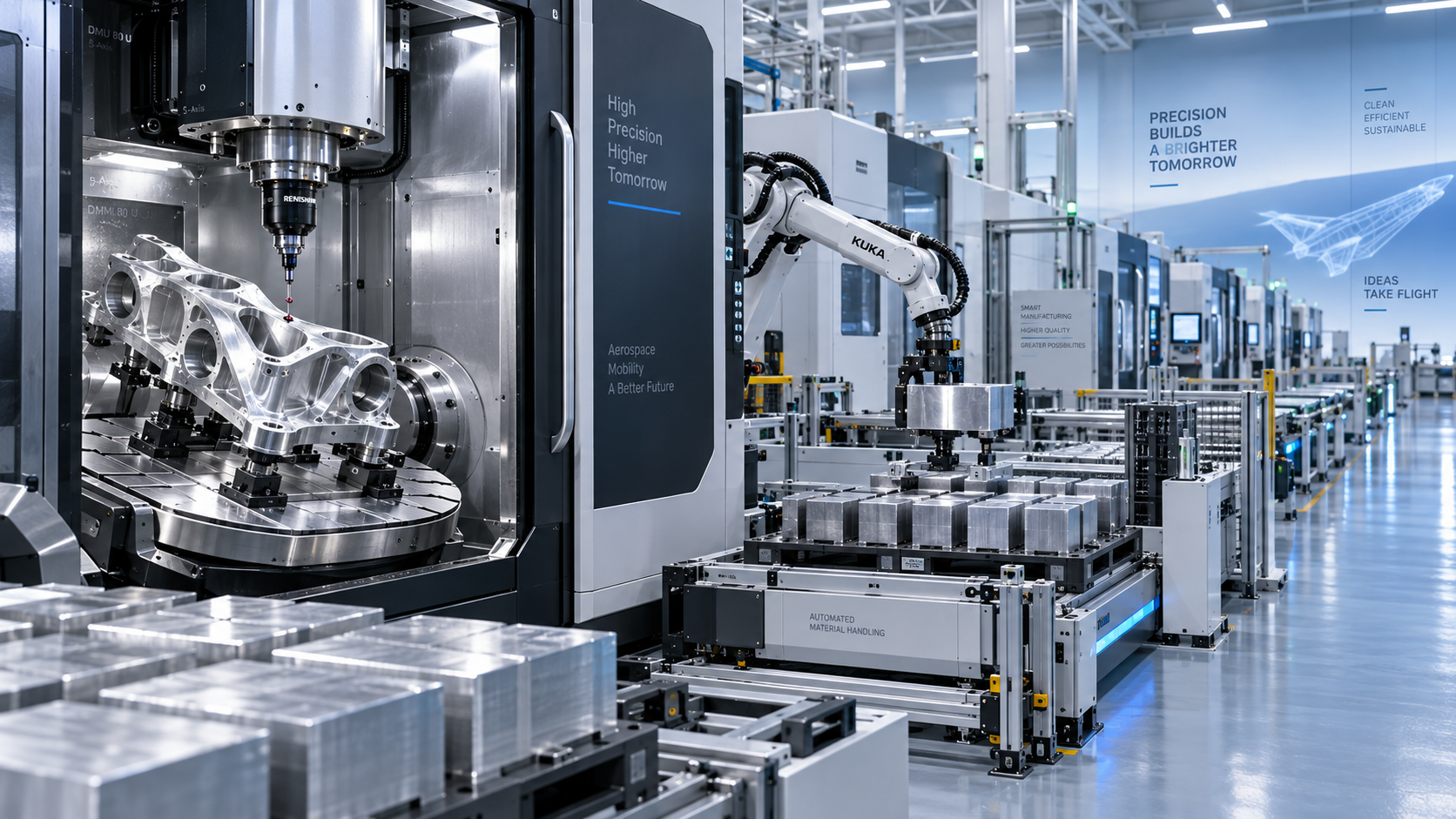
For automated lines, Precision Machining often supports smoother downstream performance. Robotic handling, fixture alignment, and automated assembly generally work better when incoming part variation stays tightly controlled.
How to judge the right process in real projects
The most useful starting point is function, not equipment. A tight tolerance on paper does not always require Precision Machining. Some dimensions are critical to performance, while others reflect design habits or inherited specifications.
It helps to separate must-hold features from nice-to-have features. Bore alignment, sealing surfaces, concentricity, flatness, and surface finish often deserve closer review than non-critical external dimensions.
Questions worth asking before selecting a process
- Which dimensions directly affect assembly, wear, flow, or electrical behavior?
- How much variation can downstream processes realistically absorb?
- Is the part geometry simple, or does it require multi-axis control?
- Will production scale from pilot batches to stable volume output?
- What is the cost of failure after the part leaves the machine shop?
These questions shift the discussion away from hourly machining rates alone. They bring in scrap exposure, warranty risk, delayed launches, inspection burden, and production stability.
Technology trends are changing the comparison
The line between the two approaches is also evolving. Modern CNC platforms, better cutting tools, improved fixtures, and in-process measurement have raised the baseline capability of many shops.
Even so, Precision Machining still stands apart where thermal control, machine rigidity, spindle accuracy, software compensation, and process data integration matter. Those factors are increasingly tied to digital manufacturing strategies rather than stand-alone machine performance.
This matters in smart factories. When production lines use robotics, flexible automation, and connected quality systems, a stable Precision Machining process can create fewer interruptions across the entire workflow, not only at the cutting stage.
A practical way to move forward
For tight-tolerance parts, the best choice is usually the process that balances capability, repeatability, and total cost over the full production cycle. Precision Machining often wins when failure is expensive, geometry is demanding, or scalability depends on consistent output.
Conventional machining remains a sound option when specifications are forgiving and the part function does not justify a more advanced process route. The key is to avoid paying for precision that delivers no operational value, while also avoiding false savings that create quality problems later.
A useful next step is to review part drawings, classify critical features, compare tolerance risk against production volume, and assess how each process fits current automation and quality goals. That approach creates a clearer basis for deciding where Precision Machining is essential and where conventional machining is enough.
PREVIOUS ARTICLE
NEXT ARTICLE
Recommended for You
 Digital Manufacturing for Smart Factories: Connecting Legacy Machines to MESMachine Tool Industry Editorial Team
 How to Select a CNC Metal Lathe for Tight-Tolerance Shaft and Sleeve PartsCNC Machining Technology Center
 How to Select an Industrial Lathe for High-Volume Shaft ProductionMachine Tool Industry Editorial Team
 Selecting Machine Tools for Automotive Parts: Accuracy, Throughput, and AutomationMachine Tool Industry Editorial Team
 Industrial Machining: Selecting Processes for Tight-Tolerance Metal PartsCNC Machining Technology Center
 Manufacturing Technology Trends That Improve Throughput and Quality ControlManufacturing Market Research Center

Aris Katos
Future of Carbide Coatings
15+ years in precision manufacturing systems. Specialized in high-speed milling and aerospace grade alloy processing.
▶
Is Learning CNC Programming Worth It for Shop Owners Seeking Higher Margins?CNC Machining Technology Center▶
How to Select CNC Equipment for High-Mix, Low-Volume ProductionCNC Machining Technology Center▶
Can CNC Machining Inconel Control Tool Wear in High-Temperature Aerospace Parts?CNC Machining Technology Center▶
How Automated Precision Machining Maintains Tolerance in High-Mix ProductionCNC Machining Technology Center▶
CNC Programming Explained: From CAD Models to Reliable Shop-Floor ToolpathsCNC Machining Technology Center
Mastering 5-Axis Workholding Strategies
Join our technical panel on Nov 15th to learn about reducing vibrations in thin-wall components.

Providing you with integrated sanding solutions
Before-sales and after-sales services
Comprehensive technical support