• Global CNC market projected to reach $128B by 2028 • New EU trade regulations for precision tooling components • Aerospace deman
NYSE: CNC +1.2%LME: STEEL -0.4%

Anhui Growth Lifts Demand for High-End Machine Tools

In the first quarter of 2026, Anhui’s equipment manufacturing sector posted strong year-on-year growth, with notable gains in new energy vehicles, electronic information, and service robots. For market participants, this is worth watching not only as a regional manufacturing update, but as a sign that demand for high-end machine tools is being pulled by fast-growing end-use segments, with implications for suppliers, buyers, and supply-chain operators assessing process fit and delivery flexibility.
What the Q1 data confirms
According to the information provided, Anhui’s equipment manufacturing value added rose 18.6% year on year in the first quarter of 2026. Within that, new energy vehicle manufacturing increased 16.9%, the electronic information industry grew 52.2%, and service robot output surged 82.7%.
The same information also states that the province has placed the machine tool industry on a core track of new-quality productive forces, with supporting policies continuing to strengthen. This positions machine tools as a priority area within the province’s industrial development focus.
Why this matters across the supply chain
For machine tool manufacturers, demand signals are becoming more application-specific
From an industry perspective, the combination of growth in new energy vehicles and service robots suggests that demand is not only about higher volumes, but also about process requirements tied to specific components and production scenarios. What deserves closer attention is whether suppliers can match the manufacturing needs of areas such as robot joints and battery trays, which were explicitly highlighted in the input information.
For overseas buyers, supplier evaluation may shift toward process adaptability
Analysis shows that overseas procurement teams may read this development as an indicator of how Chinese suppliers are aligning capacity expansion and technical iteration with emerging global end markets. The practical impact is likely to be felt in supplier screening, technical communication, and delivery planning rather than in headline pricing alone.
For supply-chain and trade operators, delivery resilience becomes part of the discussion
Observably, when policy support and end-market demand move in the same direction, the market pays closer attention to whether suppliers can maintain delivery flexibility while adapting to more specialized manufacturing tasks. For companies involved in trade execution or supply-chain coordination, this can affect scheduling, order matching, and customer expectation management.
What companies should watch next
Track how policy support translates into actual business capacity
Analysis shows that policy emphasis on machine tools and actual supplier capability are not the same thing. Companies should pay attention to subsequent official language and practical developments that may clarify how industrial support is reflected in production capacity, technical upgrading, or supply-side readiness.
Focus on the component categories highlighted by end-use growth
What deserves closer attention is the relevance of this signal to component-linked manufacturing needs. The reference to robot joints and battery trays suggests that buyers and suppliers alike may need to examine process suitability, not just general equipment supply capability.
Prepare for deeper technical and delivery-side due diligence
For procurement teams and service providers, this development may require closer review of supplier qualification materials, production communication, and fulfillment timing. Observably, when demand comes from higher-specification applications, the quality of technical alignment and documentation can become more important in commercial discussions.
Separate short-term momentum from confirmed long-term positioning
From an industry perspective, one quarter of strong growth and an active policy stance provide a meaningful signal, but they do not by themselves confirm the final shape of long-term competitive outcomes. Companies should therefore use this information to refine planning assumptions rather than treat it as a settled result.
How this signal should be interpreted now
Analysis shows that this development is more than a routine regional growth update. It points to a closer linkage between China’s high-end machine tool capacity expansion, technology iteration, and fast-growing global end-use markets. At the same time, it is more appropriate to understand this as a directional industry signal rather than as proof that all suppliers have already achieved the same level of application readiness or delivery elasticity.
Observably, the strongest takeaway is not simply that demand is rising, but that the structure of demand is becoming more defined by emerging sectors such as new energy vehicles and robots. That makes process adaptation and execution capability more relevant than broad production scale alone.
A signal worth following beyond the headline growth rate
In practical terms, this update is best understood as an industry marker showing where demand for high-end machine tools may be concentrating and what kinds of supplier capabilities are likely to draw closer scrutiny. For manufacturers, buyers, and supply-chain participants, the value of this information lies in identifying where application-specific production competence and delivery flexibility may increasingly shape business decisions.
It is more appropriate to understand this as a medium- to long-term directional signal that still requires continued observation, especially regarding how policy support, end-market demand, and supplier execution develop together.
Basis of this article
This article is based on the user-provided news title, event timing, and event summary. The input did not provide a specific official source link, so the precise official source still needs ongoing verification.
For this type of industry update, commonly relevant source categories may include official announcements, company disclosures, industry association information, authoritative media coverage, and standards-related documents. Areas that merit continued attention include follow-up official wording, changes in policy implementation, and whether application-specific capabilities in segments such as robot joints and battery trays become more clearly reflected in actual business execution.
PREVIOUS ARTICLE
Recommended for You
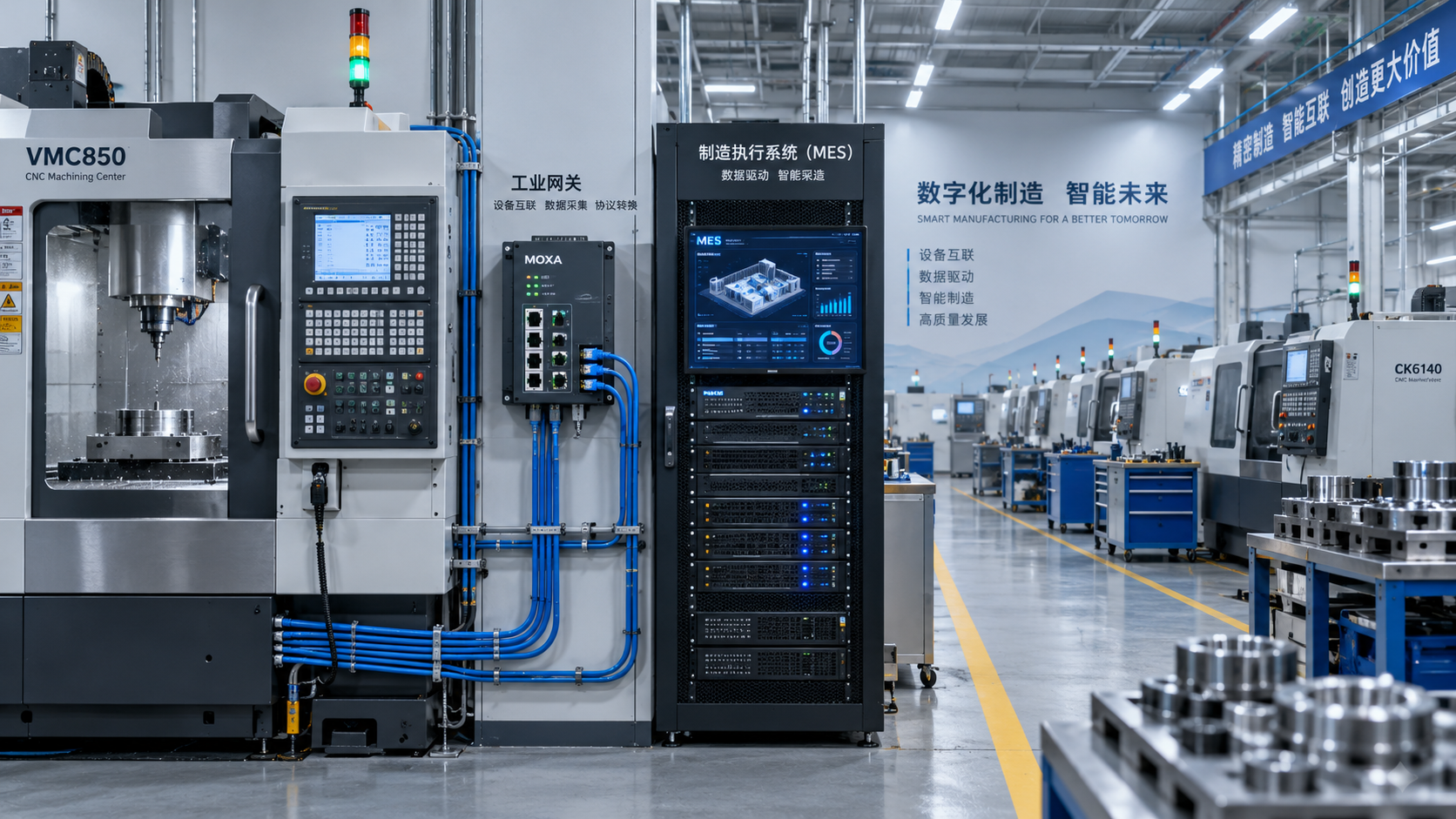
 Digital Manufacturing for Smart Factories: Connecting Legacy Machines to MESMachine Tool Industry Editorial Team
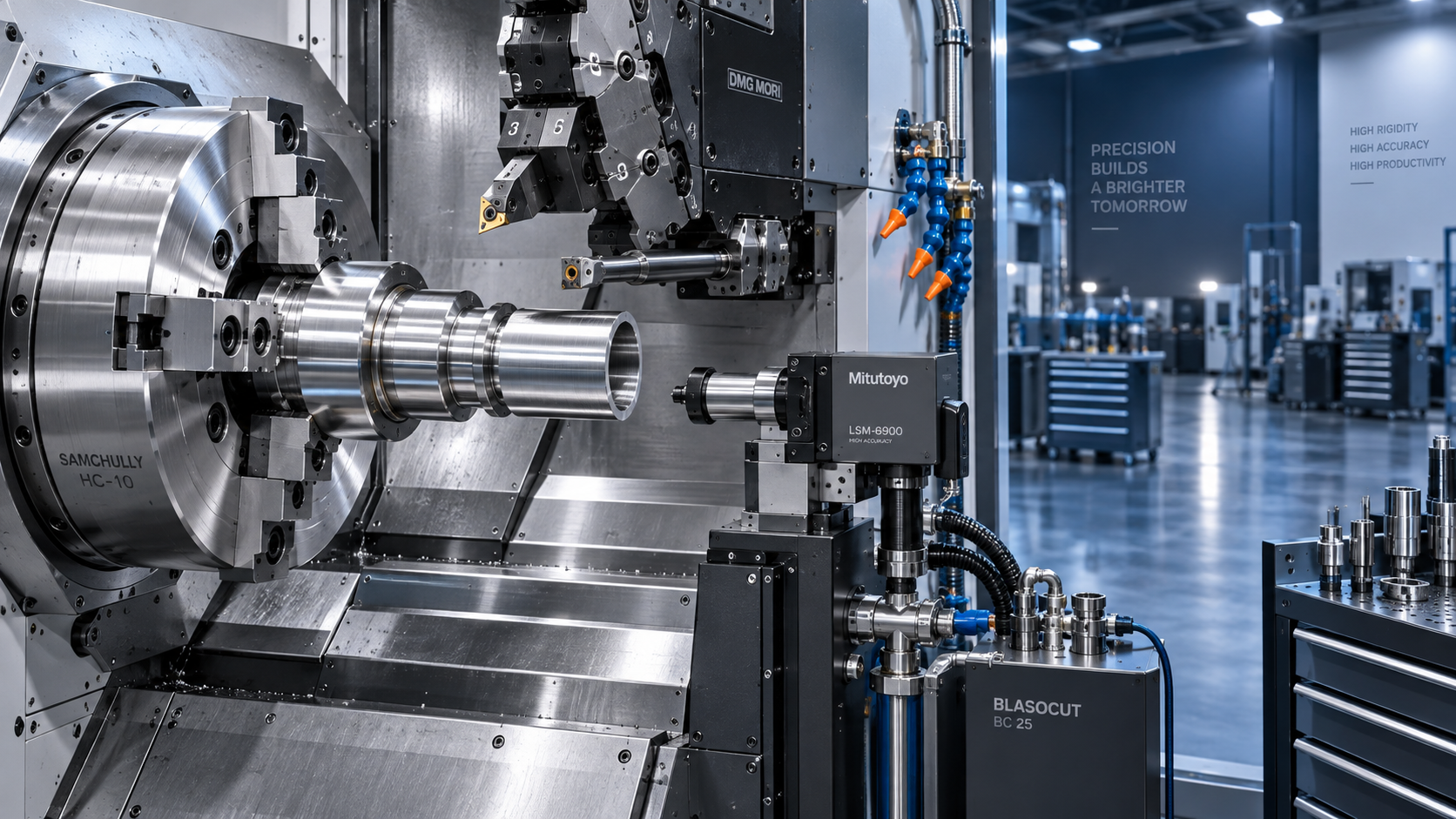
 How to Select a CNC Metal Lathe for Tight-Tolerance Shaft and Sleeve PartsCNC Machining Technology Center
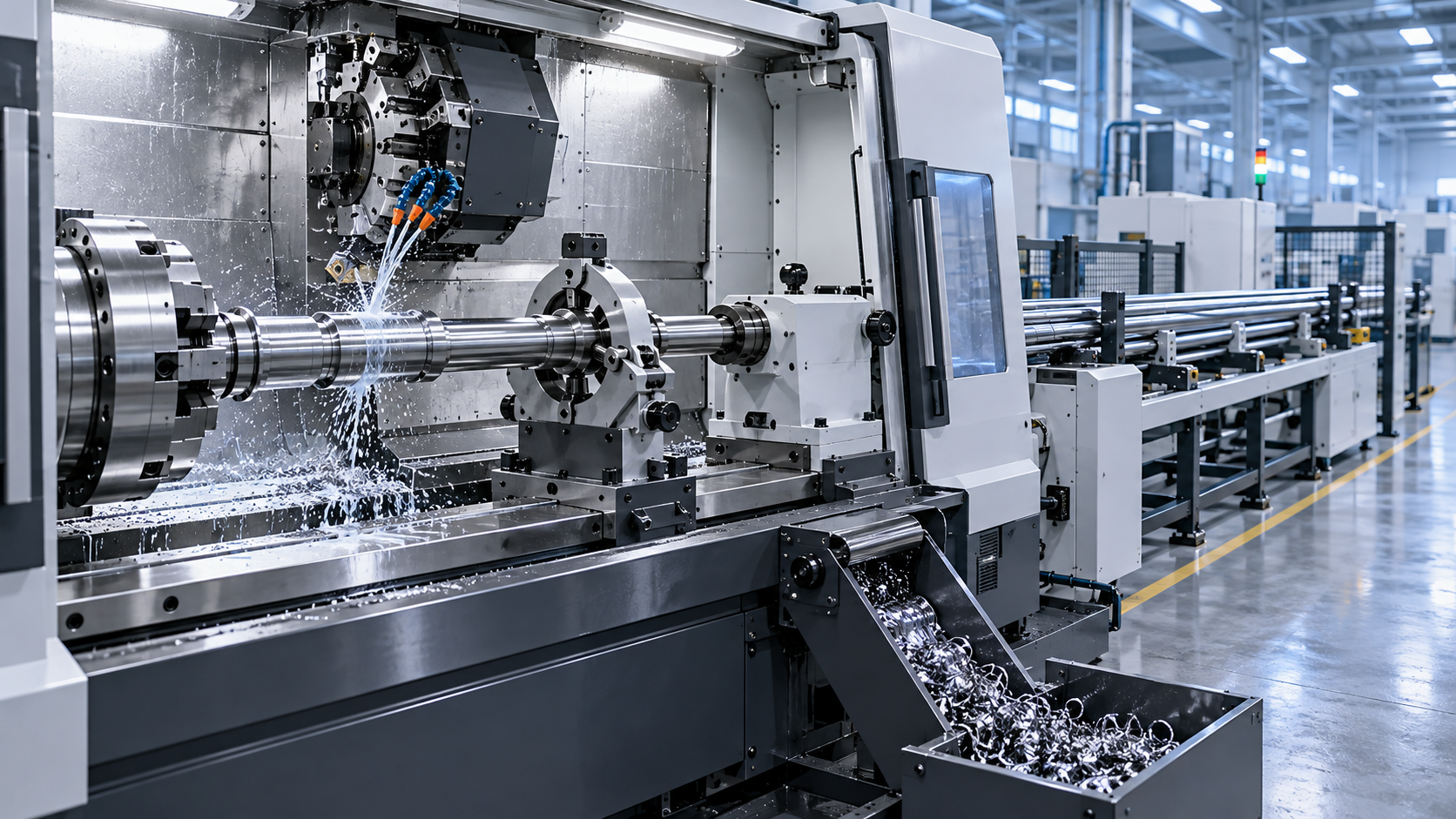
 How to Select an Industrial Lathe for High-Volume Shaft ProductionMachine Tool Industry Editorial Team
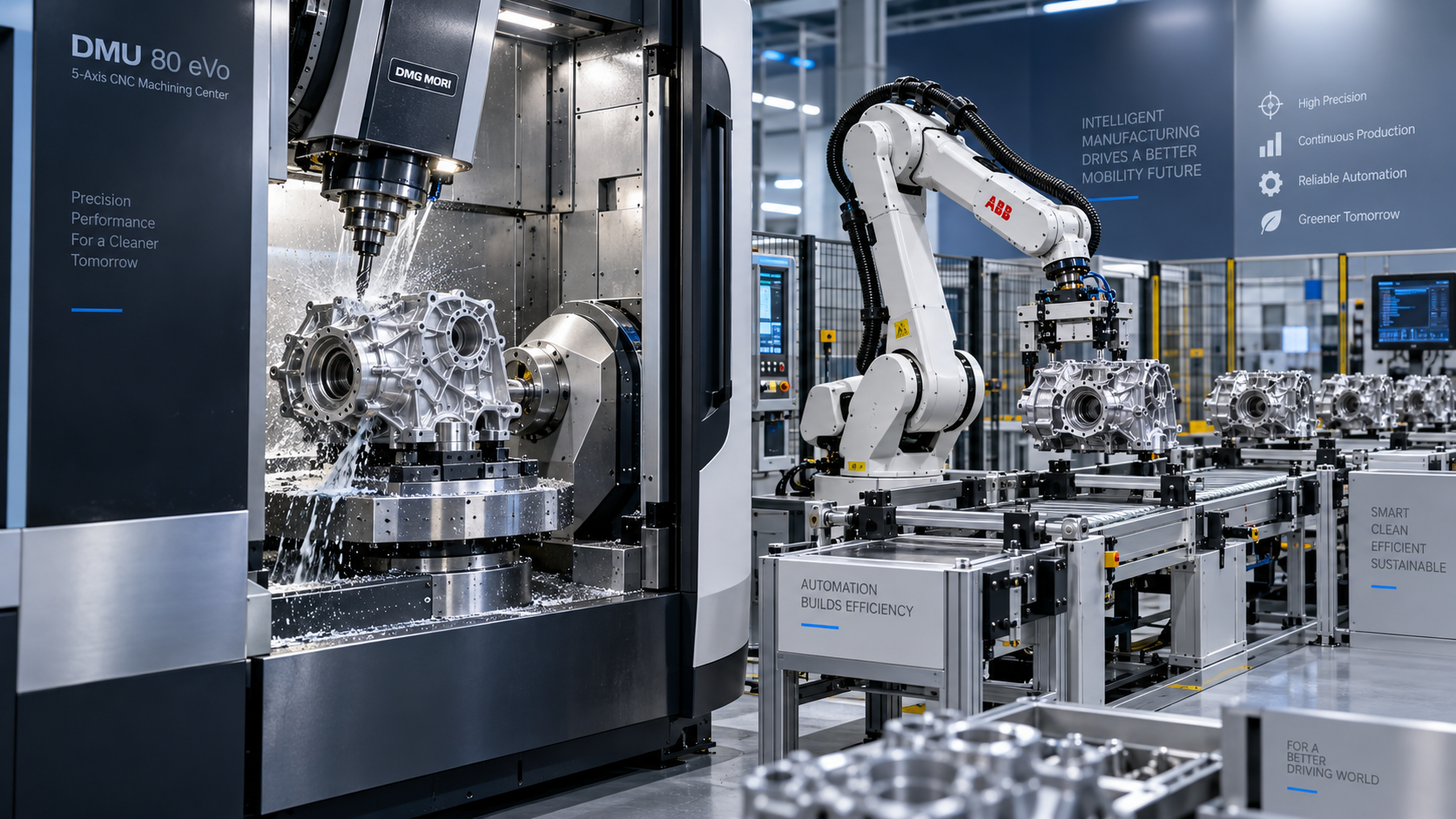
 Selecting Machine Tools for Automotive Parts: Accuracy, Throughput, and AutomationMachine Tool Industry Editorial Team
 Industrial Machining: Selecting Processes for Tight-Tolerance Metal PartsCNC Machining Technology Center
 Manufacturing Technology Trends That Improve Throughput and Quality ControlManufacturing Market Research Center

Aris Katos
Future of Carbide Coatings
15+ years in precision manufacturing systems. Specialized in high-speed milling and aerospace grade alloy processing.
▶
Japan Subsidy Plan Narrows CNC Export OpeningsManufacturing Market Research Center▶
Industrial Robotics ROI: Cost Drivers, Integration Risks, and Payback Benchmarks for BuyersManufacturing Market Research Center▶
India’s 20% Rice Export Tax Lifts Demand for Processing EquipmentManufacturing Market Research Center▶
Anhui Growth Lifts Demand for High-End Machine ToolsManufacturing Market Research Center▶
China CNC Rate to Hit 75% by 2027Manufacturing Market Research Center
Mastering 5-Axis Workholding Strategies
Join our technical panel on Nov 15th to learn about reducing vibrations in thin-wall components.

Providing you with integrated sanding solutions
Before-sales and after-sales services
Comprehensive technical support