• Global CNC market projected to reach $128B by 2028 • New EU trade regulations for precision tooling components • Aerospace deman
NYSE: CNC +1.2%LME: STEEL -0.4%

How to compare industrial machining equipment by output needs
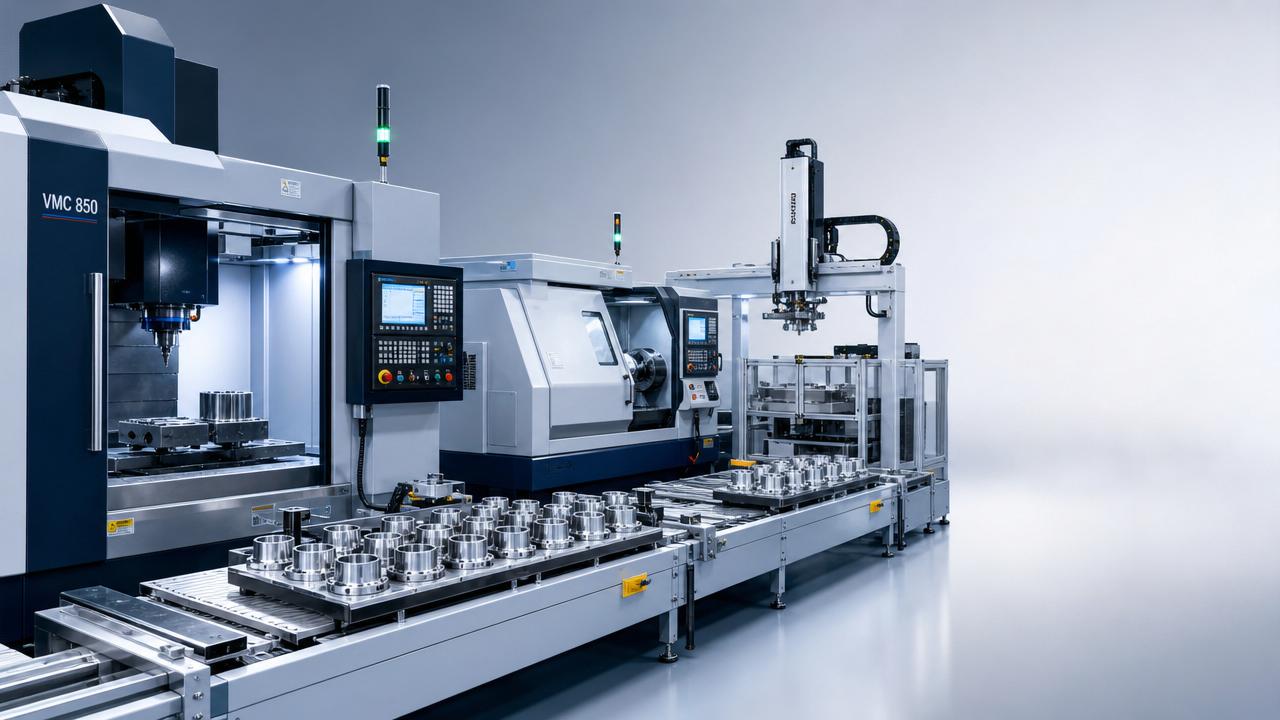
Choosing the right industrial machining equipment starts with a clear understanding of your output needs, from batch size and cycle time to precision and material requirements. For procurement teams, comparing machines by production capacity, automation level, and long-term operating cost is essential to avoid overinvestment or bottlenecks. This guide explains how to evaluate equipment options with practical criteria that support efficient, scalable manufacturing decisions.
Why output-based comparison is becoming more important now
The way buyers compare industrial machining equipment has changed. In the past, many procurement decisions focused on machine size, spindle power, or brand reputation alone. Today, that approach is less reliable because manufacturing demand is more volatile, product lifecycles are shorter, and production planning is increasingly tied to delivery speed, traceability, and automation readiness. As a result, output needs have become the most practical starting point for evaluating machine tools, machining centers, CNC lathes, and flexible production systems.
This shift is especially visible across automotive parts, aerospace components, energy equipment, and electronics manufacturing. Buyers are no longer asking only whether a machine can cut a part. They are asking whether the equipment can maintain required throughput under changing order volumes, whether it can adapt to mixed-batch production, and whether its performance can be sustained without excessive downtime or labor dependence. In this environment, comparing industrial machining equipment by output needs is not just a technical exercise; it is a strategic way to balance cost, resilience, and future production flexibility.
Another important change is the rise of smart manufacturing. Digital monitoring, automated loading, tool-life management, and predictive maintenance are no longer optional in many factories. These capabilities directly affect usable output, not just theoretical machine capacity. For procurement teams, the comparison process now needs to connect machine specifications with real operational outcomes.
The main market signals shaping industrial machining equipment selection
Several market signals explain why output-driven equipment comparison is becoming standard practice. First, manufacturers are under pressure to increase efficiency without expanding floor space or labor headcount at the same rate. Second, more buyers are managing product variation, meaning one machine may need to support multiple part families. Third, energy costs, operator shortages, and stricter quality demands are pushing companies to evaluate total productive output rather than nameplate performance.
For procurement professionals, these signals mean that a lower purchase price does not necessarily indicate better value. A machine with higher uptime, faster setup changeovers, and stronger automation compatibility may deliver a better cost per finished part over several years. That is why industrial machining equipment should be compared in the context of output goals, shift planning, scrap risk, maintenance intervals, and expected business growth.
How output needs should guide your comparison framework
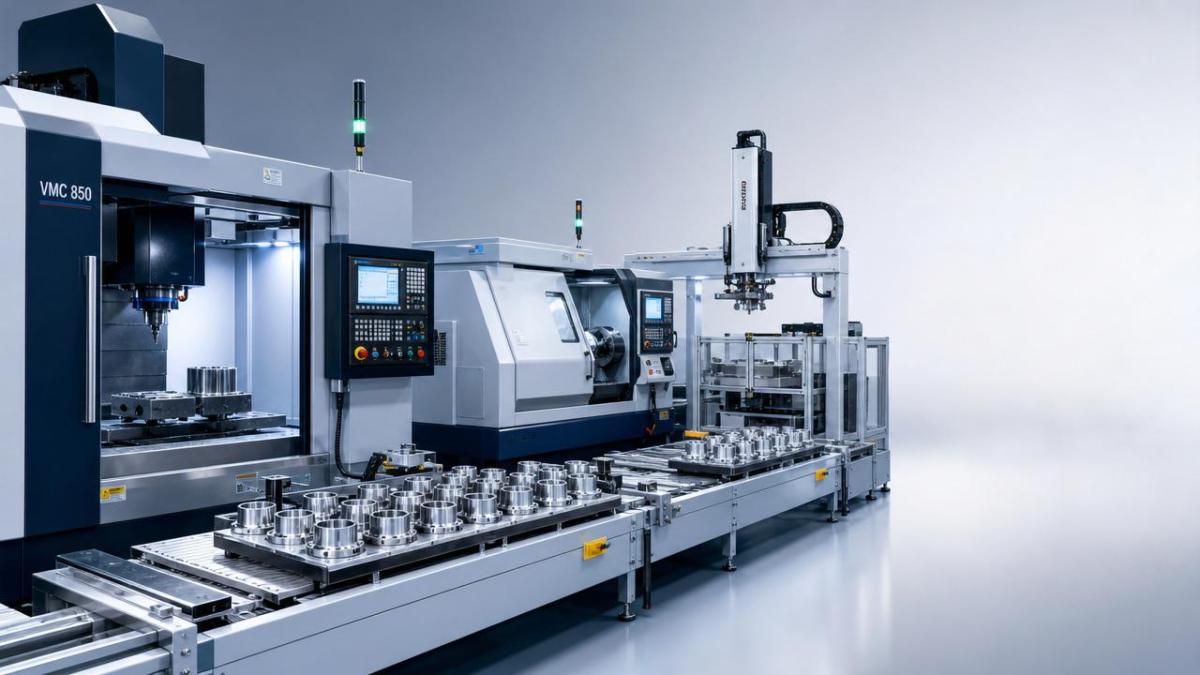
When comparing industrial machining equipment, output needs should be translated into measurable procurement criteria. The first step is to define actual required output, not idealized output. Procurement teams should work with production, quality, and planning departments to identify monthly and peak demand, expected scrap rate, machine utilization targets, and acceptable lead time. This prevents buying equipment that appears powerful on paper but does not fit the factory’s true production profile.
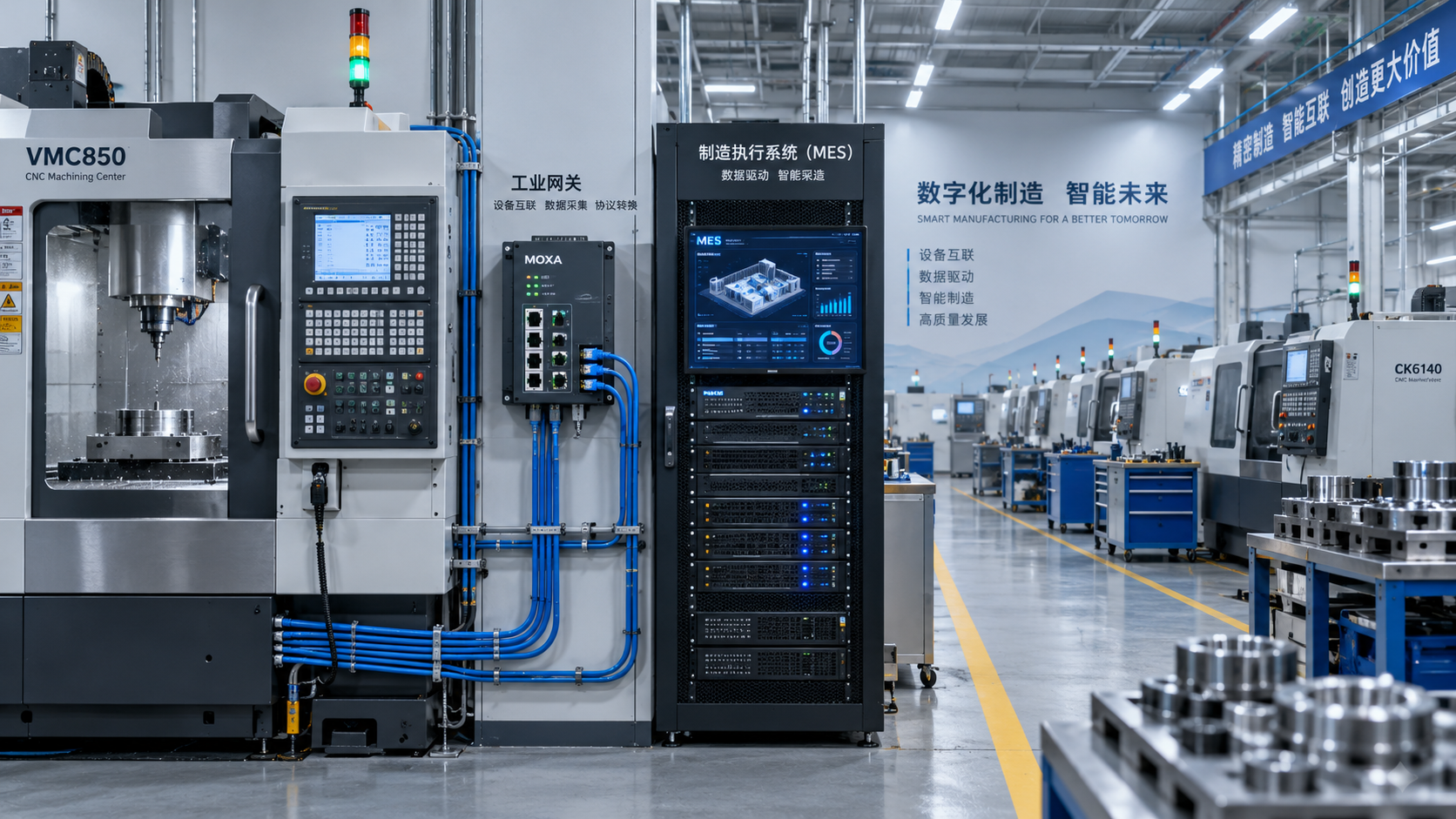
A practical comparison usually starts with five dimensions. The first is throughput: how many qualified parts can the machine produce per shift or per day under normal conditions. The second is precision stability: whether output can be maintained consistently as volume increases. The third is process adaptability: whether the equipment supports the materials, geometries, and tolerance shifts expected in future orders. The fourth is automation readiness: whether the machine integrates easily with loaders, robots, tool management, or MES systems. The fifth is lifecycle efficiency: whether service support, spare parts access, maintenance complexity, and energy use will affect long-term output.
This framework is especially useful because industrial machining equipment is often deployed in stages. A buyer may initially need moderate volume, but within one or two years the requirement may shift toward multi-shift operation or flexible cell integration. Comparing machines through an output lens helps reveal which options can scale and which may create bottlenecks later.
The drivers behind changing equipment priorities
Several forces are pushing buyers to rethink traditional selection priorities. One driver is part complexity. Multi-axis machining, compound operations, and tighter tolerance expectations mean that a single machine’s capability can affect both output speed and process consolidation. If one machining center can complete more operations in one setup, it may reduce total cycle time, handling losses, and queue delays across the workshop.
Another driver is workforce availability. In many manufacturing regions, skilled operator recruitment is difficult. This makes automation-friendly industrial machining equipment more attractive, even when the initial investment is higher. Equipment that simplifies programming, tool monitoring, and setup verification may protect output better than equipment that depends heavily on highly experienced operators.
A third driver is digital integration. Modern procurement teams increasingly evaluate whether a machine can provide production data, alarm history, utilization tracking, and maintenance indicators. These functions improve decision-making after installation and help buyers verify whether promised output levels are being achieved. Over time, data visibility becomes a major factor in comparing equipment value.
What different output profiles mean for machine comparison
Not all output needs point to the same type of industrial machining equipment. Buyers should separate demand into operational profiles rather than rely on broad machine categories alone. A low-volume, high-mix operation may benefit more from flexible machining centers with short setup times and broad programming capacity. In contrast, stable high-volume production may justify specialized equipment, dedicated fixtures, and greater automation to reduce per-part cost.
For medium-volume manufacturers, the decision is often more complex. They need enough capacity to handle growth but also enough flexibility to absorb order variation. This is where procurement mistakes often happen. Some companies overinvest in highly automated systems that remain underutilized, while others choose low-cost standalone machines and later discover that labor and scheduling limits prevent output expansion. The right comparison method asks how each equipment option performs across current demand, peak demand, and foreseeable product changes.
How these changes affect procurement teams most directly
For procurement teams, the biggest impact is that equipment sourcing now requires closer cross-functional alignment. Purchasing can no longer evaluate industrial machining equipment only through quotations and technical brochures. It must compare supplier claims with production assumptions, maintenance realities, and future expansion plans. This change increases the importance of trial cutting, application engineering review, and reference checks in similar production environments.
It also changes supplier evaluation. The lowest bidder may still win in simple applications, but in more demanding environments buyers increasingly prioritize service responsiveness, local technical support, spare parts lead time, software compatibility, and training capacity. These factors directly influence usable output after commissioning. Delays in maintenance or poor application support can quickly turn an apparently competitive machine into a production bottleneck.
Another direct impact is on capital planning. More companies are splitting procurement into phases, starting with equipment that fits current output while preserving an upgrade path for robotics, pallet pools, or digital monitoring. This staged approach reflects a broader market trend: buyers want flexibility in both production and investment timing.
Signals worth tracking before making a final equipment decision
Before selecting industrial machining equipment, buyers should monitor several signals that often reveal whether a machine will remain suitable over time. One signal is order variability. If the business is moving toward smaller batches or wider product diversity, flexibility may be more important than maximum peak speed. Another signal is quality escalation. If customer specifications are tightening, thermal stability, repeatability, and process control deserve more weight in the comparison.
A third signal is automation pressure. If labor stability is uncertain or if competitors are moving toward lights-out production, then equipment with stronger automation interfaces becomes a safer long-term choice. A fourth signal is supplier ecosystem strength. Machines do not operate in isolation; tooling support, fixture compatibility, software integration, and after-sales service all influence realized output. Buyers should assess the broader system around the machine, not just the machine itself.
A practical decision model for comparing industrial machining equipment
A useful decision model is to compare each equipment option across three time horizons. In the short term, evaluate whether the machine can meet current production output with acceptable cycle time and quality. In the medium term, assess whether it can support changing batch sizes, additional shifts, or new part families. In the long term, determine whether it can integrate with automation, digital systems, and process optimization plans.
This approach helps procurement teams avoid one-sided decisions. A machine that performs well in current conditions but lacks upgrade flexibility may create replacement pressure too early. On the other hand, a highly advanced system may be unnecessary if product demand is stable and process complexity is low. The goal is not to buy the most sophisticated industrial machining equipment available, but to buy the most suitable platform for the expected output path.
What smart buyers should do next
In a market defined by rising complexity and shifting production requirements, comparing industrial machining equipment by output needs is the most reliable way to improve procurement quality. Buyers should define real throughput targets, test supplier assumptions, and weigh flexibility alongside raw capacity. They should also treat automation compatibility, data visibility, and service infrastructure as output-related criteria rather than optional extras.
If a company wants to judge how these trends affect its own business, the most useful questions are straightforward: Is demand becoming more variable? Are labor constraints affecting output? Will quality requirements tighten? Is there a realistic plan for automation or digital integration within the equipment lifecycle? The clearer the answers, the easier it becomes to compare industrial machining equipment in a way that supports both immediate production goals and long-term manufacturing resilience.
PREVIOUS ARTICLE
Recommended for You
 Digital Manufacturing for Smart Factories: Connecting Legacy Machines to MESMachine Tool Industry Editorial Team
 How to Select a CNC Metal Lathe for Tight-Tolerance Shaft and Sleeve PartsCNC Machining Technology Center
 How to Select an Industrial Lathe for High-Volume Shaft ProductionMachine Tool Industry Editorial Team
 Selecting Machine Tools for Automotive Parts: Accuracy, Throughput, and AutomationMachine Tool Industry Editorial Team
 Industrial Machining: Selecting Processes for Tight-Tolerance Metal PartsCNC Machining Technology Center
 Manufacturing Technology Trends That Improve Throughput and Quality ControlManufacturing Market Research Center

Aris Katos
Future of Carbide Coatings
15+ years in precision manufacturing systems. Specialized in high-speed milling and aerospace grade alloy processing.
▶
Japan Subsidy Plan Narrows CNC Export OpeningsManufacturing Market Research Center▶
Industrial Robotics ROI: Cost Drivers, Integration Risks, and Payback Benchmarks for BuyersManufacturing Market Research Center▶
India’s 20% Rice Export Tax Lifts Demand for Processing EquipmentManufacturing Market Research Center▶
Anhui Growth Lifts Demand for High-End Machine ToolsManufacturing Market Research Center▶
China CNC Rate to Hit 75% by 2027Manufacturing Market Research Center
Mastering 5-Axis Workholding Strategies
Join our technical panel on Nov 15th to learn about reducing vibrations in thin-wall components.

Providing you with integrated sanding solutions
Before-sales and after-sales services
Comprehensive technical support