• Global CNC market projected to reach $128B by 2028 • New EU trade regulations for precision tooling components • Aerospace deman
NYSE: CNC +1.2%LME: STEEL -0.4%

CNC Turning for Shafts and Housings: Common Problems and How to Reduce Chatter
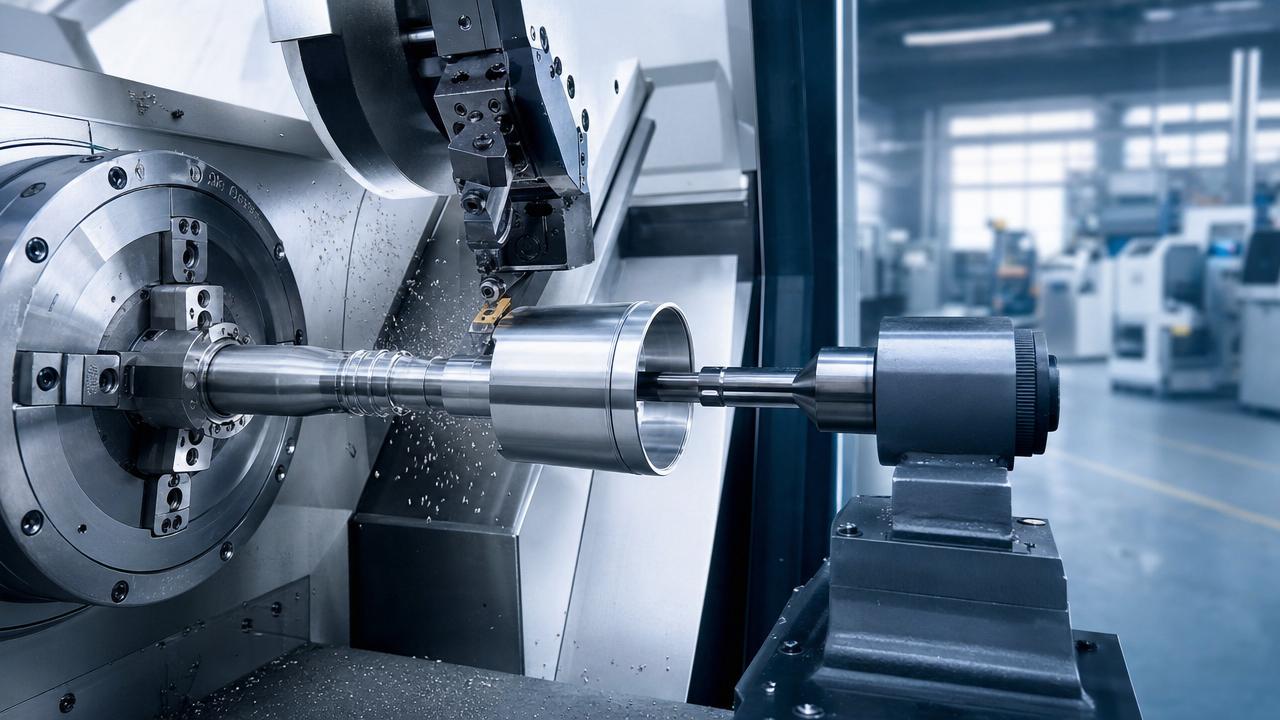
Why CNC turning chatter matters long before parts reach inspection
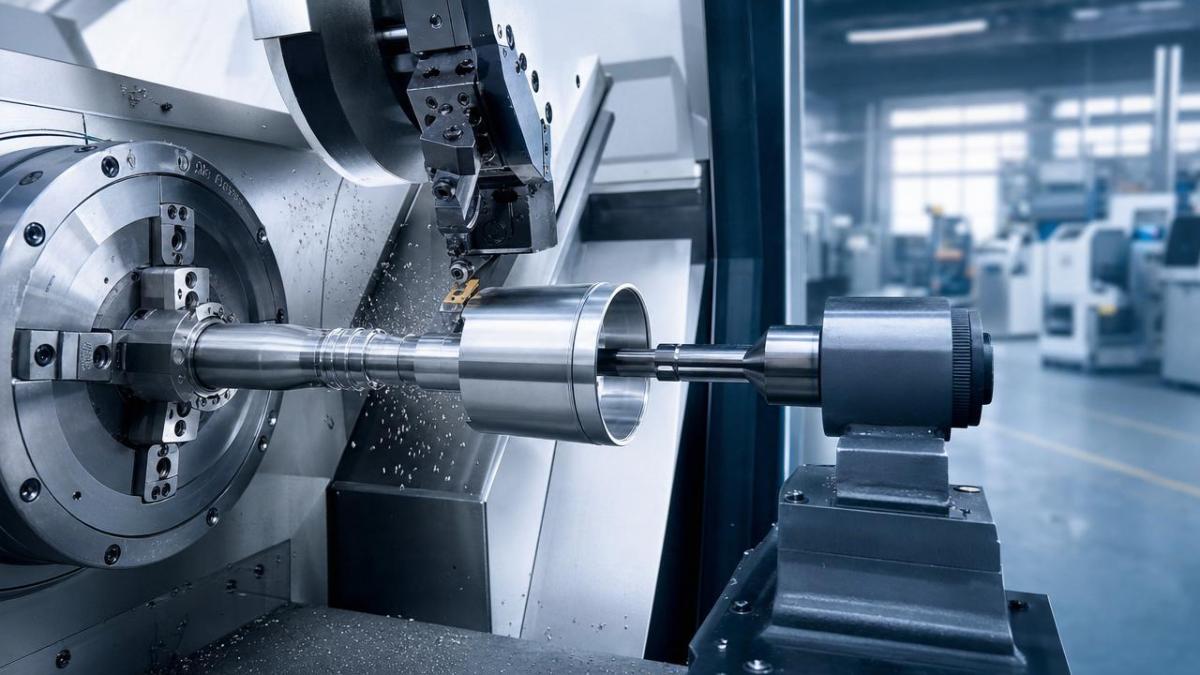
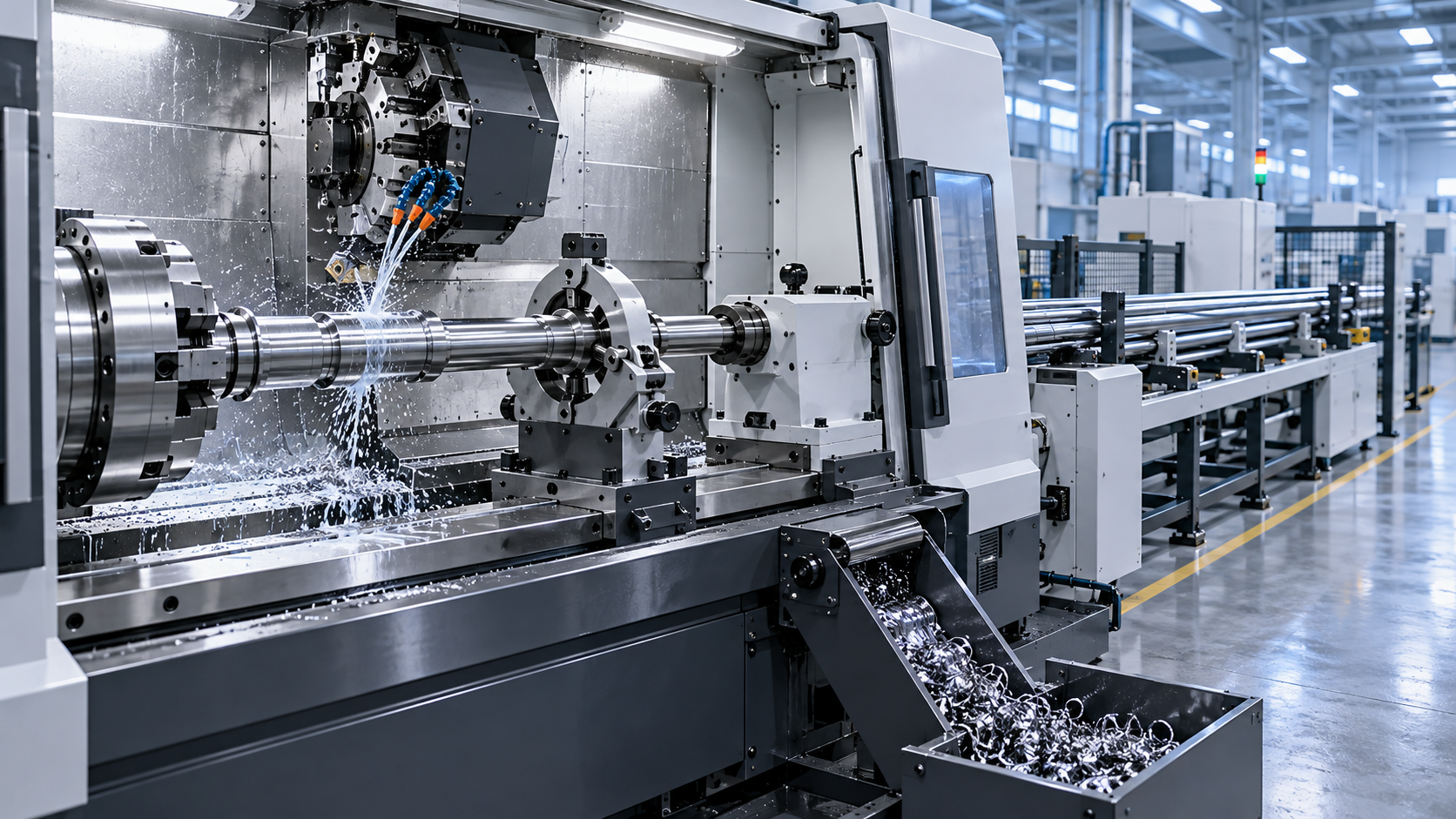
CNC turning is central to modern production because shafts and housings appear across automotive, aerospace, energy, electronics, and general industrial equipment.
When chatter enters the cut, the problem is rarely limited to noise. Surface finish worsens, diameters drift, inserts fail early, and cycle stability disappears.
In practical machining, the same CNC turning strategy does not behave equally on a slender shaft, a thin-wall housing, or a short rigid blank.
That is why chatter reduction starts with reading the application scene correctly, not just adjusting spindle speed after vibration becomes visible.
A shop focused on automated production also feels this more sharply. One unstable operation can disrupt tool life planning, robot loading rhythm, and downstream measurement consistency.
The better approach is to understand how workpiece geometry, support method, cutting path, insert shape, and machine rigidity interact under real production conditions.
Different turning scenes create different vibration risks
Chatter in CNC turning is not one single defect source. It changes character depending on how the part stores and releases cutting energy.
A long shaft tends to deflect and spring back. A housing often behaves more like a thin ring that loses stiffness as internal material is removed.
Machine condition also changes the judgment. A rigid CNC lathe with stable turret indexing tolerates more aggressive cuts than a worn machine with weak clamping repeatability.
In actual applications, material matters as much as geometry. Stainless steel, heat-resistant alloys, and gummy low-carbon grades often amplify chatter because chips do not break cleanly.
This explains why CNC turning choices in smart manufacturing are becoming more data-driven. Stable output matters more than chasing the highest feed or depth on paper.
A quick way to compare common shop-floor conditions
Long shafts usually need support strategy before parameter tuning
In shaft production, chatter often appears during roughing transitions or near unsupported sections. The issue is usually structural before it is numerical.
Many shops first reduce spindle speed. Sometimes that helps, but it may only hide the symptom while extending cycle time and worsening chip control.
A more useful judgment starts with support conditions. Tailstock pressure, center condition, steady rest location, and jaw grip length influence shaft behavior immediately.
Tool overhang is another frequent cause. Even a rigid machine loses stability if the boring bar or external holder extends farther than needed.
For shaft-oriented CNC turning, reducing cutting force can matter more than reducing metal removal rate. A sharper insert, smaller nose radius, or better lead angle often stabilizes the cut.
When finish quality is critical, splitting the operation into a controlled semi-finish and lighter finish pass usually works better than forcing one aggressive pass to do everything.
What usually works on flexible shafts
- Shorten tool overhang before changing insert grade.
- Use support points closer to the active cutting zone.
- Lower radial load with smaller nose radius or reduced depth.
- Check center wear and clamping runout between batches.
- Test spindle speed changes in bands, not single random values.
Housings behave differently because stiffness changes during the cut
Housing parts bring a different CNC turning challenge. The first pass may look stable, then chatter appears as internal diameter grows and wall thickness drops.
This is common in bearing housings, pump components, motor frames, and energy equipment parts where roundness and surface integrity both matter.
In these scenes, clamping force needs close attention. Excessive grip improves apparent rigidity at first, yet it can distort the part and release vibration after unclamping.
Boring bar selection is equally important. A standard steel bar may perform adequately on short bores, but deeper internal CNC turning often needs carbide or damped bars.
The practical decision is not simply whether a bar is stronger. It is whether the bar can stay stable at the required reach, feed, and finish target.
For thin-wall housings, balanced stock removal from both sides can reduce stress movement. Leaving too much material for the last pass often causes the final cut to vibrate.
Signals that the boring setup is the real issue
- Chatter marks grow deeper as bore depth increases.
- Surface finish changes sharply after wall thickness drops.
- Insert wear concentrates at one corner instead of evenly.
- Roundness worsens after unclamping, despite good in-machine readings.
In automated lines, repeatability often matters more than peak cutting data
Flexible production lines and smart factory cells usually run mixed batches, tighter takt times, and less operator intervention. That changes how CNC turning stability should be judged.
A parameter set that succeeds once is not enough. It must survive tool wear progression, fixture variation, coolant fluctuations, and raw material differences.
This is why some plants prefer a slightly lower material removal rate if it creates wider process windows. Stable automation often beats unstable speed.
For CNC turning cells linked with probing, robots, or in-line gauging, chatter can create hidden costs. Frequent offsets, extra checks, and unplanned insert changes slow the whole system.
A useful practice is to define acceptable vibration indicators during pilot runs. Surface waviness, spindle load spikes, and tool life spread often reveal instability earlier than scrap rate.
Misjudgments that keep chatter problems coming back
One common mistake is treating similar parts as identical. Two shafts with close dimensions may need different CNC turning settings if material, relief grooves, or support length differ.
Another mistake is focusing only on insert grade. Grade matters, but chatter often starts with holder rigidity, worn spindle bearings, turret play, or poor chuck condition.
It is also easy to overvalue catalog parameters. Published cutting data assumes conditions that may not match the actual machine, fixture, coolant delivery, or part balance.
Some operations reduce feed too much in response to vibration. That can increase rubbing, raise heat, and make CNC turning even less stable.
A better shop-floor habit is to review the full chain: machine, holder, insert, support, workpiece stiffness, and process sequence.
Priority checks before rewriting the whole process
- Confirm chuck grip, support alignment, and runout first.
- Measure real tool overhang and boring depth ratio.
- Review whether the cut enters interrupted or weakened areas.
- Compare chatter onset with tool wear stage, not only new inserts.
- Document stable speed zones for each recurring part family.
How to reduce chatter with decisions that fit the actual scene
The most effective CNC turning improvements usually come from small coordinated changes, not one dramatic adjustment.
For flexible shafts, start with support and force reduction. For housings, focus on clamping distortion, bar rigidity, and how stiffness changes through the sequence.
Where production is highly automated, define parameter windows instead of single-point settings. That makes the process more resilient to normal variation.
It also helps to separate roughing and finishing logic. Roughing should prioritize stable stock removal, while finishing should protect geometry and surface quality.
Before the next process revision, map each recurring part by stiffness, support method, material behavior, and tolerance sensitivity. That creates a practical chatter-reduction standard for future CNC turning jobs.
From there, compare toolholding, cutting bands, and fixture conditions against each scene. This usually reveals the fastest path to lower vibration, longer tool life, and steadier output.
Recommended for You
 Digital Manufacturing for Smart Factories: Connecting Legacy Machines to MESMachine Tool Industry Editorial Team
 How to Select a CNC Metal Lathe for Tight-Tolerance Shaft and Sleeve PartsCNC Machining Technology Center
 How to Select an Industrial Lathe for High-Volume Shaft ProductionMachine Tool Industry Editorial Team
 Selecting Machine Tools for Automotive Parts: Accuracy, Throughput, and AutomationMachine Tool Industry Editorial Team
 Industrial Machining: Selecting Processes for Tight-Tolerance Metal PartsCNC Machining Technology Center
 Manufacturing Technology Trends That Improve Throughput and Quality ControlManufacturing Market Research Center

Aris Katos
Future of Carbide Coatings
15+ years in precision manufacturing systems. Specialized in high-speed milling and aerospace grade alloy processing.
▶
How to Select a CNC Metal Lathe for Tight-Tolerance Shaft and Sleeve PartsCNC Machining Technology Center▶
CNC Lathe Quick Installation Guide: Alignment Checks Before First Production RunCNC Machining Technology Center▶
How to Select a CNC Lathe for Small Parts Without Sacrificing Accuracy or Cycle TimeCNC Machining Technology Center▶
How to Select a Slant Bed Lathe for High-Precision Shaft and Chuck WorkCNC Machining Technology Center▶
How to Specify a CNC Lathe for High-Volume Automotive Shaft ProductionCNC Machining Technology Center
Mastering 5-Axis Workholding Strategies
Join our technical panel on Nov 15th to learn about reducing vibrations in thin-wall components.

Providing you with integrated sanding solutions
Before-sales and after-sales services
Comprehensive technical support