• Global CNC market projected to reach $128B by 2028 • New EU trade regulations for precision tooling components • Aerospace deman
NYSE: CNC +1.2%LME: STEEL -0.4%

2026 Hainan AI Conference Features Ocean Tech Forum; Domestic Underwater Welding Robot Gains DNV GL Certification

On May 19, 2026, the Ocean Technology sub-forum of the Hainan AI Conference in Sanya announced that the CNC trajectory-adaptive underwater welding robot WELD-ROV 6000 — jointly developed by CIMC Raffles and Harbin Institute of Technology — has obtained full-scope Type Approval from DNV GL (now DNV), becoming the first domestically produced underwater operation equipment certified by DNV for all operational conditions. This development is particularly relevant to offshore energy, marine engineering, and subsea equipment supply chain stakeholders.
Event Overview
On May 19, 2026, at the Ocean Technology sub-forum of the Hainan AI Conference in Sanya, it was publicly confirmed that the WELD-ROV 6000 underwater welding robot received DNV GL Type Approval. The system supports real-time AI-based weld quality assessment per ISO 17945:2025 and has been shortlisted for tenders by Petrobras (Brazil) and ADNOC (UAE). Its delivery lead time is reportedly 40% shorter than comparable imported systems.
Industries Affected
Offshore Energy Operators (e.g., National Oil Companies, Independent E&P Firms)
These entities rely on certified subsea intervention tools for inspection, maintenance, and repair (IMR) activities. DNV certification signals formal technical compliance with international safety and performance standards, potentially reducing pre-qualification time for procurement processes. Impact includes faster tender eligibility evaluation and reduced third-party verification burden during bid submission.
Subsea Equipment Integrators & System Providers
Firms integrating ROVs, manipulators, or welding packages into larger IMR solutions may now consider WELD-ROV 6000 as a qualified domestic alternative for modular upgrades. The certification lowers integration risk, especially where DNV-compliant components are contractually mandated. Impact centers on component sourcing flexibility and potential redesign timelines for hybrid tooling systems.
Marine Fabrication & Offshore Construction Contractors
Contractors performing subsea structure welding — such as pipeline tie-ins, manifold installation, or jacket repairs — face increasing pressure to demonstrate traceable, standards-aligned welding procedures. The robot’s ISO 17945:2025–compliant real-time AI rating capability offers auditable process data, which may support compliance reporting under classification society requirements. Impact relates to procedural documentation efficiency and post-weld verification workload.
Export-Oriented Subsea Technology Suppliers
Domestic suppliers targeting international tenders — especially in Brazil, UAE, and other DNV-preferred jurisdictions — now have a reference case of DNV-certified Chinese-built underwater welding hardware. This may influence buyer perception of technical maturity and regulatory readiness. Impact manifests in competitive positioning within international bidding consortia and qualification dossier preparation.
What Relevant Enterprises or Practitioners Should Focus On
Monitor official DNV documentation updates for WELD-ROV 6000 scope details
DNV GL Type Approval certificates specify exact operational envelopes (e.g., depth rating, current tolerance, material compatibility). Current public information does not disclose these parameters. Enterprises evaluating technical fit should await or request the official certificate annexes before committing to integration or procurement planning.
Track tender developments in Petrobras and ADNOC shortlists
Shortlisting does not equate to award or deployment. Observing whether WELD-ROV 6000 progresses to contract award, field trials, or pilot deployment — especially in high-visibility projects — will indicate market acceptance beyond certification alone. This is a concrete signal of commercial viability.
Distinguish between certification status and operational validation
Type Approval confirms design compliance under defined test conditions; it does not confirm field reliability or long-term maintainability. Procurement teams and engineering leads should treat this as a necessary but insufficient milestone — ongoing performance data from actual deployments remains critical for risk assessment.
Assess supply chain implications for spares, training, and service support
Certification enables entry into tenders, but sustained competitiveness depends on localized after-sales infrastructure. Enterprises considering adoption should evaluate availability of certified technicians, spare part logistics, and remote diagnostics support — particularly outside China — as these factors directly affect operational uptime and cost of ownership.
Editorial Perspective / Industry Observation
Observably, this certification marks a milestone in formal recognition of domestic Chinese capability in high-integrity subsea robotic welding — an area historically dominated by European and U.S. manufacturers. Analysis shows it is best understood not as an immediate displacement of incumbents, but as a signal of expanding technical optionality in mid-tier subsea IMR tooling. From an industry perspective, its significance lies less in near-term market share shifts and more in the precedent it sets for regulatory pathway clarity for future Chinese subsea robotics. Current attention should focus on whether subsequent deployments generate verifiable field performance metrics — because certification alone does not substitute for operational track record.
This event is better interpreted as a procedural inflection point than a commercial tipping point. It reflects progress in aligning domestic R&D outputs with internationally accepted conformity assessment frameworks — a prerequisite, not a guarantee, of broader adoption.
The broader implication is structural: as more domestic subsea robotics achieve recognized third-party certification, global buyers may gradually recalibrate risk assessments related to sourcing from China — provided supporting evidence of consistent field execution follows.
For now, the most rational interpretation is that WELD-ROV 6000 has cleared a critical gate for market access, not yet demonstrated broad operational readiness. Stakeholders should prioritize verification over assumption — tracking tender outcomes, DNV scope documentation, and field deployment reports rather than extrapolating from certification alone.
Information Source: Official announcement at the Ocean Technology sub-forum of the 2026 Hainan AI Conference (Sanya, May 19, 2026); public statements from CIMC Raffles and DNV regarding WELD-ROV 6000 Type Approval status. Note: DNV certificate annexes, Petrobras/ADNOC tender timelines, and field deployment data remain pending public disclosure and require continued observation.
PREVIOUS ARTICLE
Recommended for You
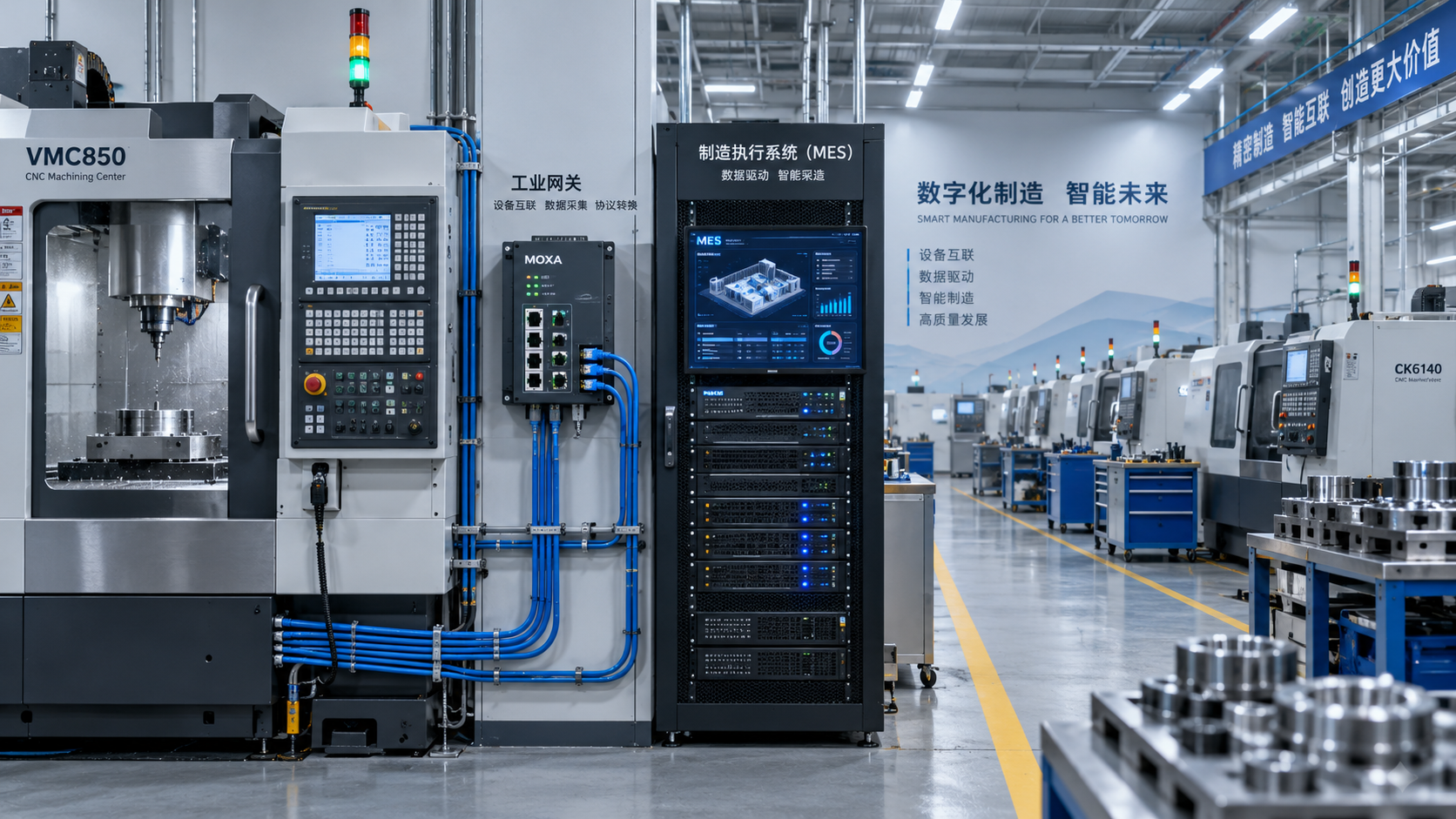
 Digital Manufacturing for Smart Factories: Connecting Legacy Machines to MESMachine Tool Industry Editorial Team
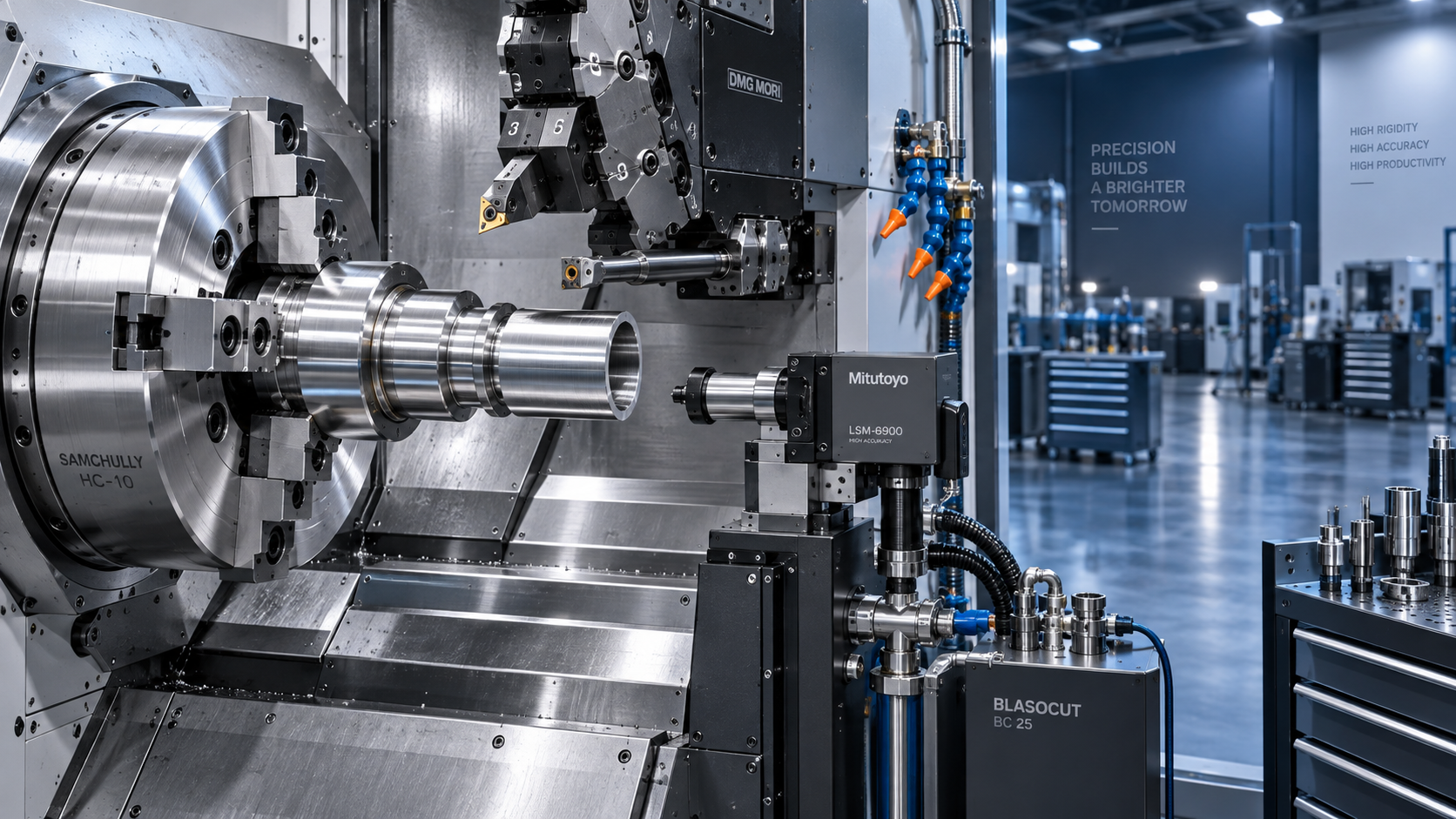
 How to Select a CNC Metal Lathe for Tight-Tolerance Shaft and Sleeve PartsCNC Machining Technology Center
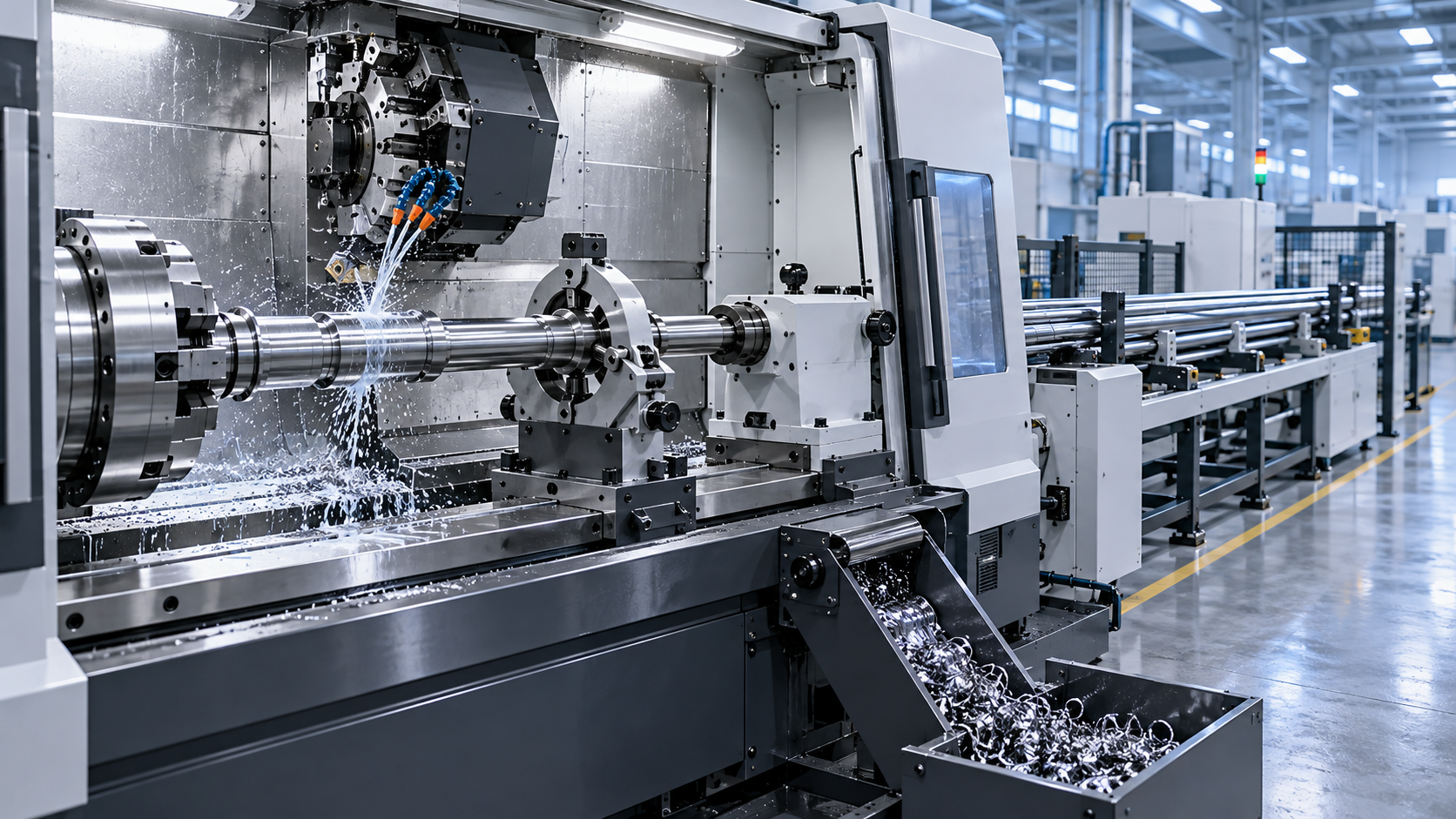
 How to Select an Industrial Lathe for High-Volume Shaft ProductionMachine Tool Industry Editorial Team
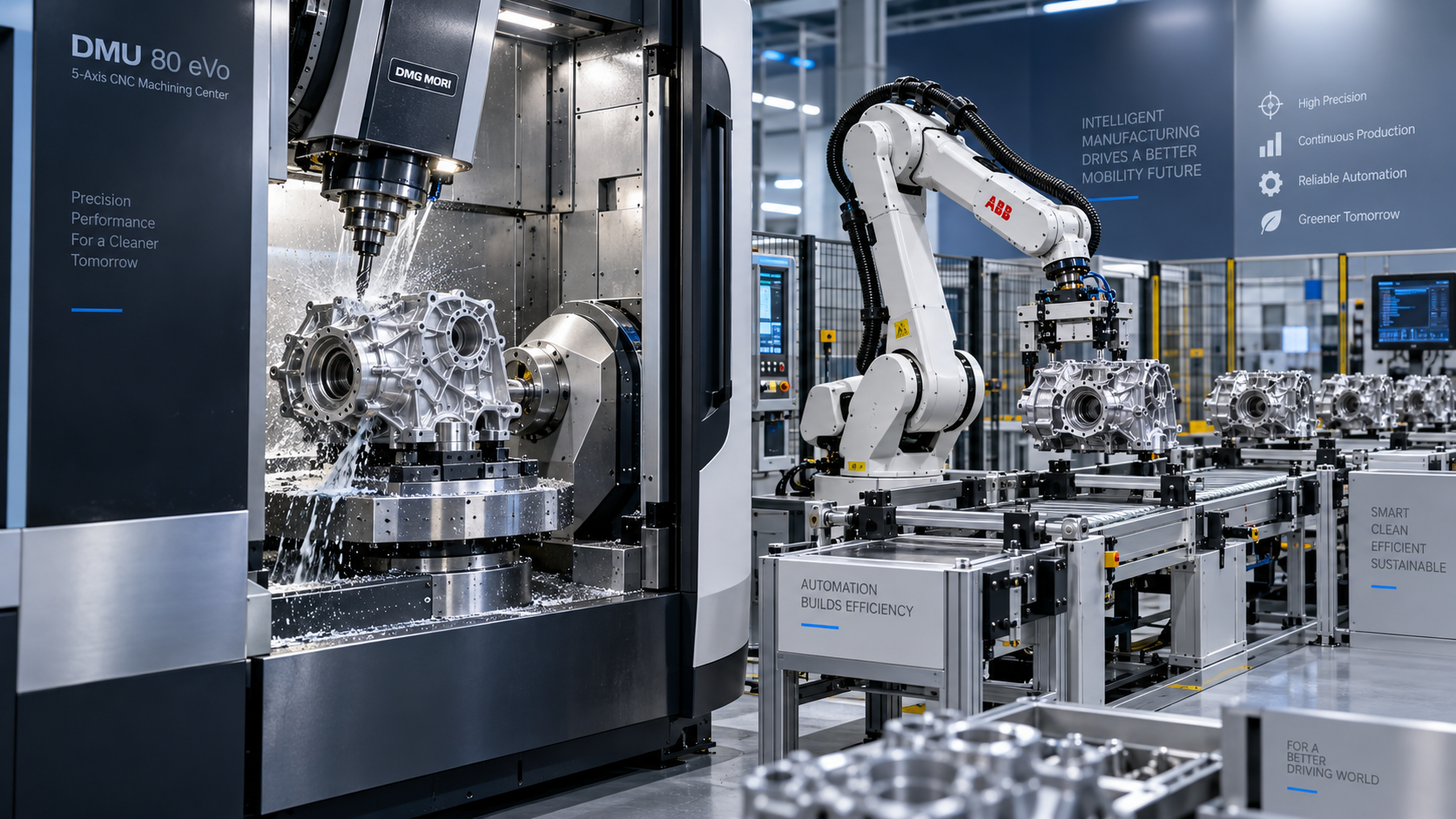
 Selecting Machine Tools for Automotive Parts: Accuracy, Throughput, and AutomationMachine Tool Industry Editorial Team
 Industrial Machining: Selecting Processes for Tight-Tolerance Metal PartsCNC Machining Technology Center
 Manufacturing Technology Trends That Improve Throughput and Quality ControlManufacturing Market Research Center

Aris Katos
Future of Carbide Coatings
15+ years in precision manufacturing systems. Specialized in high-speed milling and aerospace grade alloy processing.
▶
Is Learning CNC Programming Worth It for Shop Owners Seeking Higher Margins?CNC Machining Technology Center▶
How to Select CNC Equipment for High-Mix, Low-Volume ProductionCNC Machining Technology Center▶
Can CNC Machining Inconel Control Tool Wear in High-Temperature Aerospace Parts?CNC Machining Technology Center▶
How Automated Precision Machining Maintains Tolerance in High-Mix ProductionCNC Machining Technology Center▶
CNC Programming Explained: From CAD Models to Reliable Shop-Floor ToolpathsCNC Machining Technology Center
Mastering 5-Axis Workholding Strategies
Join our technical panel on Nov 15th to learn about reducing vibrations in thin-wall components.

Providing you with integrated sanding solutions
Before-sales and after-sales services
Comprehensive technical support