• Global CNC market projected to reach $128B by 2028 • New EU trade regulations for precision tooling components • Aerospace deman
NYSE: CNC +1.2%LME: STEEL -0.4%

CNC Manufacturing for Medical Devices: Tolerances, Materials, and Compliance Basics
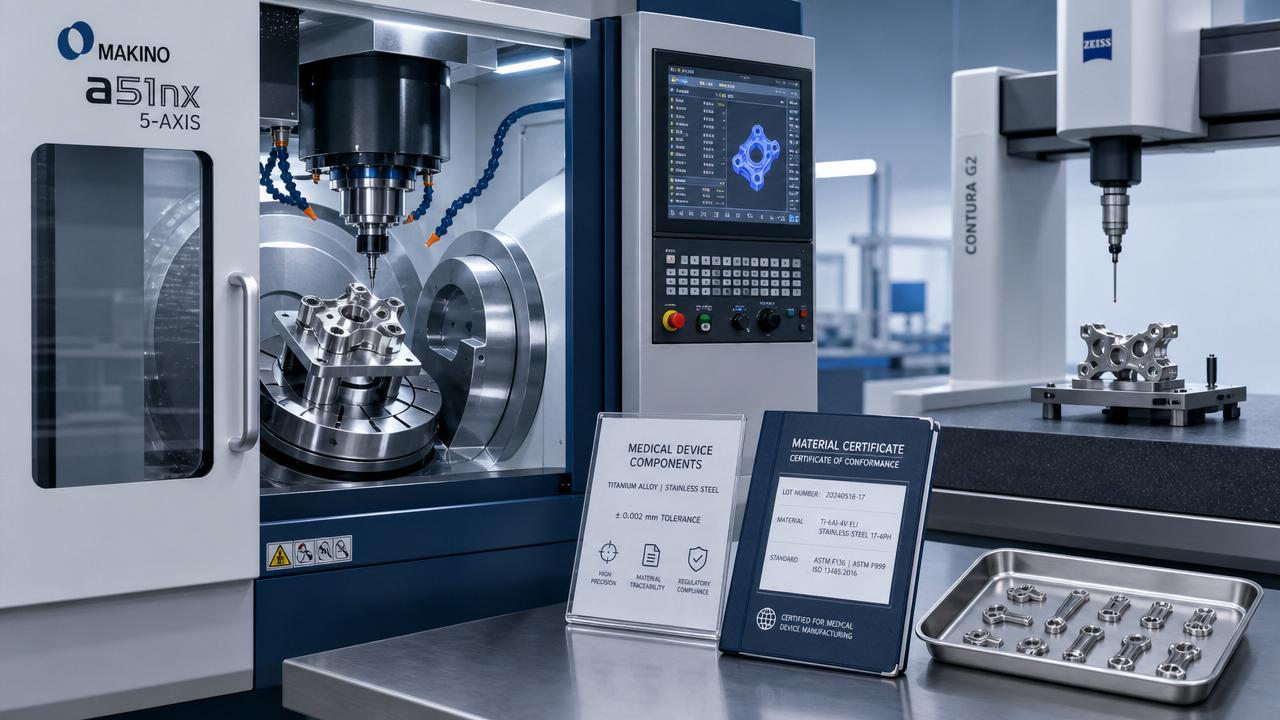
CNC manufacturing for medical devices sits at the intersection of precision engineering, material science, and regulatory discipline. In medical applications, dimensional accuracy matters, but it is only one part of the decision. Surface condition, process stability, traceability, and documentation often determine whether a part is truly production-ready.
That is why this topic continues to gain attention across the broader CNC machine tool industry. As machining systems become more automated, digitally connected, and globally distributed, medical projects demand a clearer way to evaluate tolerance capability, material behavior, and compliance readiness before scale-up begins.
Why medical machining is a distinct CNC challenge
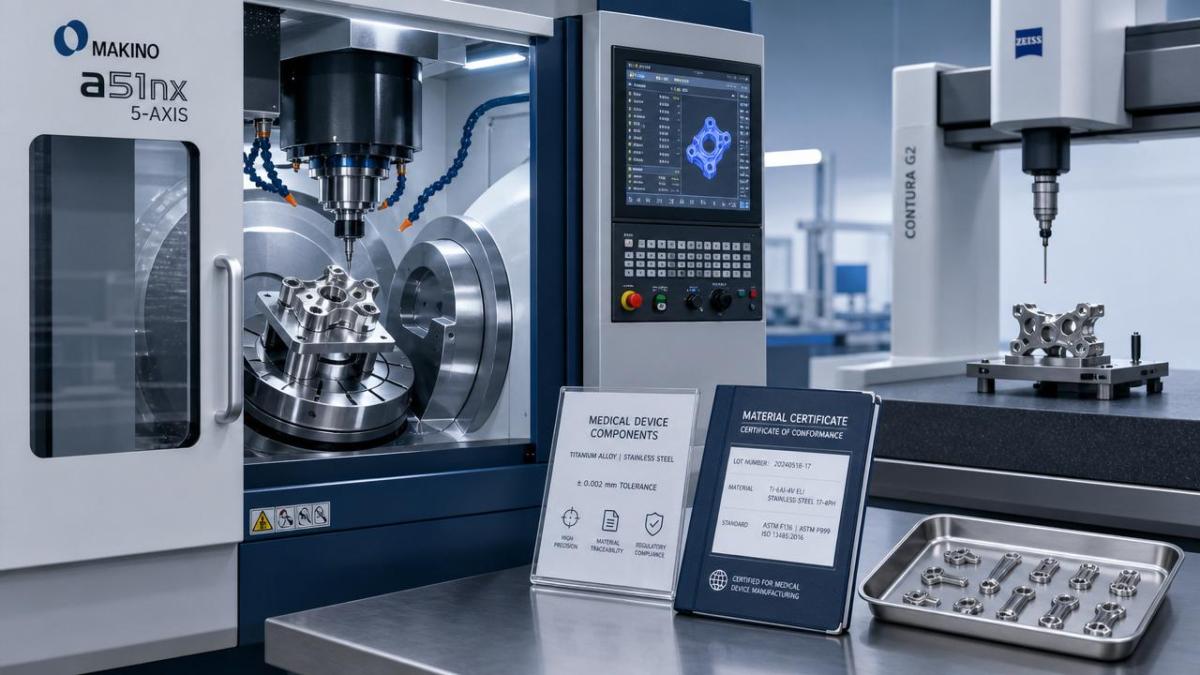
Medical parts are often small, intricate, and functionally sensitive. They may be used in surgical instruments, orthopedic components, dental systems, diagnostic equipment, or implant-adjacent assemblies.
In each case, CNC manufacturing for medical devices must support repeatability across batches, not just one successful prototype. A supplier may machine a complex geometry once, yet still struggle with long-run consistency, validation records, or finishing control.
This is also where the wider machine tool landscape becomes relevant. Multi-axis machining centers, precision lathes, advanced fixtures, and automated inspection systems have improved what is technically possible. Even so, medical production raises the standard for process discipline.
Tolerance capability means more than a drawing number
When reviewing CNC manufacturing for medical devices, tolerance should be read as a system outcome. It depends on machine condition, tooling strategy, workholding, thermal control, programming quality, and inspection method.
A tight tolerance on paper may be technically achievable, yet economically unstable in production. That gap matters because medical parts often require predictable process windows rather than occasional best-case results.
What usually affects tolerance performance
- Part geometry, especially thin walls, deep pockets, and long unsupported features
- Material response, including heat generation, tool wear, and burr formation
- Machine dynamics, such as spindle runout, axis calibration, and vibration behavior
- Clamping approach that may distort delicate or miniature components
- Inspection alignment between CMM data, gauges, and drawing intent
In practice, the most useful question is not whether a shop can hit a tolerance once. It is whether the process can hold that tolerance repeatedly, with clear measurement evidence and defined corrective action.
A practical view of tolerance review
Materials shape machinability and downstream risk
Material selection is central to CNC manufacturing for medical devices because machinability directly affects tolerance retention, edge quality, cycle time, and post-processing requirements.
Common medical machining materials include stainless steels, titanium alloys, aluminum alloys, PEEK, UHMW, and other engineering polymers. Each behaves differently under cutting loads.
Typical material considerations
Titanium offers strength and biocompatibility, but it retains heat and increases tool wear. This can influence surface finish and dimensional stability on fine features.
Stainless steel is widely used for instruments and housings. Depending on grade, it may work harden, create burrs, or require more controlled cutting parameters.
High-performance polymers can reduce weight and support specialized applications. However, they may deform under clamping, respond to temperature changes, or absorb moisture during storage.
For that reason, material review should include not only certification and composition, but also actual machining behavior, cleaning compatibility, and packaging implications.
Surface integrity matters as much as bulk material
In medical components, the machined surface can influence wear, cleanability, corrosion resistance, and assembly fit. A compliant raw material does not automatically guarantee a suitable finished part.
Surface integrity includes roughness, burr condition, residual stress, recast risk from secondary processes, and any contamination introduced during machining or handling.
Compliance starts early, not after machining
CNC manufacturing for medical devices is closely tied to quality management and regulatory expectations. Compliance is not only about passing an audit. It shapes how the entire machining process is defined and recorded.
Depending on the part type and market, relevant frameworks may include ISO 13485, FDA quality system requirements, material traceability standards, cleanliness controls, and validation documentation.
A capable machining source should be able to show how raw material certificates, process routing, revision control, in-process inspection, final inspection, and nonconformance handling are connected.
Signals of stronger compliance readiness
- Controlled document flow from quotation to production release
- Clear lot traceability for material, tooling, and finished parts
- Defined cleaning, deburring, and packaging instructions
- Change management procedures for programs, tools, and fixtures
- Inspection records that match the drawing and revision level
This is where global manufacturing trends also matter. Digital integration, connected inspection, and smarter shop-floor data systems are making compliance support more structured and more scalable across locations.
Where CNC manufacturing for medical devices creates value
The value of CNC manufacturing for medical devices is not limited to producing intricate parts. It supports faster iteration, better feature control, and lower risk during the transition from development to validated production.
This is especially relevant in product categories that need tight concentricity, miniature threaded features, polished functional surfaces, or precise mating geometry between machined and assembled components.
Advanced CNC platforms also help when production must balance customization and repeatability. Surgical tools, dental components, and device housings often involve frequent revisions or mixed-volume demand.
From a wider industry perspective, the same evolution seen in aerospace and electronics machining is shaping medical work as well. Better automation, multi-axis capability, and in-line measurement are raising expectations across the board.
How to assess a machining source more effectively
A useful evaluation combines technical capability with operational evidence. Quoted tolerances and material familiarity are important, but they should be supported by process controls that fit the actual medical application.
Questions that improve the review
- Which dimensions are controlled in-process, and which are verified at final inspection?
- How is burr risk managed on small features or internal edges?
- What evidence supports machining experience with the specified material grade?
- How are cleaning, passivation, anodizing, or other secondary steps qualified?
- What happens when a revision change affects tooling, setup, or inspection plans?
These questions help distinguish general precision machining from CNC manufacturing for medical devices that is genuinely ready for regulated production environments.
What deserves attention next
The most reliable next step is to turn broad requirements into a structured review list. Critical tolerances, material grades, surface expectations, traceability needs, and post-machining controls should be aligned before supplier selection moves too far.
For any program involving CNC manufacturing for medical devices, early comparison of process capability, documentation discipline, and finishing control usually reveals more than a simple price or lead-time review.
A careful assessment does not need to start with a full audit. It can begin with sample data, inspection logic, material handling details, and a realistic discussion of where the process window is narrow. That approach creates a stronger basis for design decisions, sourcing choices, and production planning.
Recommended for You
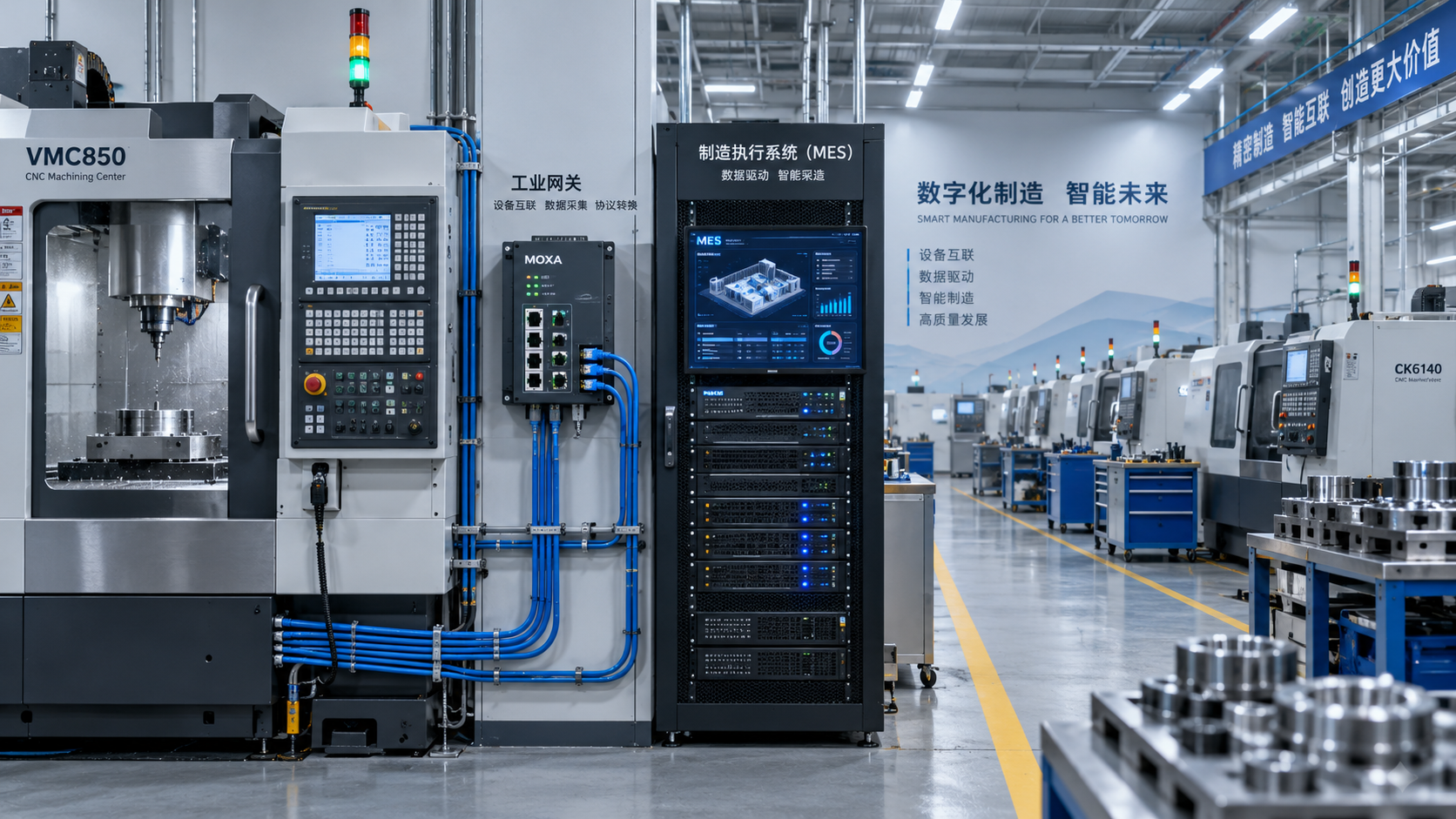
 Digital Manufacturing for Smart Factories: Connecting Legacy Machines to MESMachine Tool Industry Editorial Team
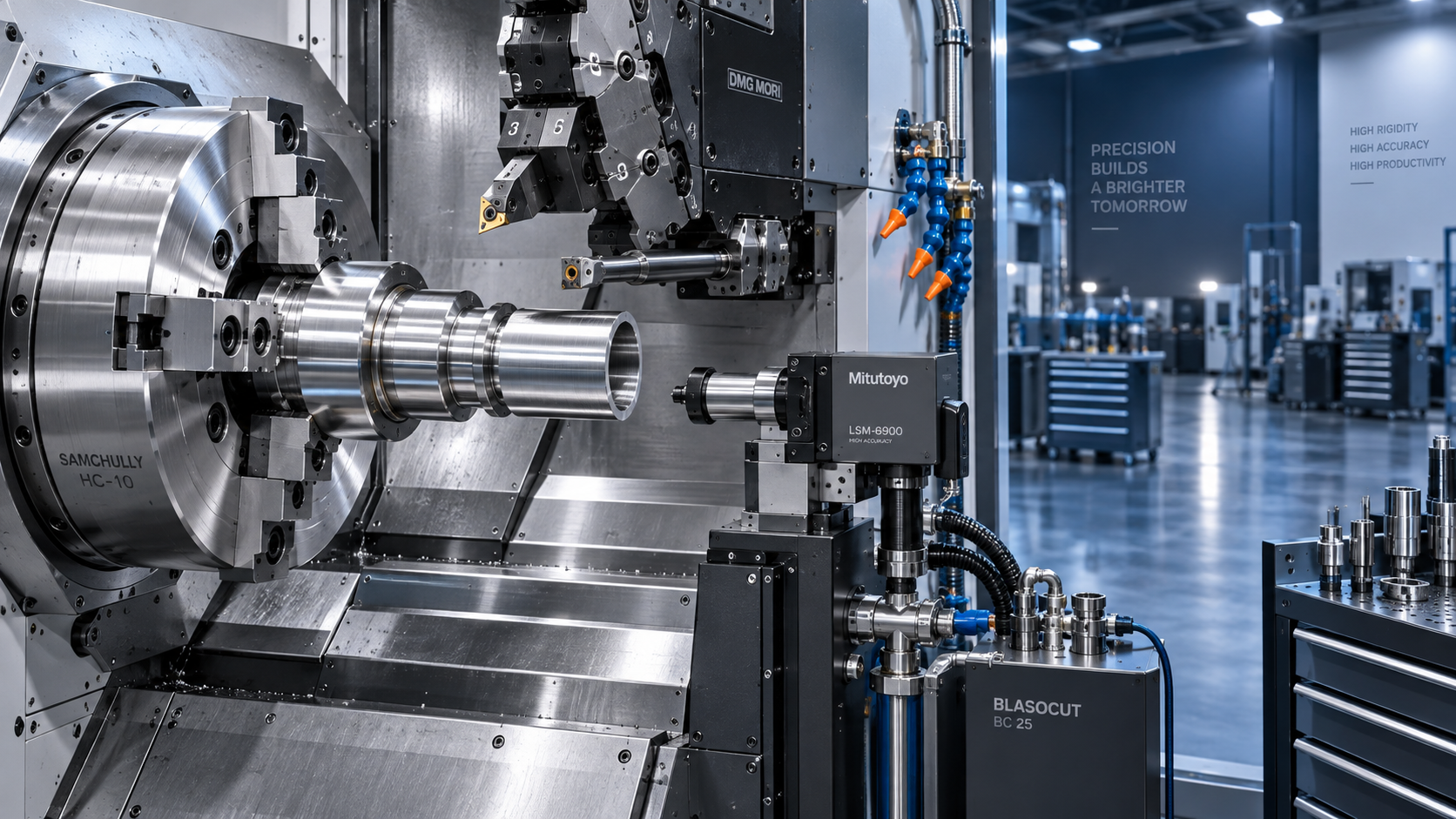
 How to Select a CNC Metal Lathe for Tight-Tolerance Shaft and Sleeve PartsCNC Machining Technology Center
 How to Select an Industrial Lathe for High-Volume Shaft ProductionMachine Tool Industry Editorial Team
 Selecting Machine Tools for Automotive Parts: Accuracy, Throughput, and AutomationMachine Tool Industry Editorial Team
 Industrial Machining: Selecting Processes for Tight-Tolerance Metal PartsCNC Machining Technology Center
 Manufacturing Technology Trends That Improve Throughput and Quality ControlManufacturing Market Research Center

Aris Katos
Future of Carbide Coatings
15+ years in precision manufacturing systems. Specialized in high-speed milling and aerospace grade alloy processing.
▶
Is Learning CNC Programming Worth It for Shop Owners Seeking Higher Margins?CNC Machining Technology Center▶
How to Select CNC Equipment for High-Mix, Low-Volume ProductionCNC Machining Technology Center▶
Can CNC Machining Inconel Control Tool Wear in High-Temperature Aerospace Parts?CNC Machining Technology Center▶
How Automated Precision Machining Maintains Tolerance in High-Mix ProductionCNC Machining Technology Center▶
CNC Programming Explained: From CAD Models to Reliable Shop-Floor ToolpathsCNC Machining Technology Center
Mastering 5-Axis Workholding Strategies
Join our technical panel on Nov 15th to learn about reducing vibrations in thin-wall components.

Providing you with integrated sanding solutions
Before-sales and after-sales services
Comprehensive technical support