• Global CNC market projected to reach $128B by 2028 • New EU trade regulations for precision tooling components • Aerospace deman
NYSE: CNC +1.2%LME: STEEL -0.4%

How to Choose a Multi-axis Machining Center for Complex Parts and Difficult Geometries
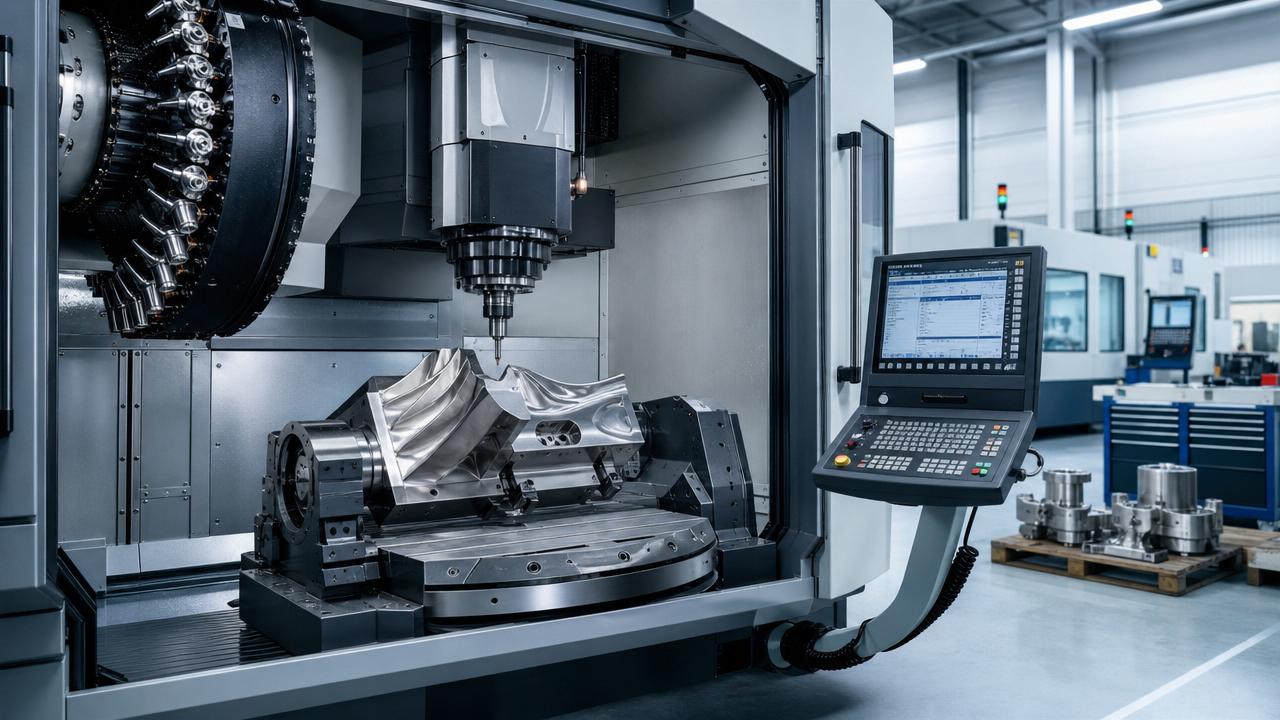
Why the Right Multi-axis Machining Center Matters
Choosing a Multi-axis Machining Center for Complex Parts is rarely a simple equipment purchase.
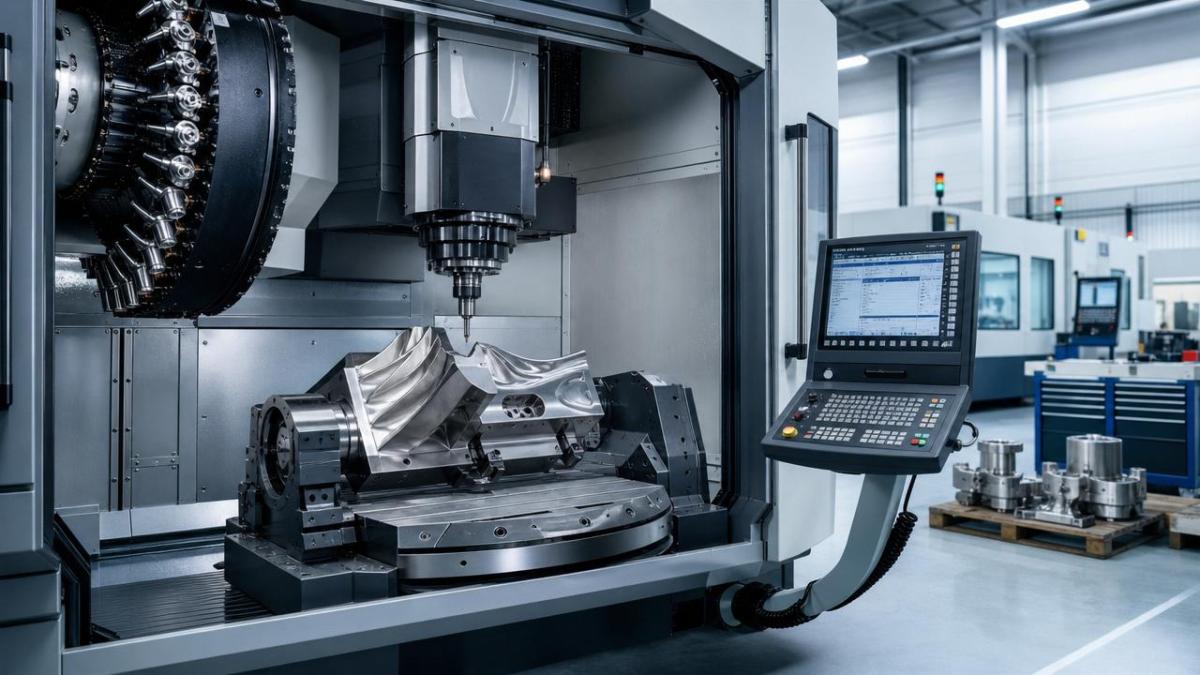
It directly shapes precision, throughput, scrap risk, and delivery performance.
When parts include deep cavities, angled surfaces, thin walls, or freeform contours, the machine becomes a strategic decision.
That is especially true in aerospace, automotive, energy equipment, and electronics manufacturing.
A capable setup reduces repositioning, protects tolerances, and keeps process variation under control.
A poor fit does the opposite.
It creates hidden costs through unstable cycle times, frequent rework, and difficult programming adjustments.
From a project perspective, the real question is not only machine capability.
It is whether the chosen Multi-axis Machining Center for Complex Parts can support the whole production plan.
That includes setup strategy, quality consistency, tooling, automation, and future part changes.
Start with the Part, Not the Brochure
Many selection mistakes happen because buyers compare catalogs before mapping the real part family.
A better approach starts with geometry, tolerance, material, and batch size.
Ask a few practical questions first.
- How many faces must be machined in one setup?
- Are there undercuts, impellers, blades, or compound angles?
- How sensitive is the part to heat, vibration, or deflection?
- Will the product mix change within twelve to twenty-four months?
These answers narrow the type of Multi-axis Machining Center for Complex Parts you actually need.
For example, short-run aerospace components may demand flexibility and high contour accuracy.
Large automotive fixtures may prioritize rigidity, work envelope, and repeatable throughput.
In practical operations, one machine cannot optimize every scenario equally well.
That is why part analysis should lead the selection process, not marketing claims.
Key Technical Criteria That Affect Results
Once part requirements are clear, compare machines using production-critical criteria.
Axis configuration and kinematics
The structure of the machine strongly affects reach, collision risk, and accuracy retention.
Trunnion-style systems often help with compact parts and shorter tool lengths.
Head-head designs may suit larger parts with fewer table loading limits.
For a Multi-axis Machining Center for Complex Parts, kinematics should match the dominant geometry.
Spindle performance and rigidity
High speed matters, but torque, thermal behavior, and stiffness matter just as much.
Titanium, stainless steel, and nickel alloys require stable cutting under heavy loads.
Aluminum parts may benefit more from high spindle speed and rapid acceleration.
Accuracy, repeatability, and thermal control
Static accuracy alone does not guarantee stable production.
Look for thermal compensation, axis feedback quality, and long-cycle repeatability.
This becomes even more important when difficult geometries need tight positional continuity.
Tool capacity and change efficiency
Complex parts usually require more tools than initially expected.
A larger tool magazine helps, but change speed and tool management logic also matter.
Without them, a Multi-axis Machining Center for Complex Parts can lose efficiency between operations.
Evaluate the Full Process Chain
Machine selection should never stop at the machine itself.
The full process chain decides whether performance on paper becomes performance on the floor.
Begin with CAM compatibility.
Your programming team should be comfortable with post-processing, simulation, and collision checking.
If software workflows are weak, advanced machine capability may sit unused.
Next, review fixture strategy.
Complex parts often fail because clamping access was underestimated.
A suitable Multi-axis Machining Center for Complex Parts should work with practical fixture designs, not idealized ones.
Tooling supply is another checkpoint.
Long-reach tools, balanced holders, probing systems, and presetting capacity should be available early.
Then look at automation.
If unattended shifts are part of the business case, pallet systems and robot integration deserve serious attention.
This is where broader industry trends are also clear.
Global CNC manufacturing is moving toward higher automation, smarter data use, and flexible production cells.
A machine that cannot connect with this direction may age quickly.
Cost Decisions Beyond Purchase Price
The lowest quote is rarely the lowest manufacturing cost.
For a Multi-axis Machining Center for Complex Parts, total cost of ownership is the more useful metric.
Focus on the following cost drivers.
- Setup reduction from fewer part handlings.
- Cycle time stability across different operators and shifts.
- Scrap and rework exposure on high-value materials.
- Maintenance intervals and service response speed.
- Training needs for programmers, operators, and maintenance teams.
- Energy use, tooling wear, and consumable costs.
A slightly higher initial investment may pay back quickly if it protects uptime and quality.
That is often the case when tolerances are tight and material costs are high.
On the other hand, overbuying is also a real risk.
Some operations invest in machine complexity that never becomes productive capacity.
Questions to Ask Suppliers Before Final Approval
Supplier evaluation should test real application fit, not just technical confidence.
Ask direct questions that reveal execution risk.
- Which similar parts has this machine processed successfully?
- Can the supplier provide sample cutting data for the target material?
- What acceptance tests confirm accuracy under production conditions?
- How are installation, training, and post-sales support structured?
- What spare parts are stocked locally, and what are typical lead times?
- How does the control system support future automation or digital integration?
If possible, request a test cut using a representative part or at least a close geometry.
This step often exposes limitations that brochures never show.
A Practical Selection Framework
To compare options consistently, use a weighted decision model.
This keeps the selection of a Multi-axis Machining Center for Complex Parts tied to project goals.
This kind of structure helps align engineering, operations, and procurement.
It also reduces emotionally driven decisions during supplier comparison.
Final Decision: Match Capability to Business Reality
The best Multi-axis Machining Center for Complex Parts is not always the most advanced one.
It is the one that fits your geometry, process chain, talent level, and production roadmap.
In today’s CNC machine tool market, higher precision and digital integration are becoming standard expectations.
That makes disciplined evaluation even more important.
Start with part demands, verify real process compatibility, and test supplier support carefully.
If those pieces align, the selected Multi-axis Machining Center for Complex Parts can improve quality, shorten lead times, and strengthen long-term manufacturing performance.
The smartest next step is simple: build a short comparison matrix around your top three parts, then validate each machine against actual production conditions.
Recommended for You
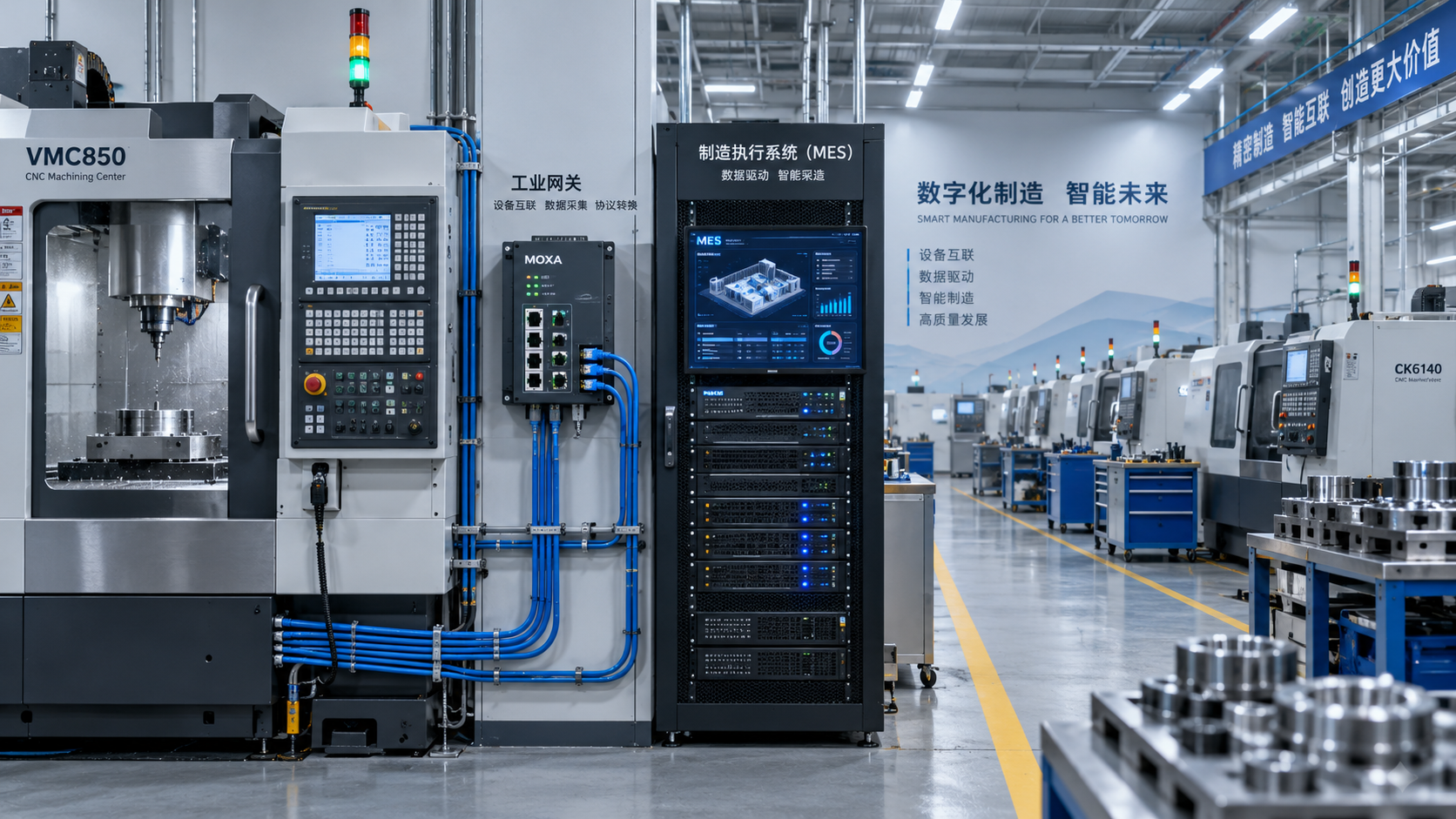
 Digital Manufacturing for Smart Factories: Connecting Legacy Machines to MESMachine Tool Industry Editorial Team
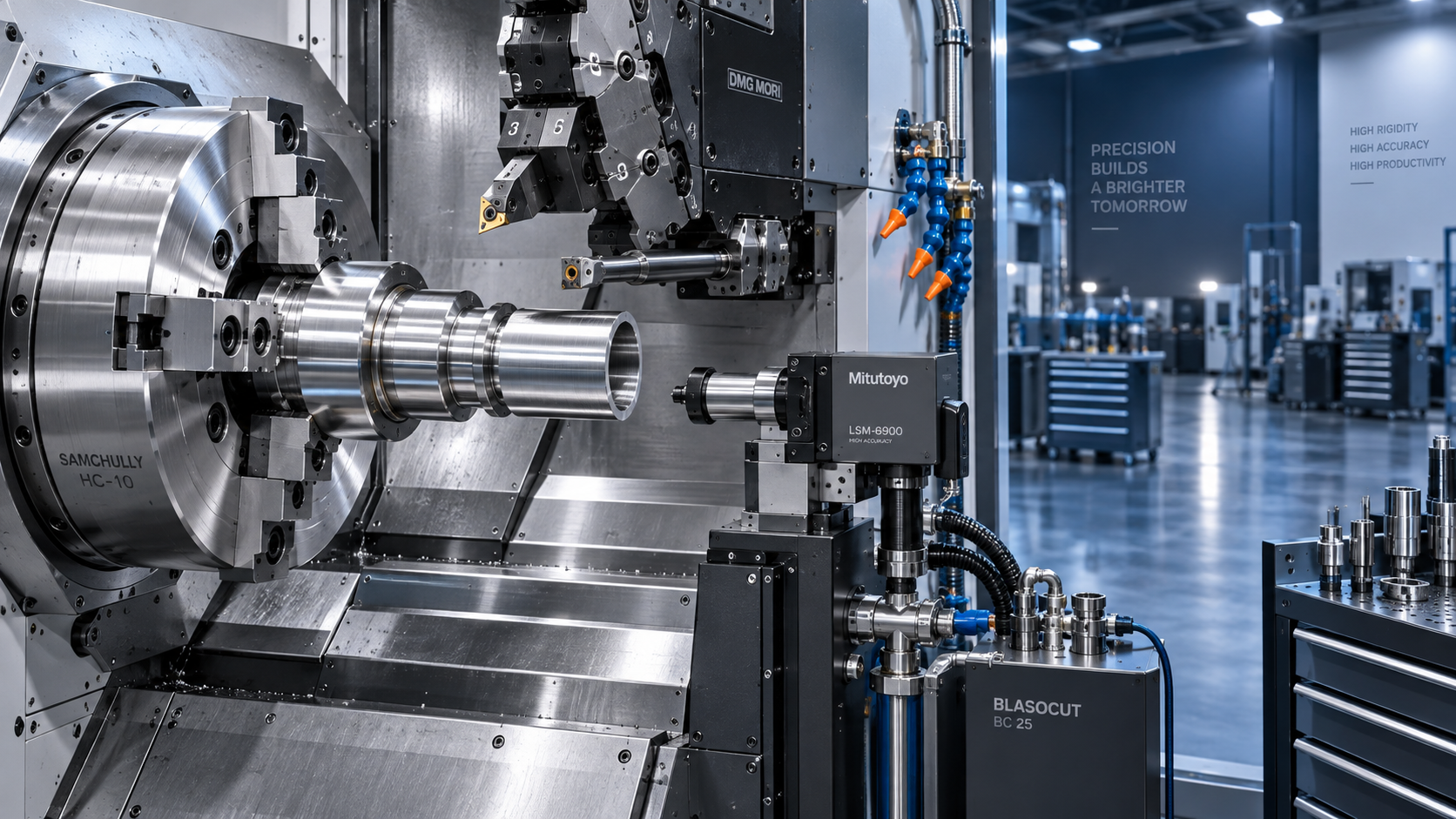
 How to Select a CNC Metal Lathe for Tight-Tolerance Shaft and Sleeve PartsCNC Machining Technology Center
 How to Select an Industrial Lathe for High-Volume Shaft ProductionMachine Tool Industry Editorial Team
 Selecting Machine Tools for Automotive Parts: Accuracy, Throughput, and AutomationMachine Tool Industry Editorial Team
 Industrial Machining: Selecting Processes for Tight-Tolerance Metal PartsCNC Machining Technology Center
 Manufacturing Technology Trends That Improve Throughput and Quality ControlManufacturing Market Research Center

Aris Katos
Future of Carbide Coatings
15+ years in precision manufacturing systems. Specialized in high-speed milling and aerospace grade alloy processing.
▶
Is Learning CNC Programming Worth It for Shop Owners Seeking Higher Margins?CNC Machining Technology Center▶
How to Select CNC Equipment for High-Mix, Low-Volume ProductionCNC Machining Technology Center▶
Can CNC Machining Inconel Control Tool Wear in High-Temperature Aerospace Parts?CNC Machining Technology Center▶
How Automated Precision Machining Maintains Tolerance in High-Mix ProductionCNC Machining Technology Center▶
CNC Programming Explained: From CAD Models to Reliable Shop-Floor ToolpathsCNC Machining Technology Center
Mastering 5-Axis Workholding Strategies
Join our technical panel on Nov 15th to learn about reducing vibrations in thin-wall components.

Providing you with integrated sanding solutions
Before-sales and after-sales services
Comprehensive technical support