• Global CNC market projected to reach $128B by 2028 • New EU trade regulations for precision tooling components • Aerospace deman
NYSE: CNC +1.2%LME: STEEL -0.4%

How CNC milling choice affects part cost and lead time
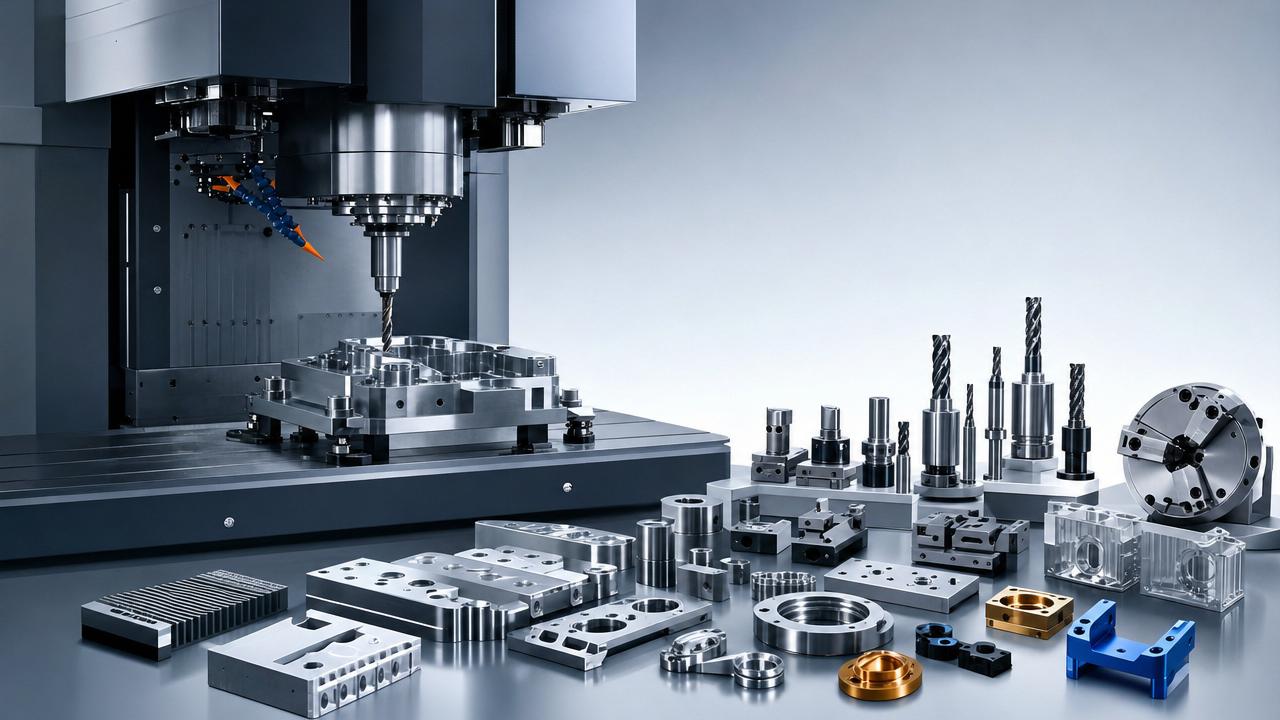
For buyers balancing budget, quality, and delivery, CNC milling decisions can directly shape both part cost and lead time. From material selection and tolerances to machine capability and batch size, each choice affects sourcing efficiency and project risk. Understanding how CNC milling impacts pricing and turnaround helps teams make smarter decisions, compare suppliers more effectively, and secure parts that meet production goals without unnecessary expense.
What makes CNC milling cost and lead time change so much?
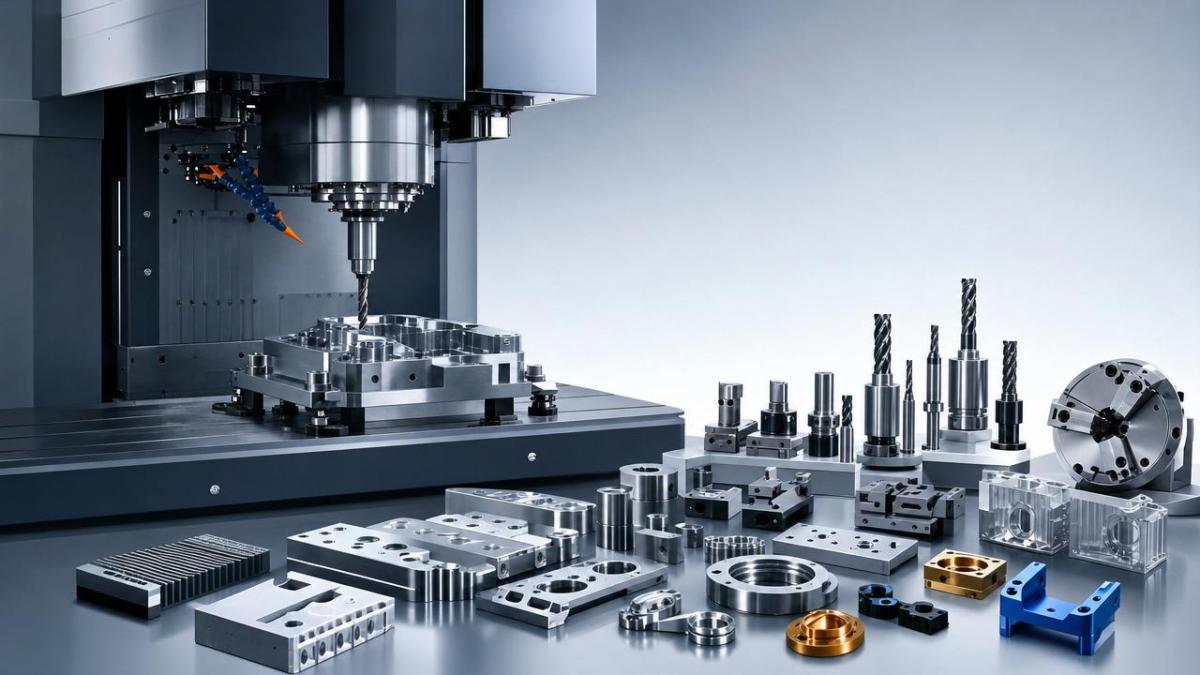
CNC milling is not priced by geometry alone. Cost comes from machine time, setup effort, tooling wear, inspection needs, and material waste.
Lead time also varies because each part moves through quoting, programming, fixturing, machining, deburring, inspection, and shipping.
A simple aluminum bracket may be finished quickly. A tight-tolerance stainless housing may need more setups and slower cutting parameters.
That difference explains why two parts with similar size can have very different CNC milling cost and delivery schedules.
The biggest cost drivers usually include:
- Material type and stock size
- Part complexity and number of features
- Tolerance and surface finish requirements
- Machine type, axis count, and availability
- Order quantity and repeatability needs
- Post-processing, coating, or assembly steps
In global manufacturing, CNC milling choices matter across automotive, aerospace, electronics, energy equipment, and industrial automation applications.
How does part design affect CNC milling price?
Part design is often the first place where CNC milling cost can be controlled. Small design changes can cut machining hours and reduce scrap risk.
Why do complex features raise cost?
Deep pockets, narrow slots, thin walls, and internal corners are harder to machine. They require smaller tools, lighter cuts, and longer cycle times.
If a feature demands multiple tool changes or difficult tool access, the CNC milling process slows down and setup complexity increases.
How do tolerances influence machining time?
Tighter tolerances usually mean more passes, in-process checks, and final inspection. That increases both direct machining time and quality control effort.
A tolerance needed only on one functional feature should not be applied to the whole drawing. Over-specifying raises CNC milling cost fast.
What design practices reduce lead time?
- Use standard drill sizes and thread sizes
- Avoid unnecessary cosmetic surfaces
- Keep wall thickness practical for rigidity
- Add internal radii that match common tools
- Reduce setups by aligning features logically
Design for manufacturability is one of the most effective ways to improve CNC milling pricing and shorten production time.
How does material selection change CNC milling economics?
Material affects cutting speed, tool wear, stock cost, and handling difficulty. It can also influence fixture stability and dimensional consistency.
Which materials are usually faster to machine?
Aluminum is often a favorable option for CNC milling. It machines quickly, removes heat well, and supports efficient cycle times.
Plastics can also machine quickly, though they may need special attention for burr control, deformation, and thermal movement.
Which materials typically cost more to process?
Stainless steel, titanium, and heat-resistant alloys often raise CNC milling cost because they cut slower and wear tools faster.
Harder materials may also increase inspection and finishing demands, which extends lead time beyond pure machining hours.
What about raw stock availability?
Even a machinable material can delay a project if the correct grade, size, or certification is not available locally.
For global CNC milling supply chains, material sourcing risk should be checked early, especially for aerospace, energy, and export-controlled applications.
Does machine type and setup strategy really matter?
Yes. The machine selected for CNC milling affects hourly rates, setup efficiency, and feature accessibility.
3-axis or 5-axis: which is better for cost?
A 3-axis machine often has a lower hourly rate. It works well for simple prismatic parts with easy top-side access.
A 5-axis machine costs more per hour, but may reduce setups, improve accuracy, and shorten total CNC milling lead time.
For complex parts, fewer setups can outweigh the higher machine rate. Total cost matters more than hourly rate alone.
How do setup and fixturing influence quotes?
Custom fixtures, special jaws, and alignment checks add non-recurring cost. They also lengthen preparation time before cutting starts.
If the same part repeats in volume, that setup cost spreads across more pieces and improves CNC milling unit economics.
When does automation help?
Automated tool changers, pallet systems, and probe inspection can reduce downtime. They are especially helpful for repeat orders and stable part families.
In smart manufacturing environments, integrated CNC milling systems improve scheduling visibility and reduce bottlenecks across production lines.
How do batch size and finishing requirements affect turnaround?
Order quantity changes both pricing logic and production planning. A prototype and a production batch are quoted very differently.
Why are prototypes more expensive per piece?
Programming, setup, and inspection happen even for one piece. Those fixed costs are concentrated into a very small quantity.
That is why prototype CNC milling often has high unit cost, even when the part looks simple.
What changes in medium or high volume?
Larger batches may justify better fixturing, tool optimization, and process balancing. Those improvements lower average CNC milling cost per part.
However, larger orders can also extend lead time if machine capacity is tight or secondary processing becomes the bottleneck.
Do finishing steps add hidden delays?
Yes. Anodizing, plating, heat treatment, bead blasting, painting, laser marking, and assembly can all extend the final schedule.
These steps may be outsourced, creating transport and queue time outside the CNC milling workshop.
What common CNC milling mistakes increase cost or delay delivery?
Several sourcing mistakes repeatedly hurt CNC milling projects. Most are preventable with better drawing control and supplier communication.
- Applying tight tolerances to every feature
- Ignoring stock size and raw material waste
- Choosing difficult materials without functional need
- Requesting cosmetic finishes too late
- Sending incomplete 2D and 3D files
- Comparing quotes without checking process scope
A low quote may exclude inspection reports, material certificates, packaging, or post-processing. That can make comparison misleading.
Clear requirements help suppliers recommend the right CNC milling route, instead of building contingency cost into the quote.
How should CNC milling options be evaluated before placing an order?
A practical evaluation should combine technical fit, total cost, and schedule confidence. Looking at only piece price creates avoidable risk.
- Review whether the part truly needs CNC milling or a hybrid process.
- Check if tolerances and finishes match functional intent.
- Confirm material grade, stock form, and certification lead time.
- Ask which machine platform will be used.
- Separate machining time from finishing and logistics time.
- Compare quotes on the same scope and quality basis.
In modern precision manufacturing, CNC milling performance depends on design discipline, process planning, and supply chain coordination.
The best result usually comes from early review, realistic specifications, and transparent communication about quality and delivery priorities.
If cost or lead time is under pressure, start by simplifying geometry, validating material choice, and identifying every secondary step.
Those actions improve CNC milling decisions, reduce quoting uncertainty, and support more reliable production outcomes in global manufacturing projects.
PREVIOUS ARTICLE
Recommended for You
 Digital Manufacturing for Smart Factories: Connecting Legacy Machines to MESMachine Tool Industry Editorial Team
 How to Select a CNC Metal Lathe for Tight-Tolerance Shaft and Sleeve PartsCNC Machining Technology Center
 How to Select an Industrial Lathe for High-Volume Shaft ProductionMachine Tool Industry Editorial Team
 Selecting Machine Tools for Automotive Parts: Accuracy, Throughput, and AutomationMachine Tool Industry Editorial Team
 Industrial Machining: Selecting Processes for Tight-Tolerance Metal PartsCNC Machining Technology Center
 Manufacturing Technology Trends That Improve Throughput and Quality ControlManufacturing Market Research Center

Aris Katos
Future of Carbide Coatings
15+ years in precision manufacturing systems. Specialized in high-speed milling and aerospace grade alloy processing.
▶
Is Learning CNC Programming Worth It for Shop Owners Seeking Higher Margins?CNC Machining Technology Center▶
How to Select CNC Equipment for High-Mix, Low-Volume ProductionCNC Machining Technology Center▶
Can CNC Machining Inconel Control Tool Wear in High-Temperature Aerospace Parts?CNC Machining Technology Center▶
How Automated Precision Machining Maintains Tolerance in High-Mix ProductionCNC Machining Technology Center▶
CNC Programming Explained: From CAD Models to Reliable Shop-Floor ToolpathsCNC Machining Technology Center
Mastering 5-Axis Workholding Strategies
Join our technical panel on Nov 15th to learn about reducing vibrations in thin-wall components.

Providing you with integrated sanding solutions
Before-sales and after-sales services
Comprehensive technical support