• Global CNC market projected to reach $128B by 2028 • New EU trade regulations for precision tooling components • Aerospace deman
NYSE: CNC +1.2%LME: STEEL -0.4%

CNC Programming errors that quietly waste machine time
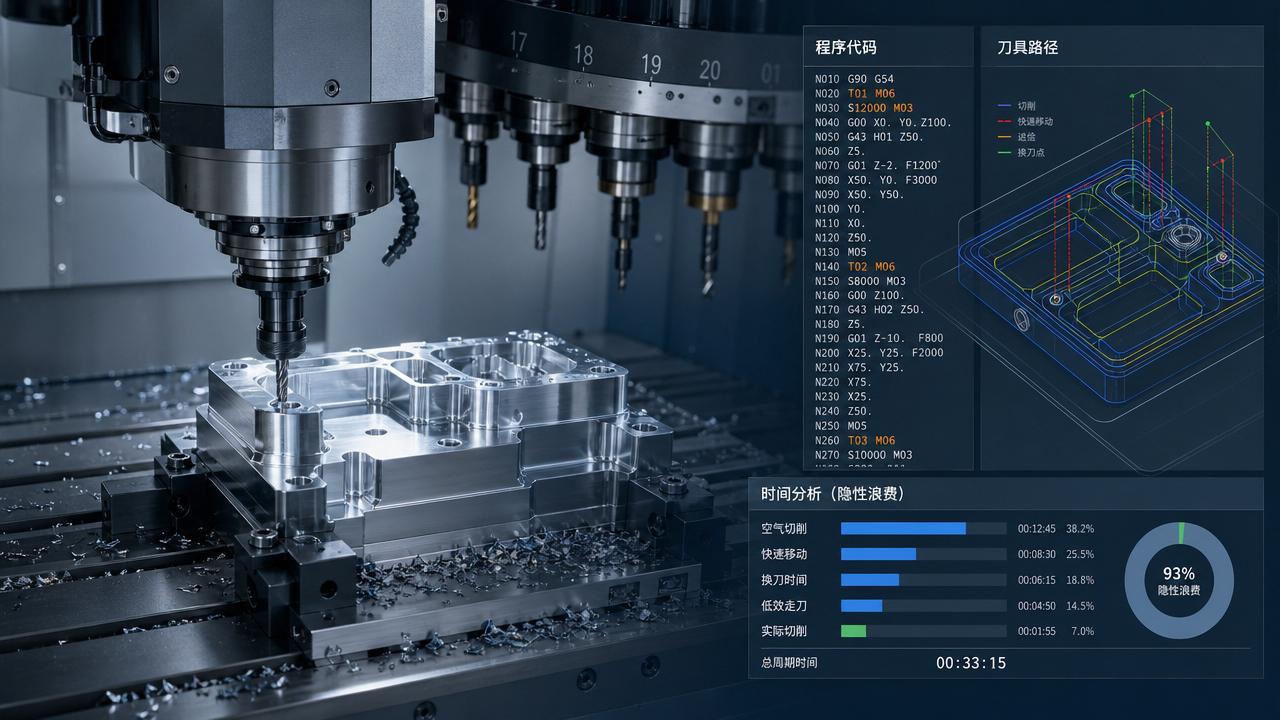
Even small CNC Programming mistakes can quietly drain machine time, reduce throughput, and increase part costs without obvious warning signs. For operators and shop-floor users, spotting these hidden errors early is essential to keeping cycle times tight, improving consistency, and preventing avoidable downtime. This article highlights the common programming issues that often go unnoticed but have a direct impact on daily machining efficiency.
Why do small CNC Programming errors create big losses on the shop floor?
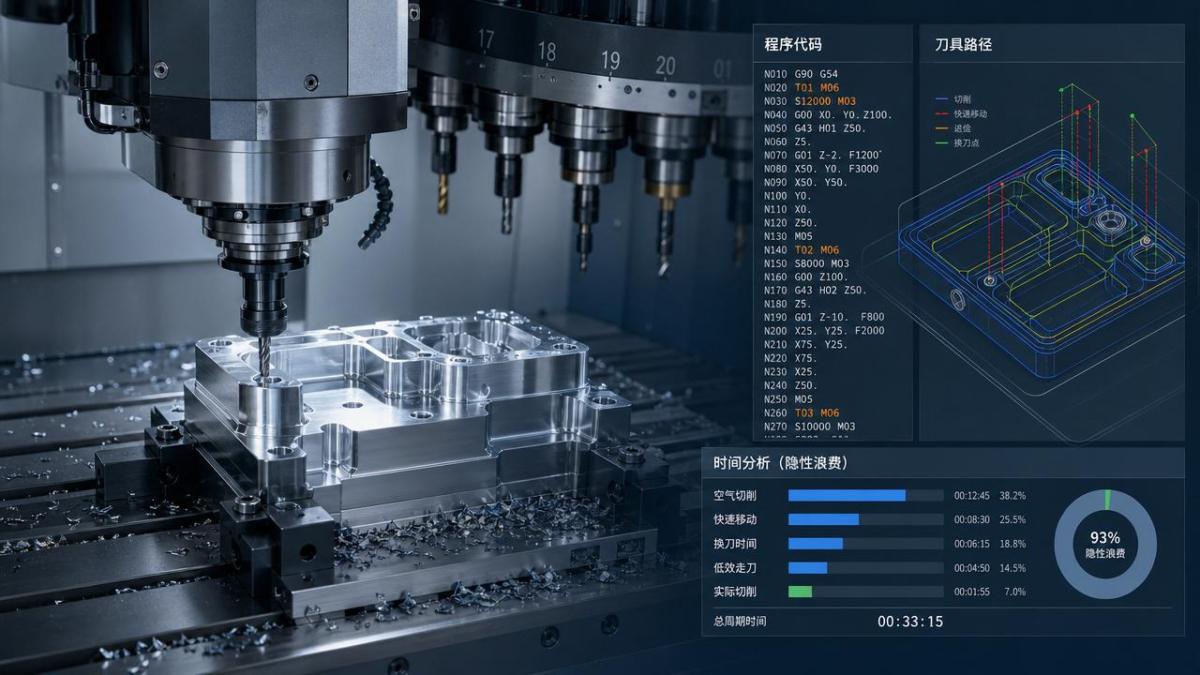
In modern machining, lost time rarely comes from one dramatic crash. More often, it comes from seconds added to every cycle, unnecessary tool motion, repeated offsets checks, and poor machining logic hidden inside otherwise workable code.
For operators in automotive, aerospace, electronics, energy equipment, and general precision manufacturing, these silent losses matter because machines are expected to run longer, change over faster, and maintain tighter dimensional consistency than before.
As CNC machine tools become more automated and digitally connected, CNC Programming quality affects more than a single part. It influences spindle utilization, tool life, setup repeatability, robot timing, fixture strategy, and production planning across the whole cell.
The challenge is that many inefficient programs still produce acceptable parts. That is why users often miss the warning signs until overtime rises, queue times grow, or urgent orders disrupt the schedule.
- Longer-than-necessary air cutting adds non-cutting time without improving quality.
- Poor toolpath sequencing creates extra tool changes, retracts, and axis travel.
- Conservative feeds and speeds often protect against risk, but they can quietly reduce daily output.
- Weak program structure makes troubleshooting slower during shift changes or repeat jobs.
Which CNC Programming mistakes waste machine time most often?
Not every programming issue leads to scrap. Many simply slow production in ways that are hard to measure part by part. The most common patterns appear in travel logic, cutting parameter selection, tool management, and probing routines.
Unoptimized approach and retract moves
A safe program is necessary, but excessive safety distance is expensive. Overly high retract planes, long approach paths, and repeated returns to a distant home position can add several seconds per operation, especially on machining centers with many tools.
Feeds and speeds copied from old jobs
Using legacy cutting parameters is common when jobs look similar. However, new materials, different tool coatings, updated holders, or improved machine rigidity may support better cutting conditions. Old numbers often leave cycle time on the table.
Inefficient tool sequencing
A part program may complete all features correctly while forcing unnecessary tool swaps. Grouping operations poorly increases spindle stop time, turret indexing, and warm-up wear on tools that could have been used more logically in sequence.
Redundant dwell commands and excessive optional stops
Dwells are useful for chip breaking, stabilization, or process control, but they are often left in from prove-out and never removed. Optional stops that remain active on stable production jobs also reduce effective runtime without adding value.
Overuse of probing or repeated offset checks
Probing improves process security, but too many checks can slow high-volume work. The right balance depends on batch size, fixture repeatability, thermal behavior, and part tolerance. On stable repeat jobs, reduced probe frequency may be justified.
The table below shows how typical CNC Programming issues translate into hidden machine-time loss in everyday production.
For a single part, these losses may look minor. Across hundreds or thousands of cycles, they can equal a significant amount of spindle time, labor cost, and delayed capacity for other urgent jobs.
How can operators detect inefficient CNC Programming before it becomes expensive?
Shop-floor users do not always control the original program, but they are often the first to notice repeating inefficiencies. A good review method focuses on machine behavior, cycle timing, tool loading, and code structure rather than only on final part dimensions.
Watch the machine, not only the part result
If the spindle spends visible time traveling high above the workpiece, waiting between cuts, or repeating unnecessary motions, the problem may be inside the program rather than in the setup.
Compare actual cycle time with expected cutting time
A large gap between metal-cutting time and total cycle time usually points to avoidable non-cutting motion. This is especially important on high-volume shaft parts, disc parts, and small precision components where seconds matter.
Review operator interventions per shift
Frequent feed override changes, skipped optional stops, or manual offset edits suggest that CNC Programming and real shop conditions are not aligned. Stable production should not depend on constant operator correction.
- Record actual cycle time for at least ten continuous parts to remove one-off variation.
- Separate cutting time, tool-change time, probing time, and idle motion where possible.
- Identify the top two or three longest non-cutting segments in the program.
- Verify whether those segments exist for safety, process control, or simply historical habit.
- Test revisions carefully and document any gain so the improvement stays with future repeat orders.
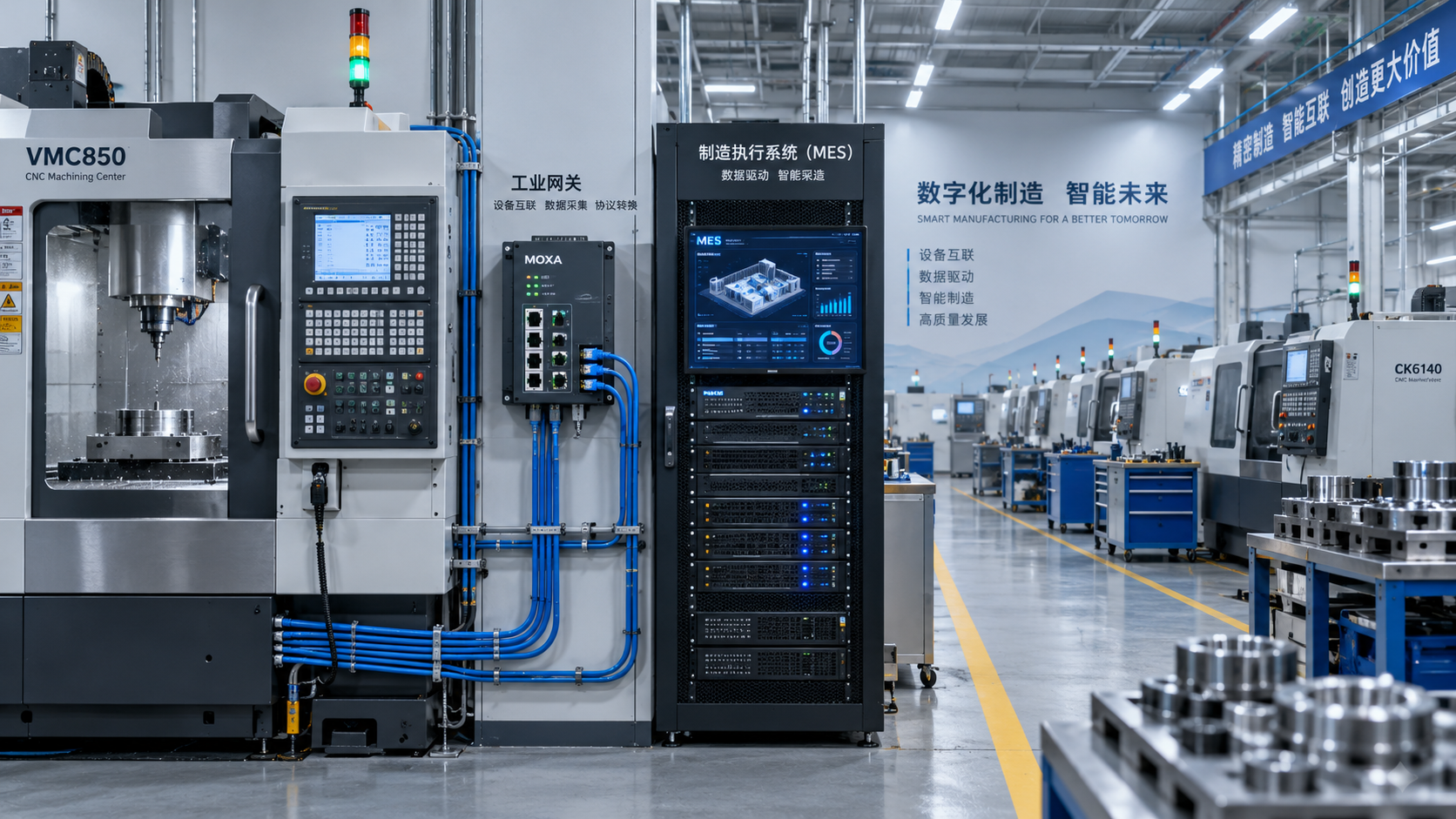
This type of review is increasingly valuable in smart manufacturing environments, where machine data, production scheduling, and automated handling systems depend on predictable cycle times.
What should users check in different machining scenarios?
The best CNC Programming improvements depend on part type, machine configuration, tolerance risk, and batch size. A multi-axis aerospace component and a repeat automotive shaft part should not be reviewed in the same way.
The following comparison helps operators and production users focus on the right programming priorities by application scenario.
Scenario-based review helps avoid a common mistake: optimizing the wrong thing. On some jobs, removing one redundant probing cycle is more valuable than increasing cutting feed by a small percentage.
How should operators and programmers work together to improve CNC Programming?
The fastest gains usually come from better feedback loops. Operators see tool wear, chip behavior, fixture access, and real cycle interruptions. Programmers see code structure, CAM strategy, and machine limits. Efficiency improves when both perspectives are used together.
Build a repeatable program review checklist
- Check whether return-to-home commands are required after every operation or only at safe process transitions.
- Confirm that tool changes follow the shortest practical sequence for the part family.
- Review dwell times, optional stops, and probe cycles after prove-out is complete.
- Match feeds and speeds to current tooling, holder condition, coolant delivery, and machine rigidity.
- Document approved changes so the next setup does not return to an older, slower revision.
Use data from the machine, not assumptions
Cycle logs, spindle load trends, alarm history, and tool life records can show whether a program is too cautious or unstable. In connected factories, this information becomes even more useful because it links CNC Programming decisions with production planning and delivery performance.
Treat stable repeat jobs differently from first-run parts
First-run work needs safety margin. Mature production needs discipline in removing temporary protections that are no longer necessary. Many time losses survive because nobody revisits the program after launch.
What cost impact can poor CNC Programming have beyond cycle time?
Machine time is only the most visible cost. Inefficient CNC Programming can also increase tool consumption, operator attention, energy use, queue delay, and setup complexity. These effects are especially important when shops run mixed production with urgent delivery targets.
A slow but stable program may still be the right choice for a difficult part. The problem appears when slow code becomes the default even for predictable repeat work that could run faster without increasing risk.
- Longer cycles reduce available machine capacity for higher-margin work.
- More tool changes increase consumable use and maintenance interruptions.
- Frequent manual checks tie skilled operators to one machine unnecessarily.
- In automated cells, one delayed machine can disturb robot timing and downstream handling.
This is why CNC Programming quality should be discussed not only as a technical matter, but also as a production efficiency and cost-control issue.
FAQ: practical questions about CNC Programming efficiency
How often should CNC Programming be reviewed on repeat jobs?
A review is worth doing when tooling changes, batch volume increases, fixture design is updated, or actual cycle time drifts from the original expectation. Even stable parts benefit from periodic checks because machine condition and tooling technology evolve.
Is faster always better in CNC Programming?
No. The goal is not maximum feed override. The goal is the best balance of cycle time, part quality, tool life, process reliability, and operator confidence. A well-optimized program removes waste without creating instability.
Which jobs usually hide the most wasted time?
High-volume parts with short cutting cycles often hide the greatest cumulative loss, because a few wasted seconds repeat all day. However, large multi-operation parts can also hide major inefficiency through excessive tool changes, probing, or conservative roughing logic.
What should operators report to improve CNC Programming?
Useful feedback includes long idle moves, repeated manual overrides, chip evacuation problems, unnecessary stops, inconsistent tool wear, and where the machine spends time without cutting. Specific observations are far more actionable than general comments that the program feels slow.
Why choose us for CNC machining insight and production support?
We focus on the global CNC machining and precision manufacturing sector, with close attention to practical shop-floor issues, machine tool trends, automation integration, and production decision-making across industries such as automotive, aerospace, energy equipment, and electronics manufacturing.
If you are reviewing CNC Programming efficiency, you can contact us for focused discussion on parameter confirmation, machining scenario analysis, tooling and fixture matching, production-line compatibility, lead time planning, sample support, and quotation communication for relevant manufacturing solutions.
You can also consult us when you need help comparing machining approaches, identifying hidden cycle-time loss, evaluating process risks on repeat parts, or aligning CNC Programming decisions with broader precision manufacturing and international sourcing requirements.
PREVIOUS ARTICLE
Recommended for You
 Digital Manufacturing for Smart Factories: Connecting Legacy Machines to MESMachine Tool Industry Editorial Team
 How to Select a CNC Metal Lathe for Tight-Tolerance Shaft and Sleeve PartsCNC Machining Technology Center
 How to Select an Industrial Lathe for High-Volume Shaft ProductionMachine Tool Industry Editorial Team
 Selecting Machine Tools for Automotive Parts: Accuracy, Throughput, and AutomationMachine Tool Industry Editorial Team
 Industrial Machining: Selecting Processes for Tight-Tolerance Metal PartsCNC Machining Technology Center
 Manufacturing Technology Trends That Improve Throughput and Quality ControlManufacturing Market Research Center

Aris Katos
Future of Carbide Coatings
15+ years in precision manufacturing systems. Specialized in high-speed milling and aerospace grade alloy processing.
▶
Is Learning CNC Programming Worth It for Shop Owners Seeking Higher Margins?CNC Machining Technology Center▶
How to Select CNC Equipment for High-Mix, Low-Volume ProductionCNC Machining Technology Center▶
Can CNC Machining Inconel Control Tool Wear in High-Temperature Aerospace Parts?CNC Machining Technology Center▶
How Automated Precision Machining Maintains Tolerance in High-Mix ProductionCNC Machining Technology Center▶
CNC Programming Explained: From CAD Models to Reliable Shop-Floor ToolpathsCNC Machining Technology Center
Mastering 5-Axis Workholding Strategies
Join our technical panel on Nov 15th to learn about reducing vibrations in thin-wall components.

Providing you with integrated sanding solutions
Before-sales and after-sales services
Comprehensive technical support