• Global CNC market projected to reach $128B by 2028 • New EU trade regulations for precision tooling components • Aerospace deman
NYSE: CNC +1.2%LME: STEEL -0.4%

Vietnam Suspends CNC Equipment Import Licenses Amid New Tech Rules

Vietnam Suspends CNC Equipment Import Licenses Amid New Tech Rules
On 20 May 2026, the Ministry of Industry and Trade of Vietnam announced an immediate suspension of all import license applications for CNC machine tools and automated production lines. The move follows the initiation of urgent revisions to the Import Technical Regulation for Machinery (QCVN 163:2026 Draft), with implications spanning global exporters, regional distributors, and domestic manufacturers in Vietnam’s industrial ecosystem.
Event Overview
The Vietnamese Ministry of Industry and Trade confirmed on 20 May 2026 that it has halted acceptance of all import license applications for CNC machine tools and automated production lines. This administrative pause is explicitly tied to the ongoing finalization of QCVN 163:2026 — a revised technical regulation expected to be formally issued by 15 June 2026. The draft introduces three new mandatory requirements: (i) full-machine cybersecurity compliance with IEC 62443-3-3 Security Level 2 (SL2); (ii) built-in Vietnamese-language voice navigation for all Human-Machine Interface (HMI) systems; and (iii) provision of authorized access to a locally hosted remote diagnostic cloud platform. A 30-day transition period will follow the regulation’s official publication.
Industries Affected
Direct Trading Enterprises
Exporters and international machinery distributors targeting Vietnam face immediate operational disruption: pending license applications are frozen, and no new submissions will be processed until the revised regulation takes effect. Revenue recognition timelines for Q2 2026 shipments are now uncertain, and contractual force majeure clauses may be invoked depending on delivery terms. Unlike prior regulatory updates, this suspension applies uniformly — no exemptions or provisional approvals have been announced.
Raw Material Procurement Enterprises
Firms sourcing components for local assembly — such as servo motors, spindles, or control cabinets — experience indirect but material pressure. While component imports remain technically permitted under separate HS codes, customs authorities have begun requesting preliminary conformity evidence aligned with the draft QCVN 163:2026 criteria during pre-clearance consultations. This signals heightened scrutiny at the sub-system level, potentially delaying procurement cycles and increasing documentation overhead.
Contract Manufacturing & OEM Enterprises
Domestic factories relying on imported CNC equipment for precision machining — especially those serving electronics, automotive, and medical device clients — confront near-term capacity constraints. Equipment replacement or line expansion plans scheduled before mid-July 2026 are now subject to indefinite postponement unless alternative, compliant assets can be identified and certified ahead of the transition deadline. Notably, legacy machines already in operation are not retroactively affected — only new imports fall under the suspension.
Supply Chain Service Providers
Third-party certification bodies, localization service providers (e.g., HMI translation and voice synthesis vendors), and cybersecurity assessment firms report a surge in preliminary inquiries. However, formal accreditation pathways for IEC 62443-3-3 SL2 validation in Vietnam remain undefined, and no national testing lab has yet been designated for QCVN 163:2026 conformance. This creates a bottleneck in readiness planning — service offerings exist, but authoritative validation infrastructure does not.
Key Considerations and Recommended Actions
Verify Existing License Application Status Immediately
Applicants who submitted import license requests prior to 20 May 2026 should contact the Ministry’s Import-Export Licensing Division directly to determine whether their files are classified as ‘received’ (and thus eligible for processing post-enactment) or ‘under review’ (which may require resubmission under new requirements).
Pre-Assess Cybersecurity and Localization Readiness
Manufacturers should conduct internal gap analyses against IEC 62443-3-3 SL2 — particularly regarding secure boot, encrypted communication channels, and role-based access control — and audit HMI voice navigation functionality for Vietnamese linguistic accuracy and contextual appropriateness. Early engagement with Vietnamese-speaking UX linguists is advised over generic MT-based localization.
Engage with Local Cloud Infrastructure Providers
The requirement for ‘local remote diagnostic cloud platform access’ implies data residency obligations. Foreign vendors must either partner with certified Vietnamese cloud service providers (e.g., VNPT, FPT Cloud, Viettel IDC) or establish a local legal entity to host diagnostic interfaces — mere API gateways routed through offshore servers will likely fail compliance verification.
Editorial Perspective / Industry Observation
Observably, this regulatory shift reflects Vietnam’s accelerating pivot from cost-driven manufacturing hub to standards-conscious industrial partner. The inclusion of IEC 62443-3-3 SL2 — a benchmark typically associated with critical infrastructure sectors — suggests intent to align with EU and Japanese supply chain security expectations, not just ASEAN minimums. Analysis shows the Vietnamese government is prioritizing systemic resilience over short-term import volume, signaling deeper integration into high-value global value chains — but only for actors capable of meeting elevated technical sovereignty thresholds. From an industry perspective, this is less about protectionism and more about calibrated capability filtering.
Conclusion
This suspension marks a structural inflection point: compliance is no longer a post-import paperwork exercise but a prerequisite embedded in product design, software architecture, and service delivery models. For international suppliers, success in Vietnam’s next industrial phase will depend less on price competitiveness and more on demonstrable alignment with national digital infrastructure priorities. The 30-day transition window is unlikely to accommodate full redesigns — making proactive alignment with the draft criteria the only viable path forward.
Source Attribution
Official notice published by the Ministry of Industry and Trade of Vietnam on 20 May 2026 (Circulation No. 127/TB-BCT). Full text available via the Ministry’s e-licensing portal (https://licensing.moit.gov.vn). Note: QCVN 163:2026 remains in draft form as of publication; final version, effective date, and accredited conformity assessment bodies are pending official release. Continued monitoring of MoIT’s Technical Standards Department announcements is recommended.
Recommended for You
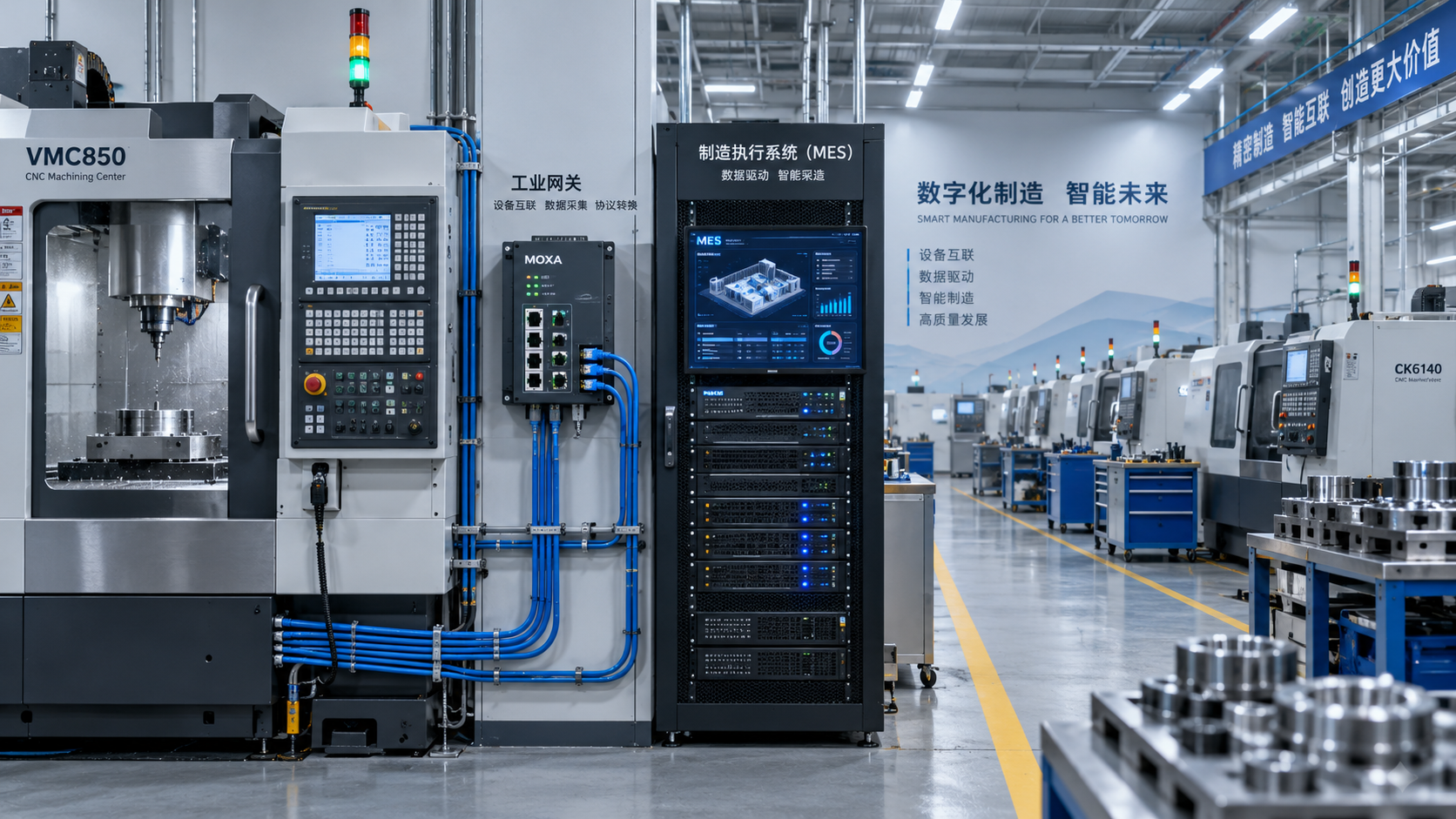
 Digital Manufacturing for Smart Factories: Connecting Legacy Machines to MESMachine Tool Industry Editorial Team
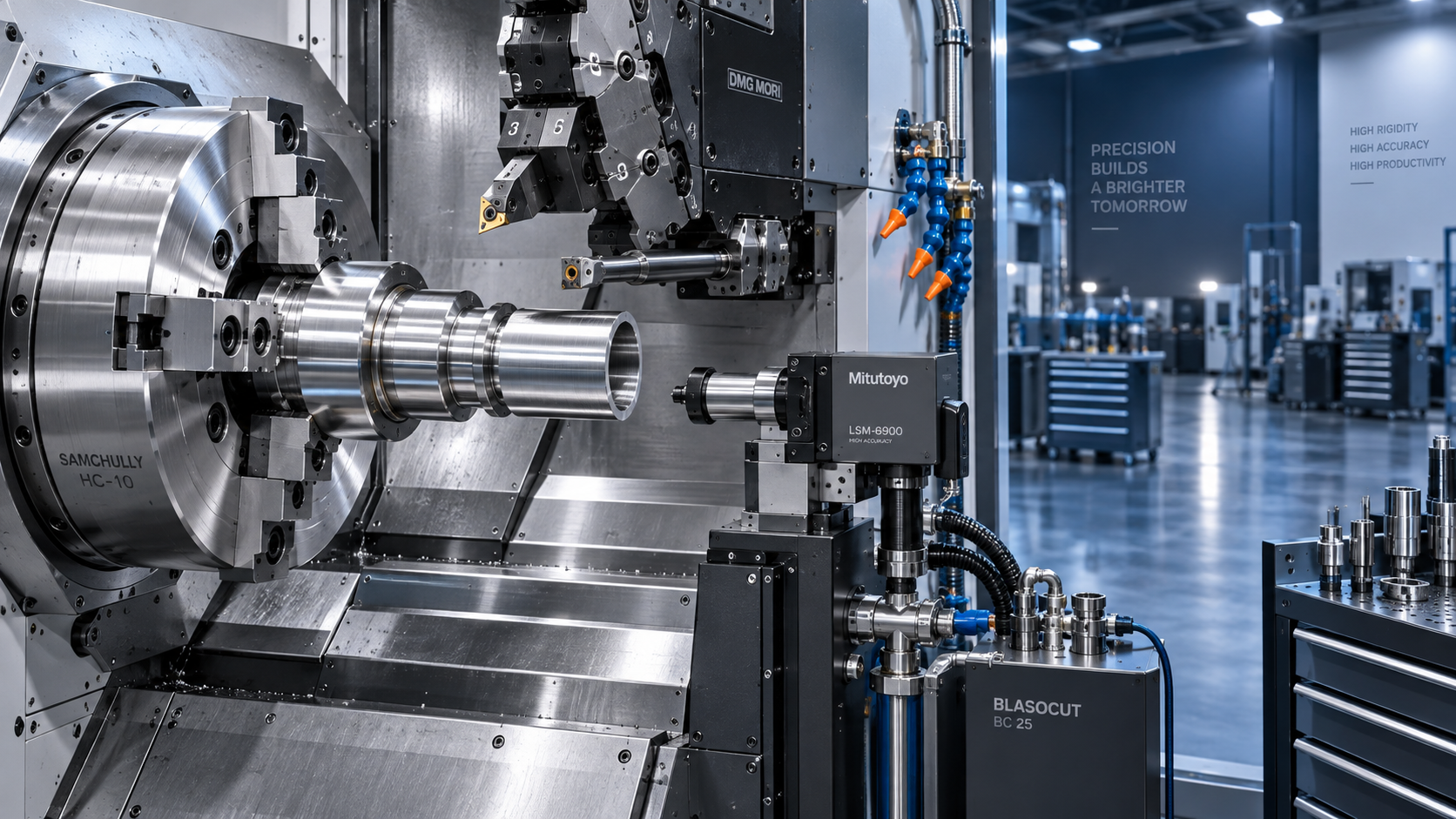
 How to Select a CNC Metal Lathe for Tight-Tolerance Shaft and Sleeve PartsCNC Machining Technology Center
 How to Select an Industrial Lathe for High-Volume Shaft ProductionMachine Tool Industry Editorial Team
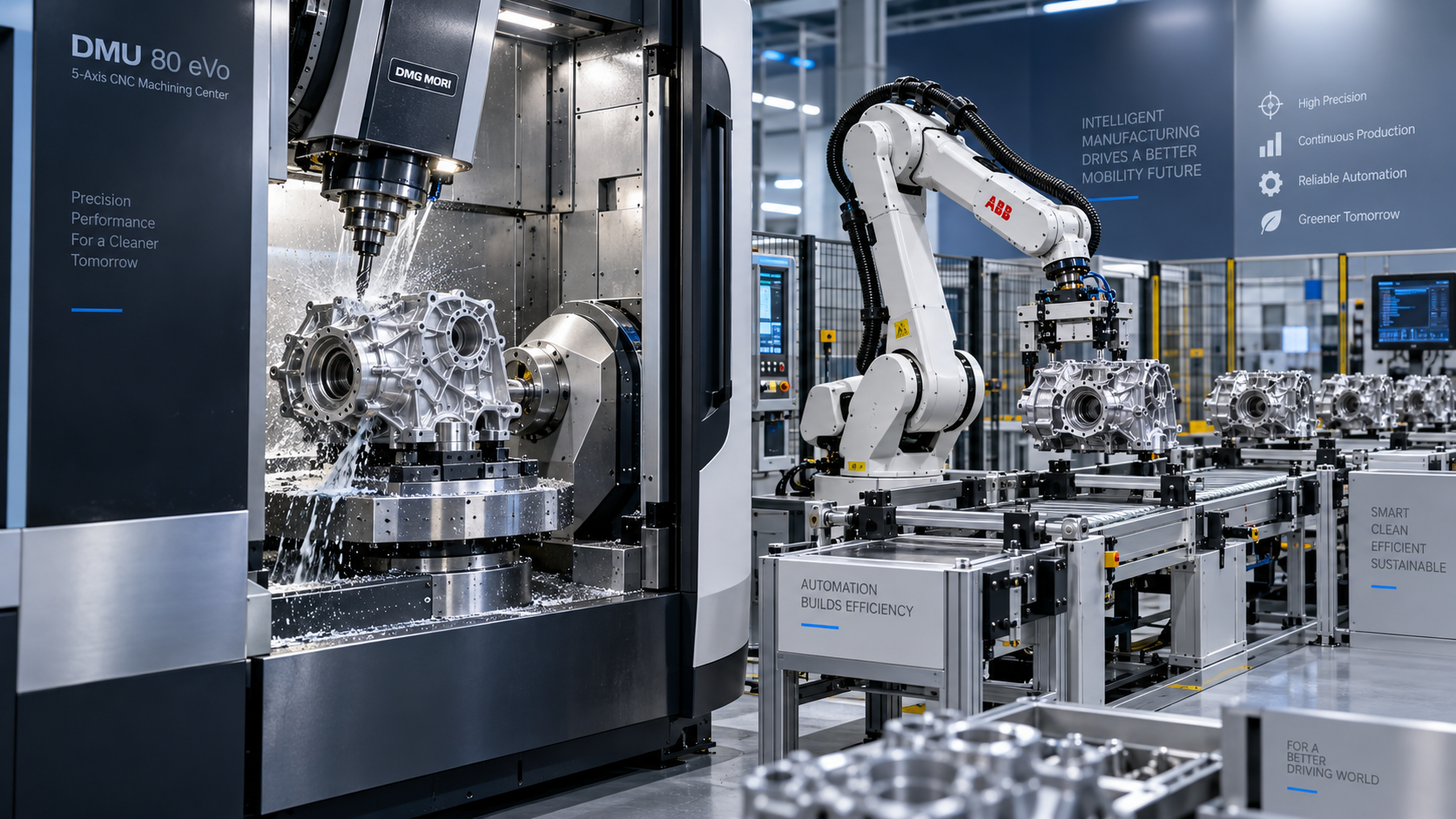
 Selecting Machine Tools for Automotive Parts: Accuracy, Throughput, and AutomationMachine Tool Industry Editorial Team
 Industrial Machining: Selecting Processes for Tight-Tolerance Metal PartsCNC Machining Technology Center
 Manufacturing Technology Trends That Improve Throughput and Quality ControlManufacturing Market Research Center




Aris Katos
Future of Carbide Coatings
15+ years in precision manufacturing systems. Specialized in high-speed milling and aerospace grade alloy processing.
▶
Machine Tool Standards by Country: What Importers Must Verify Before PurchaseManufacturing Policy Research Center▶
EU Sets CE-EMC+AI Certification Rule for CNC ExportsManufacturing Policy Research Center▶
EU Rule Update Raises CNC Safety Certification BarManufacturing Policy Research Center▶
U.S. Tightens Reviews for China CNC ExportsManufacturing Policy Research Center▶
EU Tightens CNC Export Compliance from October 2026Manufacturing Policy Research Center
Mastering 5-Axis Workholding Strategies
Join our technical panel on Nov 15th to learn about reducing vibrations in thin-wall components.

Providing you with integrated sanding solutions
Before-sales and after-sales services
Comprehensive technical support