• Global CNC market projected to reach $128B by 2028 • New EU trade regulations for precision tooling components • Aerospace deman
NYSE: CNC +1.2%LME: STEEL -0.4%

How to Shorten Setup Time with CNC Programming
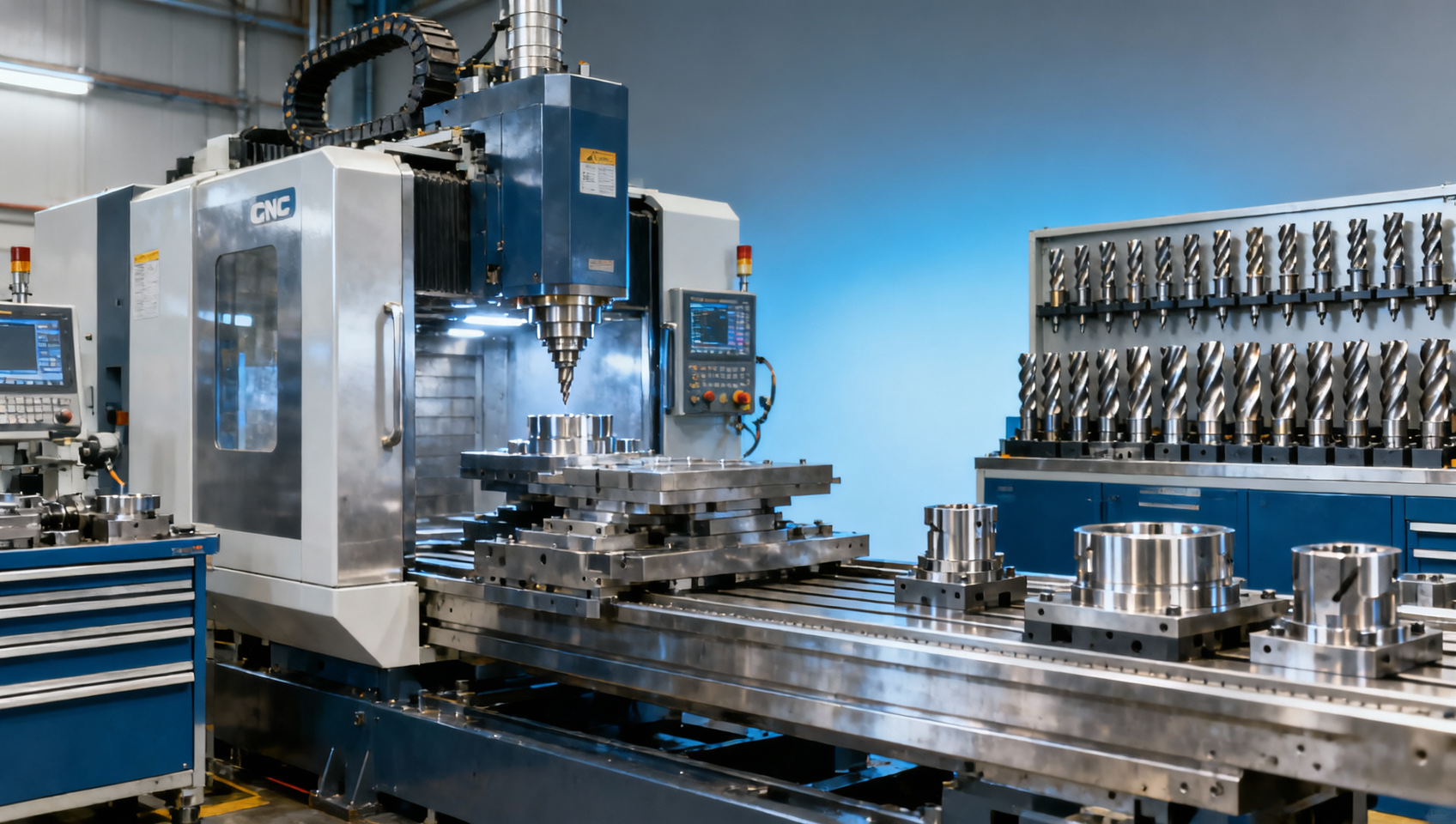
Reducing setup time is critical for improving CNC production efficiency across the Manufacturing Industry. With smarter CNC Programming, optimized tooling, and better coordination in automated production, manufacturers can streamline metal machining, reduce downtime, and boost consistency. This article explores practical ways industrial CNC users can shorten changeovers and enhance performance in today’s fast-moving Global Manufacturing environment.
Why setup time matters more than many CNC teams expect
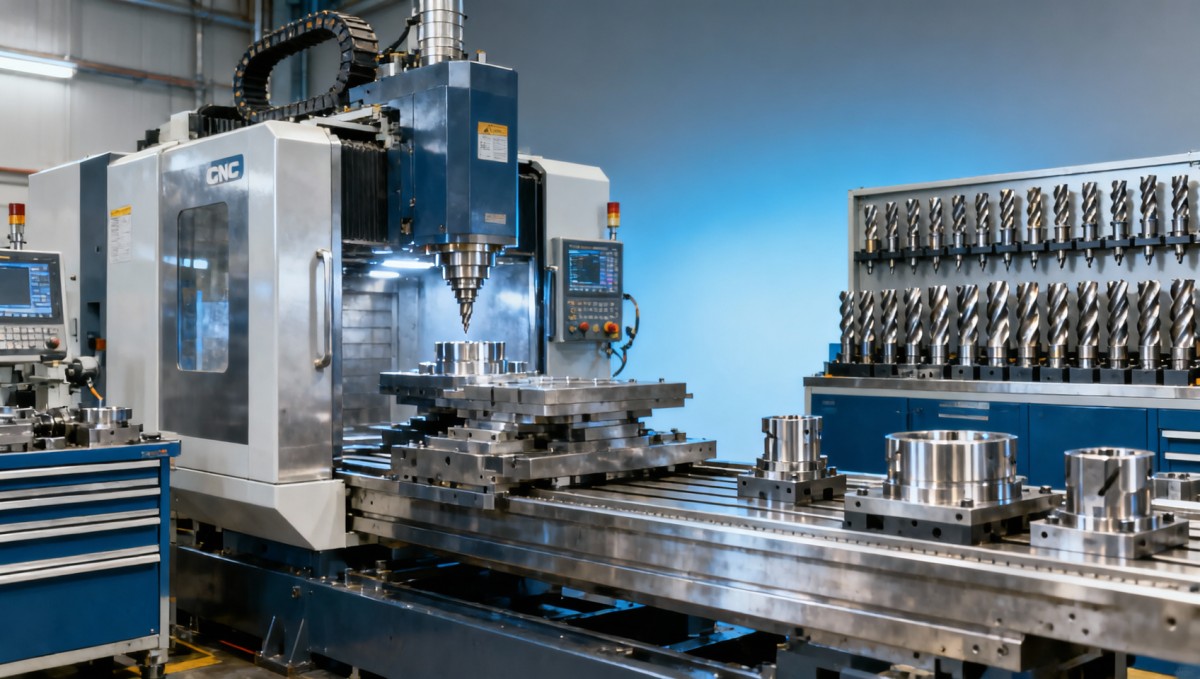
In CNC machining, setup time includes every activity between the last good part of one job and the first approved part of the next. That window may cover program loading, tool offset checks, fixture exchange, workholding alignment, dry runs, inspection approval, and operator confirmation. In low-volume or mixed-batch production, setup can consume 20–40 minutes per changeover on a standard machining center, and much longer on multi-axis systems or jobs with tight tolerance requirements.
For operators, long setup means pressure, overtime, and more chances for mistakes. For buyers and business evaluators, it reduces spindle utilization, delays delivery promises, and raises the hidden cost per part. In sectors such as automotive components, aerospace structures, electronics housings, and energy equipment, the effect is amplified because schedules often depend on frequent part-family switching rather than long uninterrupted runs.
CNC programming plays a central role because it connects process planning with real shop-floor execution. A program that is technically correct can still create slow changeovers if tool numbering is inconsistent, probing cycles are missing, or setup instructions are unclear. Shortening setup time is not only a machine issue. It is a coordination issue across programming, tooling, fixtures, presetting, inspection, and production planning.
In global manufacturing, companies are increasingly asked to balance 3 goals at once: shorter lead time, tighter dimensional control, and more flexible production. That is why many plants now review setup reduction not as a local operator skill but as a programmable process. When standardized well, even a 10–15 minute reduction per setup can create meaningful monthly capacity gains across 2-shift or 3-shift operations.
What usually causes excessive setup time?
The most common delays come from preventable variation. Programs may use different tool call logic for similar parts, fixture references may not match actual machine datums, and setup sheets may omit clamp positions or probing steps. These small issues force the operator to stop, verify, and adjust at the machine instead of starting with confidence.
- Unstructured NC programs that require manual edits at the control during every job change.
- Too many unique tools for similar work, which increases loading, offset verification, and presetting time.
- Fixture changeovers that lack repeatable locating features, causing re-indication or re-alignment.
- Missing first-piece verification logic, especially when no probing cycle or simulation approval is available.
A practical way to measure the problem
Before changing software or hardware, teams should separate setup into 4 measurable stages: offline preparation, machine-side preparation, first-run verification, and approval release. This makes it easier to see whether the main bottleneck is programming, tooling, fixtures, or inspection response. A simple 2–4 week observation period often provides enough data to identify the top recurring delays by part family or machine type.
How CNC programming can directly shorten changeovers
The fastest way to reduce setup time is to move uncertainty away from the machine and into a controlled offline preparation process. Good CNC programming does not stop at generating toolpaths. It also standardizes tool libraries, fixture references, safe start lines, probing cycles, and setup sheets. When those elements are unified, operators spend less time interpreting instructions and more time executing a repeatable sequence.
For mixed-production workshops, part-family programming is especially effective. Instead of building each new job from scratch, programmers can create reusable templates for similar shafts, housings, flanges, or precision plates. If 60–80% of the structure is standardized, the remaining edits become smaller and more predictable. This reduces both programming variation and machine-side trial adjustments.
Simulation and verification also matter. A dry run at the machine consumes valuable spindle time, while offline simulation reduces surprises before release. In many shops, combining post-process verification with a setup checklist can cut first-piece approval cycles from several iterations to 1–2 controlled checks. That is particularly useful when tolerances, clamp interference, or multi-axis motion create higher setup risk.
Another high-impact method is to integrate probing routines into the NC program itself. With touch probes or tool measurement systems, the machine can verify work offsets, feature locations, or tool length automatically. This will not eliminate every manual inspection task, but it can reduce repetitive alignment activity and improve consistency across operators and shifts.
Programming practices that save time on the shop floor
The table below summarizes common CNC programming methods that influence setup time, especially in flexible production and precision machining environments.
These methods are most effective when introduced as a system rather than in isolation. For example, a part-family template will not deliver full value if the fixture layout and tool library remain inconsistent. The strongest setup reduction usually comes from combining 3 elements: reusable programming logic, repeatable workholding, and a verified setup document that operators can trust.
What should be standardized first?
If resources are limited, start with the items that affect every setup. Tool naming, offset numbering, work coordinate conventions, and setup sheet structure should be aligned first. In many machine shops, these 4 basics already remove a large share of avoidable machine-side questioning and rework.
- Unify tool IDs for recurring cutters and holders across similar machines.
- Define 1 common datum strategy for each fixture family or pallet family.
- Use setup sheets with clamp points, zero reference, tool list, and first-piece inspection notes.
- Require offline verification before release for jobs above a defined complexity threshold.
Once these are stable, the next step is to add probing, digital work instructions, and automated tool data transfer. That path is realistic for both growing suppliers and larger manufacturing groups moving toward smart factory integration.
Which setup reduction methods fit different production scenarios?
Not every CNC plant needs the same setup strategy. A subcontractor producing 5–20 piece batches has different priorities from an automotive supplier running repeat orders each week. The right method depends on product mix, tolerance level, fixture complexity, labor skill distribution, and delivery pressure. That is why buyers and technical managers should compare solution paths before investing.
In general, high-mix shops benefit most from programming standardization, digital setup instructions, and quick-change workholding. Medium-volume repeat production often gets stronger returns from preset tooling, palletization, and stable first-off inspection routines. For more advanced cells, robot loading and pallet pool scheduling can reduce non-cut time further, but only if the upstream CNC programming logic is already disciplined.
Procurement teams should also distinguish between process improvements and equipment purchases. Some setup problems can be solved in 2–6 weeks with better documentation and CAM templates. Others need capital expenditure, such as modular fixtures, zero-point clamping, tool presetters, or in-machine probing. The wrong sequence can raise cost without solving the real bottleneck.
The comparison below helps identify which path is most practical based on common manufacturing conditions.
This comparison shows that setup reduction is not a single product purchase. It is a process choice. In many cases, companies gain more from solving 3 operational weaknesses first than from adding one advanced device too early. A structured assessment prevents overbuying and helps align technical investment with actual production needs.
Questions procurement teams should ask before investing
A useful supplier discussion should go beyond general claims about efficiency. Buyers should ask for implementation scope, machine compatibility, operator training needs, and the expected effect on setup sequence. For example, a quick-change workholding system may reduce fixture exchange, but if your NC programs still rely on inconsistent datums, setup time may not improve as expected.
- How many machine models and control types must the solution support today and within the next 12 months?
- Will the method reduce offline preparation time, machine-side time, or both?
- What training period is realistic for programmers, setters, and operators: 1 day, 1 week, or longer?
- Can the supplier help define standard tool data, setup sheets, and verification steps rather than only provide hardware?
How to implement faster CNC setups without disrupting production
Implementation should be staged. Trying to change every program, fixture, and work instruction at once usually creates confusion. A better method is to run a pilot on 1 machine group, 1 part family, or 1 shift team for 2–4 weeks. This allows measurable comparison between the old setup method and the new one without risking broad production interruption.
The most successful rollouts usually involve 4 roles: programmer, operator or setter, quality inspector, and production planner. Each role influences setup time differently. If programmers standardize code but quality still uses a slower approval path, the gain will be limited. Cross-functional review is essential, especially in plants handling precision metal machining and mixed customer schedules.
Documentation should also be practical rather than excessive. Operators need a setup sheet they can use in real time, not a long engineering report. A strong setup packet normally includes tool list, holder information, datum reference, fixture image, clamp sequence, probing step, and first-piece inspection points. In many cases, 1–2 pages of clear instruction outperform longer files that are hard to apply at the machine.
Training is another key factor. Even a good CNC programming strategy will fail if users do not understand the new standards. A focused training cycle of 3 stages—introduction, supervised execution, and audit review—works better than one-time classroom explanation. This is especially relevant for plants with multiple shifts or new operators joining the line.
A simple rollout framework
- Select 5–10 recurring parts with measurable setup history and similar machine requirements.
- Build standard program templates, tool lists, and setup sheets for those parts.
- Run the pilot for 2–4 weeks and track setup start, first-piece approval, and operator intervention points.
- Review deviations weekly, then expand to adjacent part families only after standards are stable.
What metrics should you follow?
The most useful indicators are setup duration, first-piece approval time, number of manual edits at the control, and frequency of offset adjustments before stable production. You may also track tool loading time, fixture exchange time, and scrap during startup. These metrics create a more complete picture than overall machine utilization alone, which often hides the real source of delay.
If a shop cannot collect full digital data, manual logs are still valuable. A simple daily record over 15–20 setups can reveal whether the main savings come from improved CNC programming, better fixture repeatability, or faster inspection release. That evidence supports more confident budgeting for future optimization.
Common mistakes, FAQ, and what buyers should verify
Many teams assume setup time is mainly an operator issue. In reality, operator skill matters, but poor setup performance usually reflects process design gaps. Another common mistake is to focus only on cutting speed optimization while ignoring non-cut time. In high-mix production, reducing 15 minutes of setup may create more capacity than shaving a few seconds from the cycle time of one feature.
Buyers should also be cautious about solutions sold as universally suitable. A probing system, pallet system, or advanced CAM package can be useful, but only when aligned with machine capability, workholding strategy, and actual job mix. The strongest purchasing decisions come from matching the solution to the setup pattern, not from buying the most sophisticated option available.
Below are several questions frequently raised by information researchers, machine users, purchasing teams, and business evaluators when reviewing CNC setup reduction plans.
How much setup time can CNC programming realistically reduce?
The result depends on the starting condition. If programs are inconsistent and setup sheets are weak, standardization can remove a meaningful share of non-cut time. In many workshops, the first visible gains come from eliminating repeated tool renumbering, reducing machine-side edits, and adding repeatable datum logic. The key is to compare similar parts over a stable 2–4 week period rather than rely on one good shift.
Which shops benefit most from quick-change setup strategies?
High-mix, low-volume manufacturers usually benefit first because they perform more frequent job changes. Precision suppliers serving automotive, aerospace, electronics, industrial equipment, or contract machining often see the strongest operational value. Repetitive medium-volume production also benefits, especially where first-piece approvals and fixture exchange create recurring delays.
What should procurement verify before choosing a solution provider?
Check 5 areas: machine and control compatibility, programming support scope, tooling and fixture standardization capability, operator training plan, and implementation timeline. Ask whether the supplier can help define data structure and setup workflow, not just provide software or hardware. Also confirm whether the solution can scale from a pilot line to multiple machines over the next 6–12 months.
Does faster setup increase quality risk?
It can if changeovers are rushed without standardization. However, when faster setup is achieved through verified CNC programming, repeatable fixtures, probing, and clear inspection points, quality risk typically becomes easier to control. The goal is not to skip checks. The goal is to replace uncertain manual correction with repeatable process logic.
Why work with a manufacturing-focused platform for CNC setup improvement
Improving setup time often requires more than one answer. You may need support in CNC programming logic, fixture selection, tooling coordination, automation matching, and supplier comparison. A manufacturing-focused platform can help connect these decisions so that technical, purchasing, and business teams evaluate the same process instead of working from different assumptions.
Because the global CNC machine tool industry is evolving toward higher precision, stronger automation, and digital integration, setup reduction should be reviewed in that wider context. The right approach can support not only today’s machine utilization but also future flexible production, robot integration, and smarter factory workflows. This is especially important for companies sourcing across regions such as China, Germany, Japan, and South Korea, where machine configurations and support models may differ.
If you are comparing CNC programming services, machining solutions, fixture strategies, or automated production options, we can help you narrow the decision. You can consult on parameter confirmation, compatible machine types, setup reduction methods for specific part families, typical delivery planning, tooling and fixture matching, sample workflow design, and quotation communication for customized solutions.
For teams under delivery pressure, budget constraints, or complex compliance requirements, an early technical discussion often prevents costly trial-and-error later. If you want to shorten setup time with CNC programming and make your production line more responsive, contact us with your part type, machine model, batch range, and current setup bottlenecks. That makes it easier to evaluate suitable options and build a practical improvement path.
NEXT ARTICLE
Recommended for You
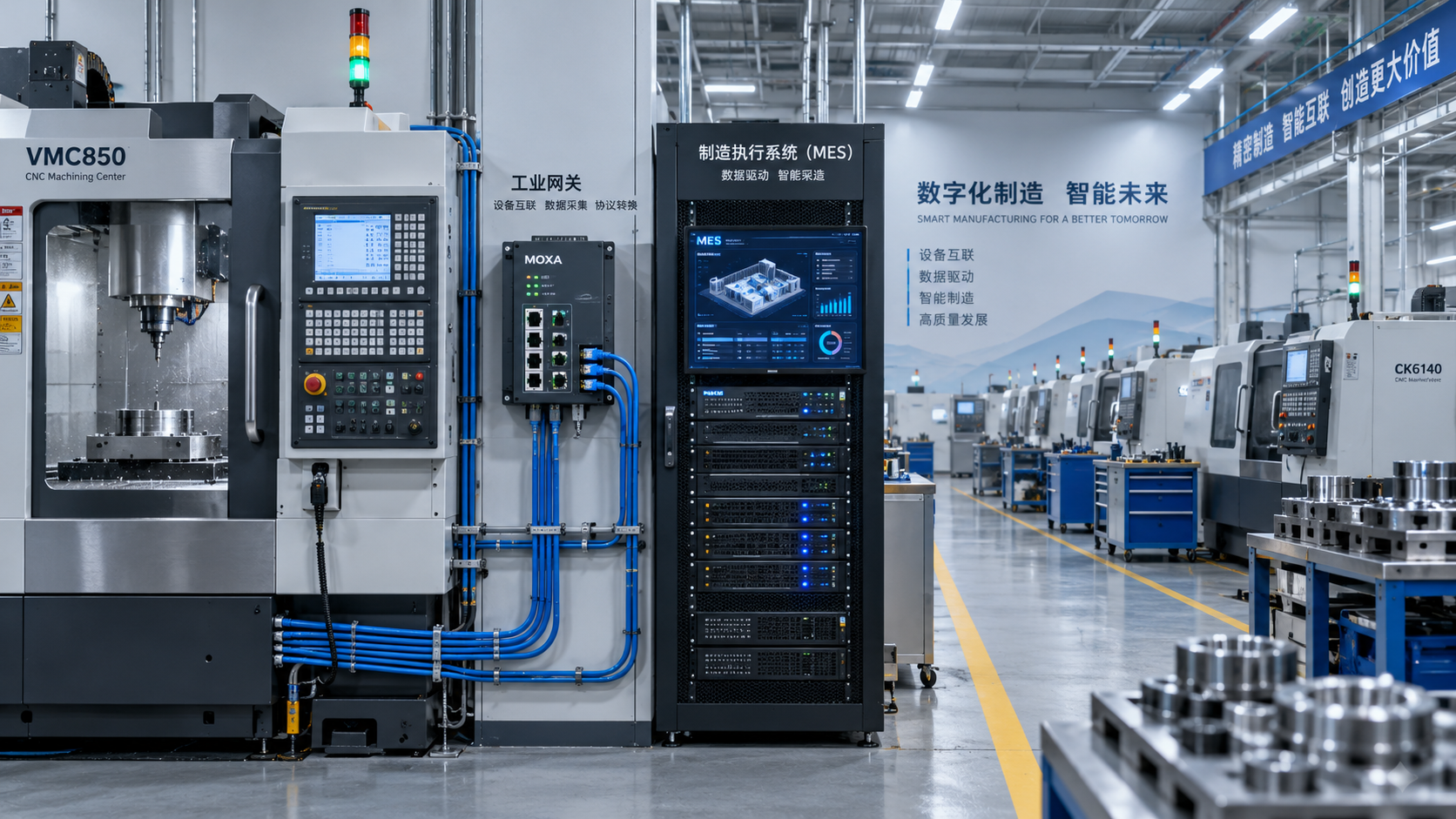
 Digital Manufacturing for Smart Factories: Connecting Legacy Machines to MESMachine Tool Industry Editorial Team
 How to Select a CNC Metal Lathe for Tight-Tolerance Shaft and Sleeve PartsCNC Machining Technology Center
 How to Select an Industrial Lathe for High-Volume Shaft ProductionMachine Tool Industry Editorial Team
 Selecting Machine Tools for Automotive Parts: Accuracy, Throughput, and AutomationMachine Tool Industry Editorial Team
 Industrial Machining: Selecting Processes for Tight-Tolerance Metal PartsCNC Machining Technology Center
 Manufacturing Technology Trends That Improve Throughput and Quality ControlManufacturing Market Research Center

Aris Katos
Future of Carbide Coatings
15+ years in precision manufacturing systems. Specialized in high-speed milling and aerospace grade alloy processing.
▶
Is Learning CNC Programming Worth It for Shop Owners Seeking Higher Margins?CNC Machining Technology Center▶
How to Select CNC Equipment for High-Mix, Low-Volume ProductionCNC Machining Technology Center▶
Can CNC Machining Inconel Control Tool Wear in High-Temperature Aerospace Parts?CNC Machining Technology Center▶
How Automated Precision Machining Maintains Tolerance in High-Mix ProductionCNC Machining Technology Center▶
CNC Programming Explained: From CAD Models to Reliable Shop-Floor ToolpathsCNC Machining Technology Center
Mastering 5-Axis Workholding Strategies
Join our technical panel on Nov 15th to learn about reducing vibrations in thin-wall components.

Providing you with integrated sanding solutions
Before-sales and after-sales services
Comprehensive technical support