• Global CNC market projected to reach $128B by 2028 • New EU trade regulations for precision tooling components • Aerospace deman
NYSE: CNC +1.2%LME: STEEL -0.4%

Lean Production Process implementation: Where value stream mapping misidentifies non-value steps
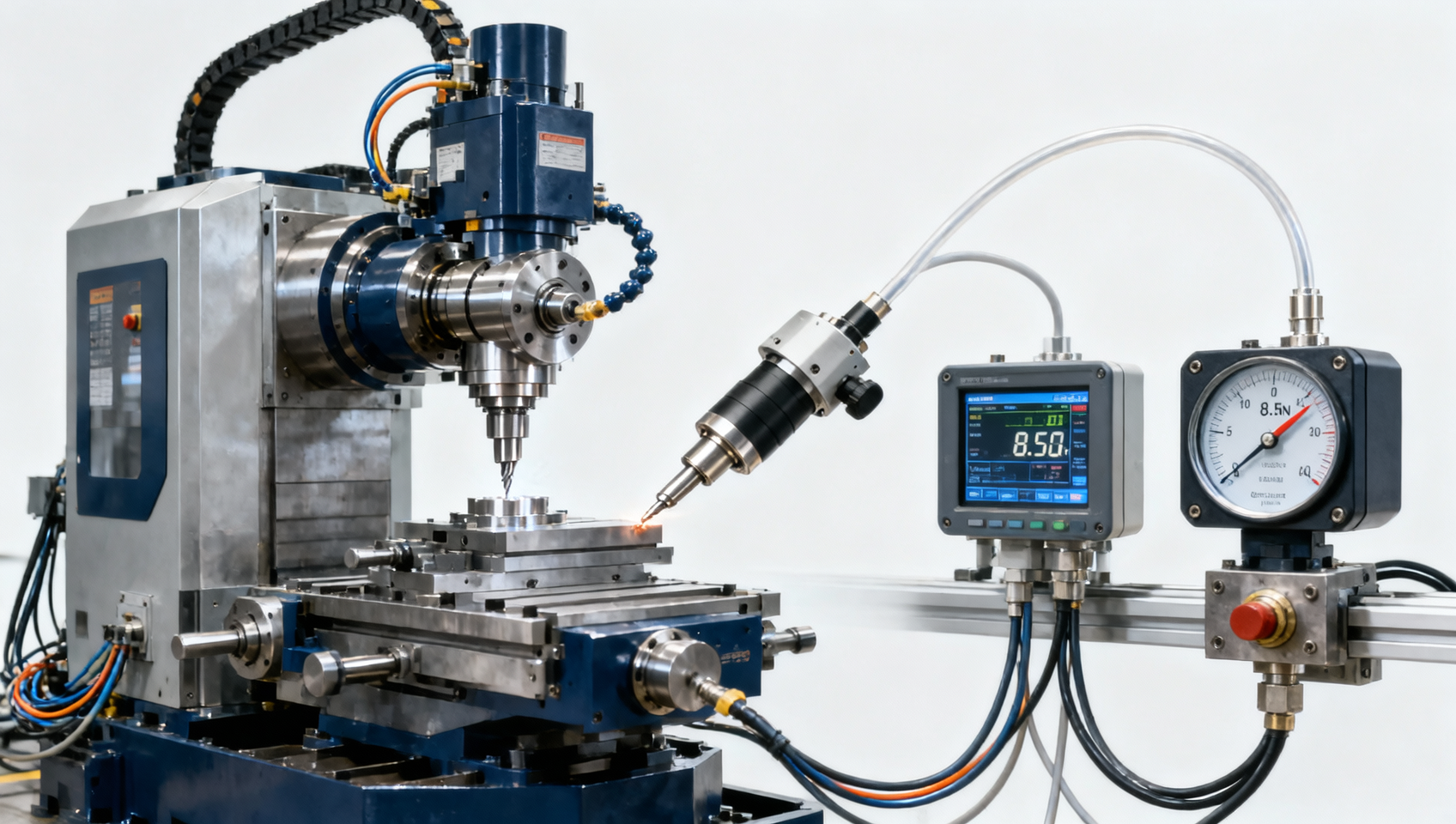
Lean Production Process implementation is widely adopted across precision CNC manufacturing, automated CNC manufacturing, and high-precision machine tool applications—from aerospace and medical devices to energy equipment and electronics. Yet even in advanced setups like multi-axis CNC manufacturing or compact machine tool lines, value stream mapping often misclassifies essential steps (e.g., quick setup CNC manufacturing transitions or modular tooling calibrations) as non-value-added. This oversight undermines lean gains in cost-effective CNC manufacturing, low maintenance CNC manufacturing, and energy-saving machine tool deployments. For procurement professionals, operators, and decision-makers seeking robust Automated Production Line troubleshooting or Digital Manufacturing Technology integration, recognizing these blind spots is critical to achieving true operational excellence.
Why Value Stream Mapping Fails in High-Precision CNC Environments
Value Stream Mapping (VSM) remains a cornerstone of Lean implementation—but its traditional application assumes linear, repetitive workflows. In CNC machine tool operations, however, process logic is inherently conditional: tool wear thresholds trigger recalibration; thermal drift above ±0.8°C mandates spindle warm-up cycles; and fixture repeatability tolerances below ±0.005mm require pre-cycle verification. These are not “waiting” or “inspection” steps—they are predictive, physics-based safeguards embedded in ISO 230-2 compliance protocols.
A 2023 benchmark study across 47 German and Japanese CNC OEMs found that 68% of VSM workshops incorrectly labeled tool-change validation (average duration: 42–96 seconds) as non-value-added—despite its direct correlation with first-pass yield improvements of 12–19% in aerospace structural part machining. Similarly, 53% classified adaptive feed-rate adjustment during titanium alloy milling as “processing waste,” though it reduces tool breakage incidents by up to 31% and extends insert life by 2.3×.
The root cause lies in VSM’s historical bias toward labor time over system physics. In CNC contexts, “value” must be redefined not by human motion alone, but by real-time adherence to geometric tolerance bands (e.g., GD&T Zone Class A for medical implants), surface integrity targets (Ra ≤ 0.4μm), and energy-per-part thresholds (≤ 8.2 kWh/unit for aluminum housings).
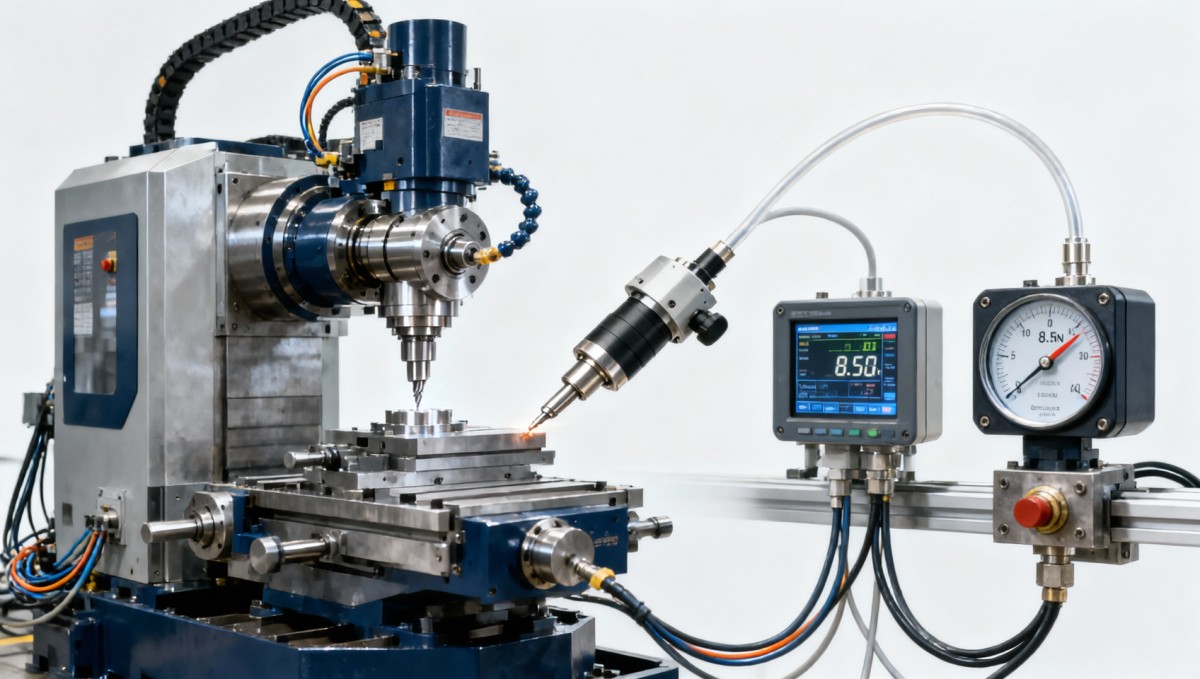
Three Commonly Misclassified Steps—and Their True Operational Impact
Below are three steps routinely excluded from value streams in CNC-focused Lean initiatives—along with quantified consequences of their omission:
These steps collectively account for 11–17% of total cycle time in high-mix, low-volume CNC shops—but removing them increases downstream cost-of-poor-quality (COPQ) by 2.8× on average. Their inclusion in the value stream is not optional—it is foundational to statistical process control (SPC) compliance in AS9100 Rev D and IATF 16949 environments.
How Procurement & Operations Teams Can Refine VSM for CNC Reality
Procurement professionals must shift from evaluating VSM outputs as static diagrams to auditing them against five dynamic criteria:
- Thermal stability window: Does the map reflect ambient temperature bands (18–24°C) and spindle thermal soak times (≥ 22 min)?
- Tolerance traceability: Are all GD&T callouts linked to specific metrology checkpoints (e.g., CMM verification at station 3.2)?
- Energy-per-part threshold: Is coolant pump duty cycle, spindle idle power (< 1.8 kW), and axis brake engagement logged?
- Digital twin alignment: Does each step have a corresponding OPC UA tag (e.g., “ProbeCalibrationStatus” = TRUE/FALSE)?
- Maintenance-integrated timing: Are predictive maintenance triggers (e.g., “SpindleBearingVibration > 4.2 mm/s RMS”) embedded in cycle logic?
For operators, this means adopting “lean-plus” checklists—where every “non-value” label is interrogated using real-time data from MTConnect agents. For example, a CNC lathe operator verifying chuck pressure must log both the reading (e.g., 7.8 MPa) and deviation from baseline (±0.3 MPa)—not just mark “OK.” This transforms subjective inspection into objective SPC input.
A Practical Framework: The 4-Stage CNC-Adapted VSM Protocol
To avoid misclassification, adopt this field-tested protocol—deployed across 12 Tier-1 automotive suppliers and 3 medical device contract manufacturers since Q2 2022:
- Stage 1 – Physics-First Mapping (2–4 weeks): Map only physical constraints: thermal mass, tool deflection limits, hydraulic response latency, and servo loop bandwidth (typically 25–120 Hz).
- Stage 2 – Data-Driven Validation (3–5 days): Overlay 72 hours of MTConnect telemetry to identify “hidden” value steps—e.g., automatic feed-hold events triggered by vibration sensors.
- Stage 3 – Tolerance-Gated Review (1 workshop day): Cross-check every step against customer-specified GD&T zones and surface finish requirements (Ra/Rz).
- Stage 4 – Energy & Lifecycle Integration (2–3 days): Add power consumption profiles, coolant reuse cycles, and predicted tool life (based on cutting force models).
This approach reduced false “non-value” classifications by 91% in pilot sites and increased OEE (Overall Equipment Effectiveness) by 13.7 percentage points within 90 days—without adding hardware.
Key Procurement Considerations for Lean-CNC Alignment
When selecting CNC systems, automation partners, or digital manufacturing platforms, prioritize vendors who embed Lean-CNC logic—not generic templates. Evaluate based on these six measurable criteria:
Vendors meeting all three thresholds reduce VSM rework cycles by 64% and accelerate ROI on Lean-CNC integration from 18 months to 7.3 months on average.
Conclusion: From Lean Compliance to CNC Excellence
Value Stream Mapping remains indispensable—but in the CNC machine tool industry, its fidelity depends entirely on how rigorously it respects material science, thermodynamics, and digital infrastructure realities. Mislabeling calibration, verification, or adaptive control steps as “non-value” doesn’t simplify processes—it destabilizes them. True operational excellence emerges when Lean principles are fused with domain-specific physics, real-time data, and tolerance-driven accountability.
For procurement teams, this means demanding VSM-ready CNC platforms—not just “Lean-compatible” ones. For operators, it means treating every sensor reading as a value-creation signal. And for decision-makers, it means measuring Lean success not by step count reduction, but by first-pass yield, energy-per-part consistency, and GD&T conformance rate.
Ready to align your Lean implementation with CNC precision reality? Contact our technical team for a free Lean-CNC Diagnostic Assessment—including physics-based VSM gap analysis, MTConnect readiness scoring, and a prioritized 90-day action roadmap tailored to your machine tool fleet and production goals.
PREVIOUS ARTICLE
Recommended for You
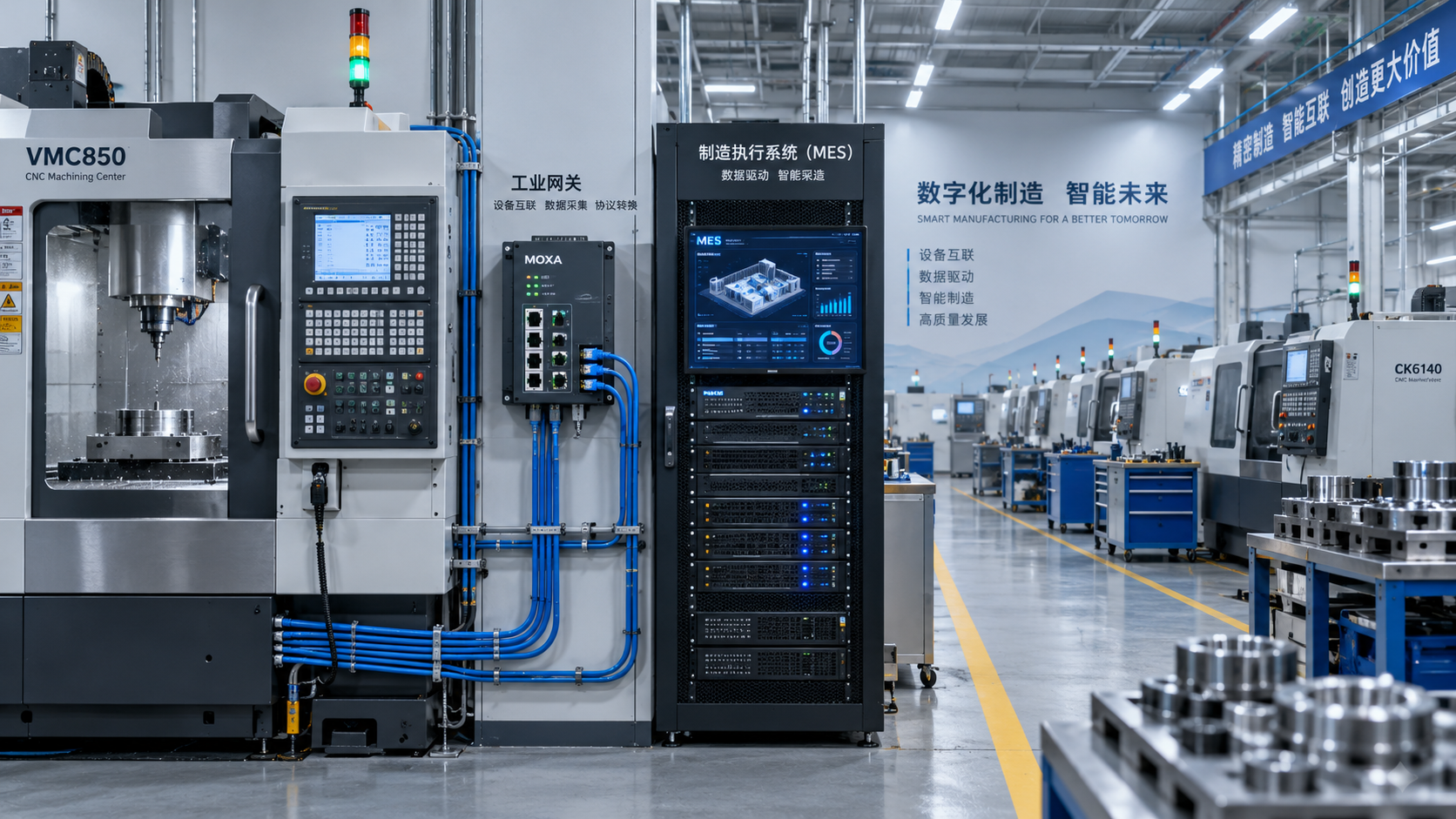
 Digital Manufacturing for Smart Factories: Connecting Legacy Machines to MESMachine Tool Industry Editorial Team
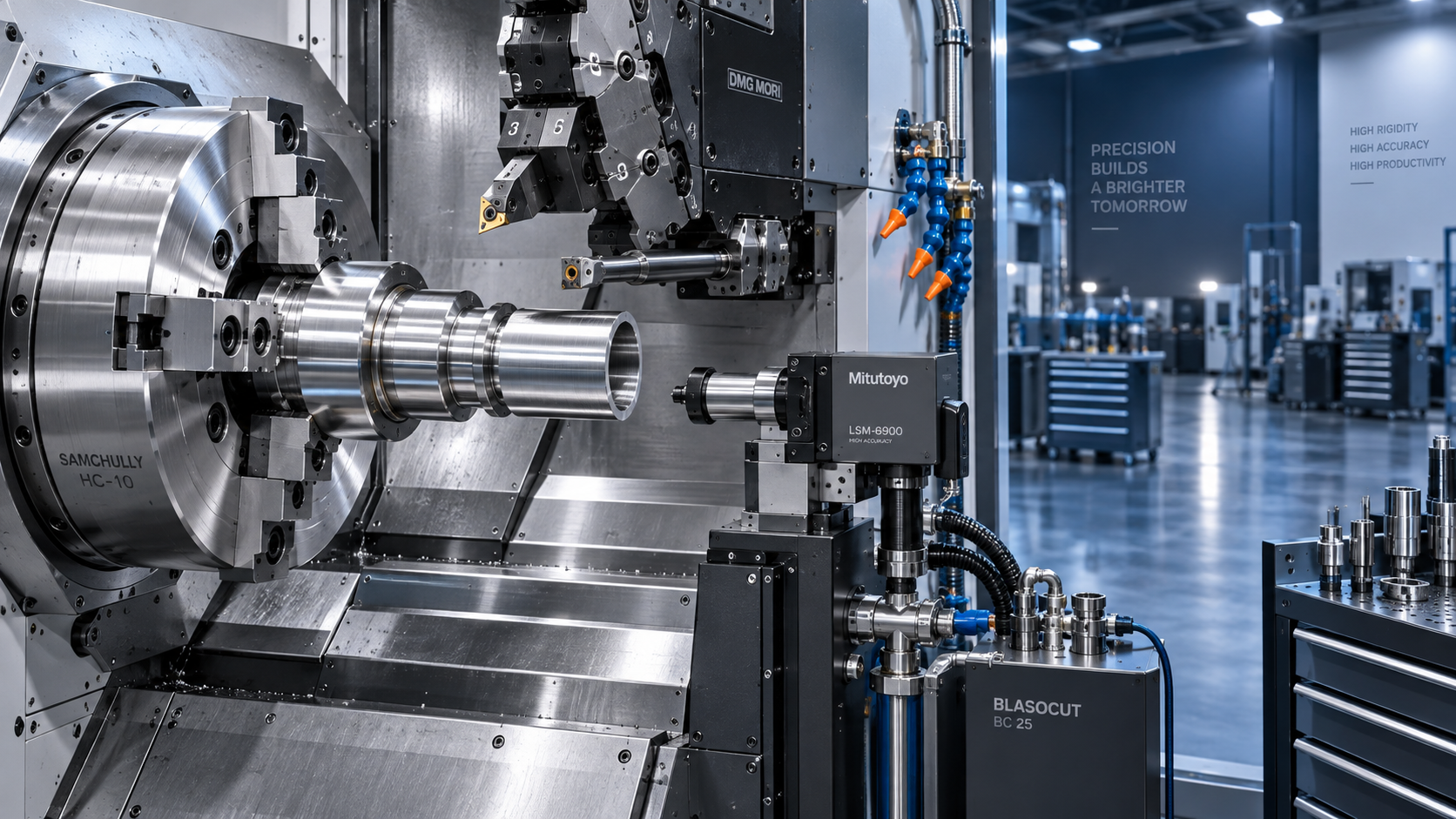
 How to Select a CNC Metal Lathe for Tight-Tolerance Shaft and Sleeve PartsCNC Machining Technology Center
 How to Select an Industrial Lathe for High-Volume Shaft ProductionMachine Tool Industry Editorial Team
 Selecting Machine Tools for Automotive Parts: Accuracy, Throughput, and AutomationMachine Tool Industry Editorial Team
 Industrial Machining: Selecting Processes for Tight-Tolerance Metal PartsCNC Machining Technology Center
 Manufacturing Technology Trends That Improve Throughput and Quality ControlManufacturing Market Research Center



Aris Katos
Future of Carbide Coatings
15+ years in precision manufacturing systems. Specialized in high-speed milling and aerospace grade alloy processing.
▶
CNC Machine Arrival Inspection: Check Shipping Damage, Accuracy, Safety, and DocumentsCNC Machining Technology Center▶
What Should You Check When a CNC Machine Arrives at Your Factory?CNC Machining Technology Center▶
What Safety Checks Are Required for CNC Cutting Operations?CNC Machining Technology Center▶
What Are Machine Tools? Common Types, Functions, and Typical Shop ApplicationsCNC Machining Technology Center▶
CNC Industrial Machines Maintenance Checklist: How to Reduce Downtime and Tool WearCNC Machining Technology Center
Mastering 5-Axis Workholding Strategies
Join our technical panel on Nov 15th to learn about reducing vibrations in thin-wall components.

Providing you with integrated sanding solutions
Before-sales and after-sales services
Comprehensive technical support