• Global CNC market projected to reach $128B by 2028 • New EU trade regulations for precision tooling components • Aerospace deman
NYSE: CNC +1.2%LME: STEEL -0.4%

Why CNC industrial projects miss deadlines after quoting
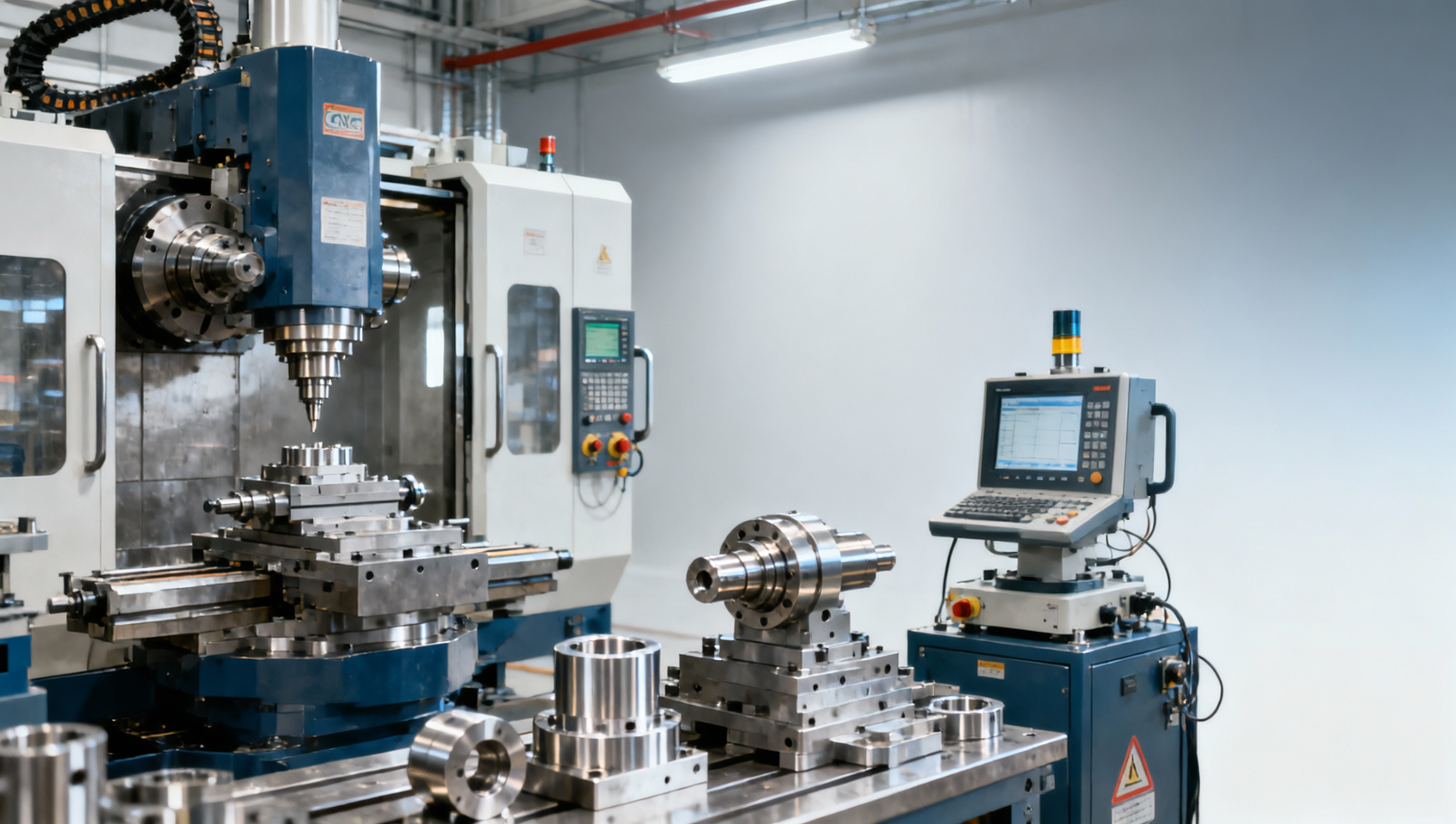
Why do CNC industrial projects slip after a promising quote? In today’s Global Manufacturing environment, delays often begin with hidden gaps in the production process, from CNC programming and metal machining capacity to tooling, automated production line coordination, and supplier response. This article explores why industrial CNC, CNC milling, and CNC cutting projects miss deadlines—and what buyers, operators, and decision-makers can do to reduce risk before production starts.
In the CNC machine tool industry, a quote is often treated as a commercial milestone, but in reality it is only an early estimate of cost, lead time, and process feasibility. Between quotation approval and the first qualified part, there are multiple handoff points: engineering review, fixture design, tool selection, machine scheduling, raw material procurement, pilot runs, inspection planning, packaging, and logistics. A delay at any one of these stages can push delivery from 2 weeks to 6 weeks or from 30 days to 60 days.
This matters across automotive, aerospace, energy equipment, electronics, and general industrial manufacturing, where CNC lathes, machining centers, and multi-axis systems are expected to support precision, repeatability, and volume targets at the same time. For researchers, operators, buyers, and executives, the key question is not only why projects miss deadlines after quoting, but how to identify schedule risk before a purchase order is released.
Quoted lead time often hides engineering and process gaps
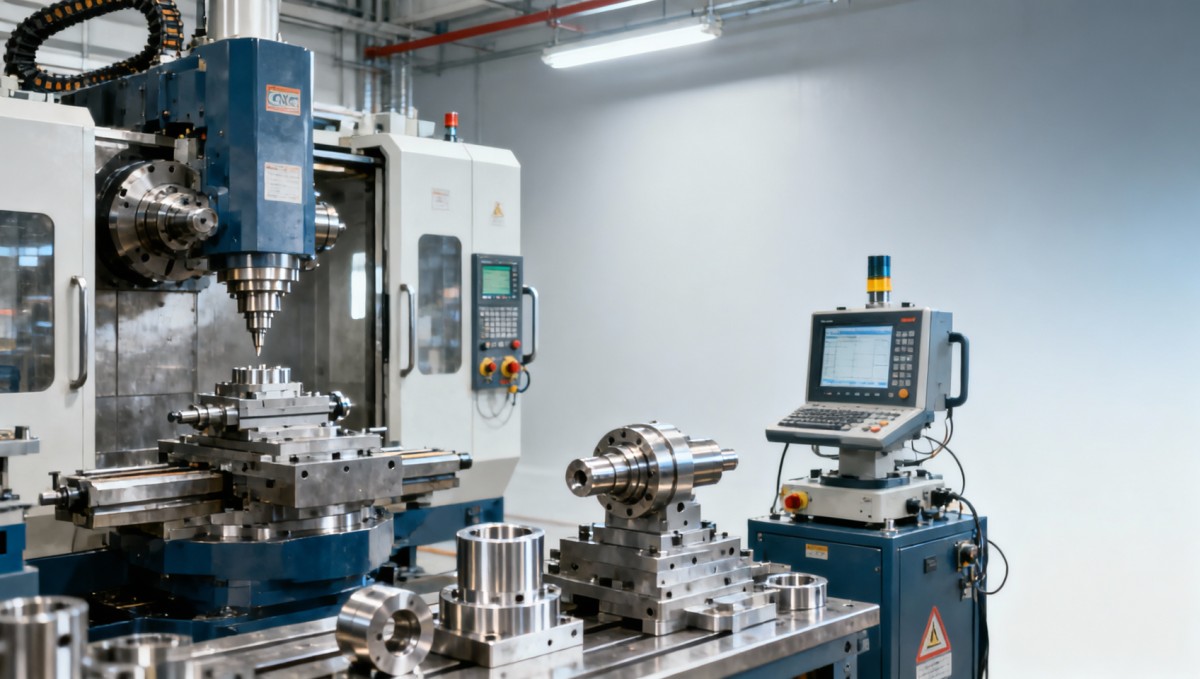
A common reason CNC industrial projects miss deadlines is that the quoted lead time reflects a best-case manufacturing window rather than a full project timeline. Sales teams may quote 15–20 working days based on machine availability alone, while actual delivery also depends on drawing clarification, CAM programming, fixture preparation, cutting tool availability, first article inspection, and customer approval cycles. If these steps are not explicitly listed, the quote creates a false sense of certainty.
Engineering complexity is another hidden variable. A part may appear simple in a 2D drawing but require 4-axis or 5-axis machining, multiple datum transfers, or tolerance control within ±0.01 mm in critical zones. Threads, deep cavities, thin walls, and surface finish requirements such as Ra 1.6 or Ra 0.8 can significantly extend setup time. When quotation teams do not involve process engineers early, estimated hours are often lower than actual cycle time by 10%–30%.
Material and tooling assumptions also create schedule risk. A shop may quote based on standard aluminum, carbon steel, or stainless stock sizes, then discover after order confirmation that the project requires forged blanks, heat-treated material, or imported alloy with a 2–4 week supply cycle. Similarly, a standard end mill or insert may not be suitable for high-hardness steel above HRC 50, forcing last-minute tooling changes and trial cuts.
What is usually missing from the quotation stage
In many CNC milling and CNC cutting projects, the quote focuses on price per part and ignores planning details that directly affect the schedule. Buyers should ask whether the supplier has completed a formal manufacturability review, machine loading check, and process route confirmation. Without these checks, the lead time may be only an estimate of optimism.
- Has the drawing been reviewed for tolerances, datum strategy, and inspection points?
- Are fixtures and soft jaws already available, or do they need 3–7 extra days?
- Is CAM programming simple 2.5D work or complex multi-axis toolpath development?
- Does the supplier have the actual machine type required, such as horizontal machining center, turn-mill center, or 5-axis platform?
The table below shows where quoted lead times frequently differ from actual production timelines in industrial CNC projects.
The main takeaway is simple: a quote should not be read as a full production commitment unless process assumptions are visible. In global CNC supply chains, the difference between a reliable 25-day lead time and a missed 40-day delivery is often hidden in engineering preparation rather than machine cutting time alone.
Capacity, scheduling, and supplier coordination break the timeline
Even when a CNC quote is technically accurate, projects still miss deadlines because shop-floor capacity changes after the quote is issued. Machine time is dynamic. A supplier may have open capacity on Monday, then receive 3 urgent production orders on Tuesday from long-term customers. If your project requires a specific 5-axis machining center, a heavy-duty CNC lathe, or a machine with pallet automation, rescheduling can add 5–10 working days with little warning.
This is especially common in mixed-production factories that serve several industries at once. Aerospace parts may need long cycle times and strict traceability. Automotive projects may demand repeat batches every week. Electronics tooling may require short runs but high urgency. A supplier that looks adequate in quotation can become overloaded during execution, particularly when machine utilization rises above 80%–85%. At that point, any maintenance event, tool breakage, or inspection backlog can impact delivery performance.
Coordination problems multiply in projects involving automated production lines, secondary operations, surface treatment, welding, or outsourced heat treatment. A machined part may leave the CNC department on schedule but then wait 3 days for deburring, 7 days for coating, or 1 week for external grinding. If the quote only covers machining but not the full routing map, the total lead time becomes unstable.
Where production coordination usually fails
Operators and planners often see deadline risk long before buyers do. The problem is not always insufficient equipment; it is often poor sequencing between steps. For example, raw material might arrive on time, but the fixture is not ready. The fixture may be ready, but the measuring program for CMM inspection is not. This mismatch creates idle waiting time inside a project that appeared fully scheduled.
Typical bottlenecks in industrial CNC projects
- Machine bottleneck: one critical machine type supports too many projects.
- Skilled labor bottleneck: only 1–2 programmers or setup technicians can handle complex parts.
- Quality bottleneck: final inspection capacity cannot match production output.
- External process bottleneck: heat treatment, plating, or grinding lead times are not locked in.
The following comparison helps procurement teams distinguish between a supplier that only has machining equipment and one that can actually manage schedule risk across the full process.
For enterprise decision-makers, this means supplier selection should include delivery-control capability, not just machine lists and quoted unit prices. A supplier with 20 machines can still miss deadlines if scheduling visibility is weak, while a smaller factory with disciplined planning may outperform on urgent CNC machining projects.
Technical changes after order confirmation cause avoidable rework
Another major reason industrial CNC projects miss deadlines after quoting is post-order change. This includes revised drawings, updated tolerances, material substitutions, added surface treatment, packaging changes, or new documentation requirements. In many factories, one design revision can reset programming, fixture alignment, inspection plans, and process approval. What looked like a 12-day production job can become a 20-day project once rework is introduced.
Small changes can create large effects. A bore tolerance change from ±0.03 mm to ±0.01 mm may require a different finishing strategy, more in-process inspection, and lower feed rates. A surface finish change from Ra 3.2 to Ra 0.8 may add polishing, grinding, or a finishing pass. A raw material shift from standard 304 stainless to duplex or high-strength alloy can alter tooling wear, chip control, and cycle time.
In automated production line projects, change control is even more important. A change to one machined bracket, sensor mount, spindle housing, or assembly interface can affect mating parts, robot positioning, cable routing, or installation timing. The delay is no longer limited to a single component; it may impact a complete integration schedule.
How to control revision-driven delays
The best way to reduce schedule slip is to freeze the technical package before production starts. That package should include approved drawings, 3D files if required, material grade, surface finish, inspection method, packaging standard, and acceptance criteria. If any item is still open, the buyer should expect a flexible lead time rather than a fixed deadline.
- Confirm whether the supplier is quoting Revision A, B, or the latest released file set.
- Lock key dimensions, tolerance zones, and datum references before CAM programming begins.
- Define inspection documents up front, especially if first article reports or CMM data are required.
- Set a change window, such as no technical changes after programming release or after pilot-run approval.
Typical impact of late changes
If the change occurs before material ordering, the impact may be limited to 1–3 days. If it happens after fixture preparation, expect 3–7 days. If it occurs after pilot machining or first article inspection, the impact can reach 1–2 additional weeks depending on complexity. For low-volume, high-mix CNC projects, these changes are one of the most underestimated causes of missed deadlines.
For operators and engineers, good revision control also reduces quality drift. Stable process data, tool offsets, and inspection criteria improve repeatability. For procurement teams, it creates a fairer benchmark when comparing suppliers, since everyone is quoting and producing to the same technical baseline.
What buyers should verify before releasing a CNC order
A reliable CNC quote should be tested before the order is placed. This is where procurement, operations, and management can directly reduce risk. Instead of asking only for the best price and shortest lead time, ask for proof that the process route, capacity, material path, and quality checkpoints have been considered. In practice, 6 basic checks performed before PO release can prevent a large share of schedule issues later.
First, verify scope. Does the supplier cover only machining, or also deburring, heat treatment, coating, assembly, and export packaging? Second, verify the lead time definition. Is the quoted 20-day period counted from PO date, drawing confirmation date, or material arrival date? Third, verify dependencies. If the job depends on customer-supplied tooling, gauge approval, or sample sign-off, these milestones should be documented.
Fourth, verify capacity fit. A supplier that is ideal for 20 prototypes may not be ideal for 2,000 recurring parts per month. Fifth, verify communication rhythm. Weekly updates are often enough for 4–8 week projects, while urgent jobs may require milestone reporting every 48–72 hours. Sixth, verify escalation rules. If a critical machine goes down or material is delayed, who informs the buyer, and within what response time?
Pre-order checklist for deadline-sensitive CNC projects
The table below can be used by sourcing teams, plant managers, and project owners to evaluate schedule risk before confirming an industrial CNC order.
The core principle is that delivery control starts before production, not after. Buyers who clarify scope, milestones, and process assumptions usually receive more realistic schedules. They may not always get the shortest lead time on paper, but they often get a more dependable one in practice.
How operators and decision-makers can reduce deadline risk in practice
Reducing missed deadlines in CNC machining projects requires operational discipline from both supplier and customer. For operators, this means early process validation, tool-life monitoring, and stable setup methods. For decision-makers, it means evaluating suppliers by delivery reliability, not only by initial quote speed. In many industrial environments, a supplier that quotes in 24 hours but lacks process confirmation creates more downstream cost than one that spends 2–3 days on a serious technical review.
One practical strategy is milestone-based project management. Break the schedule into 5 stages: technical confirmation, material readiness, programming and fixture release, first-piece validation, and batch production with final inspection. If each milestone has a target date and responsible owner, schedule risk becomes visible earlier. This approach is especially effective for CNC milling, turning, and multi-process jobs that involve outside services.
Another strong method is split delivery. If a project includes 500 parts and the full batch is at risk, negotiate a first shipment of 50–100 parts after pilot approval, followed by the balance shipment. This helps assembly lines continue running while the remaining quantity is completed. In sectors such as automotive maintenance, industrial equipment repair, or export machinery assembly, split deliveries often protect production continuity better than waiting for a single full shipment.
Operational actions that improve on-time performance
- Use first-article approval within the first 10% of planned production time, not at the end of the batch.
- Reserve backup tooling for wear-sensitive materials or long cycle jobs above 30 minutes per part.
- Track critical dimensions in-process when tolerances are tighter than ±0.02 mm.
- Align logistics booking early for export orders, since freight pickup can add 2–5 days.
FAQ: common questions before ordering CNC work
The questions below reflect typical concerns from information researchers, machine users, buyers, and enterprise managers.
How long should a realistic CNC lead time be?
For simple standard parts with available material, 7–15 working days can be realistic. For complex multi-axis parts, custom fixtures, or certified materials, 3–6 weeks is often a safer range. If coating, grinding, or assembly is included, buyers should confirm whether those steps are inside or outside the quoted timeline.
What is the biggest warning sign in a CNC quote?
A short lead time with no process assumptions is a major warning sign. If the supplier cannot explain material status, machine type, tooling plan, or inspection method, the quote may be commercial rather than operational. In deadline-sensitive projects, clarity is more valuable than optimistic speed.
Should buyers prioritize low price or stable delivery?
For spare parts or non-critical components, lower price may be acceptable. For production line components, precision housings, or parts tied to installation schedules, stable delivery usually has higher total value. A 5% lower price can be quickly offset by line stoppage, delayed assembly, or emergency freight costs.
CNC industrial projects usually miss deadlines after quoting not because machining is impossible, but because assumptions stay hidden until production starts. Engineering gaps, unstable capacity, weak coordination, material delays, and late technical changes are the most common causes. The strongest response is not simply to request faster quotes, but to demand clearer process visibility, milestone control, and realistic delivery planning before order release.
For companies sourcing CNC lathes, machining center capacity, precision parts, or automated production line components, a dependable supplier should be able to explain how the job will be produced, what could delay it, and what backup actions are available. If you want to reduce risk in your next CNC milling, CNC cutting, or industrial CNC project, contact us to discuss your drawings, delivery targets, and production requirements, and get a more practical solution before manufacturing begins.
PREVIOUS ARTICLE
Recommended for You
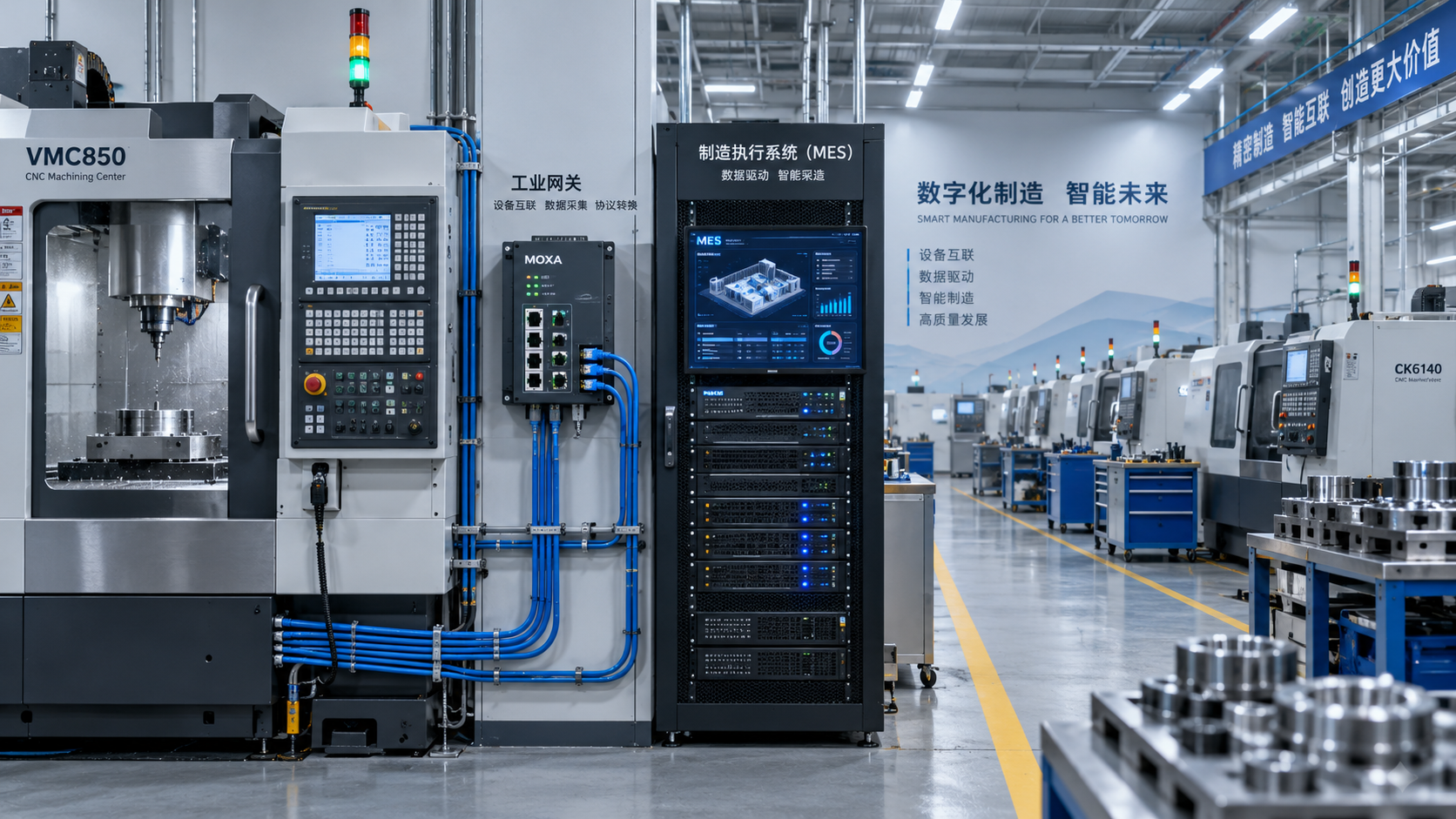
 Digital Manufacturing for Smart Factories: Connecting Legacy Machines to MESMachine Tool Industry Editorial Team
 How to Select a CNC Metal Lathe for Tight-Tolerance Shaft and Sleeve PartsCNC Machining Technology Center
 How to Select an Industrial Lathe for High-Volume Shaft ProductionMachine Tool Industry Editorial Team
 Selecting Machine Tools for Automotive Parts: Accuracy, Throughput, and AutomationMachine Tool Industry Editorial Team
 Industrial Machining: Selecting Processes for Tight-Tolerance Metal PartsCNC Machining Technology Center
 Manufacturing Technology Trends That Improve Throughput and Quality ControlManufacturing Market Research Center


Aris Katos
Future of Carbide Coatings
15+ years in precision manufacturing systems. Specialized in high-speed milling and aerospace grade alloy processing.
▶
CNC Machine Arrival Inspection: Check Shipping Damage, Accuracy, Safety, and DocumentsCNC Machining Technology Center▶
What Should You Check When a CNC Machine Arrives at Your Factory?CNC Machining Technology Center▶
What Safety Checks Are Required for CNC Cutting Operations?CNC Machining Technology Center▶
What Are Machine Tools? Common Types, Functions, and Typical Shop ApplicationsCNC Machining Technology Center▶
CNC Industrial Machines Maintenance Checklist: How to Reduce Downtime and Tool WearCNC Machining Technology Center
Mastering 5-Axis Workholding Strategies
Join our technical panel on Nov 15th to learn about reducing vibrations in thin-wall components.

Providing you with integrated sanding solutions
Before-sales and after-sales services
Comprehensive technical support