• Global CNC market projected to reach $128B by 2028 • New EU trade regulations for precision tooling components • Aerospace deman
NYSE: CNC +1.2%LME: STEEL -0.4%

Industrial CNC uptime drops for simple reasons too often
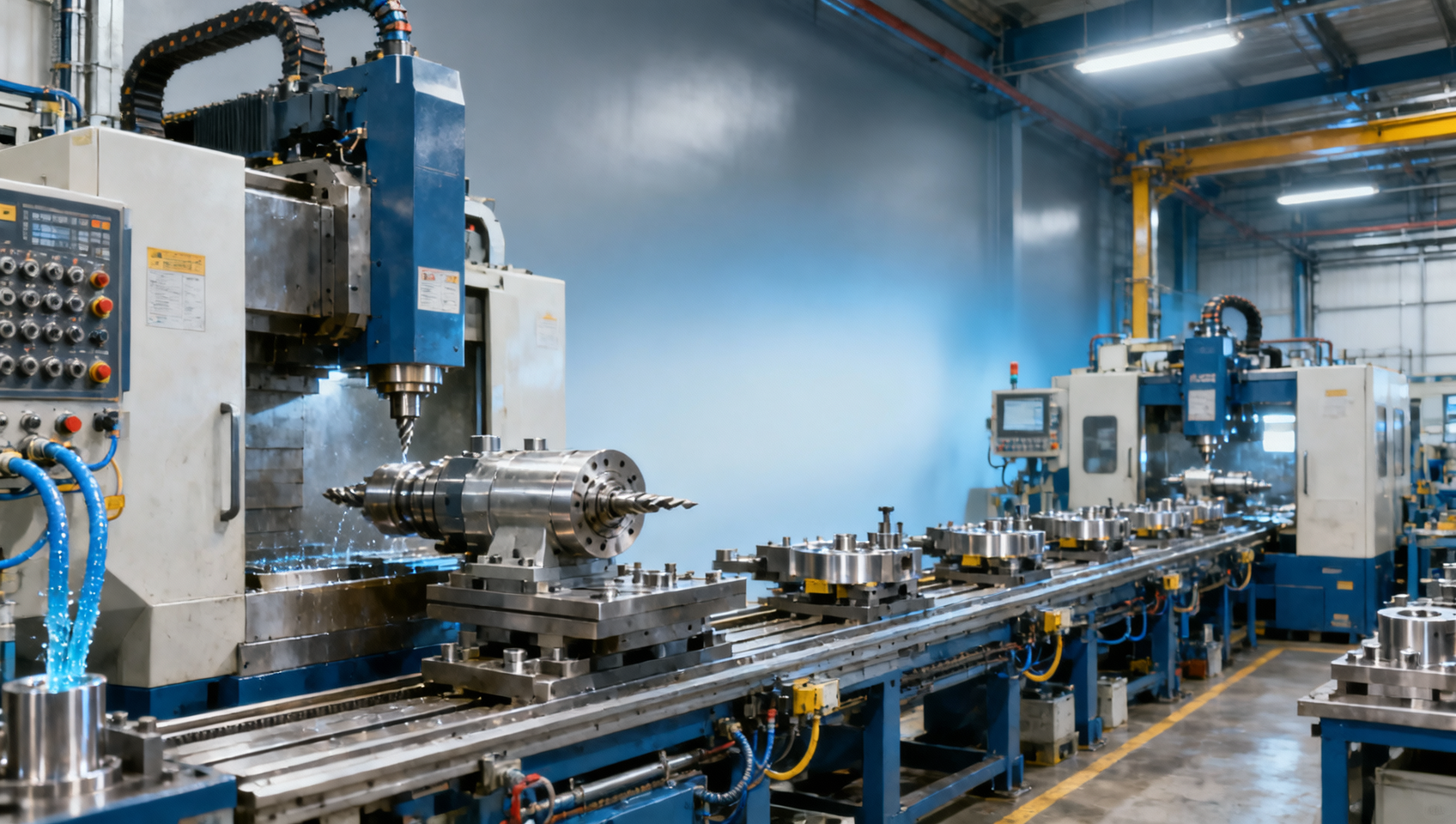
Industrial CNC uptime still drops for simple, preventable reasons across the Manufacturing Industry, affecting metal machining, CNC milling, CNC cutting, and automated production alike. From the metal lathe and vertical lathe to the automated production line, small issues in CNC Programming, maintenance, and the production process can disrupt CNC production, raise costs, and slow Global Manufacturing performance.
For operators, this often shows up as repeated alarms, unstable surface finish, scrap, or unplanned stoppages during a critical shift. For sourcing teams, the same problem appears as higher spare-parts demand, rising service expenses, and unclear lifecycle cost. For plant managers and decision-makers, uptime loss directly affects delivery reliability, OEE, labor efficiency, and customer confidence.
In CNC machining and precision manufacturing, the biggest downtime drivers are not always spindle failures or major controller faults. Very often, they are basic issues: poor lubrication discipline, inconsistent tool management, contamination in coolant systems, weak preventive maintenance routines, unstable programs, and delayed operator response. These are solvable problems, but only when plants look at uptime as a system rather than a single machine metric.
This article explains why industrial CNC uptime still declines for simple reasons, how those causes affect metalworking and automated production lines, and what practical actions manufacturers can take to reduce stoppages within 30–90 days. It is designed for researchers, machine users, procurement teams, and business leaders who need realistic guidance rather than general advice.
Why small CNC problems create large production losses
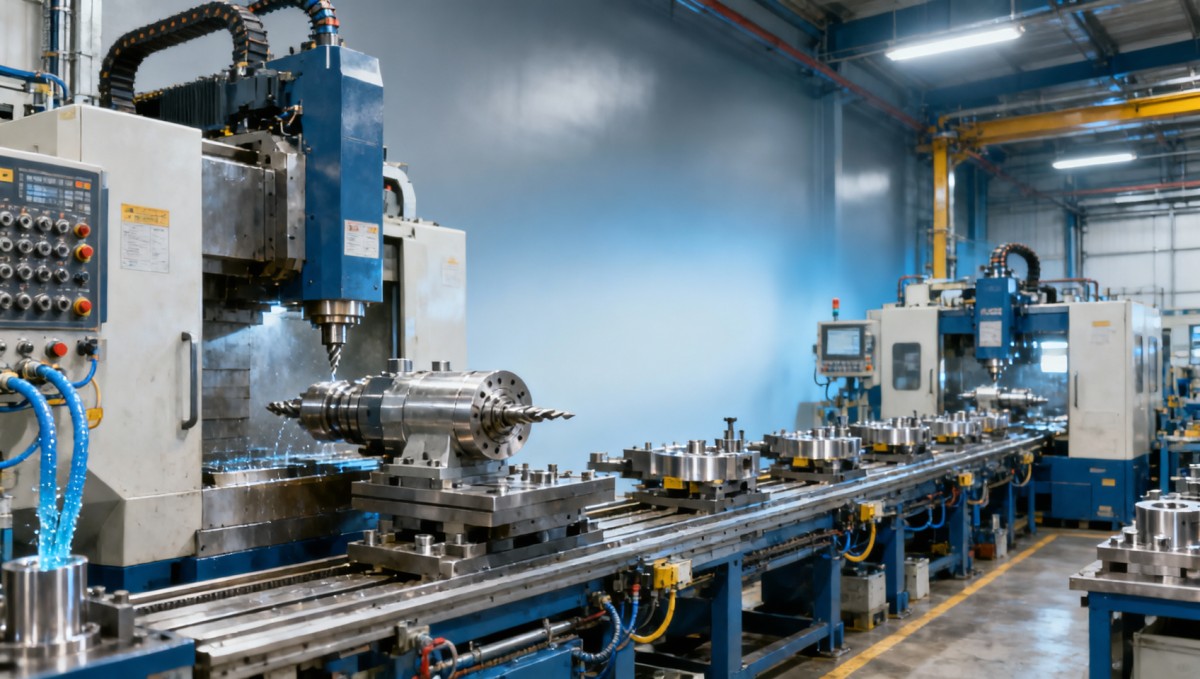
A modern CNC workshop may run 8 hours, 16 hours, or 24/7, depending on order volume and automation level. In that environment, even a 10-minute interruption repeated 4 to 6 times per shift can remove 40–60 minutes of productive capacity. Over a 5-day week, that can equal 3 to 5 hours of lost spindle time on a single machine, before scrap and rework are even counted.
The impact is even greater on connected production systems. A machining center feeding an automated assembly cell, robot loading station, or inspection unit can create upstream and downstream waiting time. In flexible production lines, one unstable CNC machine may reduce line balance, extend changeover, and force manual intervention. That means the cost of downtime is not limited to the machine itself.
In many plants, simple causes are underestimated because they do not look dramatic. A clogged coolant filter, loose sensor bracket, worn chuck jaw, dirty cabinet fan, or outdated tool offset file may seem minor. Yet each one can trigger thermal drift, chatter, dimensional deviation, tool breakage, or repeated machine alarms. The result is a pattern of “small stops” that weakens overall uptime.
For buyers and decision-makers, this is why machine selection alone does not guarantee stable output. A high-spec CNC lathe or 5-axis machining center can still suffer low availability if daily control standards are weak. In many cases, plants focus heavily on machine purchase price but underinvest in training, maintenance planning, coolant management, and spare-parts readiness.
The hidden cost behind “minor” downtime
When downtime comes from preventable factors, the loss usually spreads across 4 cost areas: direct stoppage time, scrap and rework, labor inefficiency, and delayed delivery. In precision machining, one bad setup or unstable program can waste 10 to 30 parts before the issue is corrected. In aerospace or energy equipment applications, where part value is high, one preventable error can erase the margin of an entire batch.
The table below shows how common “small” issues often translate into broader operational consequences in CNC production environments.
The key conclusion is simple: uptime drops are rarely only mechanical. In many CNC shops, the true problem is the absence of a disciplined operating system that combines maintenance, programming, tooling, and response control. Plants that fix these basics often see measurable improvement without replacing equipment.
The most common preventable causes of CNC downtime
Across metal machining, CNC milling, turning, drilling, and automated handling, the same avoidable issues appear again and again. They are common in older machine fleets, but they also affect new installations when ramp-up is rushed. In practice, 5 categories explain a large share of preventable uptime loss: maintenance discipline, tooling control, program stability, material handling, and operator standardization.
Maintenance discipline is the first area. Daily checks that take 10–15 minutes are often skipped when production is busy. That includes checking lubrication levels, air supply quality, coolant concentration, chip conveyor condition, cabinet temperature, and abnormal vibration. Missing these basics for 2–3 weeks can create larger failures that require 4–12 hours of repair instead of 10 minutes of prevention.
Tooling control is the second area. Tool life standards are frequently based on operator judgment rather than documented limits. In medium- to high-volume CNC production, inserts, end mills, drills, and boring tools should have replacement windows tied to part count, cutting time, material grade, and finish requirement. Without this, a tool often stays in service 15%–30% too long, raising the chance of chatter, burrs, or breakage.
Programming errors are another major source of instability. The problem is not always incorrect code. More often it involves poor revision control, inconsistent post-processing, mismatch between setup sheets and tool libraries, or offset changes made at the machine without traceability. These issues are especially risky in multi-axis machining systems and flexible production lines where one incorrect variable can affect several operations in sequence.
Five preventable causes every plant should audit
- Lubrication and coolant neglect: check levels, concentration, contamination, and delivery pressure at least once per shift in demanding machining environments.
- Tool life not linked to data: establish replacement rules by part count, minutes of cut, or wear threshold instead of waiting for failure.
- Program and offset inconsistency: use controlled revision records and approval steps, especially when more than 2 programmers or 3 shifts share equipment.
- Chip evacuation and fixture contamination: chips trapped in jaws, pallets, or workholding surfaces often lead to repeatable dimensional error.
- Weak operator escalation rules: define who responds within 5, 15, and 30 minutes when alarms or quality drift appear.
Why these issues persist in advanced factories
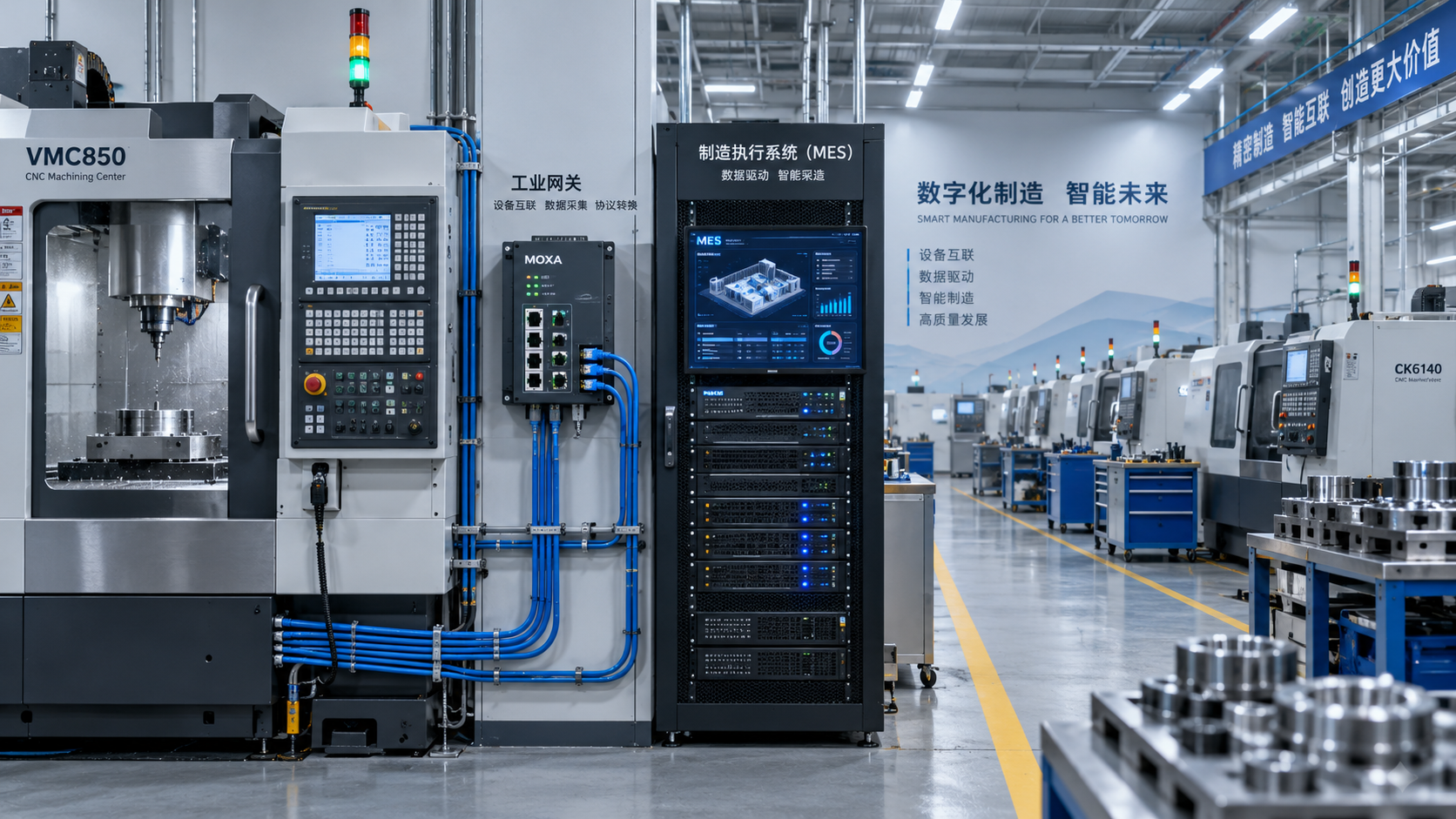
Even smart factories with robots, MES integration, and automated tool changers can still suffer from simple downtime causes. Digital visibility helps, but it does not replace shop-floor discipline. If sensor data is not reviewed, if alarm codes are not categorized, or if operators are not trained to react consistently, connected systems simply make poor practices visible faster.
For procurement teams, this also means supplier evaluation should include support capability, spare-parts availability, onboarding quality, and documentation clarity. A machine tool with a 6-week lead time for key components or weak service response can create longer downtime than a less advanced machine supported locally within 24–72 hours.
How operators, engineers, and managers can improve uptime within 90 days
Improving industrial CNC uptime does not always require major capital spending. Many manufacturers can reduce recurring stoppages through a 3-phase improvement plan carried out over 30, 60, and 90 days. The first phase focuses on visibility, the second on control, and the third on standardization. This approach works well for CNC lathes, machining centers, vertical lathes, and automated machine cells.
In the first 30 days, plants should identify the top 10 downtime causes by machine and by shift. The goal is not perfect analytics; it is pattern recognition. Separate events into alarm stoppage, setup delay, tooling issue, maintenance problem, program correction, material handling issue, and quality hold. When records are categorized consistently, recurring causes become visible very quickly.
In days 31–60, the focus should move to response standards. A practical rule is to define 3 levels of reaction: operator action within 5 minutes, team leader support within 15 minutes, and maintenance or engineering escalation within 30 minutes. This reduces the common problem of waiting too long before asking for support, which can turn a small stoppage into a lost hour.
In days 61–90, plants should lock improvements into standard work. That includes setup checklists, tool replacement rules, shift handover notes, program approval steps, fixture cleaning routines, and spare-parts minimum stock. Without this final step, early gains often fade after one busy production cycle or staff rotation.
A practical 90-day uptime action plan
The following table outlines a realistic implementation structure that can be used in general manufacturing, precision parts machining, and automated production environments.
The important point is that improvement should be cross-functional. Operators see real-time machine behavior, programmers understand process logic, maintenance teams see early failure indicators, and managers control resources. When these groups work separately, CNC uptime remains fragile. When they work to one shared routine, even older equipment can perform more reliably.
Minimum control points that should not be skipped
- Daily machine check completed at shift start in 10 minutes or less.
- Tool wear limits documented for critical tools and high-value parts.
- Program revision and offset changes logged every time a production job is edited.
- Coolant concentration and cleanliness verified at a fixed frequency, such as once per shift or once per day.
- Critical spare parts available on-site for components with replacement times longer than 72 hours.
Plants that consistently manage these 5 points usually reduce repeat stoppages faster than plants that only react to failures. This is especially relevant in global manufacturing networks, where late delivery from one CNC cell can affect downstream assembly, export schedules, and customer audits.
What procurement and leadership should evaluate before investing in machines or service support
Procurement decisions strongly influence long-term CNC uptime. A lower purchase price can become expensive if the machine needs frequent service visits, has long spare-parts lead times, or lacks stable application support. For sourcing professionals and executives, uptime should be treated as a total-cost factor over 3–7 years, not just a commissioning target in the first month.
A reliable buying process should evaluate at least 4 areas: machine robustness, local service capability, consumables and spare-parts planning, and ease of operator adoption. In many cases, the difference between strong and weak uptime performance is not the machine frame or spindle rating alone, but how quickly the factory can maintain, troubleshoot, and recover the asset under real production conditions.
For example, if a critical board, servo component, sensor, or tool magazine part requires 4–8 weeks to replace, the operation carries significant risk unless backup capacity exists. On the other hand, if local service can respond within 24–48 hours and standard wear parts are stocked on-site, downtime exposure is much lower. These details matter just as much as axis travel, spindle speed, or automation options.
Leadership should also check whether suppliers support preventive maintenance, application engineering, and training updates after installation. In multi-shift CNC production, staff turnover and new part introduction can slowly erode machine performance. Ongoing technical support often delivers more uptime value than an additional feature purchased at the start.
Procurement checklist for better uptime performance
The table below can be used during supplier comparison, RFQ review, or equipment upgrade planning.
A useful procurement principle is this: if a supplier cannot clearly explain preventive maintenance intervals, recommended spare parts, training scope, and support workflow, uptime risk is probably being transferred to the buyer. That may be acceptable for low-utilization equipment, but not for high-throughput CNC production or automated lines tied to strict delivery commitments.
Frequently asked questions about CNC uptime, maintenance, and production stability
Many manufacturers ask similar questions when uptime starts falling but major breakdowns are not obvious. The answers usually depend on process discipline more than on machine age alone. The FAQ below addresses common search intent from operators, engineers, buyers, and plant leaders.
How often should a CNC machine be checked to prevent avoidable downtime?
A layered routine works best. Basic checks such as lubrication status, air pressure, coolant condition, and chip evacuation should happen every shift. Weekly checks can cover filters, fasteners, visible wear, and cabinet cleanliness. Monthly reviews should include backlash trends, vibration signs, thermal stability, and alarm history. The right frequency depends on utilization, but high-load machines generally need more than a monthly visual inspection.
Is low uptime usually caused by machine age or by poor process control?
Both matter, but poor process control is often the faster-growing problem. A 10-year-old CNC machine with disciplined maintenance can outperform a newer machine running with unstable programs, poor coolant control, and undefined tool life. If stoppages are short, repetitive, and hard to classify, the issue is often process management rather than a major mechanical defect.
What metrics should managers track besides uptime percentage?
Uptime percentage alone can hide recurring problems. Track at least 6 indicators: number of stops per shift, average recovery time, scrap rate, rework rate, tool breakage frequency, and maintenance response time. For automated production lines, also monitor blocked time, waiting time, and the percentage of stoppages caused by upstream or downstream equipment.
When should a plant invest in service support instead of replacing equipment?
If the machine still meets part tolerance, capacity, and safety needs, service improvement may deliver better ROI than replacement. This is especially true when the main losses come from recurring setup issues, coolant problems, weak training, or delayed troubleshooting. Replacement becomes more urgent when accuracy cannot be maintained, repair lead times are excessive, or spare-parts risk threatens business continuity.
Industrial CNC uptime does not usually collapse because of one dramatic event. More often, it declines through repeated, preventable losses hidden in maintenance, tooling, programming, handling, and response discipline. For CNC machining businesses serving automotive, aerospace, electronics, energy equipment, and general manufacturing, fixing these basics can protect output, quality, and delivery performance without waiting for a major capital project.
If your factory is seeing recurring machine stops, unstable cycle time, or rising service costs, a structured review of daily controls, supplier support, and preventive maintenance practices can reveal fast improvement opportunities. To discuss machine tool selection, uptime planning, spare-parts strategy, or production optimization for CNC lathes, machining centers, and automated lines, contact us to get a tailored solution and learn more about practical options for your operation.
PREVIOUS ARTICLE
Recommended for You
 Digital Manufacturing for Smart Factories: Connecting Legacy Machines to MESMachine Tool Industry Editorial Team
 How to Select a CNC Metal Lathe for Tight-Tolerance Shaft and Sleeve PartsCNC Machining Technology Center
 How to Select an Industrial Lathe for High-Volume Shaft ProductionMachine Tool Industry Editorial Team
 Selecting Machine Tools for Automotive Parts: Accuracy, Throughput, and AutomationMachine Tool Industry Editorial Team
 Industrial Machining: Selecting Processes for Tight-Tolerance Metal PartsCNC Machining Technology Center
 Manufacturing Technology Trends That Improve Throughput and Quality ControlManufacturing Market Research Center

Aris Katos
Future of Carbide Coatings
15+ years in precision manufacturing systems. Specialized in high-speed milling and aerospace grade alloy processing.
▶
Japan Adds 5-Axis CNC Gear Grinders to Export ControlsMachine Tool Industry Editorial Team▶
How to Choose CNC Industrial Machines for High-Mix Production LinesMachine Tool Industry Editorial Team▶
US Opens 337 Probe Into Chinese CNC CentersMachine Tool Industry Editorial Team▶
US Tightens Export Controls on CNC Motion ModulesMachine Tool Industry Editorial Team▶
US Tightens CNC Export Controls on China SupplyMachine Tool Industry Editorial Team
Mastering 5-Axis Workholding Strategies
Join our technical panel on Nov 15th to learn about reducing vibrations in thin-wall components.

Providing you with integrated sanding solutions
Before-sales and after-sales services
Comprehensive technical support