• Global CNC market projected to reach $128B by 2028 • New EU trade regulations for precision tooling components • Aerospace deman
NYSE: CNC +1.2%LME: STEEL -0.4%

Metal machining costs keep rising. Where is the waste?
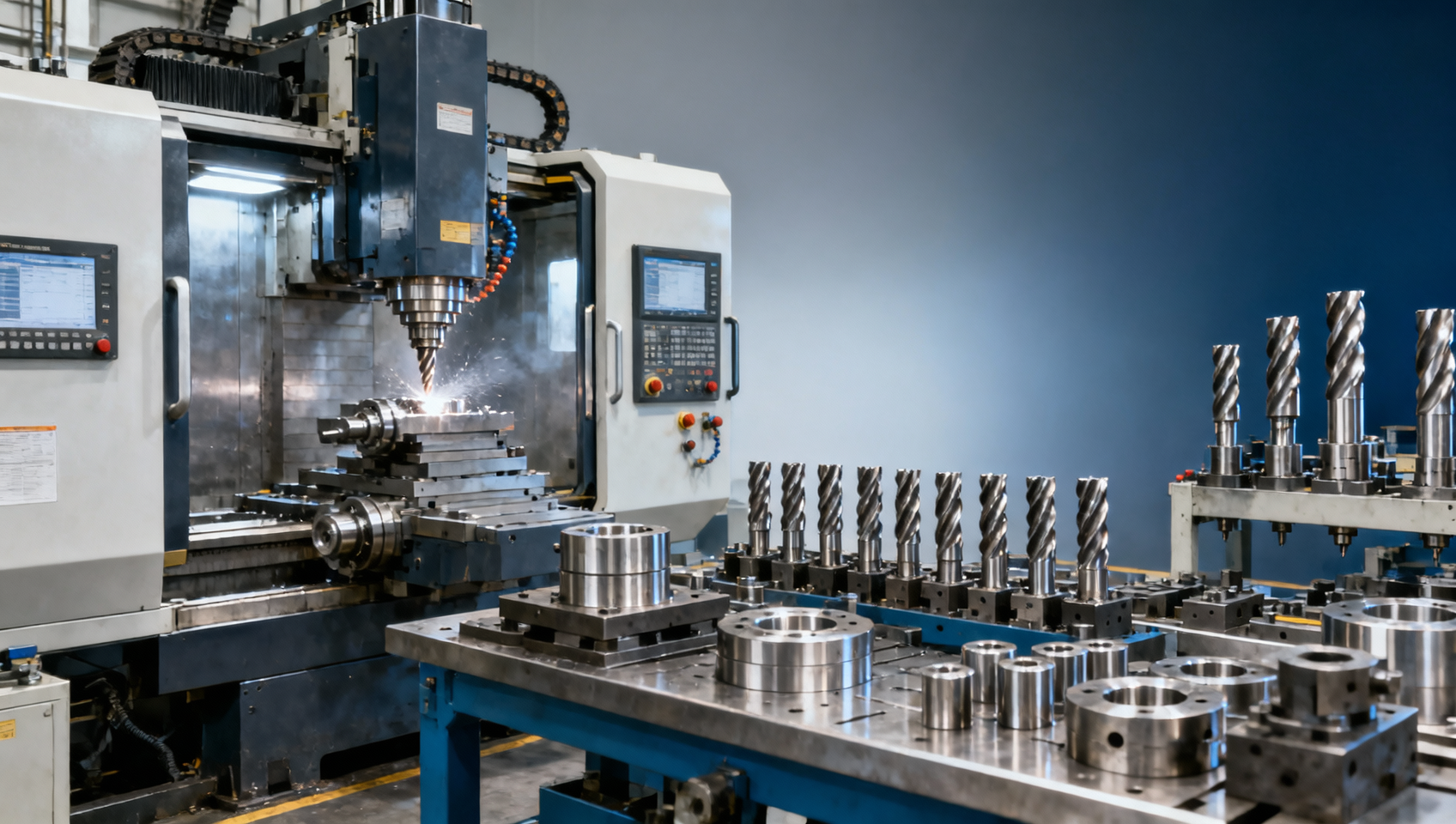
Metal machining costs are rising across the Manufacturing Industry, but much of the pressure comes from hidden waste inside the production process. From industrial CNC and CNC milling to automated lathe systems and full automated production lines, inefficiencies in tooling, setup, CNC programming, and machine utilization can quietly erode margins. This article explores where waste really occurs in CNC metalworking and how manufacturers can reduce cost without sacrificing precision or output.
For researchers, operators, buyers, and decision-makers, the key question is no longer whether costs are increasing, but where those costs are leaking. Material prices, labor rates, and energy bills matter, yet many factories still lose 5% to 20% of machining value through avoidable process waste, poor planning, unbalanced line loading, and unstable quality control.
In CNC machining and precision manufacturing, waste is rarely visible in one single area. It is often distributed across quoting, tooling selection, fixture design, setup routines, spindle idle time, part inspection, and rework. A plant may appear busy for 10 hours per shift, while its actual value-added cutting time remains below 40% to 60%.
Understanding these loss points is essential for companies serving automotive, aerospace, electronics, energy equipment, and general industrial production. The goal is not simply to cut cost. The real target is to improve throughput, protect accuracy, shorten lead times, and make capital equipment deliver more output per hour.
Where Waste Really Starts in Metal Machining
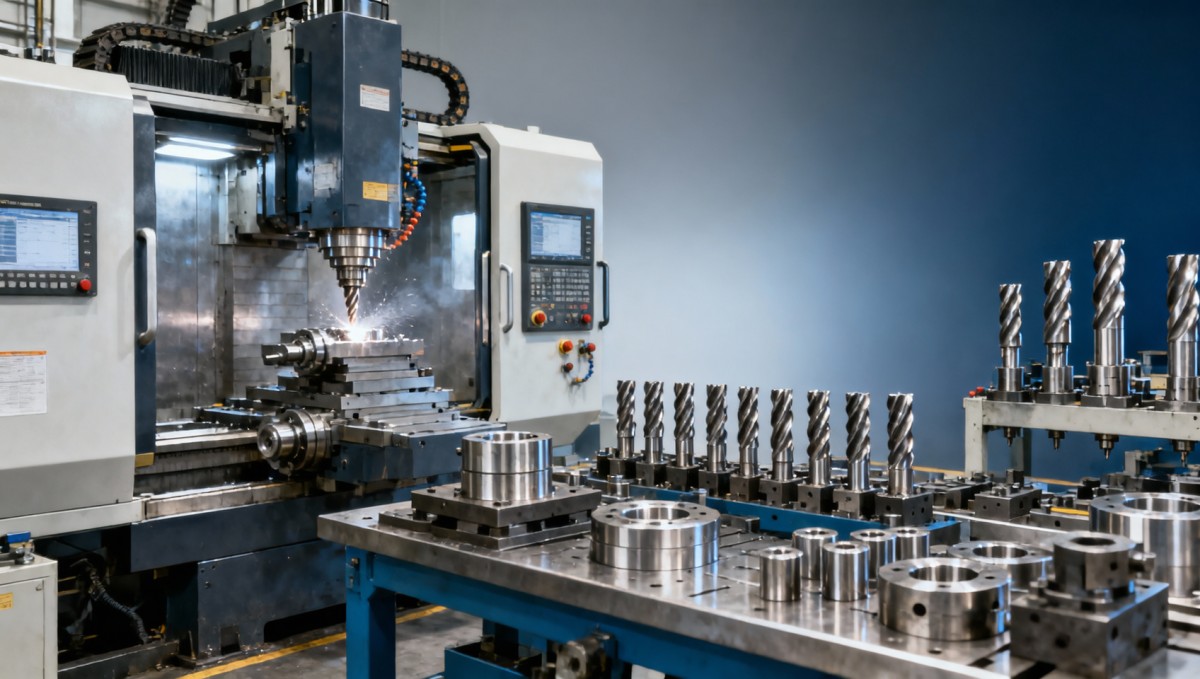
The first source of waste usually appears before the machine even begins cutting. Quoting errors, weak process planning, and poor part routings can create hidden cost that is difficult to recover later. If a part should run on a 3-axis machining center in 18 minutes but is routed to a slower setup taking 29 minutes, the margin may disappear before the first batch is complete.
Many workshops focus on visible scrap, but invisible waste is often larger. Idle spindle time, repeated offset checks, waiting for programs, searching for tools, and unplanned fixture changes can consume 15 to 45 minutes per shift per machine. Across 20 machines, that can equal 5 to 15 lost machine-hours every day.
Another common issue is oversized process tolerance. Some parts are programmed with conservative feeds, extra finishing passes, or excessive inspection points because teams do not trust process stability. This may protect quality in the short term, but it increases cycle time, tool wear, and labor load over hundreds or thousands of parts.
In automated production lines, waste also comes from imbalance between upstream and downstream stations. A CNC lathe with a 75-second cycle feeding a washing or inspection station with a 95-second cycle will force accumulation, waiting, or operator intervention. The waste is not in one machine; it is in the line design.
Typical hidden loss points
- Setup time exceeding the planned standard by 20% to 50% because fixture and tooling are not pre-staged.
- Program prove-out delays caused by incomplete tool libraries or missing simulation checks.
- Machine stoppage due to tool breakage, coolant instability, or chip evacuation problems.
- Rework loops from burrs, dimensional drift, chatter marks, or thermal expansion.
The table below outlines common waste categories found in CNC metalworking and shows how they affect cost, lead time, and production stability.
The practical lesson is clear: rising machining cost is not caused only by market inflation. In many cases, the larger issue is process leakage. Plants that map and measure these four areas often uncover quick savings without buying new equipment.
Tooling, Setup, and Programming: The Largest Controllable Losses
Tooling is one of the most underestimated cost drivers in CNC milling, turning, and multi-axis machining. A tool may represent a small share of the job price on paper, but poor tool selection can raise cycle time by 8% to 25%, increase chatter, and trigger secondary finishing work. The waste multiplies when the same inefficiency repeats over 500 or 5,000 parts.
Setup routines create another major loss. In many job shops and mixed-model production lines, setup can consume 30 to 90 minutes per changeover. If fixture location points are inconsistent or offset records are not standardized, operators spend extra time checking dimensions, editing wear values, and proving out the first pieces. This is a process problem, not an operator problem.
CNC programming often adds hidden waste through over-safe toolpaths. To avoid collision or uncertainty, programmers may leave unnecessary air cutting, use low step-over values, or split operations across multiple machines. While this may feel safer, it reduces spindle efficiency and increases work-in-process. In high-mix environments, small inefficiencies in each program can add up to dozens of lost hours per week.
For automated lathe systems and robotic loading cells, programming discipline is even more important. A stable unmanned cycle requires reliable chip evacuation, predictable tool life, and clear alarm recovery logic. If one insert grade fails 15% earlier than expected, the automated line may stop repeatedly and require night-shift intervention.
How to reduce controllable process waste
- Standardize tool assemblies and preset lengths before setup begins, especially for repeat parts and family tooling.
- Use setup sheets that include fixture photos, torque points, offset logic, and first-article checkpoints.
- Simulate programs offline to reduce prove-out time and collision risk on the machine.
- Track tool life by operation, material, and machine so inserts are replaced by data instead of guesswork.
Recommended control metrics
Most factories do not need a complex digital transformation to start. Four basic metrics can already reveal major waste: average setup time, spindle utilization rate, tool cost per part, and first-pass yield. For many precision machining operations, a practical improvement target is to cut setup time by 15% within 60 to 90 days and improve first-pass yield to above 95%.
The table below compares common loss patterns in tooling and programming with direct improvement actions relevant to operators, production engineers, and procurement teams.
The strongest savings usually come from combining process engineering and shop-floor discipline. Procurement can support this by selecting tooling partners that provide application guidance, life testing support, and consistent supply, rather than buying only on the lowest unit price.
Machine Utilization, Automation Balance, and Capacity Waste
A factory can be fully booked and still underperform. The reason is low machine utilization. Many CNC plants run machines for 16 to 24 hours per day, yet effective cutting time may stay below 50%. The remaining hours are lost to waiting for material, setup changes, inspection delays, maintenance interruptions, or bottlenecks at deburring and washing stations.
This issue becomes more critical in automated production lines. Automation does not eliminate waste by itself. If one station in a six-step line has only 85% uptime while the others operate at 95%, total line performance drops quickly. A robotic loading cell may also sit idle if pallets, raw blanks, or finished-part bins are not replenished on time.
Capacity waste also appears when the wrong machine is chosen for the job. Running simple shaft parts on a high-value 5-axis machine can block more profitable work. At the same time, forcing complex parts onto limited equipment creates long cycle times, multiple setups, and alignment risk. Capacity planning should match part complexity, tolerance band, and annual volume.
For decision-makers, this means utilization should be measured at two levels: machine-level and line-level. A machine showing 70% utilization may still be harming performance if its output does not match the takt time of surrounding stations. In precision manufacturing, local efficiency does not always equal system efficiency.
Key utilization indicators worth tracking
- Spindle-on time as a share of scheduled machine hours, with a practical benchmark of 55% to 75% depending on product mix.
- Overall equipment effectiveness trends by shift, not just monthly averages.
- Queue time between machining, washing, inspection, and assembly operations.
- Unplanned stop frequency per machine per week, especially alarms under 10 minutes that are often ignored in reports.
Common balancing mistakes
A frequent mistake is investing in automation without redesigning part flow. If manual deburring still takes 90 seconds while machining has been reduced to 55 seconds, the line remains constrained. Another mistake is ignoring small stoppages. Ten interruptions of 4 minutes each remove 40 minutes from a shift, which is enough to lose 20 to 30 parts in medium-volume production.
Better utilization depends on practical line balancing, preventive maintenance, and clear replenishment rules. In many facilities, simply tightening material staging windows to every 2 hours and standardizing tool replacement intervals can improve line stability without major capital spending.
Quality Loss, Rework, and Scrap: The Most Expensive Waste of All
When metal machining costs rise, scrap and rework become even more damaging because they consume machine time, labor, tools, and delivery capacity at the same moment. A rejected aluminum housing or steel shaft is not just lost material. It also carries the hidden cost of setup time, spindle hours, inspection effort, and schedule disruption.
For high-precision sectors such as aerospace, electronics, and energy equipment, tolerances may range from ±0.01 mm to ±0.05 mm on key features. Under these conditions, thermal drift, fixture instability, tool wear, and inconsistent coolant concentration can turn a stable process into a rework loop. If first-pass yield falls from 98% to 93%, margin can decline sharply on long-cycle parts.
Rework is often normalized in busy factories. Operators may expect to polish edges, touch off dimensions, or rerun finishing passes. But recurring rework is a signal that process capability is weak. In automated cells, the risk is higher because faults can multiply before the next inspection checkpoint catches them.
Scrap reduction is therefore not only a quality initiative. It is a cost-control strategy. Buyers and plant managers should evaluate whether a supplier measures first-pass yield by part family, tracks root causes, and has clear reaction plans when critical dimensions drift beyond control limits.
Quality-related waste and control actions
The table below shows how typical quality issues in CNC metalworking translate into cost and what actions can reduce them in daily production.
The most important conclusion is that quality waste should be measured in total production cost, not only in scrap quantity. A low-volume, high-value part scrapped after 40 minutes of machining is often more expensive than multiple minor defects in simple batch work.
Practical quality control priorities
- Identify 3 to 5 critical dimensions that drive function, assembly fit, or safety.
- Set inspection frequency by process stability, such as every 10 pieces, every 30 minutes, or every tool change.
- Use clear reaction rules when values trend toward tolerance limits instead of waiting for nonconforming parts.
- Review recurring rework by root cause every week to prevent repeat loss.
How Buyers and Managers Can Build a Lower-Waste Machining Strategy
Cost control in CNC machining is not only a shop-floor issue. It is also a sourcing and management issue. Purchasing teams that compare suppliers only by piece price may miss larger risks such as unstable quality, high setup dependence, poor tooling control, or weak delivery planning. A lower quoted price can become a higher total cost when rework, delays, and engineering support are added.
A better strategy is to evaluate suppliers and internal production teams using total process capability. This includes cycle-time consistency, setup repeatability, tool management discipline, inspection method, response speed, and change control. For repeat production, even a 6% cycle-time gap can become significant over 12 months of orders.
Managers should also separate fixed cost from recoverable waste. Rising depreciation or labor rates may be difficult to change in the short term, but setup loss, scrap, idle time, and poor scheduling are controllable. That is where lean improvement and digital monitoring usually deliver the fastest return within 3 to 6 months.
For companies planning expansion into smart manufacturing, the right sequence matters. Standardize tooling, process data, and work instructions first. Then add sensors, dashboards, and automation. Digitizing a weak process only makes poor performance more visible; it does not solve the root cause.
Supplier and internal evaluation checklist
- Does the production team measure setup time, first-pass yield, and tool life by part family?
- Can the supplier explain how cycle time was built and where reserve capacity exists?
- Are fixtures, workholding, and inspection methods documented for repeatability?
- Is there a practical plan for pilot runs, engineering changes, and urgent orders within 24 to 72 hours?
FAQ: common cost-control questions
How can a factory identify machining waste quickly?
Start with a 2-week audit covering setup time, spindle-on time, scrap rate, and queue time between operations. Even simple manual tracking by shift can reveal whether the largest losses come from programming, tooling, quality, or line balance.
What is a reasonable setup-time improvement target?
For repeat work, many plants can reduce setup time by 10% to 25% through preset tooling, fixture standardization, and clear setup instructions. High-mix production may improve more slowly, but visible gains are often possible within the first 60 days.
Is automation always the best answer to rising machining costs?
No. Automation works best when the process is already stable. If tool life is unpredictable, chip control is poor, or quality checks are inconsistent, automation can simply repeat the same waste faster. Stabilization should come first, then automation expansion.
Which cost metric should buyers pay most attention to?
Total delivered cost is more useful than quoted unit price. It should include cycle-time reliability, quality performance, lead time, engineering responsiveness, and the risk of rework or line stoppage at the customer site.
Metal machining waste is rarely caused by one dramatic failure. More often, it comes from dozens of small losses across tooling, setup, programming, utilization, inspection, and scheduling. When those losses are measured clearly, many manufacturers can recover capacity, improve output, and protect margins without compromising precision.
For companies in CNC machining, automated production, and precision manufacturing, the most effective next step is a structured review of process waste by machine, part family, and line segment. If you are evaluating machining solutions, production upgrades, or supplier performance, now is the time to turn hidden waste into measurable savings.
Contact us to discuss your machining scenario, request a tailored improvement plan, or learn more about practical solutions for CNC production efficiency, process optimization, and precision manufacturing cost control.
PREVIOUS ARTICLE
NEXT ARTICLE
Recommended for You
 Digital Manufacturing for Smart Factories: Connecting Legacy Machines to MESMachine Tool Industry Editorial Team
 How to Select a CNC Metal Lathe for Tight-Tolerance Shaft and Sleeve PartsCNC Machining Technology Center
 How to Select an Industrial Lathe for High-Volume Shaft ProductionMachine Tool Industry Editorial Team
 Selecting Machine Tools for Automotive Parts: Accuracy, Throughput, and AutomationMachine Tool Industry Editorial Team
 Industrial Machining: Selecting Processes for Tight-Tolerance Metal PartsCNC Machining Technology Center
 Manufacturing Technology Trends That Improve Throughput and Quality ControlManufacturing Market Research Center

Aris Katos
Future of Carbide Coatings
15+ years in precision manufacturing systems. Specialized in high-speed milling and aerospace grade alloy processing.
▶
Is Learning CNC Programming Worth It for Shop Owners Seeking Higher Margins?CNC Machining Technology Center▶
How to Select CNC Equipment for High-Mix, Low-Volume ProductionCNC Machining Technology Center▶
Can CNC Machining Inconel Control Tool Wear in High-Temperature Aerospace Parts?CNC Machining Technology Center▶
How Automated Precision Machining Maintains Tolerance in High-Mix ProductionCNC Machining Technology Center▶
CNC Programming Explained: From CAD Models to Reliable Shop-Floor ToolpathsCNC Machining Technology Center
Mastering 5-Axis Workholding Strategies
Join our technical panel on Nov 15th to learn about reducing vibrations in thin-wall components.

Providing you with integrated sanding solutions
Before-sales and after-sales services
Comprehensive technical support