• Global CNC market projected to reach $128B by 2028 • New EU trade regulations for precision tooling components • Aerospace deman
NYSE: CNC +1.2%LME: STEEL -0.4%

CNC milling chatter is often a setup problem, not a spindle issue
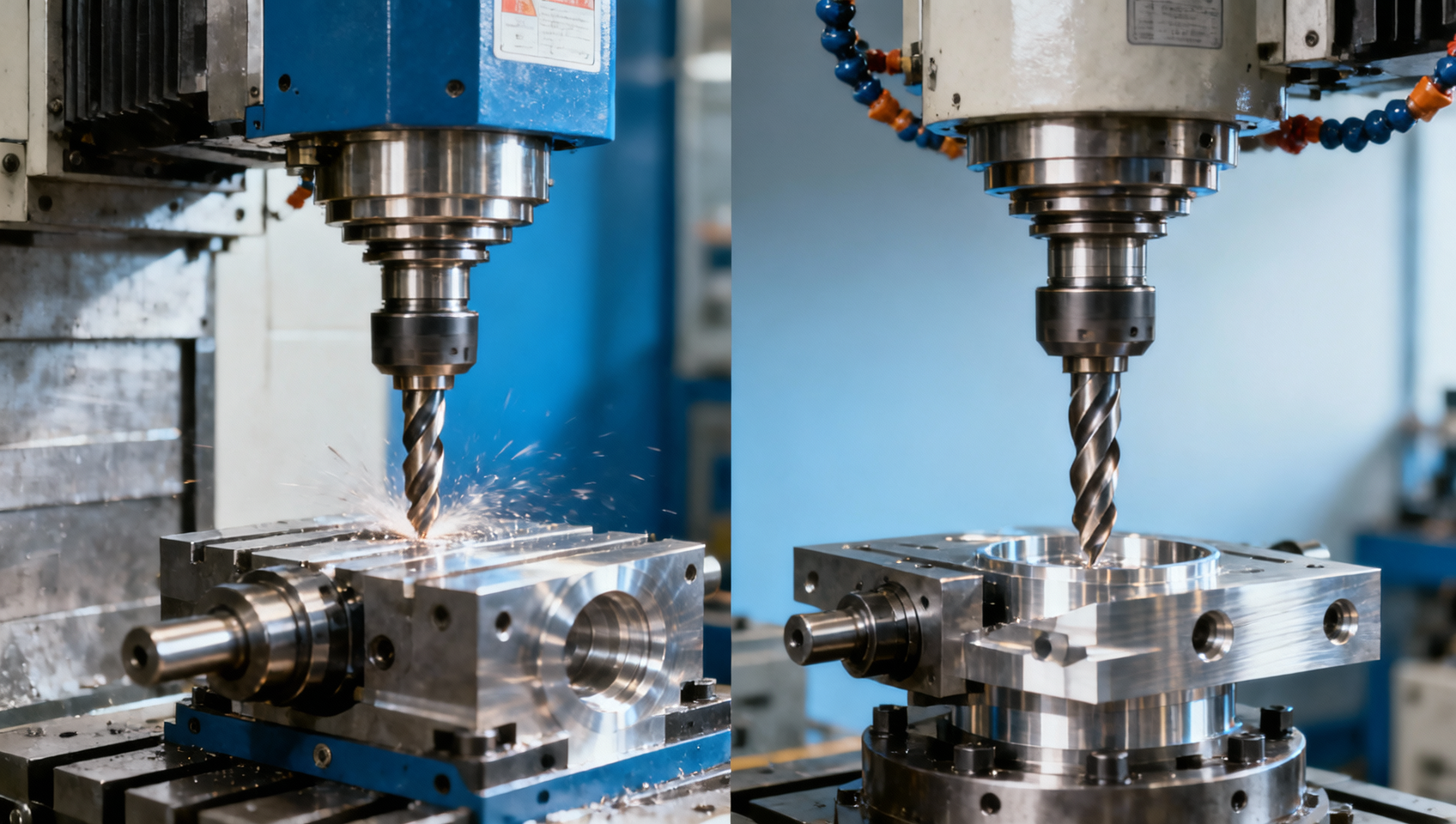
In CNC milling, chatter is often blamed on the spindle, but the real cause frequently lies in setup rigidity, toolholding, workpiece clamping, and the overall production process. For professionals in metal machining and industrial CNC environments, understanding this distinction can reduce scrap, improve CNC cutting stability, and support more reliable automated production across today’s Manufacturing Industry.
This matters to more than machine operators. Process engineers want predictable cycle times, buyers need to avoid unnecessary spindle replacement, and decision-makers need stable output across 2-shift or 3-shift production. In many workshops, chatter-related losses show up as poor surface finish, shortened tool life, missed tolerances, and repeated setup adjustments rather than an obvious machine breakdown.
A practical diagnosis starts with the full machining system: tool overhang, holder type, workpiece support, fixture stiffness, machine parameters, cutting strategy, and material behavior. When these variables are aligned, many chatter problems can be reduced without major capital expenditure. That is why setup discipline often delivers faster results than replacing a spindle assembly.
Why chatter is usually a system rigidity issue
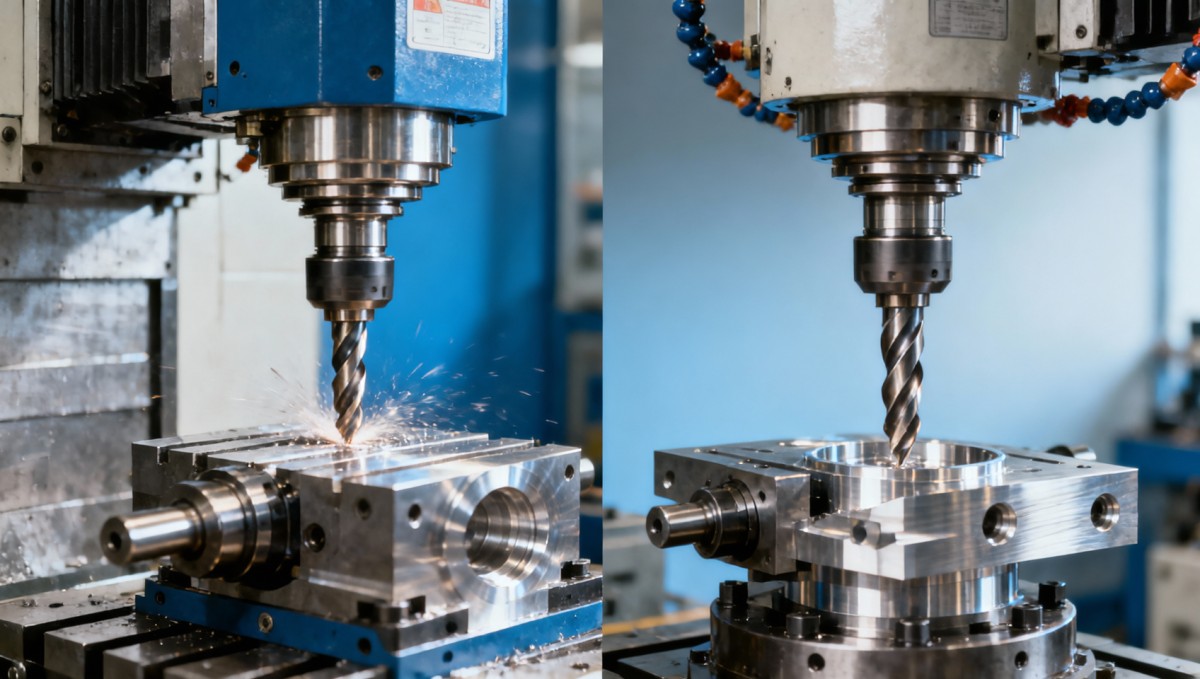
In milling, chatter is a self-excited vibration that develops when cutting forces, machine structure, and tool dynamics begin to reinforce each other. A spindle can contribute, but in everyday production the root cause is often lower in the stack: a tool extending 3× to 5× its diameter, a vise gripping too little material, or a thin-wall workpiece acting like a spring.
Many shops assume that any high-pitched noise at 8,000 to 15,000 rpm signals spindle trouble. In reality, the spindle may still be within acceptable runout and bearing condition, while the setup has poor damping. Even a high-quality machining center can chatter if the holder, cutter, and workholding are not matched to the cut depth, radial engagement, and workpiece geometry.
This is especially common in aerospace brackets, energy equipment parts, mold components, and electronics housings where wall sections can drop below 3 mm to 6 mm. As the part becomes less rigid during roughing or finishing, the stable cutting window narrows. What was stable in the first operation can become unstable in the final pass.
Typical sources of instability
A useful way to diagnose chatter is to divide the system into 4 layers: machine, holder, tool, and workpiece. If any one layer loses rigidity, the cutting process can become unstable. This approach is more effective than treating the spindle as the default suspect.
- Excessive tool overhang, especially above 4×D for small-diameter end mills.
- Weak toolholding, such as worn collets or poor contact in shrink-fit or hydraulic systems.
- Insufficient workpiece clamping, including too few support points or clamp force applied far from the cut zone.
- Aggressive parameter settings, such as axial depth increased by 20% to 40% without updating speed and feed.
- Cutting strategies that leave thin sections unsupported late in the process.
The table below shows how common chatter symptoms often point to setup-related causes instead of spindle failure. This helps operators and buyers avoid expensive but unnecessary machine component replacement.
The key conclusion is simple: if chatter changes significantly with tool length, holder condition, clamp arrangement, or operation sequence, the first corrective action should focus on setup rigidity. A true spindle problem is more likely to appear across multiple tools and jobs, not in only 1 narrow cutting condition.
How toolholding, overhang, and clamping affect cutting stability
Toolholding quality is one of the fastest ways to improve CNC milling stability. A cutter running with slight eccentricity may still cut, but once radial engagement rises above 20% to 40%, uneven chip load can amplify vibration. The issue becomes more visible in hard materials, stainless steels, and interrupted cuts where force variation is already high.
Overhang is equally important. If a 12 mm end mill is extended 60 mm instead of 36 mm, stiffness drops sharply and chatter resistance may fall enough to force lower feed rates or smaller axial depth. Shops often compensate by reducing speed alone, but that can move the process into another unstable range rather than solving the root problem.
Workpiece clamping should be treated as part of the machine structure. In fixtures for plate parts, housings, and structural components, a support point placed 30 mm closer to the cut can matter more than increasing spindle power. Vacuum fixtures, modular vises, toe clamps, and custom soft jaws each have benefits, but all must be evaluated for force path and deflection.
Recommended setup checks before changing the spindle
- Measure tool runout near the cutting edge. For many finishing operations, keeping it below 0.01 mm is a practical target.
- Reduce tool projection by at least 10% and compare sound, finish, and spindle load data.
- Inspect holder taper, collet seat, pull stud, and contact surfaces for chips, fretting, or wear.
- Review clamp position and support distance from the cutting area, especially on thin or tall parts.
- Test a lower radial engagement strategy while maintaining chip thickness through feed adjustment.
The following comparison table is useful for process planning, purchasing, and maintenance teams selecting holder and clamping improvements to reduce chatter in daily production.
For many manufacturers, these changes cost far less than spindle replacement and can be implemented within 1 shift or during a planned maintenance window. They are also easier to standardize across multiple machines, which is important for flexible production lines and multi-site operations.
Process planning changes that reduce chatter without major capital cost
A stable setup is not only hardware-related. Process planning has a direct effect on chatter because it controls force direction, engagement, and how much material remains to support the part. In many cases, a revised toolpath can improve stability by 15% to 30% in practical shop conditions without changing the machine.
One common improvement is to reduce radial engagement while using a productive feed rate and suitable axial depth. This can lower force spikes and keep the cutter in a more stable cutting window. Trochoidal or adaptive strategies are often used for this purpose, especially in deep pockets, hardened steels, and heat-resistant alloys.
Operation sequence also matters. If thin walls are exposed too early, later passes may chatter even when the original roughing process was stable. Leaving support ribs, changing the finishing order, or splitting a heavy pass into 2 lighter passes can reduce vibration and improve dimensional consistency.
Process adjustments with high practical value
1. Rebalance speed, feed, and engagement
Instead of lowering rpm only, adjust 3 variables together: spindle speed, feed per tooth, and radial width of cut. A 10% to 20% speed change combined with a smaller radial engagement often works better than a large speed reduction alone.
2. Preserve workpiece support longer
For aluminum structural parts or stainless enclosures, retain support features until the final 1 or 2 operations. This helps maintain damping when the geometry becomes flexible.
3. Match cutter geometry to the job
Variable-pitch tools, unequal helix designs, and reduced neck cutters can widen the stable range in many applications. They do not remove the need for a rigid setup, but they can make a marginal process more manageable.
For procurement and production management, the commercial value is clear. When chatter is controlled through setup and process, tool consumption drops, rework decreases, and spindle replacement can be delayed until truly justified by condition monitoring or maintenance inspection.
A decision framework for operators, buyers, and plant managers
Different stakeholders look at chatter from different angles. Operators focus on sound, finish, and alarms. Buyers focus on replacement cost and supplier claims. Plant managers care about OEE, scrap rate, delivery reliability, and whether a problem affects 1 machine or an entire production cell. A structured decision framework helps align these viewpoints.
Before approving spindle service, it is useful to check whether the issue is repeatable across at least 3 conditions: different tool lengths, different holders, and different fixtures or part families. If chatter appears only with a specific combination, setup should remain the primary focus. If it appears broadly across multiple jobs with abnormal heat, load fluctuation, or runout, spindle inspection becomes more relevant.
This framework is also useful for suppliers supporting international manufacturing clients. In a global CNC environment, especially where plants run standardized processes across China, Germany, Japan, South Korea, or other industrial hubs, setup consistency often has more impact on output than isolated hardware upgrades.
Checklist for purchase and maintenance decisions
- Does chatter occur on more than 2 part families, or only on one thin-wall geometry?
- Has tool overhang been reduced and compared under the same material and cutter diameter?
- Are holders and collets within a documented maintenance cycle, such as every 500 to 1,000 spindle hours?
- Was fixture deflection reviewed with actual contact points and clamp direction?
- Have process parameters been tested in at least 3 speed bands rather than using a single trial?
The table below can support internal decision-making when evaluating whether to spend on setup optimization, tooling upgrades, or spindle repair.
In practical terms, this means many factories can improve milling performance faster through setup governance than through major equipment intervention. For purchasing teams, that also supports smarter capital allocation and more accurate supplier discussions.
FAQ: common questions about milling chatter in production
How can I tell whether chatter is coming from the setup or the spindle?
Start with controlled comparisons. Change 1 variable at a time: shorten the tool by 10% to 20%, switch the holder, or improve support under the part. If the vibration changes significantly, setup is the likely driver. If the issue remains similar across multiple tools and no-cut spindle rotation also sounds abnormal, then spindle inspection is more reasonable.
What setup changes usually give the fastest improvement?
The fastest gains usually come from 3 actions: reducing tool overhang, improving holder condition, and moving clamping support closer to the cut. In many jobs, these can be tested within 30 to 60 minutes and produce a clear result without changing the whole process plan.
Is lowering spindle speed always the right response?
No. Speed reduction alone can help, but it can also shift the cut into another unstable zone. A better approach is to adjust speed together with feed per tooth and engagement. For example, a 15% rpm change plus lower radial engagement often works better than dropping speed by 40% with no other adjustment.
When should a company invest in new fixturing or holders?
If chatter affects repeat jobs, multi-shift output, or parts with high scrap cost, investment in better fixturing or toolholding is often justified. This is especially true when the current process depends on slow feeds, extra finishing passes, or frequent operator intervention. The payback may come from tool life, cycle time, and lower rejection rates rather than one single performance metric.
Milling chatter is often a setup problem before it is a spindle problem. Shops that examine tool overhang, holder condition, clamping strategy, support distance, and operation sequence usually identify practical improvements faster than those that jump directly to hardware replacement. For operators, this means a more stable process. For buyers and managers, it means better use of maintenance budgets and less production risk.
If you are evaluating CNC machining stability, fixture upgrades, tooling choices, or process optimization for automated production, now is the right time to review the full machining system. Contact us to discuss your application, request a tailored recommendation, or learn more about solutions for precision manufacturing and global CNC production environments.
Recommended for You
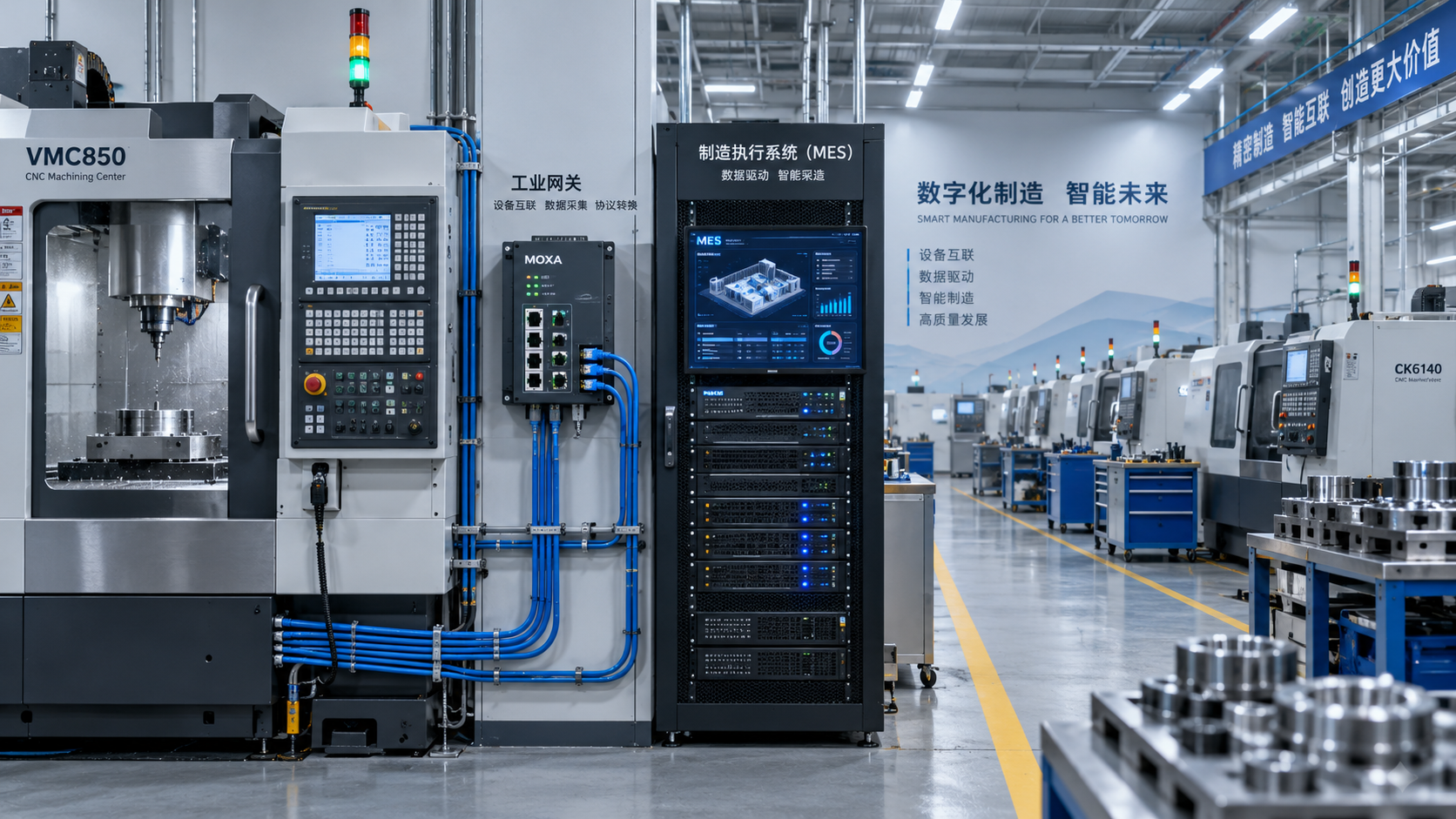
 Digital Manufacturing for Smart Factories: Connecting Legacy Machines to MESMachine Tool Industry Editorial Team
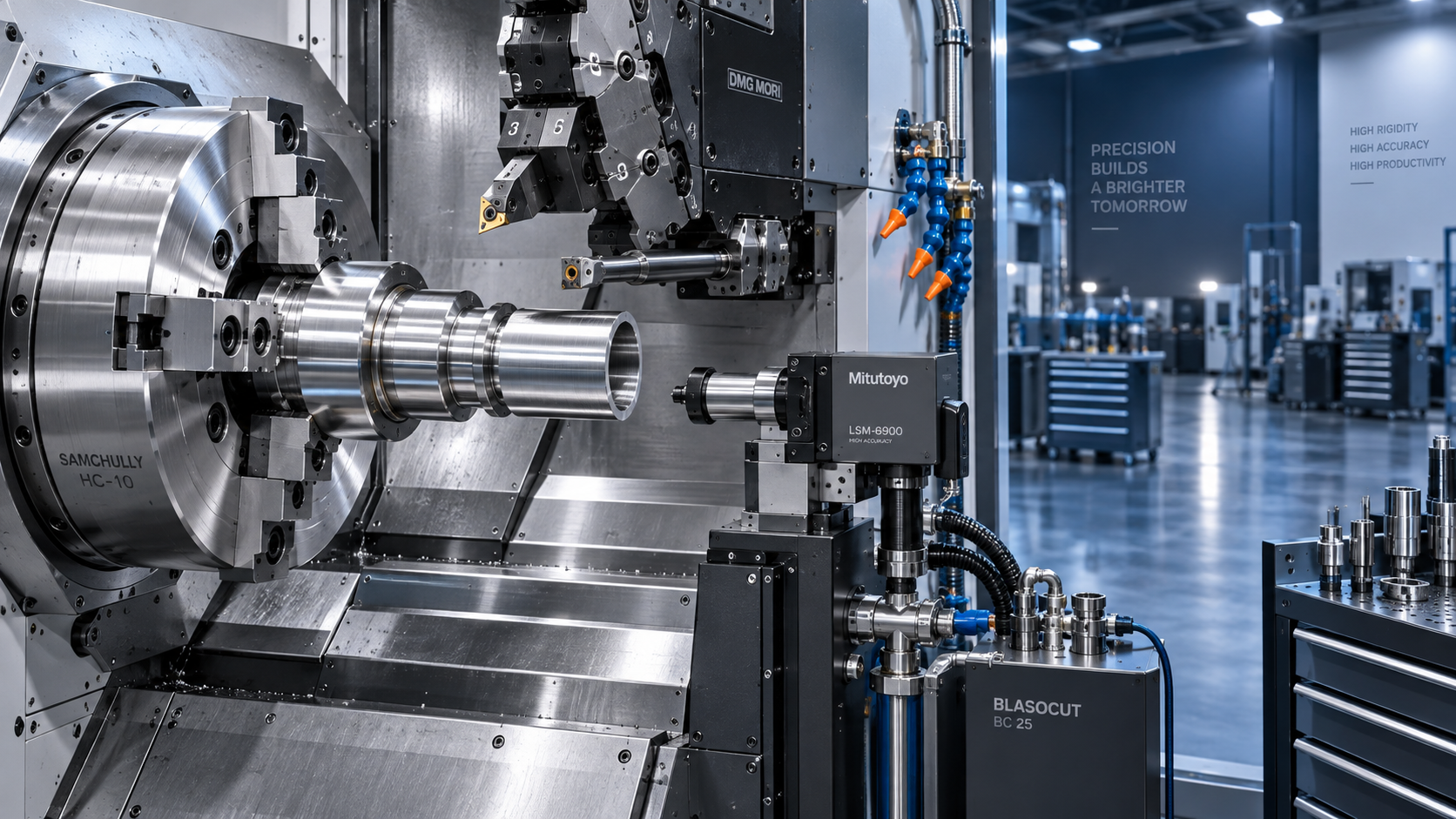
 How to Select a CNC Metal Lathe for Tight-Tolerance Shaft and Sleeve PartsCNC Machining Technology Center
 How to Select an Industrial Lathe for High-Volume Shaft ProductionMachine Tool Industry Editorial Team
 Selecting Machine Tools for Automotive Parts: Accuracy, Throughput, and AutomationMachine Tool Industry Editorial Team
 Industrial Machining: Selecting Processes for Tight-Tolerance Metal PartsCNC Machining Technology Center
 Manufacturing Technology Trends That Improve Throughput and Quality ControlManufacturing Market Research Center


Aris Katos
Future of Carbide Coatings
15+ years in precision manufacturing systems. Specialized in high-speed milling and aerospace grade alloy processing.
▶
Is Learning CNC Programming Worth It for Shop Owners Seeking Higher Margins?CNC Machining Technology Center▶
How to Select CNC Equipment for High-Mix, Low-Volume ProductionCNC Machining Technology Center▶
Can CNC Machining Inconel Control Tool Wear in High-Temperature Aerospace Parts?CNC Machining Technology Center▶
How Automated Precision Machining Maintains Tolerance in High-Mix ProductionCNC Machining Technology Center▶
CNC Programming Explained: From CAD Models to Reliable Shop-Floor ToolpathsCNC Machining Technology Center
Mastering 5-Axis Workholding Strategies
Join our technical panel on Nov 15th to learn about reducing vibrations in thin-wall components.

Providing you with integrated sanding solutions
Before-sales and after-sales services
Comprehensive technical support