• Global CNC market projected to reach $128B by 2028 • New EU trade regulations for precision tooling components • Aerospace deman
NYSE: CNC +1.2%LME: STEEL -0.4%

CNC manufacturing for medical devices — why ISO 13485 compliance starts at fixture design
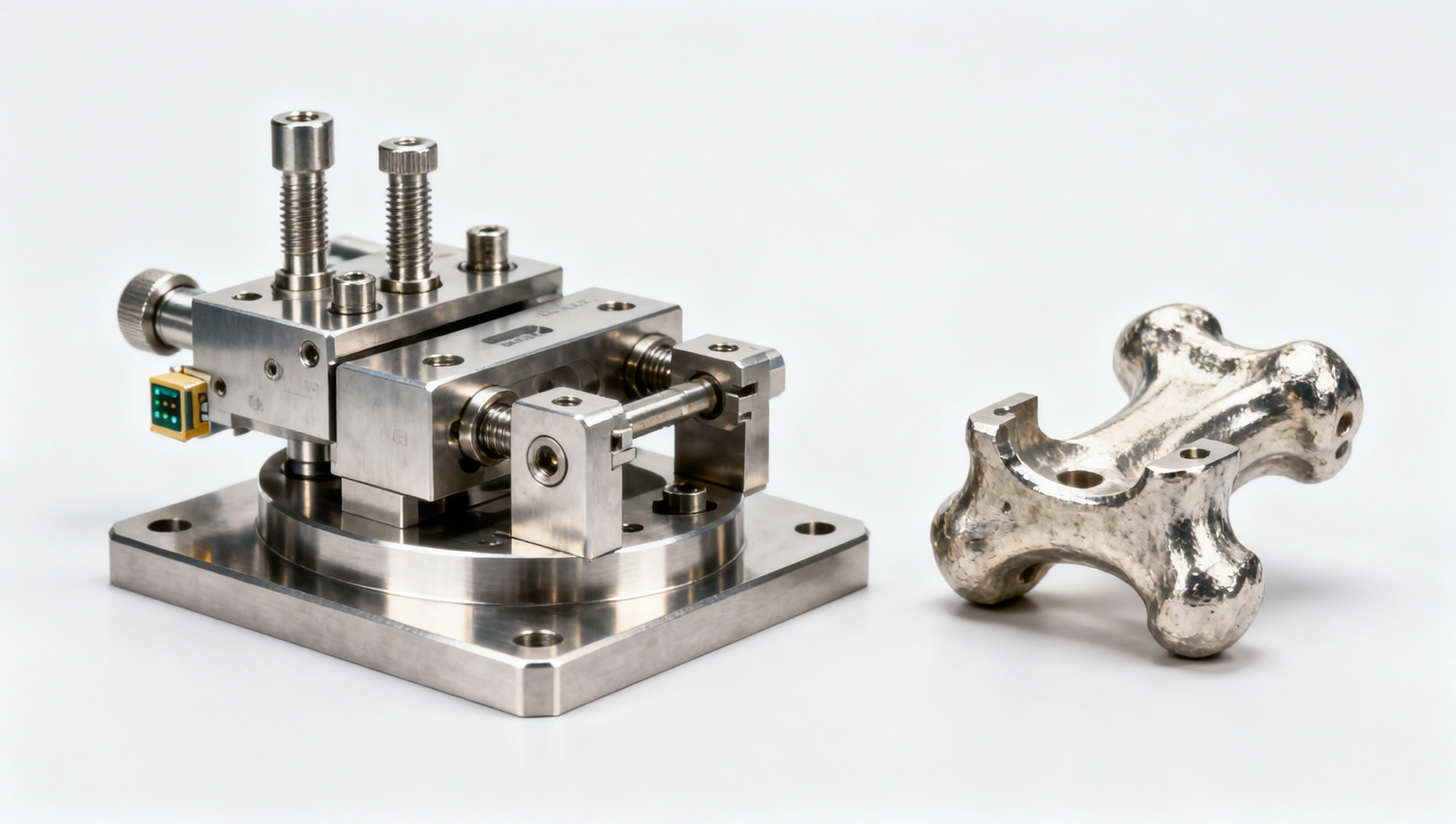
Precision CNC manufacturing for medical devices demands more than just tight tolerances—it requires traceability, repeatability, and regulatory rigor from the very first step. That’s why ISO 13485 compliance doesn’t begin with inspection or documentation, but with fixture design: a foundational element influencing part accuracy, quick setup CNC manufacturing, low maintenance CNC manufacturing, and high-precision CNC manufacturing. As medical device OEMs seek cost-effective CNC manufacturing suppliers and certified CNC manufacturing factories, space-saving CNC manufacturing solutions and modular tooling systems are gaining traction—especially in compact machine tool environments. Discover how intelligent fixture strategy bridges automated CNC manufacturing with full quality system alignment.
Why Fixture Design Is the First Link in Your ISO 13485 Chain
ISO 13485 is not a post-production checklist—it’s a process architecture. For medical device components, where dimensional stability directly impacts biocompatibility, sterilization integrity, and functional safety, every manufacturing touchpoint must be controlled, validated, and documented. Fixture design sits at the origin of this chain: it defines how the raw stock interfaces with the CNC machine, governs thermal and mechanical load distribution, and determines whether positional repeatability stays within ±0.005 mm across 500+ parts per batch.
Unlike general industrial machining, medical device fixtures require built-in validation paths—such as reference datums traceable to CMM calibration standards, integrated temperature sensors (±0.3°C tolerance), and material certifications (e.g., 316L stainless steel with mill test reports). Over 68% of nonconformities flagged during FDA pre-market audits relate to unvalidated or undocumented workholding methods—not cutting parameters or tool life.
A compliant fixture isn’t just “bolted down.” It embeds design-for-manufacturing (DFM) logic: minimal clamping force (<12 kN typical for titanium orthopedic implants), zero-contact surface zones for critical sealing surfaces, and modular base plates enabling rapid reconfiguration between femoral stem and acetabular cup families without recalibration.
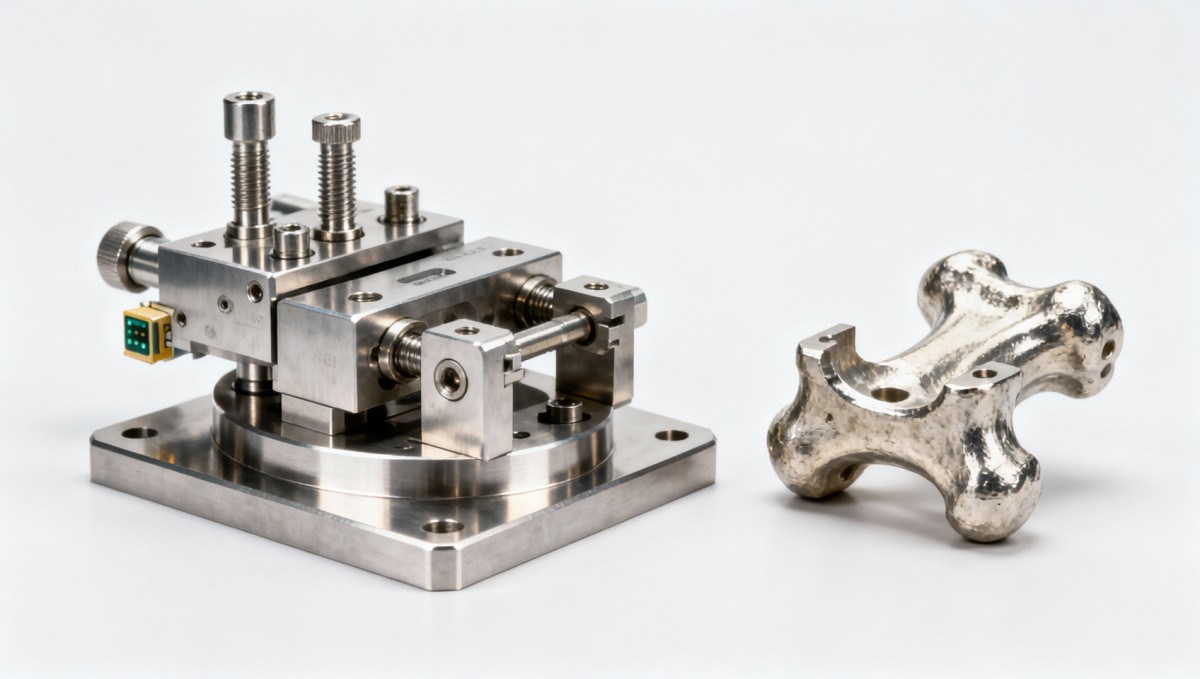
This table highlights how seemingly minor fixture specifications carry direct regulatory weight. A non-compliant material choice may pass mechanical testing—but fail microbial retention validation during sterile barrier qualification. That’s why leading contract manufacturers now require fixture design reviews as part of their supplier onboarding, not as an afterthought.
From Quick-Setup to Full-Quality Integration: Modular Tooling Systems
Modular fixtures reduce changeover time by 40–65%, but in regulated environments, speed must never compromise control. Modern medical-grade modular systems—like those using ISO 290 (DIN 6499) precision locating pins and hardened steel base plates—embed quality gates into physical hardware. Each module carries a unique QR-coded identifier linked to its last calibration date, wear history, and approved part families.
For OEMs managing multi-tier supply chains, these modules enable audit-ready traceability: if a batch of insulin pump housings shows micro-cracking, engineers can instantly pull fixture usage logs, spindle load curves, and coolant concentration records—all tied to the same serial-numbered base plate used across three shifts and two machines over 14 days.
Space-saving designs also matter. In Class 7 cleanroom CNC cells, where floor space commands premium rates, compact fixtures with integrated chip evacuation channels (≥80% efficiency at 12,000 rpm) reduce footprint by up to 30% versus legacy custom jigs—without sacrificing rigidity (deflection <0.002 mm under 5 kN static load).
Procurement Checklist: 6 Must-Verify Items Before Approving a Fixture Supplier
When evaluating CNC manufacturing partners for medical device work, procurement teams and quality managers should jointly assess fixture capabilities—not just machine specs. Use this field-tested checklist:
- Fixture Validation Protocol Access: Does the supplier provide full IQ/OQ documentation templates aligned with ISO 13485 Clause 7.5.2.1? Request sample reports covering thermal drift, clamping force consistency, and datum shift over 100 cycles.
- Material Certification Chain: Verify all structural components include EN 10204 3.1 or 3.2 mill test reports, with heat numbers traceable to furnace logs.
- Cleanroom Compatibility Statement: Confirm surface finish (Ra ≤ 0.8 µm standard), absence of porous coatings, and validation data for ISO 14644-1 Class 7 particulate shedding.
- Maintenance Interval Transparency: Ask for documented wear thresholds (e.g., pin diameter loss >0.01 mm triggers replacement) and scheduled inspection frequency (typically every 250 operating hours).
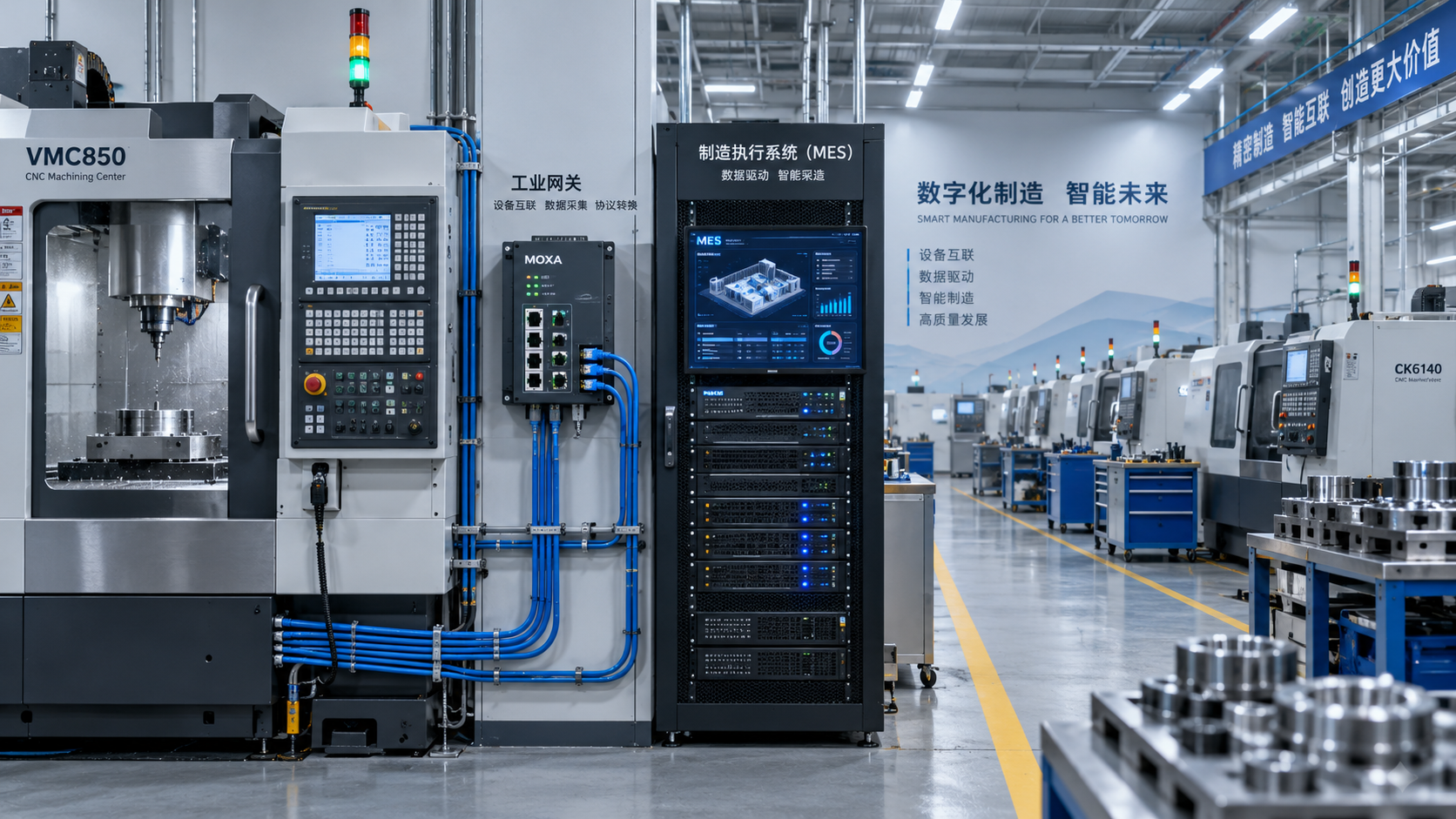
- Digital Twin Readiness: Check if fixtures support integration with factory MES via OPC UA or MTConnect—enabling real-time monitoring of setup status, calibration expiry, and usage counters.
- Change Control Process: Ensure any fixture modification—no matter how minor—triggers a formal ECN with risk assessment per ISO 14971 Annex C.
Common Pitfalls—and How to Avoid Them
Many medical device manufacturers inherit fixtures from legacy suppliers without validating their ongoing compliance. One frequent error: assuming “certified factory = certified fixtures.” In reality, only 22% of ISO 13485-certified CNC shops maintain formal fixture lifecycle management programs—including scheduled recalibration, wear tracking, and obsolescence planning.
Another trap is over-engineering. A 5-axis titanium spinal rod fixture requiring 17 individual setup steps may achieve ±0.002 mm accuracy—but introduces 11 potential human error points per cycle. Simpler, purpose-built modular fixtures often deliver better CpK (>1.67) with half the training time and zero reliance on operator skill level.
Finally, avoid “fixture silos.” When different product lines use incompatible base plates or locating standards, cross-training, spare inventory, and audit preparation costs balloon. Standardizing on one modular platform—such as the VDI 520/620 series—reduces total cost of ownership by an average of 34% over 3 years, according to a 2023 industry benchmark study.
These risks aren’t theoretical—they reflect root causes cited in 41% of recent 483 observations issued to U.S.-based medical device contract manufacturers. Proactive fixture governance eliminates them before first-article approval.
Next Steps: Aligning Your Fixture Strategy with Business Goals
Whether you’re scaling production of Class II diagnostics or launching a new neurovascular implant, fixture design must support both quality compliance and operational agility. Start by mapping your top three medical device SKUs against fixture lifecycle metrics: average setup time, mean time between failures (MTBF ≥ 1,200 hours expected), and calibration interval adherence rate (target ≥ 99.2%).
Then engage your CNC manufacturing partners early—not during RFQ, but during DFM review. Ask for their fixture validation SOP, sample calibration certificates, and evidence of cleanroom-compatible surface treatments. The strongest supplier relationships begin not with price negotiation, but with shared commitment to the first point of contact between raw material and regulation.
Ready to audit your current fixture portfolio or co-develop an ISO 13485-aligned modular system? Contact our precision manufacturing engineering team for a no-cost fixture readiness assessment—including gap analysis, validation roadmap, and ROI projection based on your specific device family and volume profile.
Recommended for You
 Digital Manufacturing for Smart Factories: Connecting Legacy Machines to MESMachine Tool Industry Editorial Team
 How to Select a CNC Metal Lathe for Tight-Tolerance Shaft and Sleeve PartsCNC Machining Technology Center
 How to Select an Industrial Lathe for High-Volume Shaft ProductionMachine Tool Industry Editorial Team
 Selecting Machine Tools for Automotive Parts: Accuracy, Throughput, and AutomationMachine Tool Industry Editorial Team
 Industrial Machining: Selecting Processes for Tight-Tolerance Metal PartsCNC Machining Technology Center
 Manufacturing Technology Trends That Improve Throughput and Quality ControlManufacturing Market Research Center
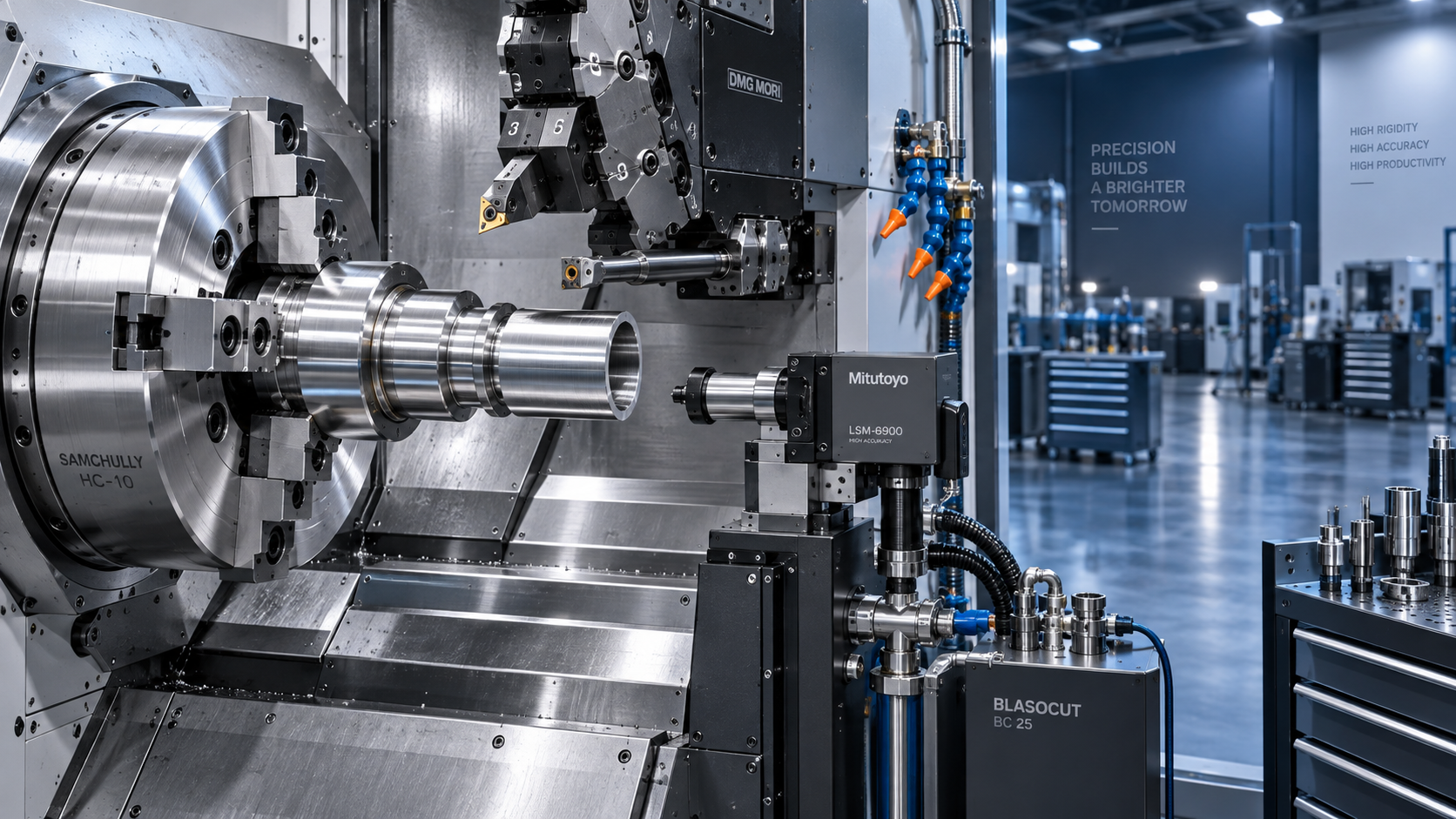

Aris Katos
Future of Carbide Coatings
15+ years in precision manufacturing systems. Specialized in high-speed milling and aerospace grade alloy processing.
▶
How to Design Cost-Effective Fixtures That Maintain Cycle Time in Mass ProductionCNC Machining Technology Center▶
Zero-Point Clamping or Modular Fixtures? Choosing a Faster CNC Changeover SystemCNC Machining Technology Center▶
How to Cut CNC Fixture Changeover Time Without Sacrificing Part AccuracyCNC Machining Technology Center▶
Can One Fixture Handle Multiple Part Geometries Efficiently?CNC Machining Technology Center▶
Fixture Design Cost Breakdown: What Buyers Should Review Before RFQ and ApprovalCNC Machining Technology Center
Mastering 5-Axis Workholding Strategies
Join our technical panel on Nov 15th to learn about reducing vibrations in thin-wall components.

Providing you with integrated sanding solutions
Before-sales and after-sales services
Comprehensive technical support