• Global CNC market projected to reach $128B by 2028 • New EU trade regulations for precision tooling components • Aerospace deman
NYSE: CNC +1.2%LME: STEEL -0.4%

How to Evaluate Shaft Parts for Agricultural Machinery by Load, Wear, and Fit?
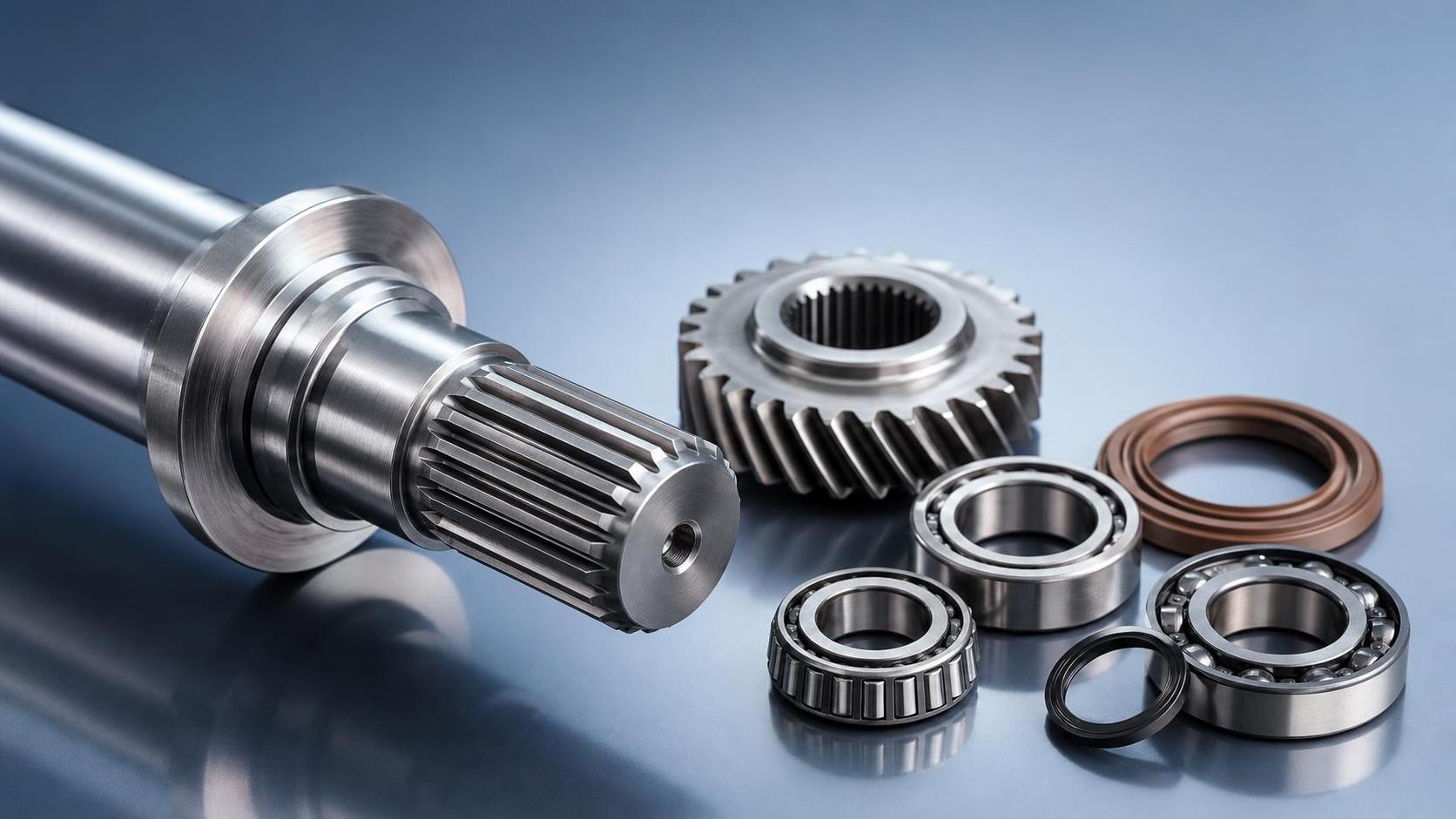
What Technical Assessors Should Check Before Approving Shaft Parts for Agricultural Machinery
Evaluating Shaft Parts for Agricultural Machinery requires more than checking dimensions alone. For technical assessors, load capacity, wear resistance, and fit accuracy directly affect equipment reliability, service life, and field performance. This article outlines a practical approach to assessing shaft components under real operating conditions, helping you identify critical material, machining, and assembly factors before they lead to failure or costly downtime.
In agricultural equipment, shafts rarely fail because of one dramatic mistake. More often, the problem starts with a small mismatch: the shoulder radius does not match the bearing chamfer, the surface hardness looks acceptable on paper but wears too quickly in dusty service, or the fit is technically “within tolerance” yet still loosens after shock loading. If you are reviewing shaft parts for a baler, rotary tiller, seeder, harvester, or gearbox assembly, the useful question is not “Does this drawing look right?” but “Will this part keep working after vibration, contamination, impact, and repeated field loading?”
Start with the actual load path, not the nominal size
A shaft that looks robust on the drawing can still be poorly chosen if the load path is misunderstood. Before reviewing material grade or machining route, confirm what the shaft is really carrying:
- Torque only, or torque plus bending from overhung loads
- Steady rotation, reversing rotation, or intermittent shock
- Bearing-supported section length and span between supports
- Keyway, spline, cross-hole, thread, or snap-ring groove that creates a stress concentration
- Field overload conditions, including jams, stone impact, abrupt clutch engagement, or PTO-related shocks
This matters because two shafts with the same diameter may need very different evaluation criteria. A smooth transmission shaft inside a well-lubricated housing is one thing. A shaft carrying a sprocket, pulley, or flail rotor under dirt ingress and impact is another. If the supplier cannot explain the expected loading mode, that is already a warning sign. You do not need a full failure analysis at the sourcing stage, but you do need enough application context to know whether fatigue strength, torsional stiffness, or wear life is driving the decision.
Material selection: ask what problem the material is solving
Do not accept material choice as a catalog line item. For shaft parts in agricultural machinery, the material should match the failure mode you are trying to avoid. Medium-carbon steels are common for general shafting, while alloy steels may be chosen when higher strength, hardenability, or better fatigue performance is needed. Stainless grades appear in some fertilizer, chemical, or corrosion-prone environments, but they are not automatic upgrades; they can introduce cost and machining tradeoffs without solving the real issue.
A practical review usually includes these questions:
- Is the shaft failing from bulk strength limits, surface wear, fretting, or corrosion?
- Is through-hardening required, or would localized surface treatment be more appropriate?
- Does the selected steel have stable supply and consistent heat treatment capability in the target production region?
- Are the material callouts linked to a recognized standard, or are they supplier-specific descriptions that need conversion and verification?
Be careful with “equivalent material” claims across countries. China, Germany, Japan, and South Korea all have strong manufacturing capabilities, but material naming and equivalency are not always one-to-one. If a supplier proposes substitution, ask for the referenced standard and comparable mechanical property range. If the mapping is unclear, mark it as 【待核实】 before release.
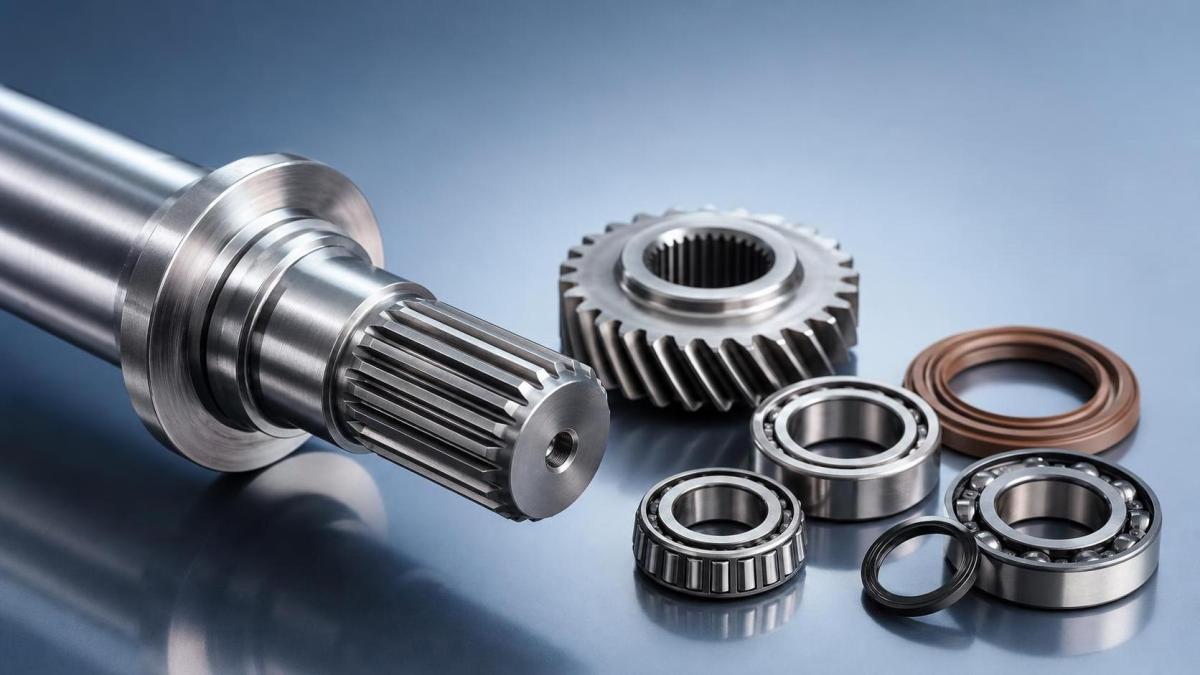
Wear resistance is often a surface engineering question
A lot of buyers focus on tensile strength and miss the real service problem. On agricultural shafts, wear usually shows up at bearing seats, seal journals, spline contacts, keyway interfaces, and areas exposed to dust or poor lubrication. In those cases, the useful checks are not just “What steel is it?” but “What is the surface condition, how was it produced, and where is the hardness located?”
Look at the machining and treatment route as a sequence:
Induction hardening, nitriding, carburizing, or hard chrome alternatives may be discussed depending on the application, but the right choice depends on drawing requirements, environmental exposure, and compliance obligations. Do not assume a harder surface is always better. Excessive hardness without sufficient core toughness can make a shaft more vulnerable to cracking under impact.
Fit accuracy decides whether the assembly stays stable in service
This is where many sourcing reviews go wrong. Technical teams often confirm shaft diameter tolerance but skip the mating strategy. A shaft seat is not evaluated in isolation. You need to know what it mates with: bearing inner ring, bushing, gear hub, coupling, pulley, seal, or housing-related stack-up.
For selection and approval, check three things together:
- Dimensional tolerance and geometric tolerance, especially runout, concentricity, cylindricity, and shoulder squareness where applicable
- Assembly method: slip fit, transition fit, interference fit, thermal assembly, or press fit
- Service behavior after installation, including creep, micro-movement, and disassembly requirements during maintenance
A fit that is too loose may lead to fretting and wear debris. Too tight, and you can distort the bearing ring, create localized stress, or complicate repair work in the field. Agricultural equipment often lives with vibration and contamination, so fit decisions should account for real maintenance conditions, not just assembly convenience in the factory.
If the drawing calls for a standard ISO fit, confirm that both supplier and assembler are using the same reference system and revision. If not clearly documented, treat it as a release risk rather than a paperwork issue.
Pay attention to the small geometry that usually starts the failure
Most shaft failures do not begin in the middle of a smooth section. They start at shoulders, relief grooves, threads, keyways, holes, and abrupt diameter changes. When evaluating shaft parts for agricultural machinery, these details deserve more attention than the overall outline.
Useful review points include shoulder height versus bearing seating, undercut design for grinding clearance, keyway edge condition, thread runout, and whether the fillet radius is compatible with the mating component. A technically correct shaft can still become unassemblable if the shoulder radius interferes with a standard bearing chamfer. That sort of issue wastes time because it slips through inspection until assembly starts.
A simple rule from shop-floor experience: if a feature changes section, transmits torque, or creates contact pressure, review it separately instead of trusting the general drawing note.
Manufacturing capability matters as much as the drawing
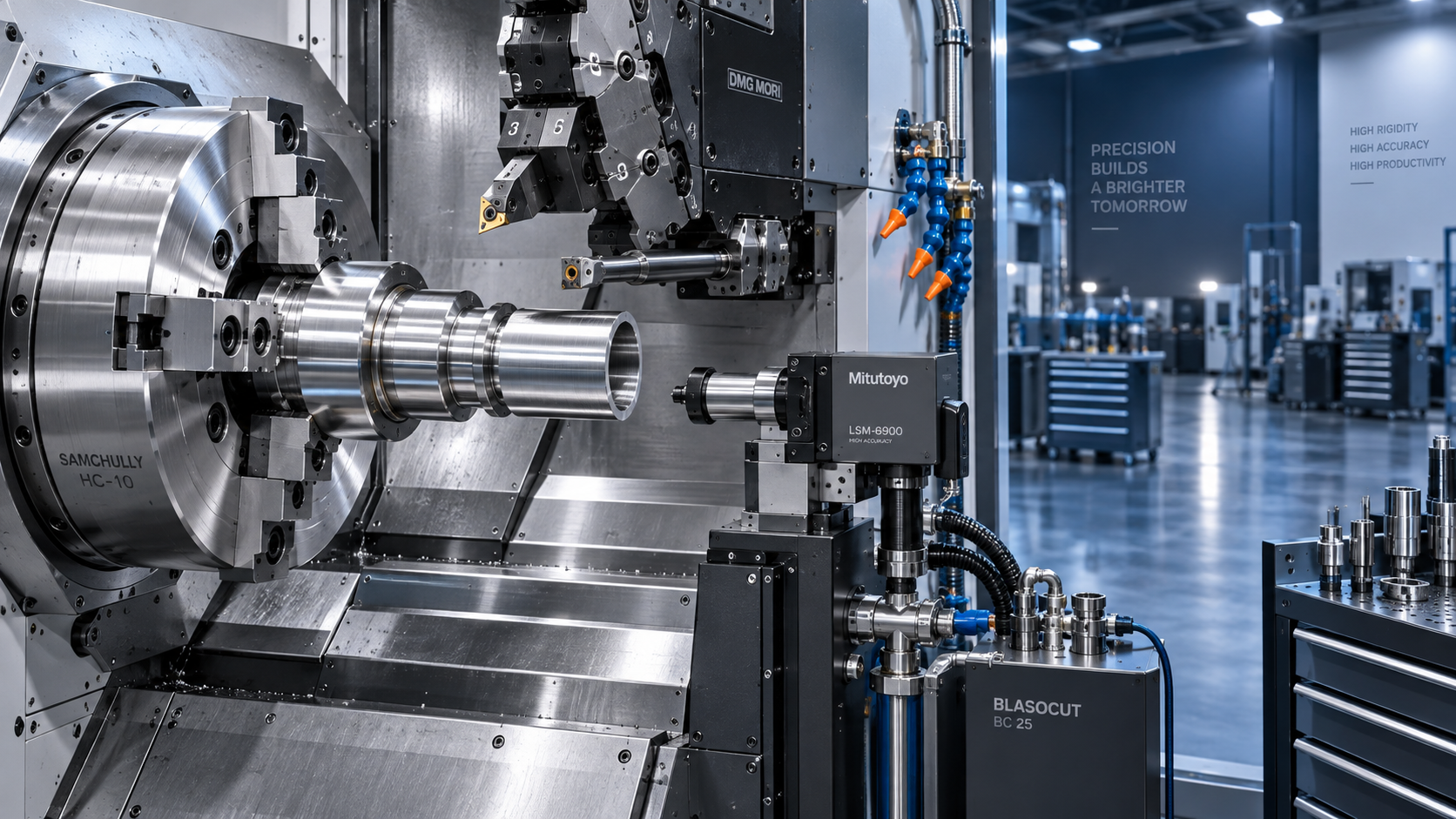
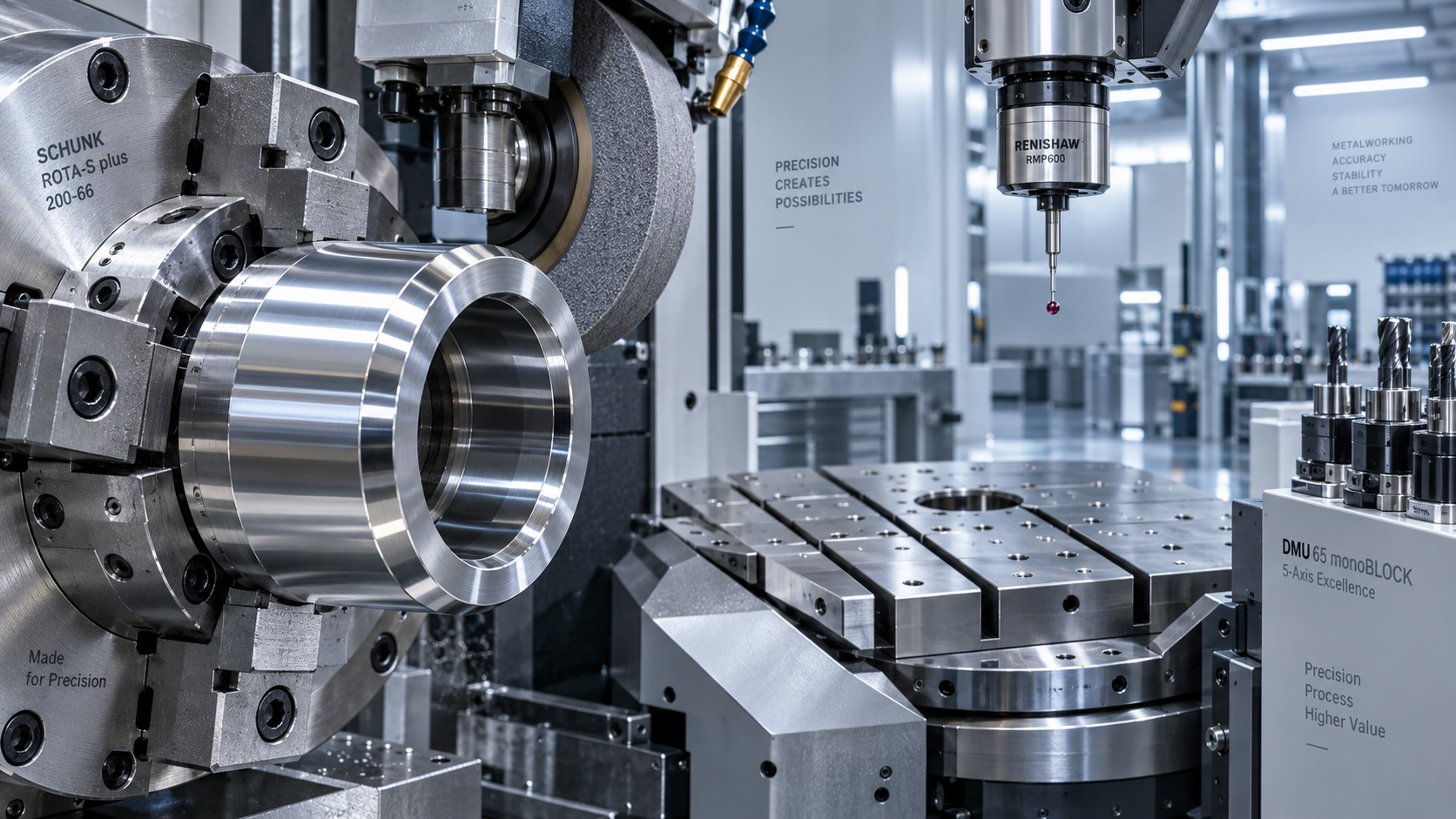
In the CNC machine tool and precision manufacturing world, the same shaft drawing can produce very different outcomes depending on process control. CNC lathes, machining centers, grinding systems, and automated inspection can hold tight requirements, but only if the supplier’s route is stable and suited to the part family. For a technical assessor, supplier capability review is part of product review.
Ask practical questions. Is the critical journal turned only, or finish-ground? Is heat treatment done in-house or outsourced? How is distortion controlled after hardening? Are key dimensions verified by in-process gauging, CMM, roundness measurement, or standard shop instruments? The exact answer will vary by part complexity, but vague responses usually mean the process window is not well controlled.
This is especially important for multi-step shaft parts that combine turning, milling, heat treatment, grinding, and balancing. One weak link in that sequence can erase the advantage of a good design.
Inspection documents are useful, but they are not the whole answer
Material certificates, hardness reports, and dimensional inspection records help, but they should support your evaluation, not replace it. For a shaft used in harsh agricultural service, the questions worth asking are: do the inspection points match the failure-sensitive areas, and do the records reflect production reality or just a minimal submission package?
When risk is higher, request targeted verification rather than generic paperwork. That may include checking journal finish, runout at functional locations, hardness depth where surface treatment is specified, or sample assembly validation with mating parts. If a supplier offers only pass/fail statements without the underlying reference standard or measurement method, keep the approval conditional.
A short approval checklist that works in real projects
- Confirm actual operating load, including shock and misalignment risk.
- Match material to the expected failure mode, not just the cost target.
- Review wear-critical surfaces separately from bulk shaft geometry.
- Check fit strategy with the real mating parts and assembly method.
- Inspect shoulders, grooves, keyways, splines, and thread transitions closely.
- Verify that the supplier’s CNC machining, heat treatment, and finishing route can hold the required stability.
- Use inspection records as evidence, but still challenge unclear assumptions.
When you are selecting Shaft Parts for Agricultural Machinery, the best decisions usually come from combining drawing review with service thinking. Load tells you where the part is stressed. Wear tells you where the surface will give up first. Fit tells you whether the assembly will stay quiet and stable once the machine is in the field. If those three checks are done carefully, you catch most of the expensive problems before production release.
Recommended for You
 Digital Manufacturing for Smart Factories: Connecting Legacy Machines to MESMachine Tool Industry Editorial Team
 How to Select a CNC Metal Lathe for Tight-Tolerance Shaft and Sleeve PartsCNC Machining Technology Center
 How to Select an Industrial Lathe for High-Volume Shaft ProductionMachine Tool Industry Editorial Team
 Selecting Machine Tools for Automotive Parts: Accuracy, Throughput, and AutomationMachine Tool Industry Editorial Team
 Industrial Machining: Selecting Processes for Tight-Tolerance Metal PartsCNC Machining Technology Center
 Manufacturing Technology Trends That Improve Throughput and Quality ControlManufacturing Market Research Center





Aris Katos
Future of Carbide Coatings
15+ years in precision manufacturing systems. Specialized in high-speed milling and aerospace grade alloy processing.
▶
Industrial Machining: Selecting Processes for Tight-Tolerance Metal PartsCNC Machining Technology Center▶
How Does Precision Machining Differ From Standard Machining?CNC Machining Technology Center▶
CNC Precision: Which Tolerances, Materials, and Processes Fit Your Part?CNC Machining Technology Center▶
How to Choose Metal Machining Processes for Tight Tolerances and Production VolumeCNC Machining Technology Center▶
Production Process Explained: Key Stages, Controls, and Quality CheckpointsCNC Machining Technology Center
Mastering 5-Axis Workholding Strategies
Join our technical panel on Nov 15th to learn about reducing vibrations in thin-wall components.

Providing you with integrated sanding solutions
Before-sales and after-sales services
Comprehensive technical support