• Global CNC market projected to reach $128B by 2028 • New EU trade regulations for precision tooling components • Aerospace deman
NYSE: CNC +1.2%LME: STEEL -0.4%

Germany Tightens CNC Safety Rules With AI Stop Module

On June 16, 2026, Germany’s Federal Ministry for Economic Affairs and Climate Action (BMWK) issued a revised Industry 4.0 Machinery Safety Directive that introduces a new compliance threshold for CNC machine tools sold into the German market. The update is especially relevant for CNC machining center suppliers, multi-axis mill-turn equipment makers, certification teams, procurement functions, and public-sector market participants because it links machine safety, AI-based anomaly detection, and market access within a defined implementation timeline.
What the revised directive requires
According to the information provided, the revised directive requires that from January 1, 2027, all CNC machining centers and multi-axis mill-turn machine tools sold in Germany must integrate an AI-driven abnormal vibration recognition and automatic shutdown module.
The required module must comply with IEC 62443-4-2. The same information also states that equipment failing to meet this requirement will not be able to obtain CE-MD certification and will also be excluded from Germany’s public procurement catalog.
Where the impact is likely to be felt first
Machine builders facing a product-access issue
From an industry perspective, OEMs and exporters of CNC machining centers and multi-axis mill-turn systems are likely to be the first group affected because the requirement is tied directly to whether equipment can continue entering the German market. The main impact point is product configuration, especially where a machine model currently does not include an embedded AI-based abnormal shutdown function aligned with the stated standard.
Certification and compliance teams under tighter documentation pressure
Analysis shows that compliance, certification, and technical file teams will need to pay close attention because the directive connects the new requirement with CE-MD eligibility. Even based only on the confirmed facts, that creates an immediate practical issue: product readiness is no longer only about core machining performance, but also about whether the required safety-related module is present and can be positioned within the certification pathway.
Public procurement suppliers facing an added market filter
Suppliers targeting public-sector demand in Germany may also feel the effect more directly than other channels. The confirmed information states that non-compliant equipment cannot enter the German public procurement catalog, which means the issue is not limited to certification status alone but may also affect access to a specific buying channel.
Buyers and sourcing teams needing earlier verification
Observably, procurement teams, importers, and downstream industrial buyers may need to shift their attention earlier in the purchasing cycle. The reason is straightforward: if a machine cannot satisfy the stated requirement, market entry and procurement eligibility may both be affected, so technical verification and supplier confirmation become more important before order placement or project scheduling.
What companies should watch now
Watch for how the requirement is expressed in implementation practice
What deserves closer attention is the distinction between the published policy direction and its practical interpretation in compliance work. Companies involved in sales to Germany should closely monitor any further official wording, certification guidance, or implementation clarifications related to the revised directive and the stated IEC 62443-4-2 requirement.
Review affected product lines against the January 2027 deadline
For manufacturers and distributors, the immediate operational question is which CNC machining centers and multi-axis mill-turn models intended for Germany fall within the scope described in the provided information. This is relevant not only for new sales planning, but also for delivery scheduling, model selection, and customer communication ahead of the January 1, 2027 effective date.
Check supplier readiness and technical evidence early
Analysis shows that companies should focus on whether upstream equipment or subsystem suppliers can support the required AI-driven abnormal vibration recognition and automatic shutdown capability in a form that aligns with the cited standard. In practical terms, technical evidence, product specifications, and compliance-related documentation may become more important in supplier review and bid preparation.
Separate market messaging from actual compliance status
Observably, businesses should avoid treating a general AI feature claim as equivalent to compliance readiness. The more relevant issue is whether the machine includes the specific function named in the provided information and whether that function can support the required certification and procurement access conditions in Germany.
Why this matters beyond a single product feature
Analysis shows that this update is more than a routine specification change because it places AI-enabled abnormal shutdown capability inside a market-entry and certification framework. Based on the confirmed facts alone, it is more appropriate to understand this as a concrete regulatory signal rather than a general technology trend discussion.
At the same time, it would be premature to treat the full downstream market effect as already settled. Observably, the confirmed information establishes a clear requirement and a clear consequence for non-compliance, but the broader commercial response across supply chains, customer qualification processes, and equipment planning still needs continued observation.
How to read the development at this stage
At this stage, the most balanced reading is that Germany has turned one specific AI-based safety function into a defined access condition for certain CNC equipment categories. For the industry, the immediate significance lies in compliance preparation, product configuration review, and procurement risk screening rather than in broad market conclusions. It is more appropriate to understand this as a near-term operational change with a longer-term policy signal that still warrants follow-up.
Basis of this article
This article is based on the user-provided news title, event date, and event summary concerning the revised German Industry 4.0 Machinery Safety Directive issued on June 16, 2026. Typical source types for developments of this kind may include official government notices, company compliance statements, industry association updates, authoritative media reporting, and standards-related documents. No specific official source link was provided in the input, so the exact source document link still requires ongoing verification. Follow-up attention should focus on any later official clarifications, certification interpretations, and market implementation details related to the stated requirement.
PREVIOUS ARTICLE
NEXT ARTICLE
Recommended for You
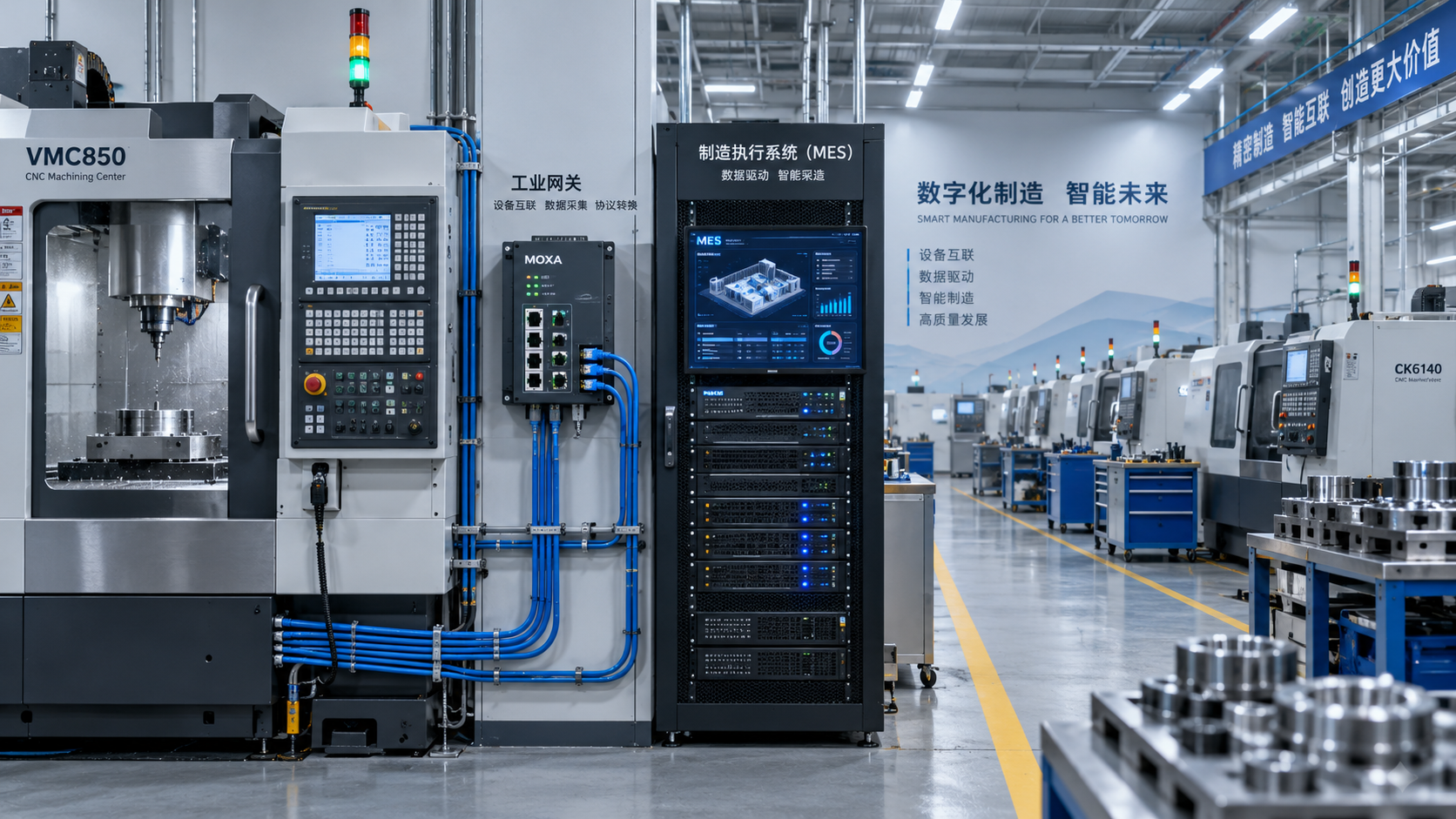
 Digital Manufacturing for Smart Factories: Connecting Legacy Machines to MESMachine Tool Industry Editorial Team
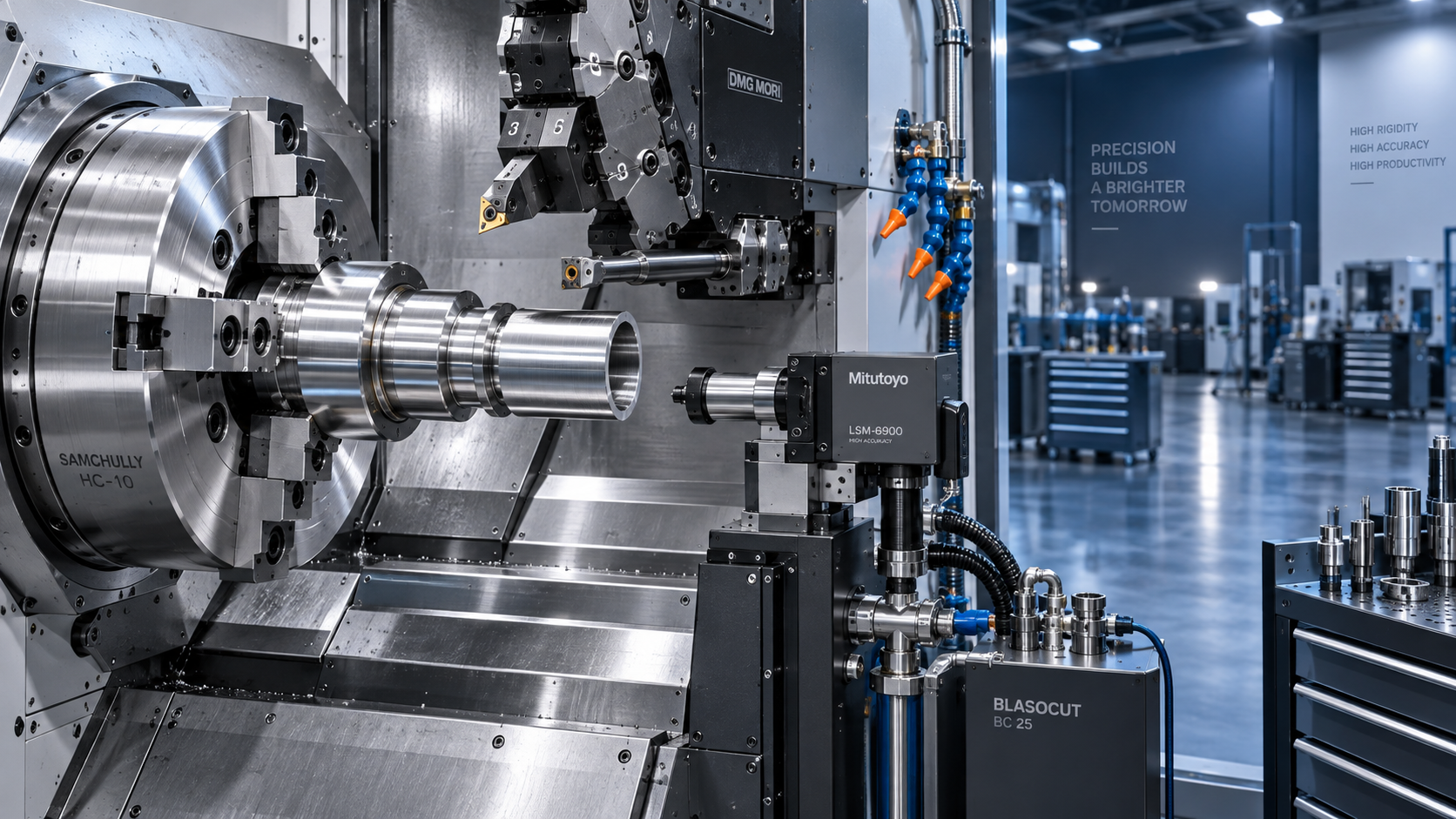
 How to Select a CNC Metal Lathe for Tight-Tolerance Shaft and Sleeve PartsCNC Machining Technology Center
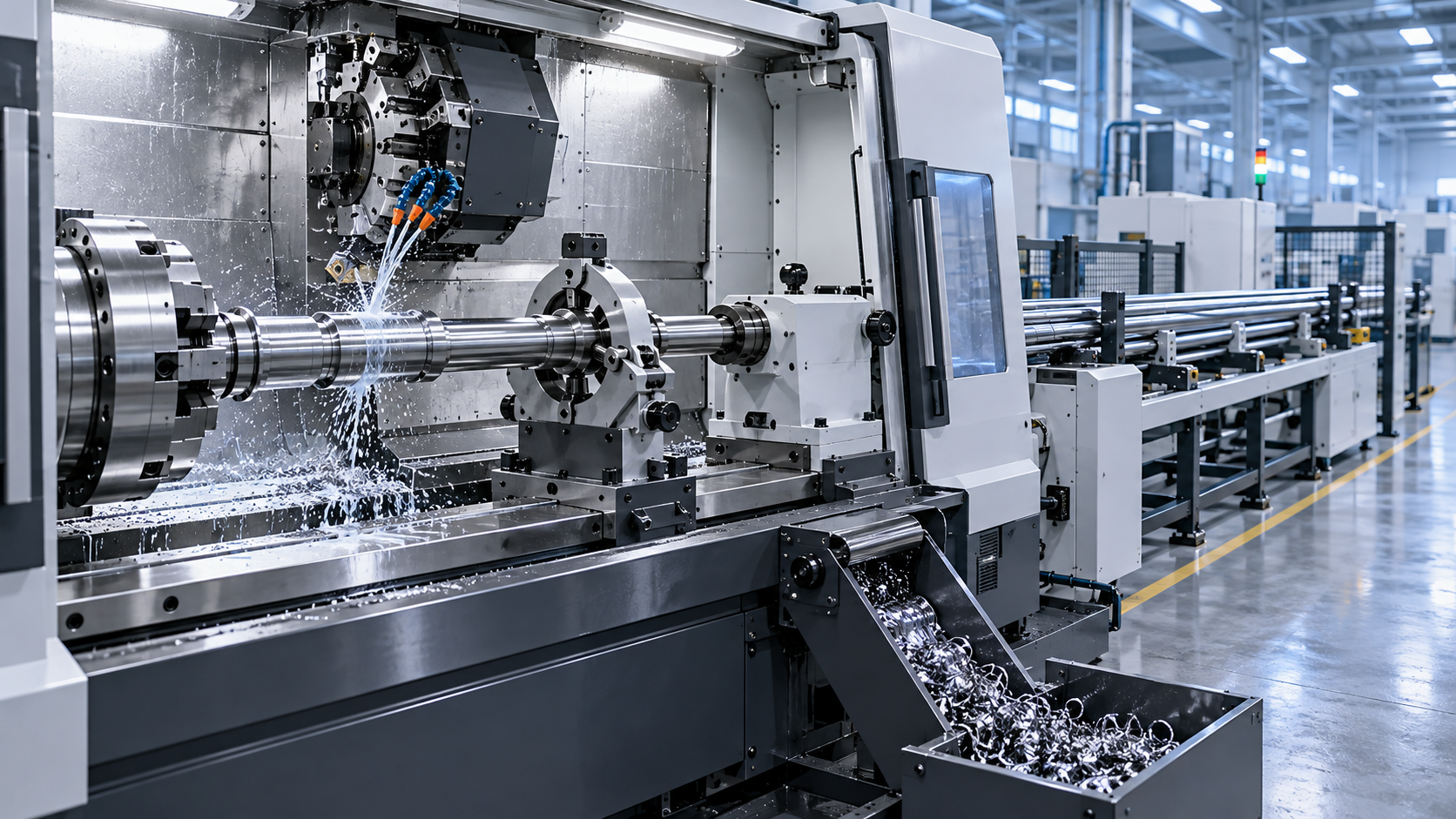
 How to Select an Industrial Lathe for High-Volume Shaft ProductionMachine Tool Industry Editorial Team
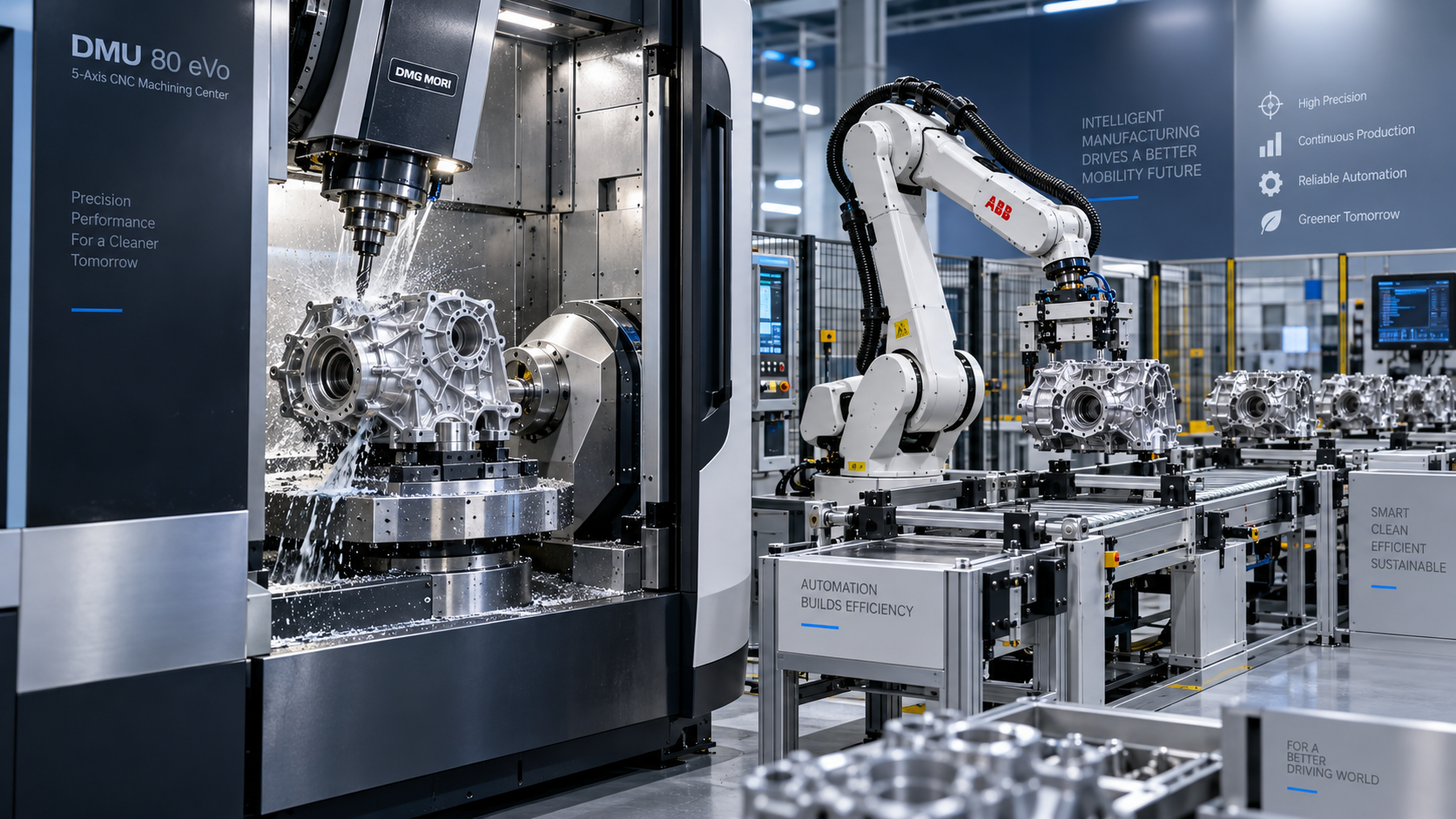
 Selecting Machine Tools for Automotive Parts: Accuracy, Throughput, and AutomationMachine Tool Industry Editorial Team
 Industrial Machining: Selecting Processes for Tight-Tolerance Metal PartsCNC Machining Technology Center
 Manufacturing Technology Trends That Improve Throughput and Quality ControlManufacturing Market Research Center

Aris Katos
Future of Carbide Coatings
15+ years in precision manufacturing systems. Specialized in high-speed milling and aerospace grade alloy processing.
▶
Brazil ANVISA Rule Targets Medical Mold CNC ImportsManufacturing Policy Research Center▶
BAFA Adds CNC Grinding Controls to Dual-Use ListManufacturing Policy Research Center▶
TUV Rheinland Rule Adds PL e Data Interface for CNCsManufacturing Policy Research Center▶
Germany Tightens CNC Safety Rules With AI Stop ModuleManufacturing Policy Research Center▶
China Seeks Feedback on E-Motorcycle Battery RulesManufacturing Policy Research Center
Mastering 5-Axis Workholding Strategies
Join our technical panel on Nov 15th to learn about reducing vibrations in thin-wall components.

Providing you with integrated sanding solutions
Before-sales and after-sales services
Comprehensive technical support