• Global CNC market projected to reach $128B by 2028 • New EU trade regulations for precision tooling components • Aerospace deman
NYSE: CNC +1.2%LME: STEEL -0.4%

EU Mandates CNC Machine Carbon Footprint Disclosure from 2027

On May 21, 2026, ISO/TR 23221:2026 — Guidelines for Carbon Footprint Calculation of CNC Machine Tools — was officially published. Developed under Chinese leadership and now referenced in the EU’s CE marking technical documentation list, the standard requires certified lifecycle carbon footprint reporting for all CNC machine tools exported to the EU starting January 1, 2027. This development directly affects manufacturers, exporters, procurement teams, and ESG auditors across global industrial equipment supply chains.
Event Overview
ISO/TR 23221:2026 was published on May 21, 2026. It establishes standardized methodology for calculating the full lifecycle carbon footprint of CNC machine tools. The standard has been formally included in the EU’s CE marking technical file reference list. As of January 1, 2027, CNC machine tools placed on the EU market must be accompanied by a certified carbon footprint report. Non-compliant products will fail type examination and be denied market access.
Industries Affected by Segment
Export-Oriented Machinery Manufacturers
These companies face direct regulatory pressure because their products must meet the new disclosure requirement to retain EU market access. Impact manifests in mandatory third-party verification, additional documentation for CE conformity assessment, and potential delays in certification timelines.
Global Procurement Teams (OEMs & Tier-1 Buyers)
Buyers sourcing CNC equipment for EU-based operations or resale must now assess supplier compliance as part of vendor qualification. Impact includes revised green procurement KPIs, updated supplier scorecards, and integration of carbon data into ESG audit checklists for tier-2 and tier-3 suppliers.
Supply Chain Service Providers (Certification Bodies, LCA Consultants)
Organizations offering life cycle assessment (LCA), carbon accounting, or CE-related conformity services are likely to see increased demand for verified carbon footprint reporting aligned with ISO/TR 23221:2026. Impact centers on service scope expansion, need for updated accreditation, and tighter alignment with EU regulatory expectations.
Raw Material & Component Suppliers to CNC Builders
Although not directly subject to the disclosure mandate, upstream suppliers may face data requests from OEMs seeking primary emission factors for materials (e.g., cast iron, structural steel, electronics). Impact includes heightened transparency demands and potential inclusion in downstream LCA inventories.
What Enterprises and Practitioners Should Focus On Now
Monitor official EU implementation guidance
While ISO/TR 23221:2026 is published, the EU has not yet issued binding delegated acts or harmonized standards specifying verification procedures or acceptable LCA methodologies. Enterprises should track updates from the European Commission and notified bodies.
Identify high-priority product categories and export lanes
Not all CNC machines carry equal risk. Companies should prioritize models with highest EU shipment volume, longest production lead times, or those already undergoing CE renewal cycles — as these are most exposed to 2027 deadlines.
Distinguish between policy signal and operational readiness
The standard’s inclusion in CE reference lists signals enforceability, but enforcement depends on national market surveillance authorities. Current non-compliance does not trigger penalties — however, inability to complete type examination after January 2027 does block market entry. Preparation must focus on documentation and verification capacity, not hypothetical penalties.
Initiate internal data collection and supplier engagement
Carbon footprint calculation requires energy use, material inputs, transport distances, and end-of-life assumptions. Firms should begin mapping bill-of-materials data, manufacturing energy sources, and logistics partners — and initiate dialogue with key component suppliers about data availability.
Editorial Perspective / Industry Observation
Observably, this development functions primarily as a regulatory signal — one that formalizes carbon accountability earlier than anticipated for capital goods. Analysis shows it reflects the EU’s broader strategy to extend environmental due diligence beyond consumer products into industrial assets. From an industry perspective, it is less a sudden compliance shock and more a calibrated step toward embedding decarbonization into technical conformity frameworks. Continued attention is warranted not only for its immediate implications for CNC exports, but also as a precedent for similar requirements in other machinery sectors.
Conclusion: This regulation marks a structural shift — carbon performance is now a prerequisite for market access, not just a sustainability initiative. It is best understood not as an isolated reporting obligation, but as an early indicator of how climate criteria are being institutionalized within core industrial trade mechanisms. Enterprises should treat it as a process-integration challenge rather than a standalone certification task.
Source Information:
• ISO/TR 23221:2026, published May 21, 2026
• EU CE marking technical documentation reference list (as publicly confirmed)
Note: Ongoing monitoring is recommended for official EU implementation guidelines, including verification protocols and transitional arrangements — none have been published as of May 2026.
PREVIOUS ARTICLE
Recommended for You
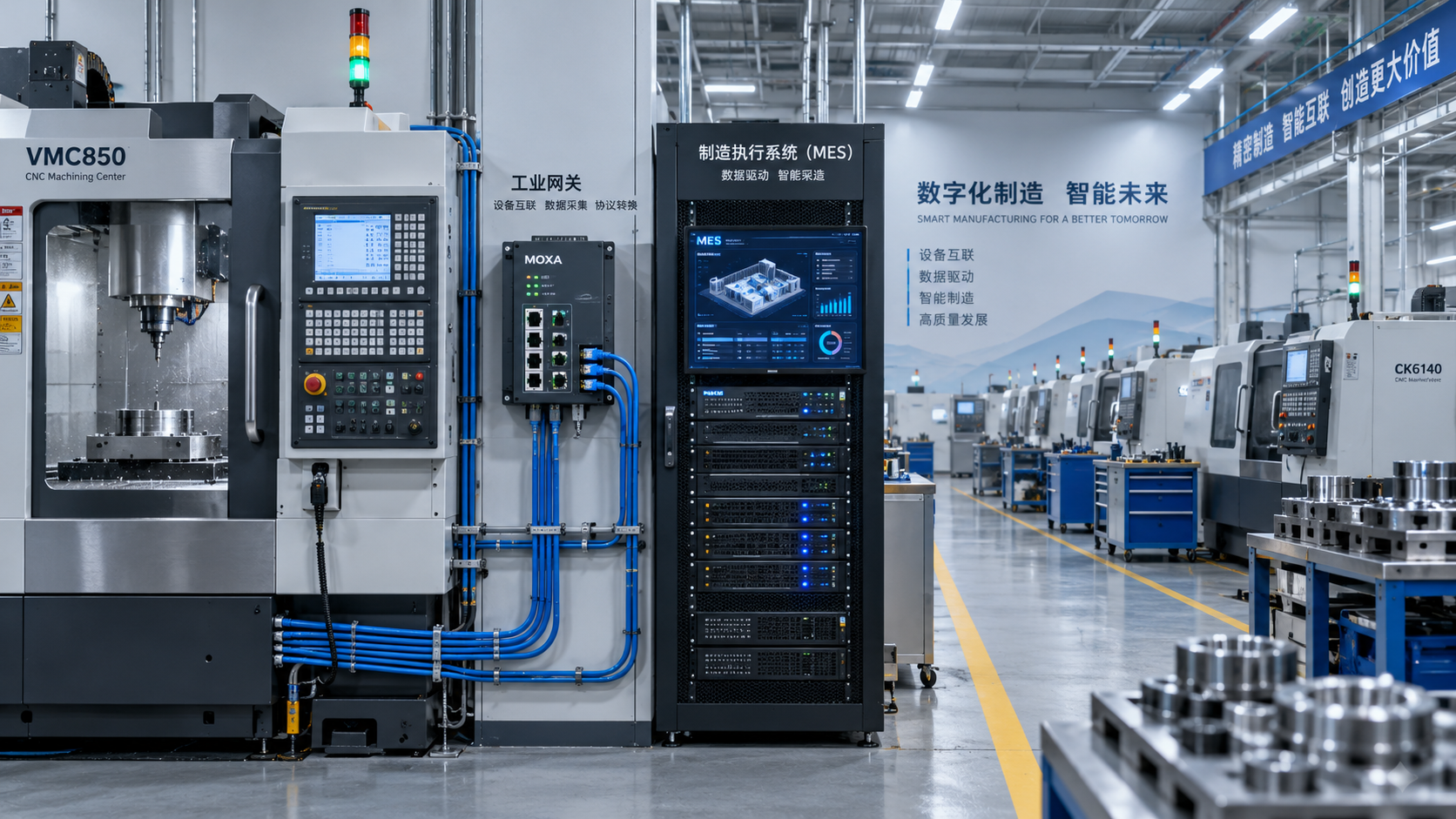
 Digital Manufacturing for Smart Factories: Connecting Legacy Machines to MESMachine Tool Industry Editorial Team
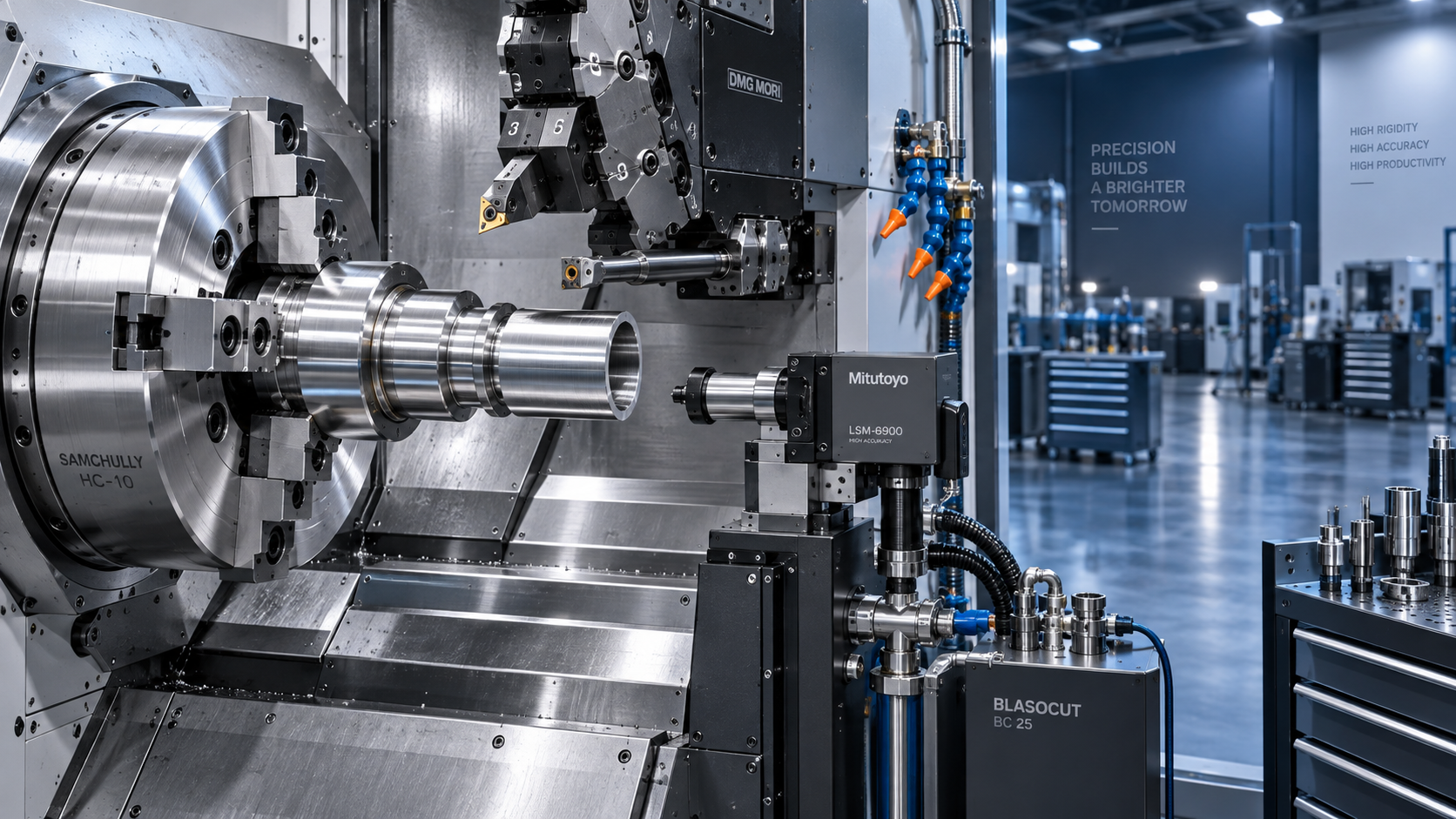
 How to Select a CNC Metal Lathe for Tight-Tolerance Shaft and Sleeve PartsCNC Machining Technology Center
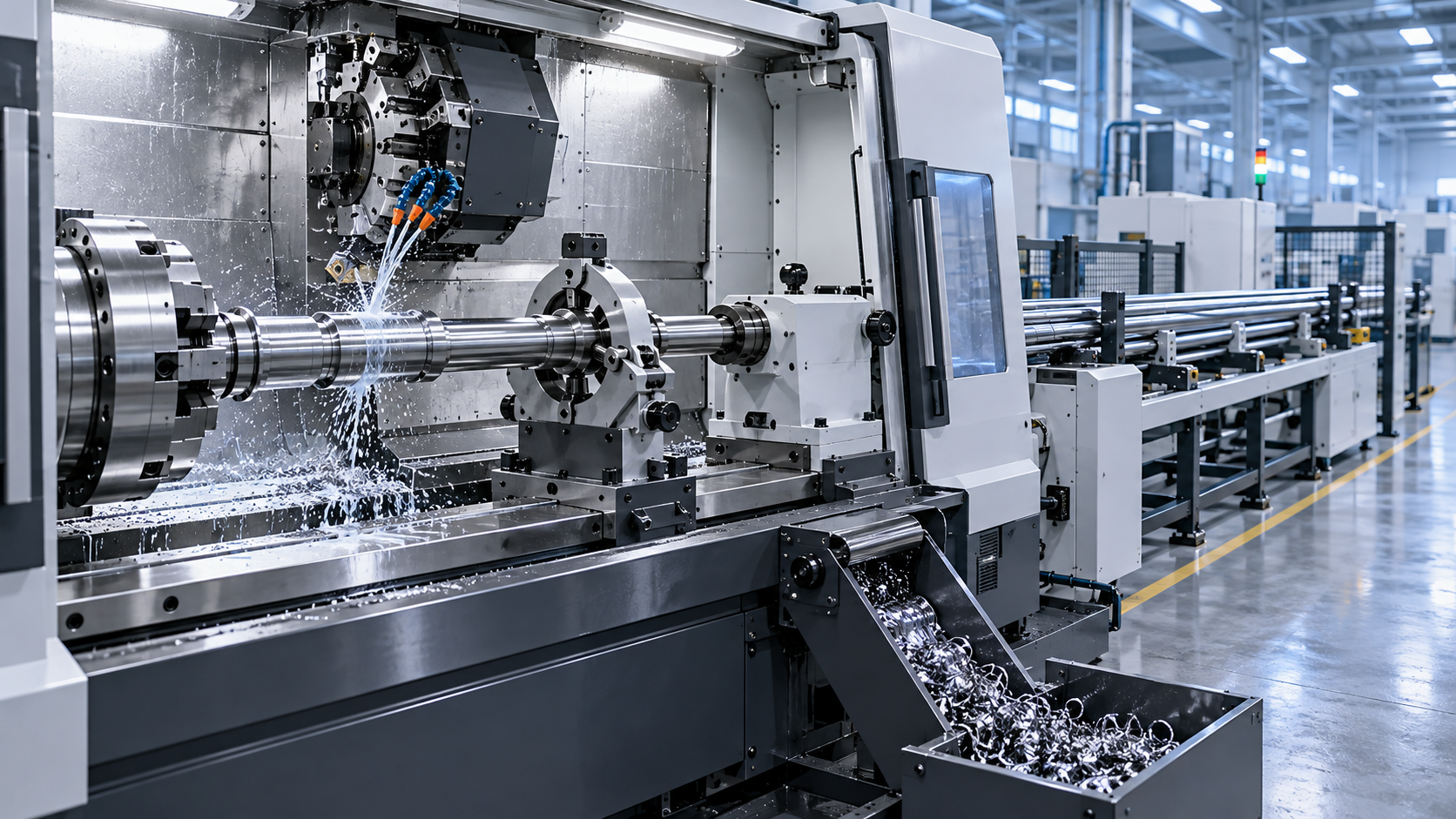
 How to Select an Industrial Lathe for High-Volume Shaft ProductionMachine Tool Industry Editorial Team
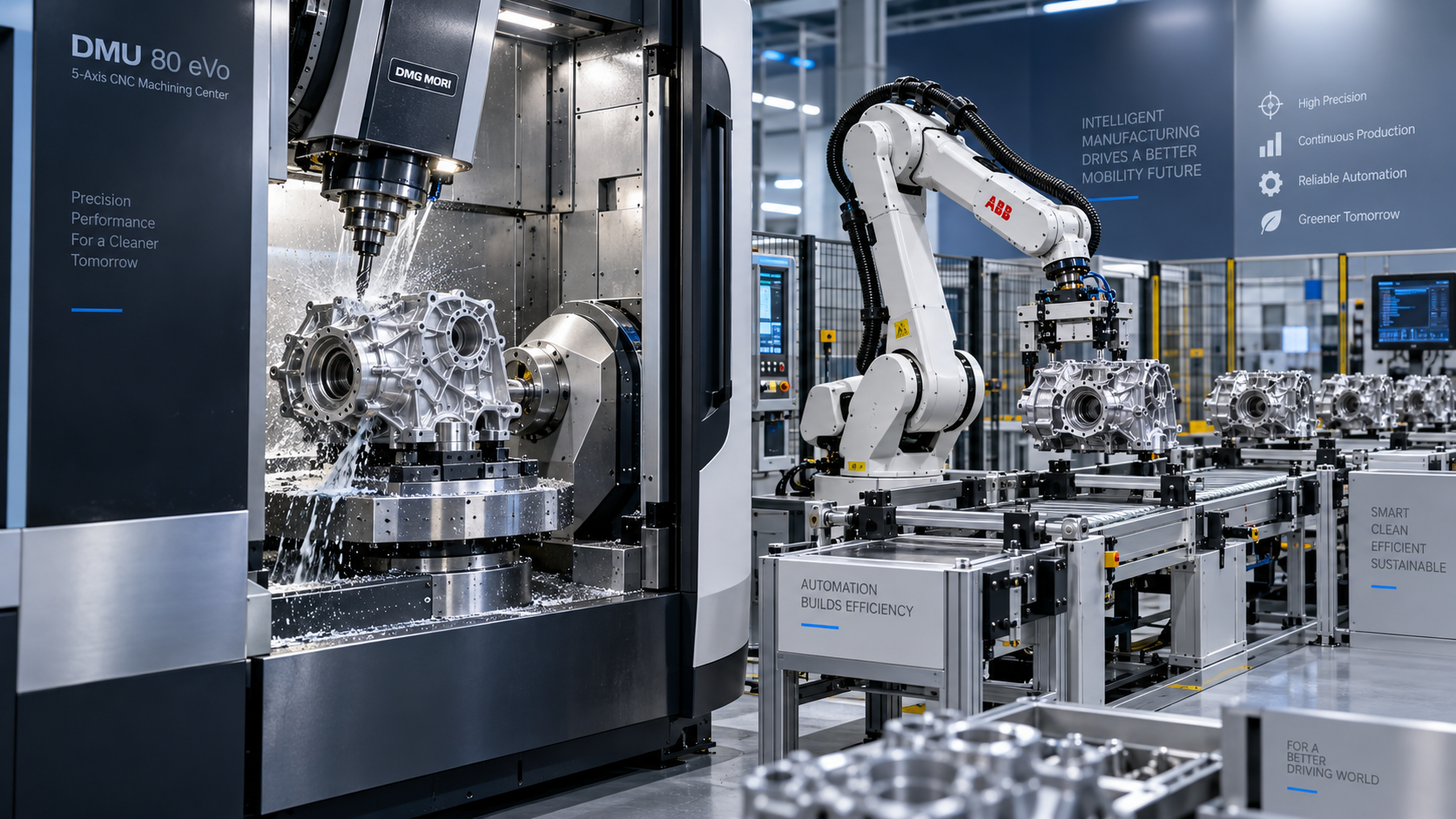
 Selecting Machine Tools for Automotive Parts: Accuracy, Throughput, and AutomationMachine Tool Industry Editorial Team
 Industrial Machining: Selecting Processes for Tight-Tolerance Metal PartsCNC Machining Technology Center
 Manufacturing Technology Trends That Improve Throughput and Quality ControlManufacturing Market Research Center

Aris Katos
Future of Carbide Coatings
15+ years in precision manufacturing systems. Specialized in high-speed milling and aerospace grade alloy processing.
▶
EU REACH Adds Limits on Nanomaterial Cutting Fluid AdditivesManufacturing Policy Research Center▶
Energy-Saving CNC Manufacturing: Which Upgrades Deliver the Best ROI?Manufacturing Policy Research Center▶
Vietnam Requires ISO 50001 Proof for Imported CNC MachinesManufacturing Policy Research Center▶
EU Tightens REACH Rules for Nickel-Coated CNC ToolsManufacturing Policy Research Center▶
EU Carbon-Footprint Rule Nears for CNC Power ModulesManufacturing Policy Research Center
Mastering 5-Axis Workholding Strategies
Join our technical panel on Nov 15th to learn about reducing vibrations in thin-wall components.

Providing you with integrated sanding solutions
Before-sales and after-sales services
Comprehensive technical support