• Global CNC market projected to reach $128B by 2028 • New EU trade regulations for precision tooling components • Aerospace deman
NYSE: CNC +1.2%LME: STEEL -0.4%

Japan METI Boosts Green Subsidies for Chinese CNC Systems

On May 21, 2026, Japan’s Ministry of Economy, Trade and Industry (METI) released the Implementation Rules for the 2026 CNC Machine Tool Green Upgrade Subsidy, confirming eligibility of China-manufactured CNC systems meeting JIS B 6301-2025 Energy Efficiency Class 1 for direct subsidy support—up to ¥4 million per unit (approx. USD 187,000), covering up to 35% of procurement cost. This development is particularly relevant for enterprises engaged in machine tool trade, industrial automation integration, precision manufacturing, and cross-border supply chain services between China and Japan.
Event Overview
On May 21, 2026, METI published the 2026 Annual CNC Machine Tool Green Upgrade Subsidy Implementation Rules. The rules explicitly include China-produced CNC systems certified to JIS B 6301-2025 Energy Efficiency Class 1 in the eligible equipment list. A single-unit subsidy ceiling is set at ¥4 million (approximately USD 187,000), representing up to 35% of the equipment’s purchase price. Applicants must submit an energy efficiency test report issued by a China-based third-party testing institution accredited by CNAS.
Industries Affected by This Policy Change
Direct Exporters of CNC Systems from China
Chinese manufacturers exporting CNC systems to Japan are directly impacted: inclusion in METI’s subsidy directory lowers total cost of ownership (TCO) for Japanese buyers, potentially increasing order volume and competitive positioning against EU or Korean suppliers. Impact manifests primarily in sales cycle shortening, improved tender win rates for green-upgrade projects, and enhanced credibility when quoting against JIS-compliant benchmarks.
Japanese Machine Tool Integrators and OEMs
Domestic Japanese integrators and original equipment manufacturers incorporating CNC systems into assembled machines now face revised procurement economics. With up to 35% of system cost offset via subsidy, their margin pressure eases and ROI timelines for customer-facing automation upgrades improve. This may accelerate adoption of AI-enhanced CNC platforms—including those with predictive maintenance or adaptive machining features—especially in mid-tier production lines.
Supply Chain Service Providers (Logistics, Certification, Technical Support)
Third-party service providers supporting cross-border CNC deployment—including CNAS-accredited testing labs, JIS compliance consultants, and bilingual technical documentation agencies—see rising demand for verification, translation, and local certification support. The requirement for CNAS-issued reports specifically directs workflow toward China-based accredited labs, reinforcing their role as gatekeepers for subsidy eligibility.
Japanese End-User Manufacturers (e.g., Automotive Parts, Precision Components)
Japanese factories undertaking equipment renewal—particularly in energy-intensive metalworking sectors—are now incentivized to consider China-sourced CNC systems not only on price but also on verified energy performance. The subsidy reduces capital expenditure risk and aligns with corporate sustainability reporting targets, making green retrofits more financially viable without compromising on internationally recognized efficiency standards.
What Enterprises and Practitioners Should Focus On Now
Monitor Official Updates on Application Procedures and Deadlines
METI has published the implementation rules, but application windows, required documentation formats, and administrative workflows (e.g., pre-approval steps, audit frequency) remain pending official guidance. Companies should track METI’s Industrial Technology Policy Division announcements and register for subsidy program briefings scheduled for Q3 2026.
Verify JIS B 6301-2025 Compliance and CNAS Reporting Readiness
Eligibility hinges on formal certification—not self-declaration. Exporters and integrators must confirm whether their target CNC models have undergone full JIS B 6301-2025 Class 1 testing at a CNAS-accredited lab, and whether test reports include all mandatory parameters (e.g., standby power, active-mode consumption under standardized load profiles). Gaps here may delay or disqualify applications.
Distinguish Between Policy Signal and Operational Deployment
This rule change reflects a targeted adjustment in METI’s green industrial policy—not a broad liberalization of import criteria. It applies exclusively to CNC systems meeting a specific Japanese energy standard, not general machine tools or controllers. Businesses should avoid extrapolating eligibility to adjacent product categories (e.g., PLCs, HMIs, or servo drives) unless explicitly listed in future METI updates.
Prepare Documentation and Cross-Border Coordination Protocols
Japanese applicants must submit documentation originating from Chinese entities (test reports, manufacturer declarations, invoices). Firms should establish clear internal handoffs between procurement, engineering, and finance teams—and coordinate early with Chinese suppliers to secure timely, METI-compliant documentation packages, including bilingual summaries where necessary.
Editorial Perspective / Industry Observation
Observably, this policy shift signals METI’s pragmatic recalibration of green industrial incentives: rather than restricting origin, it prioritizes verifiable energy performance—even when delivered by non-domestic suppliers. Analysis shows the move is less about market access expansion and more about cost-efficient decarbonization of Japan’s existing manufacturing base. From an industry perspective, it reflects growing acceptance of China’s advancement in high-efficiency motion control hardware—provided it meets stringent, locally enforced benchmarks. Current attention should focus on implementation fidelity: whether subsidy uptake remains limited to early adopters or scales across Tier-2 and Tier-3 machinery users over the next 12–18 months. This will determine whether the measure evolves into a structural enabler—or remains a targeted pilot.
Conclusion
This policy does not represent a general easing of trade barriers, nor does it guarantee automatic commercial success for Chinese CNC vendors. Rather, it establishes a narrowly defined, performance-based pathway for select products to participate in Japan’s green manufacturing transition. For stakeholders, the most constructive interpretation is that JIS-compliant energy efficiency—rigorously verified and documented—is now a transferable asset in cross-border industrial equipment markets. Success depends less on geography and more on traceable, standards-aligned technical execution.
Source Attribution
Main source: Japan Ministry of Economy, Trade and Industry (METI), 2026 Annual CNC Machine Tool Green Upgrade Subsidy Implementation Rules, published May 21, 2026.
Note: Application procedures, timeline details, and administrative guidance are pending further METI announcements and remain under observation.
Recommended for You
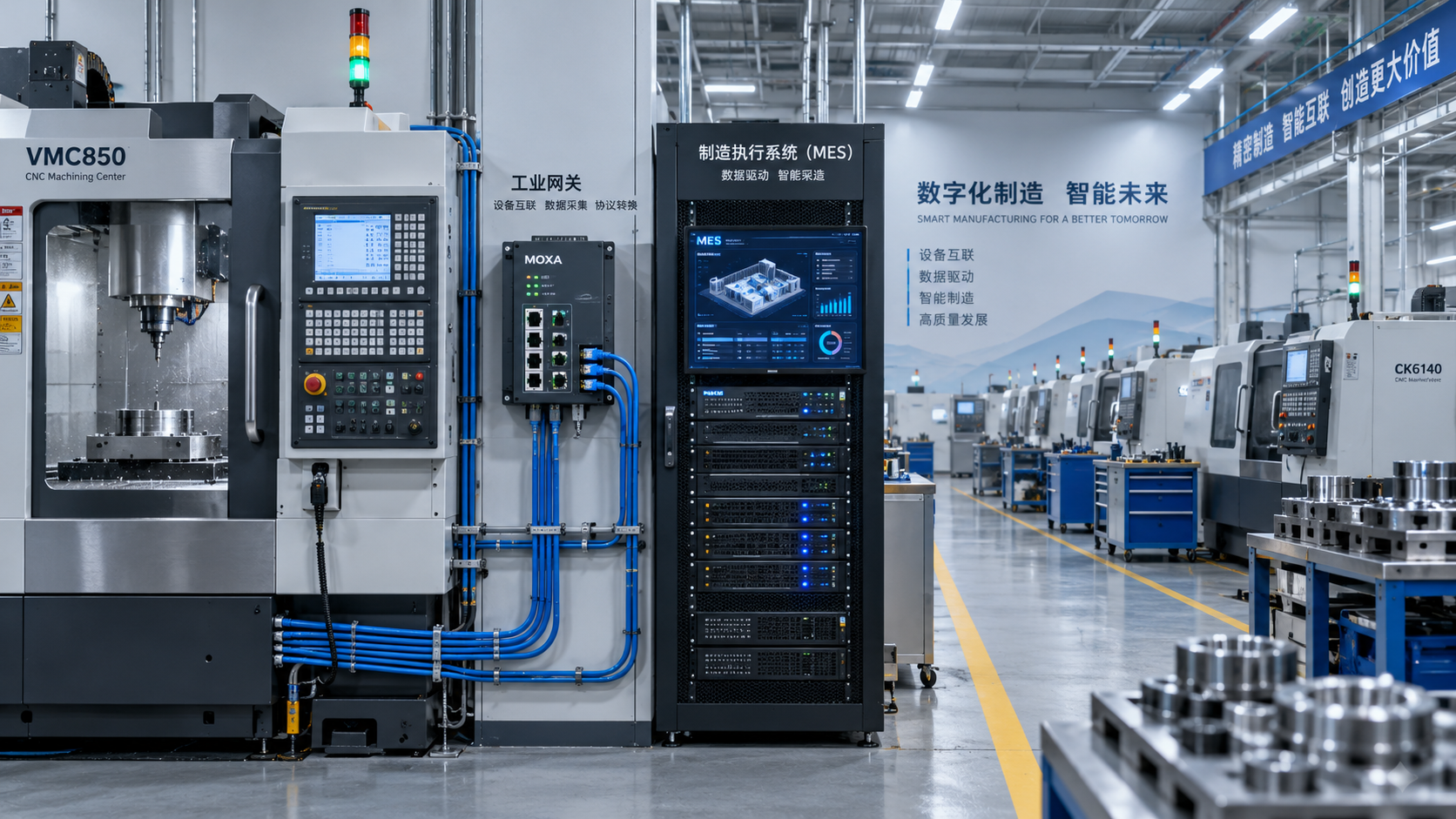
 Digital Manufacturing for Smart Factories: Connecting Legacy Machines to MESMachine Tool Industry Editorial Team
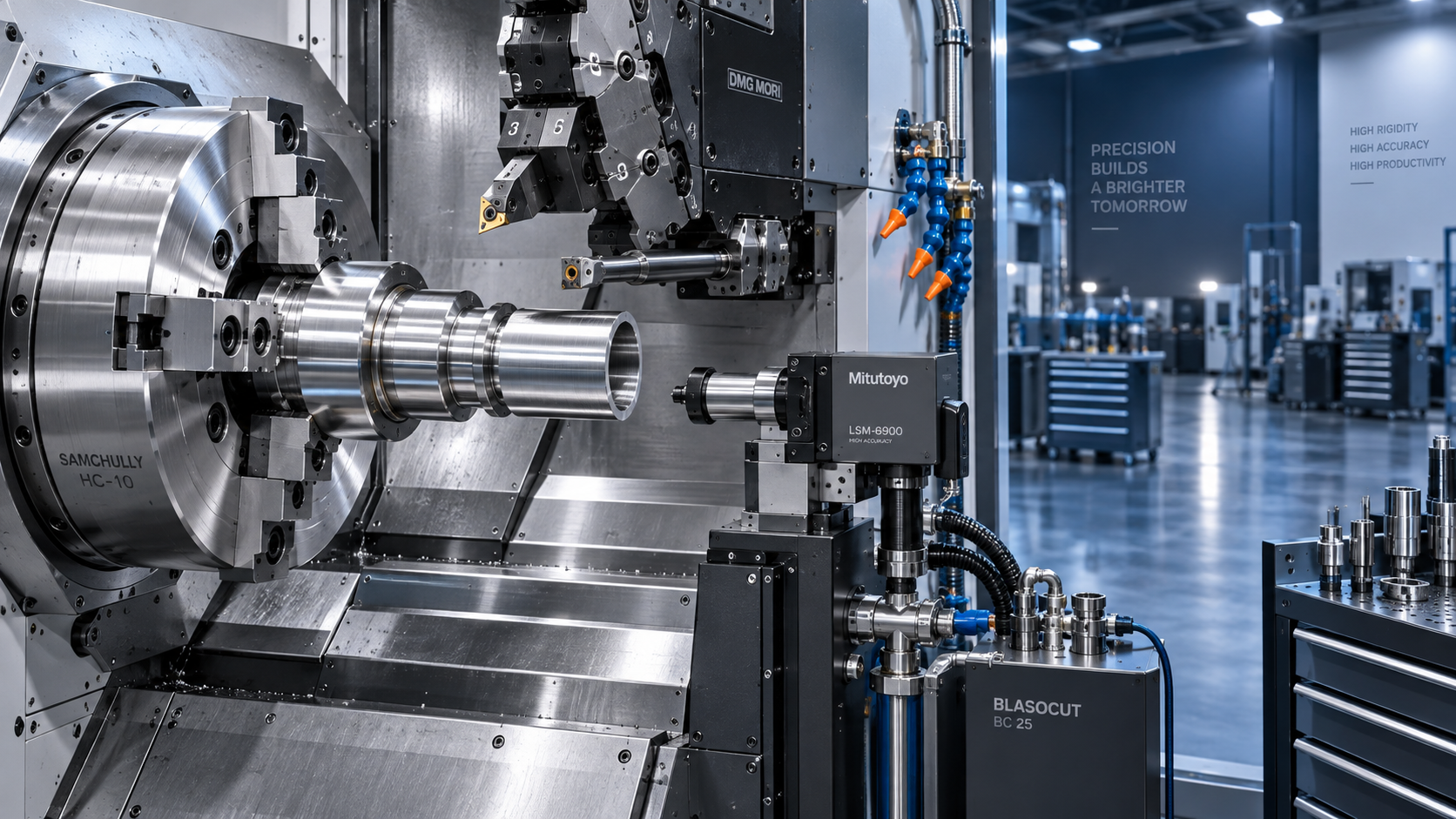
 How to Select a CNC Metal Lathe for Tight-Tolerance Shaft and Sleeve PartsCNC Machining Technology Center
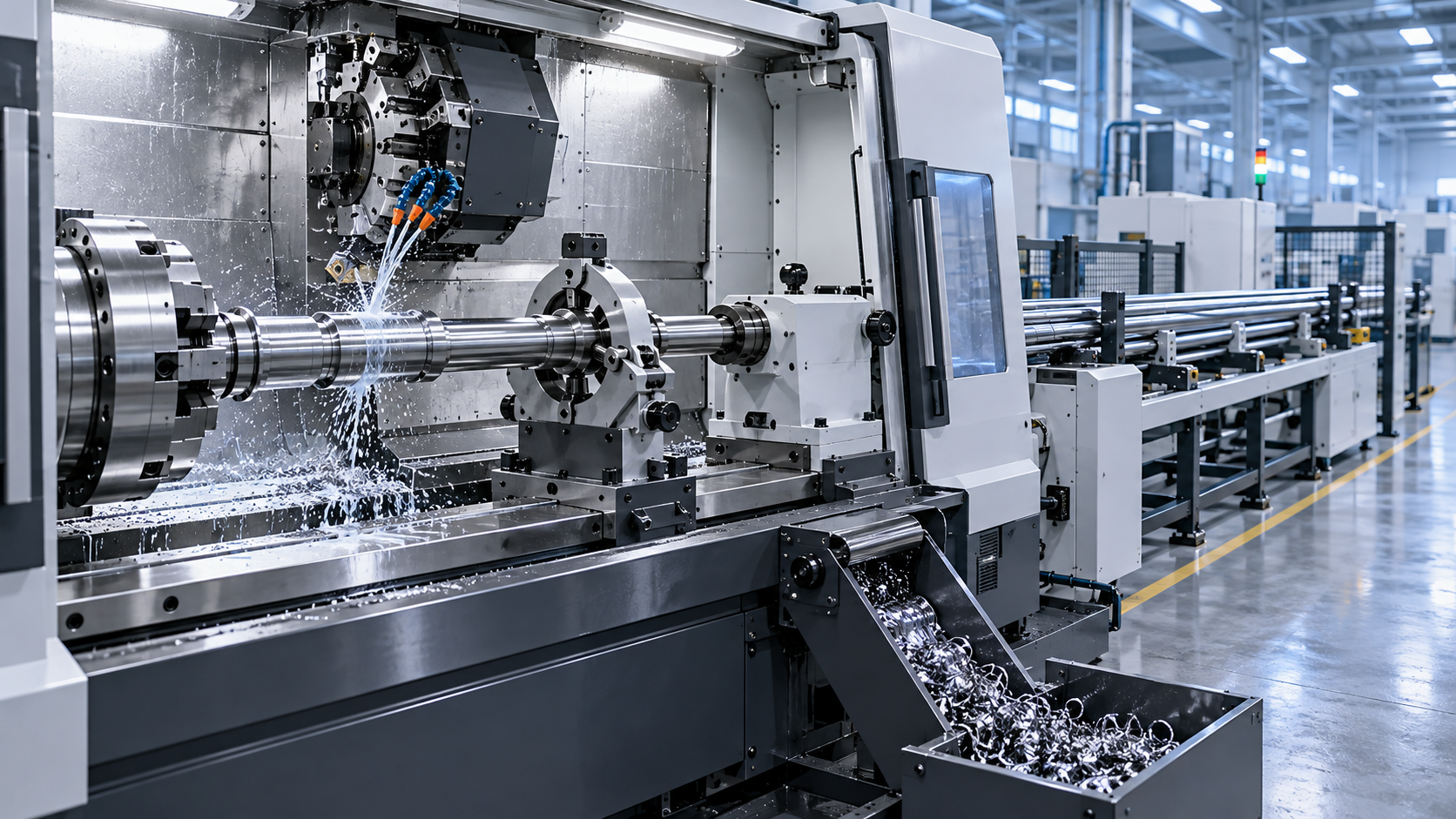
 How to Select an Industrial Lathe for High-Volume Shaft ProductionMachine Tool Industry Editorial Team
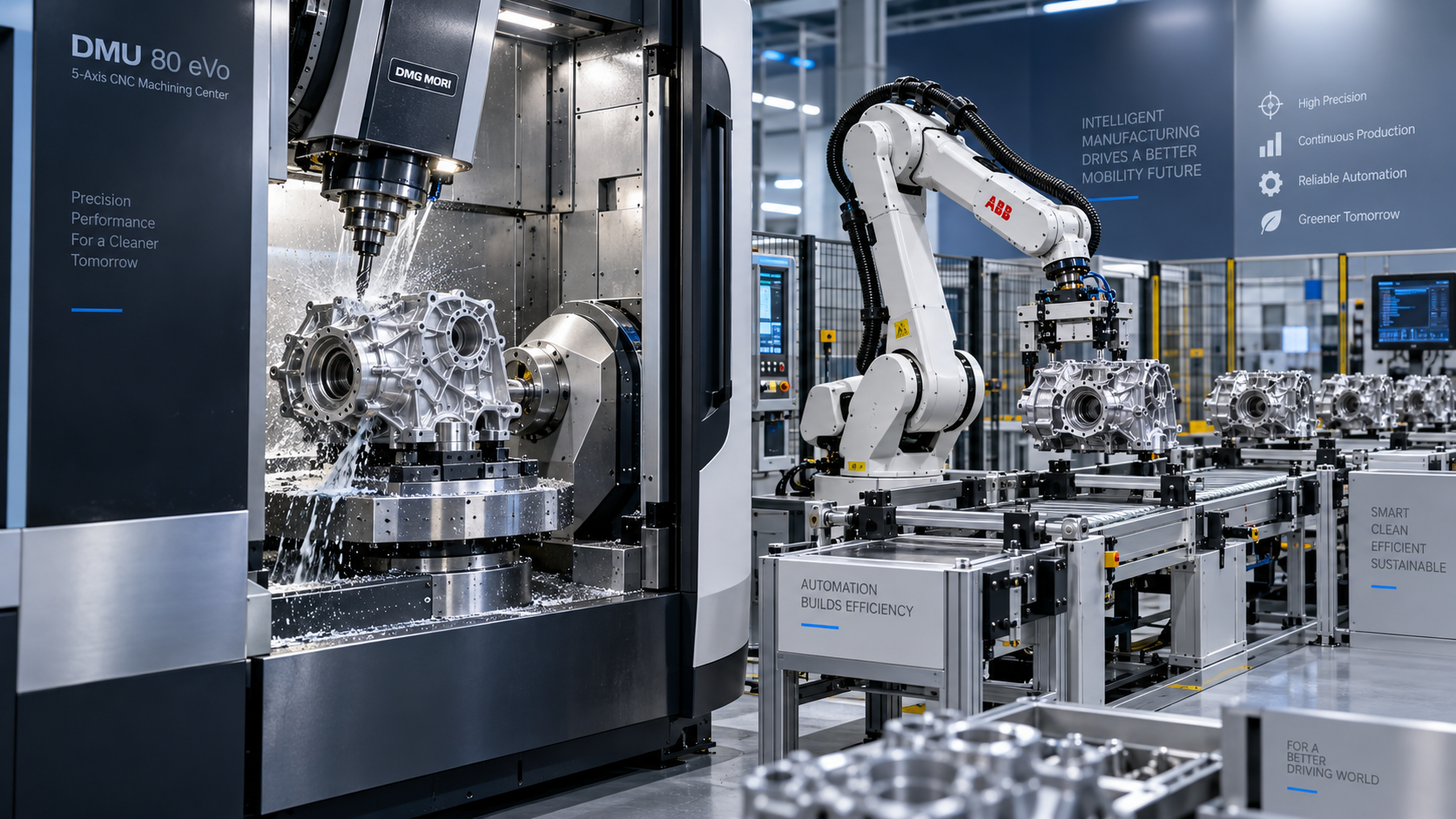
 Selecting Machine Tools for Automotive Parts: Accuracy, Throughput, and AutomationMachine Tool Industry Editorial Team
 Industrial Machining: Selecting Processes for Tight-Tolerance Metal PartsCNC Machining Technology Center
 Manufacturing Technology Trends That Improve Throughput and Quality ControlManufacturing Market Research Center

Aris Katos
Future of Carbide Coatings
15+ years in precision manufacturing systems. Specialized in high-speed milling and aerospace grade alloy processing.
▶
India PLI Phase II Adds CNC FixturesManufacturing Policy Research Center▶
Japan METI Green Subsidy: Up to ¥4M for Chinese High-Efficiency CNC SystemsManufacturing Policy Research Center▶
Japan METI Boosts Green Subsidies for Chinese CNC SystemsManufacturing Policy Research Center▶
AIMM National Standard Advances for CNC Smart Factory CertificationManufacturing Policy Research Center▶
Industrial Robotics vs Fixed Automation: Which FitsManufacturing Policy Research Center
Mastering 5-Axis Workholding Strategies
Join our technical panel on Nov 15th to learn about reducing vibrations in thin-wall components.

Providing you with integrated sanding solutions
Before-sales and after-sales services
Comprehensive technical support