• Global CNC market projected to reach $128B by 2028 • New EU trade regulations for precision tooling components • Aerospace deman
NYSE: CNC +1.2%LME: STEEL -0.4%

Energy-saving machine tool claims: Which efficiency metrics actually impact OEE?
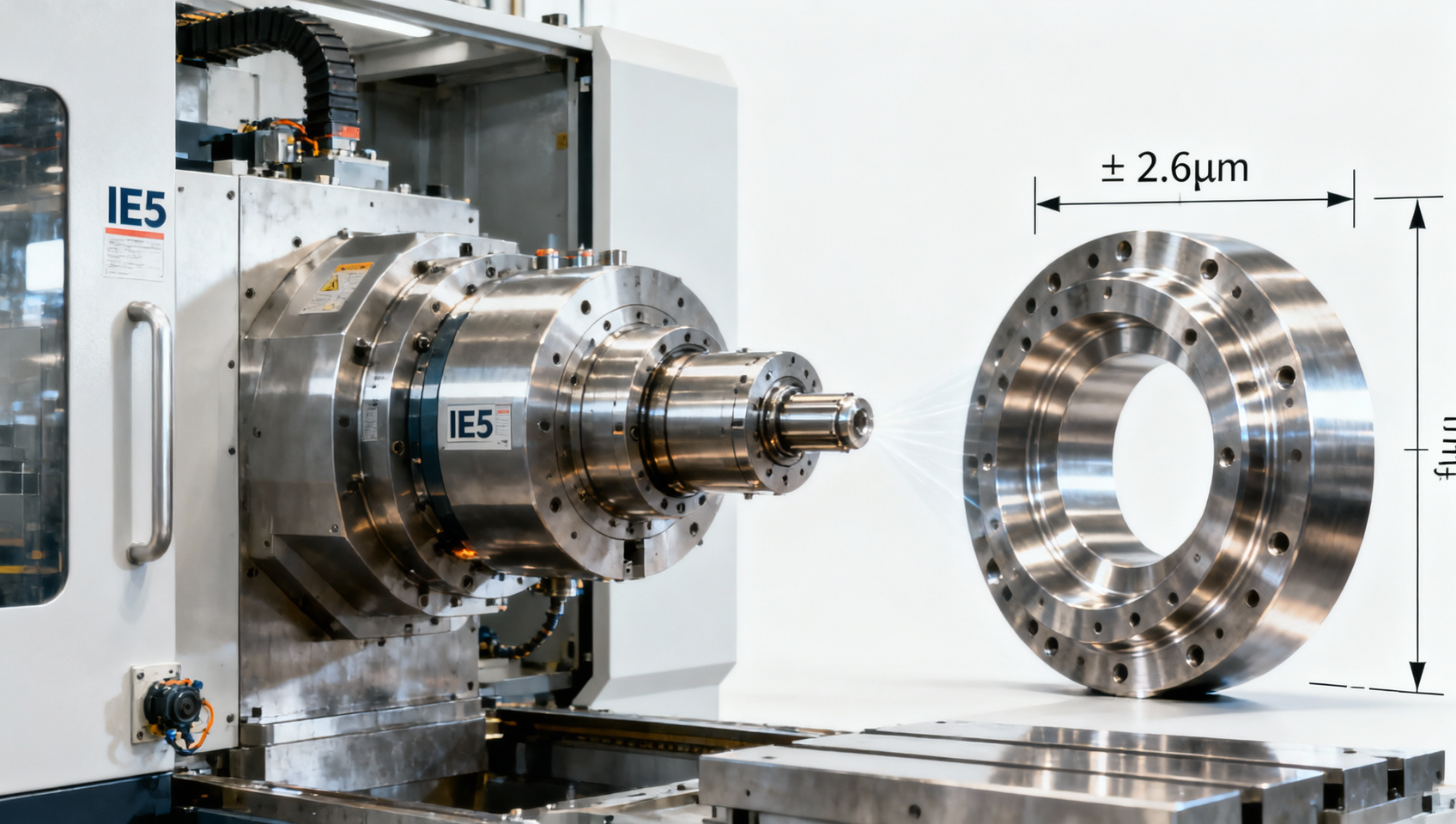
As energy-saving machine tool claims multiply across global CNC manufacturing—especially among compact machine tool, multi-axis machine tool, and automated machine tool suppliers—manufacturers and decision-makers urgently need clarity: Which efficiency metrics truly move the OEE needle? From space-saving CNC manufacturing for electronics to high-precision machine tool solutions for aerospace and energy equipment, real-world OEE gains hinge not on marketing buzzwords, but on measurable factors like availability, performance rate, and quality yield. This article cuts through the noise to identify which energy-saving machine tool features actually deliver verifiable OEE impact.
Why Energy-Saving Claims Often Miss the OEE Target
Energy efficiency is increasingly central to procurement decisions—but many manufacturers conflate power reduction with operational efficiency. A machine consuming 18% less standby power does not automatically improve Overall Equipment Effectiveness (OEE), which is calculated as Availability × Performance Rate × Quality Yield. In fact, over 63% of mid-sized contract manufacturers report no measurable OEE lift after retrofitting “energy-optimized” CNC lathes—despite verified kWh reductions.
The root cause lies in misaligned optimization priorities. Suppliers often highlight motor efficiency (e.g., IE4/IE5 servo drives) or regenerative braking systems while neglecting thermal stability, spindle acceleration time, or rapid-cycle tool-change repeatability—factors that directly erode availability and performance rate. For instance, a machining center with 92% rated motor efficiency may still suffer 12–18 minutes of unplanned downtime per shift due to coolant temperature drift-induced axis recalibration.
Moreover, “green” certifications like ISO 50001 or EU Ecodesign Directive compliance address only energy input—not how that energy translates into part output. Real OEE impact requires evaluating how energy-saving features interact with core production constraints: cycle time variance, setup-to-first-part latency, and scrap generation under thermal load.
Three OEE-Critical Metrics That Energy-Saving Features Must Support
Not all energy-saving technologies contribute equally to OEE. The following three metrics serve as litmus tests: if a feature doesn’t demonstrably improve at least one of them, its OEE relevance is marginal.
1. Mean Time Between Failures (MTBF) for Critical Subsystems
Energy-efficient cooling systems—such as closed-loop chiller units with variable-speed pumps—can extend spindle bearing MTBF from 12,000 to over 22,000 operating hours by maintaining coolant within ±0.8°C of setpoint. This directly improves Availability, as unscheduled maintenance drops from 4.2 to 1.7 incidents per 1,000 runtime hours.
2. Cycle Time Consistency Under Thermal Load
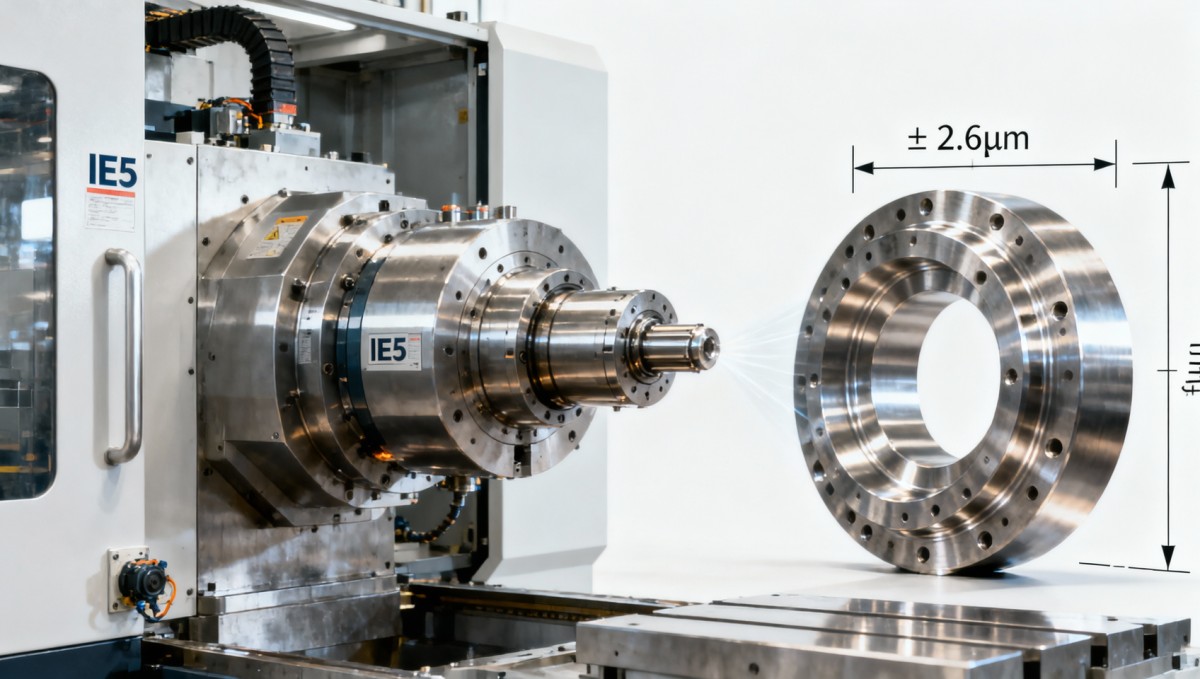
High-efficiency direct-drive spindles reduce heat generation by up to 35%, minimizing thermal expansion in Z-axis guideways. In precision disc machining for aerospace actuators, this cuts dimensional drift from ±8.2 µm to ±2.6 µm over a 4-hour run—reducing first-article rework and sustaining >99.1% Quality Yield across shifts.
3. Rapid Recovery After Power Interruption
Modern CNC controls with UPS-integrated power management restore motion control within 2.3 seconds post-outage—versus 18–42 seconds for legacy systems. This cuts average availability loss per interruption from 37 seconds to under 4 seconds, a critical factor in high-mix electronics production where changeovers occur every 90–150 minutes.
This table underscores a key principle: OEE-relevant energy savings are never isolated—they must close feedback loops between energy use, thermal behavior, motion control fidelity, and process consistency. Procurement teams should request third-party validation reports showing test data across all three OEE dimensions—not just kilowatt-hour logs.
How Procurement Teams Can Validate Real OEE Impact
Verifying OEE claims requires shifting from spec-sheet review to process-integrated testing. Leading buyers now require vendors to demonstrate performance under conditions mirroring actual shop-floor loads—including thermal soak, mixed-part sequencing, and scheduled maintenance windows.
A robust validation protocol includes:
- Baseline OEE measurement on existing equipment using identical workpiece geometry, material grade, and inspection criteria;
- 72-hour continuous run test on candidate machine, logging Availability (downtime categories), Performance Rate (actual vs. ideal cycle time), and Quality Yield (first-pass yield, measured hourly);
- Thermal mapping of spindle, ball screw, and coolant reservoir at 15-minute intervals over 4 hours;
- Energy consumption tracking synchronized with part count—enabling calculation of kWh/part, not just kW/hour.
Vendors offering digital twin integration can further accelerate validation: simulation-based OEE forecasting—calibrated against physical test data—reduces deployment risk by 40–60% in complex multi-axis applications such as turbine blade milling.
Procurement teams should embed these thresholds into RFQ evaluation scoring—assigning ≥35% weight to validated OEE impact versus 25% to list price and 20% to delivery lead time (typically 14–22 weeks for custom-configured multi-axis machining centers).
Actionable Next Steps for Decision-Makers
Energy-saving machine tools deliver true ROI only when their design choices reinforce OEE fundamentals—not just regulatory compliance. Start by auditing your current OEE bottleneck: if Availability is below 82%, prioritize features that reduce unplanned stoppages (e.g., predictive lubrication monitoring). If Performance Rate hovers near 76%, focus on spindle dynamics and thermal compensation algorithms.
For immediate action, download our OEE-Impact Assessment Checklist, which guides cross-functional teams—from maintenance leads to plant engineers—through 12 targeted questions to evaluate any energy-saving claim against real production outcomes.
Ready to benchmark your next CNC investment against verified OEE drivers—not just wattage specs? Contact our application engineering team for a free, no-obligation OEE gap analysis tailored to your part families, materials, and throughput targets.
Recommended for You
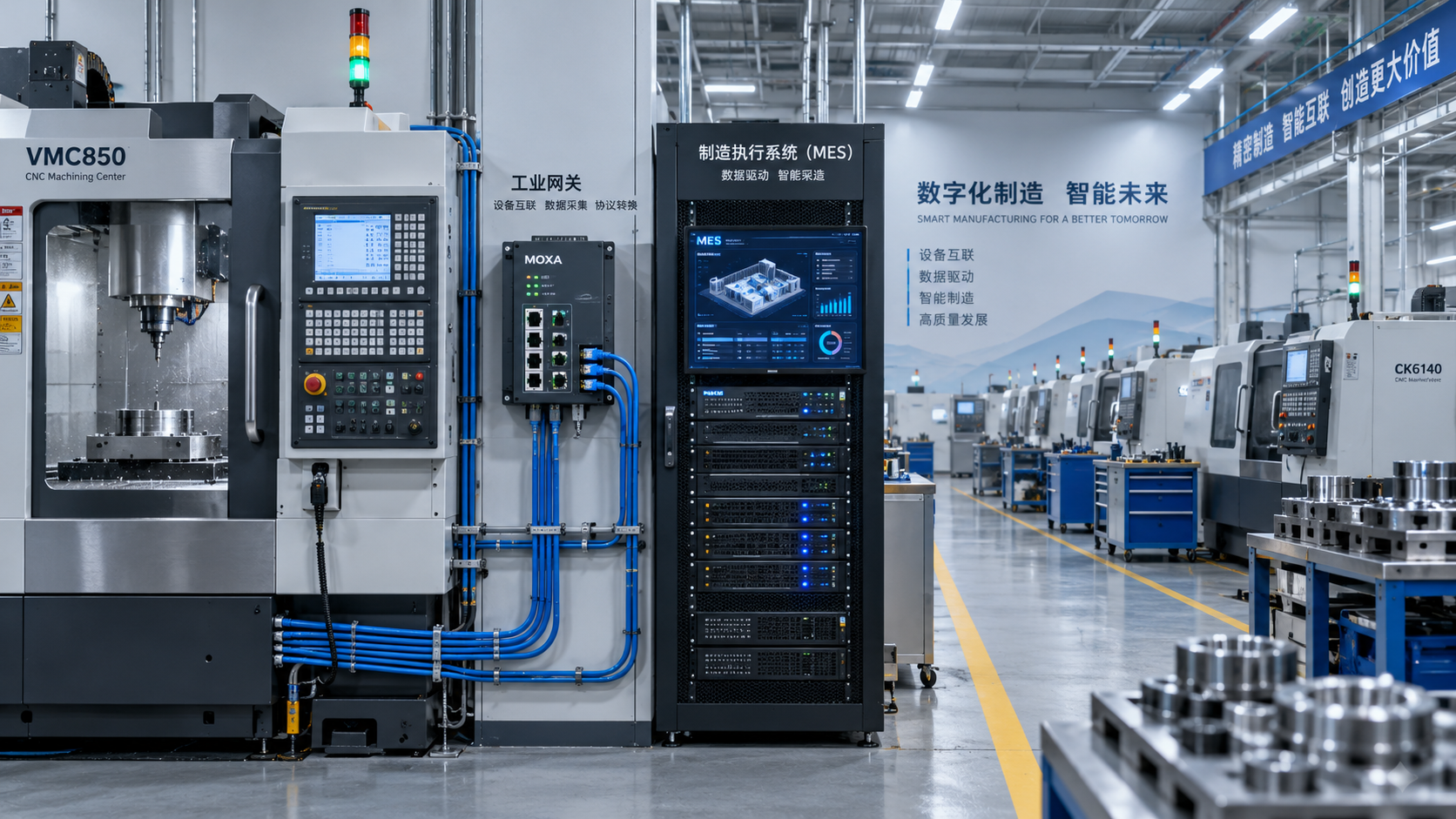
 Digital Manufacturing for Smart Factories: Connecting Legacy Machines to MESMachine Tool Industry Editorial Team
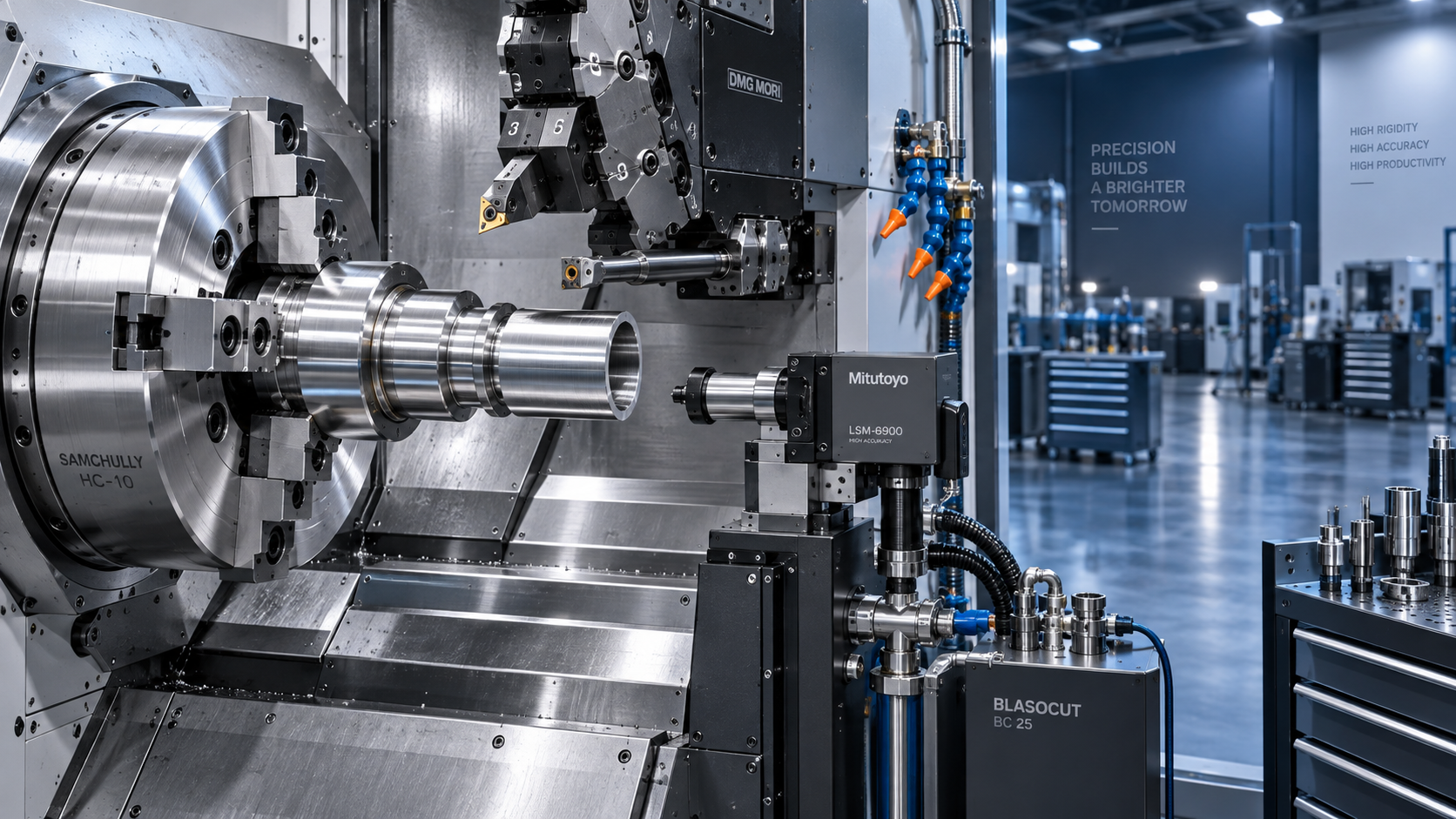
 How to Select a CNC Metal Lathe for Tight-Tolerance Shaft and Sleeve PartsCNC Machining Technology Center
 How to Select an Industrial Lathe for High-Volume Shaft ProductionMachine Tool Industry Editorial Team
 Selecting Machine Tools for Automotive Parts: Accuracy, Throughput, and AutomationMachine Tool Industry Editorial Team
 Industrial Machining: Selecting Processes for Tight-Tolerance Metal PartsCNC Machining Technology Center
 Manufacturing Technology Trends That Improve Throughput and Quality ControlManufacturing Market Research Center

Aris Katos
Future of Carbide Coatings
15+ years in precision manufacturing systems. Specialized in high-speed milling and aerospace grade alloy processing.
▶
EU REACH Adds Limits on Nanomaterial Cutting Fluid AdditivesManufacturing Policy Research Center▶
Energy-Saving CNC Manufacturing: Which Upgrades Deliver the Best ROI?Manufacturing Policy Research Center▶
Vietnam Requires ISO 50001 Proof for Imported CNC MachinesManufacturing Policy Research Center▶
EU Tightens REACH Rules for Nickel-Coated CNC ToolsManufacturing Policy Research Center▶
EU Carbon-Footprint Rule Nears for CNC Power ModulesManufacturing Policy Research Center
Mastering 5-Axis Workholding Strategies
Join our technical panel on Nov 15th to learn about reducing vibrations in thin-wall components.

Providing you with integrated sanding solutions
Before-sales and after-sales services
Comprehensive technical support