• Global CNC market projected to reach $128B by 2028 • New EU trade regulations for precision tooling components • Aerospace deman
NYSE: CNC +1.2%LME: STEEL -0.4%

China Tightens Export Review for 5-Axis CNC Lathes

On May 20, 2026, market attention turned to a stricter export review approach for five-axis CNC lathes and high-precision turn-mill machines from China. The change matters because it links technical performance thresholds directly to dual-use export control treatment, which can affect exporters, buyers, compliance teams, documentation workflows, and delivery planning rather than remaining a purely regulatory issue.
What the new review trigger actually covers
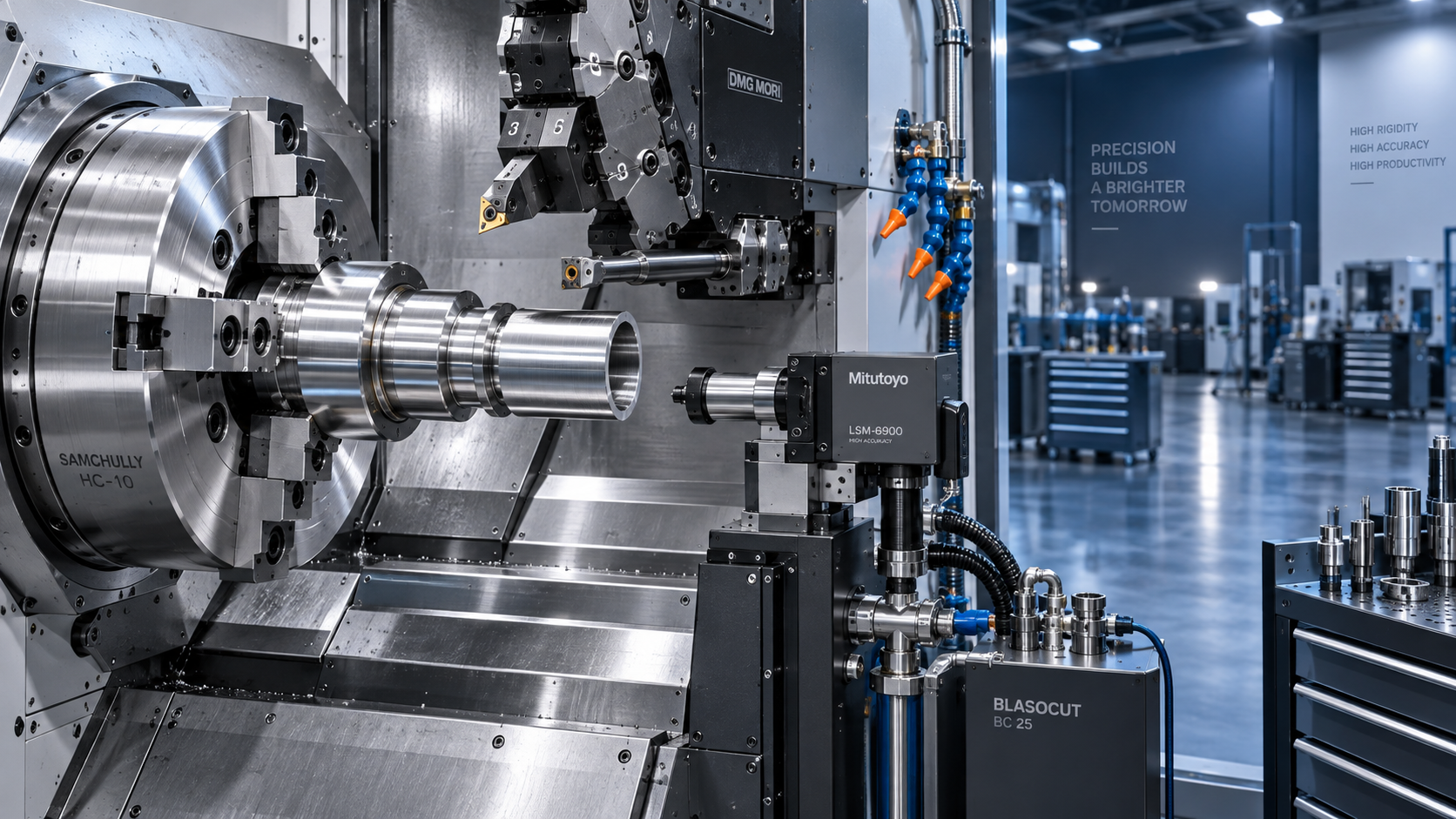
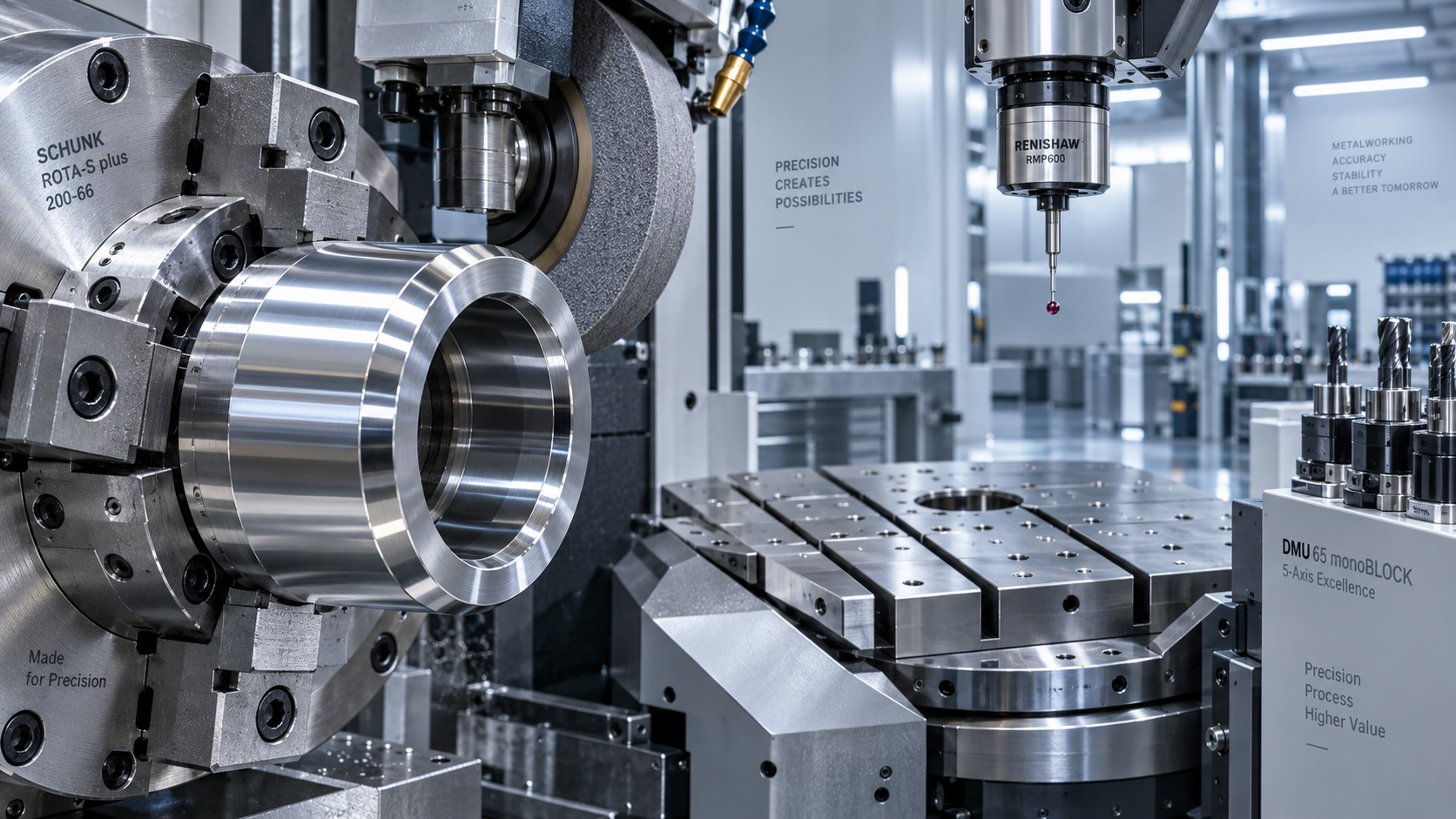
According to the information provided, from May 2026 China Customs began applying a “penetrating review” to exported five-axis linked CNC lathes and high-precision turn-mill machine tools. If X/Y-axis positioning accuracy is below 6 μm, or if the machine contains more than two rotary axes, the product is automatically classified under item 2B201 of the Dual-Use Items Export Control List. Companies must submit a technical parameter sheet, an end-user statement, and proof of intended use. Exports made without a license may face cargo detention and legal liability.
Where the pressure is likely to appear in day-to-day business
Export transactions move from product description to parameter verification
Exporting companies are likely to feel the impact first because the review threshold is tied to measurable machine specifications. In practical terms, product declarations, quotation-stage technical communication, and customs filing materials may need closer alignment with actual axis configuration and positioning accuracy data. What deserves closer attention is whether internal sales, engineering, and trade documentation all describe the same machine capability in a consistent way.
Procurement and buyer-side planning may need earlier compliance checks
For procurement teams and overseas buyers, the rule change can affect ordering rhythm and delivery expectations. If a machine falls within the control threshold, licensing-related documentation becomes part of the transaction path rather than a last-step formality. This means technical specifications, end-user identity, and stated use case may become more important earlier in procurement and contract review.
Supply-chain and logistics service providers may face higher document sensitivity
Freight, customs handling, and trade service participants may also be affected because shipment readiness is no longer only about packing lists and commercial invoices. Analysis shows that cargo movement for relevant machine tools may depend more heavily on whether the technical parameter sheet, end-user statement, and use proof are complete and internally consistent before shipment.
What companies should review now
Check whether key models cross the control threshold
Companies handling five-axis CNC lathes or high-precision turn-mill machines should first review model-level specifications against the stated triggers: X/Y-axis positioning accuracy below 6 μm, or more than two rotary axes. This is not a broad management issue but a product-by-product compliance screening task.
Prepare technical and end-use documents in a usable format
The required materials named in the provided information are clear: technical parameter sheet, end-user statement, and proof of use. From an industry perspective, the immediate issue is not only whether these documents exist, but whether they are complete, consistent, and ready to support customs review without contradiction across sales, technical, and shipping files.
Reassess delivery schedules and contract timing
Because unlicensed exports may lead to cargo detention and legal liability, companies may need to reassess delivery commitments for affected products. Observably, lead-time planning, shipment release expectations, and milestone commitments in export contracts deserve closer review where product parameters are near or within the stated thresholds.
Watch for further clarification in execution practice
The provided information confirms the review mechanism and documentation requirements, but it does not provide more detailed enforcement guidance. It is therefore more appropriate to monitor how official wording, review practice, and trade documentation expectations are applied in actual cases rather than assuming that all execution details are already settled.
Why this reads as an execution signal, not just a policy headline
Analysis shows that this development is best understood as a concrete compliance signal for exports of higher-spec machine tools. The important point is not only that dual-use controls exist, but that customs review is being tied directly to technical indicators and axis configuration. At the same time, this should not be overstated into conclusions beyond the provided facts. It is more appropriate to understand the development as an implemented control signal with further execution detail still worth observing.
How the market is likely to interpret it for now
For the industry, the practical meaning of this development is a shift from general awareness of export controls to more specification-driven transaction screening. The current takeaway is measured: this is not merely background regulation, but neither is it a basis for broad market conclusions without further evidence. A rational reading is that affected exporters and counterparties should treat it as an active compliance and delivery issue requiring closer documentation discipline.
Basis of this article and what still needs verification
This article is based on the user-provided title, event date, and event summary. For developments of this kind, relevant source categories often include official notices, releases from regulatory authorities, customs or trade administration information, industry association updates, standard-setting documents, and reporting by authoritative media. No specific official source link was provided in the input, so the underlying official publication path still needs to be verified. Further observation is also needed on detailed implementation wording, compliance interpretation, tender document changes, industry feedback, and how companies are handling the rule in practice.
PREVIOUS ARTICLE
Recommended for You
 Digital Manufacturing for Smart Factories: Connecting Legacy Machines to MESMachine Tool Industry Editorial Team
 How to Select a CNC Metal Lathe for Tight-Tolerance Shaft and Sleeve PartsCNC Machining Technology Center
 How to Select an Industrial Lathe for High-Volume Shaft ProductionMachine Tool Industry Editorial Team
 Selecting Machine Tools for Automotive Parts: Accuracy, Throughput, and AutomationMachine Tool Industry Editorial Team
 Industrial Machining: Selecting Processes for Tight-Tolerance Metal PartsCNC Machining Technology Center
 Manufacturing Technology Trends That Improve Throughput and Quality ControlManufacturing Market Research Center





Aris Katos
Future of Carbide Coatings
15+ years in precision manufacturing systems. Specialized in high-speed milling and aerospace grade alloy processing.
▶
Machine Tool Standards by Country: What Importers Must Verify Before PurchaseManufacturing Policy Research Center▶
EU Sets CE-EMC+AI Certification Rule for CNC ExportsManufacturing Policy Research Center▶
EU Rule Update Raises CNC Safety Certification BarManufacturing Policy Research Center▶
U.S. Tightens Reviews for China CNC ExportsManufacturing Policy Research Center▶
EU Tightens CNC Export Compliance from October 2026Manufacturing Policy Research Center
Mastering 5-Axis Workholding Strategies
Join our technical panel on Nov 15th to learn about reducing vibrations in thin-wall components.

Providing you with integrated sanding solutions
Before-sales and after-sales services
Comprehensive technical support