• Global CNC market projected to reach $128B by 2028 • New EU trade regulations for precision tooling components • Aerospace deman
NYSE: CNC +1.2%LME: STEEL -0.4%

US Commerce Adds 3 Chinese Precision Fixture Firms to Entity List

On May 16, 2026, the U.S. Department of Commerce’s Bureau of Industry and Security (BIS) added three Chinese enterprises specializing in high-precision clamping and fixturing systems — including Jining Xinlide Machinery — to the Entity List. This action restricts exports to these firms of modular hydraulic fixture systems designed for five-axis联动 machining, particularly those used in high-value applications such as aircraft engine blades and spacecraft structural components. The move signals heightened scrutiny on precision tooling supply chains supporting advanced aerospace manufacturing, and warrants close attention from companies engaged in global precision machining, aerospace component sourcing, and industrial automation integration.
Event Overview
On May 16, 2026, the U.S. Department of Commerce’s Bureau of Industry and Security (BIS) announced the addition of Jining Xinlide Machinery and two other Chinese enterprises focused on high-precision clamping devices to the Entity List. These entities are now subject to licensing requirements for exports, reexports, and in-country transfers of items subject to the Export Administration Regulations (EAR), specifically targeting modular hydraulic fixture systems intended for five-axis联动 machining. Such systems are used in the production of aircraft engine blades and spacecraft structural components. Exporters seeking to supply these items to the listed firms must apply for individual licenses on a case-by-case basis.
Impact on Specific Industry Segments
Direct Exporters and Trading Companies
Companies exporting U.S.-origin modular hydraulic fixtures or EAR-controlled components to the three listed Chinese firms will face immediate licensing obligations. Impact manifests as delayed shipment timelines, increased compliance overhead, and potential order cancellations where license approval is uncertain or denied.
Contract Manufacturers and Precision Machining Service Providers
Firms relying on these Chinese suppliers for custom fixture systems — especially those serving aerospace OEMs or Tier-1 subcontractors — may encounter delivery delays or design revisions if alternative qualified suppliers are not already vetted. Disruption risk concentrates in workflows involving five-axis machining of safety-critical components requiring repeatable, high-tolerance clamping.
Industrial Automation and Tooling Integrators
System integrators incorporating hydraulic modular fixtures into automated workholding solutions may need to reassess bill-of-materials (BOM) sourcing, particularly where traceability to U.S.-origin technology or dual-use components is required. Integration projects with scheduled deployment in late 2026 or early 2027 could face validation or certification delays if fixture provenance falls under enhanced review.
What Affected Enterprises or Practitioners Should Monitor and Do Now
Track official BIS updates and license policy clarifications
The BIS notice does not specify whether existing contracts or pending shipments qualify for grandfathering. Enterprises should monitor the Federal Register for any supplemental guidance, especially regarding transition periods or license exception eligibility (e.g., License Exception TSU or RPL).
Identify and validate alternative fixture suppliers for critical applications
For users dependent on the affected firms’ five-axis hydraulic fixture systems, current priority lies in mapping technical specifications (e.g., repeatability tolerance, hydraulic response time, interface compatibility with specific CNC controllers) and validating equivalency from non-listed suppliers — including domestic Chinese alternatives not yet designated, or EU/Japanese vendors with comparable product lines.
Distinguish between regulatory signal and operational impact
This listing targets specific end-use applications (aerospace engine and spacecraft components) and specific technologies (modular hydraulic systems for five-axis machining). It does not broadly prohibit trade in general-purpose mechanical fixtures or pneumatic clamps. Enterprises should avoid overgeneralizing the scope and instead assess exposure at the product-level and application-level.
Review internal export compliance documentation for related transactions
Exporters and distributors handling EAR-controlled tooling should audit recent transaction records involving the three listed entities — especially shipments occurring within the past 12 months — to ensure classification accuracy and identify potential reporting or recordkeeping obligations triggered by the designation.
Editorial Perspective / Industry Observation
Observably, this action reflects an ongoing refinement in U.S. export controls toward functionally precise industrial enablers — not just finished aerospace hardware, but the high-repeatability workholding infrastructure essential to its manufacture. Analysis shows that the focus on modular hydraulic fixtures indicates growing recognition of how tightly integrated, digitally controllable clamping systems contribute to the precision and throughput of advanced CNC operations. From an industry perspective, this is less an isolated enforcement step and more a signal of continued alignment between export control policy and emerging capabilities in smart manufacturing tooling. It underscores that compliance relevance now extends beyond chipmakers and software developers to mechanical engineering firms delivering mission-critical physical interfaces in automated production environments. Continued monitoring is warranted, as similar designations may follow for other specialized tooling categories supporting dual-use advanced manufacturing.
The designation marks a targeted regulatory intervention rather than a broad sectoral restriction. Its significance lies not in immediate market-wide disruption, but in reinforcing due diligence expectations across the precision machining supply chain — especially where U.S.-origin technology, performance specifications, or end-use applications intersect with national security priorities. Current understanding should emphasize granularity: impact is concentrated, not diffuse; actionable, not speculative; and tied directly to documented product functionality and deployment context.
Information Source: U.S. Department of Commerce, Bureau of Industry and Security (BIS) Entity List update published May 16, 2026. Note: Ongoing observation is recommended for any subsequent Federal Register notices clarifying licensing policies or scope interpretations related to this designation.
Recommended for You
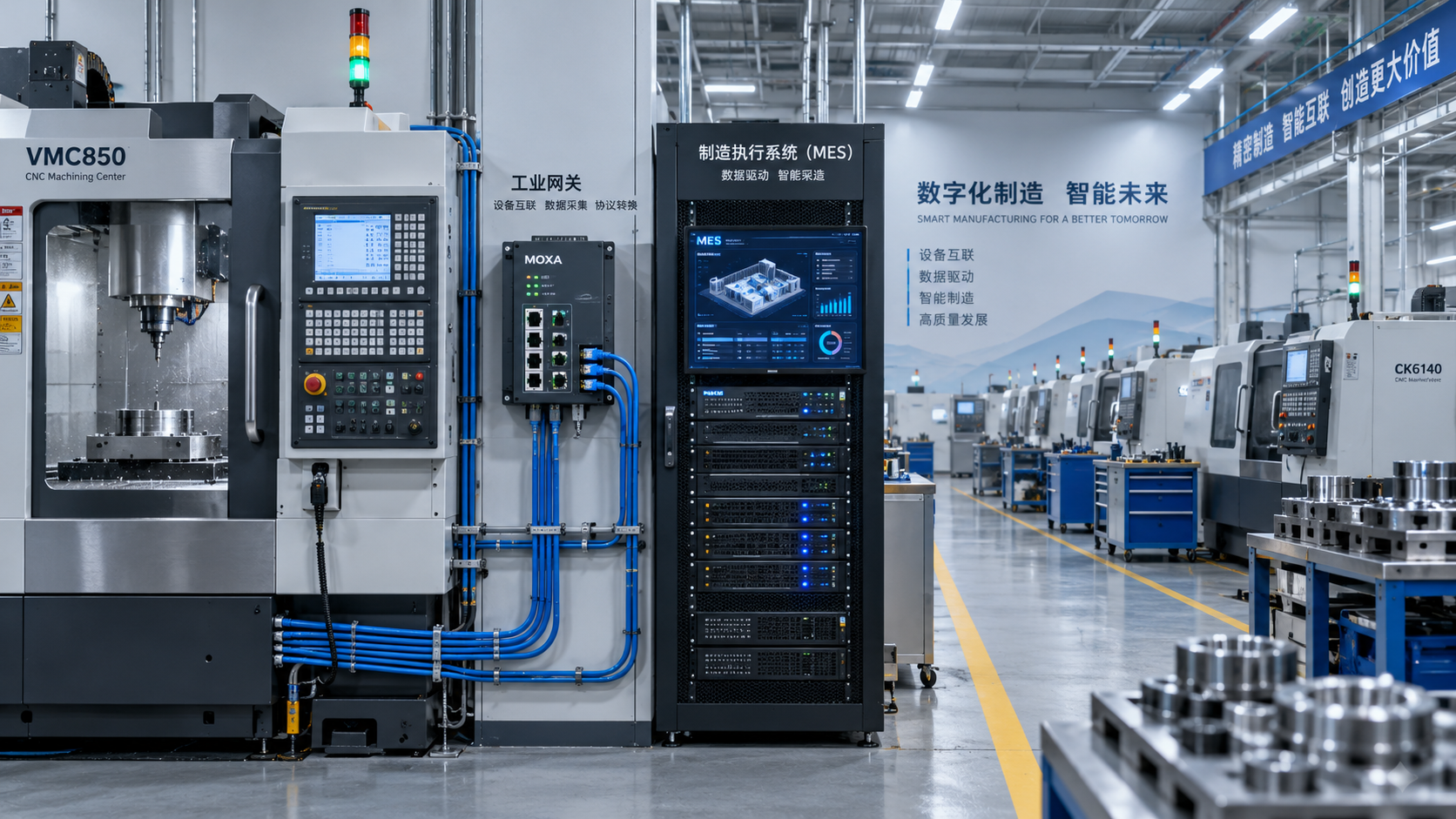
 Digital Manufacturing for Smart Factories: Connecting Legacy Machines to MESMachine Tool Industry Editorial Team
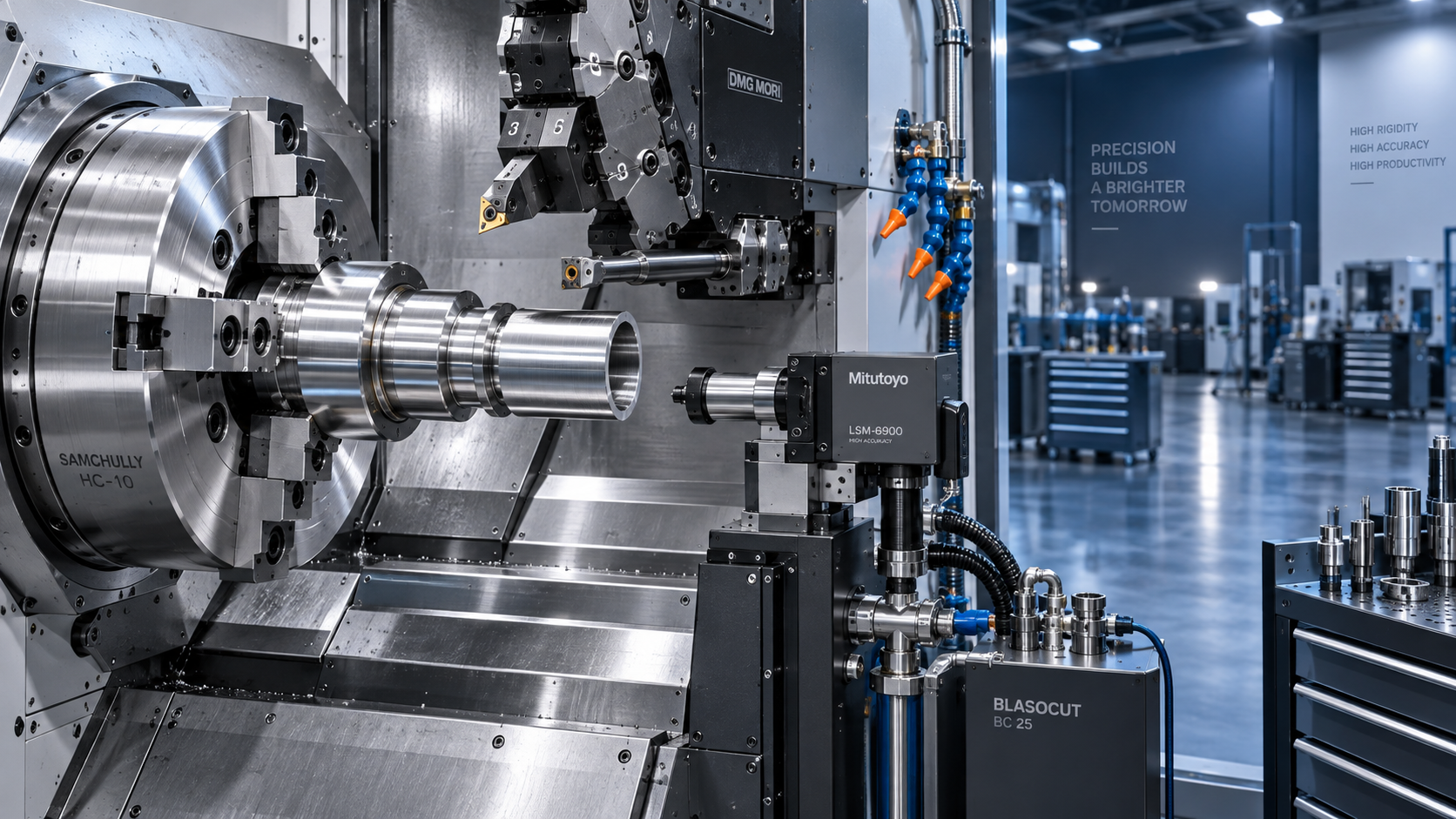
 How to Select a CNC Metal Lathe for Tight-Tolerance Shaft and Sleeve PartsCNC Machining Technology Center
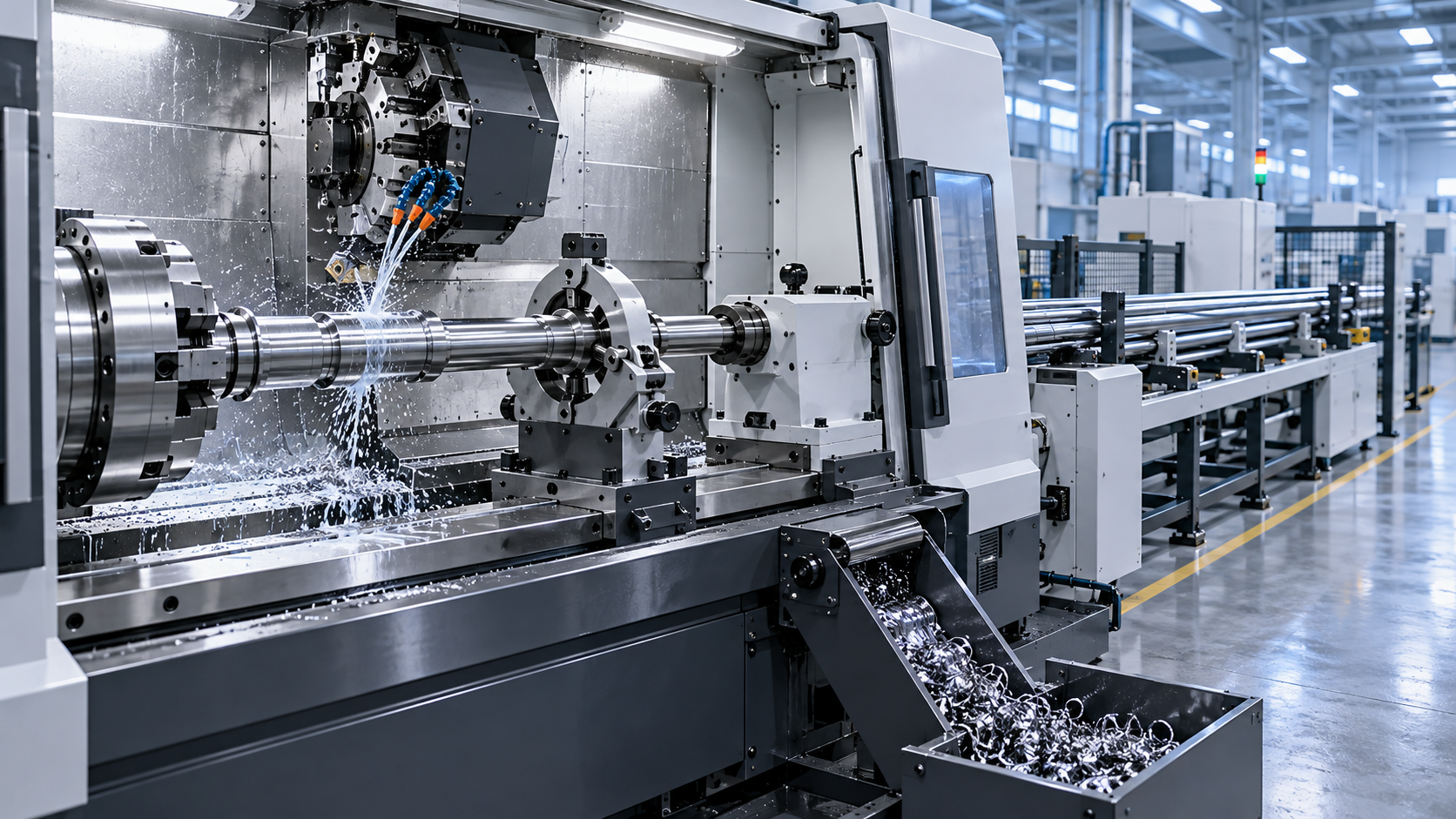
 How to Select an Industrial Lathe for High-Volume Shaft ProductionMachine Tool Industry Editorial Team
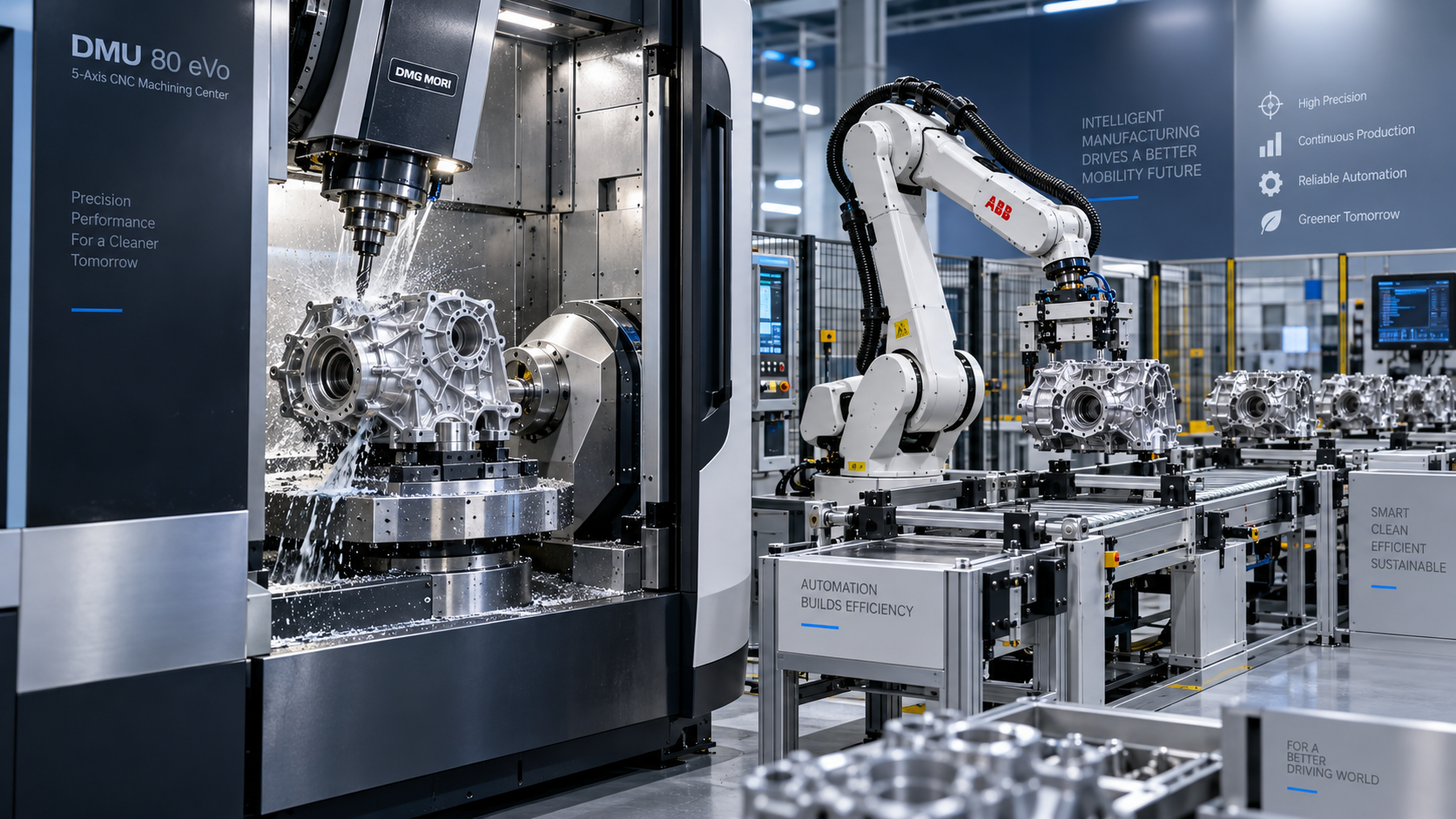
 Selecting Machine Tools for Automotive Parts: Accuracy, Throughput, and AutomationMachine Tool Industry Editorial Team
 Industrial Machining: Selecting Processes for Tight-Tolerance Metal PartsCNC Machining Technology Center
 Manufacturing Technology Trends That Improve Throughput and Quality ControlManufacturing Market Research Center

Aris Katos
Future of Carbide Coatings
15+ years in precision manufacturing systems. Specialized in high-speed milling and aerospace grade alloy processing.
▶
Machine Tool Standards by Country: What Importers Must Verify Before PurchaseManufacturing Policy Research Center▶
EU Sets CE-EMC+AI Certification Rule for CNC ExportsManufacturing Policy Research Center▶
EU Rule Update Raises CNC Safety Certification BarManufacturing Policy Research Center▶
U.S. Tightens Reviews for China CNC ExportsManufacturing Policy Research Center▶
EU Tightens CNC Export Compliance from October 2026Manufacturing Policy Research Center
Mastering 5-Axis Workholding Strategies
Join our technical panel on Nov 15th to learn about reducing vibrations in thin-wall components.

Providing you with integrated sanding solutions
Before-sales and after-sales services
Comprehensive technical support