• Global CNC market projected to reach $128B by 2028 • New EU trade regulations for precision tooling components • Aerospace deman
NYSE: CNC +1.2%LME: STEEL -0.4%

Canada Cuts Tariff on China-Built EVs to 6.1%

On June 1, 2026, Canada sharply reduced its import tariff on electric vehicles made in China from more than 100% to 6.1% and introduced an annual quota of 49,000 vehicles. With the first shipments already arriving, including models from Tesla’s Shanghai factory and Geely’s Lotus EV line, the development deserves attention not only from vehicle importers and distributors but also from manufacturers of high-end CNC equipment tied to battery housing and motor component production, because it may lower practical barriers for related supply-chain investment and localized production planning.
A policy shift with immediate trade relevance
The confirmed facts are limited but clear. Starting in June 2026, the Canadian government reduced the tariff on Chinese-made electric vehicles from above 100% to 6.1% and set an annual import quota of 49,000 units. The first batch has already reached Canada and includes vehicles produced at Tesla’s Shanghai factory as well as Lotus electric vehicles linked to Geely. The information provided also indicates that this change lowers the export threshold for supporting high-end Chinese CNC equipment, including five-axis turn-mill machine tools used for battery case machining and Swiss-type machines designed for motor rotor production.
Where the impact may surface first
Vehicle import and market-entry activities
From an industry perspective, companies directly involved in EV imports may be affected first because the tariff reduction and quota arrangement change the economics of bringing China-built vehicles into Canada. What deserves closer attention is how the quota framework shapes product mix, shipment timing, and commercial prioritization rather than simply headline tariff levels.
Localized production and line-building decisions
Analysis shows that the more consequential effect may appear in manufacturing planning. If localized production lines accelerate in response to improved market access, demand could emerge for specialized equipment used in battery housing and motor component machining. The business impact would likely be concentrated in equipment sourcing, production-line configuration, and project delivery schedules.
CNC equipment and supporting suppliers
For suppliers of advanced CNC systems and related industrial services, the key implication is not that orders are already guaranteed, but that a lower barrier to vehicle trade may improve the business case for associated equipment exports. Observably, the most relevant categories mentioned in the provided information are five-axis turn-mill systems for battery casings and Swiss-type machines for motor rotors, making these product areas worth monitoring more closely.
What companies should watch next
Distinguishing policy access from actual business execution
What deserves closer attention is the difference between a tariff announcement and realized equipment demand. Companies should avoid treating the tariff reduction alone as a confirmed volume signal and instead track whether vehicle inflows translate into concrete localization or production-line activity.
Watching quota-related operational details
The annual quota of 49,000 vehicles is a confirmed part of the policy shift, so affected businesses should pay close attention to any further official wording or implementation details that may influence shipment planning, customer commitments, and commercial timing.
Preparing documentation and delivery readiness
For equipment suppliers and supply-chain service providers, practical preparation may matter as much as market analysis. Relevant teams should review product documentation, supplier qualification materials, delivery-cycle assumptions, and customer communication plans so they can respond if localized manufacturing projects move faster than expected.
Focusing on the most exposed equipment categories
Based on the provided information, attention should center on equipment directly tied to EV component manufacturing, especially battery case machining and motor rotor processing. This is where any translation from trade policy to equipment demand is most likely to become visible first.
Why this looks more like a signal than a finished outcome
Analysis shows that this development is better understood, at least for now, as an important market signal rather than a fully formed industry result. The tariff cut and quota opening clearly change access conditions for China-built EVs in Canada, and the arrival of the first batch shows that the policy move is already connected to real vehicle flows. Even so, whether this becomes sustained demand for localized production capacity and supporting CNC equipment still requires continued observation.
How the market may read this development
It is more appropriate to understand this as a policy-driven opening with potentially wider manufacturing implications, rather than as a complete demand conclusion. For the industry, the significance lies in the connection between EV trade access and the possible release of demand for specialized production equipment. The near-term change is tangible, but the longer-term industrial effect still depends on how trade activity, localization decisions, and equipment procurement develop from here.
Basis of this article
This article is based on the user-provided news title, event date, and event summary. For developments of this type, commonly relevant source categories may include official government announcements, company statements, industry association information, authoritative media reporting, and standards-related documents. No specific official source link was provided in the input, so the precise original documentation still requires ongoing verification. Follow-up attention should remain on any official clarification of the quota mechanism, subsequent vehicle import developments, and whether localized production activity translates into measurable equipment procurement.
PREVIOUS ARTICLE
NEXT ARTICLE
Recommended for You
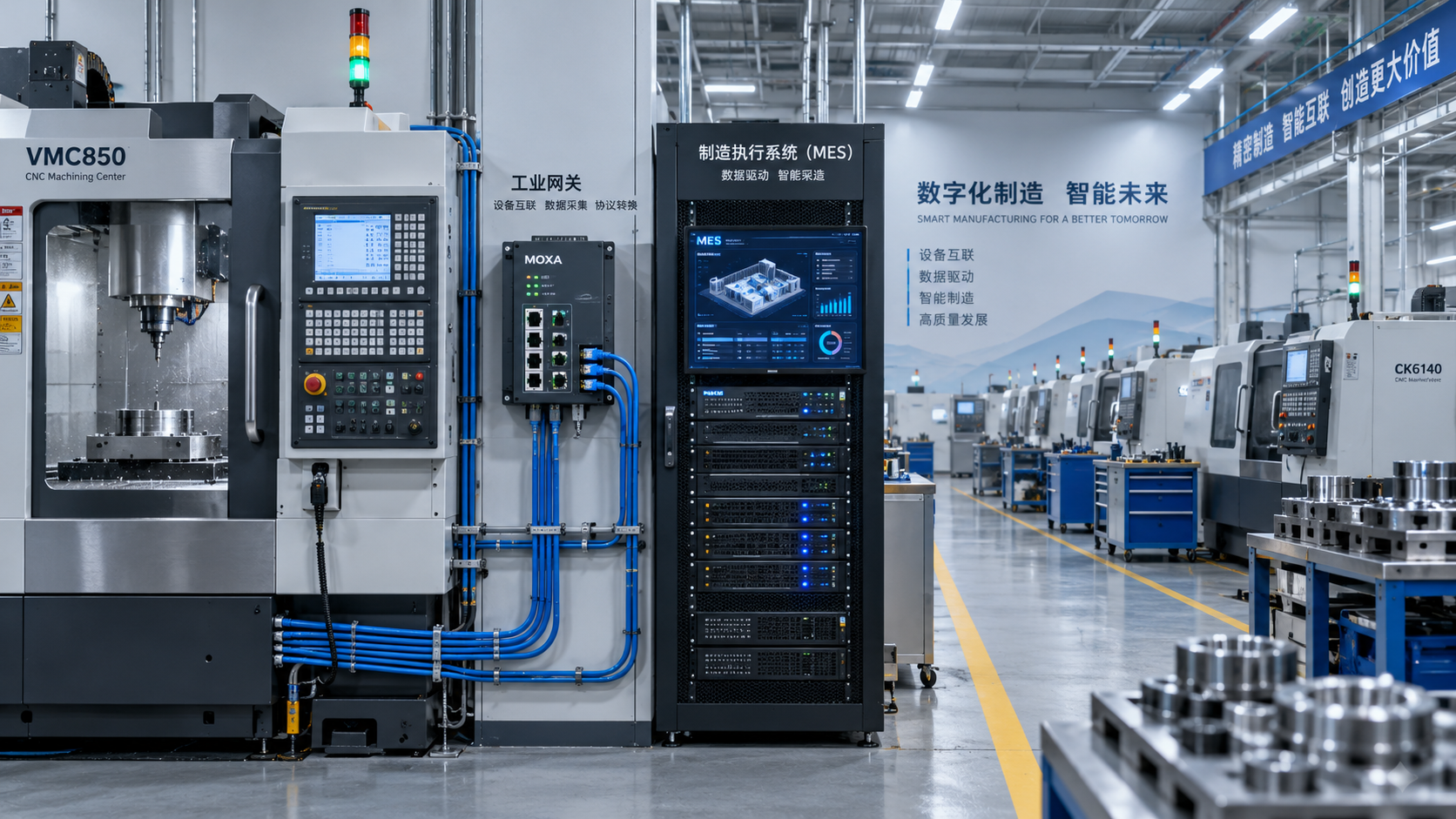
 Digital Manufacturing for Smart Factories: Connecting Legacy Machines to MESMachine Tool Industry Editorial Team
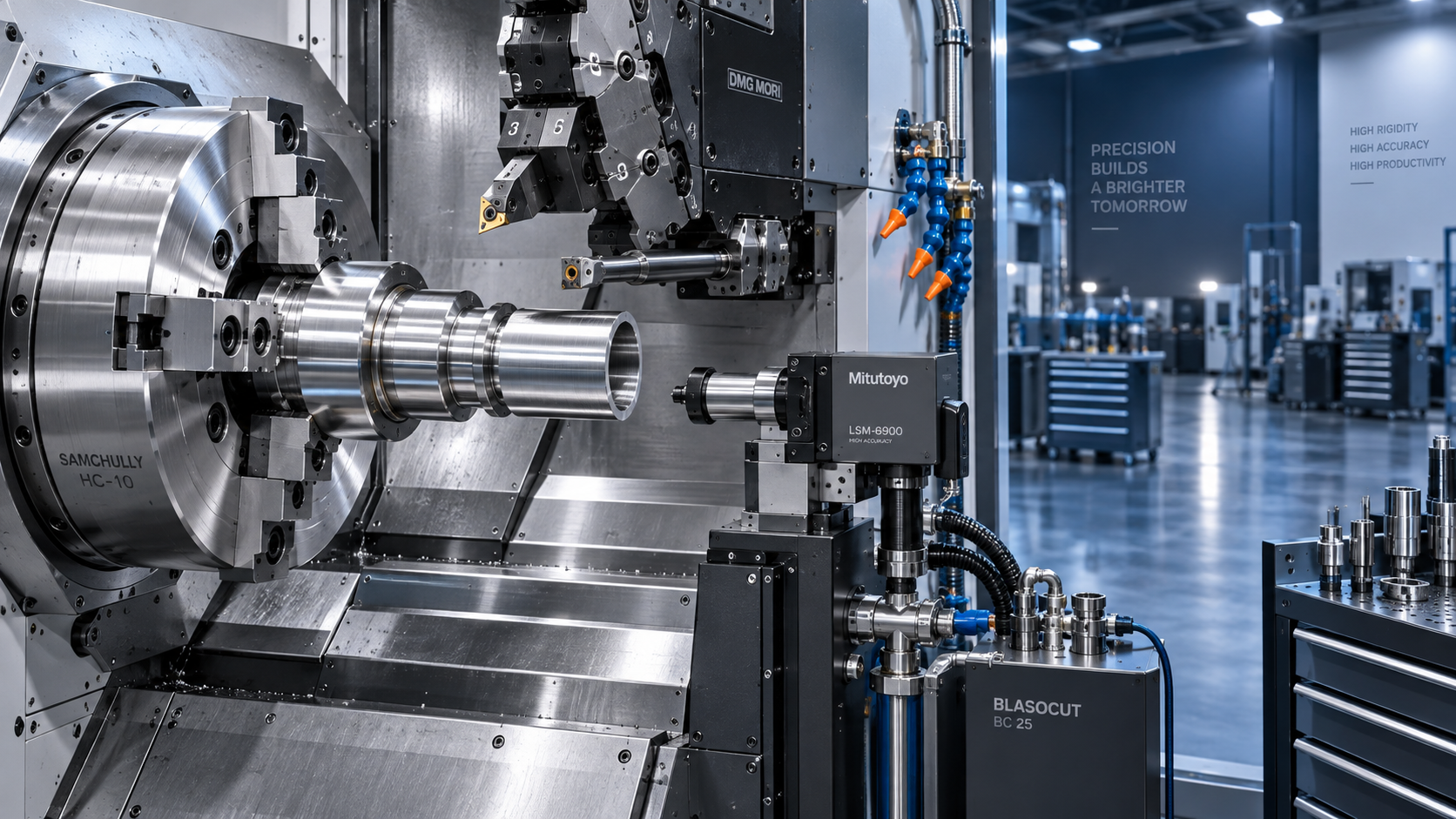
 How to Select a CNC Metal Lathe for Tight-Tolerance Shaft and Sleeve PartsCNC Machining Technology Center
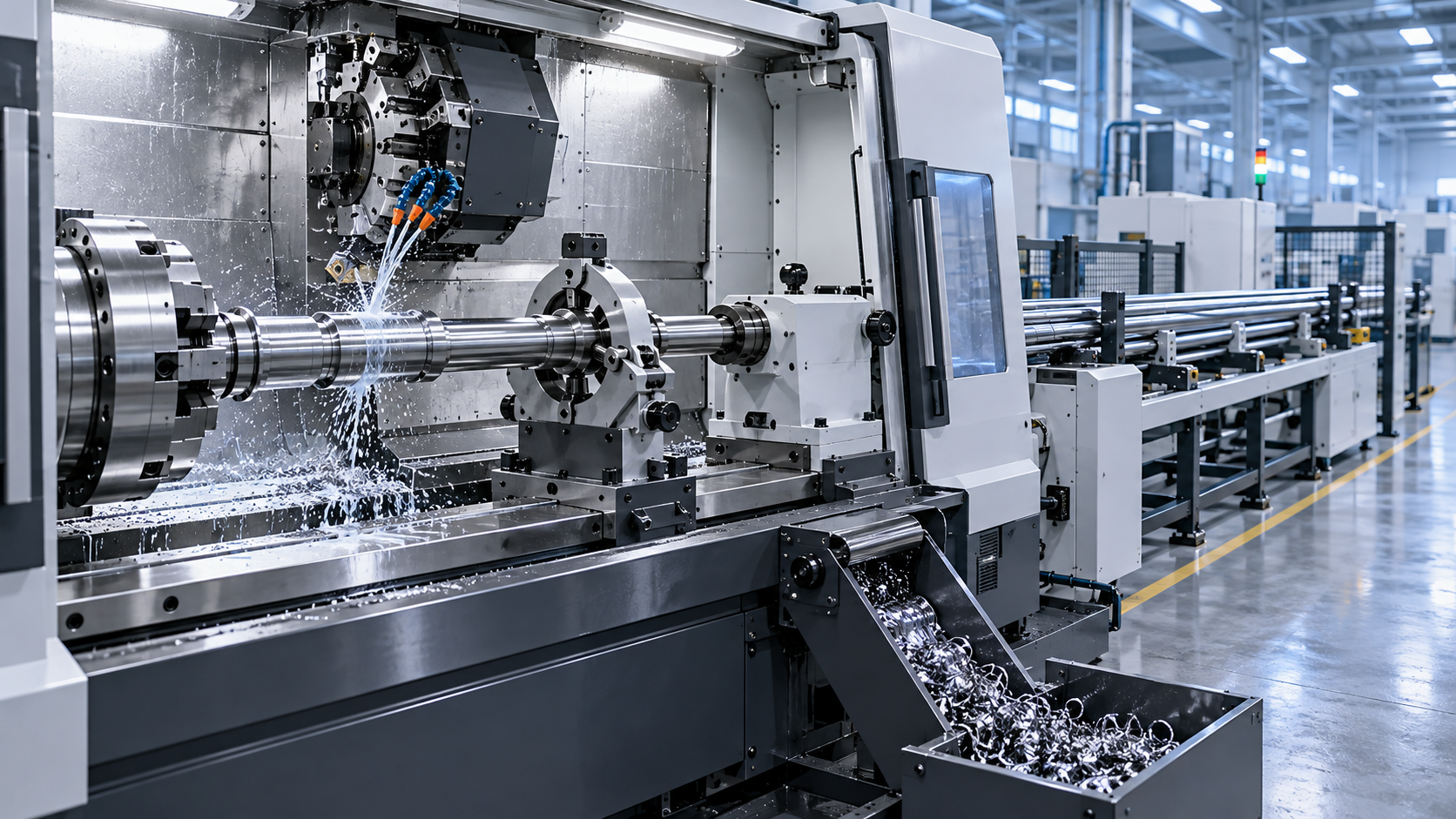
 How to Select an Industrial Lathe for High-Volume Shaft ProductionMachine Tool Industry Editorial Team
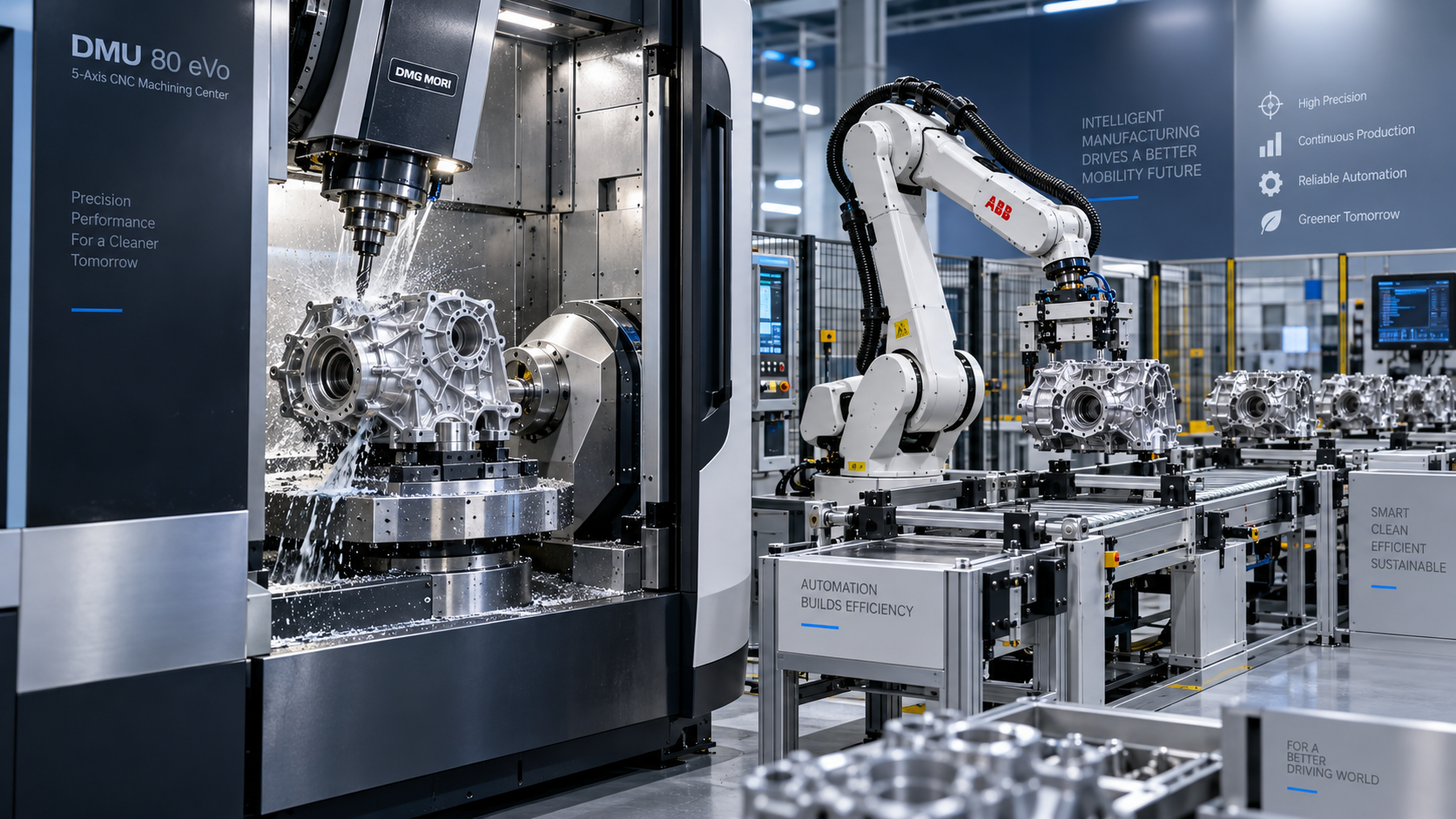
 Selecting Machine Tools for Automotive Parts: Accuracy, Throughput, and AutomationMachine Tool Industry Editorial Team
 Industrial Machining: Selecting Processes for Tight-Tolerance Metal PartsCNC Machining Technology Center
 Manufacturing Technology Trends That Improve Throughput and Quality ControlManufacturing Market Research Center

Aris Katos
Future of Carbide Coatings
15+ years in precision manufacturing systems. Specialized in high-speed milling and aerospace grade alloy processing.
▶
日本高端机床出口管制生效,五轴CNC审批趋严Global Machine Tool Trade Research Center▶
Japan Tightens Controls on High-End Machine Tool ExportsGlobal Machine Tool Trade Research Center▶
US Proposes 25% Tariff on China CNC Servo DrivesGlobal Machine Tool Trade Research Center▶
US Adds 37 Chinese Machine Tool Firms to Export ListGlobal Machine Tool Trade Research Center▶
US Tightens CNC Export Curbs, Adds 52 China EntitiesGlobal Machine Tool Trade Research Center
Mastering 5-Axis Workholding Strategies
Join our technical panel on Nov 15th to learn about reducing vibrations in thin-wall components.

Providing you with integrated sanding solutions
Before-sales and after-sales services
Comprehensive technical support